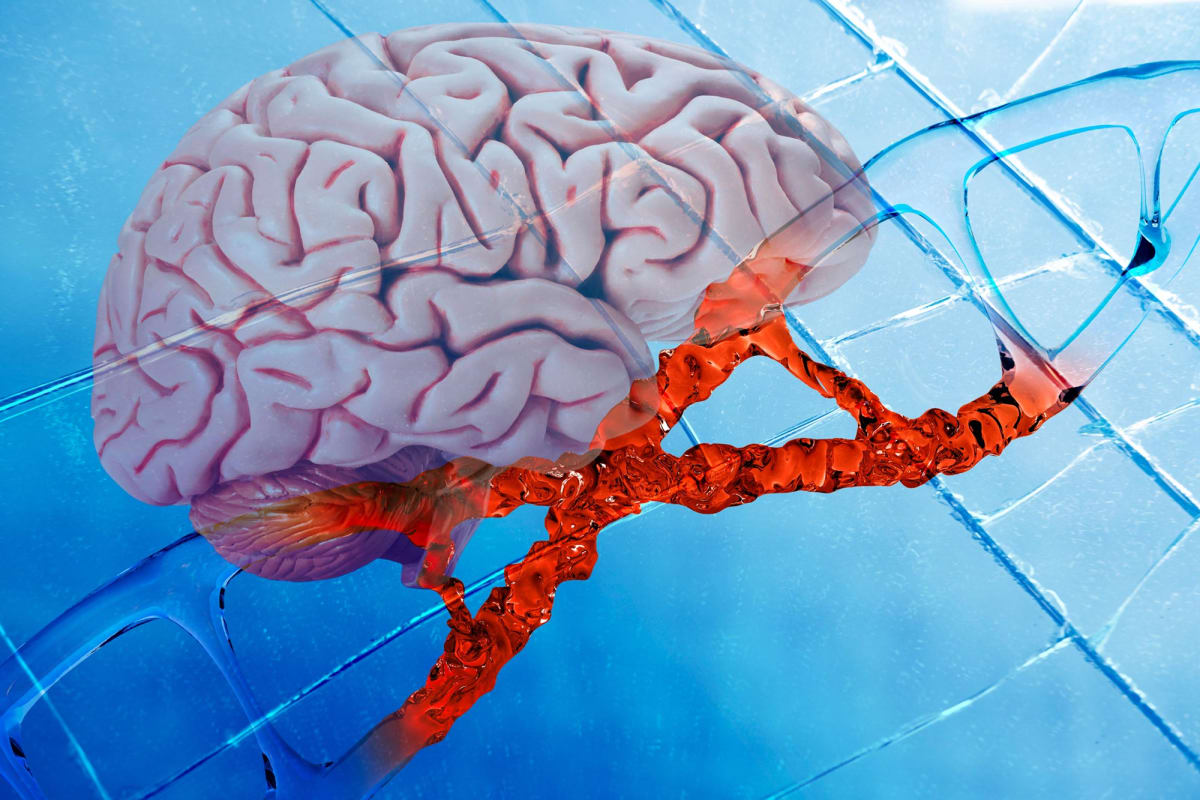
Ancient DNA Switches Unlock Secrets of Human Language
Scientists discovered tiny genetic "switches" that shaped human language ability before we split from Neanderthals. These ancient regulators still influence how we learn and use language today.
Find uplifting stories about heroes, innovations, and solutions
13473 results for "prehistoric humans"
Scientists discovered tiny genetic "switches" that shaped human language ability before we split from Neanderthals. These ancient regulators still influence how we learn and use language today.
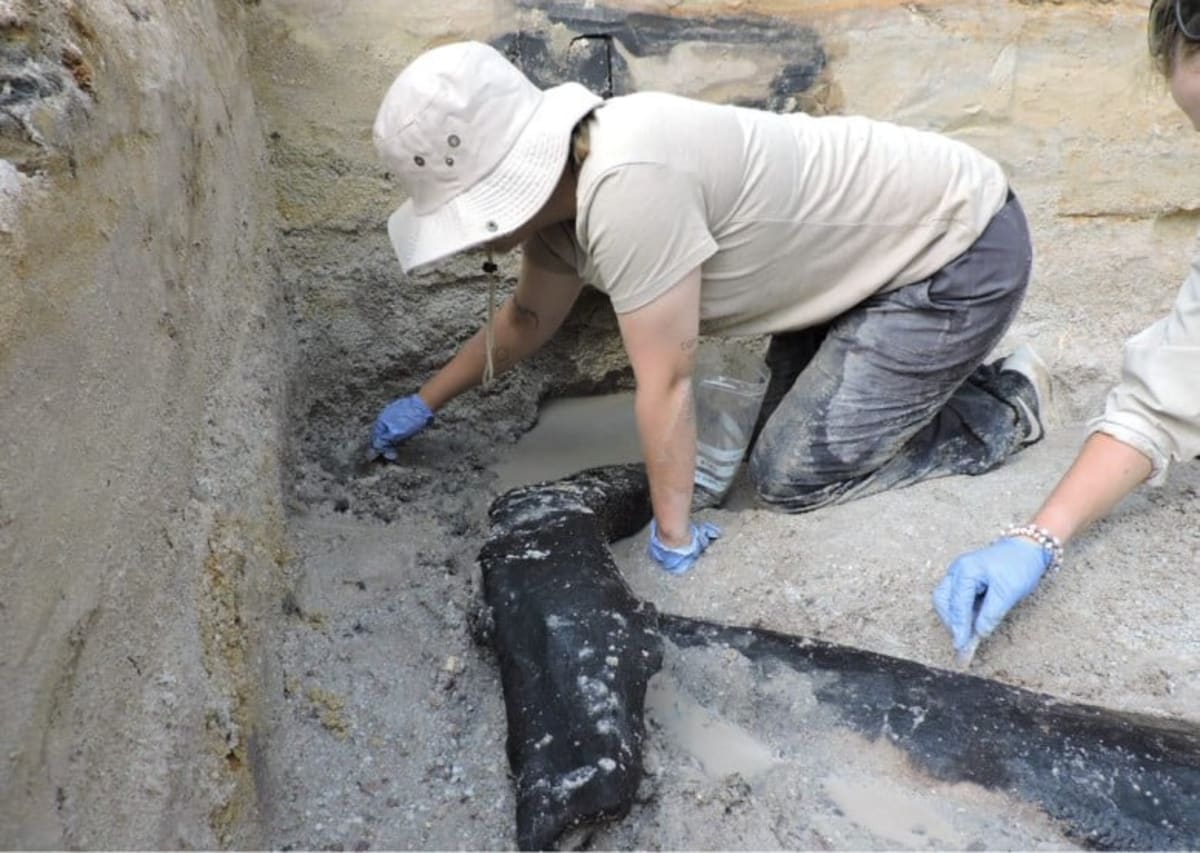
Nearly half a million years ago, ancient humans in Zambia fitted large logs together to build a structure—long before our species even existed. The discovery rewrites what we thought possible in the Stone Age.
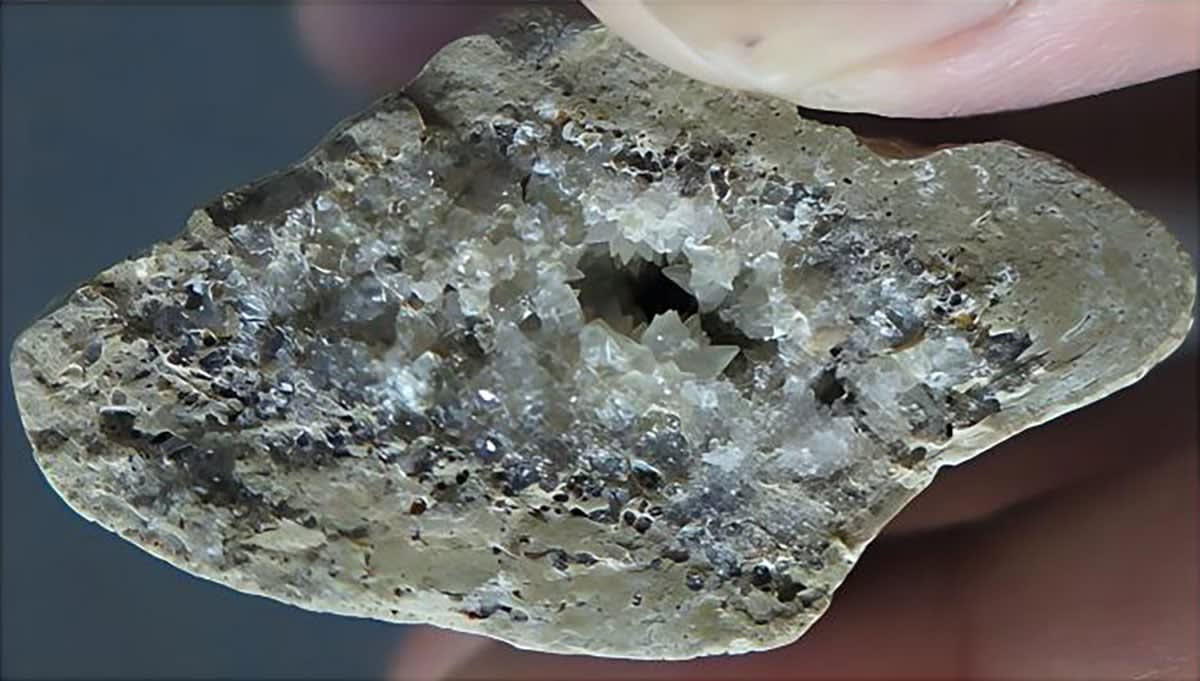
Ancient humans in China crafted sophisticated stone tools during a brutal ice age, proving creativity thrives under pressure. The discovery rewrites what we thought we knew about early human innovation.
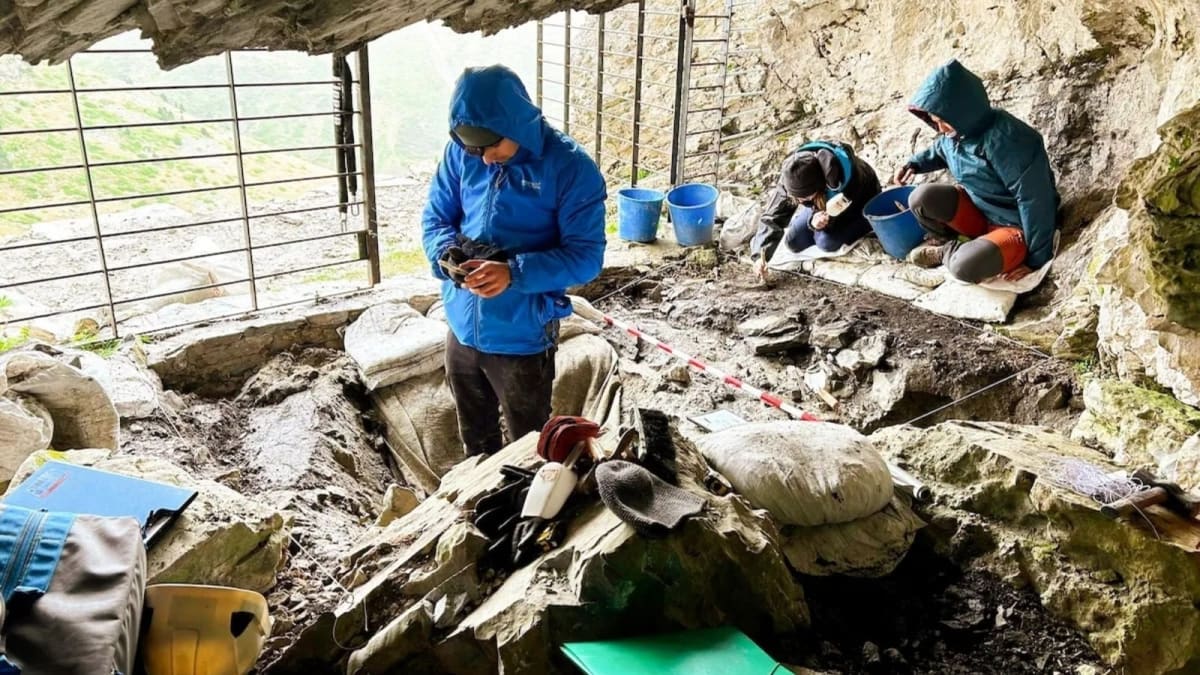
Archaeologists discovered a prehistoric settlement in Spain's Pyrenees where ancient communities lived for 5,000 years at extreme altitude. The finding challenges everything scientists thought they knew about how early humans used mountain environments.
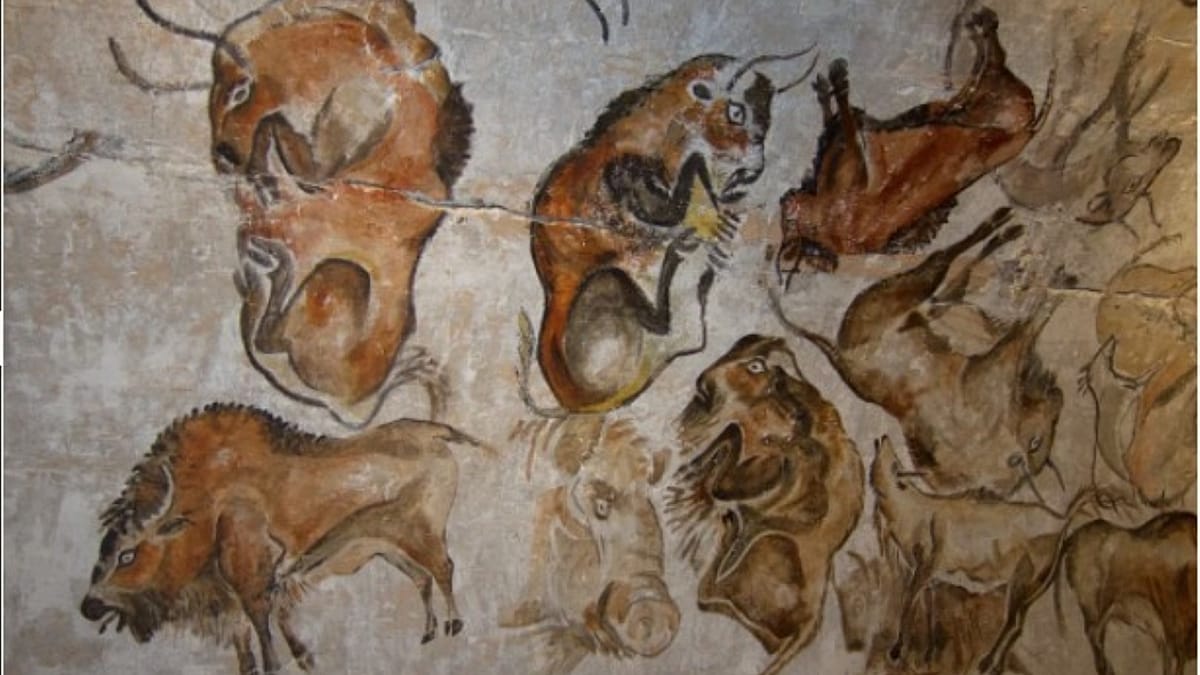
Scientists discovered human DNA more than 2,000 years old preserved on cave walls in Spain and Portugal, turning ancient rock surfaces into biological time capsules. The breakthrough opens entirely new ways to study how prehistoric people lived.
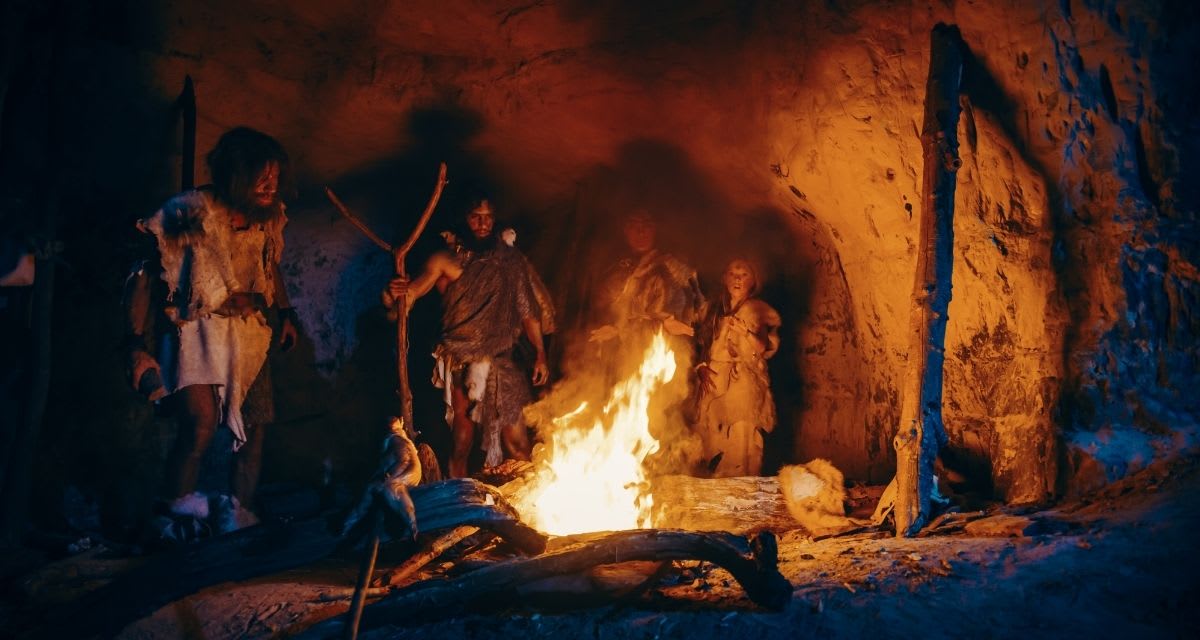
Before jobs existed, our ancestors spent only 15 to 20 hours weekly on survival tasks, leaving plenty of time for art, music, and socializing. New research reveals how prehistoric humans lived surprisingly balanced lives.
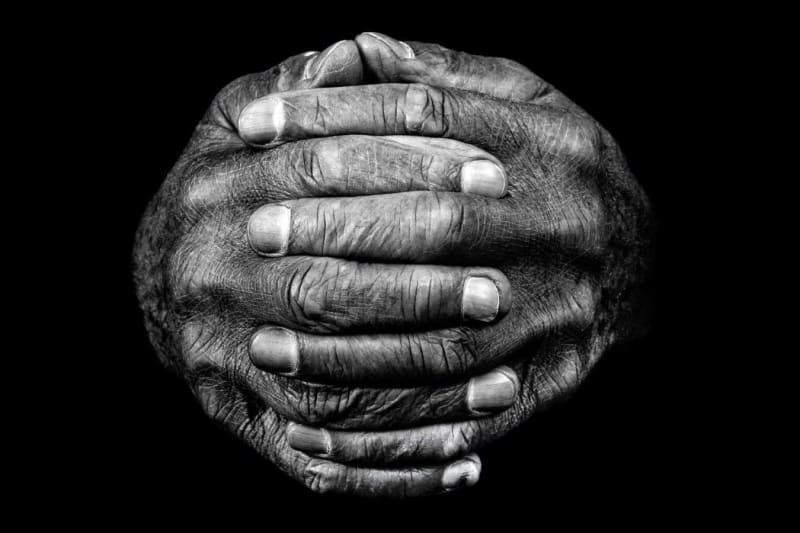
New fossil discoveries reveal how our uniquely powerful thumbs helped make us human. The evolution of our hands may be just as important as our big brains in shaping who we became.
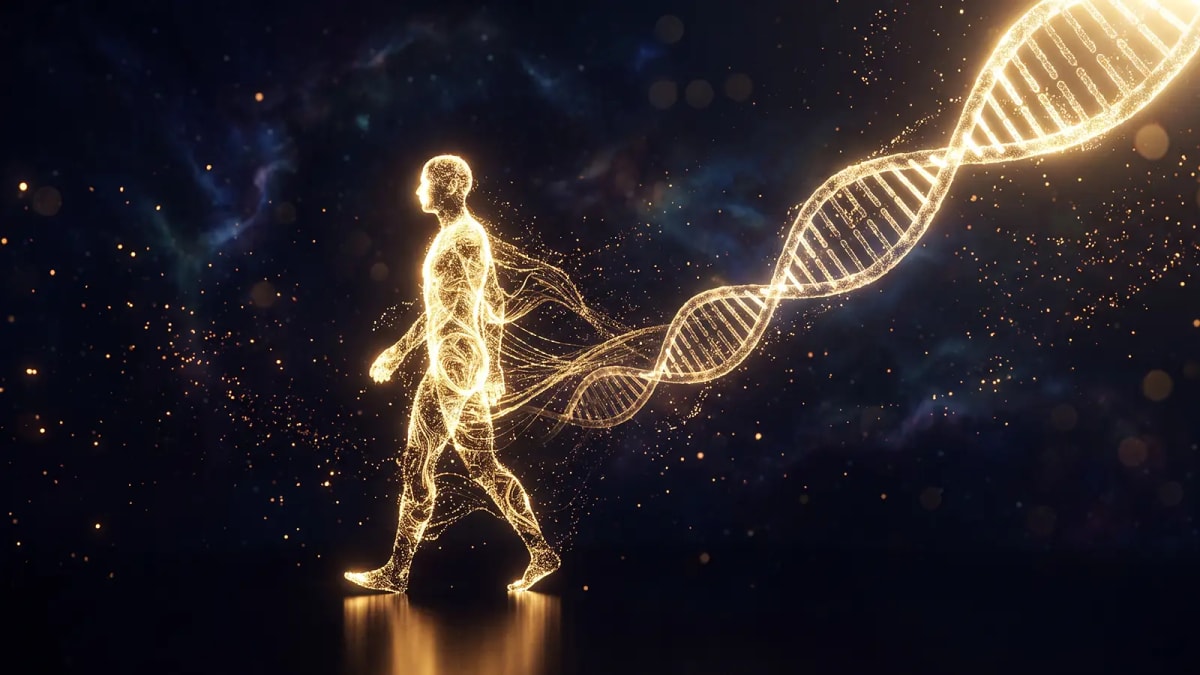
A new method has revealed that all living humans carry DNA from a mysterious extinct human group that interbred with our ancestors before they left Africa. The discovery rewrites our understanding of human evolution and proves we're connected to relatives we've never even found fossils for.

Scientists discovered ancient human ancestor fossils in Morocco dating back 800,000 years, revealing that North Africa played a central role in human evolution. The findings are transforming our understanding of how early humans lived, worked, and mourned their dead.
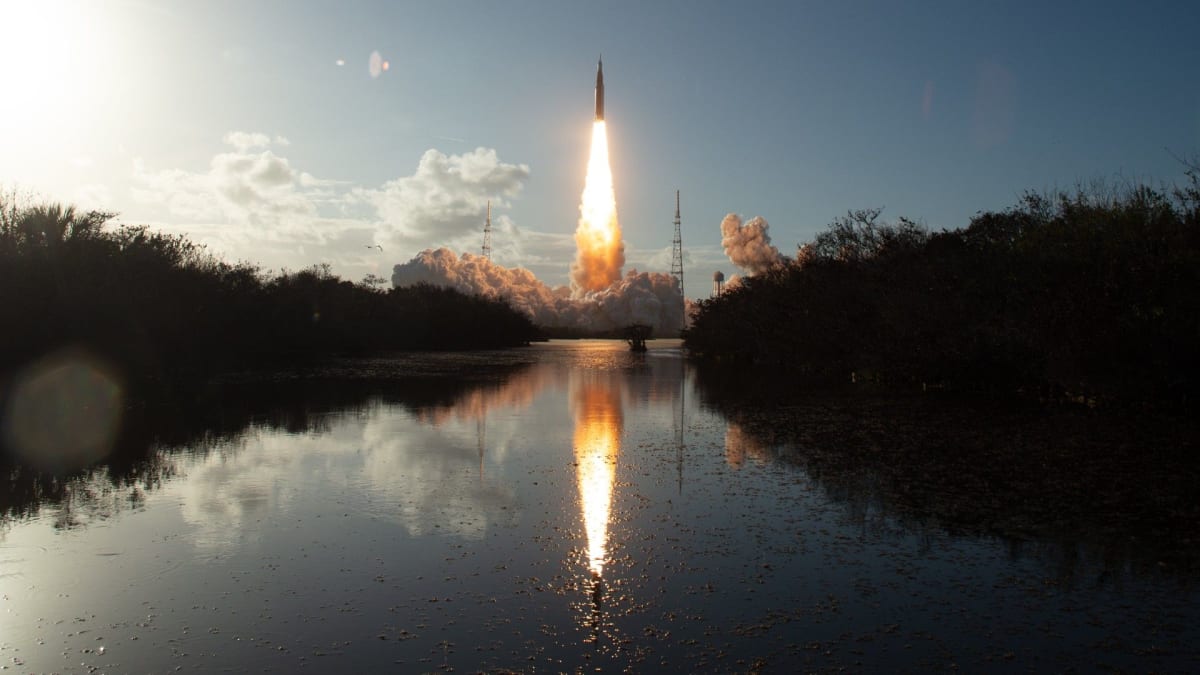
Four astronauts launched aboard NASA's Artemis 2 mission on April 1, marking humanity's first return to lunar orbit in over five decades. The crew will travel farther into space than any humans before them during their historic 10-day journey.
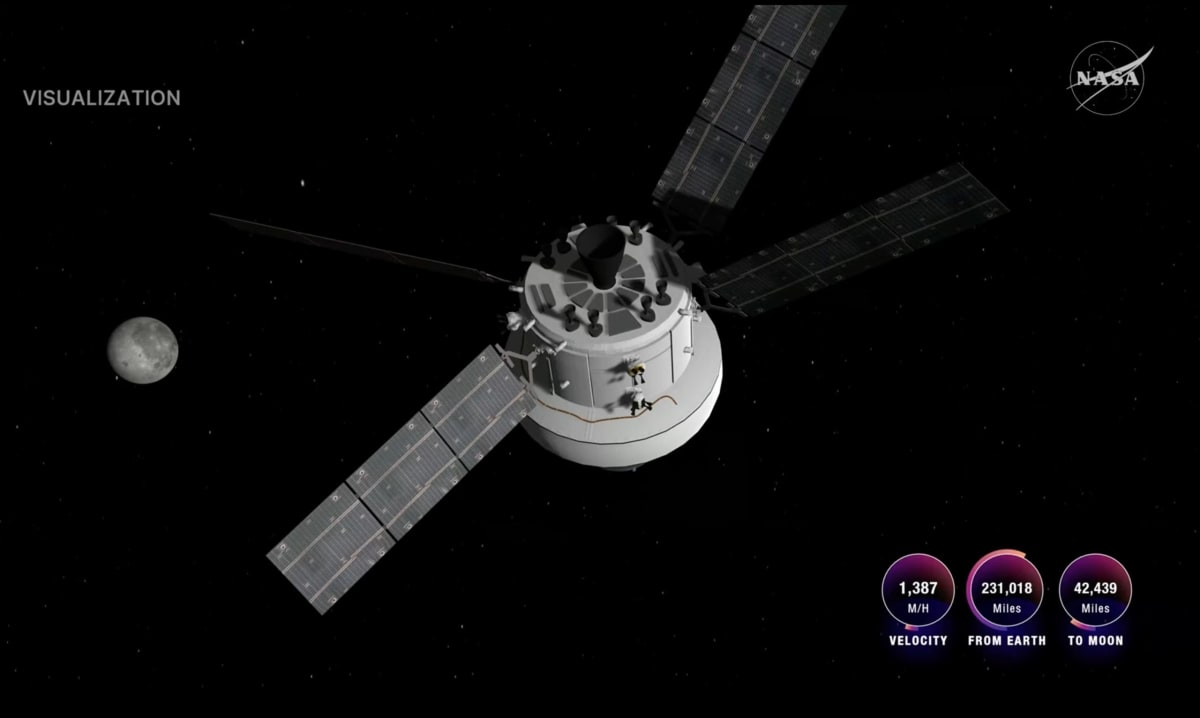
Four astronauts aboard NASA's Artemis 2 mission crossed into the moon's gravitational sphere on April 6, becoming the first humans to reach lunar space since 1972. Tonight, they'll break the distance record for human spaceflight.
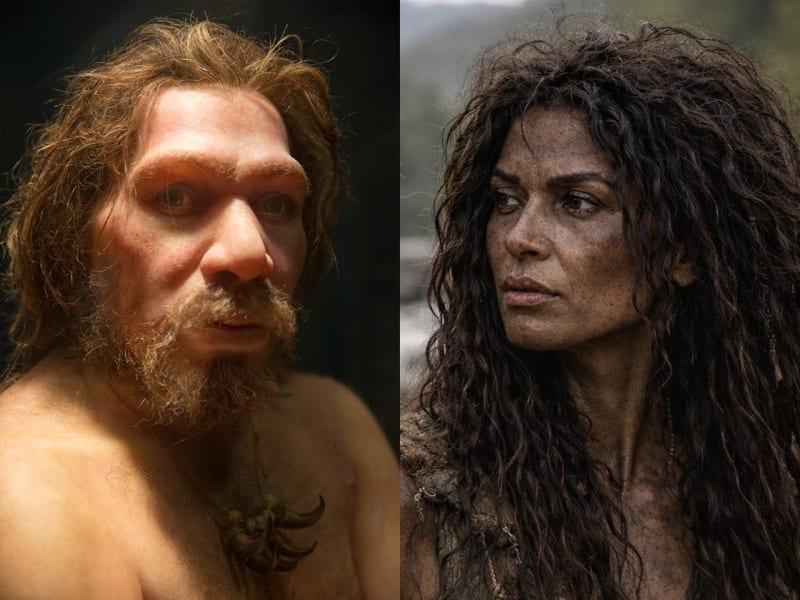
Scientists discovered that male Neanderthals and female humans formed most ancient relationships, solving a 20-year genetic mystery. The finding reveals how social choices shaped human evolution.
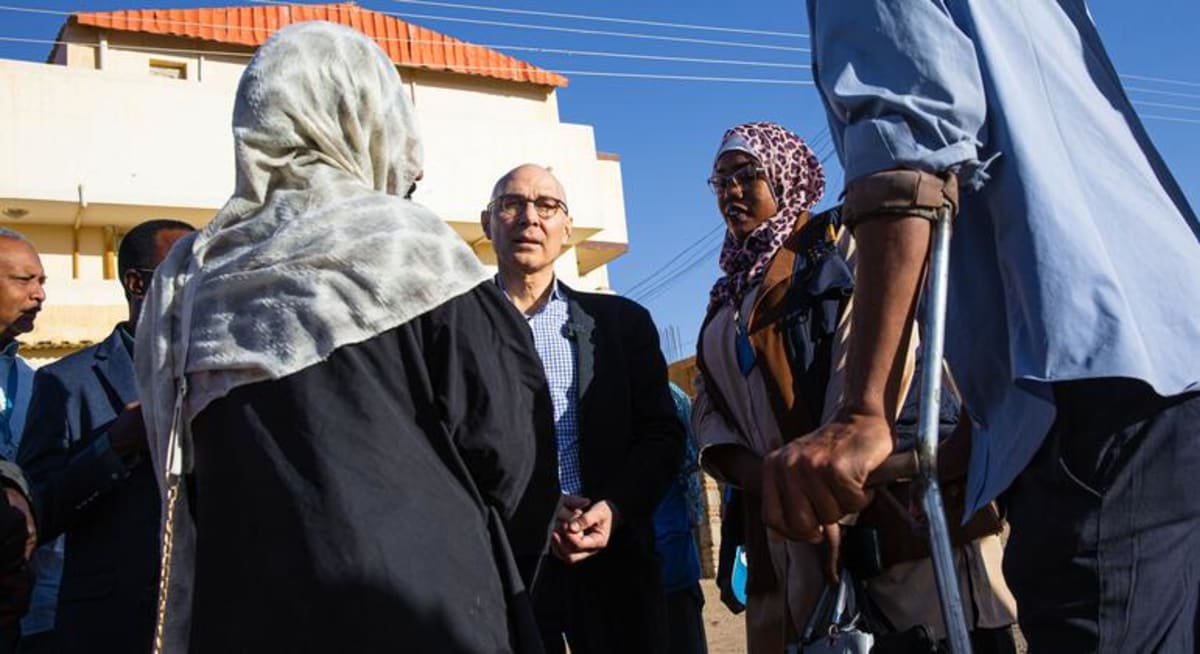
The United Nations just launched a worldwide coalition to put human rights at the center of global decision-making. The Global Alliance for Human Rights unites governments, businesses, faith leaders, and everyday citizens around a shared vision of justice.
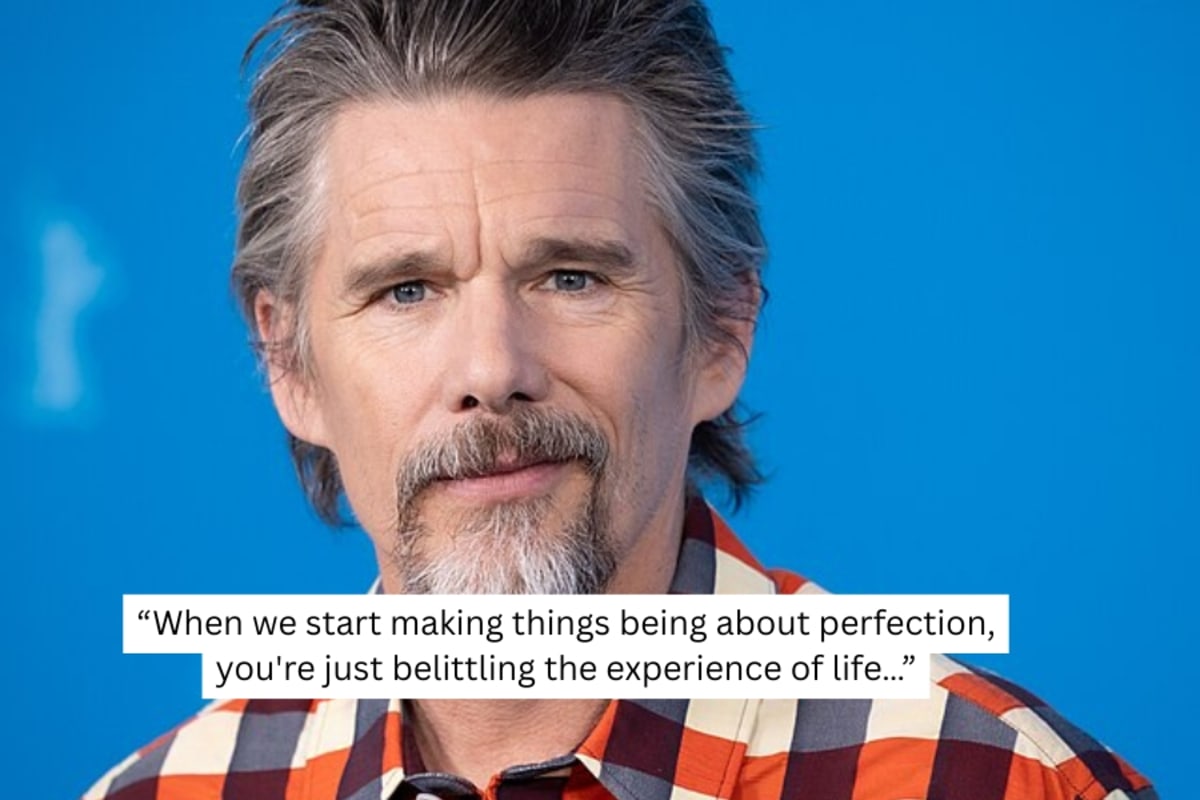
Actor Ethan Hawke delivered a moving explanation of why AI can never replace human creativity, describing his daughter's imperfect art as more valuable than any AI-generated masterpiece. His response is resonating with millions who worry about technology replacing human expression.
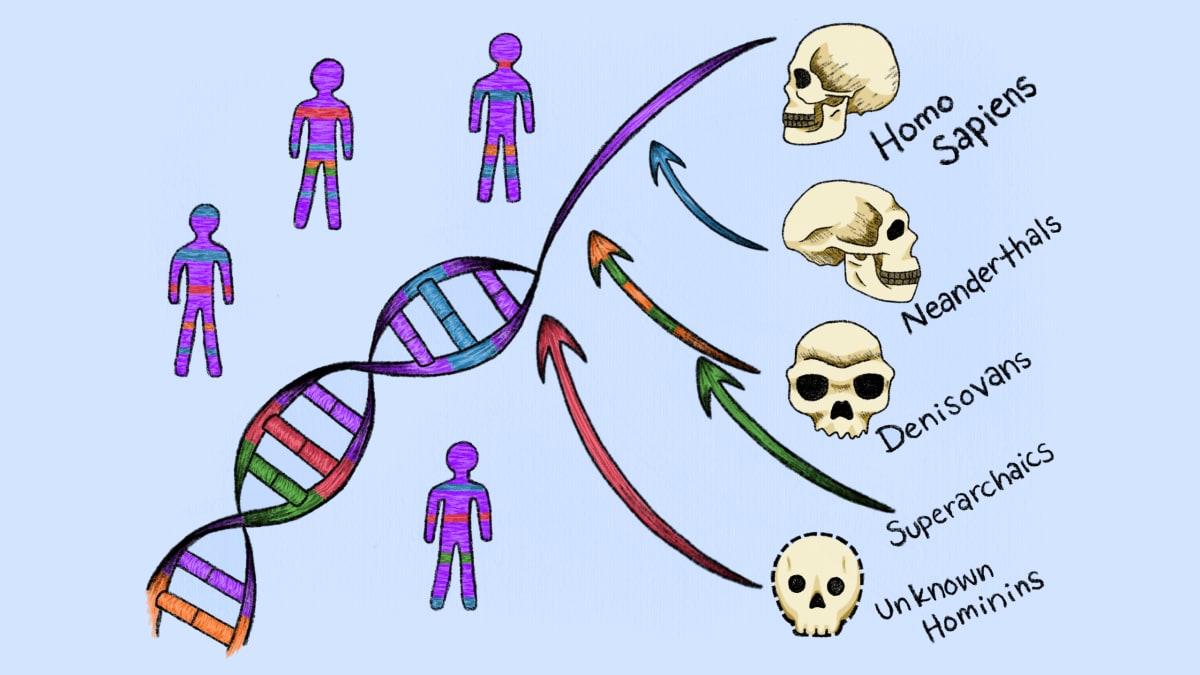
A new genetic method reveals traces of two extinct human populations in modern genomes, including one that interbred with our ancestors before humans left Africa. One "super-archaic" lineage dates back nearly 2 million years.

A newly excavated cave in Israel reveals that Neanderthals and early humans didn't just cross paths—they shared tools, burial practices, and possibly symbolic rituals. This discovery rewrites our understanding of early human cooperation.
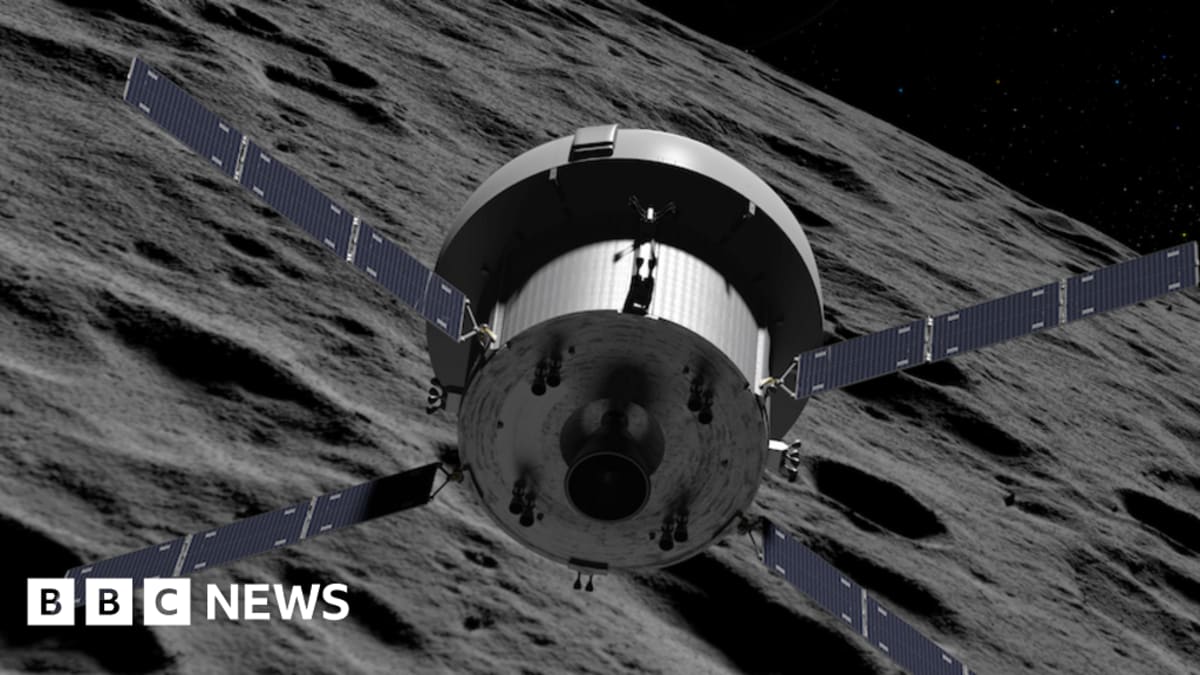
Four astronauts just broke the record for the farthest distance humans have ever traveled from Earth, soaring past the Moon and witnessing views no one has seen before. The Artemis II mission marks a giant leap toward humanity's return to the Moon and eventual journey to Mars.
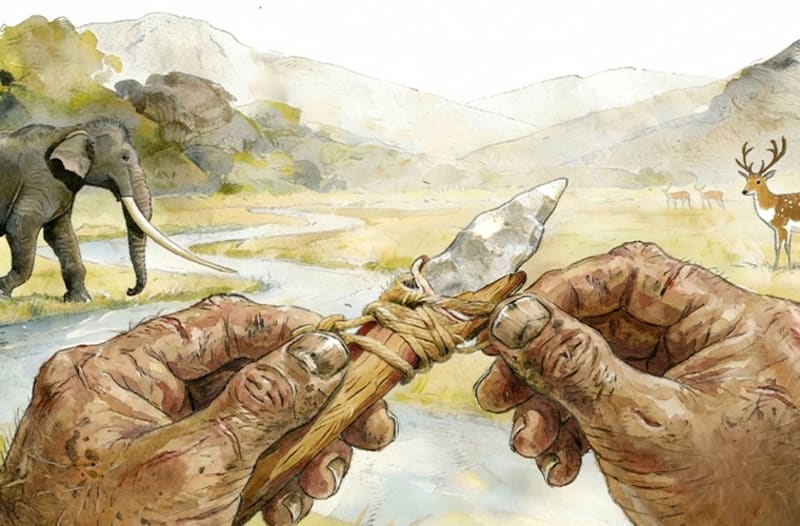
Archaeologists in central China discovered sophisticated stone tools dating back 160,000 years, proving early humans in East Asia were just as technologically advanced as their African and European counterparts. The find challenges decades of assumptions about ancient human ingenuity.
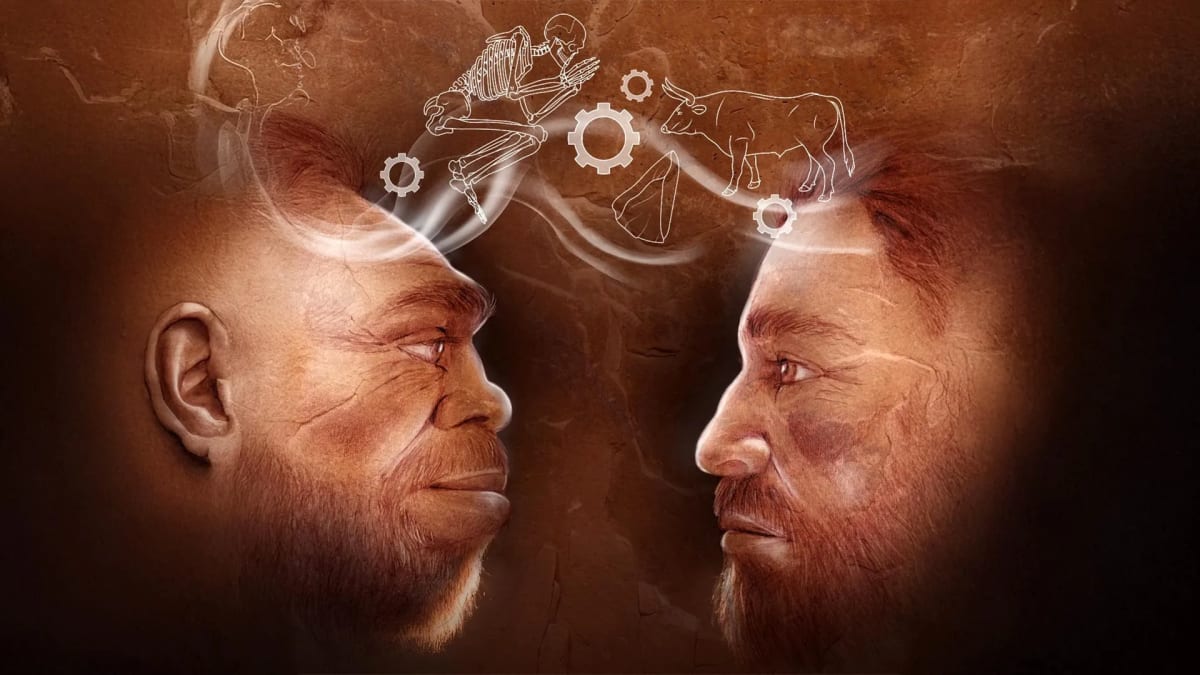
New discoveries at an Israeli cave reveal that Neanderthals and early humans didn't just coexist—they collaborated, shared tools, and even buried their dead together. This groundbreaking find rewrites our understanding of human evolution as a story of cooperation, not competition.
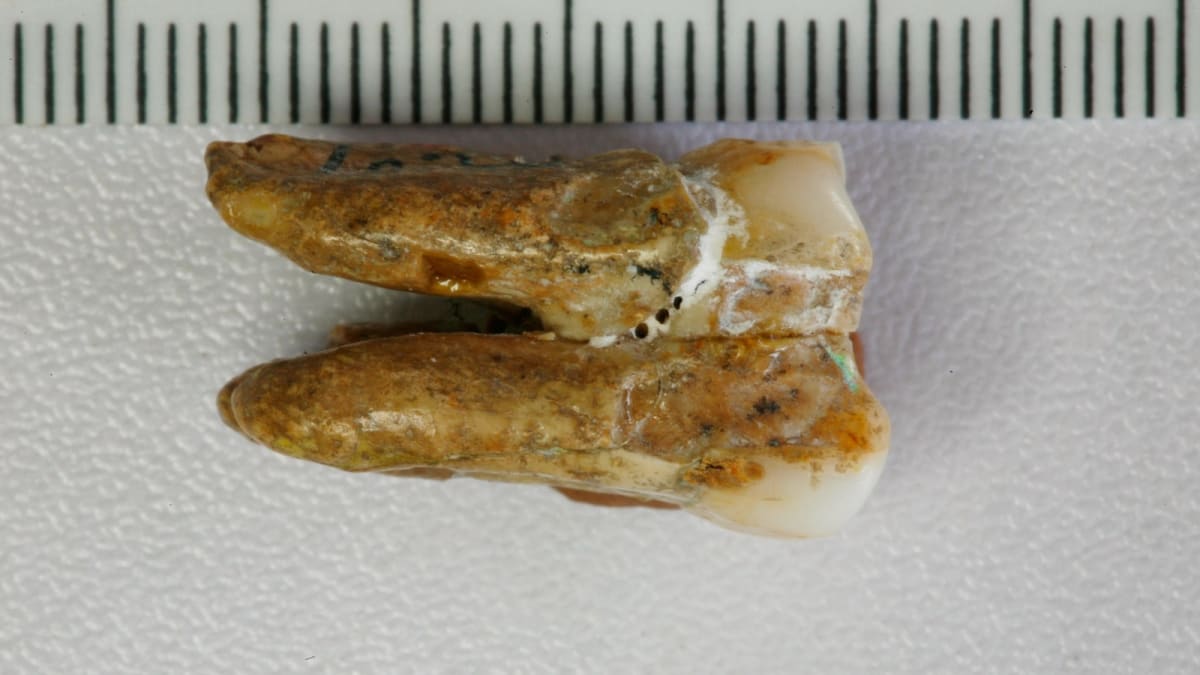
Scientists extracted proteins from 400,000-year-old teeth and discovered evidence that our ancient ancestor Homo erectus may have interbred with other human relatives, passing genes that still exist in some people today. This breakthrough shows how modern humans carry traces of ancestors who walked the Earth hundreds of thousands of years ago.
Showing 20 of 13473