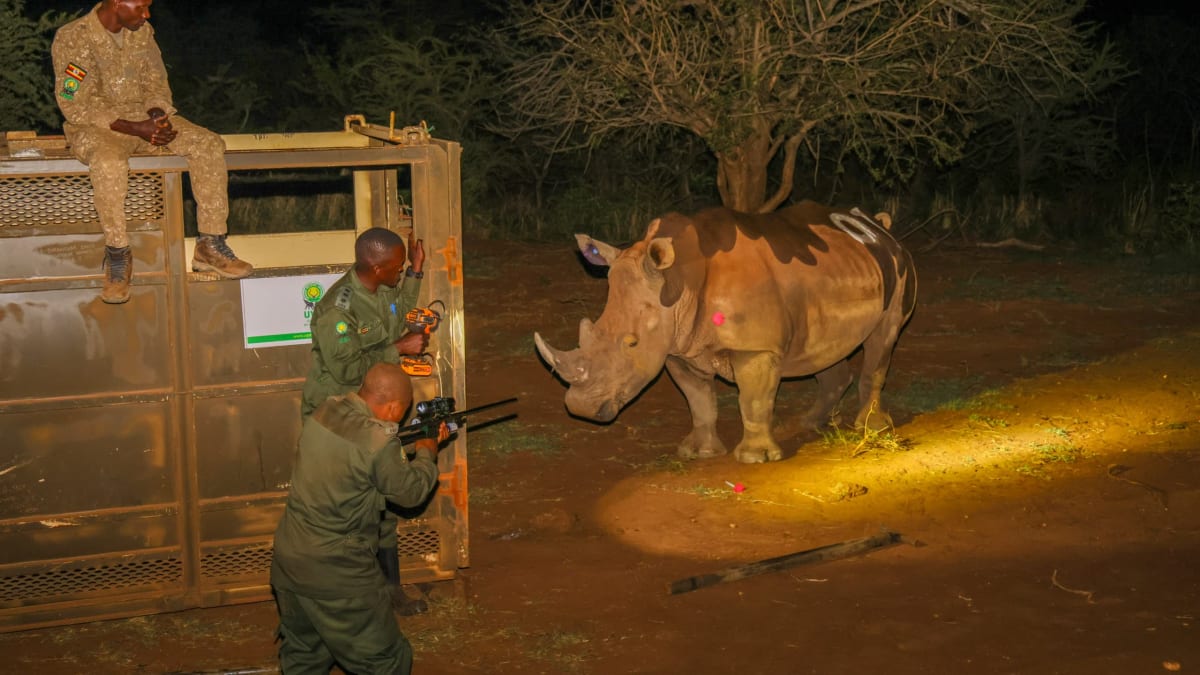
Rhinos Return to Uganda 43 Years After Poaching Wiped Them Out
For the first time since 1983, rhinos are roaming wild in Uganda's Kidepo Valley National Park. The comeback story began with just six rhinos at a breeding sanctuary in 2005.
Find uplifting stories about heroes, innovations, and solutions
301 results for "rhino poaching"
For the first time since 1983, rhinos are roaming wild in Uganda's Kidepo Valley National Park. The comeback story began with just six rhinos at a breeding sanctuary in 2005.
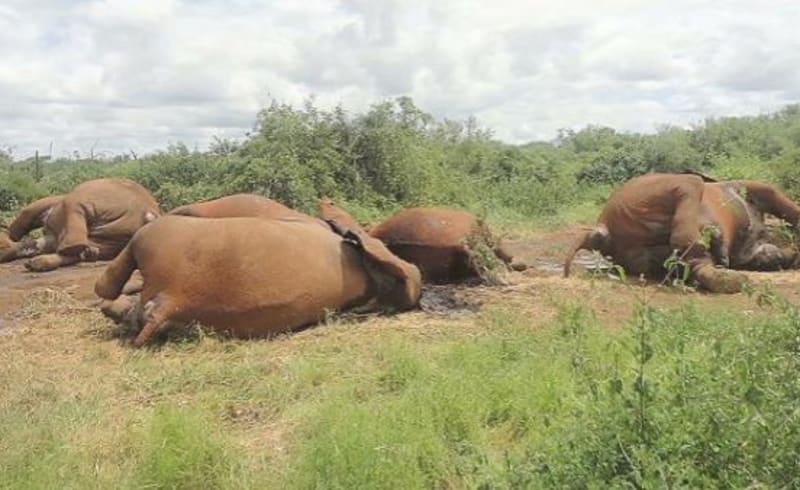
South Africa saved 68 more rhinos in 2025 than the year before, thanks to better technology, stronger teamwork, and a groundbreaking dehorning program. Wildlife rangers are proving that smart strategy and international cooperation can turn the tide against poachers.
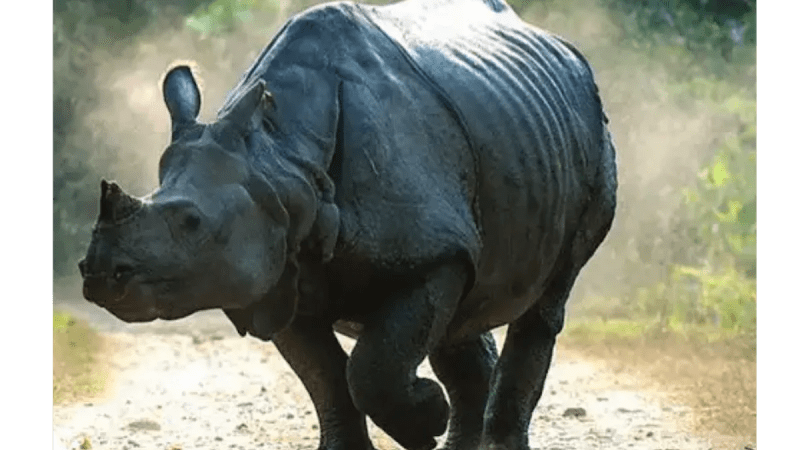
India's Assam state has achieved over two years without a single rhino killed by poachers, protecting a species that once lost 27 animals annually to illegal hunting. A combination of tough laws, community support, and innovative conservation efforts has saved the world's largest population of one-horned rhinos.
%2Ffile%2Fattachments%2F2991%2F6I1A9013_347558_673817.jpg)
Three former Kruger National Park employees were convicted of rhino poaching, marking a major breakthrough in fighting wildlife crime from within conservation organizations.

For the first time since 1983, rhinos are coming home to Uganda's Kidepo Valley National Park. Eight southern white rhinos are being relocated from a breeding sanctuary to restore a species wiped out by poaching four decades ago.
%2Ffile%2Fattachments%2Forphans%2FKrugergate_101231.jpg)
Three former Kruger National Park employees who were supposed to protect rhinos have been convicted of poaching after a clever phone trap led police right to them. The landmark case sends a powerful message about accountability in wildlife conservation.
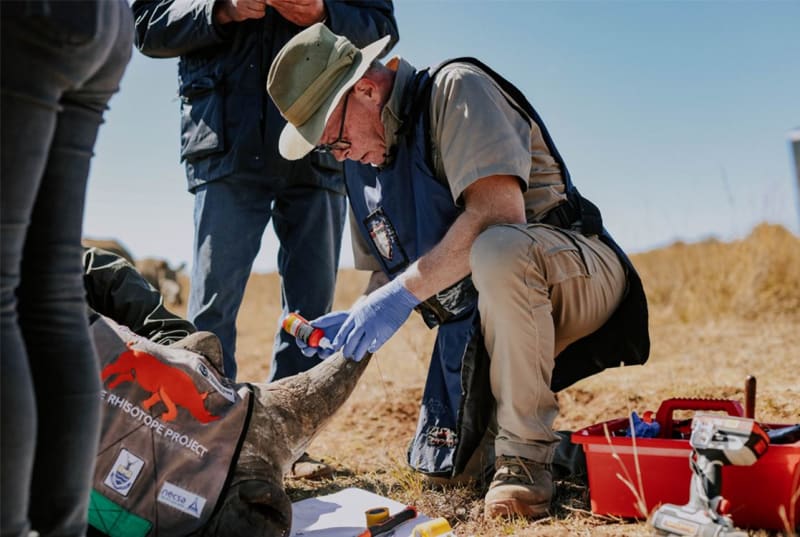
Scientists in South Africa are inserting safe radioactive isotopes into rhino horns, making them detectable at borders and worthless to poachers. After six years of development and successful testing on 20 rhinos, the groundbreaking Rhisotope Project is now being deployed across game reserves.

A decade after being wiped out by poaching, rhinos are breeding again in India's Manas National Park. Thirty-five calves have been born, proving the comeback is real.
For more than 10 years, not a single elephant, lion, or rhino has been poached in Rwanda's Akagera National Park. The incredible turnaround shows how communities and conservation can work together to bring wildlife back from the brink.
%2Ffile%2Fattachments%2Forphans%2Fozz1astreetmuralpromotingrhinoconservationinthetownofHluhluweKwaZuluNatalimagetonycarnie_225511.jpg)
A cancelled project to move African rhinos to Australia is redirecting nearly $10 million to seven conservation groups protecting the animals where they live. The funds will support anti-poaching teams, orphan care, and community-led conservation across South Africa, Zimbabwe, and Namibia.
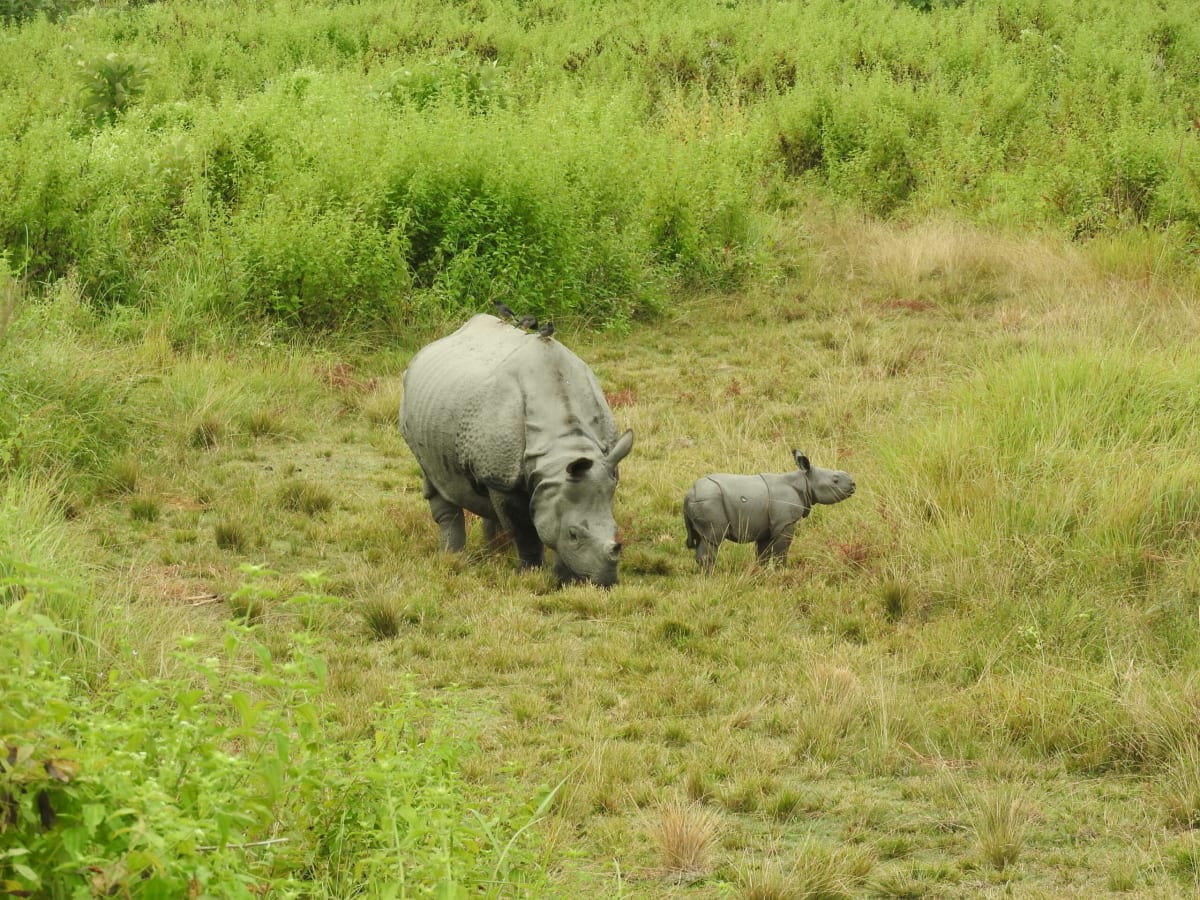
After poachers wiped out nearly 100 rhinos by the late 1990s, India's Manas National Park is celebrating a comeback. Over the past decade, 35 calves have been born to reintroduced rhinos, proving these magnificent animals can thrive again in their ancestral home.
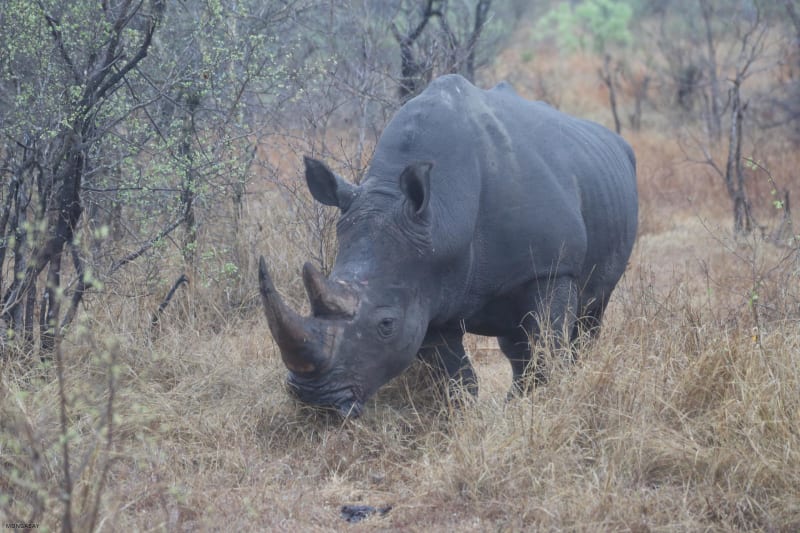
A "ridiculous" plan hatched at a Florida zoo saved an endangered rhino from going blind in Zimbabwe. Within two weeks, local rangers learned to safely give eye drops to a wild rhino named Thuza.
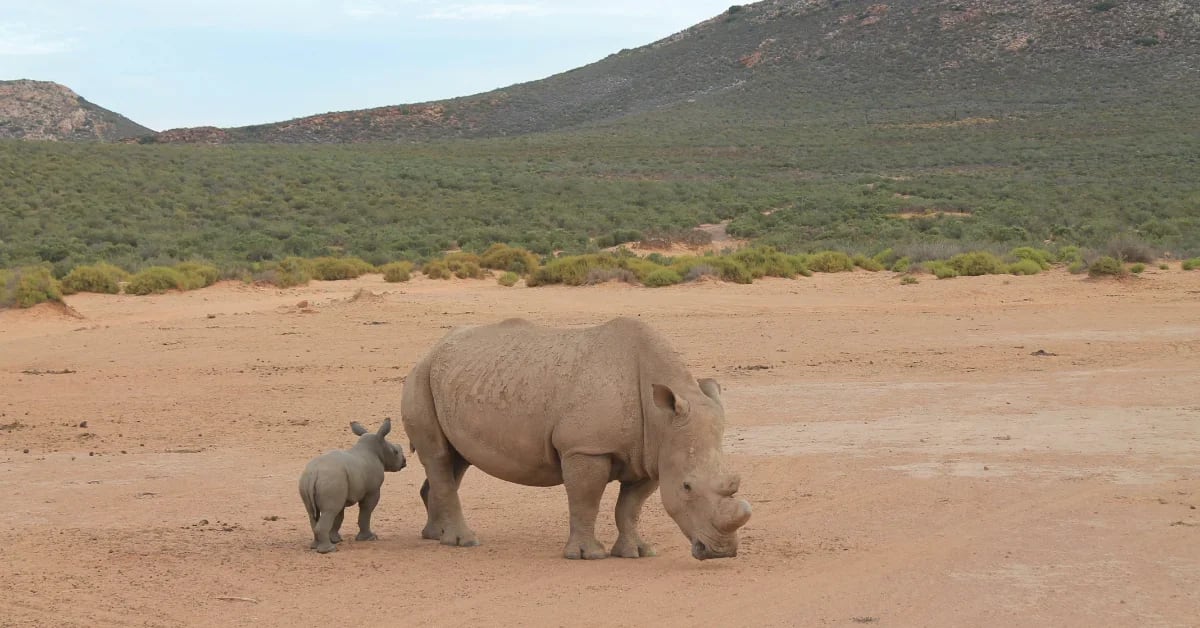
Six white rhinos rescued as orphaned calves after poachers killed their mothers have all successfully given birth in the wild. Their journey from traumatized babies to thriving mothers took five years of intensive rehabilitation in South Africa.

After nearly 16 years, South Africa secured convictions in the world's largest rhino horn trafficking case, signaling a major win for wildlife protection. The masterminds behind more than 1,700 charges finally faced justice, offering hope for the country's endangered rhino populations.
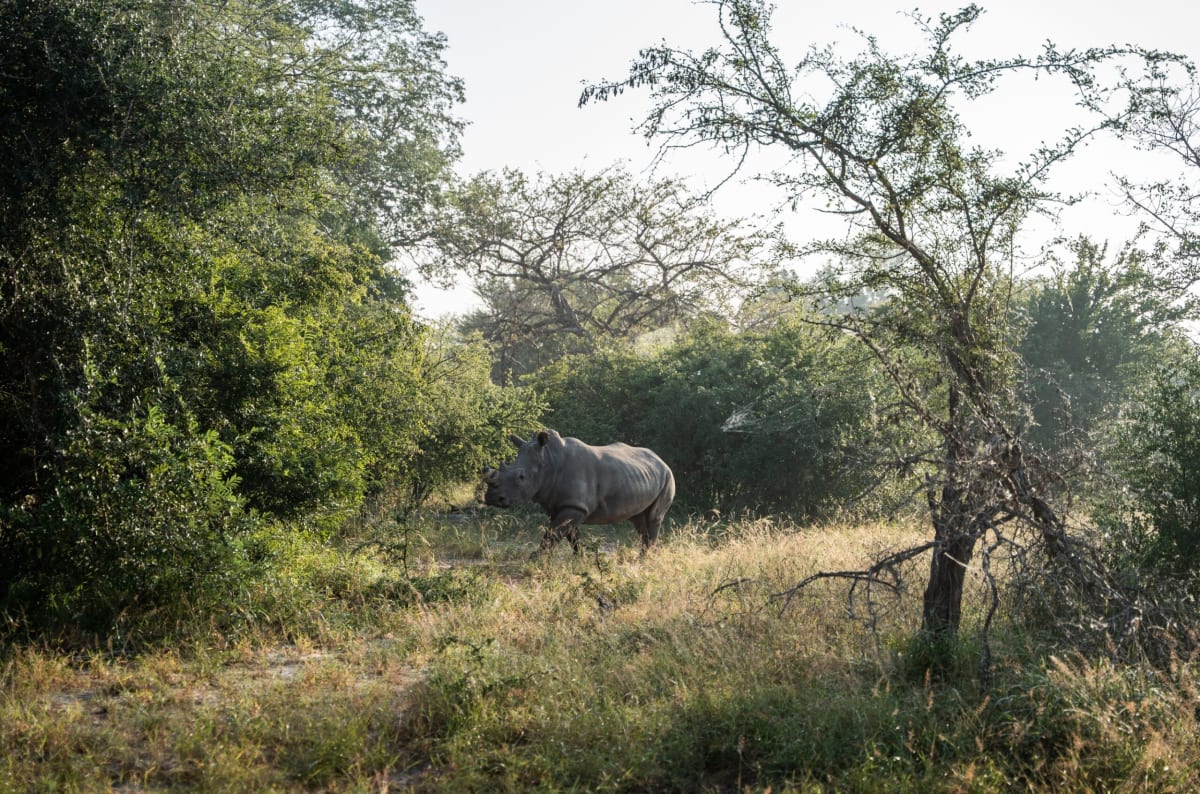
Nine female white rhinos arrived in Mozambique's Zinave National Park this June, completing a 10-year mission to restore a breeding population wiped out by civil war. The park now hosts 52 rhinos that will help rebuild ecosystems and potentially populate other parks across the country.

Nepal's one-horned rhinos are thriving so well they're now strolling through city streets in Chitwan, capturing tourist videos and sparking debates about conservation success. The comeback story has a complex twist: locals wonder if rhinos entered the city, or if the city spread into rhino territory.
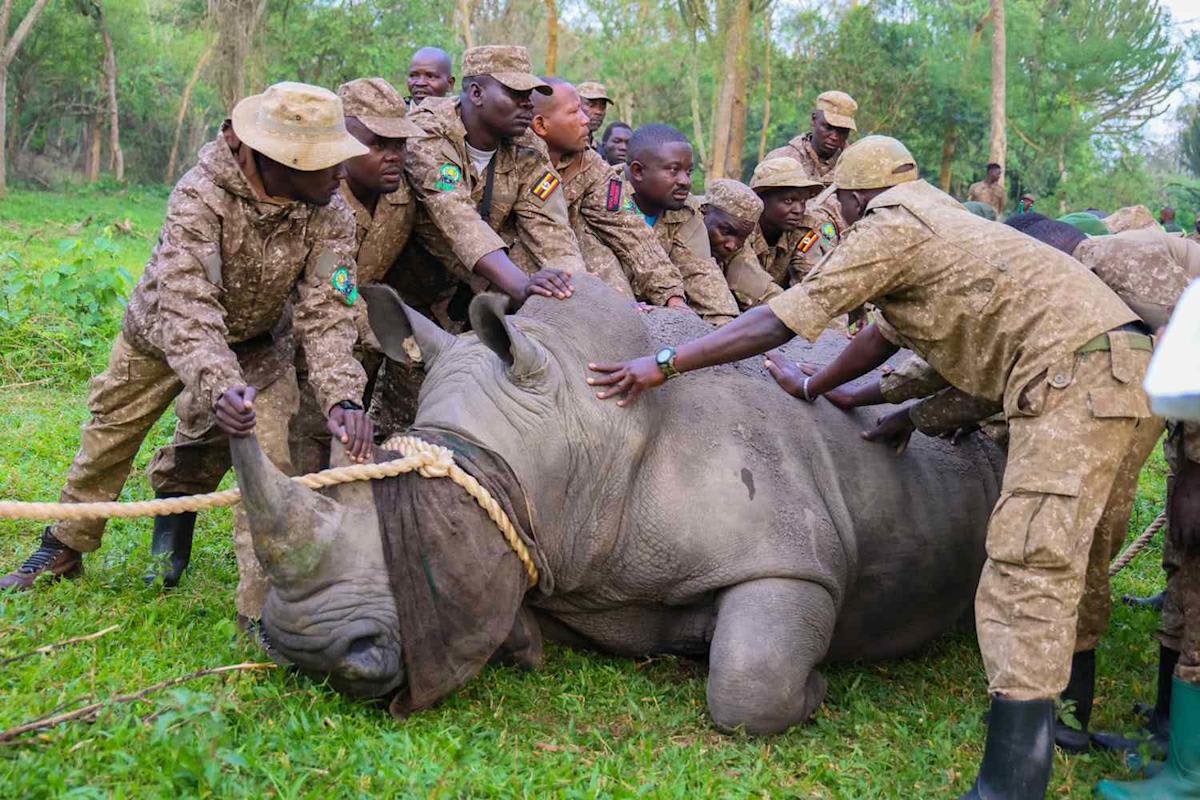
For the first time since poachers killed the last one in 1983, white rhinos are back in Uganda's Kidepo Valley National Park. Two rhinos arrived this week, with six more on the way to restore a population that vanished four decades ago.

A veterinarian from South Africa smashed the world record for fastest half-marathon in a mammal costume, shaving 90 seconds off the previous time while dressed as a rhino. His inspiring run raised funds to protect endangered rhinos from poaching in his homeland.
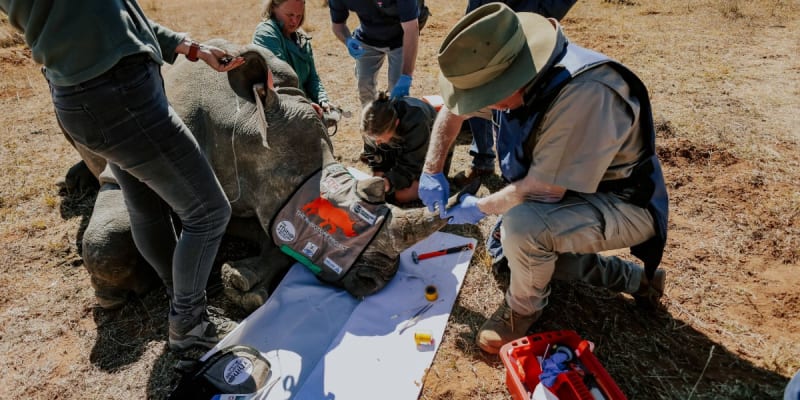
Scientists in South Africa are inserting harmless radioactive pellets into rhino horns, making them detectable at borders and unsafe to consume. The innovative approach has already proven it can spot a single horn hidden in a shipping container.
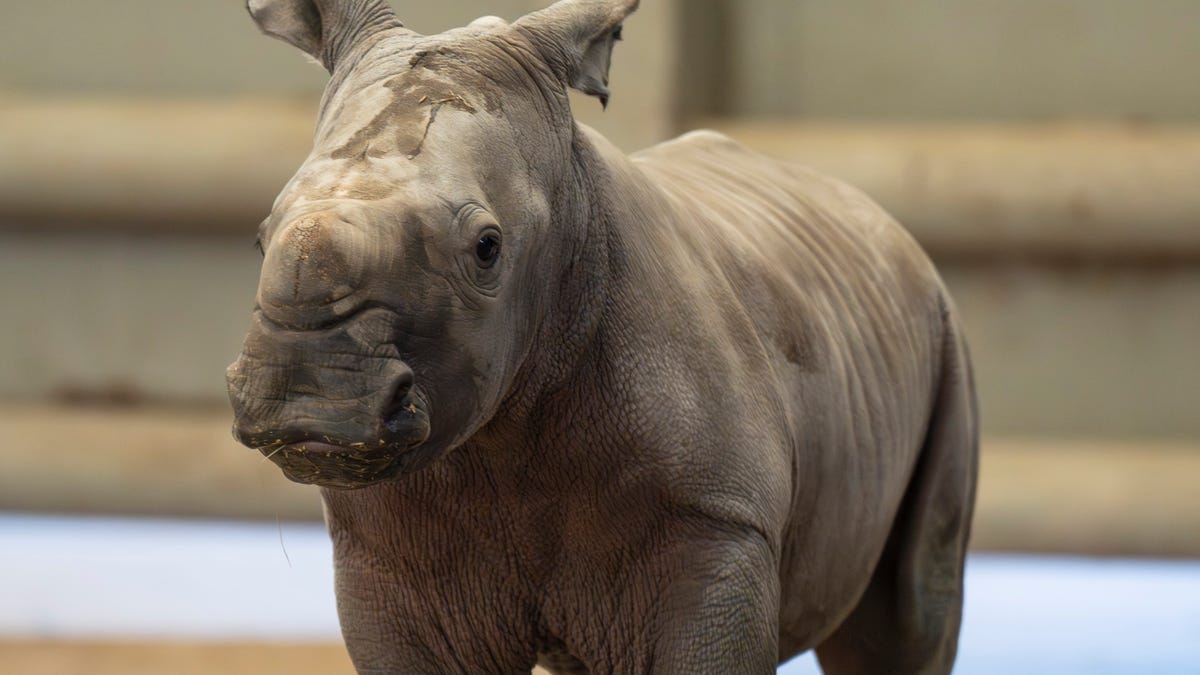
A southern white rhino born at The Wilds in Ohio represents more than two decades of conservation success for a species that once numbered fewer than 100. The 100-pound calf joins one of North America's largest multigenerational rhino herds.
Showing 20 of 301