Australia Could Make 90% of Its Jet Fuel by 2050
Australia is turning farm waste and canola into sustainable aviation fuel to cut rising flight costs and reduce imports. The country could produce 90% of its jet fuel needs within 25 years.
Find uplifting stories about heroes, innovations, and solutions
37 results for "sustainable aviation"
Australia is turning farm waste and canola into sustainable aviation fuel to cut rising flight costs and reduce imports. The country could produce 90% of its jet fuel needs within 25 years.

DHL and IAG Cargo just signed a five-year deal to cut aviation emissions by 640,000 tons using sustainable fuel made from used cooking oil. The partnership covers nearly all fuel for DHL Express cargo on British Airways flights through 2030.

DSV, Microsoft, United Airlines, and Phillips 66 just joined forces to unlock 11 million gallons of sustainable aviation fuel, proving corporate climate action can fly high. This collaboration marks one of aviation's biggest leaps toward cleaner skies.

Two shipping giants just locked in a five-year deal that will slash over 1 million tonnes of carbon emissions from air cargo flights. The partnership proves that sustainable fuel can work at massive scale.

Airlines in the United Kingdom can now prove their planes are using sustainable fuel, thanks to a new independent verification system. The breakthrough helps airlines track emissions cuts and gives travelers confidence their flights are genuinely greener.

A Swiss company just secured nearly €2 million to build Europe's first commercial plant turning renewable methanol into jet fuel that cuts emissions by 90%. Production starts in 2030 at Rotterdam's port, marking a major step toward decarbonizing air travel.

A new report shows Europe could create thousands of jobs and slash its dangerous reliance on imported jet fuel by producing clean aviation fuel at home. Nine new plants could keep €20 billion in economic value within Europe while cutting emissions.

Scientists at Oak Ridge National Laboratory created a breakthrough method that turns ethanol into jet fuel in just one step, potentially making sustainable aviation fuel affordable enough for airlines worldwide. The technology could help meet aviation's massive fuel needs while cutting emissions.

Fashion retailer SHEIN is teaming up with shipping giant DHL to slash air cargo emissions using sustainable aviation fuel that can cut carbon by up to 80%. The partnership marks a growing shift in how global retailers are rethinking their shipping footprints.

A Dutch company just secured nearly €2 million to build Europe's first commercial plant turning methanol into sustainable jet fuel. The breakthrough could make green flying affordable for millions.

Estonia's Tallinn Airport achieved carbon neutrality by cutting emissions from 15,091 tonnes to just 552 tonnes since 2018, proving major climate wins are possible without shortcuts. The transformation relied on renewable energy, data tracking, and getting every employee on board.

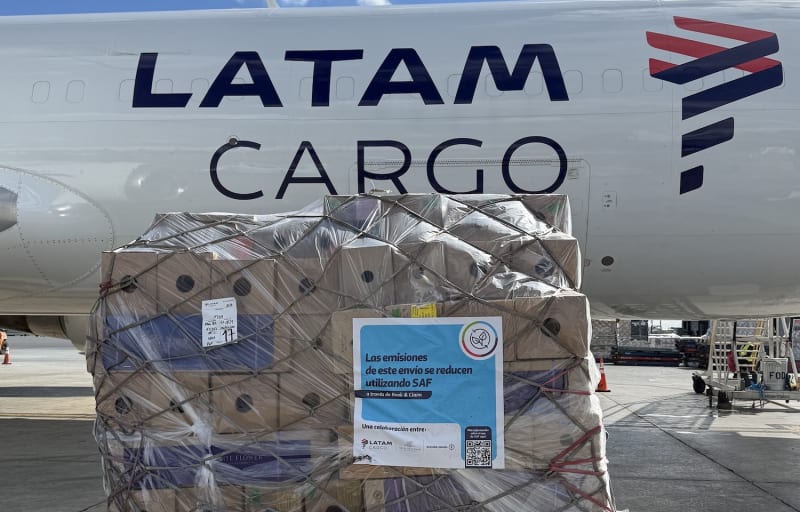
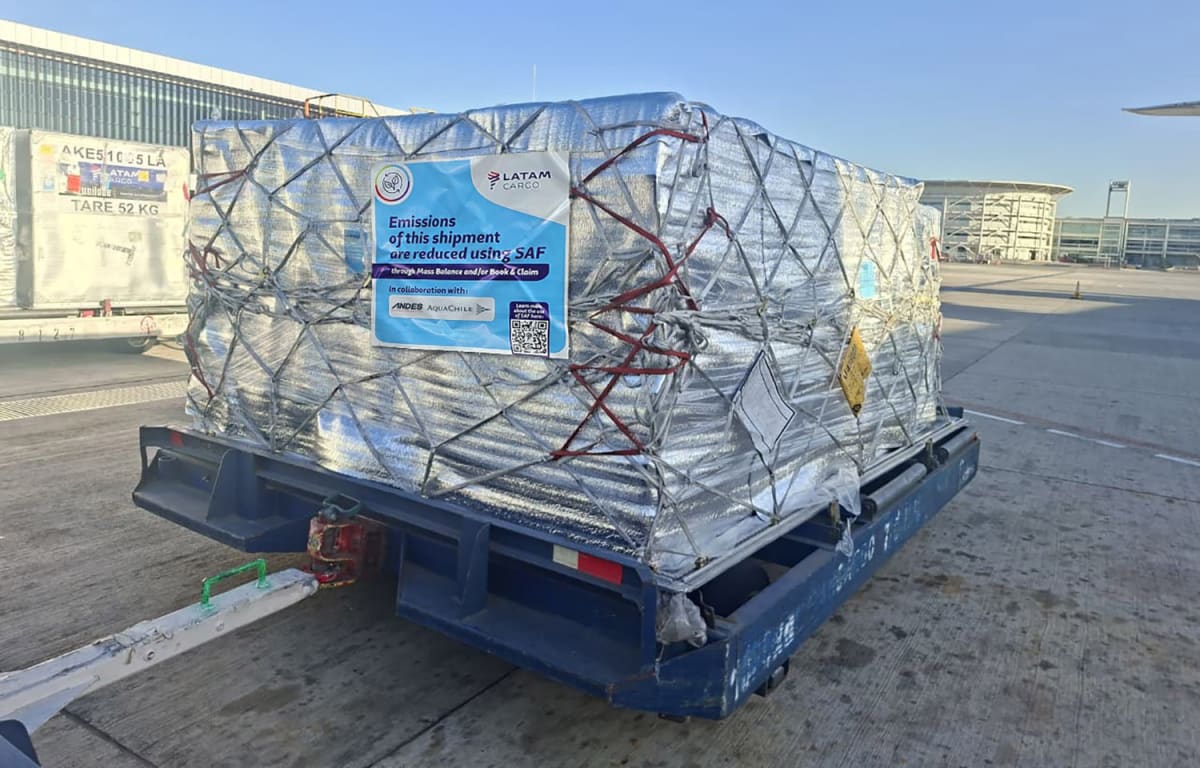
A Chilean salmon company just proved sustainable air travel is possible for fresh food, cutting emissions by 10% on its first green flight to the US. The breakthrough could transform how the world ships seafood.

More than half the world's air travelers now pass through airports actively cutting their carbon footprint. A new global report shows 590 airports across 91 countries slashed emissions by over half a million tonnes while serving billions of passengers.

Germany's Munich Airport just earned the aviation industry's highest environmental certification, putting it on track to eliminate all carbon emissions by 2035. The breakthrough shows how major transportation hubs can lead the climate fight without sacrificing service.

A Chilean salmon farm just flew 3 tons of fish to America using sustainable aviation fuel, cutting emissions by 10%. It's a first for the seafood industry and could transform how fresh food travels the globe. #

Hawaii is proving islands can ditch fossil fuels for good, using sunshine at home and imported clean fuels for planes and ships. The state's new energy plan shows how to decarbonize everything from homes to tourism without relying on natural gas.

A Chilean salmon exporter just completed the first carbon-reduced premium seafood flight to the U.S., cutting emissions by 10% using sustainable aviation fuel. The March 2026 shipment proves the food export industry can decarbonize without sacrificing quality or speed.

Japan Airlines just became the first Asian airline to run a fully in-house venture fund in Silicon Valley, betting big on technology that could transform air travel. The new JAL Innovation Fund II will invest in startups working on everything from sustainable aviation to breakthrough travel experiences.

Ghana has the potential to turn agricultural leftovers into clean jet fuel, helping aviation reach net-zero emissions by 2050. A new international study shows the West African nation's crop residues and existing infrastructure could launch a sustainable aviation fuel industry.

More than 10 million Valentine's Day flowers flew from Colombia to the U.S. this season with 75% lower emissions, proving that sustainable air cargo can work at scale. Three companies joined forces for their biggest green initiative yet, showing how partnerships can slash aviation's carbon footprint without sacrificing speed.
Showing 20 of 37