
UBC's First Female Winter Olympians Inspire Generations
After 80 years without a female Winter Olympian, UBC sent its first woman to the Games in 2006. Now these trailblazers are using their platforms to inspire the next generation.
Find uplifting stories about heroes, innovations, and solutions
37 results for "ubc okanagan"
After 80 years without a female Winter Olympian, UBC sent its first woman to the Games in 2006. Now these trailblazers are using their platforms to inspire the next generation.
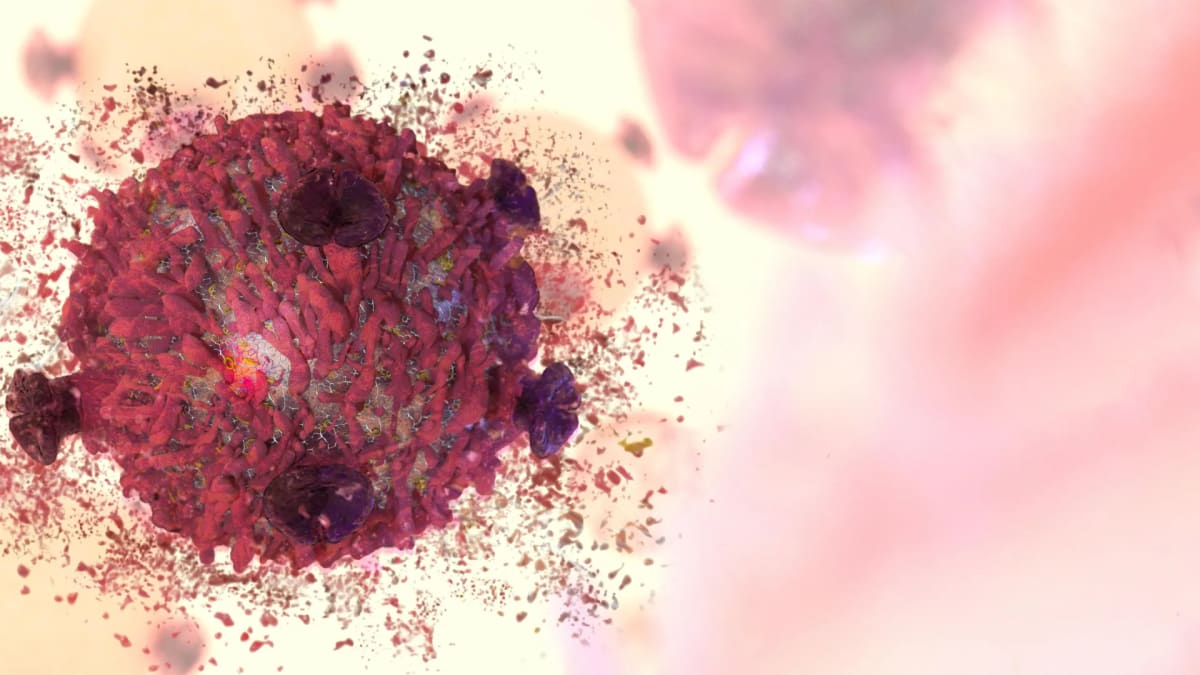
Researchers at UBC Okanagan discovered how plants make mitraphylline, a promising anti-cancer compound found only in tiny amounts in tropical plants. The breakthrough could enable sustainable production of this rare molecule and similar therapeutic compounds.

Four Okanagan companies just secured provincial funding that will create over 100 new jobs while helping homegrown businesses reach more customers. From recycled rubber flooring to custom trailers, these manufacturers are expanding with support from BC's Manufacturing Jobs Fund.

Four Okanagan manufacturers just scored major funding to expand their operations and bring over 100 new jobs to communities across British Columbia. The provincial investment is turning local businesses into engines of economic growth.

Two skilled trades students from Okanagan College just made history at Canada's top competition for technical skills. Emily Frick became the school's first female national medalist while Vladyslav Usach brought home gold.
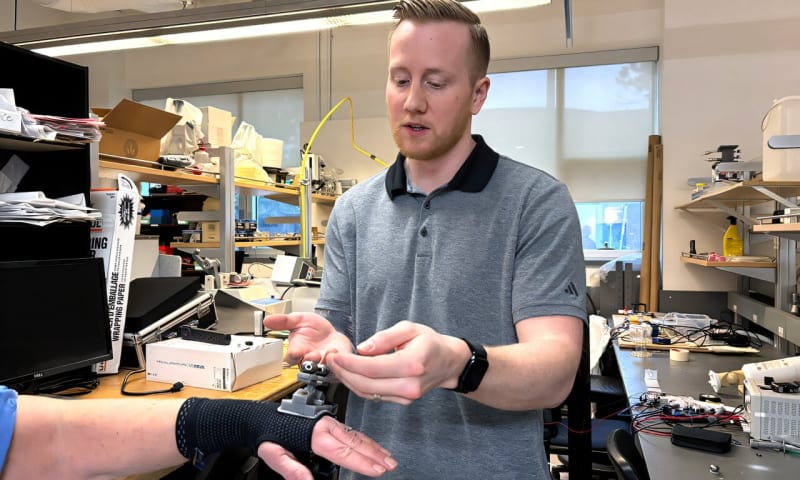
Canadian researchers built a lightweight wrist brace that reduces hand tremors by up to 79% without batteries, motors, or surgery. The device could transform daily life for millions living with Parkinson's and similar conditions.
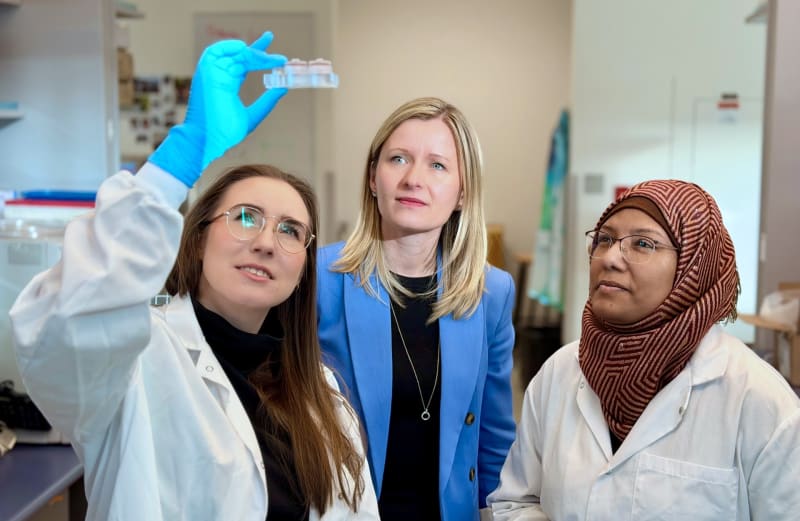
Scientists have developed a topical treatment that corrects disease-causing genetic mutations directly in the skin, offering hope for a lasting cure to conditions previously managed for life. The breakthrough could transform treatment for rare disorders and common conditions like eczema.
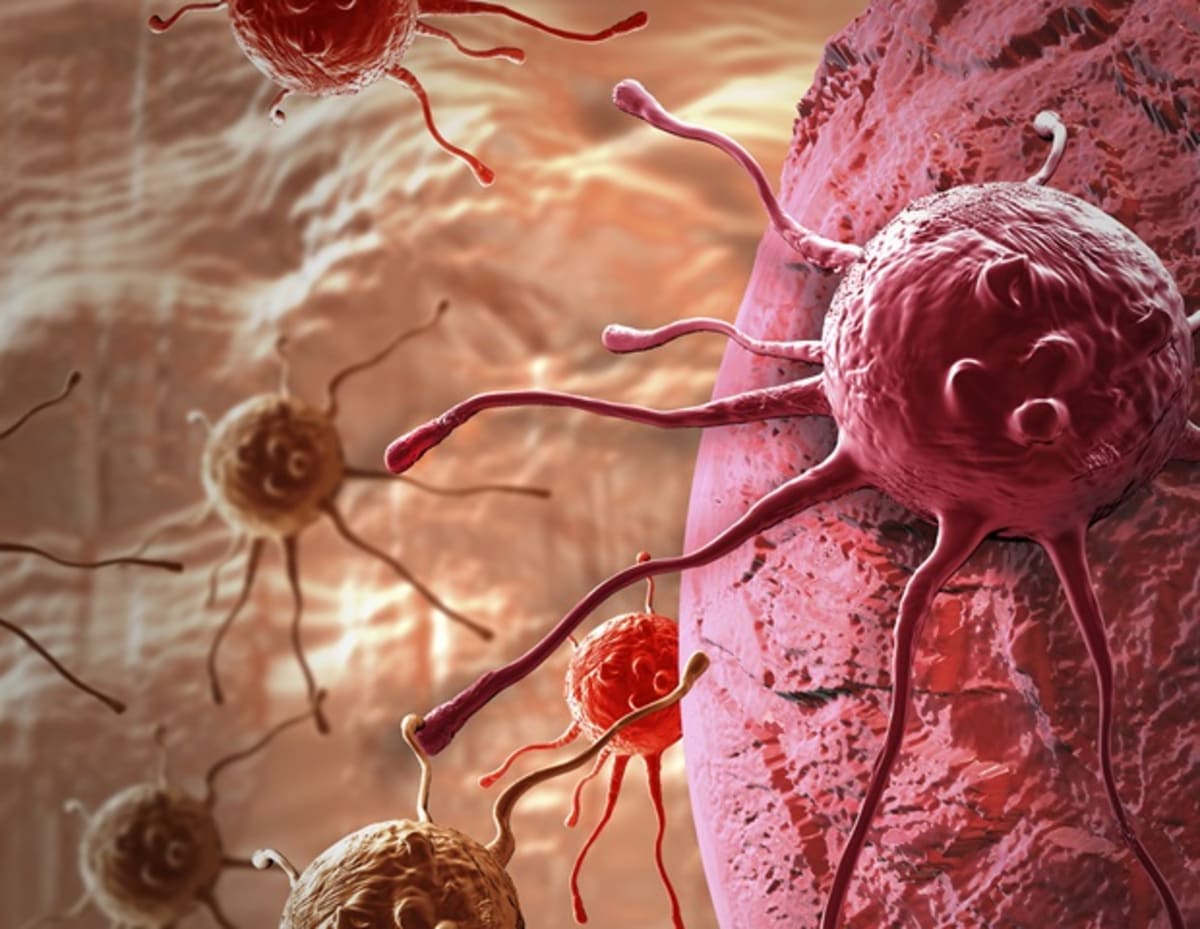
Researchers at the University of British Columbia have developed a breakthrough method to target proteins once thought impossible to treat, achieving binding strength up to a million times stronger than existing drugs. The discovery could revolutionize treatment for prostate cancer and dozens of other serious diseases.
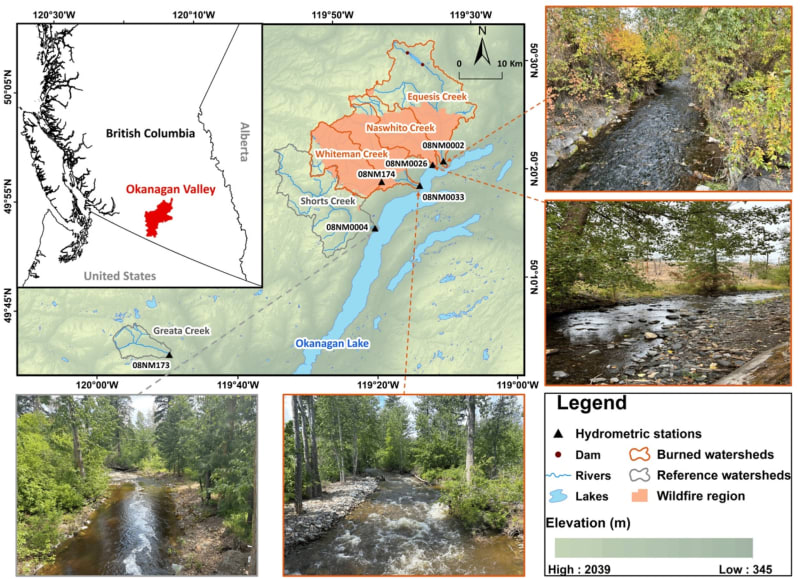
Scientists at UBC Okanagan have cracked the code on why some streams carry more water after wildfires, revealing crucial insights for communities managing water during droughts. The discovery helps explain a puzzling phenomenon that could reshape how we plan for fire-affected watersheds.
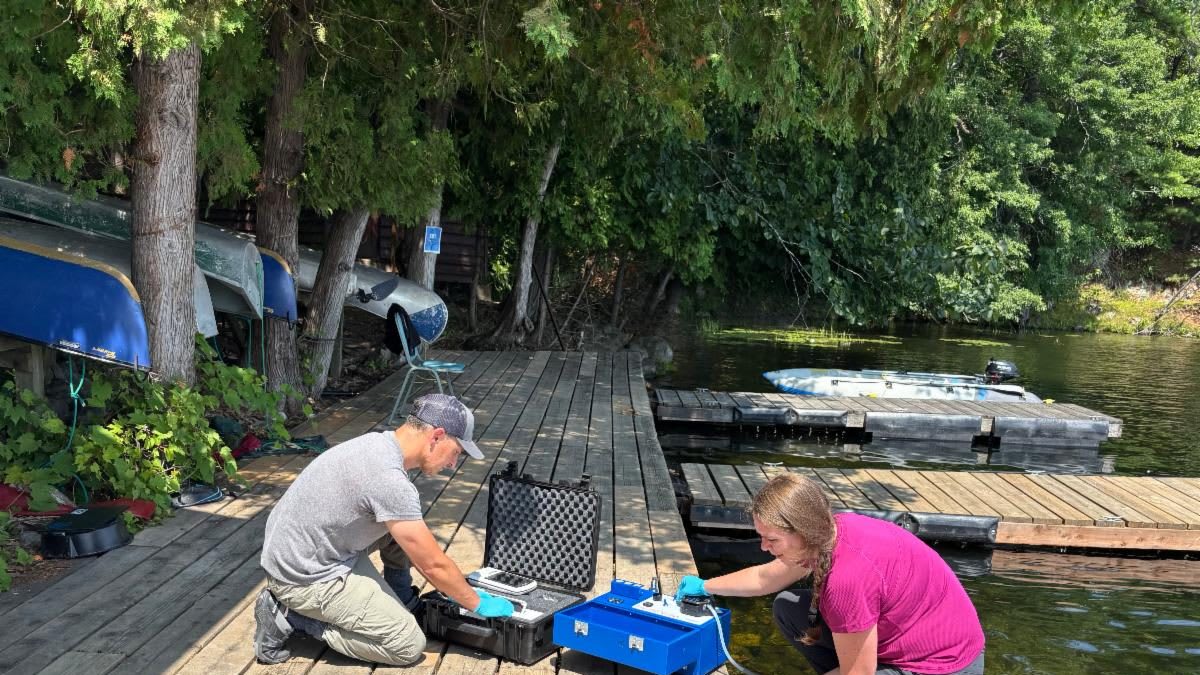
A community-led fundraiser in British Columbia's Okanagan region has raised $584,000 to fund a cutting-edge DNA detection system that could stop invasive mussels before they devastate local lakes. The campaign surpassed its $475,000 goal thanks to Rotary clubs, local governments, and individual donors rallying together to protect their waterways.

For the first time ever, an AI system has conducted an entire research project from start to finish without human help. The breakthrough could speed up scientific discoveries that change our world.

A Kentucky Derby-themed garden party in Vernon, BC celebrated 25 years of compassionate end-of-life care while raising thousands for the North Okanagan Hospice Society. Guests in fancy hats cheered pool noodle "horses" and raised funds for a home that's served thousands of families.
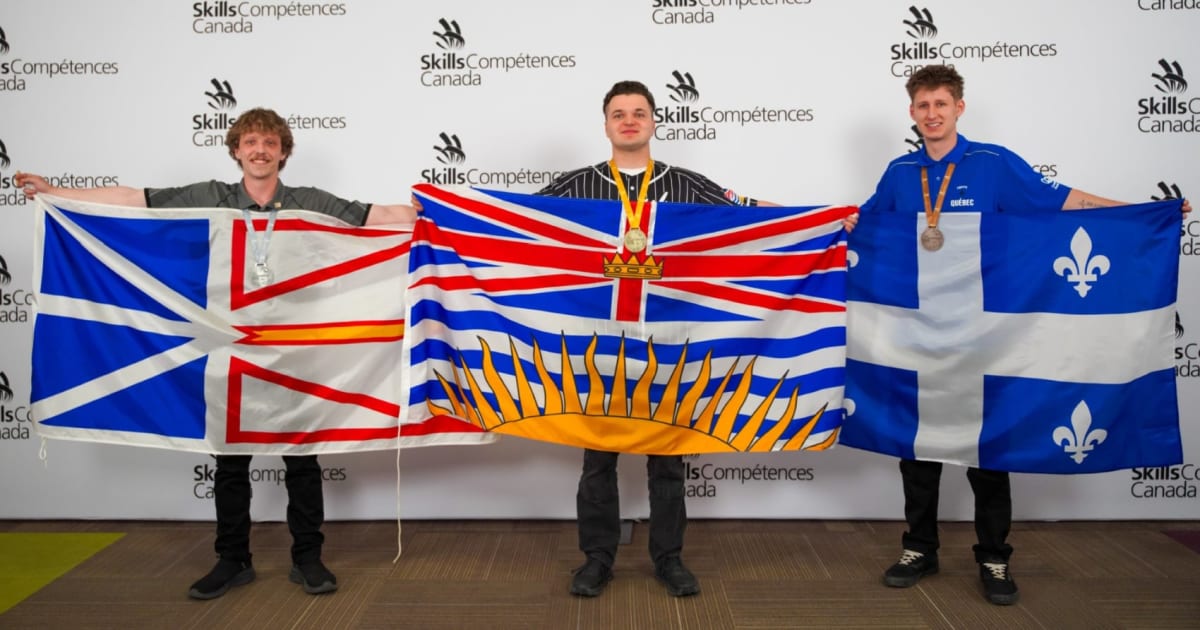
Two Okanagan College students just proved that skilled trades training leads to championship-level results. Emily Frick and Vladyslav Usach brought home national medals from the 2026 Skills Canada competition, making history for their school.

When 20,000 Okanagan residents fled massive wildfires, hundreds of volunteers stayed behind to save the horses, goats, and livestock left in danger. Led by rescuers like Kaz Knowlin, who's slept less than 24 hours in eight days, the community is proving no animal gets left behind.
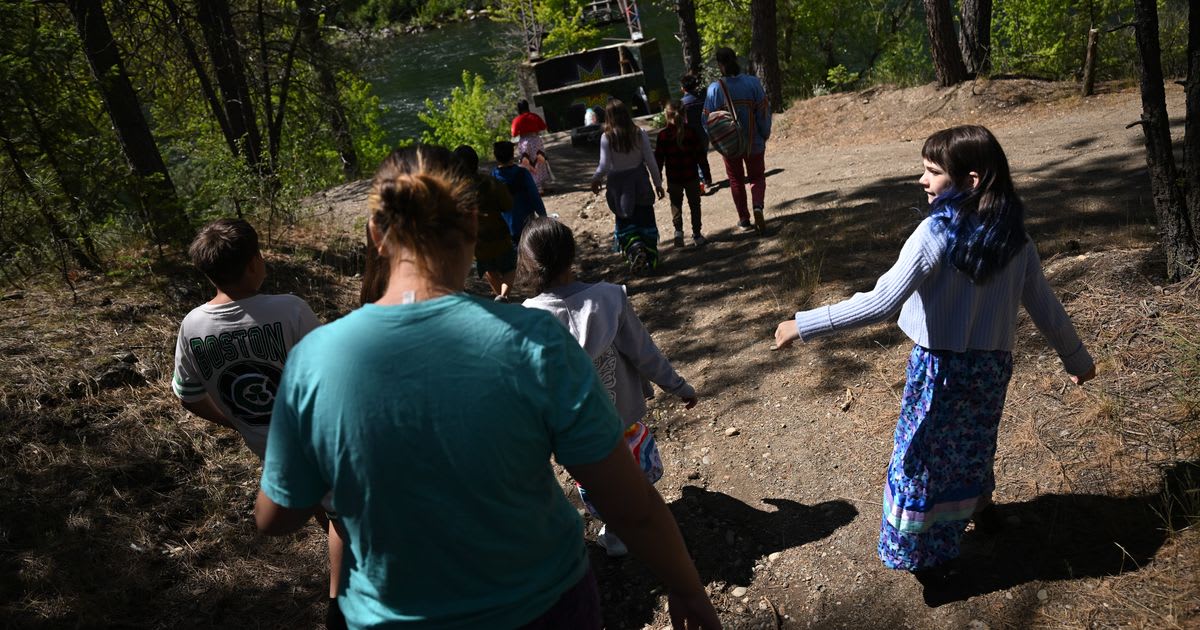
A school saving an endangered Indigenous language just received $724,000 to power its future campus entirely with clean energy. The Salish School of Spokane is one step closer to building a sustainable home where kids learn in Colville-Okanagan Salish.
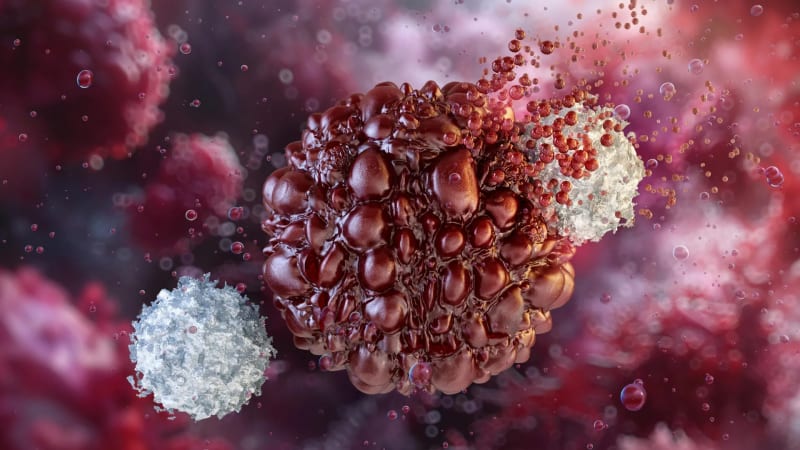
Researchers have solved a major puzzle in cancer treatment by learning how to grow helper T cells from stem cells for the first time. The breakthrough could make powerful cancer therapies cheaper and available to millions more patients.

Workers found five day-old kittens barely alive in a Kelowna work yard after their mother was scared away by dogs. Thanks to quick-thinking rescuers and community-funded equipment, all five are now recovering in specialized care.
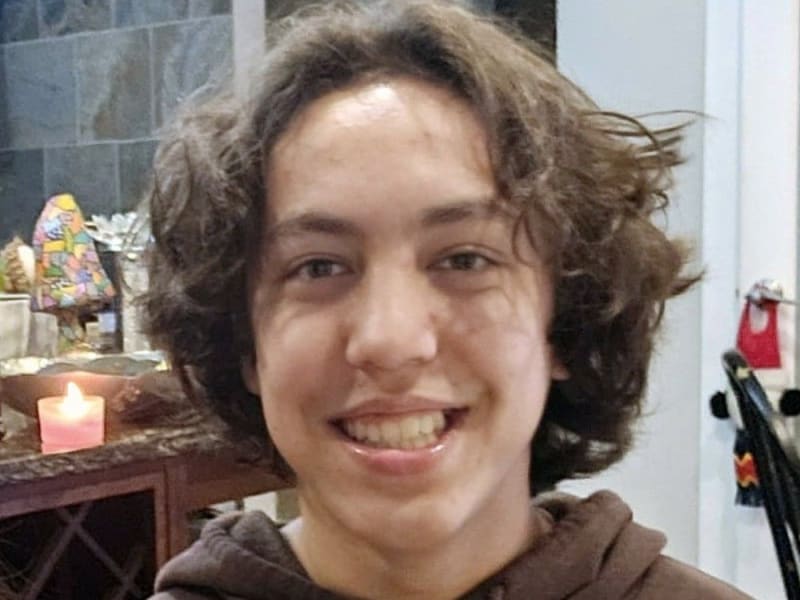
Ty Sperle, 18, became the first person in the world cured of chronic granulomatous disease through groundbreaking gene editing treatment. His success opens the door for curing countless other rare genetic diseases affecting children everywhere.

Canadian researchers just solved a billion-dollar problem: how to test tomorrow's renewable energy grids without waiting days for answers. Their breakthrough speeds up critical safety simulations by up to 79 times.
A 19-year-old from British Columbia became the first person ever cured using "prime editing," a breakthrough gene therapy that fixed a fatal immune disorder. The treatment freed him from daily medication and the constant fear of life-threatening infections.
Showing 20 of 37