
Einstein Visited Hiroshima 23 Years Before the Bomb
Albert Einstein explored Hiroshima in 1922, hiking its sacred mountains and meeting locals. When he heard about the atomic bomb in 1945, he knew exactly what had been destroyed.
Find uplifting stories about heroes, innovations, and solutions
243 results for "albert einstein"
Albert Einstein explored Hiroshima in 1922, hiking its sacred mountains and meeting locals. When he heard about the atomic bomb in 1945, he knew exactly what had been destroyed.
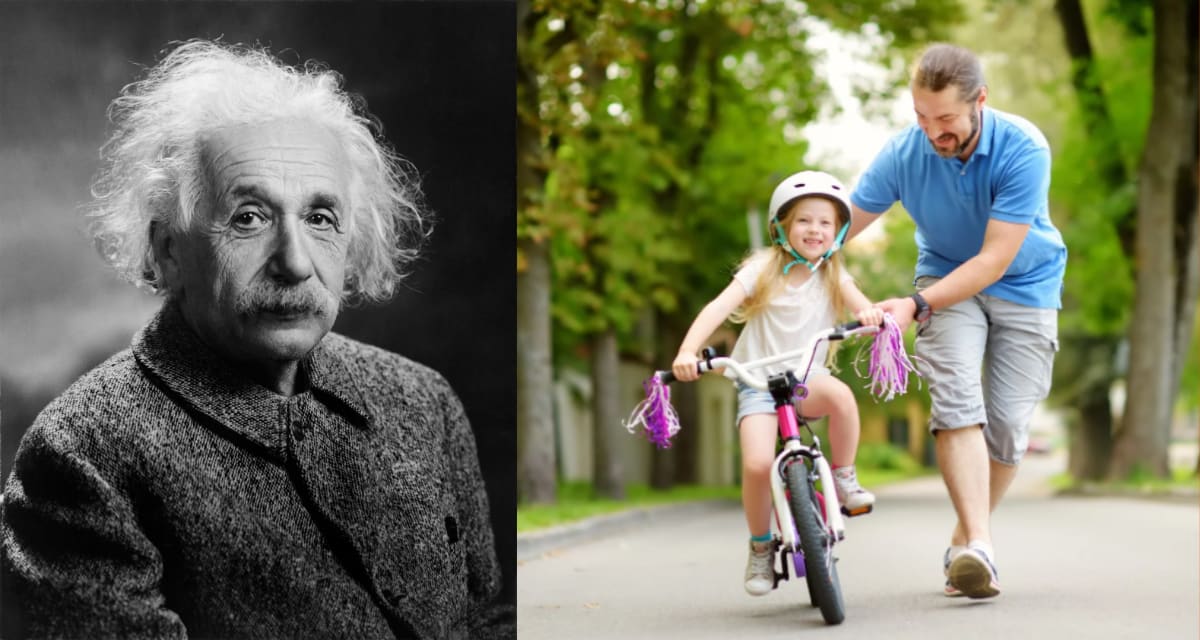
Albert Einstein's simple advice to his struggling son in 1930 perfectly captures what modern research now confirms about raising children who can handle life's challenges. His famous bicycle metaphor offers timeless wisdom for today's parents.

Scientists used the loudest gravitational wave signal ever detected to test Einstein's 100-year-old theory of gravity—and it passed with flying colors. The crystal-clear signal came from two black holes colliding 1.3 billion light-years away.
Scientists captured the clearest gravitational wave signal ever recorded and used it to test Einstein's 100-year-old theory of gravity. The result? He was right again.
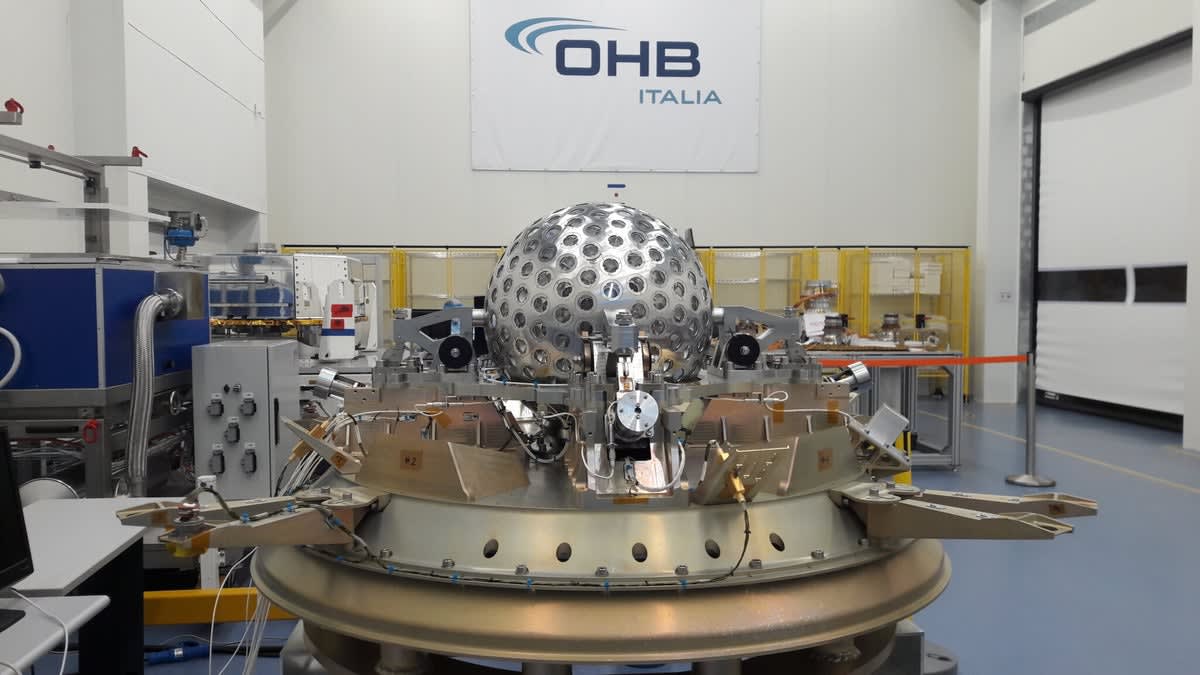
Scientists just measured one of Einstein's wildest predictions with 10 times more accuracy than ever before, using disco ball satellites and laser beams. The experiment confirms that Earth really does drag the fabric of space around with it as it spins.
Physicists just observed gravity acting on a quantum object exactly as Einstein predicted a century ago, using atoms cooled to near absolute zero. The breakthrough experiment brings us closer to understanding how the universe's tiniest and largest forces might finally fit together.

An Armenian astrophysicist just helped prove Einstein's wildest prediction with stunning accuracy. The team measured how Earth literally drags spacetime around it as it spins.
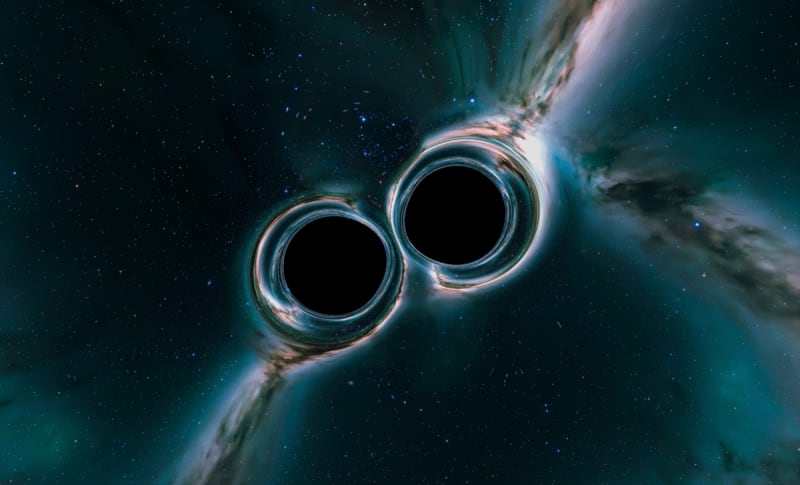
Scientists captured the clearest gravitational wave signal in history from two colliding black holes 1.3 billion light-years away, proving Einstein's century-old theory with stunning accuracy. The breakthrough opens new doors for understanding the universe's deepest mysteries.

Scientists just captured the clearest gravitational wave ever detected, putting Einstein's century-old theory through its toughest test yet. The cosmic signal from colliding black holes confirmed predictions with stunning precision.
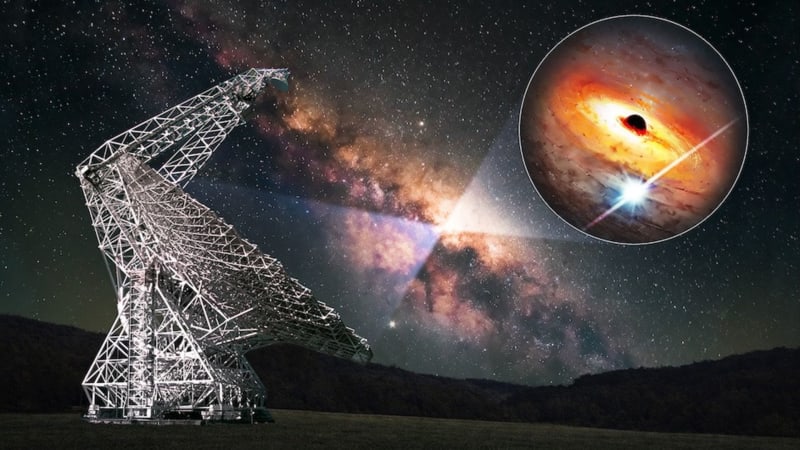
Researchers discovered a rare pulsar near the Milky Way's center that spins 122 times per second. This cosmic lighthouse could help test Einstein's general relativity near a supermassive black hole.
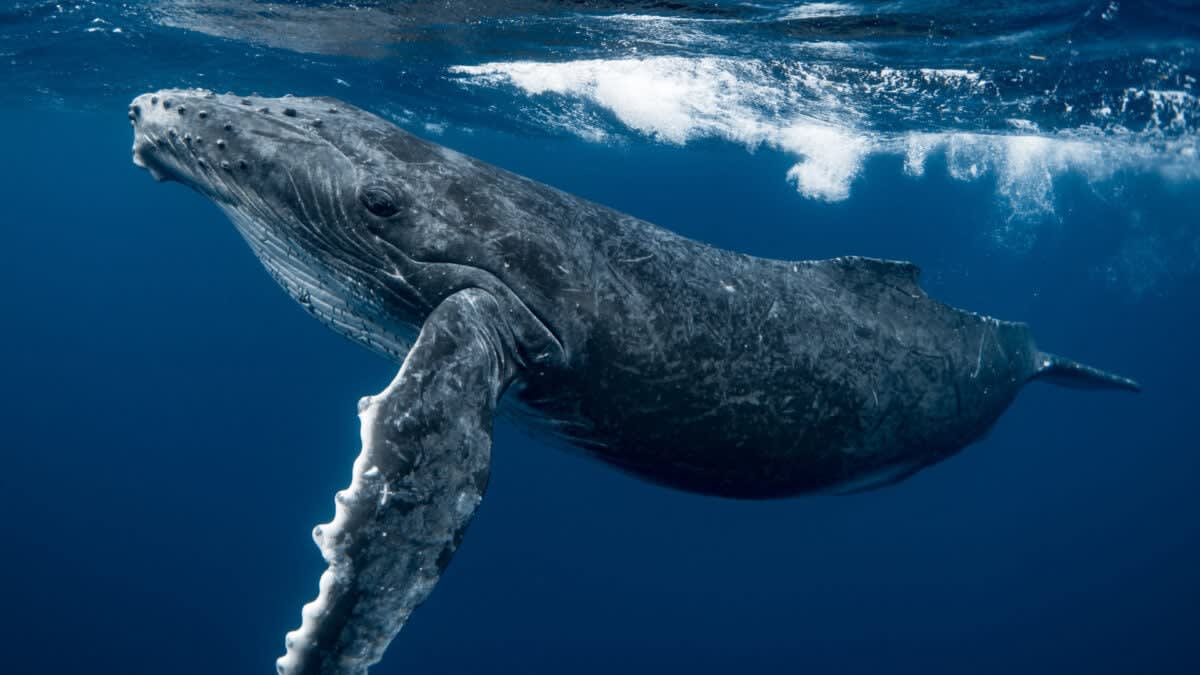
A scientist tracking whales off Massachusetts discovered their calls appeared to break the speed of sound, but the real explanation connects ocean acoustics to Einstein's theory of special relativity. The unexpected finding shows how everyday nature can demonstrate the universe's most profound physics.
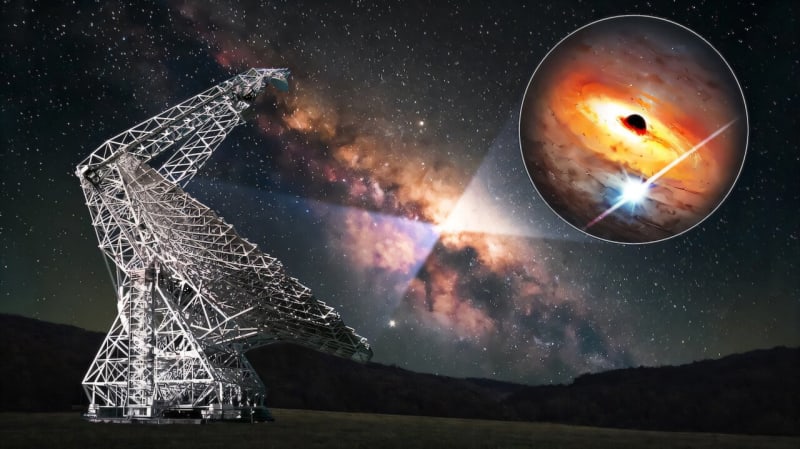
Researchers discovered a potential pulsar just 8 milliseconds from our galaxy's central black hole, offering a cosmic laboratory to test Einstein's gravity theories. If confirmed, this stellar lighthouse could unlock secrets about how massive objects warp space and time.
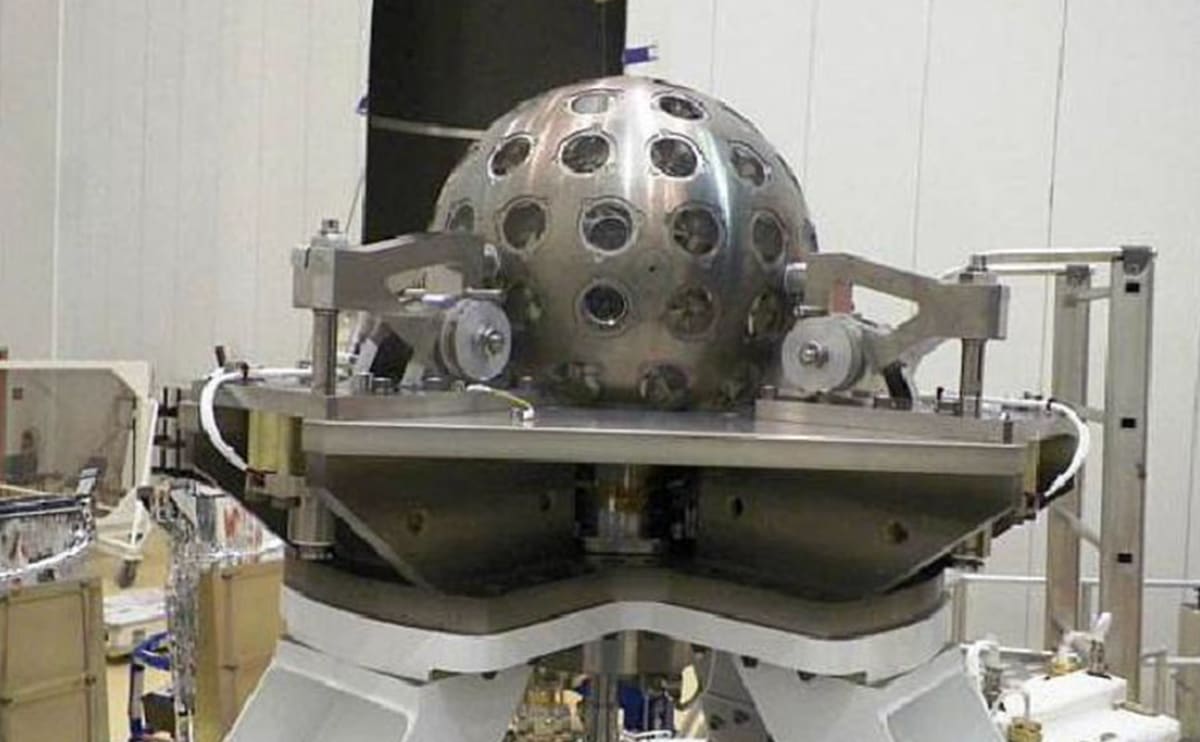
Scientists used a golf ball-sized disco satellite and decades-old NASA technology to measure how Earth twists space and time, confirming Einstein's predictions with record-breaking accuracy. The experiment proves we can test the universe's deepest mysteries with creativity and persistence.
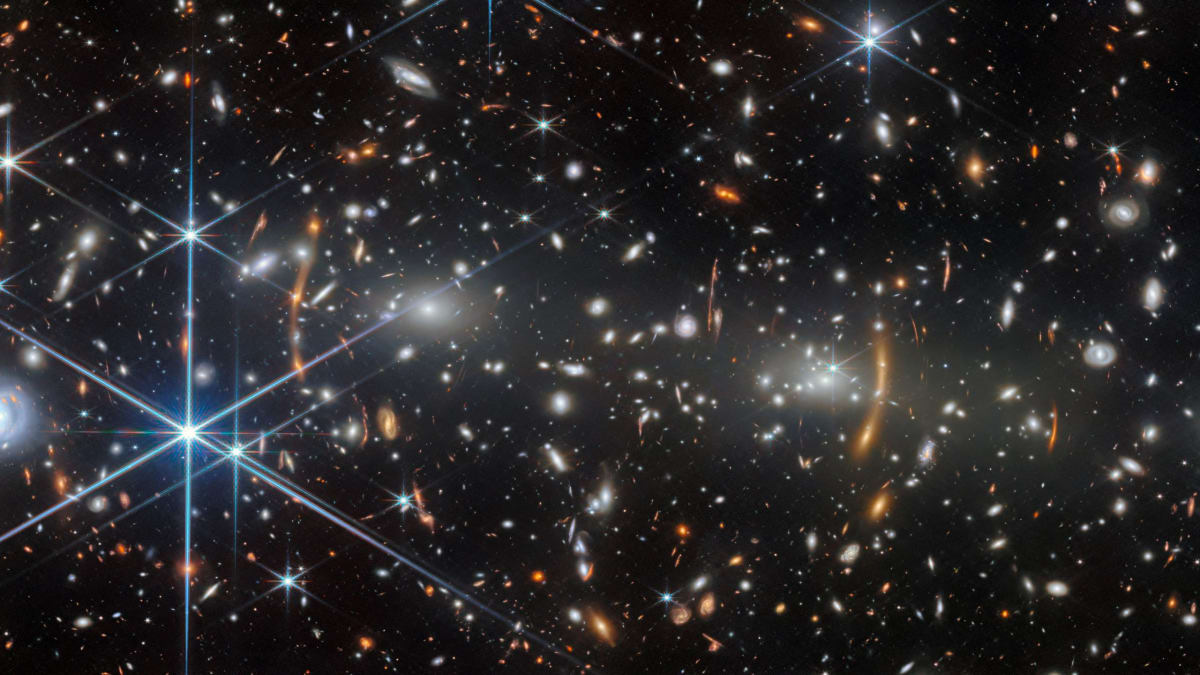
The James Webb Space Telescope is peering billions of years into the past using Einstein's century-old prediction about gravity as a cosmic magnifying glass. New images reveal ancient galaxies that would otherwise be invisible, appearing as warped orange arcs of light stretched around massive galaxy clusters.

Local fishing communities on Uganda's Lake Albert are launching cleanup campaigns and working with government to protect their lifeline from plastic pollution. Their grassroots efforts could secure food and income for millions who depend on the lake.
Physicists at Brown University discovered why the universe expands at a steady pace instead of spiraling out of control. The answer lies in the shape of space-time itself, which acts like a cosmic safety switch.
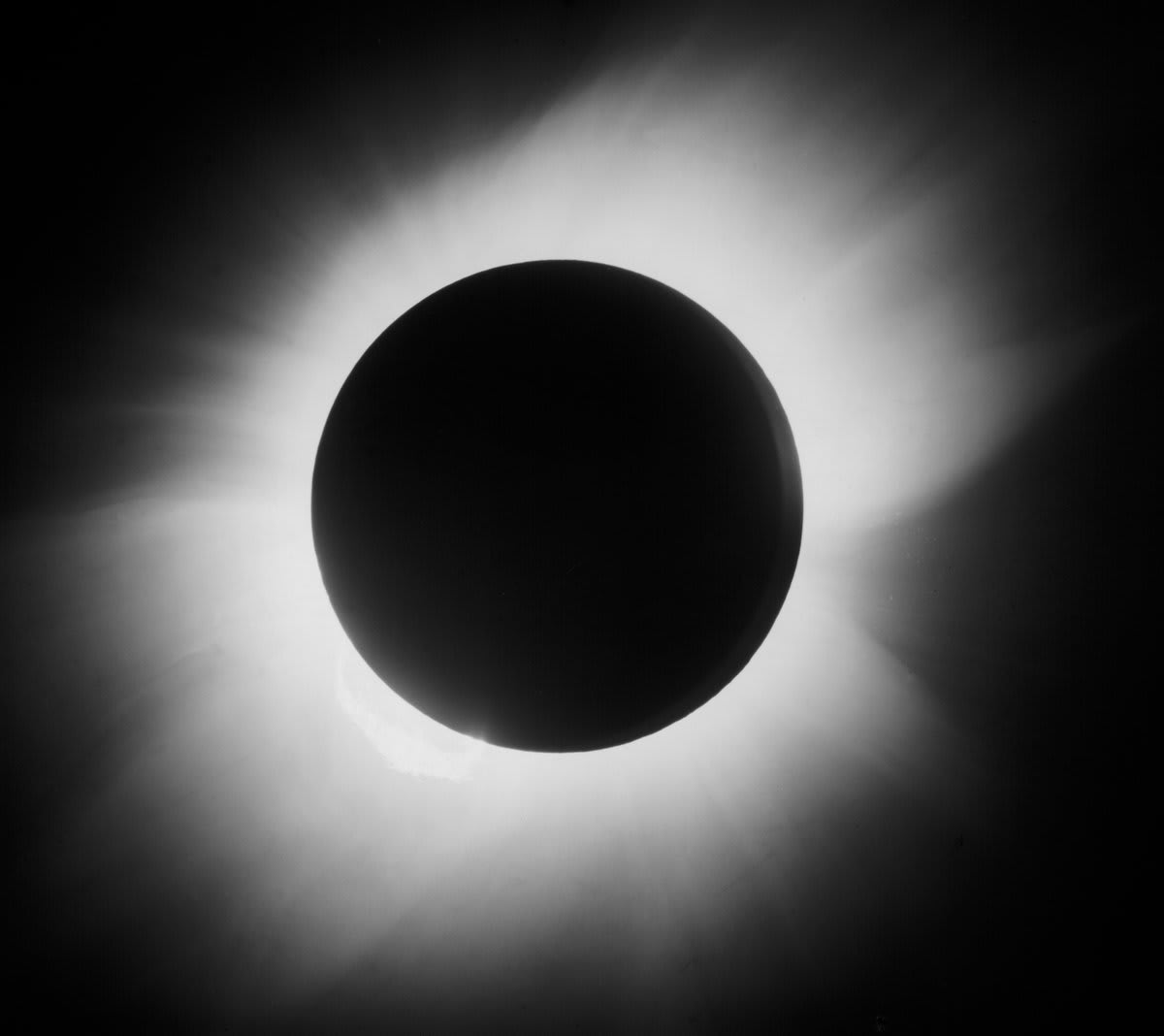
A PhD student in Iceland is bringing one of history's most famous scientific experiments back to life during this week's total solar eclipse. The recreation aims to inspire anyone with a telescope to test Einstein's theory themselves.

At Melbourne's Albert Park, trauma specialists from the Alfred Hospital stand ready all weekend during the Australian Grand Prix, hoping they won't be needed. Their setup shows how motorsport has evolved to keep drivers safe while still delivering the thrills fans love.
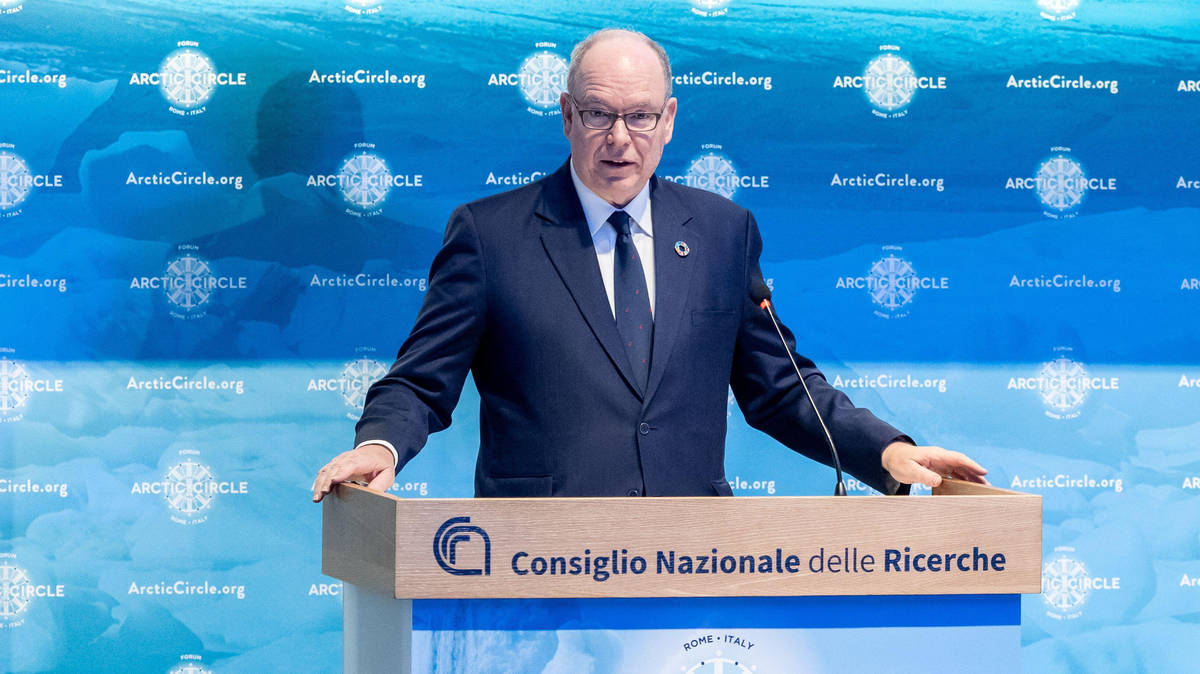
Monaco's Prince Albert II is rallying nations to protect the Arctic together, even as global tensions rise. His message puts Indigenous voices and climate science at the center of polar cooperation.
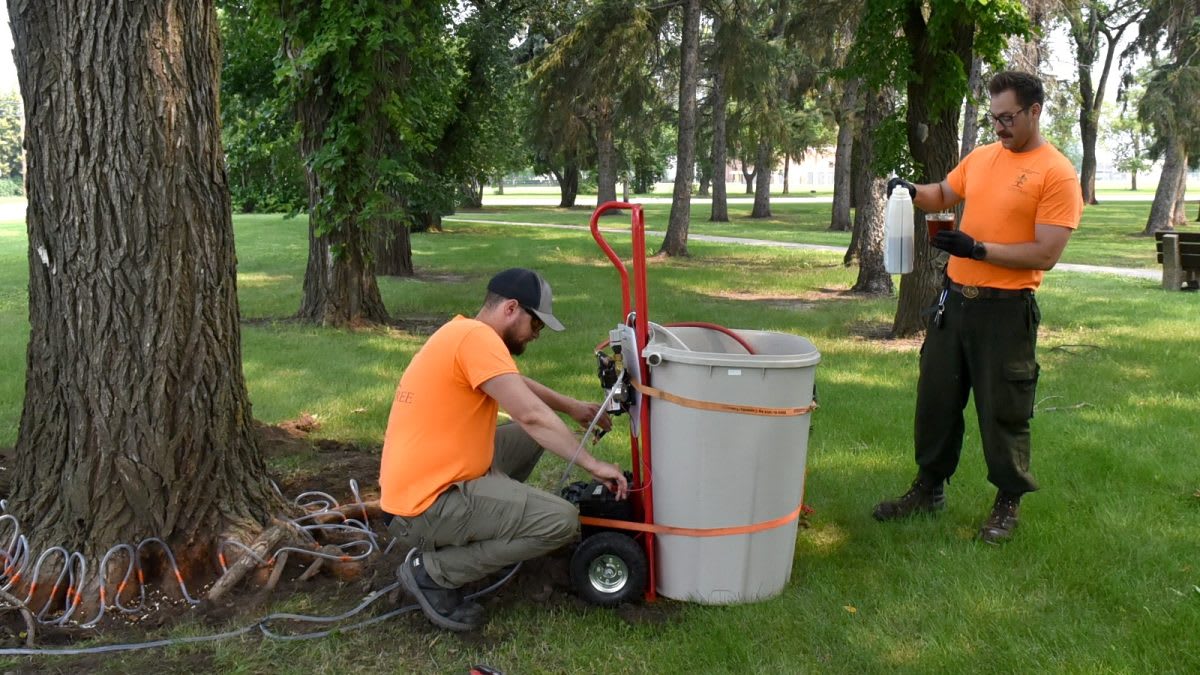
A Canadian city is investing in a three-year protection plan for beloved elm trees worth up to $50,000 each, even though no disease has been detected yet. The proactive approach could save decades of community heritage and environmental benefits.
Showing 20 of 243