Search

Find uplifting stories about heroes, innovations, and solutions

10 results for "algae blooms"

Five Choirs Sing Together to Save Lough Neagh
Planet Wins1d ago

Five Choirs Sing Together to Save Lough Neagh

Community choirs gathered around Northern Ireland's largest lake to use the power of song to demand action on toxic algae blooms. Their harmonized voices carried a message of hope and solidarity for Lough Neagh's recovery.

BBC Science2 min read
Vermont Needs 800+ Lake Volunteers This Summer
Planet Wins6d ago

Vermont Needs 800+ Lake Volunteers This Summer

With over 800 lakes and ponds to protect, Vermont is calling on everyday people to become citizen scientists this summer. Four volunteer programs make it easy to help track water quality, invasive species, and algae blooms.

Google: volunteers help2 min read
Singapore Protects Fish Farms With Algae Bloom Tech
VideosApr 14

Singapore Protects Fish Farms With Algae Bloom Tech

Singapore's new sensor network helps fish farmers predict deadly algae blooms days in advance, protecting livelihoods after a 2015 disaster wiped out 600 tonnes of fish. The technology could strengthen local food supply and keep seafood prices stable.

Google News - Singapore Technology2 min read
Lake Erie Gets 1,000+ Sensors to Fight Pollution
VideosApr 14

Lake Erie Gets 1,000+ Sensors to Fight Pollution

Cleveland is transforming Lake Erie into the world's largest digitally monitored freshwater lake with hundreds of sensor buoys tracking pollution in real time. The innovation is helping scientists tackle everything from toxic algae blooms to microplastics.

CleanTechnica2 min read
Ocean Fungus Kills Toxic Algae, May Control Blooms
Planet WinsMar 7

Ocean Fungus Kills Toxic Algae, May Control Blooms

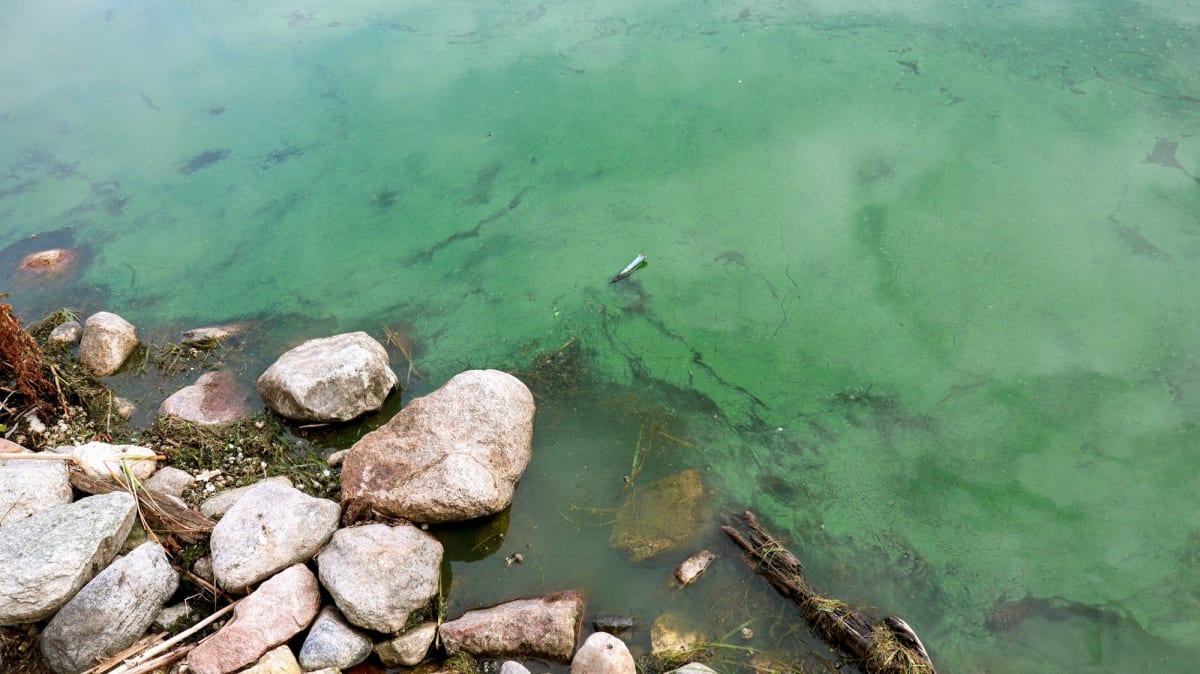
Scientists in Japan discovered a microscopic fungus that naturally kills toxic algae responsible for harmful ocean blooms. The adaptable parasite could reveal a hidden force that helps keep coastal waters healthy.

Google News - Scientists Discover2 min read
3D-Printed Sea Lion Models Save Real Animals From Toxic Algae
VideosFeb 26

3D-Printed Sea Lion Models Save Real Animals From Toxic Algae

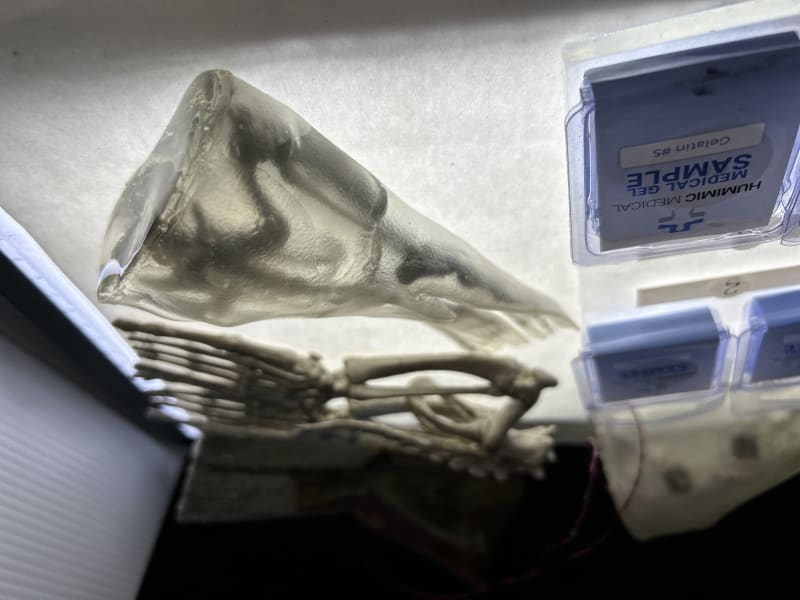
Engineers at UNLV created lifelike 3D-printed sea lion pelvis models that let vets practice blood draws without using sick animals or cadavers. The innovation is helping save sea lions suffering from toxic algae blooms along California's coast.

Phys.org2 min read
3D-Printed Sea Lion Models Save Real Animals in California
InnovationFeb 26

3D-Printed Sea Lion Models Save Real Animals in California

Scientists at UNLV created lifelike 3D-printed sea lion models that let veterinarians practice life-saving procedures without harming real animals. The breakthrough could help save hundreds of sea lions sickened by toxic algae blooms along California's coast.

Google: robotics innovation3 min read
AI Reveals Ocean Algae Blooms Growing Worldwide Since 2010
Planet WinsFeb 18

AI Reveals Ocean Algae Blooms Growing Worldwide Since 2010

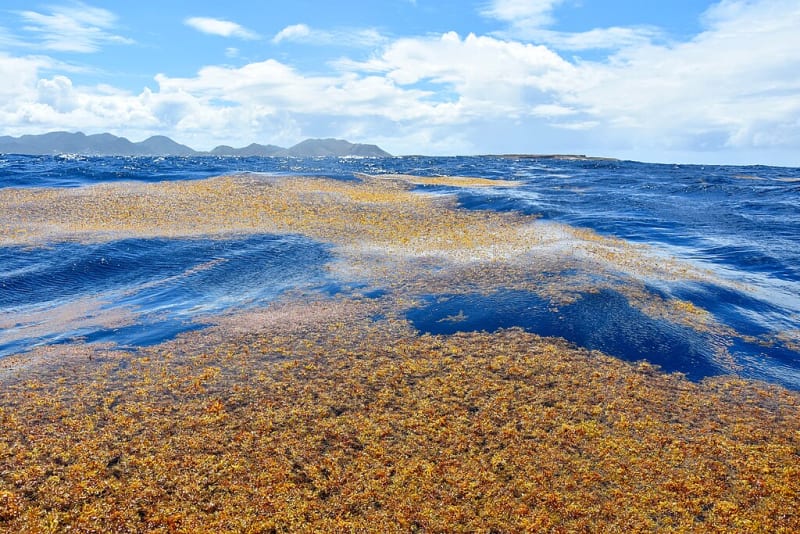
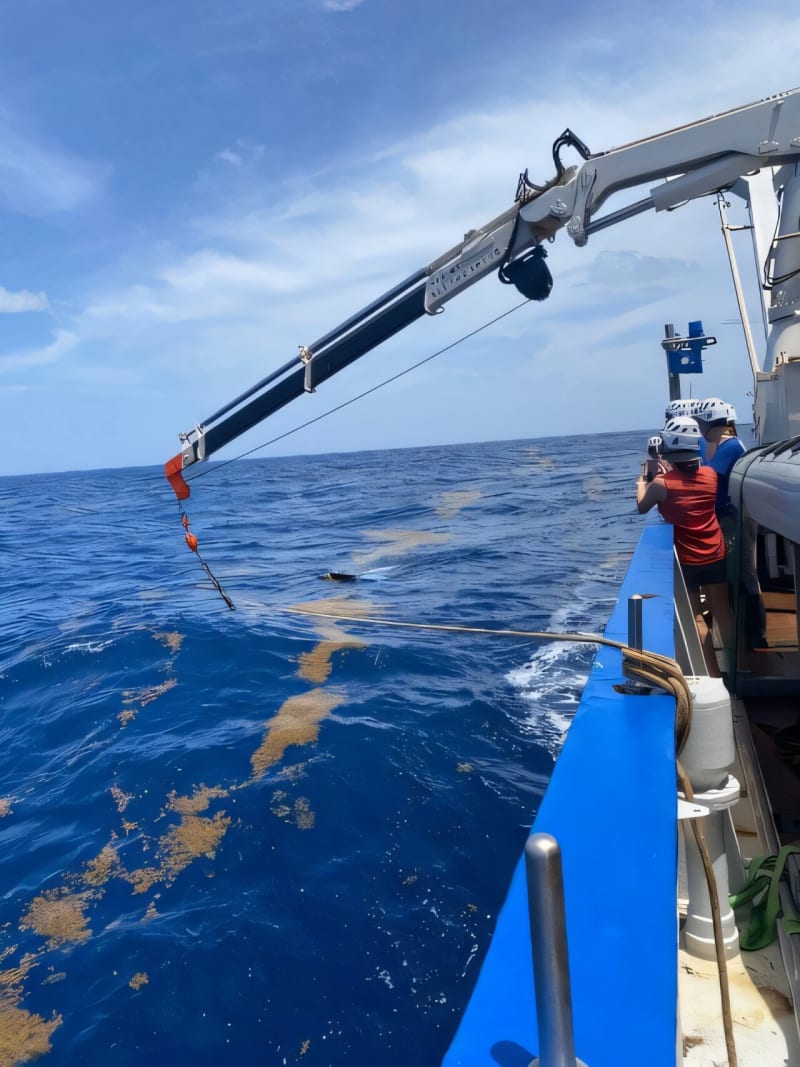
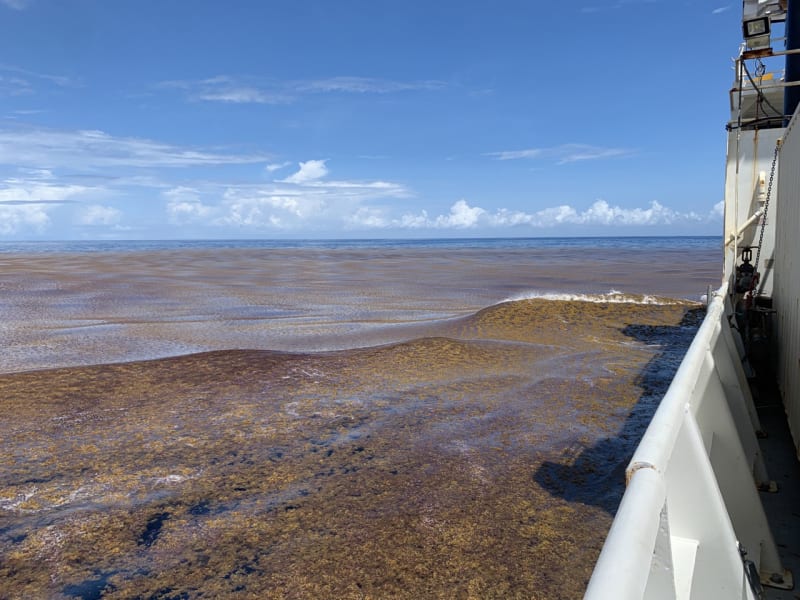
Scientists using artificial intelligence discovered that floating algae blooms have expanded dramatically across the world's oceans over the past 20 years, marking a major shift in marine ecosystems. The findings could help protect coastal communities and marine life from harmful algae while supporting healthier fisheries.

Google News - Scientists Discover3 min read
AI Maps Ocean Algae Blooms Expanding Across the Globe
Planet WinsJan 20

AI Maps Ocean Algae Blooms Expanding Across the Globe

Scientists used artificial intelligence to scan 1.2 million satellite images and discovered floating algae is spreading across Earth's oceans, marking a major shift in marine ecosystems. The breakthrough shows how AI can help us understand and prepare for changes in our oceans.

Google: scientists discover2 min read
AI Reveals Ocean Algae Blooms Growing 13% Each Year
Planet WinsJan 19

AI Reveals Ocean Algae Blooms Growing 13% Each Year

Scientists used artificial intelligence to scan 1.2 million satellite images and discovered that floating algae blooms are expanding across the world's oceans, creating new marine habitats. The breakthrough technology revealed a 13.4% yearly increase in some regions, marking a historic shift in ocean ecosystems.

Phys.org2 min read