
New Comet Arrives Over New Zealand This May
A newly visible comet is gracing New Zealand skies this month, giving Kiwis a rare chance to witness a cosmic visitor. While faint now, the comet is expected to climb higher throughout May.
Find uplifting stories about heroes, innovations, and solutions
9847 results for "comet science"
A newly visible comet is gracing New Zealand skies this month, giving Kiwis a rare chance to witness a cosmic visitor. While faint now, the comet is expected to climb higher throughout May.
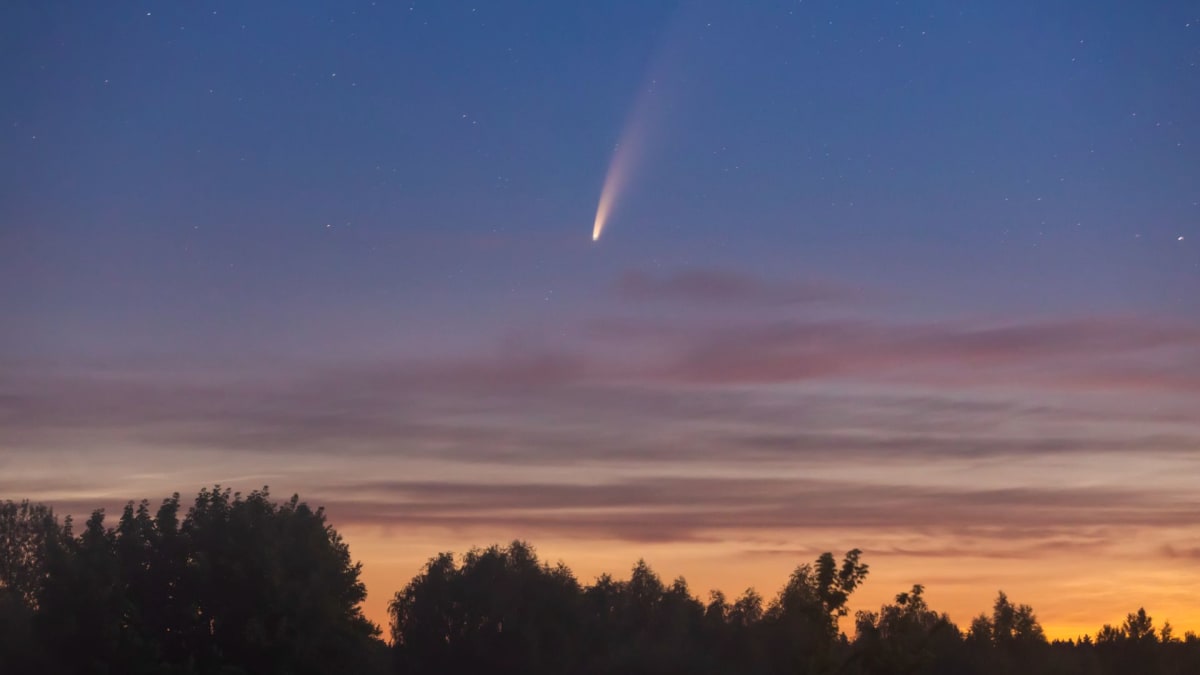
A newly brightening comet could become visible to the naked eye in mid-April, offering early risers a rare celestial show. Comet PanSTARRS is expected to reach peak brightness around April 20 when it passes closest to the sun.

Scientists studying an interstellar comet passing through our solar system discovered it contains 30 times more heavy water than any comet from around our sun. The finding suggests our home solar system formed in unusually warm conditions compared to other star systems.
A rare comet could brighten enough for people to see with their naked eyes or binoculars this month, offering early risers an exciting celestial show. The comet reaches its brightest points between April 20 and 27.
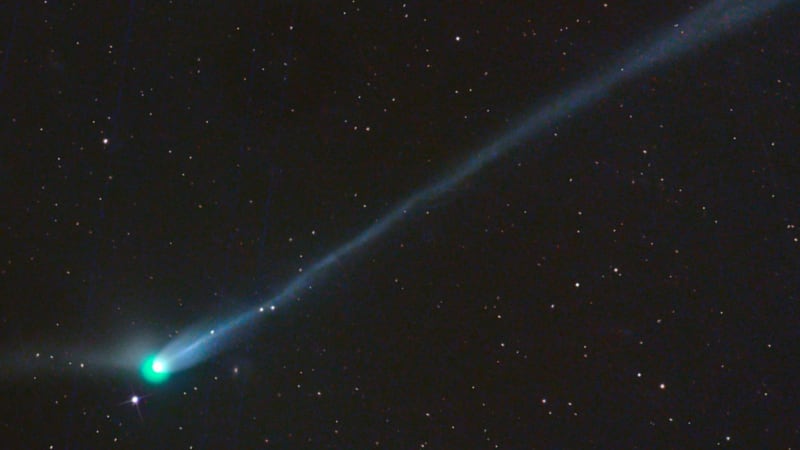
A rare green comet the size of a small city is making its final pass by Earth this week before being flung into deep space forever. Scientists say Comet Wierzchoś will spend millions of years drifting through the galaxy after its one-time visit to our cosmic neighborhood.
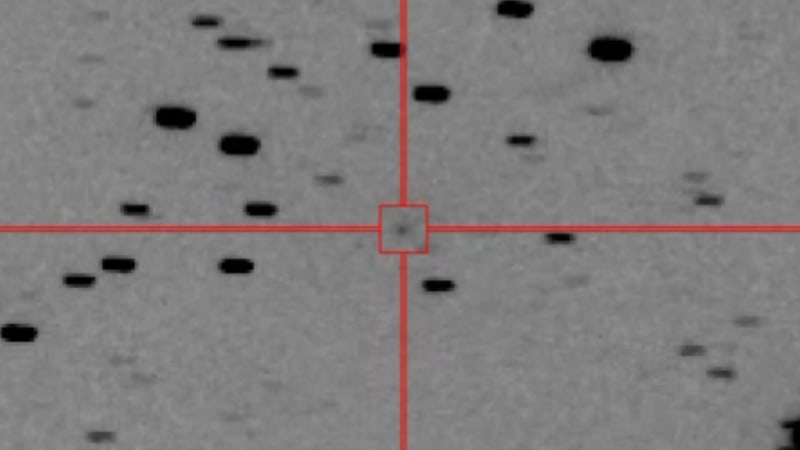
Astronomers discovered a rare comet that might become bright enough to see with the naked eye next spring. This comet belongs to a special family that has produced some of history's most spectacular sky shows.

Scientists are calling for more collaborations between artists and researchers to rebuild public confidence in science. The strategy comes as funding cuts threaten research programs worldwide.
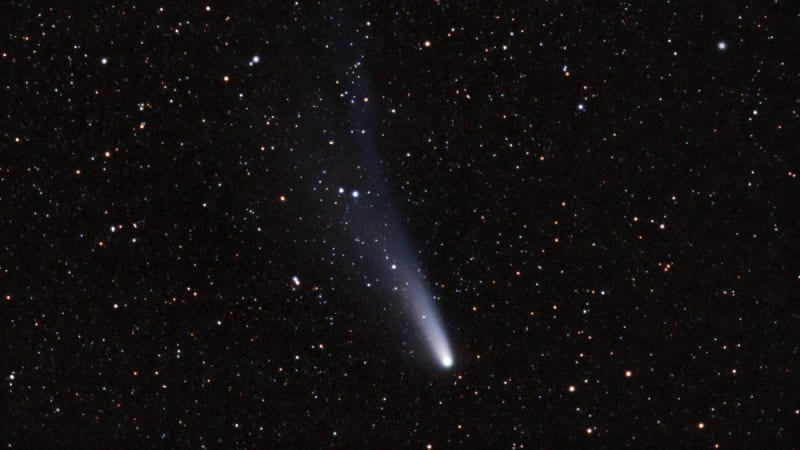
Four amateur astronomers in southern France discovered a comet heading toward the Sun 300 million kilometers away, earlier than any similar comet has been detected before. Using just four private telescopes and tracking software, they beat major space agencies to one of astronomy's most exciting finds.
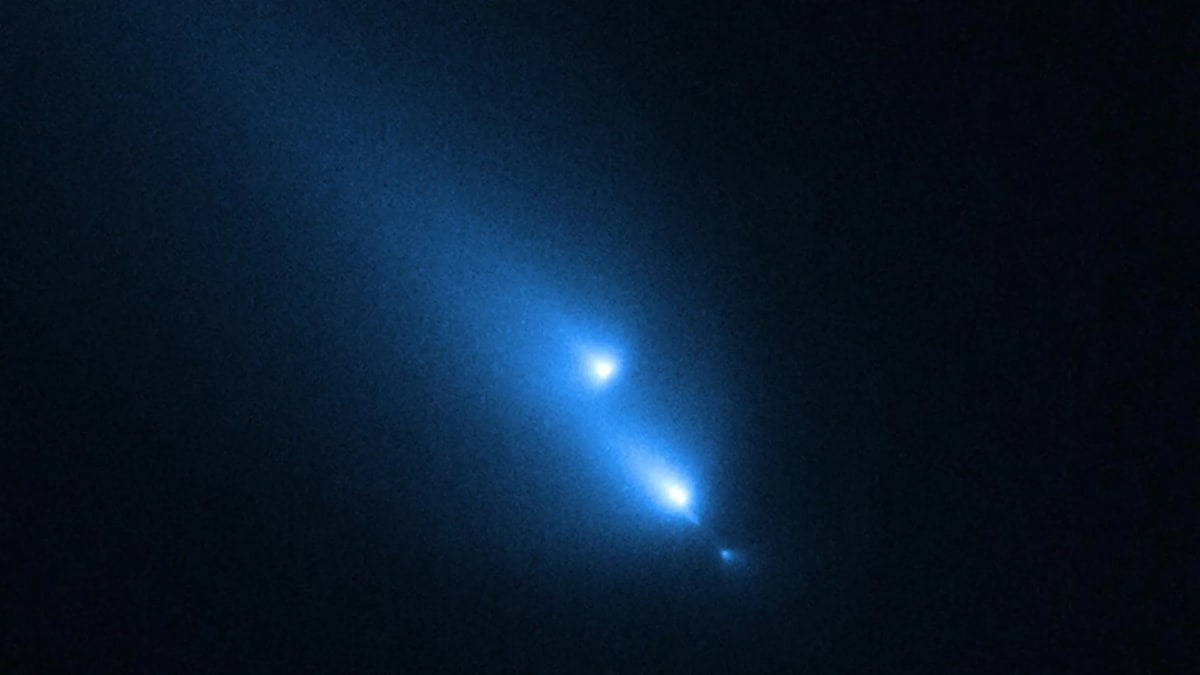
In a cosmic stroke of luck, NASA's Hubble Space Telescope accidentally captured a comet splitting into pieces as it happened, something scientists have tried and failed to observe for years. The team was studying a completely different comet when they stumbled upon this once-in-a-lifetime view.
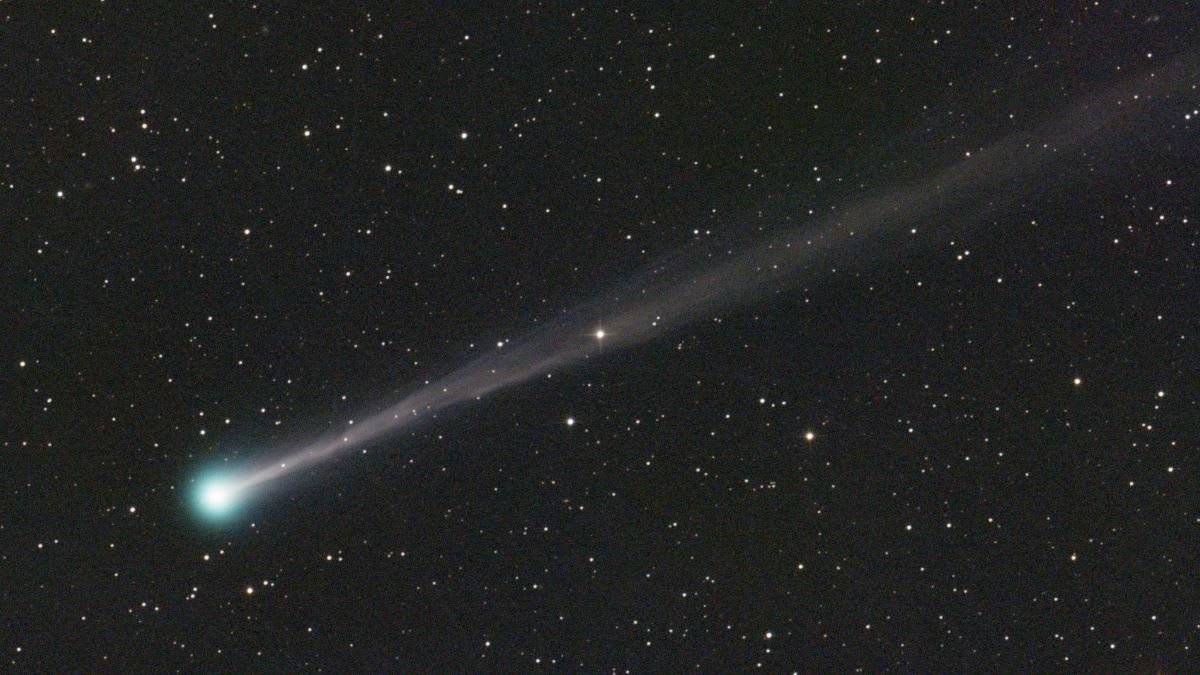
A comet that last visited Earth during the Ice Age is putting on a brief show in pre-dawn skies through April 20. Stargazers have just days to catch this once-in-a-lifetime visitor before it disappears forever.

A major science organization is launching a digital series that shows how Earth science research translates into real solutions for communities worldwide. The series premiews in December 2026 and goes global in January 2027.

Over 900 Calgary students from Grade 5 to 12 are presenting their self-designed science experiments at the city's largest youth science fair this weekend. Two Grade 12 students developed a promising wound infection detector using red cabbage extract after a cooking accident sparked their curiosity.
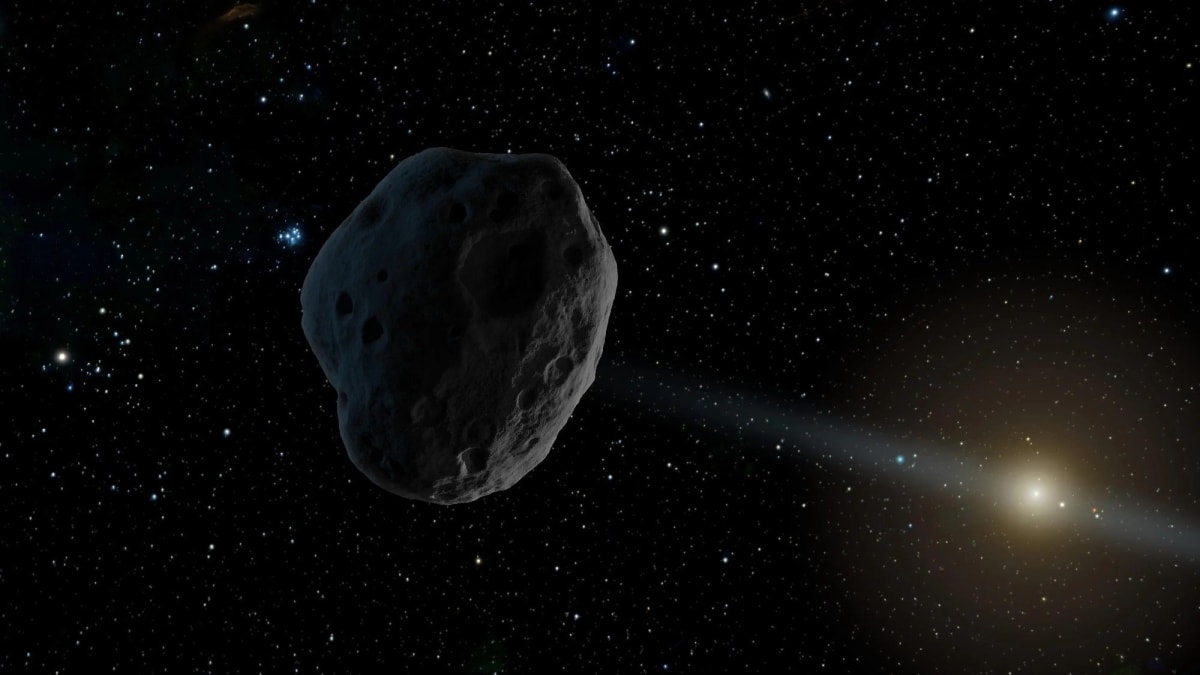
An object thought to be an asteroid since 1998 just revealed its true identity as a comet, and the discovery could help protect Earth from future space threats. Scientists figured it out by noticing the object wasn't where it should be.
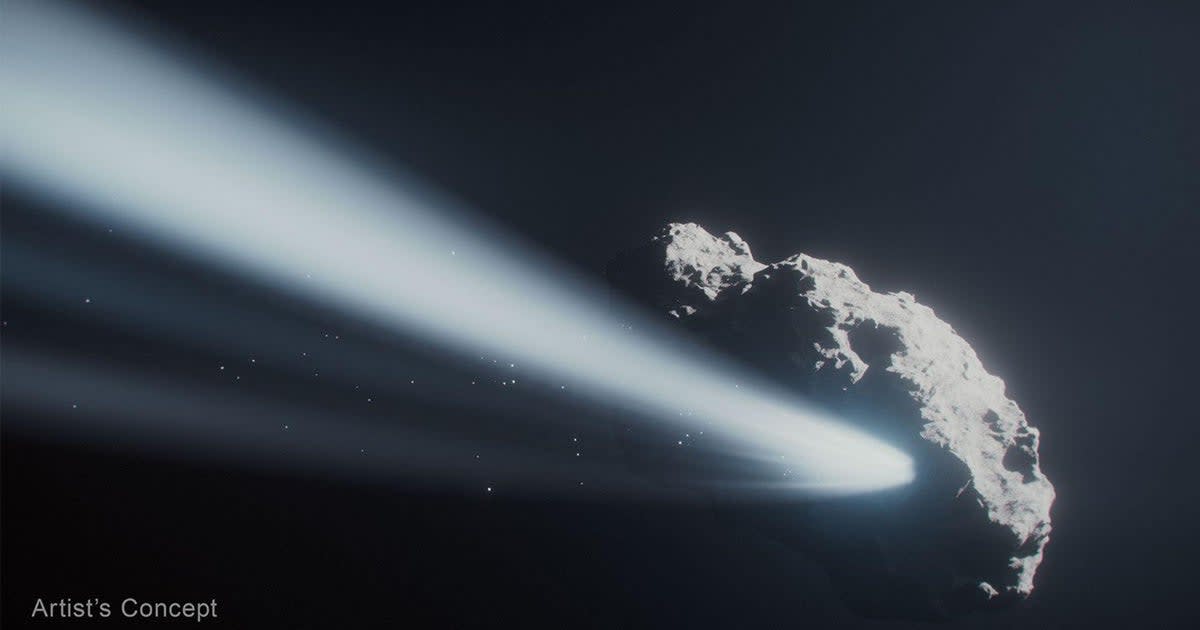
Scientists discovered a comet that slowed down, stopped, and then started spinning the opposite direction after jets of gas pushed it like a cosmic merry-go-round. The discovery happened by digging through old NASA data, proving that space observations made decades ago still hold new secrets.
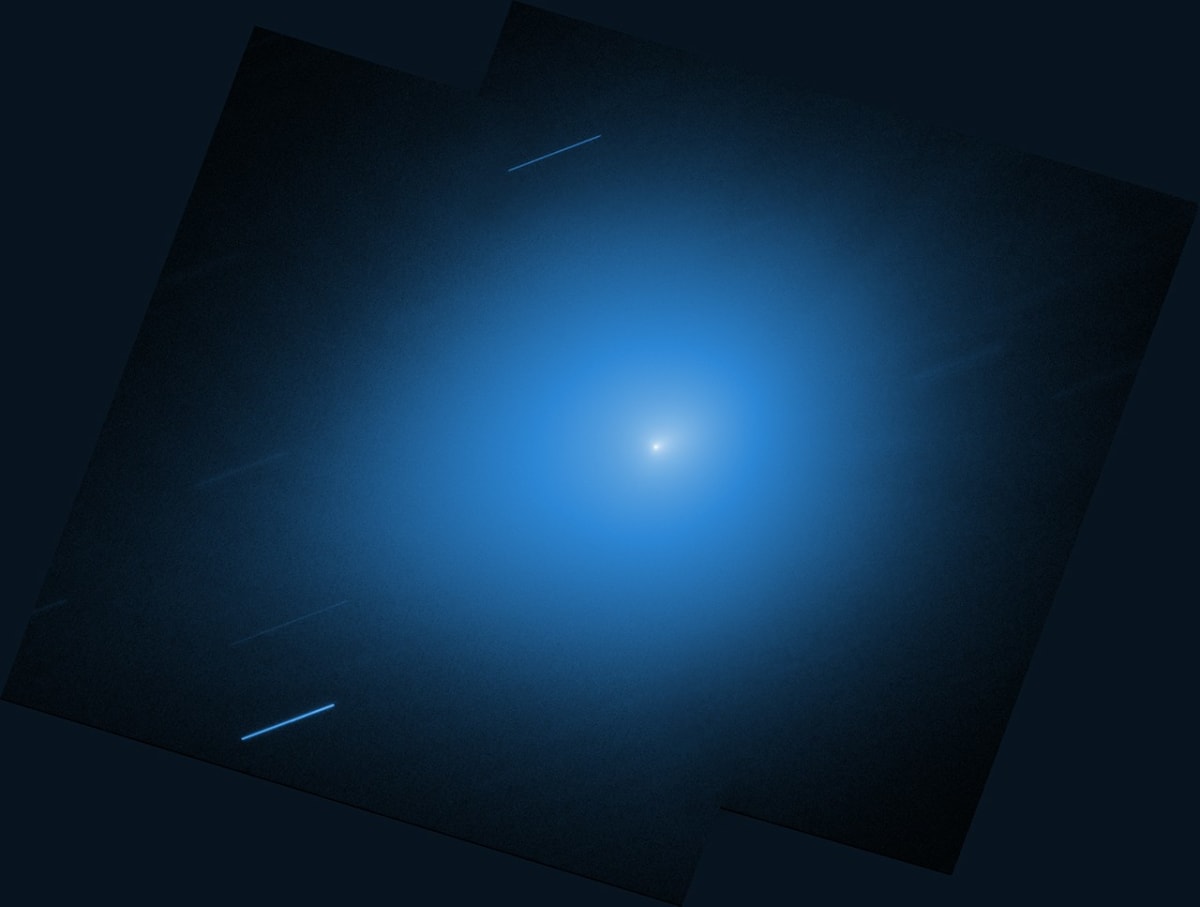
An interstellar visitor is leaving our solar system forever, but NASA's free public data will keep unlocking discoveries for decades. Over a dozen spacecraft captured comet 3I/ATLAS, creating a treasure trove anyone can explore.
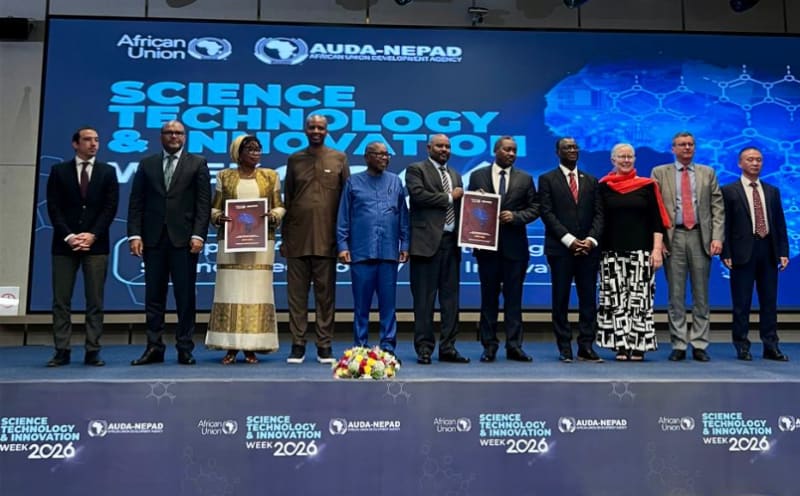
Six international partners just pledged $42 million to fuel Africa's ambitious 10-year science and innovation strategy. The funding will help African nations build stronger research systems and solve local challenges through homegrown science.

NASA's James Webb Space Telescope just explained how heat-formed crystals end up in comets billions of miles from the sun. The answer involves baby stars shooting cosmic minerals across space like a highway.

A public health professor is slashing his annual research output from 15 papers to just seven, betting that quality beats quantity in science. His radical move challenges a system where some researchers now pump out more than 60 papers yearly.

A spacecraft caught a comet "switching on" a second tail as it made its closest approach to Earth on April 26. The rare cosmic light show revealed how comets create stunning dual tails when approaching the sun.
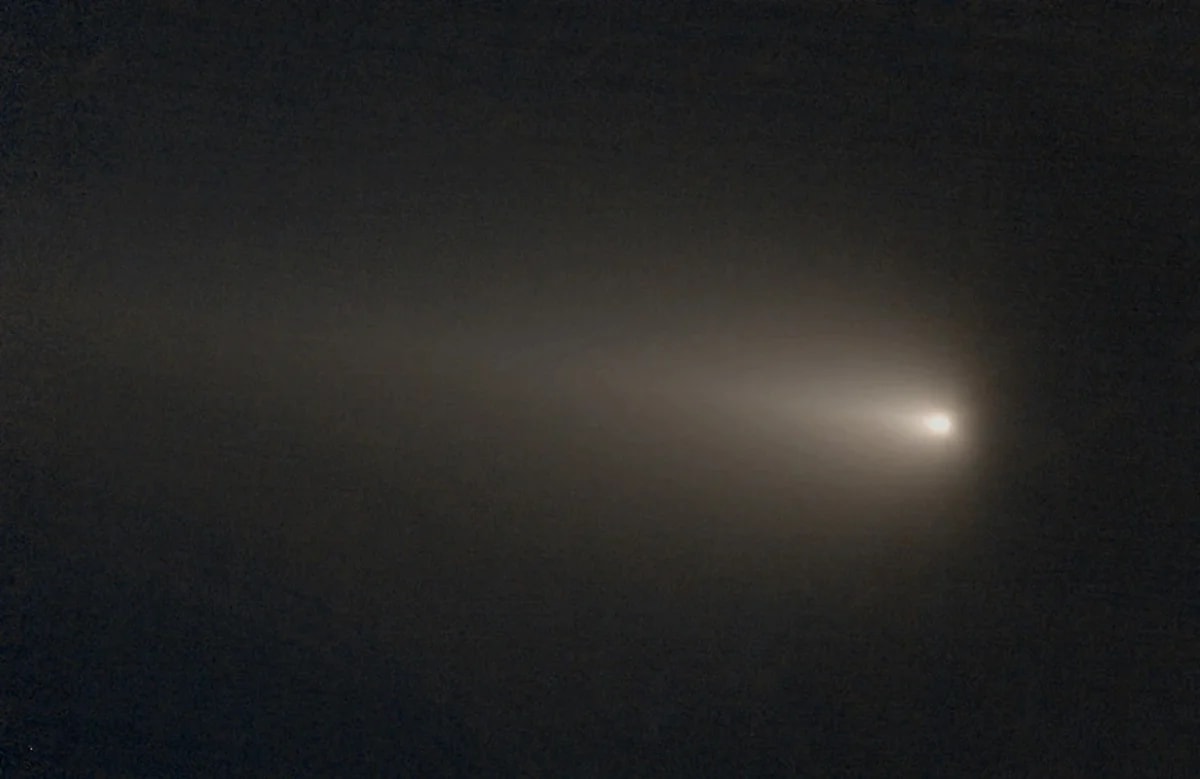
Four astronauts circling the moon this week might witness a stunning comet during their historic journey. If Comet MAPS survives its close encounter with the sun, it could create an unforgettable view from their spacecraft window.
Showing 20 of 9847