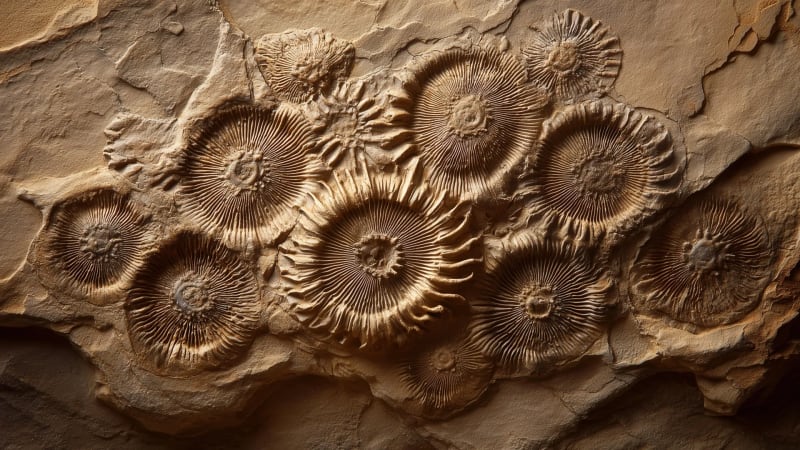
Scientists Solve 570-Million-Year-Old Fossil Mystery
Ancient ocean chemistry, not tough bodies, preserved Earth's strangest soft-bodied creatures in stunning detail. The discovery reveals how complex life emerged before animals took over the planet.
Find uplifting stories about heroes, innovations, and solutions
11 results for "ediacara biota"
Ancient ocean chemistry, not tough bodies, preserved Earth's strangest soft-bodied creatures in stunning detail. The discovery reveals how complex life emerged before animals took over the planet.
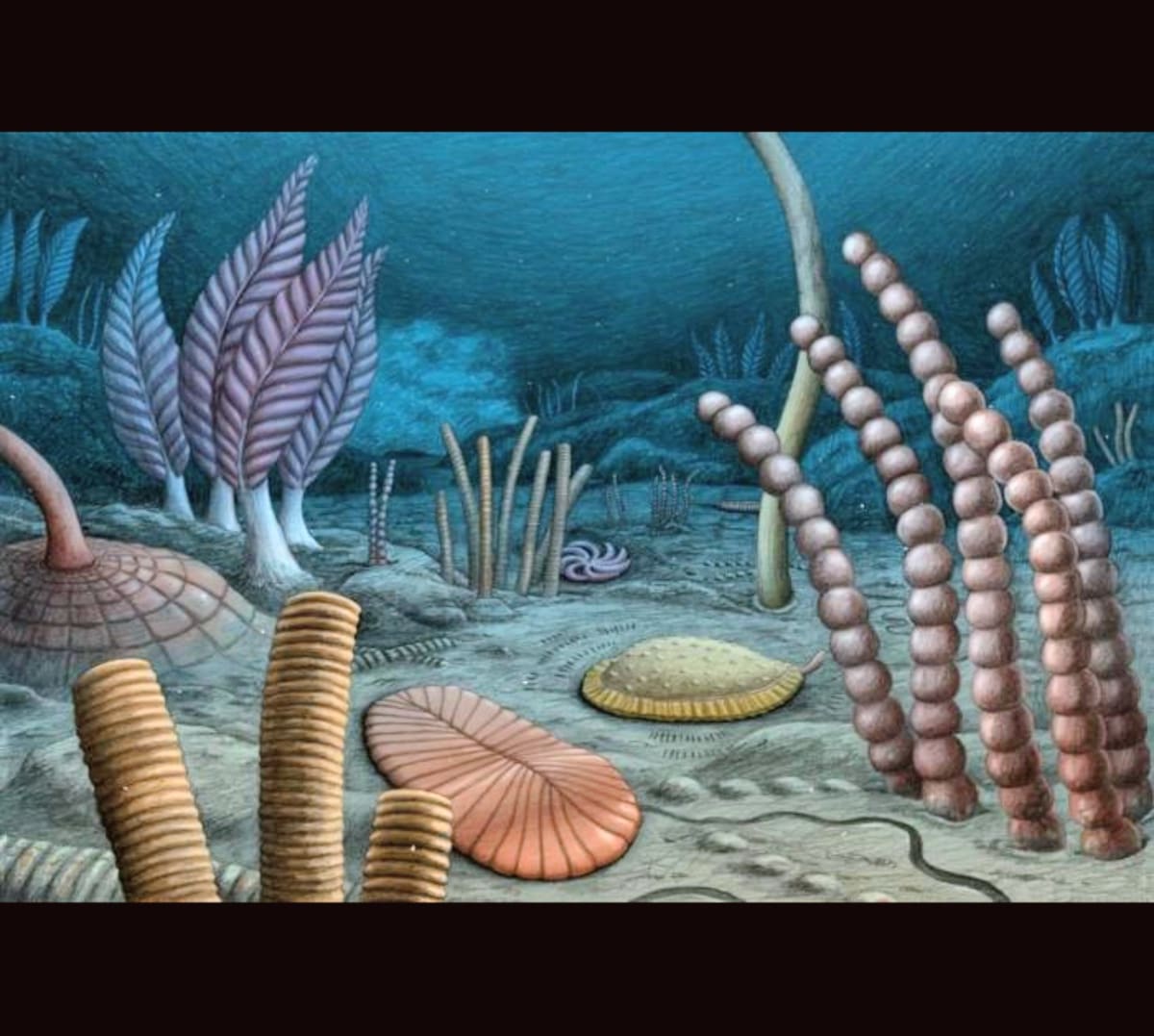
Scientists in Canada's Northwest Territories discovered fossils that are 567 million years old, making them the oldest evidence of animal movement and sexual reproduction ever found. The discovery suggests complex life may have begun in deep ocean waters, not shallow coastlines as scientists long believed.
Scientists cracked the puzzle of how delicate, soft-bodied creatures from 570 million years ago survived as fossils in sandstone where preservation should be impossible. Ancient ocean chemistry created natural clay "cement" that locked their shapes into rock, revealing a crucial chapter in how complex life emerged on Earth.
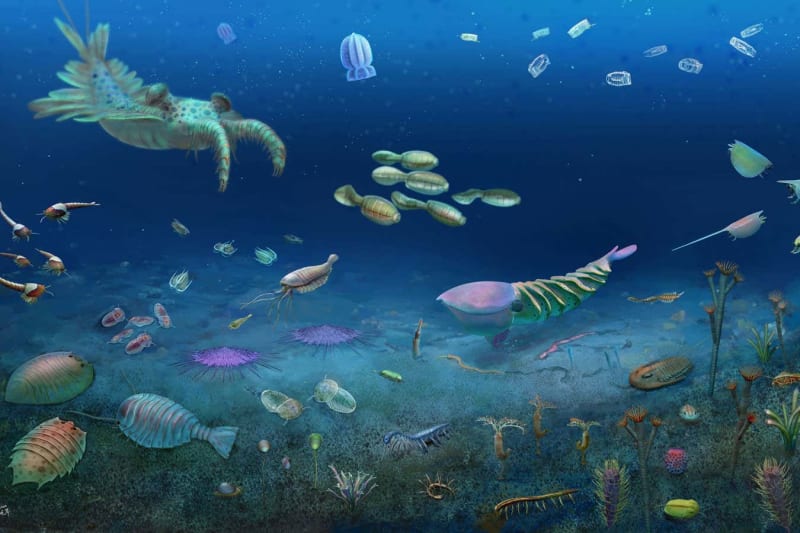
Scientists in China have uncovered 8,681 fossils from 153 species at a stunning new site, with nearly 60% never seen before. The discovery offers a rare window into ocean life after Earth's first mass extinction.
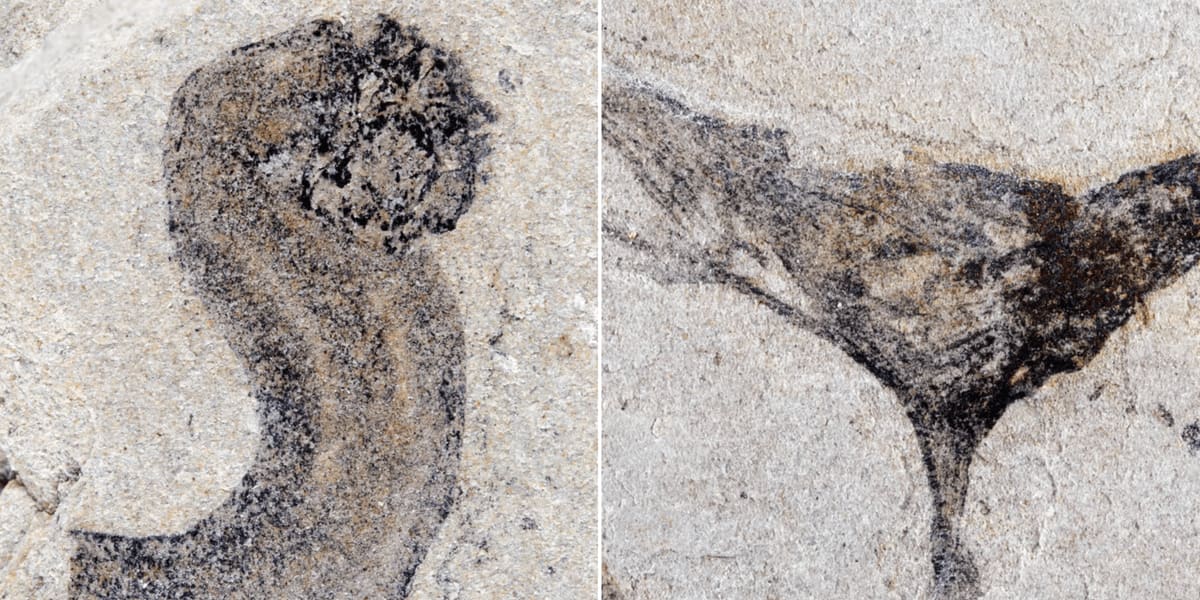
Scientists in China just unearthed 700 fossils that could rewrite the story of when complex life first appeared on Earth. These ancient creatures lived at least 4 million years earlier than we thought possible.

Scientists in China discovered 700 fossils that push back the origin of complex life by millions of years, revealing our ancient ancestors existed far earlier than we thought. The find bridges a massive gap in our understanding of how life evolved from simple microbes to the incredible diversity we see today.
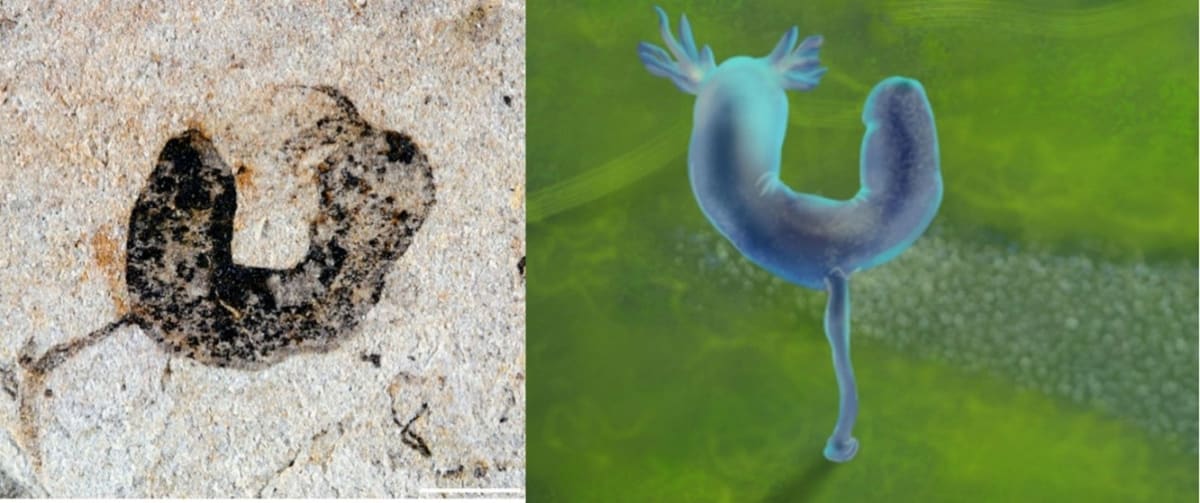
Chinese researchers discovered 550-million-year-old fossils that push back the timeline for complex animal life, including our earliest known ancestors. The find helps solve a longstanding mystery about how life evolved from simple organisms to the diverse creatures we see today.

Scientists in China discovered 700 fossils that push back the origin of complex life by millions of years. The find suggests the famous "Cambrian Explosion" may have been more of a slow burn than a sudden boom.
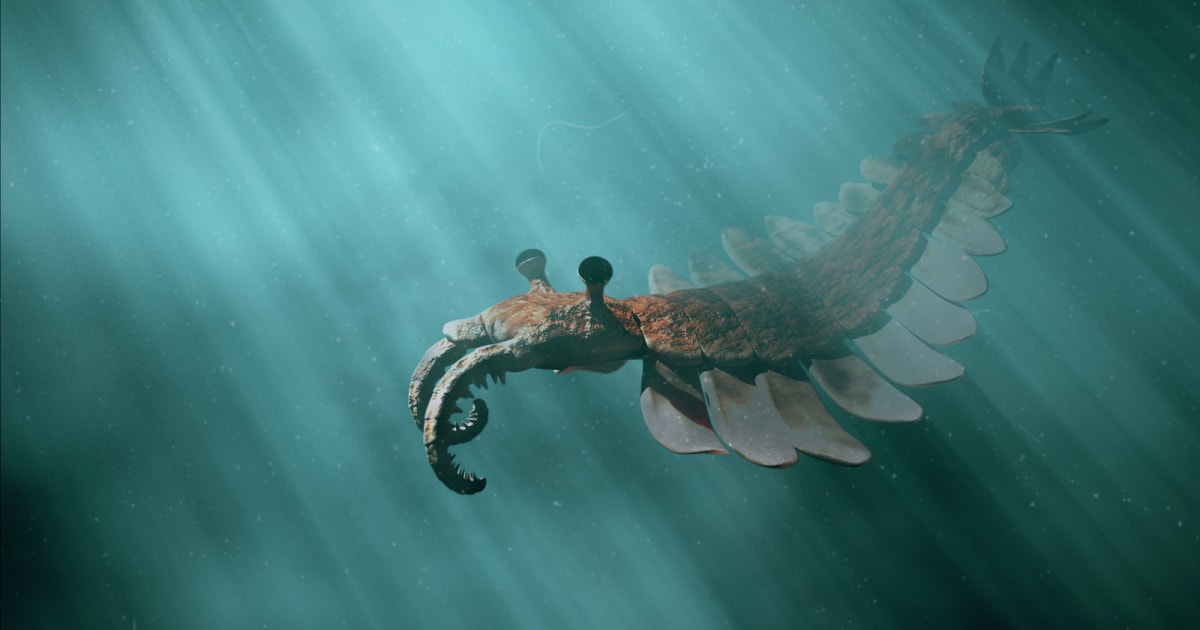
Scientists just discovered fossils in Canada's remote mountains that push back the timeline of complex animal life by up to 10 million years. Even more surprising: our earliest ancestors may have started in the deep ocean, not shallow waters like we've always believed.

Ten innovative Canadian companies will pitch breakthrough climate solutions at Montreal's largest Climate Solutions Prize Festival on June 8-9, competing for over $1.5 million in funding. From turning crab shells into fire retardant to capturing wasted factory heat, these homegrown technologies prove climate solutions are ready to scale now.
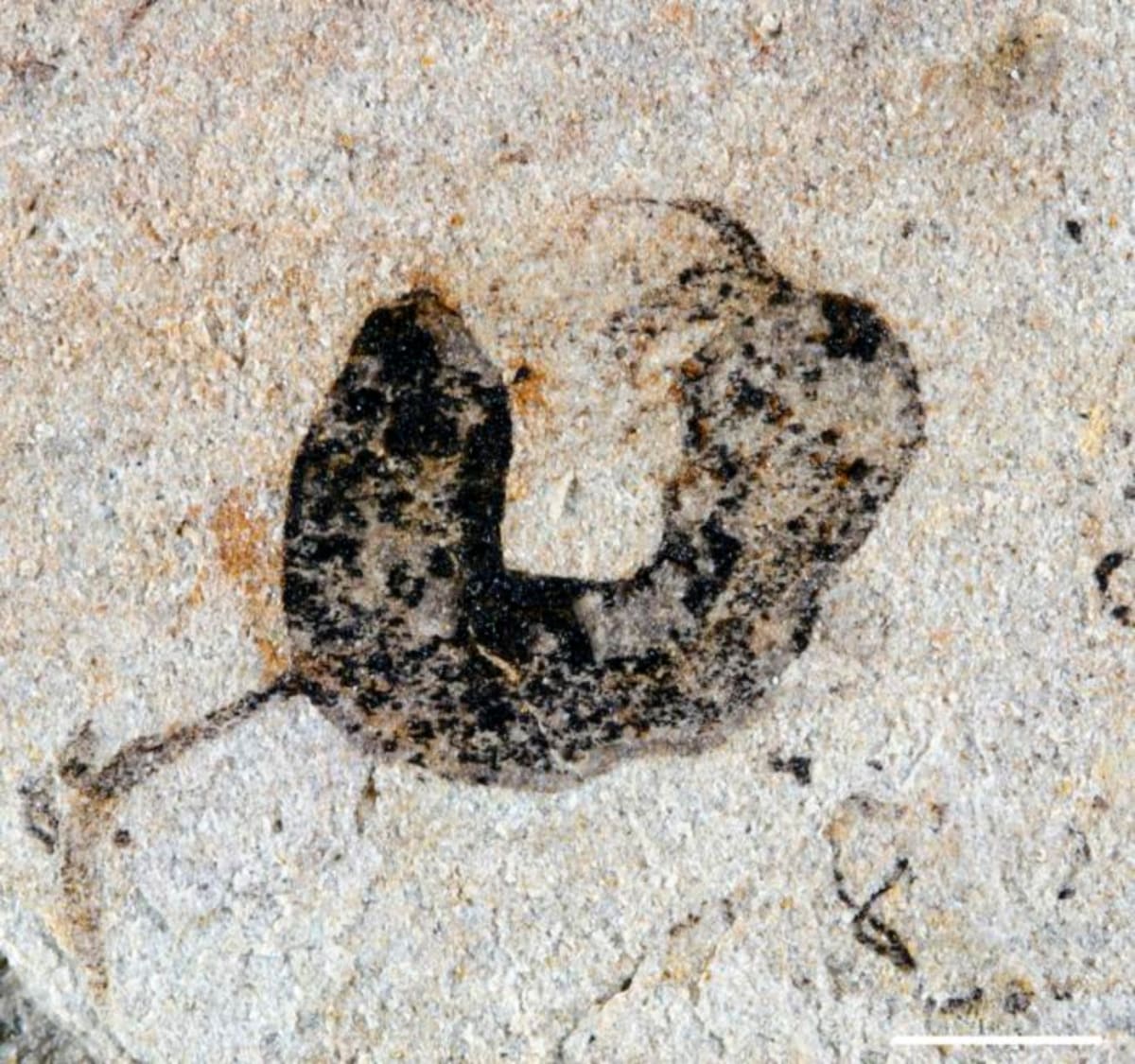
Scientists discovered over 700 fossils in China that prove complex animals existed millions of years earlier than we thought. The find rewrites our understanding of when life on Earth became truly diverse.