
Gut Fungus Shields Mice From Radiation in New Study
Scientists discovered that a common fungus living in the human gut can protect against radiation damage. The breakthrough could help people undergoing radiation therapy and beyond.
Find uplifting stories about heroes, innovations, and solutions
87 results for "fungus"
Scientists discovered that a common fungus living in the human gut can protect against radiation damage. The breakthrough could help people undergoing radiation therapy and beyond.
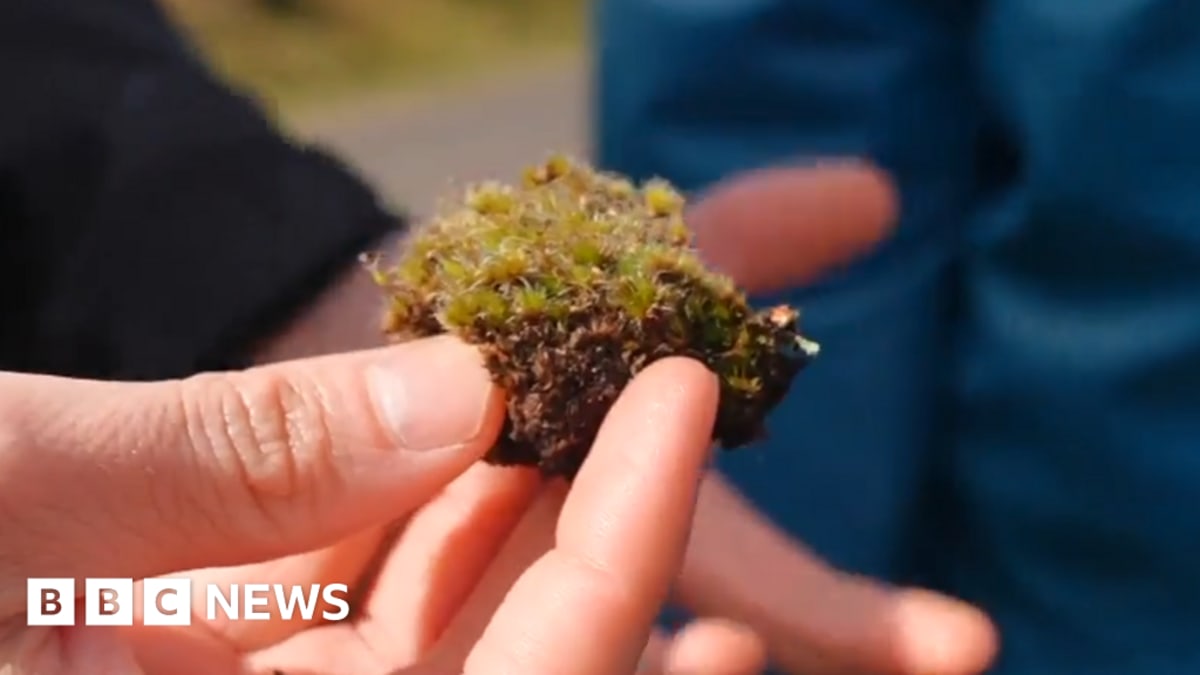
A newly discovered fungus in Britain is naturally destroying an aggressive invasive moss that has decimated native habitats for decades. Scientists say it's a rare example of the environment fighting back on its own.

Scientists created a self-healing textile made from living mushroom material that can repair damage, change colors, and block harmful UV rays. While not ready for your closet yet, this breakthrough could transform packaging and temporary structures.
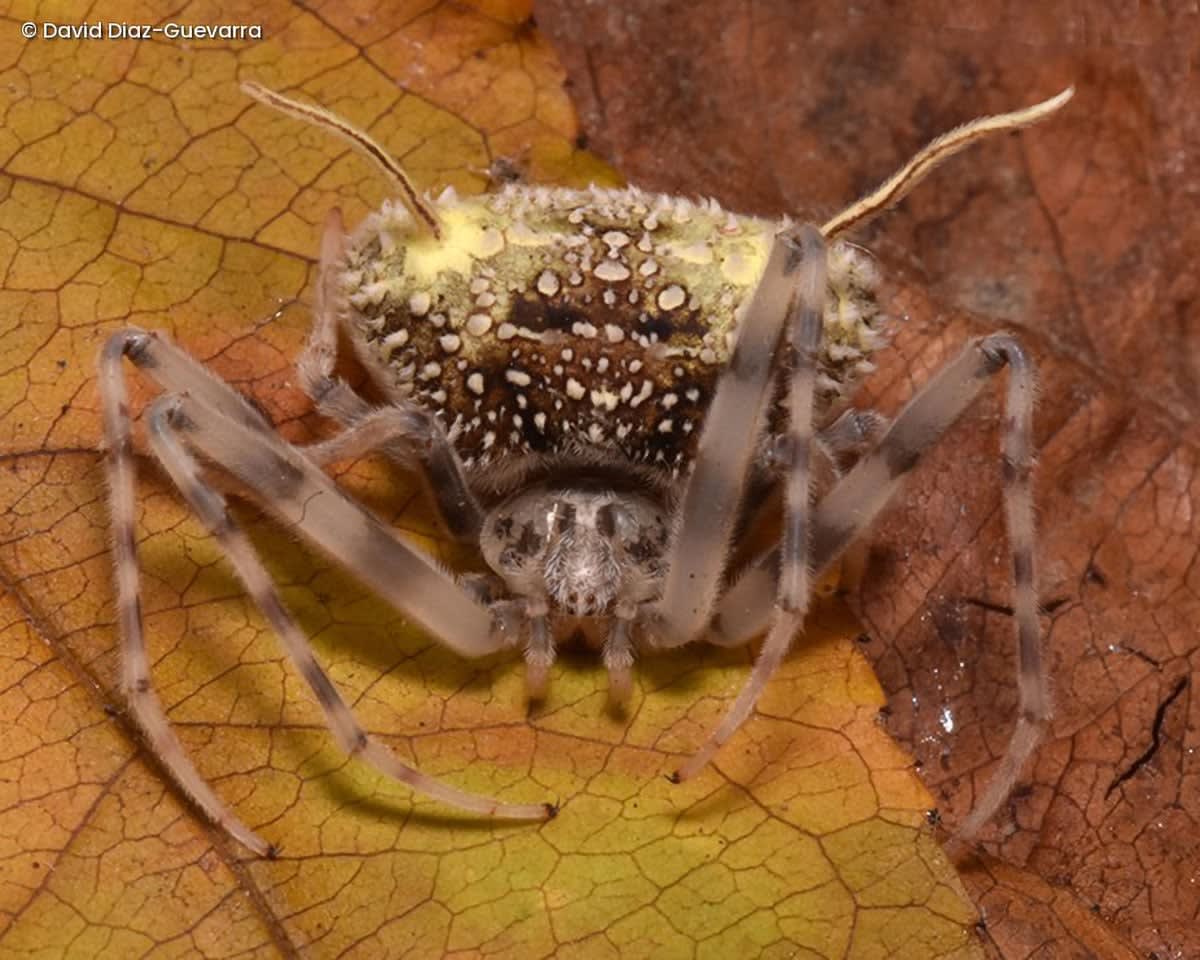
Scientists in Ecuador discovered a spider that mimics a parasitic fungus growing on its own kind. This unprecedented camouflage strategy has never been documented in spiders before.

Chinese scientists created self-cleaning clothing from fungus that can repair itself and biodegrade in 41 days. The breakthrough could transform fashion into a truly sustainable industry.
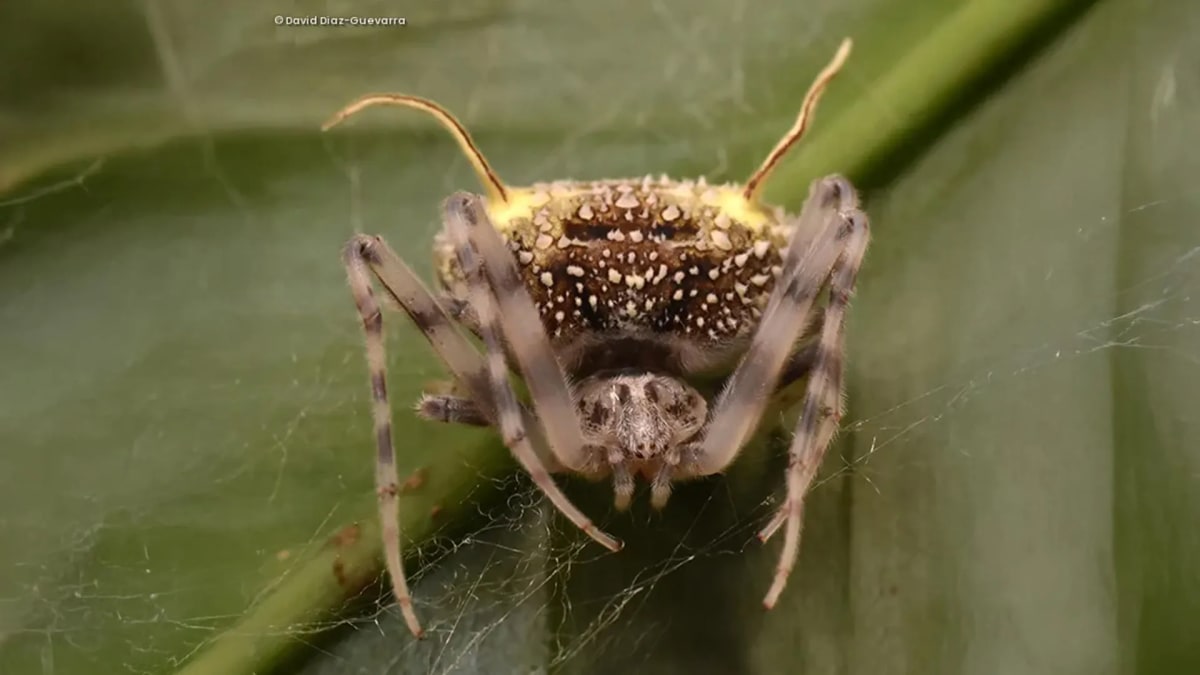
Scientists in Ecuador discovered a spider that perfectly mimics a parasitic fungus, fooling even researchers at first glance. This first-of-its-kind discovery shows nature's creativity and highlights how citizen scientists are helping unlock rainforest secrets.
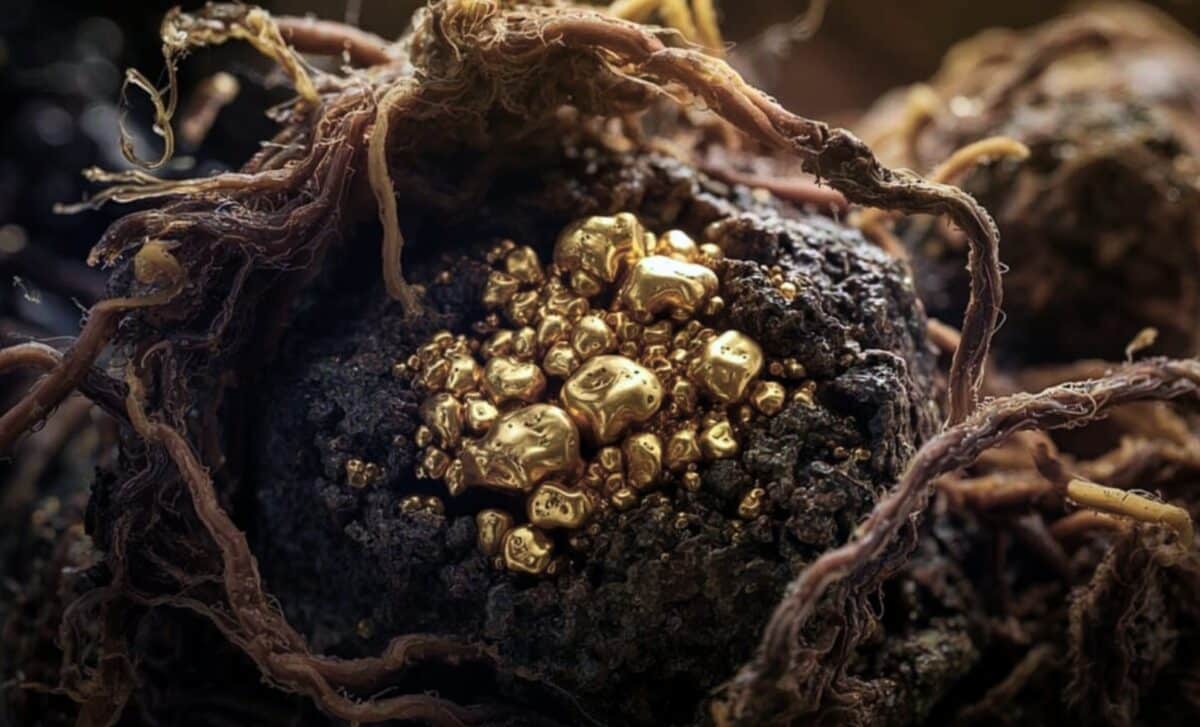
Australian scientists discovered a soil fungus that dissolves gold and coats itself with the precious metal, growing faster in the process. The breakthrough could transform how mining companies find underground gold deposits.

Scientists in Chile found a rare fungus that naturally controls insect pests and could replace harmful pesticides. The discovery connects ancient ecosystems across continents and offers hope for sustainable farming.

Volunteers in southwest England discovered a rare pink fairy club fungus never before seen in mainland Britain. The tennis ball-sized find marks a major win for biodiversity and citizen science.
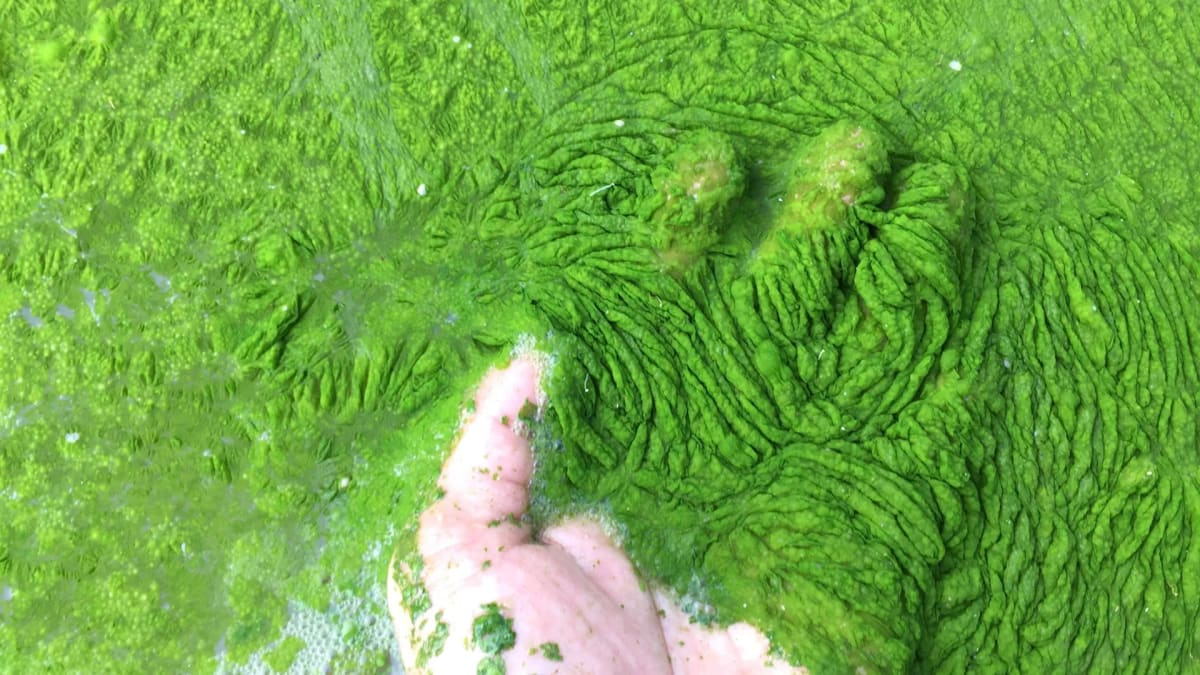
Scientists in Japan discovered a microscopic fungus that naturally kills toxic algae responsible for harmful ocean blooms. The adaptable parasite could reveal a hidden force that helps keep coastal waters healthy.
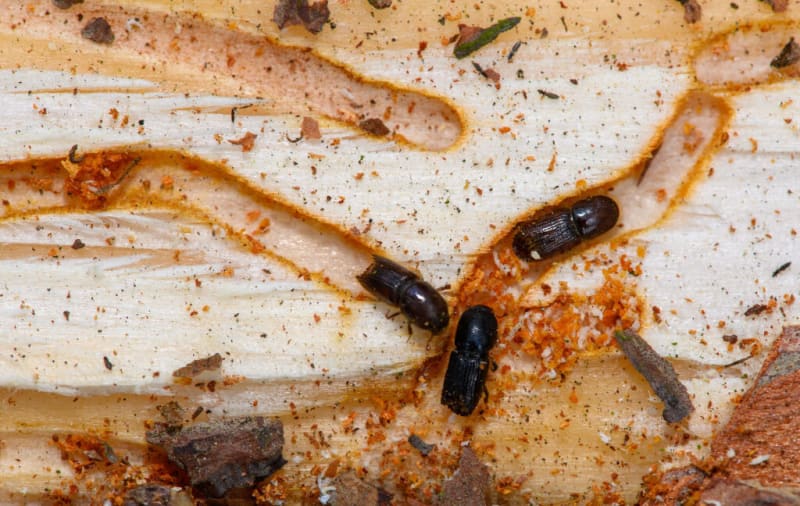
Scientists discovered a fungus that naturally kills destructive bark beetles by outsmarting their chemical defenses. This breakthrough could replace toxic insecticides with safer, biological pest control. #
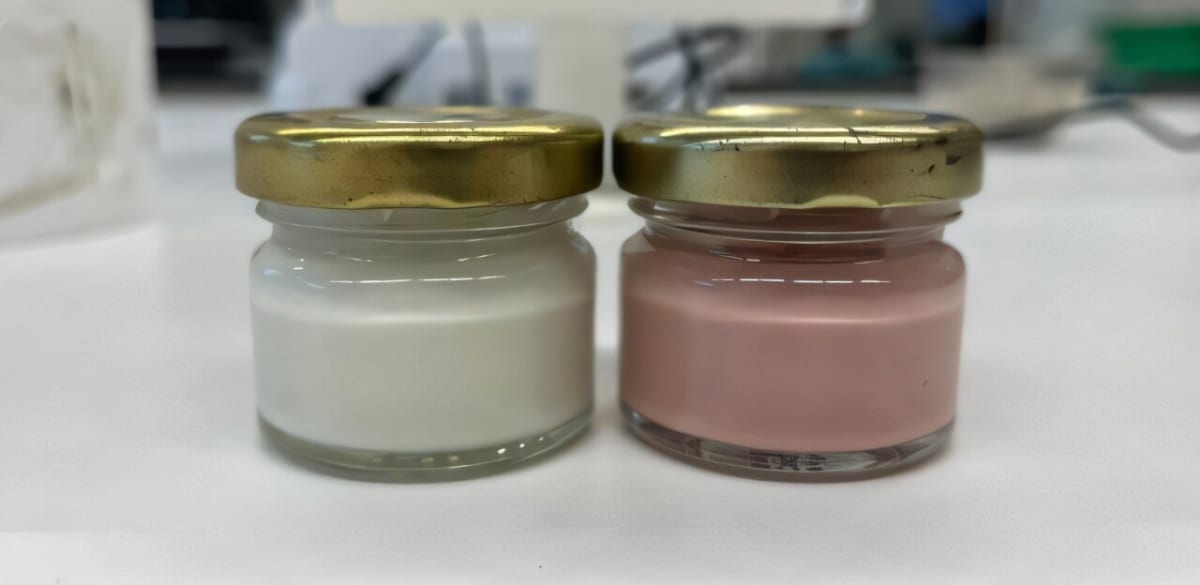
Brazilian scientists turned a colorful fungus from the Amazon rainforest into a safe, antioxidant-rich dye for cosmetics that outperforms synthetic alternatives. The discovery offers a sustainable solution as countries ban harmful synthetic dyes linked to allergies and health problems.

A South African scientist discovered a naturally occurring fungus killing African armyworms in farmers' fields, offering hope against a pest that destroyed 40% of Zambia's maize in one outbreak. The breakthrough could finally protect millions of farmers who lose crops and livestock to these devastating caterpillars.

A world-first project in Canberra is using tiny heated greenhouses and saltwater pools to help frogs fight off a deadly fungus that's wiped out 500 species worldwide. If it works, this simple solution could save amphibians across the globe.
Researchers in Ecuador discovered a spider that perfectly disguises itself as a deadly fungus that infects spiders. The find shows nature's creativity and highlights how citizen scientists are helping discover hidden wonders in rainforests.

Researchers are close to releasing disease-resistant banana varieties that could save the world's most popular fruit from a devastating soil fungus. Multiple teams are developing new banana types using both genetic modification and traditional breeding methods.
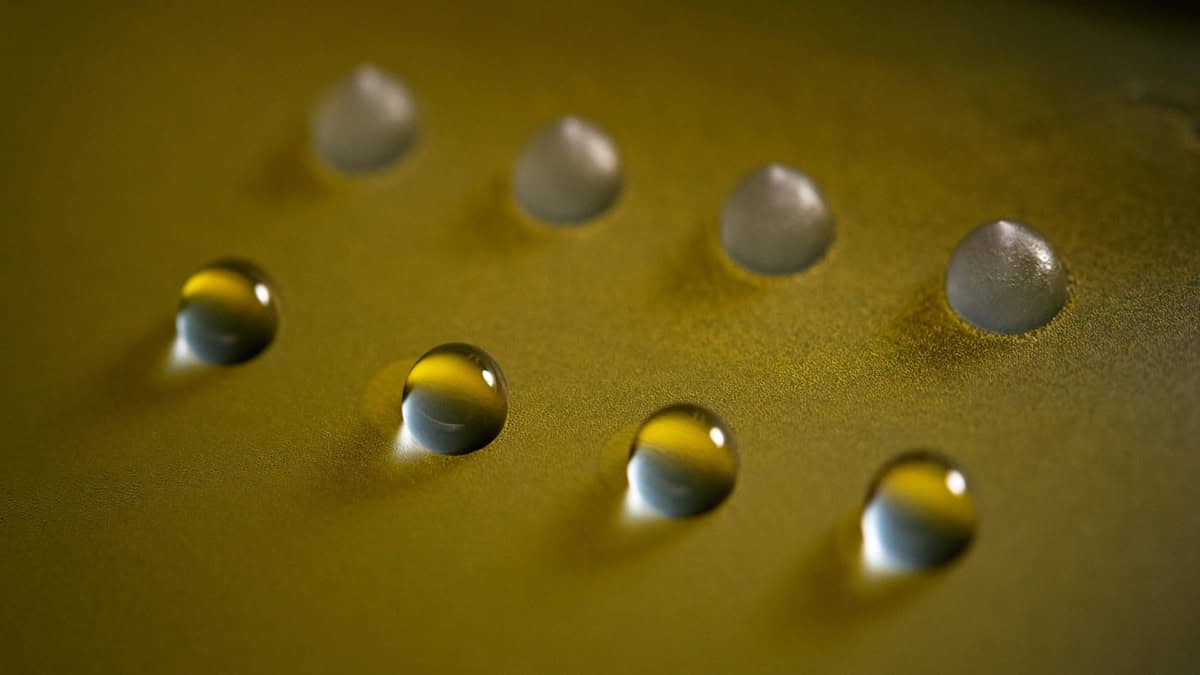
Scientists discovered a common soil fungus that creates proteins capable of freezing water at warmer temperatures than ever seen before. This breakthrough could transform weather modification by replacing toxic chemicals with natural, sustainable alternatives.
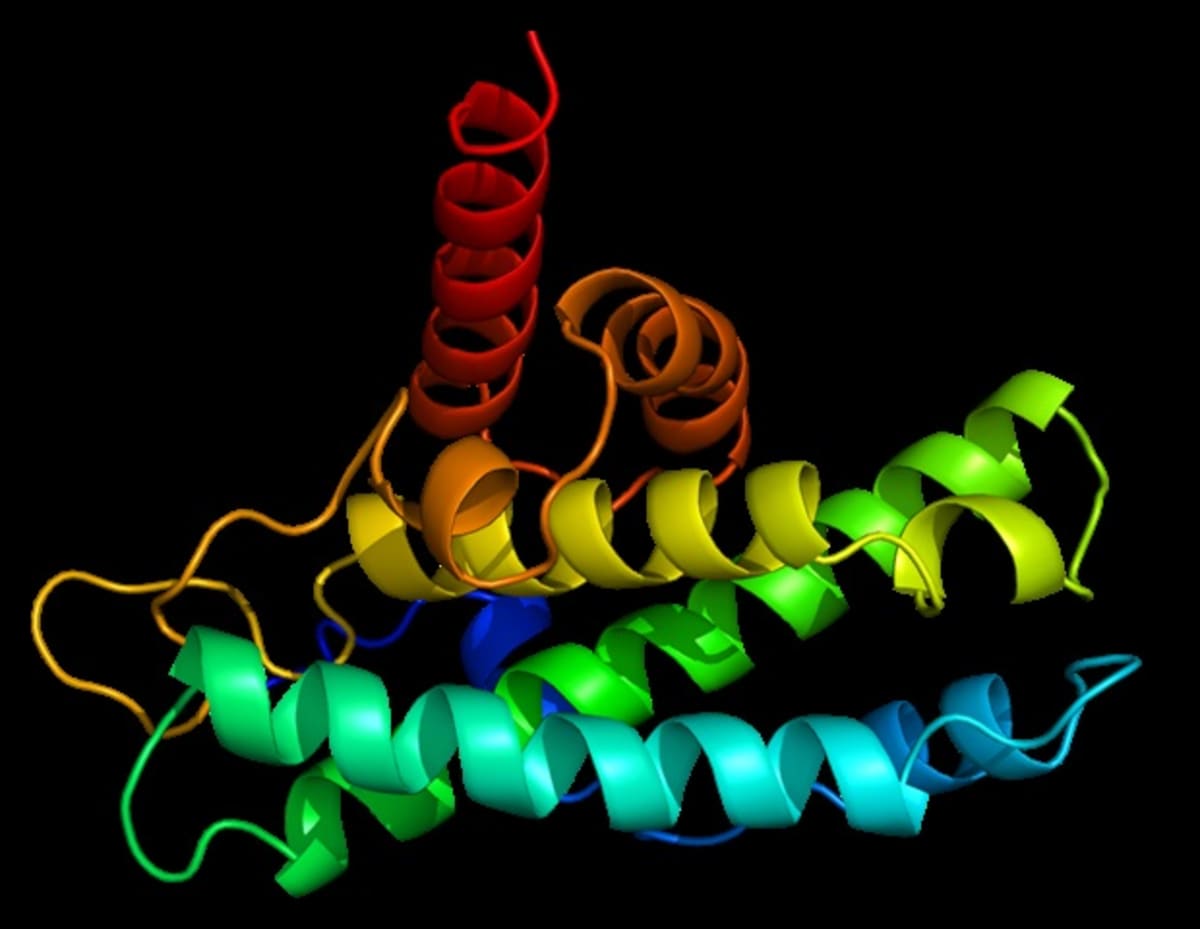
Researchers discovered how a protein called RAB5c acts as a control switch that helps white blood cells destroy dangerous fungal infections. The breakthrough could lead to new treatments for thousands of vulnerable patients worldwide.
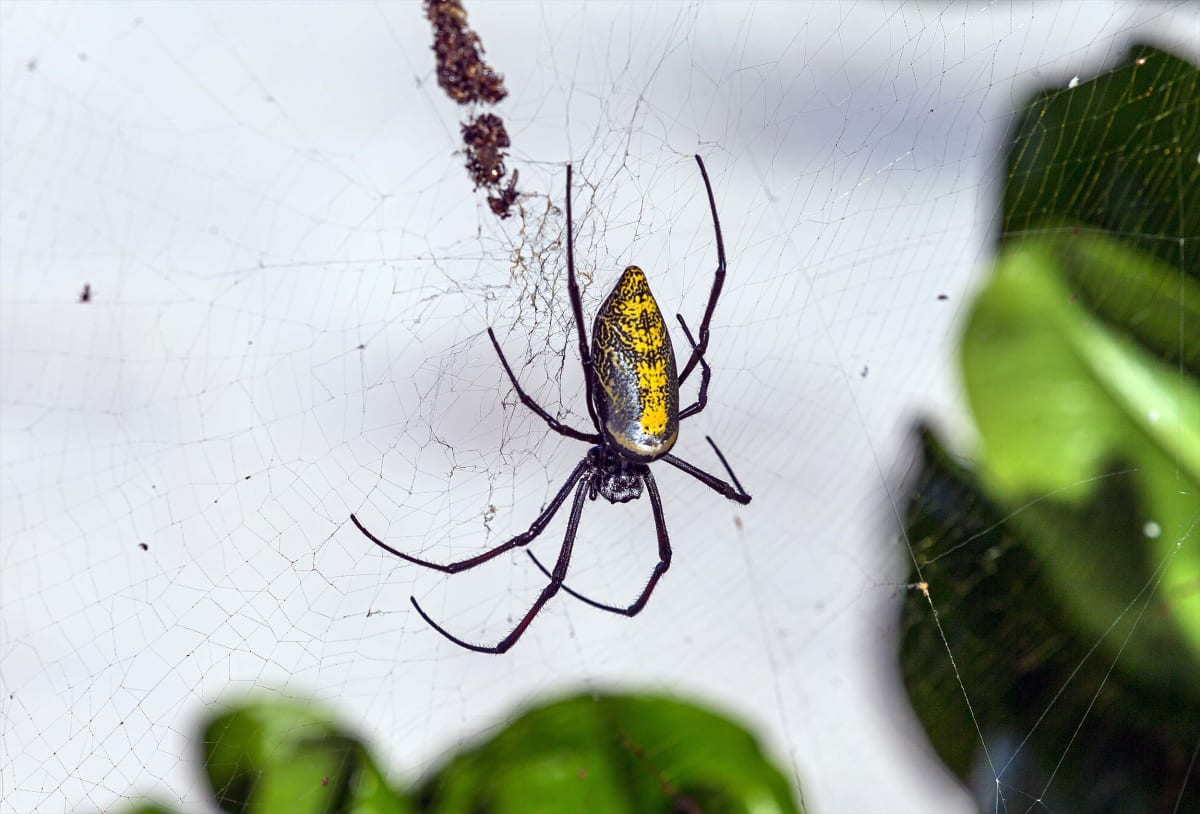
Scientists in Thailand discovered that spider webs naturally trap living fungi, including species never before catalogued. This simple method could revolutionize how researchers track fungal diversity in farmland and beyond.

A Kentucky hospital is winning the fight against a dangerous fungus using early detection and prevention. Their proactive approach has kept serious infections at zero for years.
Showing 20 of 87