
Coffee Reshapes Your Gut Microbiome and Lifts Your Mood
Your morning coffee does more than wake you up. New research reveals it transforms the bacteria in your gut and directly improves your mental health.
Find uplifting stories about heroes, innovations, and solutions
494 results for "gut microbiome"
Your morning coffee does more than wake you up. New research reveals it transforms the bacteria in your gut and directly improves your mental health.
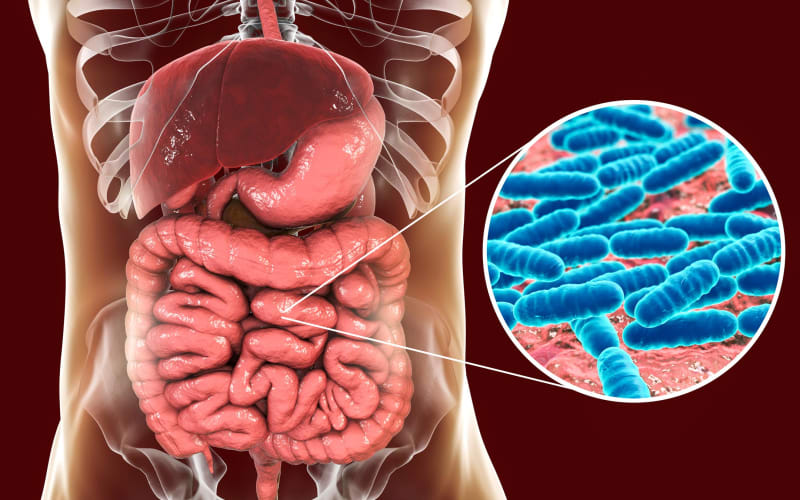
Scientists have discovered that healthy gut bacteria can inject their own proteins directly into human cells, actively shaping immune responses in ways never seen before. This groundbreaking find could explain why certain gut microbiome changes are linked to diseases like Crohn's.
Scientists are discovering that the secret to healthy aging might be hiding in your gut. New research shows that maintaining a youthful microbiome through diet and exercise could help you live longer and age better.

A new study reveals that babies attending daycare swap beneficial gut bacteria with their peers within just one month, building healthier, more diverse microbiomes. This natural exchange might benefit them for decades to come.
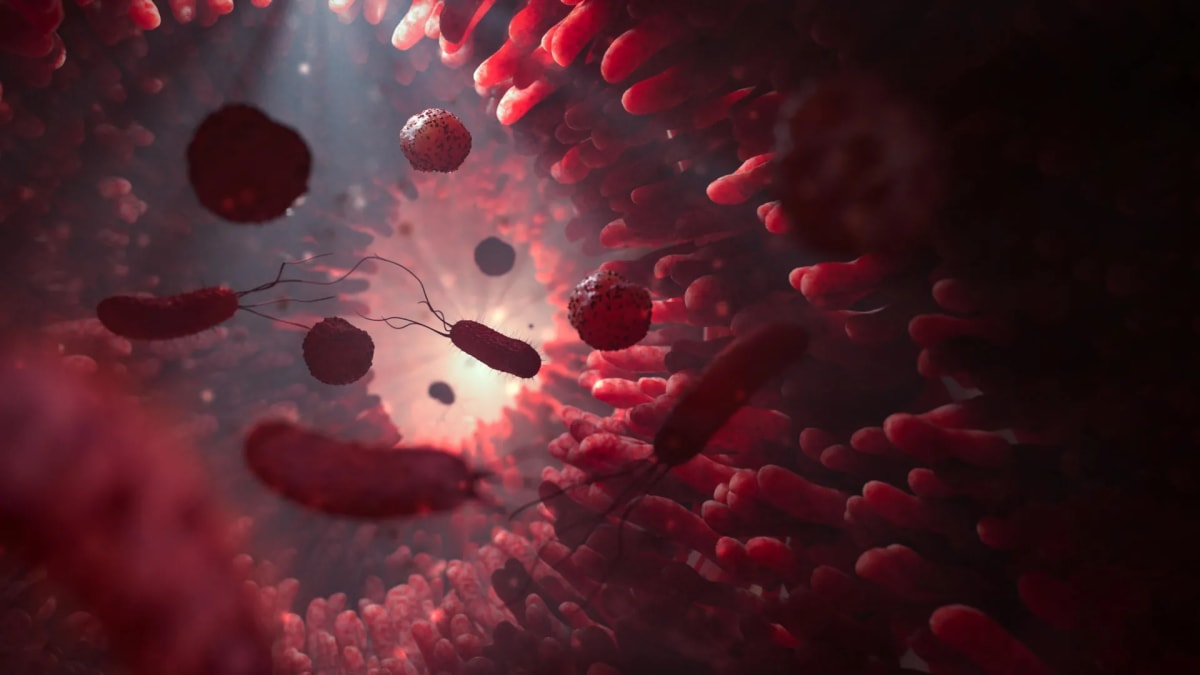
Scientists discovered that friendly gut bacteria can inject proteins directly into human cells, actively controlling immune responses. This breakthrough explains how the microbiome influences conditions like Crohn's disease.
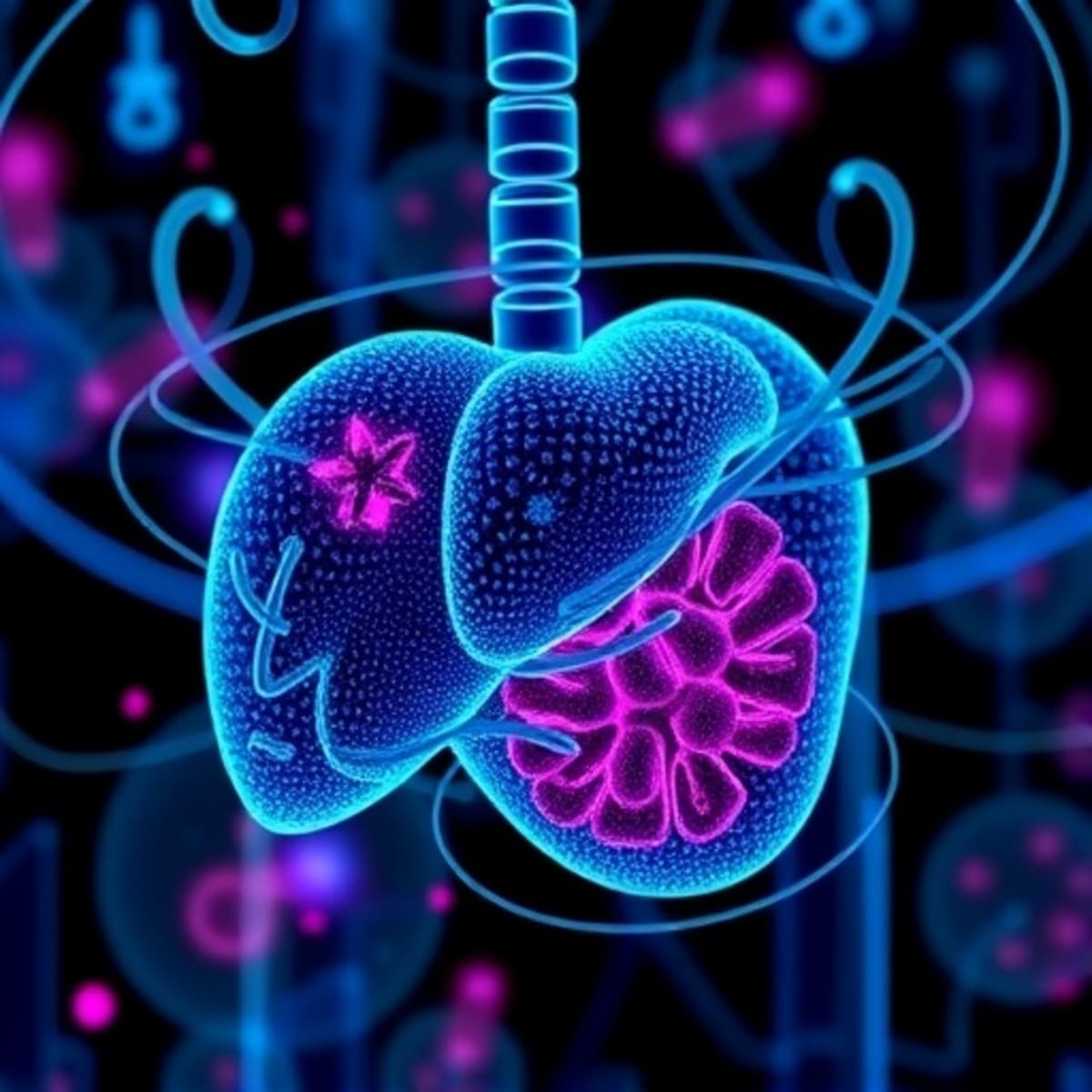
Scientists gave older mice their own stored young gut bacteria and completely blocked liver cancer development. The breakthrough suggests our microbiome actively drives aging, not just reflects it.
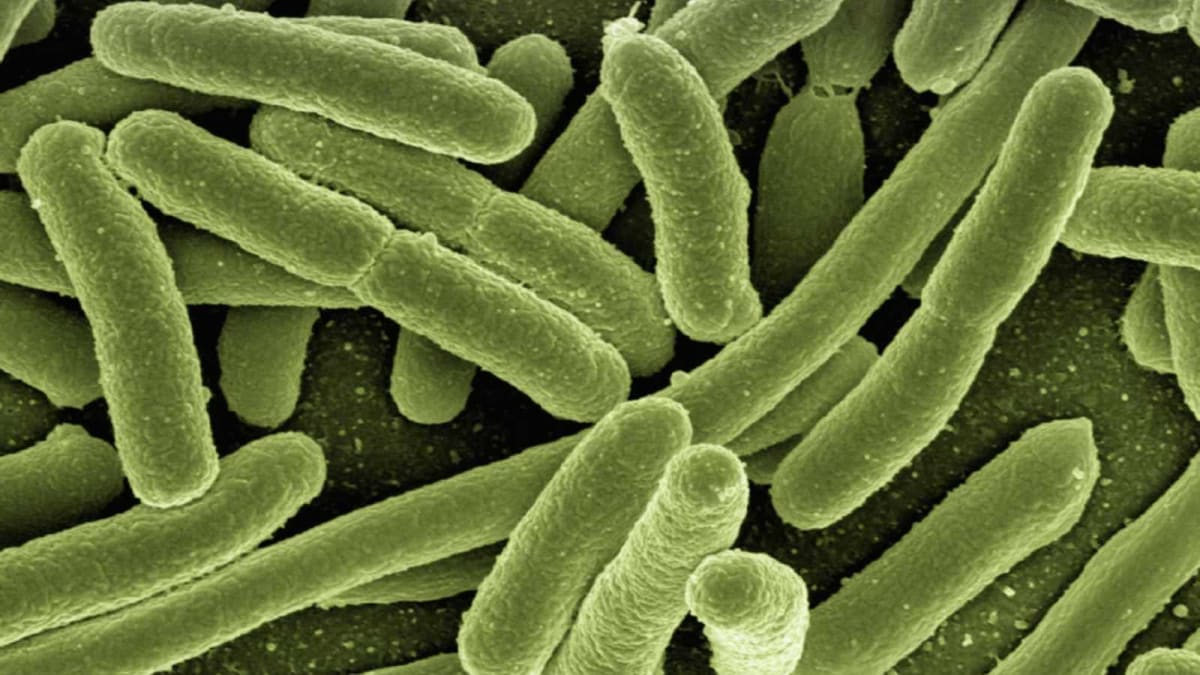
Scientists in India discovered 14 unknown bacterial species in tribal communities, revealing how diet and geography shape our gut health. The findings challenge Western microbiome standards and could transform probiotic development.
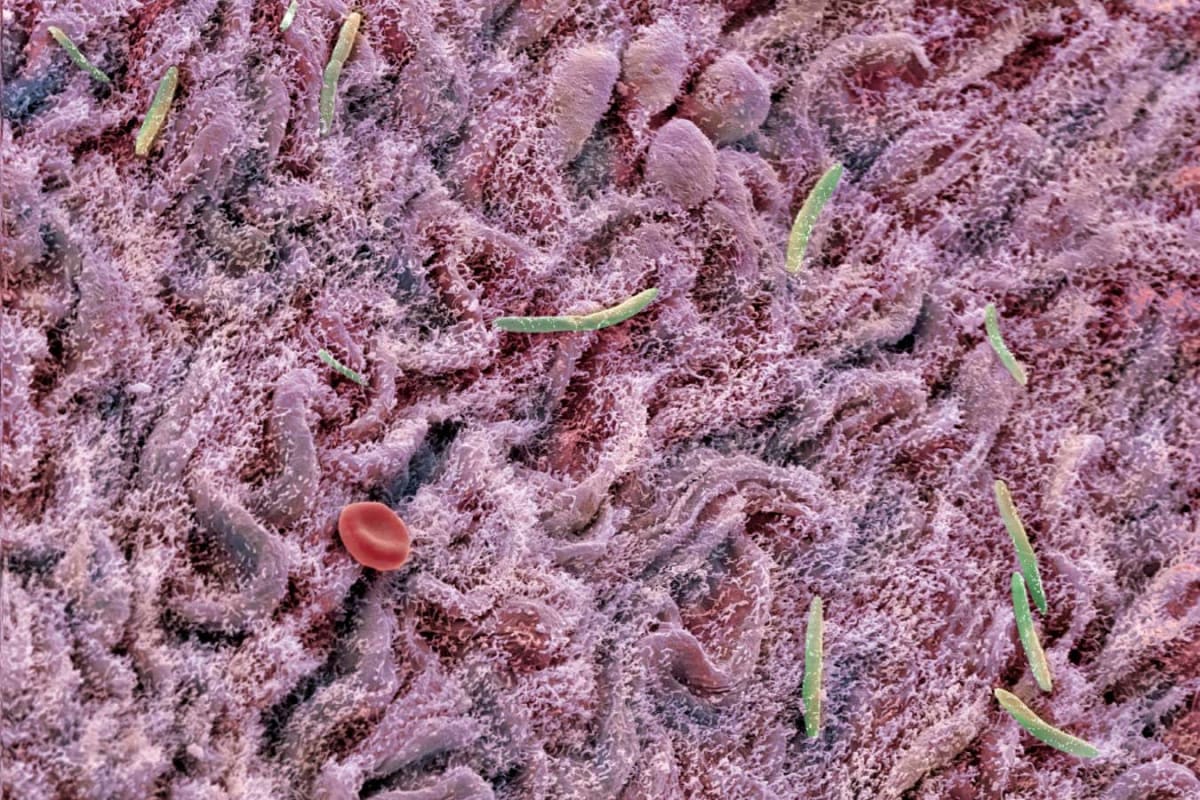
Scientists reversed brain aging in older mice using gut microbiome transplants from younger animals. The breakthrough suggests new possibilities for treating conditions like lazy eye that doctors once thought only fixable in childhood.
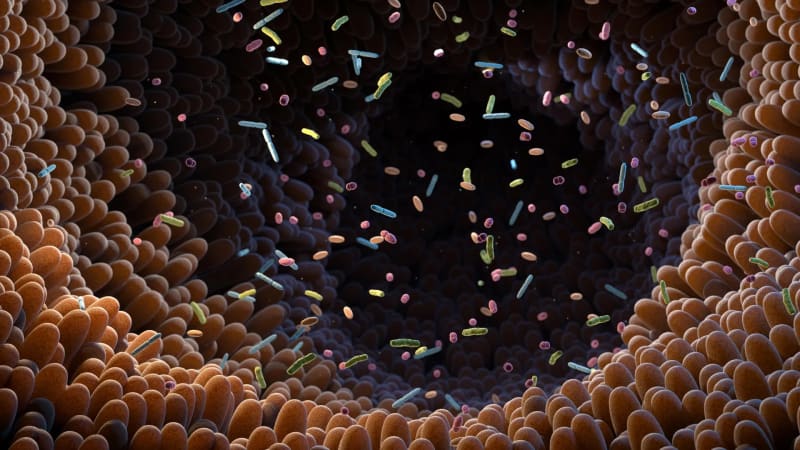
Scientists have discovered a mysterious group of gut bacteria that shows up consistently in healthy people across the globe. The finding could reshape how we understand and protect our gut health.
Scientists discovered a mysterious group of gut bacteria that shows up far more often in healthy people than those with chronic diseases. The finding could reshape how we measure gut health and lead to smarter probiotics.
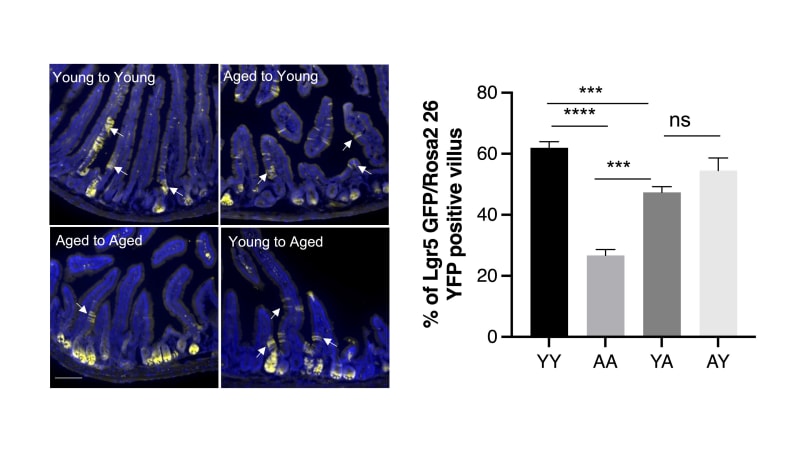
Researchers discovered that transplanting gut bacteria from young mice into old mice reversed aging in their intestinal stem cells and restored their ability to heal. The breakthrough suggests that age-related gut decline might be reversible in humans too.

A groundbreaking Chinese study involving 1,200 people has discovered concrete connections between gut bacteria and psychiatric disorders, potentially revolutionizing how doctors diagnose and treat conditions like depression and schizophrenia. The research reveals that changes in gut microbiome directly correlate with symptom severity and cognitive performance.
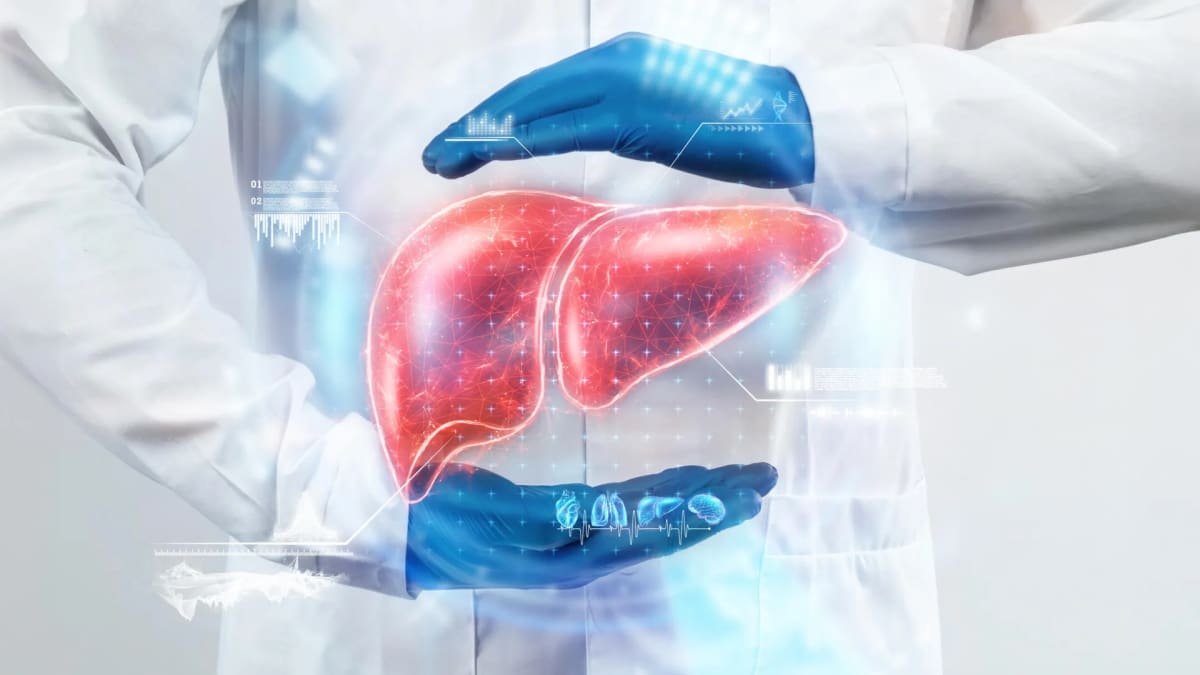
Researchers turned back the clock on aging livers by restoring youthful gut bacteria in older mice. None of the treated mice developed liver cancer, while untreated aging mice did.
%2Ffile%2Fattachments%2F2994%2Fsleep-health-conversation_987808.jpg)
Your gut bacteria directly influence how well you sleep, and better sleep feeds healthier gut bacteria in return. Simple daily habits can strengthen this powerful connection.
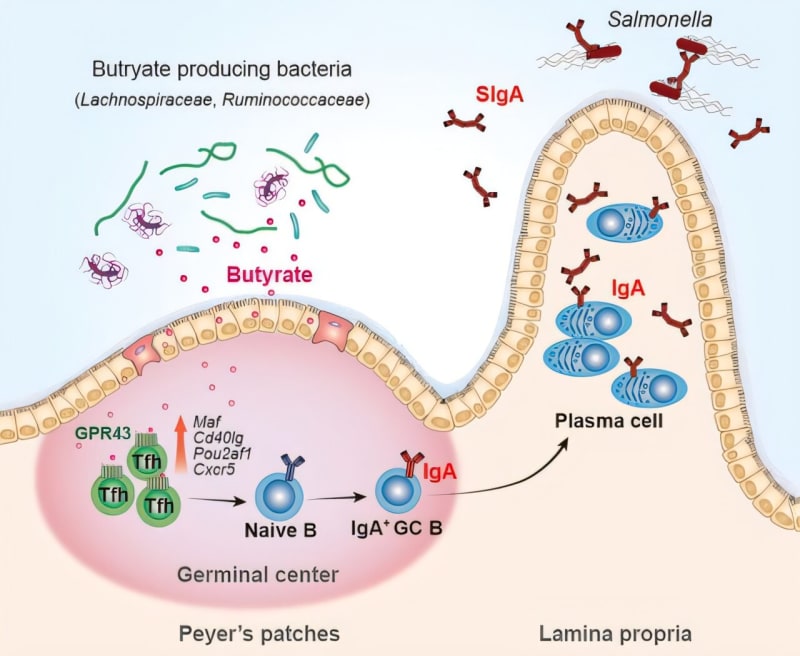
Korean scientists found that a natural compound produced by gut bacteria dramatically strengthens vaccine effectiveness and infection protection. The breakthrough could make future vaccines safer, cheaper, and more powerful.
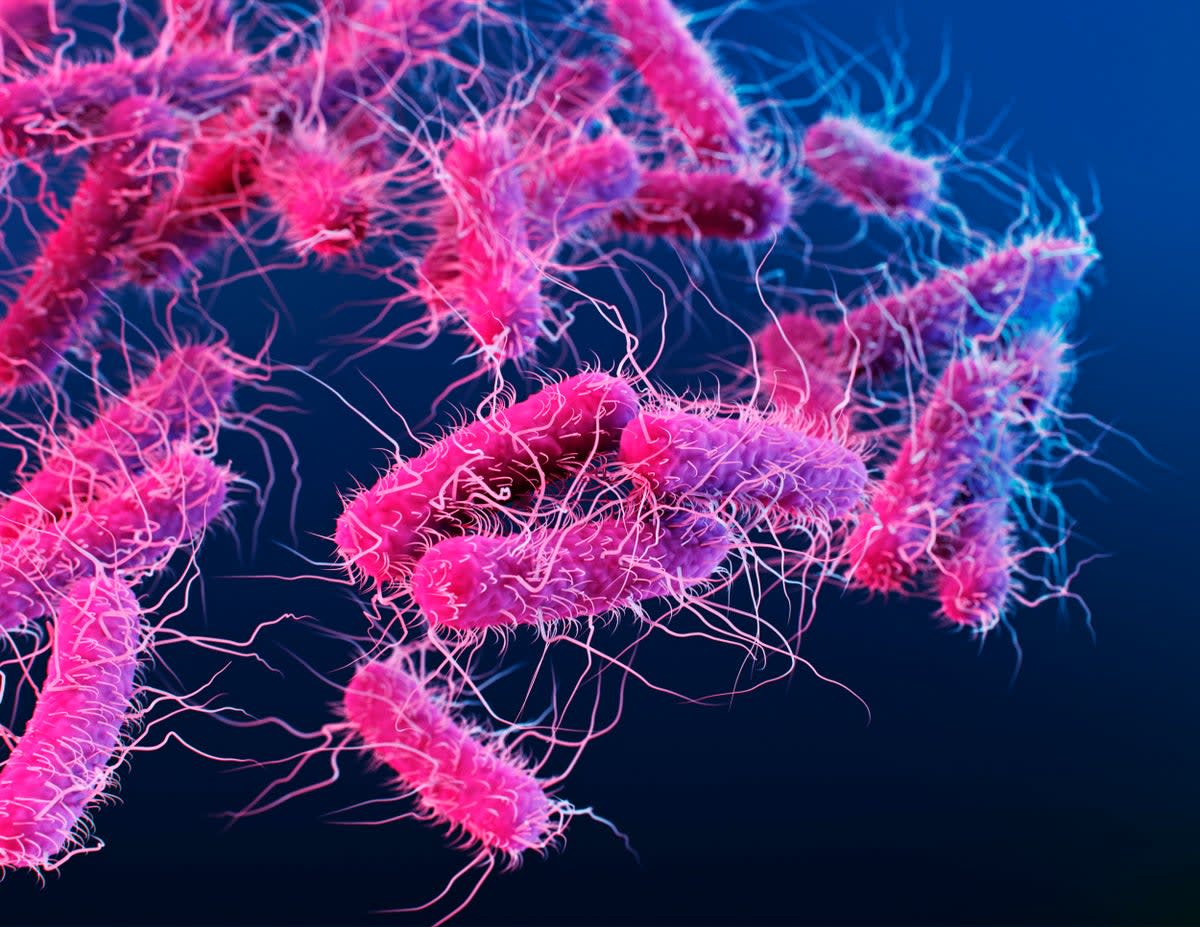
Scientists discovered that fecal transplants from older mice actually improved fertility in younger ones, upending expectations and opening new paths for understanding gut health's role in reproduction. The surprising finding could one day lead to probiotics that support ovarian health in women.
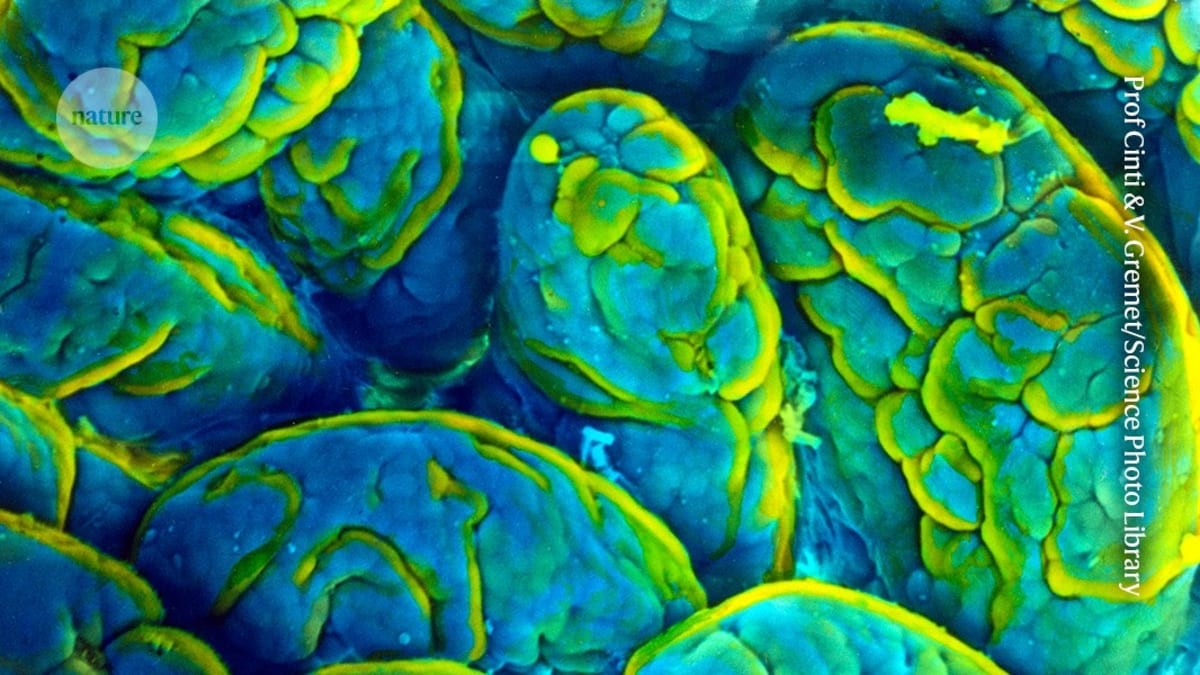
Scientists discovered that targeting a specific gut bacterium reversed age-related memory loss in mice, performing as well as young animals. If the gut-brain circuit works the same way in humans, this breakthrough could lead to simple therapies that restore cognitive function.
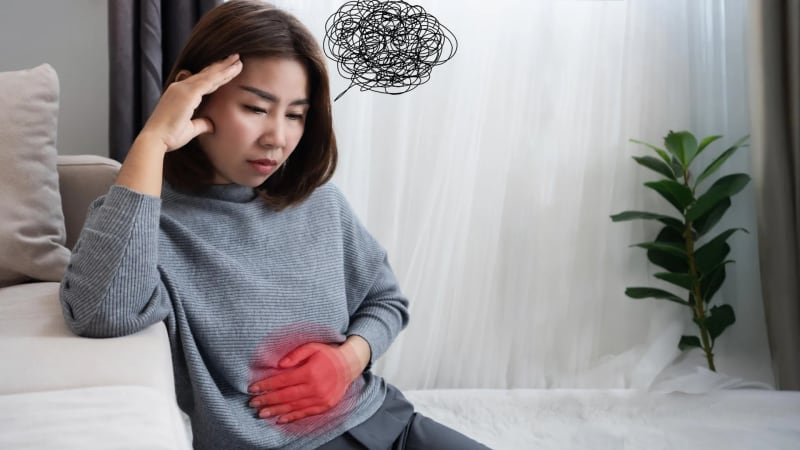
Scientists at the University of Victoria discovered that a single injection of a protein called Reelin can repair leaky gut and produce antidepressant effects in early studies. The breakthrough could lead to treatments that heal both digestive and mental health through the gut-brain connection.

Scientists found that simple blood or stool tests measuring gut health could spot dementia risk years earlier than traditional brain scans. The discovery offers hope for catching cognitive decline when treatments work best.
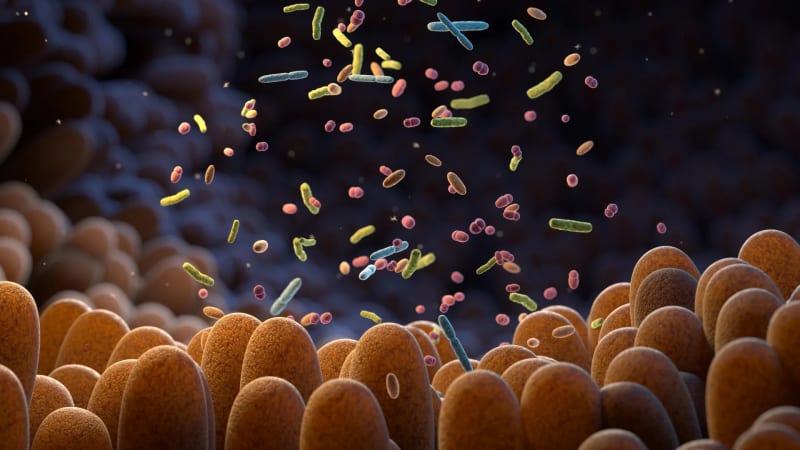
Scientists discovered how to turn gut bacteria into tiny factories that produce compounds linked to longer life, using a safe low-dose antibiotic. The breakthrough improved lifespan in worms and metabolism in mice without harmful side effects.
Showing 20 of 494