Search

Find uplifting stories about heroes, innovations, and solutions

4986 results for "habitable planets"

Earth-Sized Planet Found in Habitable Zone 150 Light-Years Away
InnovationJan 28

Earth-Sized Planet Found in Habitable Zone 150 Light-Years Away

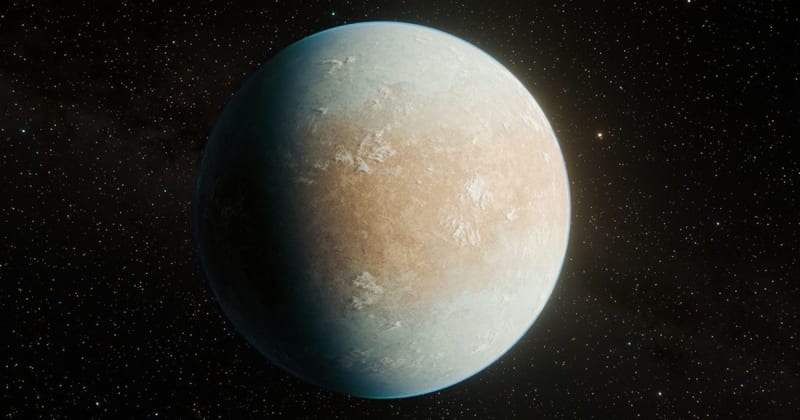
Australian scientists discovered a potentially habitable Earth-sized planet orbiting a Sun-like star, the first rocky world ever found in a habitable zone around such a star. The planet, nicknamed "where Earth meets Mars," could harbor liquid water.

Google News - Scientists Discover2 min read
Rocky Planet in Habitable Zone Just 25 Light-Years Away
InnovationJul 4

Rocky Planet in Habitable Zone Just 25 Light-Years Away

Scientists discovered a super-Earth that could support liquid water orbiting a nearby star, making it one of the most promising candidates in our search for life beyond our solar system. At just 25 light-years away, this rocky world sits in the perfect sweet spot for potential habitability.

Google News - Science3 min read
Rocky Planet 49 Light Years Away Has Breathable Atmosphere
Innovation2h ago

Rocky Planet 49 Light Years Away Has Breathable Atmosphere

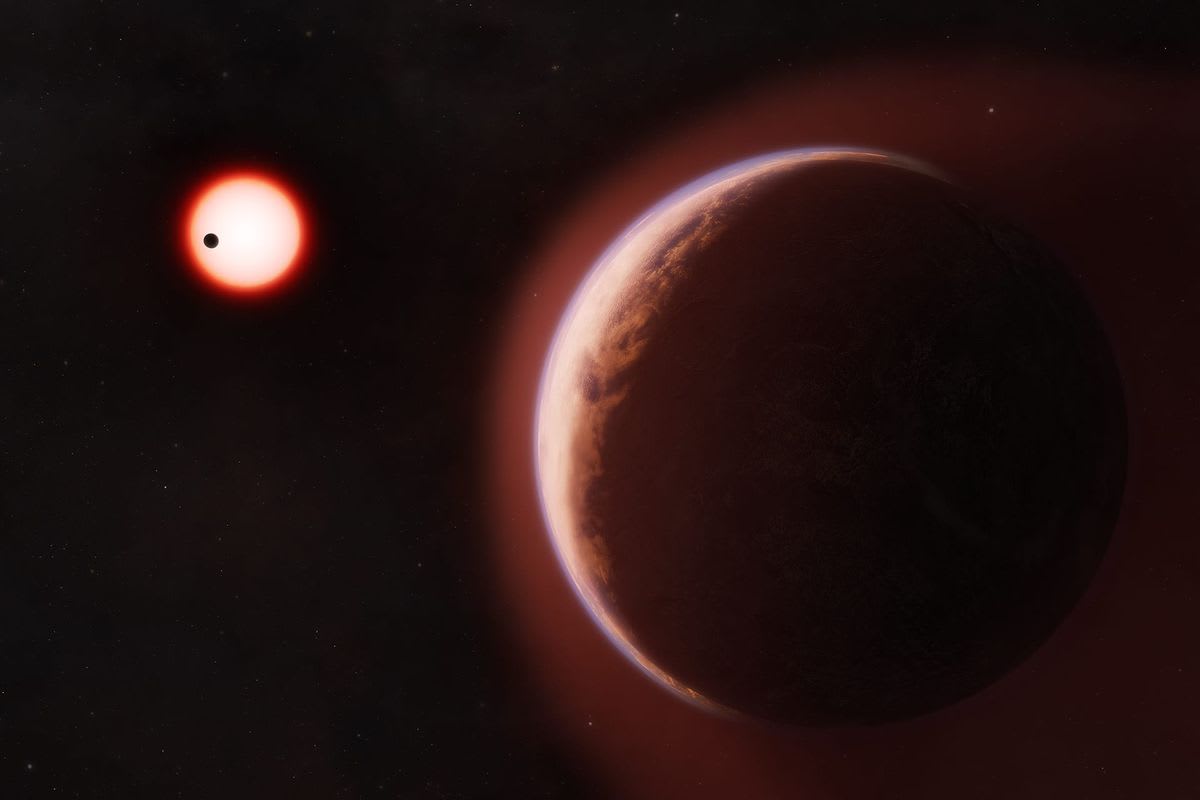
Scientists just confirmed the first atmosphere around an Earth-like planet in the habitable zone where liquid water could exist. The discovery makes planet LHS 1140b our best shot yet at finding life beyond our solar system.

Google News - Scientists Discover2 min read
Australian Team Finds Earth-Sized Planet 150 Light-Years Away
InnovationJan 28

Australian Team Finds Earth-Sized Planet 150 Light-Years Away

Australian astronomers have discovered a planet candidate nearly identical to Earth's size, orbiting a Sun-like star with a 50% chance of being habitable. The find brings scientists one step closer to finding Earth's twin after 30 years of searching.

ABC Australia2 min read
Earth-Like Planet Found Just 25 Light-Years Away
Innovation5d ago

Earth-Like Planet Found Just 25 Light-Years Away

Scientists discovered that a nearby exoplanet in the habitable zone is more Earth-like than they thought. The planet, twice Earth's mass instead of five times, is now a top candidate for potentially supporting life.

Futurism2 min read
Nearby Planet May Support Life 25 Light-Years from Earth
Planet WinsJul 2

Nearby Planet May Support Life 25 Light-Years from Earth

Scientists have discovered a rocky planet in the habitable zone just 25 light-years away, making it one of our closest cosmic neighbors. The super-Earth receives similar radiation to our own planet and could potentially harbor liquid water and life.

Space.com3 min read
Student Finds Earth-Like Planet in Old NASA Data
Community HeroesJan 31

Student Finds Earth-Like Planet in Old NASA Data

A PhD student discovered an Earth-sized planet in the habitable zone by manually searching old telescope data that algorithms missed. The find gives scientists a rare target to study with next-generation telescopes.

Google News - Science2 min read
Rocky Planet 48 Light Years Away Has Atmosphere for Life
Innovation14h ago

Rocky Planet 48 Light Years Away Has Atmosphere for Life

For the first time ever, scientists have found a rocky planet in the habitable zone with an atmosphere that could support life. The planet, located just 48 light years away, has all three essential ingredients: solid surface, the right temperature for liquid water, and protective skies.

Google News - Scientists Discover2 min read
NASA Confirms 6,000 Planets Beyond Our Solar System
Planet WinsJan 28

NASA Confirms 6,000 Planets Beyond Our Solar System

Astronomers have now confirmed more than 6,000 planets orbiting distant stars, a milestone that helps scientists estimate how common life-friendly worlds might be. NASA's upcoming telescope could find thousands more, especially Earth-like planets in habitable zones.

IEEE Spectrum3 min read
Hubble Finds Giant 'Chaotic' Planet Nursery 400B Miles Wide
InnovationMay 12

Hubble Finds Giant 'Chaotic' Planet Nursery 400B Miles Wide

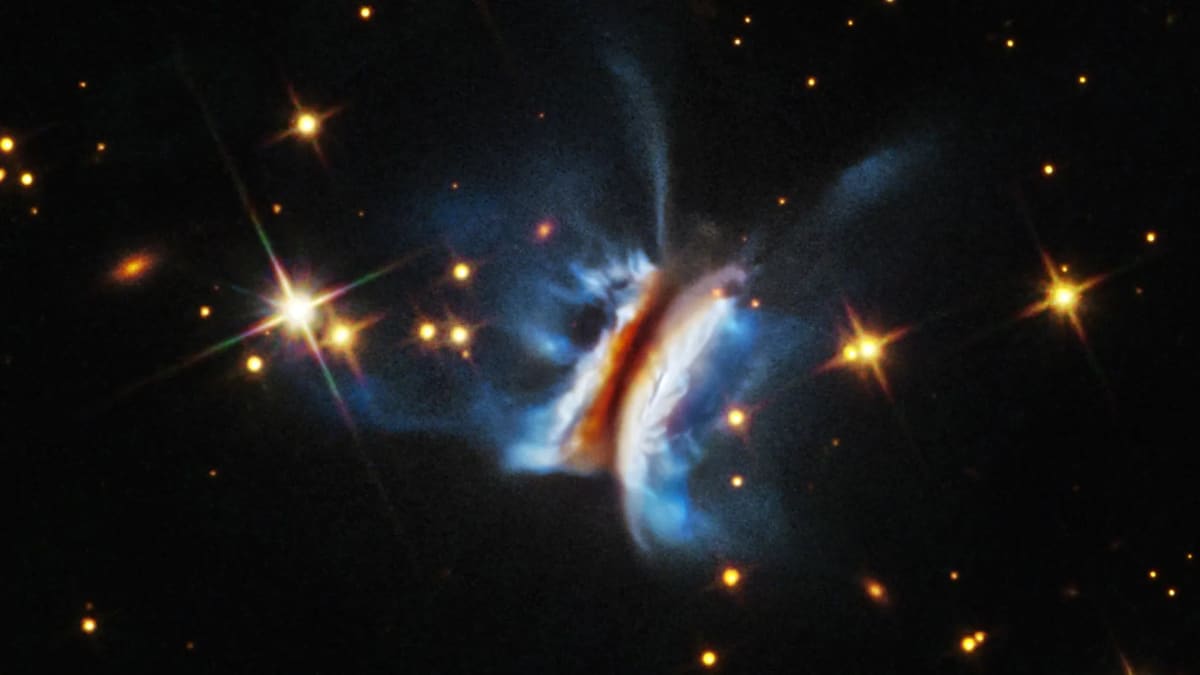
NASA's Hubble telescope discovered the largest planet-forming disk ever seen, stretching 400 billion miles across with bizarre one-sided structures that could rewrite our understanding of how planets are born. The massive disk contains enough material to create multiple giant planets.

Science Daily3 min read
NASA Finds Earth-Sized Planet Just 150 Light-Years Away
Planet WinsFeb 8

NASA Finds Earth-Sized Planet Just 150 Light-Years Away

Astronomers discovered a rocky planet nearly identical to Earth in size and orbit, circling a Sun-like star closer than any similar world we've found. It might be our most promising neighbor yet in the search for life beyond our solar system.

Futurism2 min read
Webb Telescope Spots Possible Planet Being Born
InnovationApr 9

Webb Telescope Spots Possible Planet Being Born

The James Webb Space Telescope captured stunning images of two planet-forming disks, and one may contain a newborn planet clearing its path through cosmic dust. Scientists are watching planetary birth in real time, 480 light-years away.

Google: James Webb telescope2 min read
Astronomers Discover Cotton Candy Planets in Space
Planet WinsJun 25

Astronomers Discover Cotton Candy Planets in Space

Scientists have found the largest "super-puff" planets ever discovered, with densities lighter than cotton candy. These cosmic oddities are challenging what we know about how planets form. --- ##

Google News - Science2 min read
Mystery Planet Nine Might Exist—Just Farther Than We Thought
Planet WinsJun 9

Mystery Planet Nine Might Exist—Just Farther Than We Thought

Astronomers are finding new clues about a hidden giant planet beyond Neptune, and the mystery is getting more exciting. Fresh discoveries suggest Planet Nine could be real but lurking much farther away than anyone expected.

Science Daily2 min read
NASA Telescope to Find 100,000 New Planets by 2032
InnovationMay 30

NASA Telescope to Find 100,000 New Planets by 2032

NASA's newest space telescope will discover more planets in five years than humanity has found in all of history combined. The Roman Space Telescope, launching in 2027, will also create the first real census of mysterious rogue planets drifting through space without stars.

Google News - Science3 min read
Hubble Spots Giant 'Chaotic' Planet Nursery 400B Miles Wide
InnovationMay 13

Hubble Spots Giant 'Chaotic' Planet Nursery 400B Miles Wide

NASA's Hubble Space Telescope just captured the largest planet-forming disk ever seen, and it's nothing like scientists expected. The enormous cosmic nursery could reshape our understanding of how planets are born.

Google: NASA discovery2 min read
NASA Telescope Could Detect Life on Distant Planets
InnovationJun 11

NASA Telescope Could Detect Life on Distant Planets

NASA's upcoming Habitable Worlds Observatory will hunt for life beyond Earth by analyzing light from distant planets. Scientists just figured out exactly how powerful its vision needs to be.

Space.com3 min read
Webb Telescope Captures Planets Being Born 450 Light-Years Away
InnovationApr 7

Webb Telescope Captures Planets Being Born 450 Light-Years Away

NASA's James Webb Space Telescope just gave us a front-row seat to planet formation, capturing stunning images of two young stars surrounded by the cosmic dust and gas that will become new worlds. These images reveal exactly how planets grow from tiny particles into massive spheres orbiting distant suns.

Google: James Webb telescope2 min read
Student Finds Earth-Like Planet NASA Algorithms Missed
InnovationJan 30

Student Finds Earth-Like Planet NASA Algorithms Missed

A citizen scientist discovered a potentially habitable planet by manually combing through old NASA data that automated searches overlooked. The find has astronomers eager to point their most powerful telescopes at this rare Earth-sized world.

Good News Network3 min read
Cereal Box-Sized Satellite Maps Stars for Habitable Worlds
InnovationMar 12

Cereal Box-Sized Satellite Maps Stars for Habitable Worlds

NASA's tiny SPARCS spacecraft just sent home its first images from space, proving it can hunt for habitable planets around the galaxy's most common stars. The shoebox-sized telescope uses breakthrough technology to watch distant suns in ultraviolet light, helping scientists answer which alien worlds might support life.

NASA3 min read

Showing 20 of 4986