Scientists Discover Humans Have a 'Seventh Sense
New research reveals humans can sense hidden objects through sand without touching them, a skill we share with shorebirds. The discovery could revolutionize robotics and assistive technology.
Find uplifting stories about heroes, innovations, and solutions
21796 results for "human research"

New research reveals humans can sense hidden objects through sand without touching them, a skill we share with shorebirds. The discovery could revolutionize robotics and assistive technology.

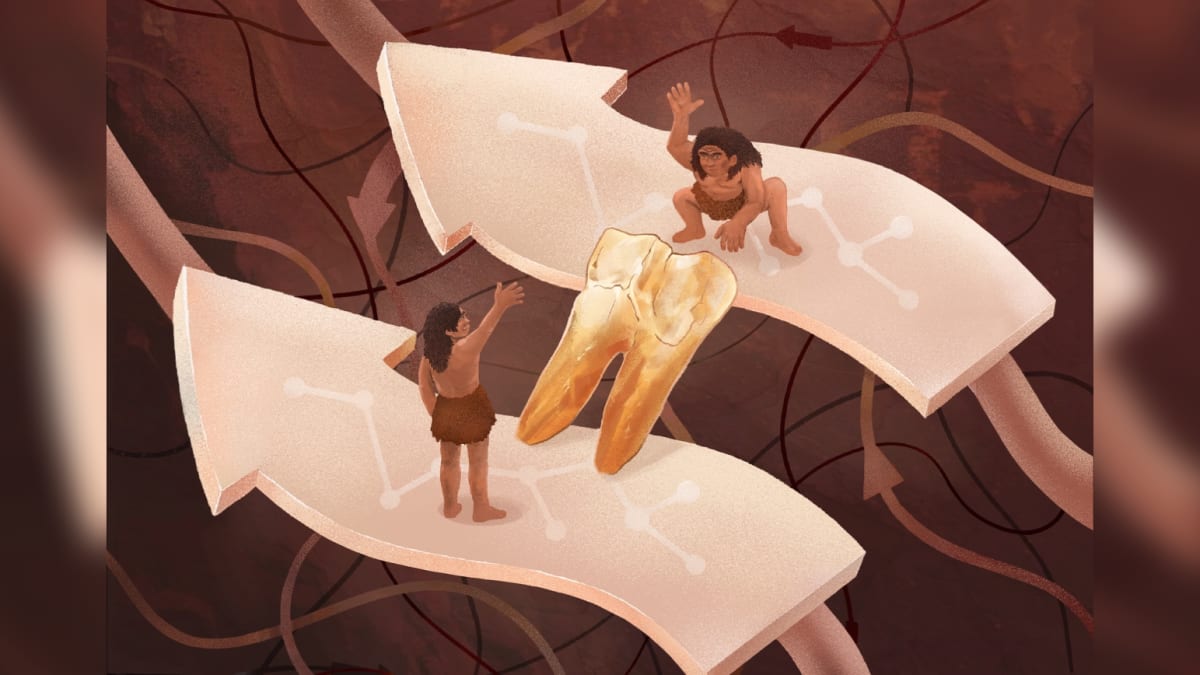
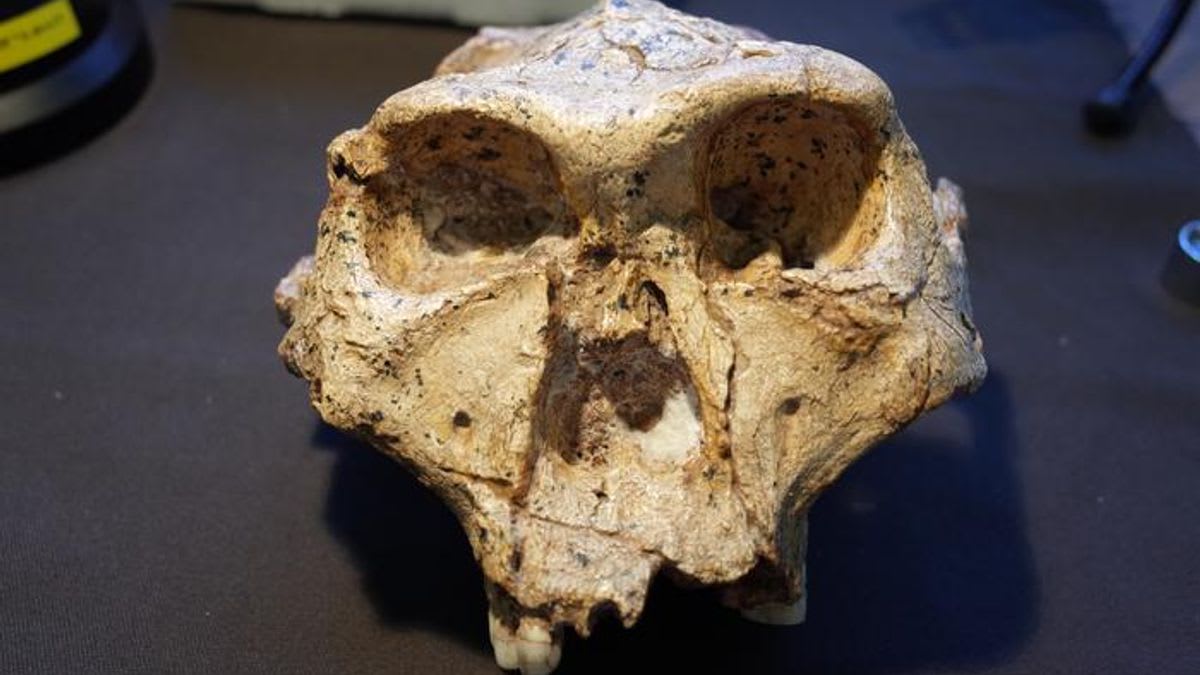
For the first time ever, researchers have sequenced genetic material from Homo erectus fossils, revealing surprising connections between our ancient ancestors and modern humans. The breakthrough opens a new window into human evolution using proteins that survive far longer than DNA.

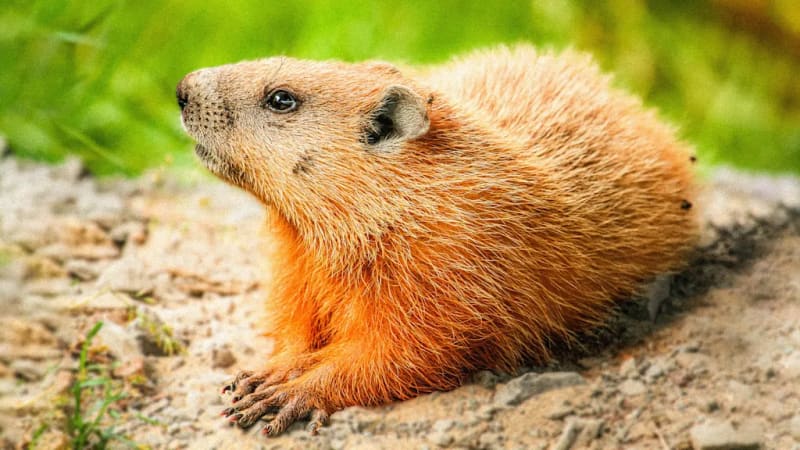
Those adorable groundhogs predicting weather each February are actually helping scientists fight diseases like cancer, obesity, and heart disease. Their incredible hibernation abilities are unlocking medical breakthroughs that could transform human health.

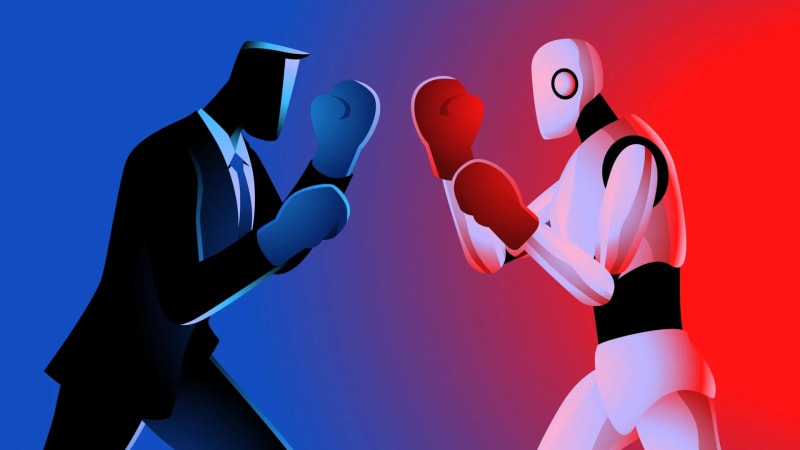
A growing group of scientists is deliberately saying no to AI tools, not because they fear progress, but because they value learning, accuracy, and human expertise. Their thoughtful resistance is sparking important conversations about when technology truly helps.

Artificial intelligence is accelerating research, but scientists remain irreplaceable in the discovery process. Here's why human creativity and collaboration still drive every breakthrough.

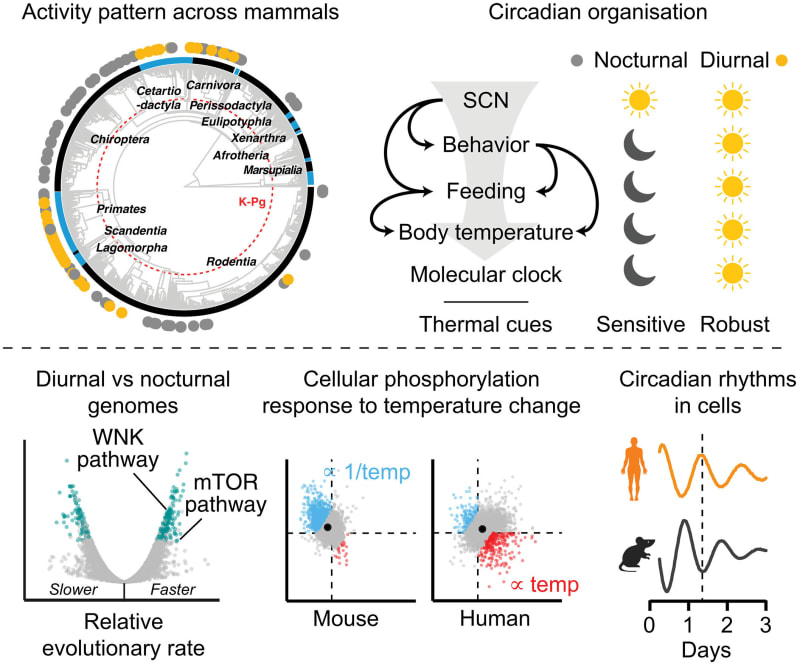
Researchers finally solved a mystery millions of years in the making: why humans evolved to be awake during the day while most early mammals were nocturnal. The answer lies in tiny cellular switches that respond differently to daily temperature changes.

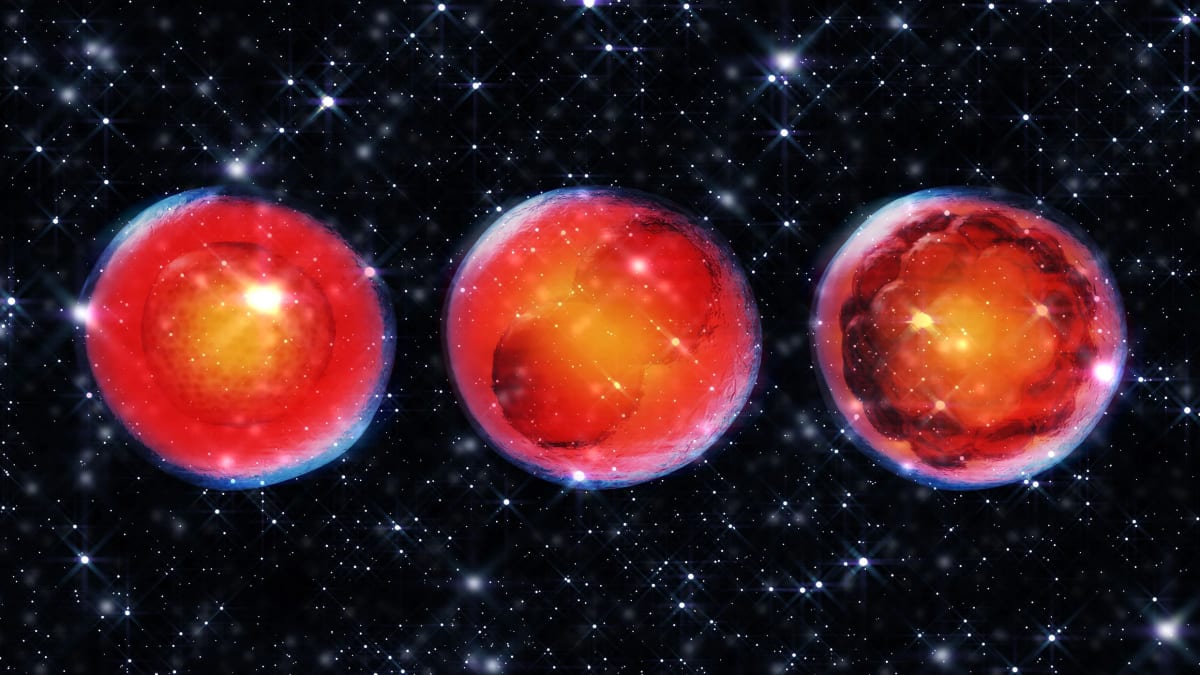
Chinese scientists are studying human embryo development in microgravity to understand if we can safely have babies beyond Earth. The research could be crucial for future moon and Mars settlements.
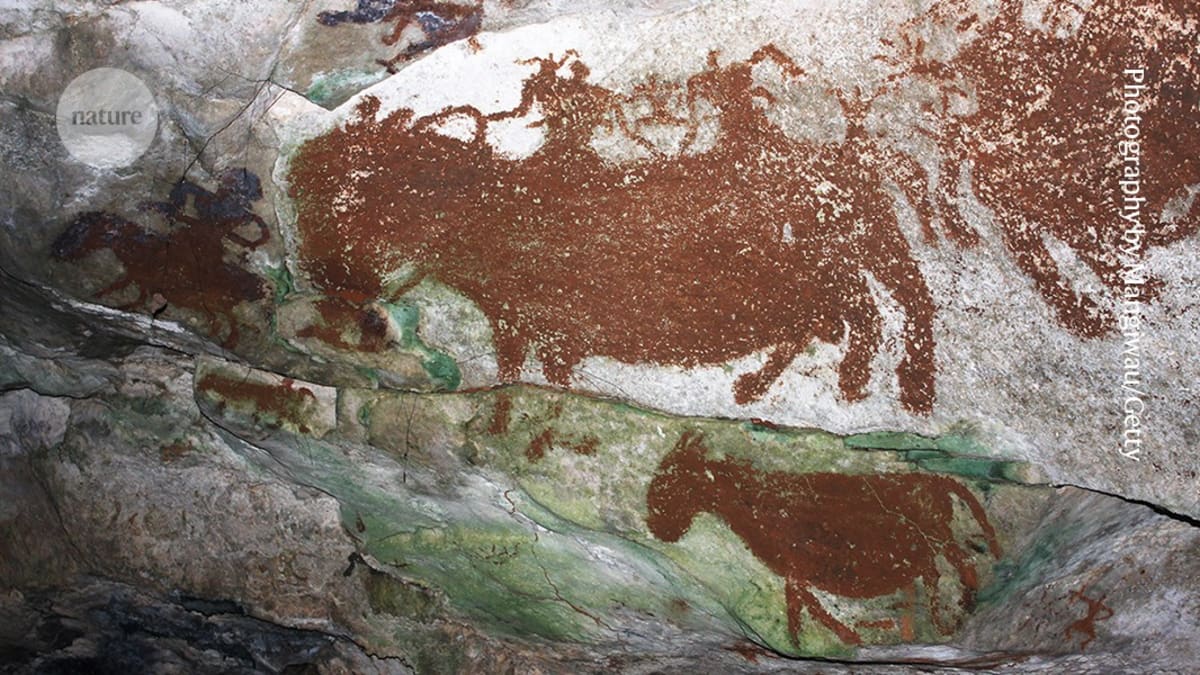
New genetic research reveals that thousands of years ago, modern humans and Neanderthals didn't just share the Earth. They built families together, and those connections still shape who we are today.

In the largest study of its kind, researchers found that advanced AI systems like GPT-4 now outperform average humans on creativity tests. But the most imaginative people still leave AI far behind.

Scientists are using AI at record levels, with mentions in research papers jumping 30-fold since 2010. But when it comes to complex tasks, human experts still beat the best AI agents by a wide margin.
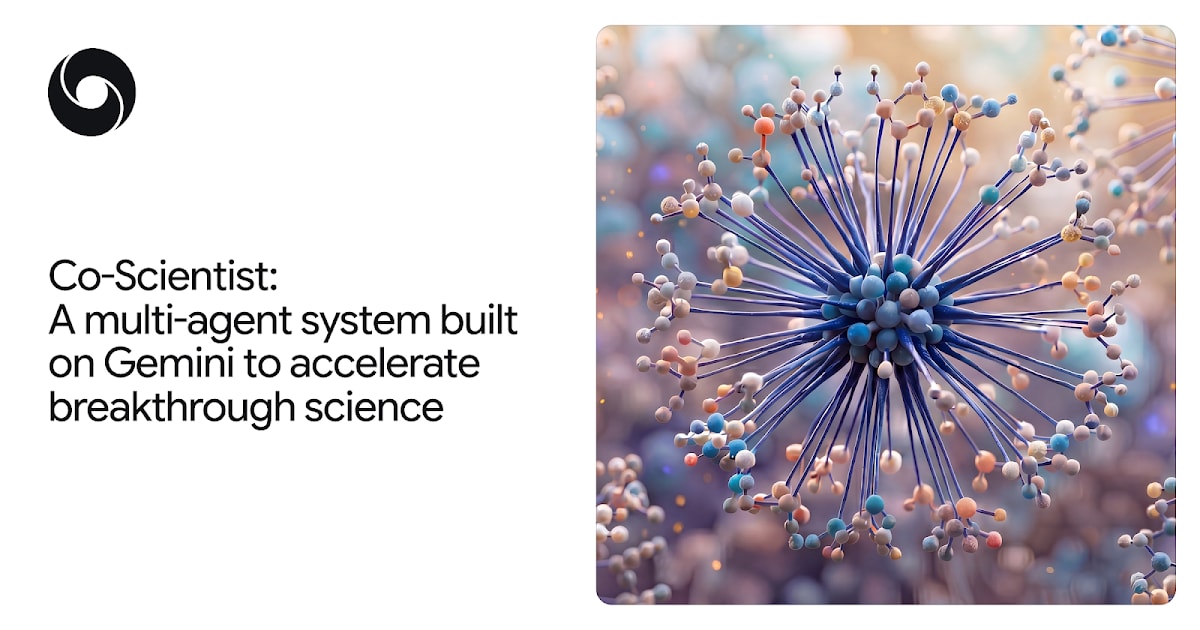
Scientists at Stanford, MIT, and Cambridge are using Google DeepMind's Co-Scientist AI to accelerate breakthroughs in liver disease, aging, and infectious diseases. The system helps researchers digest decades of studies in days, spotting connections humans might miss.

Artificial intelligence is revolutionizing scientific discovery across every field, from designing new viruses that fight bacteria to simulating 1,000 years of climate in a single day. But researchers at Stanford agree: AI finds answers faster, while humans still choose which questions matter most.

Forget everything Aristotle taught you about the five senses. Modern research reveals humans likely experience the world through 22 to 33 distinct senses working together in ways we're only beginning to understand.

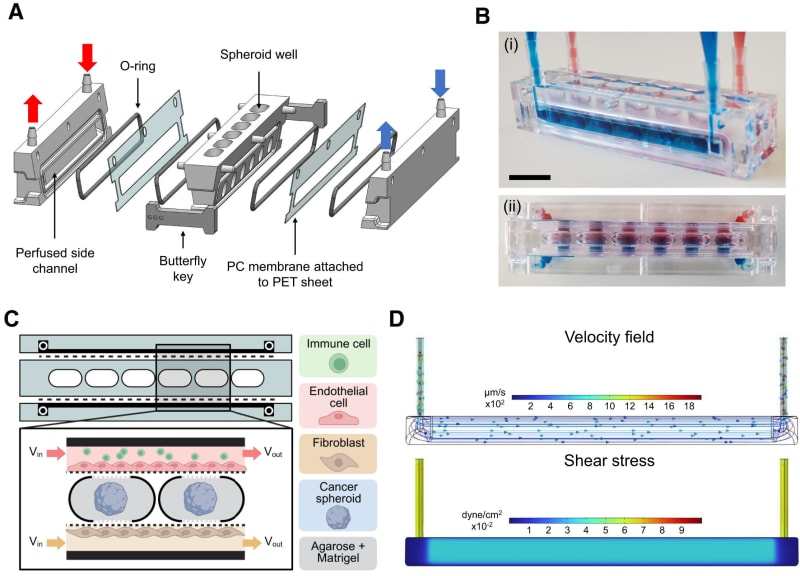
Scientists created a 3D chip that mimics human tumors so accurately it could replace animal testing in cancer research. The breakthrough means faster, more precise treatments tailored for actual human biology.

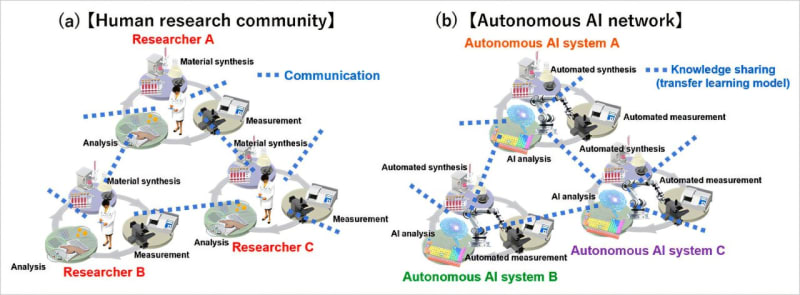
Three AI research systems spontaneously learned to share knowledge with each other, accelerating material discoveries just like human scientists do in research communities. This breakthrough could transform how thousands of AI labs worldwide work together to solve big problems.

An AI system named Carl got three research papers accepted at a scientific conference without reviewers knowing it wasn't human. New AI tools are helping scientists discover drugs, predict protein structures, and accelerate research while sparking important conversations about the future of scientific discovery.

An AI system named Carl got three research papers accepted at a major science conference without reviewers realizing a machine wrote them. This breakthrough suggests AI could soon help human researchers accelerate discoveries in medicine, materials science, and beyond.

Researchers gathered in Colorado to seriously plan the first crewed mission to Titan, Saturn's largest moon, marking it as humanity's next frontier after Mars. The moon's thick atmosphere and abundant resources make it surprisingly ideal for human exploration.

Leading autism researchers and advocates formed a new independent committee to guide autism research priorities and counter recent federal changes. The group aims to unite the autism community and protect evidence-based research as funding reaches $568 million annually.

Scientists are using the classic game Dungeons & Dragons to teach AI how to collaborate better with humans. The research shows AI can learn complex planning and teamwork through gameplay.
Showing 20 of 21796