Search

Find uplifting stories about heroes, innovations, and solutions

199 results for "jellyfish nebula"

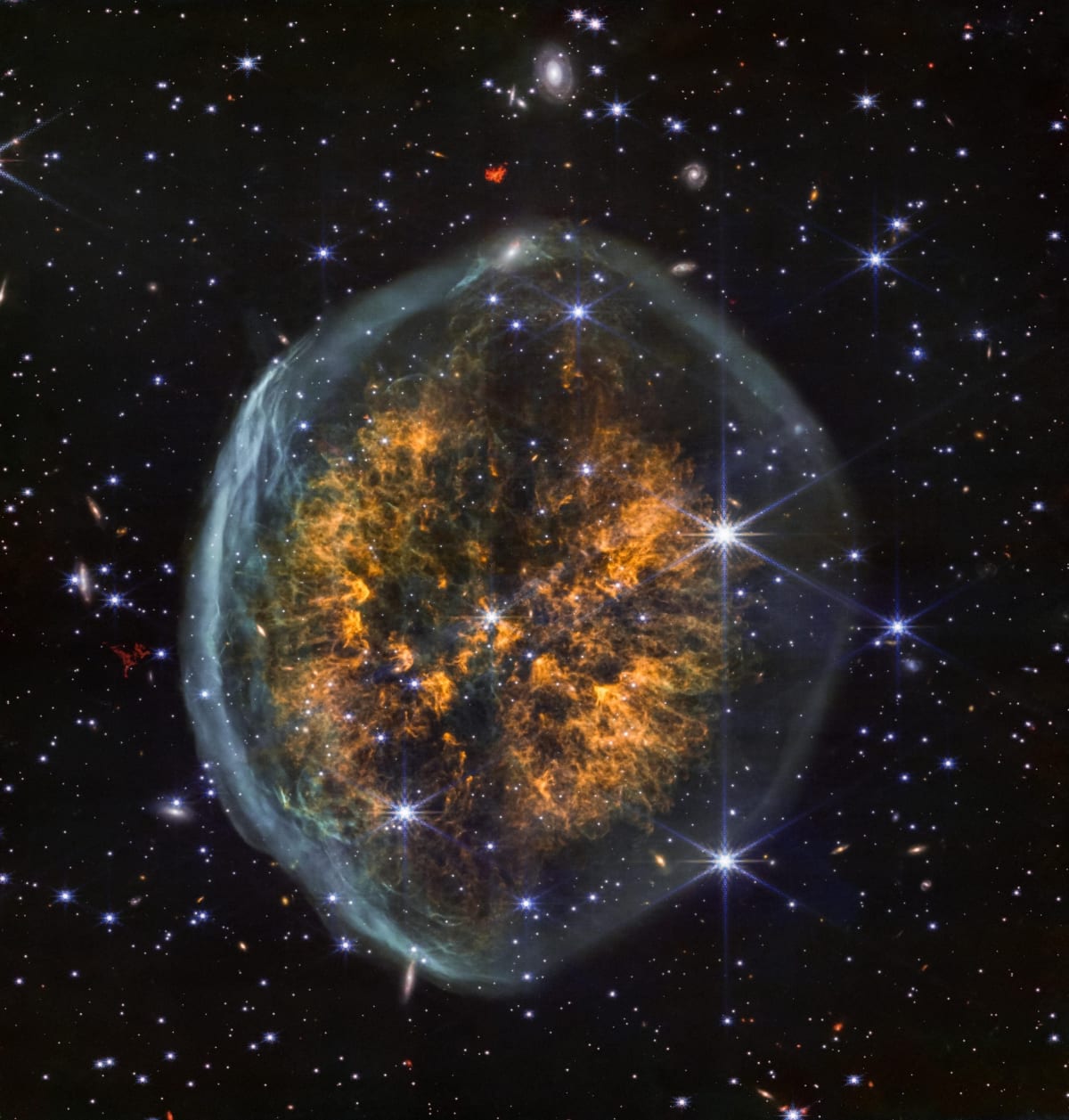
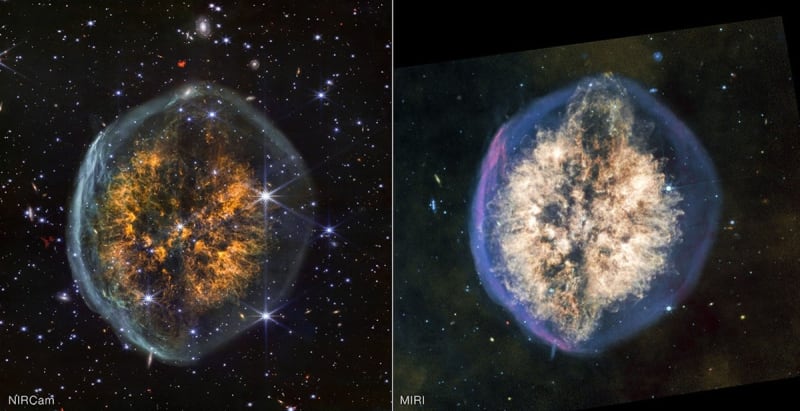
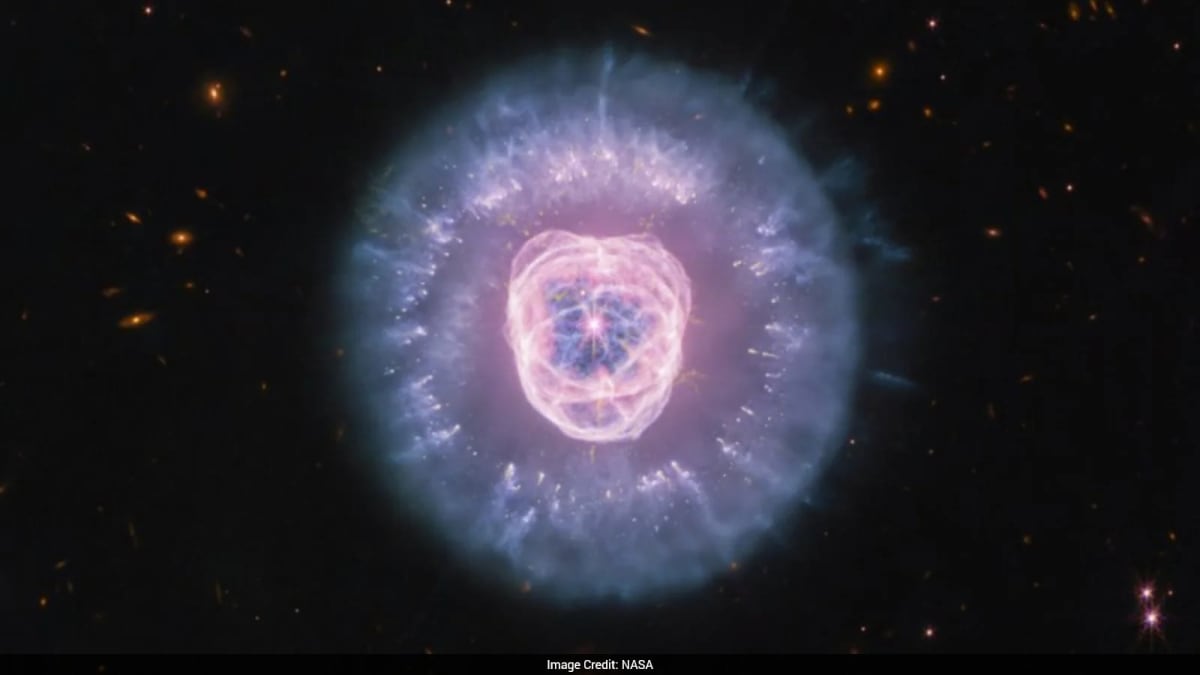
Astronomers Find First-Ever Twin Supernova in Jellyfish Nebula
Innovation3h ago

Astronomers Find First-Ever Twin Supernova in Jellyfish Nebula

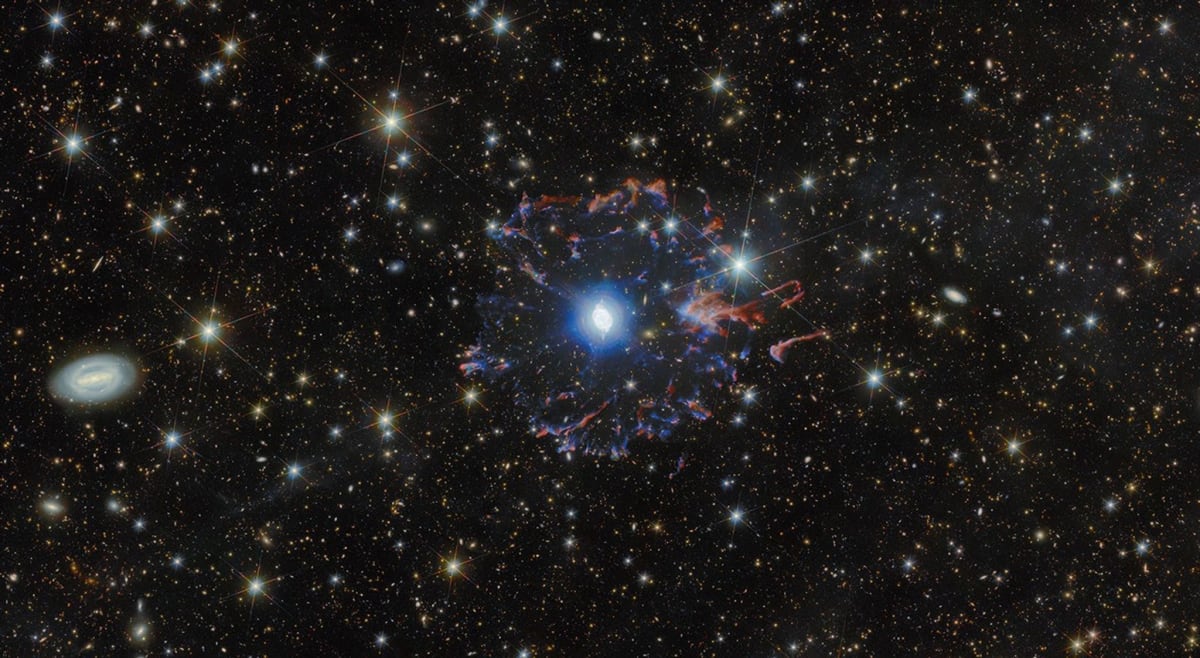
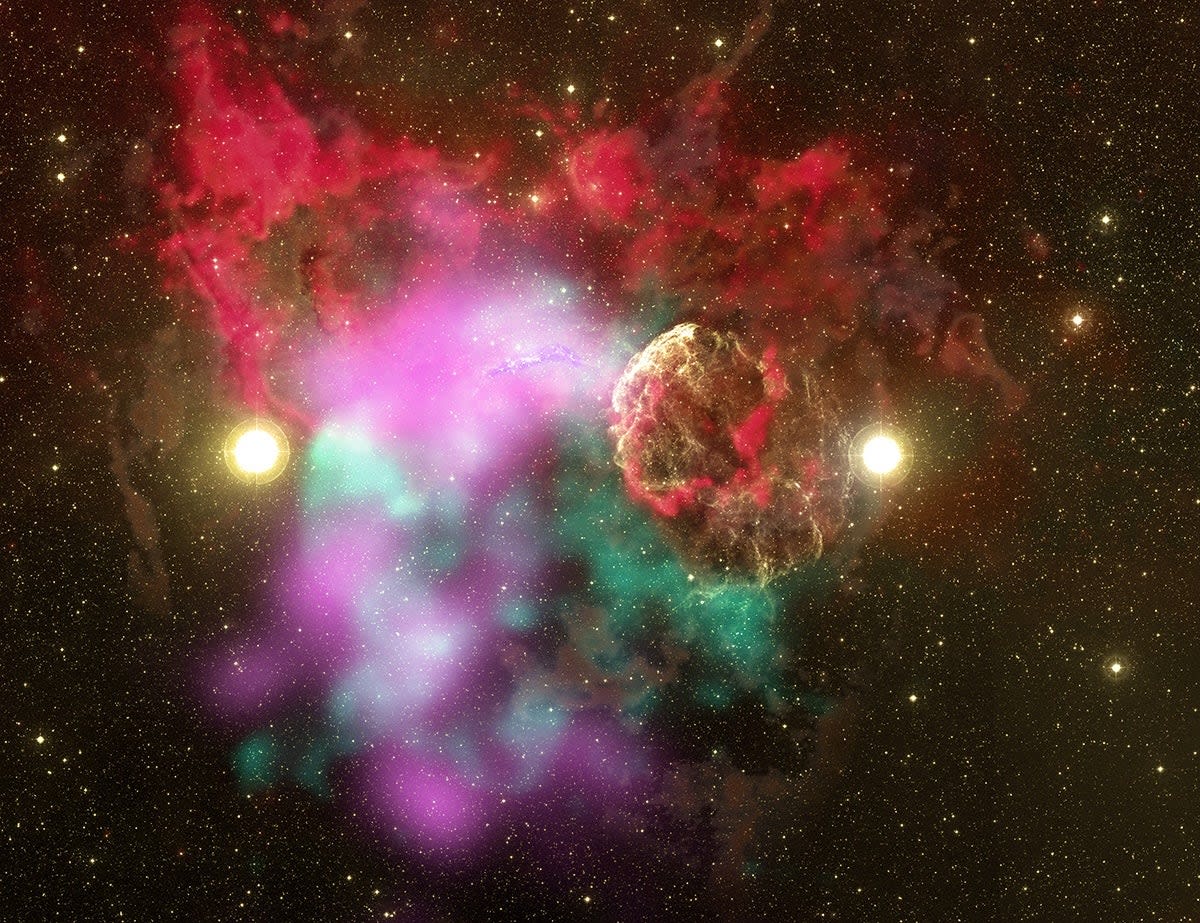
Scientists have discovered something they've searched for decades to find: two sibling stars that both exploded as supernovae. The breakthrough solves a cosmic mystery and opens a window into how the early universe worked.
Scientific American2 min read
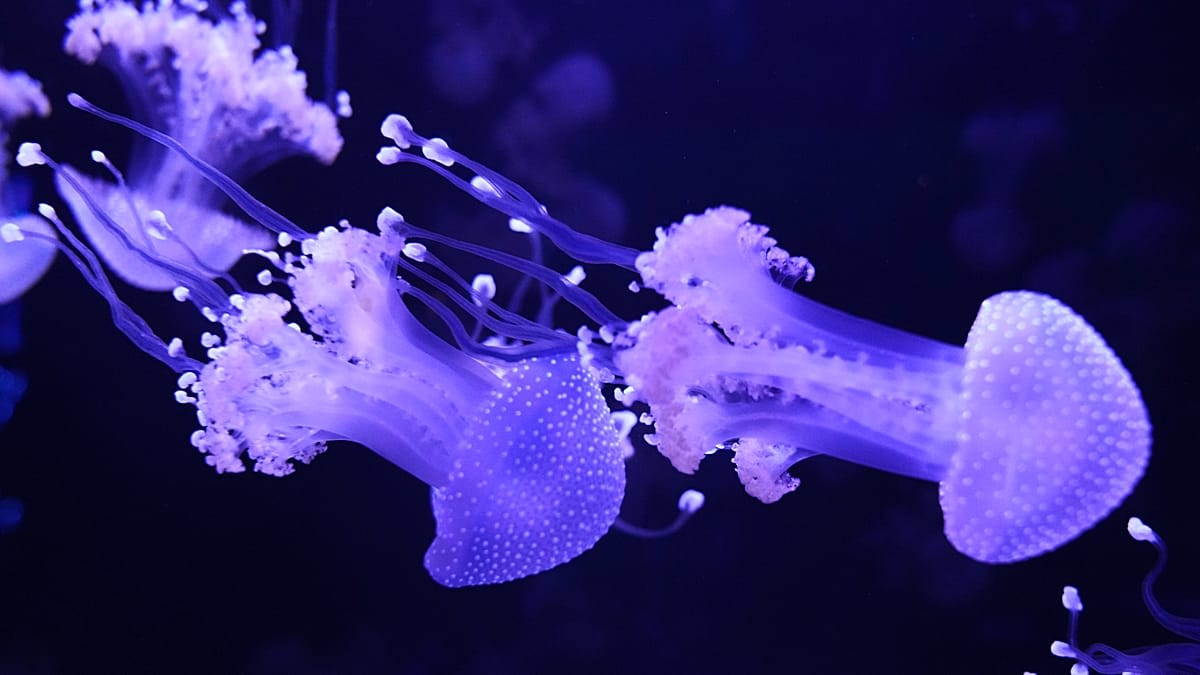
Star-Spotted Jellyfish Discovered in Japanese Aquariums
Planet WinsFeb 25

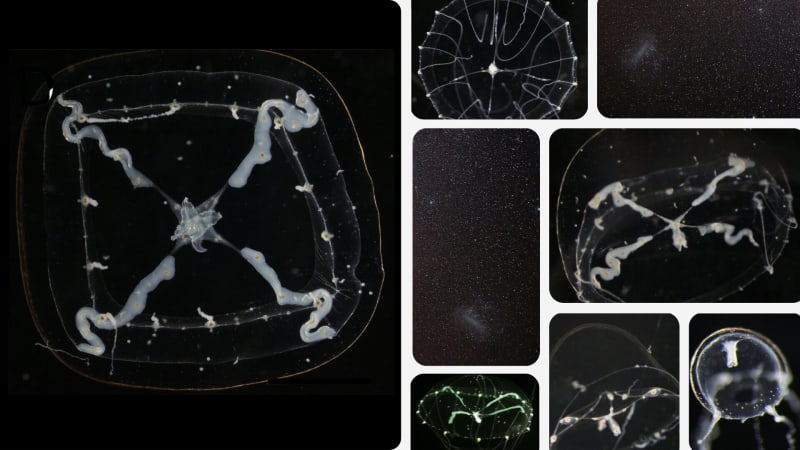
Star-Spotted Jellyfish Discovered in Japanese Aquariums

Scientists have discovered a new jellyfish species in Japanese aquariums, complete with tiny brown spots that multiply like Michelin stars as it matures. The find proves aquariums aren't just pretty displays—they're frontiers for biodiversity discovery.

Phys.org3 min read
Giant Phantom Jellyfish Found Off Argentina Coast
Planet WinsFeb 5

Giant Phantom Jellyfish Found Off Argentina Coast

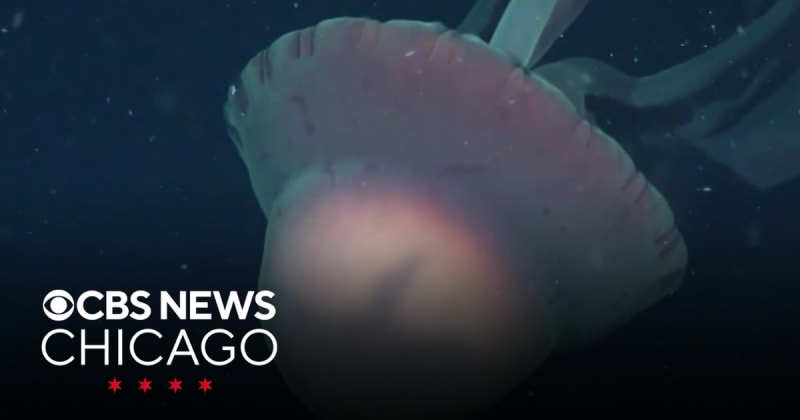
Scientists exploring the deep sea off Argentina's coast spotted a giant phantom jellyfish nearly as long as a school bus. The rare sighting reveals how much wonder still exists in our ocean's least explored depths.

Google News - Researchers Find2 min read
🎬
VideosFeb 26

Webb Telescope Reveals 'Exposed Cranium' Nebula in Detail

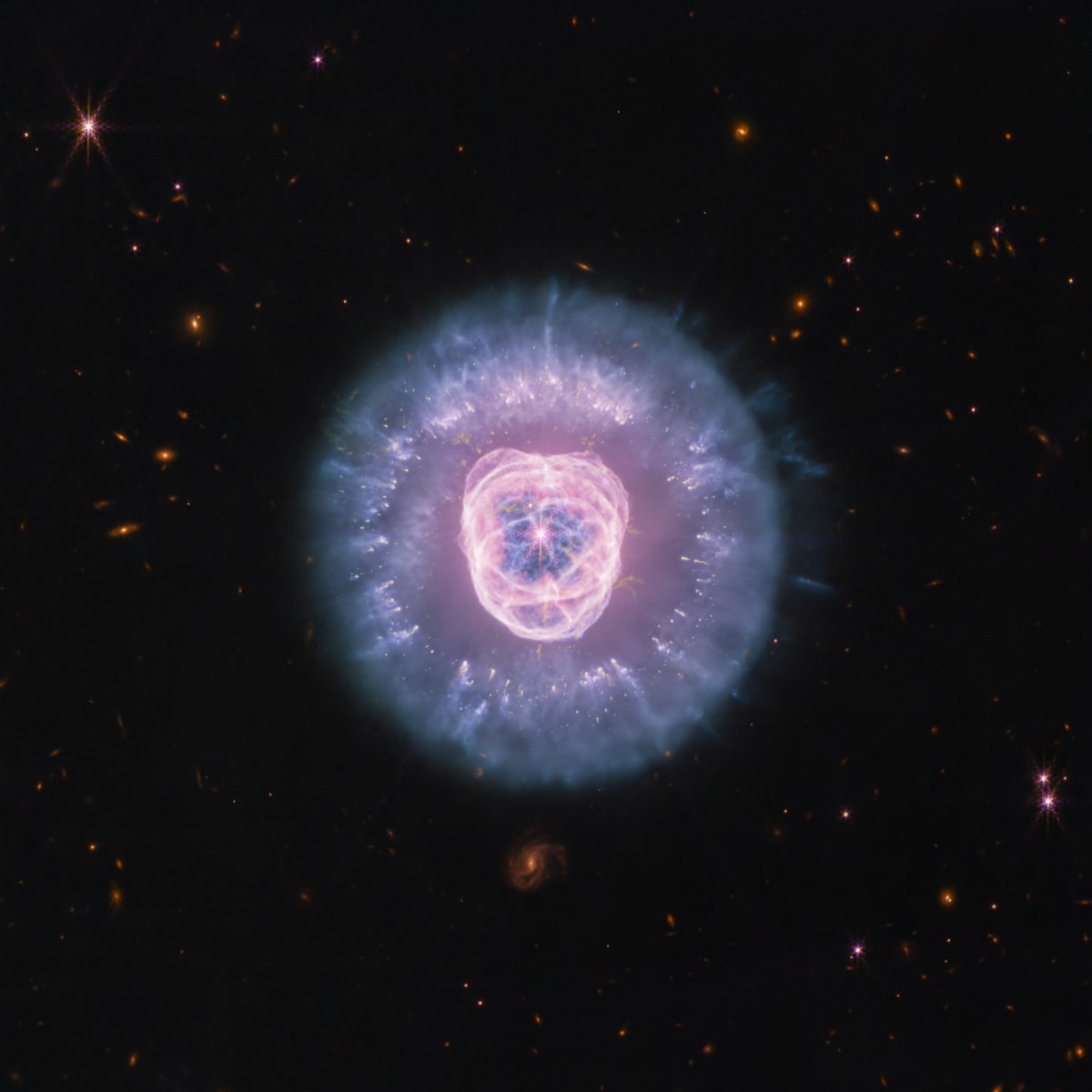
NASA's James Webb Space Telescope has captured stunning new images of a rarely-studied nebula nicknamed the "Exposed Cranium," revealing a dying star's beautiful final act in unprecedented detail. The photos show technology leaping forward in ways that make decade-old images look like distant memories.

Google: James Webb telescope2 min read
UK Photographer Spends 70 Hours on Stunning Blue Nebula
Community HeroesMar 16

UK Photographer Spends 70 Hours on Stunning Blue Nebula

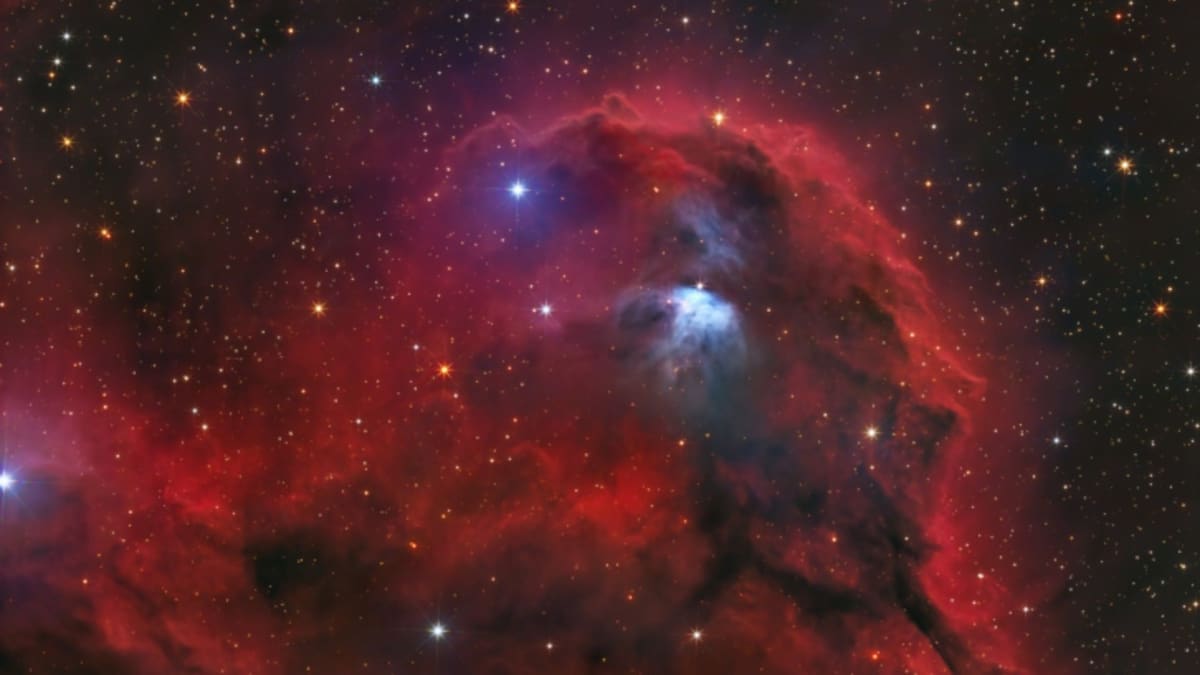
A dedicated astrophotographer invested nearly 70 hours capturing a breathtaking blue nebula in Orion, revealing stunning cosmic detail visible from light-polluted UK skies. His patience and passion produced a mesmerizing window into deep space that anyone can now enjoy.

Space.com2 min read
Two Space Telescopes Capture Stunning Cat's Eye Nebula
Planet WinsMar 11

Two Space Telescopes Capture Stunning Cat's Eye Nebula

NASA's Hubble and Europe's Euclid telescopes joined forces to photograph one of space's most beautiful sights: a dying star wrapped in colorful, intricate layers 4,400 light-years away. The combined image reveals new details about the Cat's Eye Nebula that neither telescope could capture alone.

NASA2 min read
Brainless Jellyfish Sleep 8 Hours a Day, Just Like Us
Planet WinsJan 25

Brainless Jellyfish Sleep 8 Hours a Day, Just Like Us

Scientists discovered that jellyfish and sea anemones sleep about eight hours daily, proving sleep existed before brains evolved. The breakthrough reveals why all animals need rest: to repair damaged DNA in their cells.

New Atlas3 min read
450-Million-Year-Old Jellyfish Fossil Found in Quebec
InnovationApr 25

450-Million-Year-Old Jellyfish Fossil Found in Quebec

Scientists discovered a perfectly preserved ancient jellyfish ancestor in Quebec, filling a 450-million-year gap in evolution. The rare find shows how fragile ocean life survived against impossible odds.

Google: fossil discovery2 min read
Webb Telescope Reveals Brain-Shaped Nebula Around Dying Star
InnovationMar 13

Webb Telescope Reveals Brain-Shaped Nebula Around Dying Star

NASA's James Webb Space Telescope has captured stunning images of a nebula that looks remarkably like a human brain inside a transparent skull. The cosmic cloud, nicknamed the "Exposed Cranium," reveals new secrets about how dying stars shed their outer layers.

Google: James Webb telescope3 min read
JWST Captures Stunning "Brain Nebula" 5,000 Light-Years Away
InnovationFeb 28

JWST Captures Stunning "Brain Nebula" 5,000 Light-Years Away

The James Webb Space Telescope just revealed images of a dying star that looks exactly like a glowing brain floating in space. Scientists captured the "Exposed Cranium" Nebula shedding beautiful clouds of gas and dust as it reaches the end of its life.

Scientific American2 min read
Webb Telescope Captures Stunning 'Brain' Nebula 5,000 Light-Years Away
InnovationMar 12

Webb Telescope Captures Stunning 'Brain' Nebula 5,000 Light-Years Away

NASA's James Webb Space Telescope has captured a breathtaking image of the Exposed Cranium Nebula that looks remarkably like a human brain floating in space. The cosmic wonder, located 5,000 light-years away in the Vela constellation, is giving scientists a front-row seat to the beautiful final act of a dying star.

Google: James Webb telescope3 min read
Bowen Grad Uses DNA to Track Deadly Jellyfish
Community HeroesApr 9

Bowen Grad Uses DNA to Track Deadly Jellyfish

A small-town high school student turned scientist just solved a decade-old ocean mystery. Dr. Scott Morrissey developed a breakthrough method to detect deadly box jellyfish before they reach swimmers.

Google News - Breakthrough Discovery3 min read
Hubble Captures Clearest View Yet of the Egg Nebula
Planet WinsFeb 13

Hubble Captures Clearest View Yet of the Egg Nebula

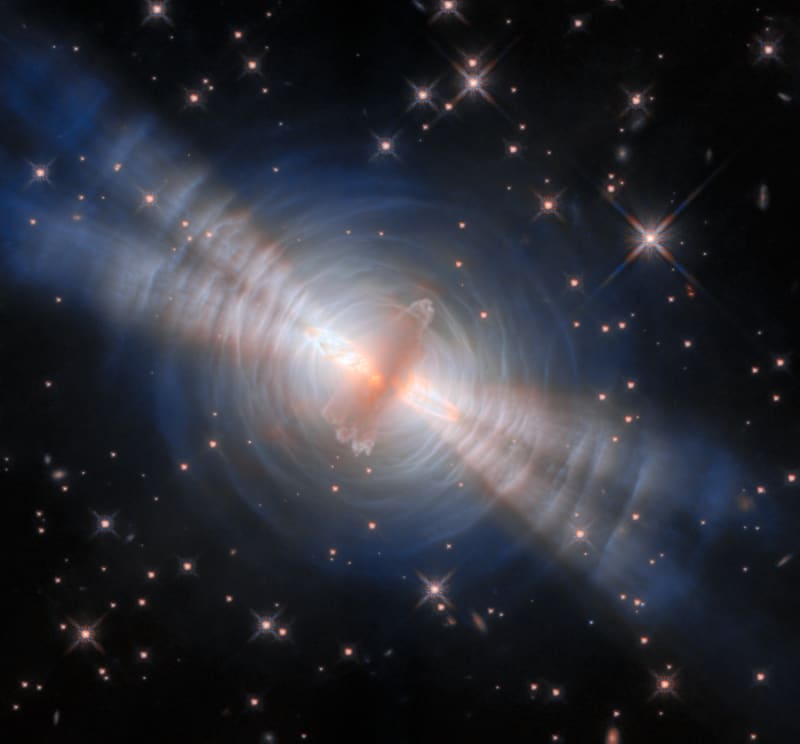
NASA's Hubble Space Telescope has delivered the sharpest image ever of the Egg Nebula, a cosmic wonder created by a dying star 1,000 light-years away. The stunning view reveals dramatic shadows and light sculpted by freshly ejected stardust.

NASA2 min read
Webb Telescope Captures Stunning 'Eye of Sauron' Nebula
InnovationJan 24

Webb Telescope Captures Stunning 'Eye of Sauron' Nebula

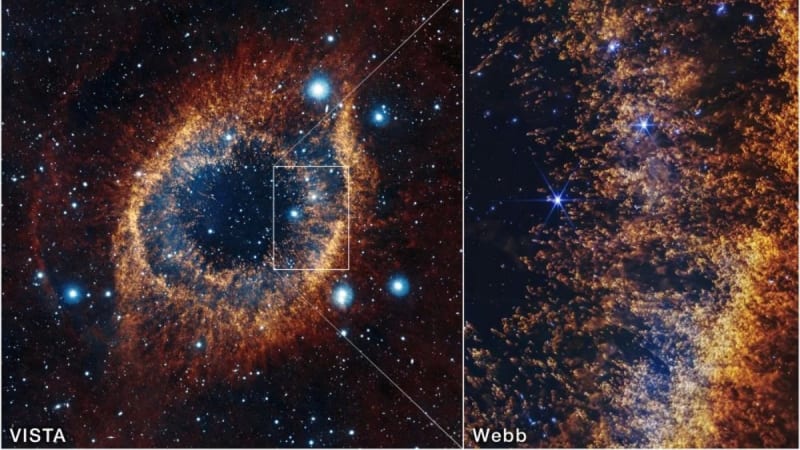
The James Webb Space Telescope has delivered breathtaking new images of the Helix Nebula, showing us a preview of our own Sun's beautiful finale in 5 billion years. The images reveal 40,000 comet-shaped gas clouds, each larger than our entire solar system.

Google News - Science2 min read
Brainless Jellyfish Sleep Reveals 600 Million Year Secret
InnovationFeb 1

Brainless Jellyfish Sleep Reveals 600 Million Year Secret

Scientists discovered that ancient jellyfish and sea anemones repair DNA damage while they sleep, pushing the origins of sleep back over 600 million years. The finding suggests sleep evolved not for dreams or memories, but as essential cellular maintenance.

Phys.org3 min read
Mars-Sized Iron Bar Discovered Hiding in Ring Nebula
InnovationJan 19

Mars-Sized Iron Bar Discovered Hiding in Ring Nebula

Scientists found a massive bar of iron lurking inside the iconic Ring Nebula, spanning 500 times the width of Pluto's orbit. The discovery could reveal secrets about dying stars or possibly the remains of a vaporized planet.

Science Daily3 min read
James Webb Telescope Reveals Stunning Eye of God Nebula
Global NewsJan 22

James Webb Telescope Reveals Stunning Eye of God Nebula

The James Webb Space Telescope captured a breathtaking new image of the Helix Nebula, showing what our own sun might look like in 5 billion years. The cosmic portrait reveals not just a star's end, but the building blocks of future worlds being born.

Google News - Science2 min read
Webb Telescope Reveals Stunning New View of Helix Nebula
InnovationJan 21

Webb Telescope Reveals Stunning New View of Helix Nebula

NASA's James Webb Space Telescope has captured breathtaking new images of the Helix Nebula, showing never-before-seen details of how dying stars create the building blocks for future planets. The colorful cosmic display reveals the spectacular transformation of a star's final breath into raw materials for new worlds.

Google News - Science2 min read
Webb Telescope Captures Stunning "Eye of Sauron" Nebula
InnovationJan 21

Webb Telescope Captures Stunning "Eye of Sauron" Nebula

The James Webb Space Telescope just revealed the most breathtaking images ever captured of the Helix Nebula, nicknamed the "Eye of Sauron," showing how dying stars create the building blocks for new worlds. The spectacular photos reveal vibrant pillars of gas that could one day form new planets in other solar systems.

Ars Technica2 min read
Space Footballs Found 10,000 Light-Years Away in Nebula
VideosMay 13

Space Footballs Found 10,000 Light-Years Away in Nebula

Scientists just spotted buckyballs—soccer ball-shaped carbon molecules—glowing in a distant nebula using the James Webb Space Telescope. These cosmic molecules could unlock secrets about how stars form and die.

Google: scientific discovery2 min read

Showing 20 of 199