Science Confirms Baby Talk Helps Infants Learn Language
Parents can stop worrying about using that high-pitched, sing-song voice with their babies. Research now shows baby talk actually helps infants develop language skills faster.
Find uplifting stories about heroes, innovations, and solutions
13330 results for "language science"

Parents can stop worrying about using that high-pitched, sing-song voice with their babies. Research now shows baby talk actually helps infants develop language skills faster.

William Pacheco is using cutting-edge linguistics training at MIT to preserve Keres, his native language spoken by fewer than 10,000 people across seven New Mexico villages. His work bridges ancient tribal wisdom with modern science to keep his culture alive for future generations.
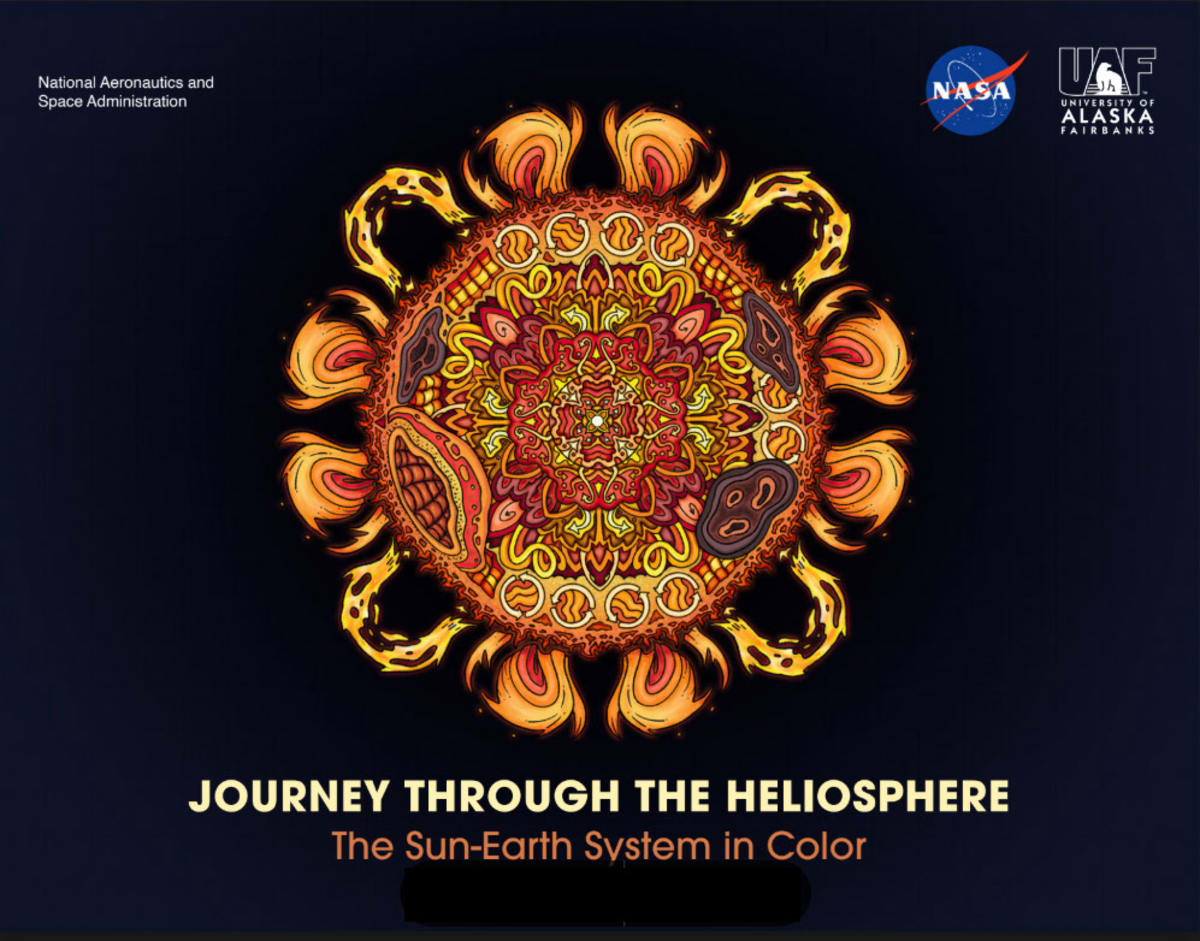
NASA just released a free coloring book about the sun and space that includes scientific terms translated into seven Alaska Indigenous languages. The 28-page book brings together cutting-edge space science with cultural knowledge from 13 Alaska Native language speakers.

New brain research reveals that people who speak multiple languages show significantly younger brain patterns, with four-language speakers having brains that appear 13 years younger than those who speak just one. The findings suggest learning languages at any age could help protect your brain as you get older.

Scientists are calling for more collaborations between artists and researchers to rebuild public confidence in science. The strategy comes as funding cuts threaten research programs worldwide.

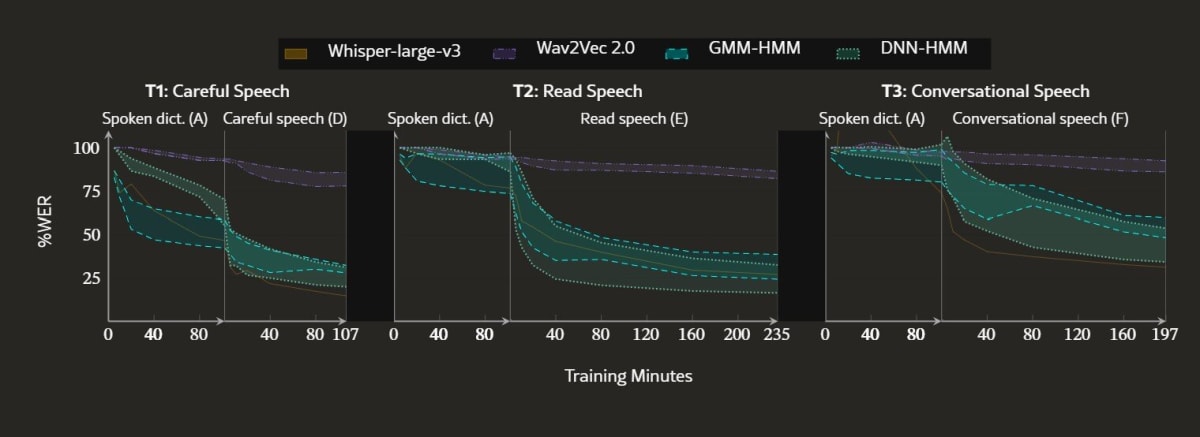
A Ph.D. student from the Isle of Man has built the first AI text-to-speech system for Manx, a heritage language spoken by just 2,200 people. The breakthrough could help preserve endangered languages worldwide while making them accessible to new learners.

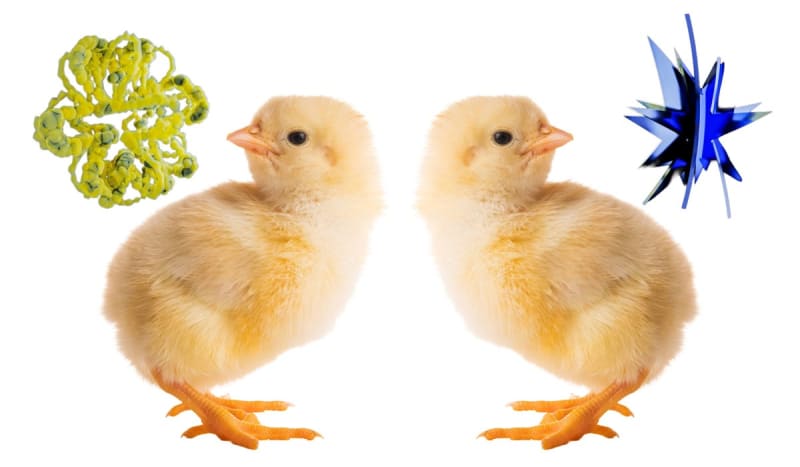
Newborn chickens match sounds to shapes just like humans do, suggesting the famous "bouba-kiki" effect isn't unique to language after all. The discovery pushes back our understanding of this ability by 300 million years.
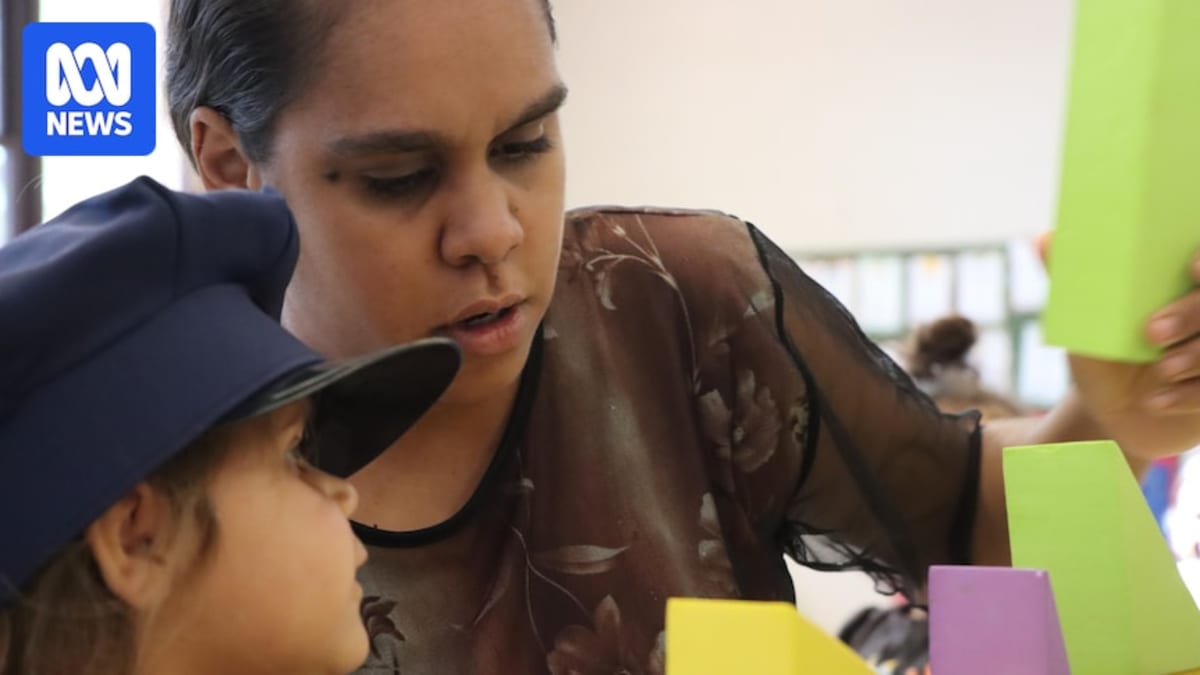
In Alice Springs, babies and toddlers are learning Pertame entirely without English, keeping an endangered language alive. The program is now expanding to become Australia's first total immersion Indigenous language school.

A student-led movement is rallying Ghanaians to speak their indigenous languages at home and in public before they disappear forever. Already, three languages have gone extinct, but a new campaign believes everyday conversations could save dozens more.

A major science organization is launching a digital series that shows how Earth science research translates into real solutions for communities worldwide. The series premiews in December 2026 and goes global in January 2027.
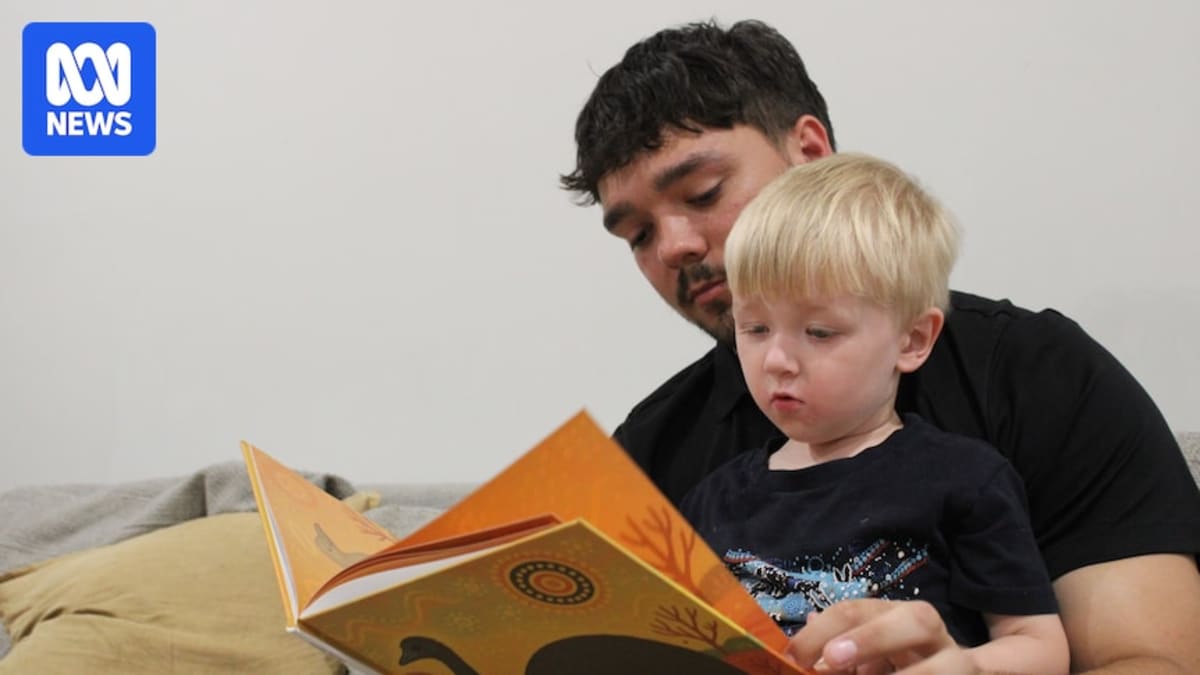
A young father is bringing a nearly extinct Indigenous language back to life through a bedtime story written for his sons. With fewer than 10 fluent speakers remaining, Braithen Knox's efforts could change the future of Gudjal language.

Over 900 Calgary students from Grade 5 to 12 are presenting their self-designed science experiments at the city's largest youth science fair this weekend. Two Grade 12 students developed a promising wound infection detector using red cabbage extract after a cooking accident sparked their curiosity.

International students hiked Germany's Elbe Sandstone Mountains while speaking only Sanskrit, transforming the ancient language into a tool for everyday conversation. The informal experiment showed how classical languages can describe modern experiences like steep trails, shared meals, and yoga breaks.
A new smartphone app created with the Rainy Lake Ojibwe community is making the endangered Ojibwe language accessible to younger generations through stories, traditions, and cultural knowledge. With most of the 50,000 remaining speakers over age 70, the free app offers hope for preserving a language UNESCO lists as "severely endangered."

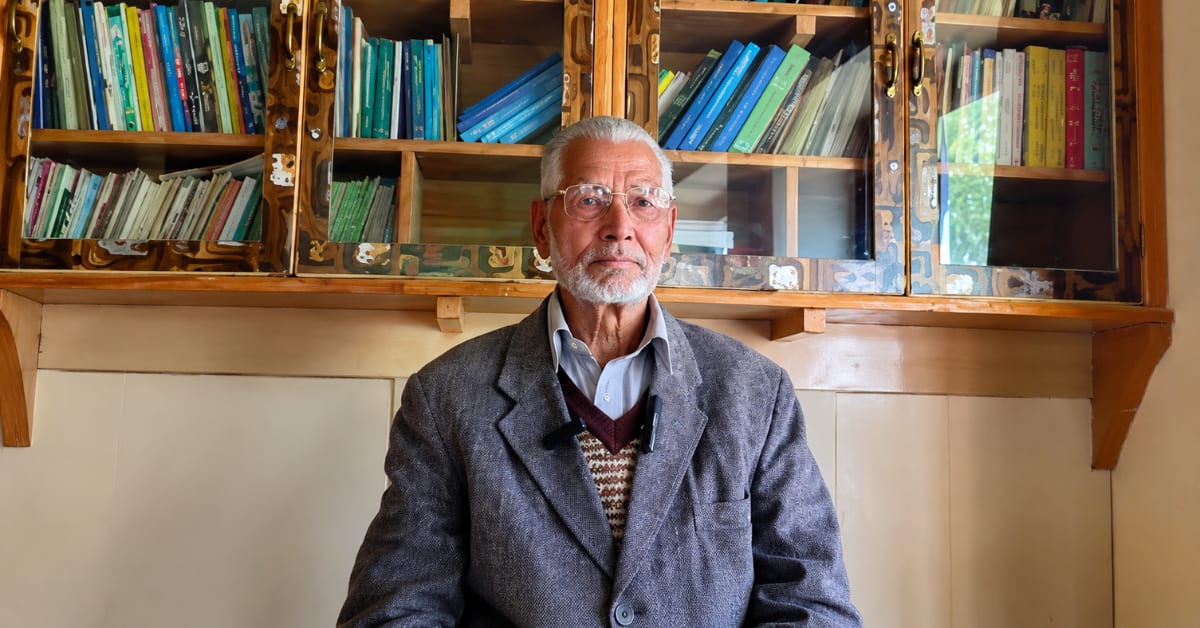
A man who never attended school just received India's highest honors for preserving a dying language spoken by fewer people each decade. Akhone Asgar Ali Basharat spent five decades writing poetry, textbooks, and radio programs in Balti, a vulnerable language losing 31% of its speakers between censuses.

A young Native American woman created shoulder-sized robots that teach endangered Indigenous languages through play, turning cultural preservation into hands-on science. Hundreds of children across the country are now programming these creatures to speak words their great-grandparents feared would disappear forever.

Three Chinese scientists won major awards for breakthrough research as Hong Kong cements its role as Asia's science hub. The Future Science Prize, China's first privately funded research award, chose the city for its fourth consecutive year.

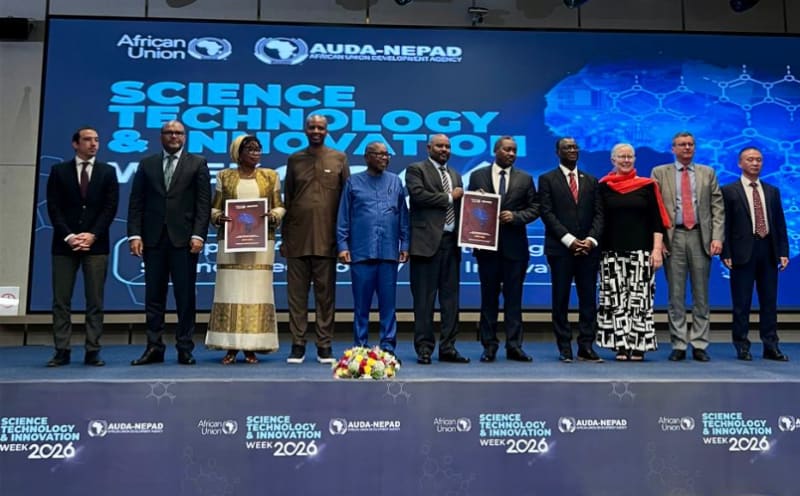
Six international partners just pledged $42 million to fuel Africa's ambitious 10-year science and innovation strategy. The funding will help African nations build stronger research systems and solve local challenges through homegrown science.

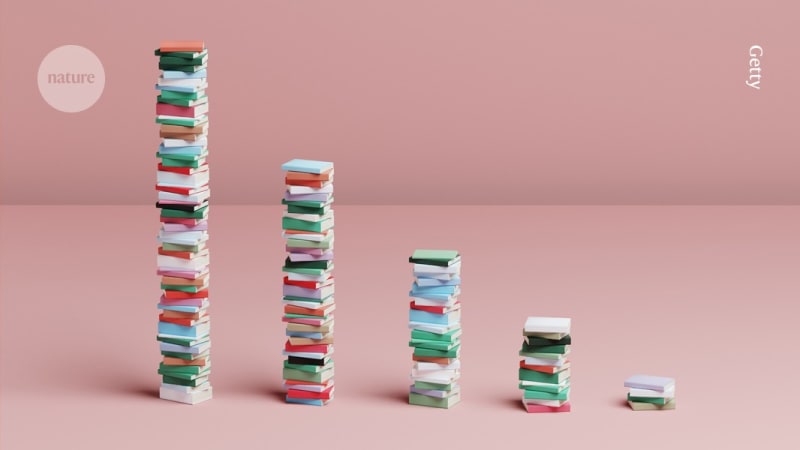
A public health professor is slashing his annual research output from 15 papers to just seven, betting that quality beats quantity in science. His radical move challenges a system where some researchers now pump out more than 60 papers yearly.

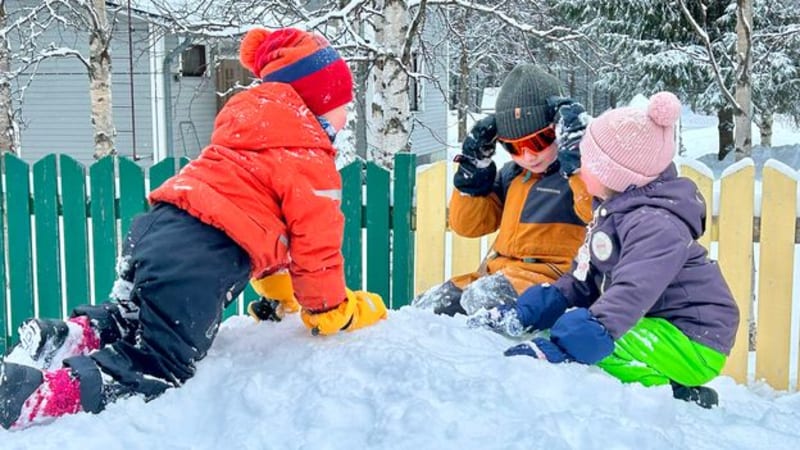
Children in Finland's Arctic villages are learning an indigenous language that nearly vanished. Just 30 years ago, only two families spoke Inari Sámi to their kids.
Showing 20 of 13330