Yucatán Installs First Artificial Reef, Plans 500 More
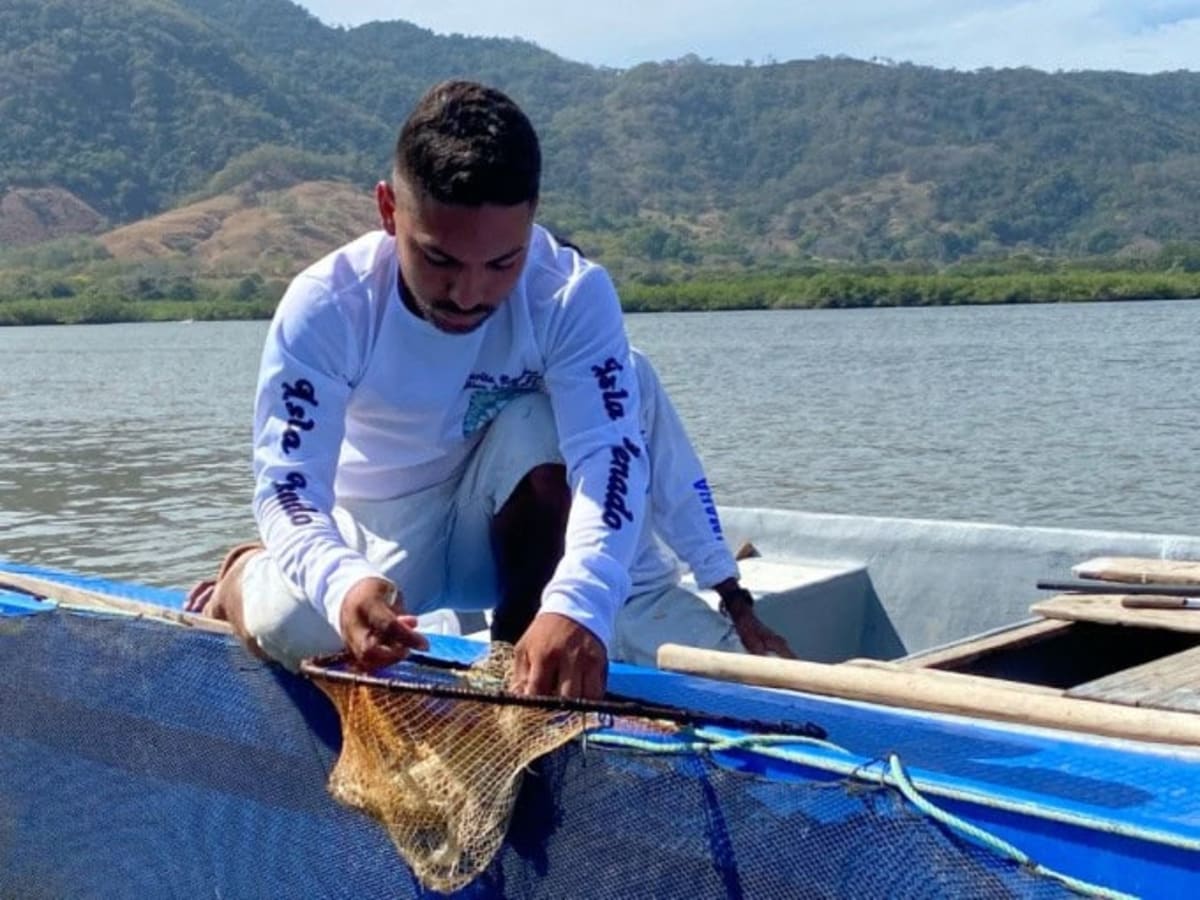
Local fishermen in Mexico just helped sink 30 concrete blocks into the ocean to create a thriving new home for marine life. It's the first of 500 artificial reefs planned for Yucatán by 2030.
Find uplifting stories about heroes, innovations, and solutions
20 results for "sustainable fishing"
Local fishermen in Mexico just helped sink 30 concrete blocks into the ocean to create a thriving new home for marine life. It's the first of 500 artificial reefs planned for Yucatán by 2030.

Morocco just reorganized its fishing zones to help ocean life recover while keeping coastal communities thriving. The new system divides waters into clear zones where boats must fish and dock, ending decades of unmanaged coastlines.

Ghana just became one of the few African nations to earn the prestigious Marine Stewardship Council certification for sustainable tuna fishing. The recognition opens doors to premium global markets while protecting ocean health for future generations.

A small West African nation just put fish and communities first by completely banning an industry that threatened coastal ecosystems. Guinea-Bissau's decision protects vital spawning grounds and the people who depend on them.

Despite being displaced from their ancestral lands 40 years ago, South Africa's Thonga people are finding creative ways to preserve a centuries-old sustainable fishing method. Three generations of fishermen now share their ecological wisdom through tourism, keeping their culture vibrant for the future.

Scientists created a smarter way to predict fishing harvests, helping protect the struggling gag grouper population in the Gulf of Mexico. Their accurate forecasting tool could save this prized fish and transform how we manage vulnerable species.

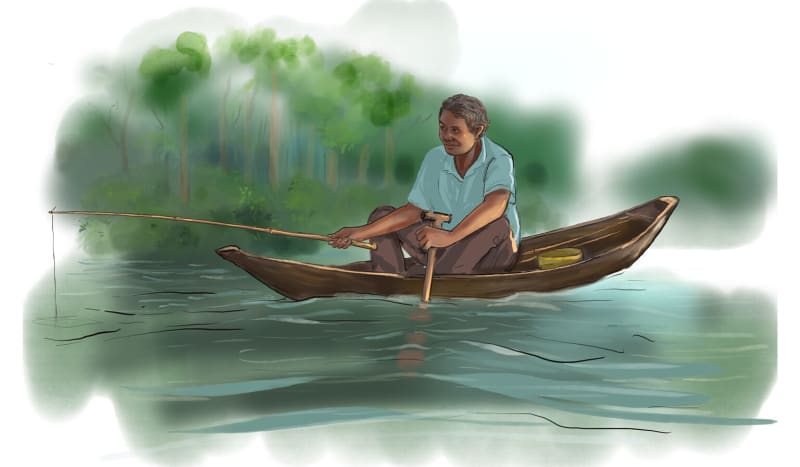
The Macaquiño people of Colombia's Amazon are working to preserve ancestral fishing knowledge that has sustained their community for generations. As modern gear replaces handcrafted traps, elders fear losing traditional techniques that protect both fish populations and cultural heritage.

Just five years into a bold 10-year fishing ban, China's Yangtze River is showing remarkable signs of ecological recovery. The massive conservation effort relocated over 231,000 fishers and is now serving as a blueprint for saving other threatened rivers worldwide.

West Africa spends $2 billion importing fish each year, but Côte d'Ivoire is changing that with bold investments in homegrown aquaculture. The coastal nation is launching research hubs and training programs that could benefit 700,000 people while creating thousands of jobs.

California's ocean waters are thriving again after one of the worst fishing disasters in history nearly wiped out entire species. Over 90 groundfish stocks have bounced back through smart regulations that gave marine life the space to recover.

The University of Cape Coast has launched the Africa Ocean Institute, a new research hub dedicated to protecting Africa's oceans and coastal communities. With over $500,000 in funding secured, the institute will tackle overfishing, pollution, and climate threats while supporting fishing communities across the continent.

Ghana and the United States are joining forces to fight illegal fishing and build a stronger, more sustainable seafood industry that could create thousands of jobs. This partnership brings hope for coastal communities while protecting the ocean for future generations.

Ghana's largest lagoon system is getting renewed attention as a critical ecosystem that feeds 50,000 people while hosting over 200 fish species. Conservation groups are pushing for increased investment to protect this natural wonder that fights coastal erosion and climate change.

Fishing communities in Sierra Leone are rejecting poorly farmed fish, but their feedback is driving efforts to improve quality and nutrition standards. Their expertise could transform aquaculture into a trusted food source that complements wild catch.

After months of listening to everyone from industrial trawlers to hand-line fishers, South Africa's fishing debate reveals something surprising: the country has a world-class system that works. The real challenge is keeping it running consistently through political and financial pressure.

European scientists just created a roadmap to make artificial intelligence in ocean protection more reliable and fair. The breakthrough could help save marine life while empowering fishing communities worldwide.

Fishermen in Cuddalore, India just received free devices that let sea turtles escape their nets while still catching fish. This smart solution protects endangered turtles without threatening the fishermen's income.

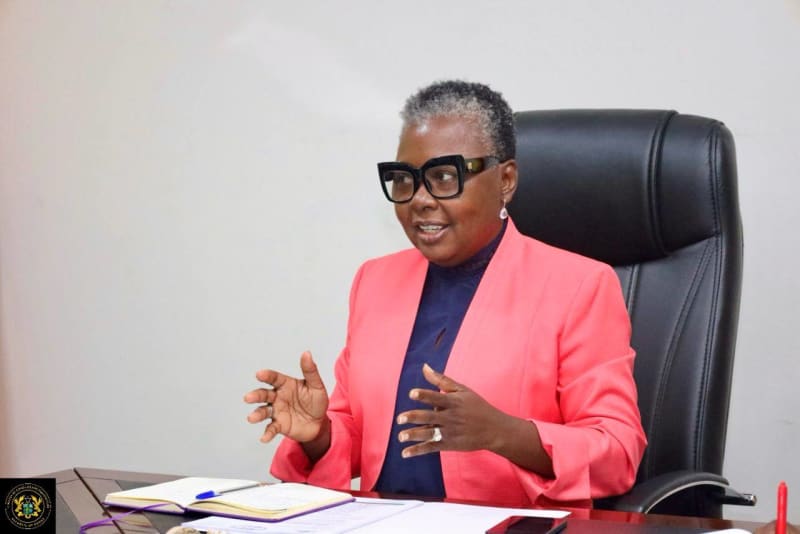
Minister Emelia Arthur is transforming Ghana's struggling fishing industry with humble leadership and bold reforms. In her first month, she's already passed landmark legislation and walked fishing villages to meet communities face to face.
%2Ffile%2Fattachments%2Forphans%2FKalkBayhand-linefishingboatinthe1940sTonyTrimmel_674478.jpg)
The Poggenpoel family has fished South Africa's False Bay for over a century, passing down boat-building skills and ocean wisdom through four generations. Despite modern challenges threatening small-scale fishing, they're fighting to preserve traditional methods that respect marine life.
%2Ffile%2Fattachments%2Forphans%2FMeasuringalobsterforallowablesizeDFFE_788413.jpg)
A Cape Town scientist is proving that ocean "savings accounts" can rebuild overfished populations in just a decade. His work shows marine protected areas are restoring species once on the brink while helping fishing communities thrive.