
Rare Harper Lee First Edition Donated to London Charity Shop
A first edition of To Kill A Mockingbird was discovered among donated books at an Oxfam shop in London. The rare 1960 novel is now part of the British Library's national collection.
Find uplifting stories about heroes, innovations, and solutions
2232 results for "to kill a mockingbird"
A first edition of To Kill A Mockingbird was discovered among donated books at an Oxfam shop in London. The rare 1960 novel is now part of the British Library's national collection.

Costa Rica just made history by creating a specific crime for contract killing, with sentences up to 40 years for those involved in organized crime hits. The unanimous vote reflects the nation's determination to fight back against rising gang violence.
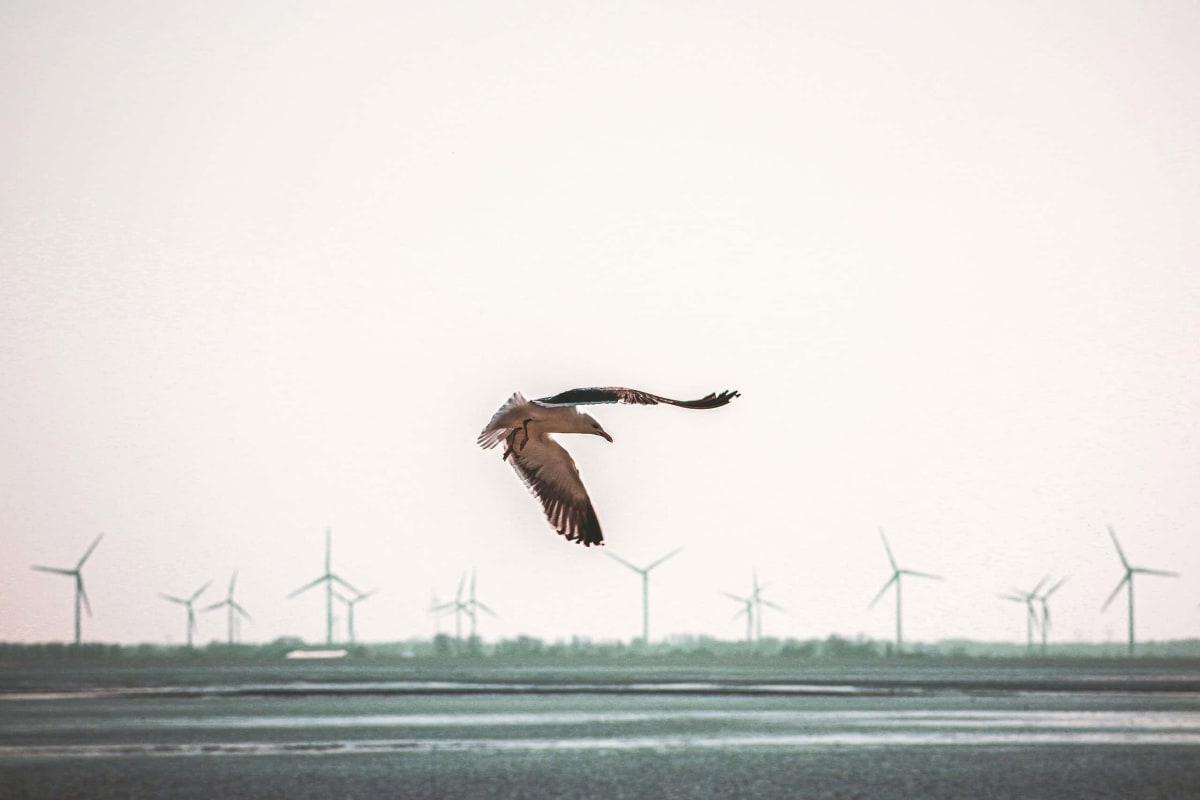
For decades, wind turbines have been painted as bird killers, but new data reveals they're responsible for a tiny fraction of bird deaths compared to everyday threats. Cats alone kill 4,000 birds for every one that dies from a turbine blade.

Scientists discovered that painting just one wind turbine blade black reduces bird deaths by 70%, busting the myth that wind farms are dangerous for avians. Meanwhile, outdoor cats kill up to 2,000 times more birds than turbines ever could.
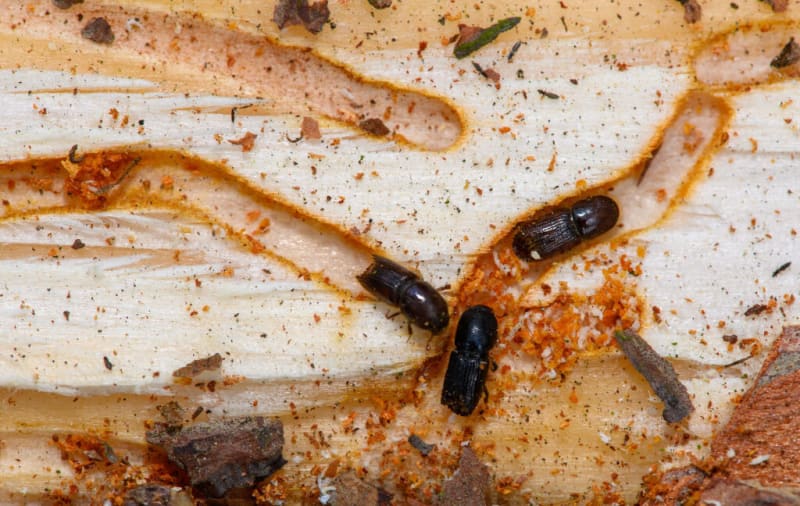
Scientists discovered a fungus that naturally kills destructive bark beetles by outsmarting their chemical defenses. This breakthrough could replace toxic insecticides with safer, biological pest control. #
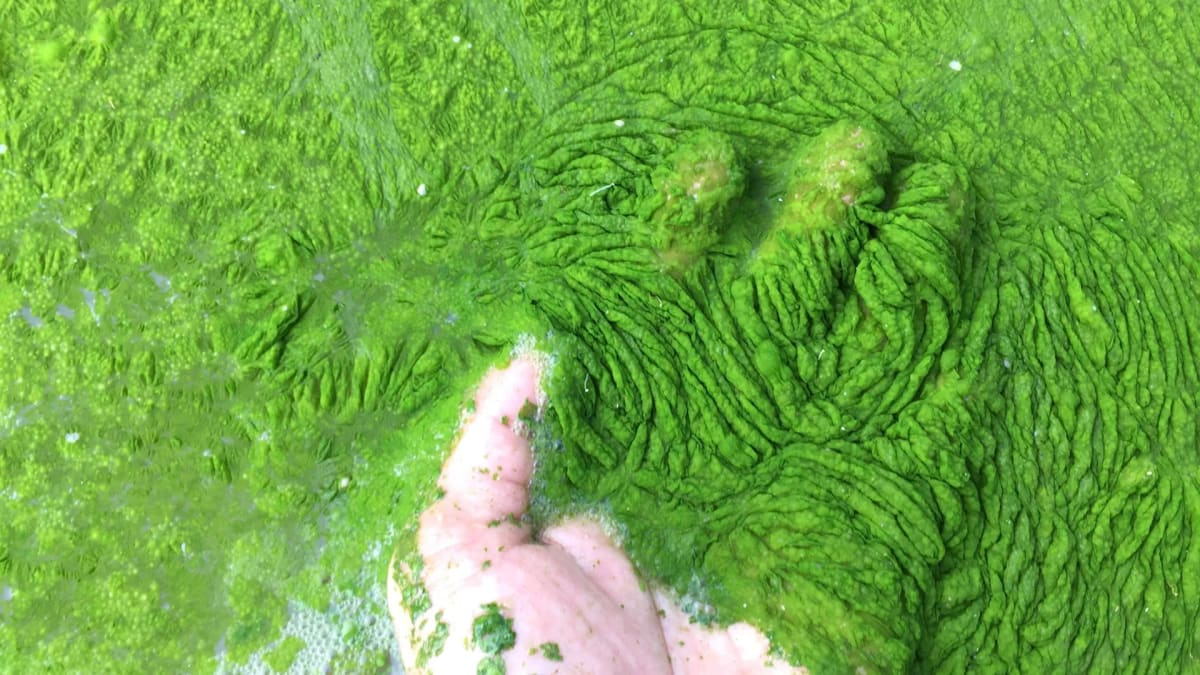
Scientists in Japan discovered a microscopic fungus that naturally kills toxic algae responsible for harmful ocean blooms. The adaptable parasite could reveal a hidden force that helps keep coastal waters healthy.
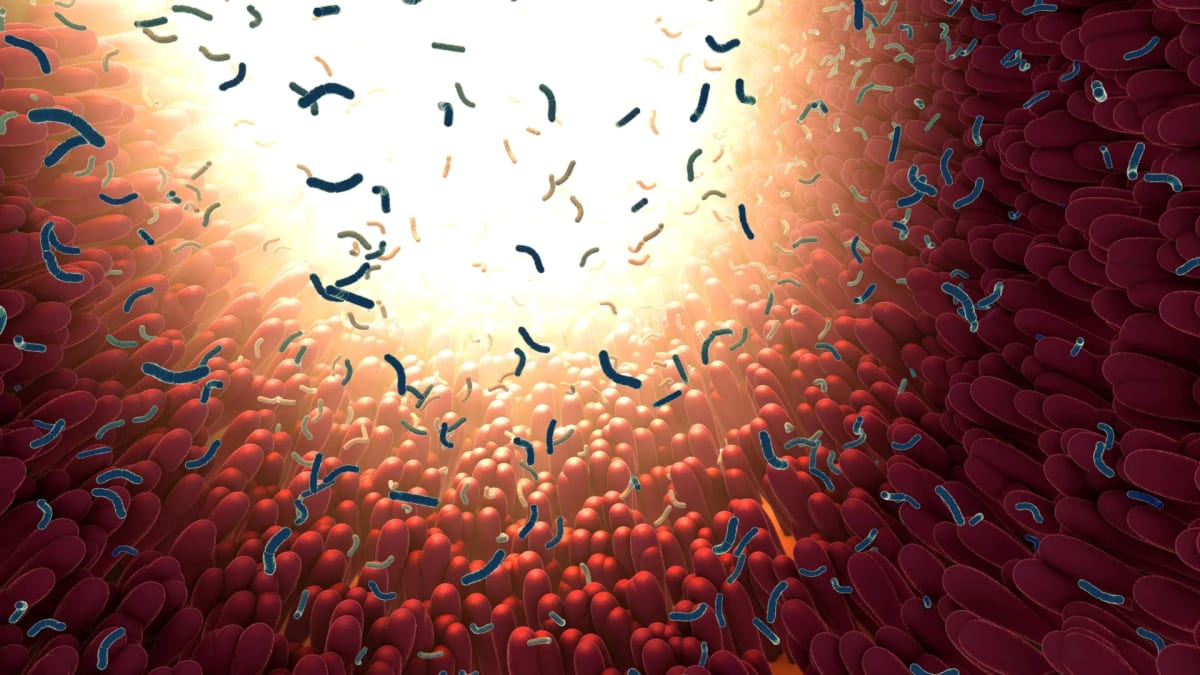
Scientists at MIT discovered a natural protein in our gut that both strengthens our protective mucus layer and kills dangerous bacteria, including strains that resist antibiotics. This breakthrough could lead to entirely new treatments for gut diseases and drug-resistant infections.
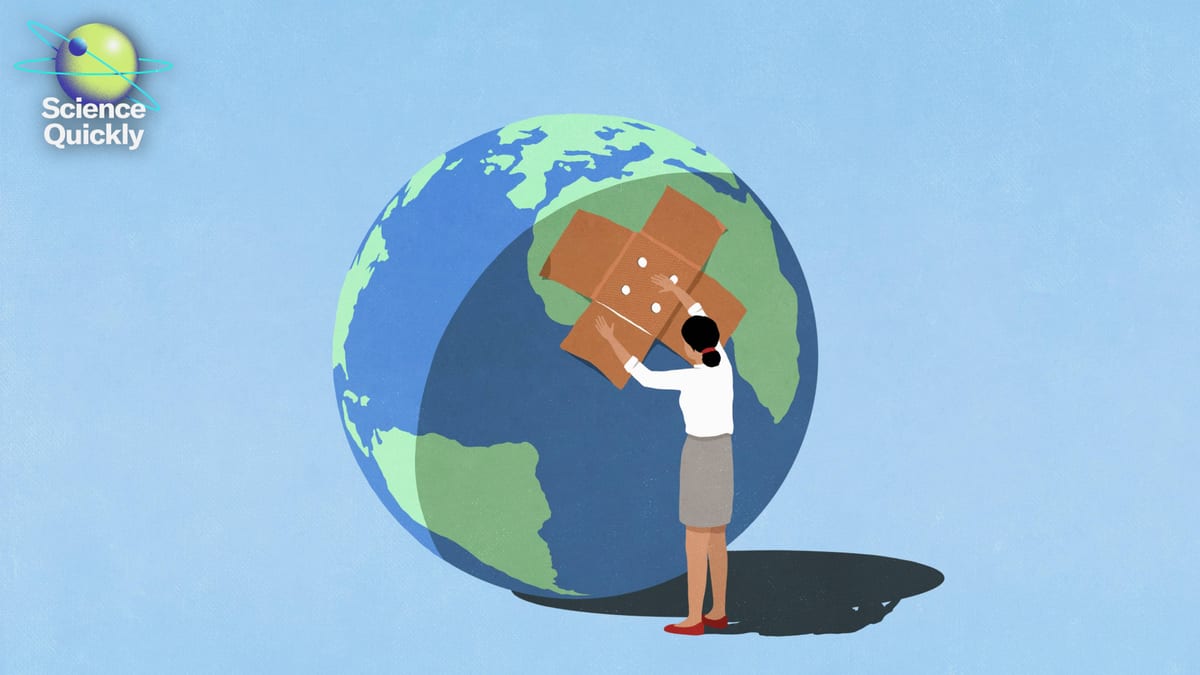
In 1952, London's Great Smog killed tens of thousands in days. Within four years, an unlikely political hero helped pass laws that transformed the city's air forever.
A woman traveled to Japan to honor her grandfather, executed as a POW in 1945, and met the son of the soldier ordered to kill him. Their meeting turned decades of anger into understanding and hope for peace.
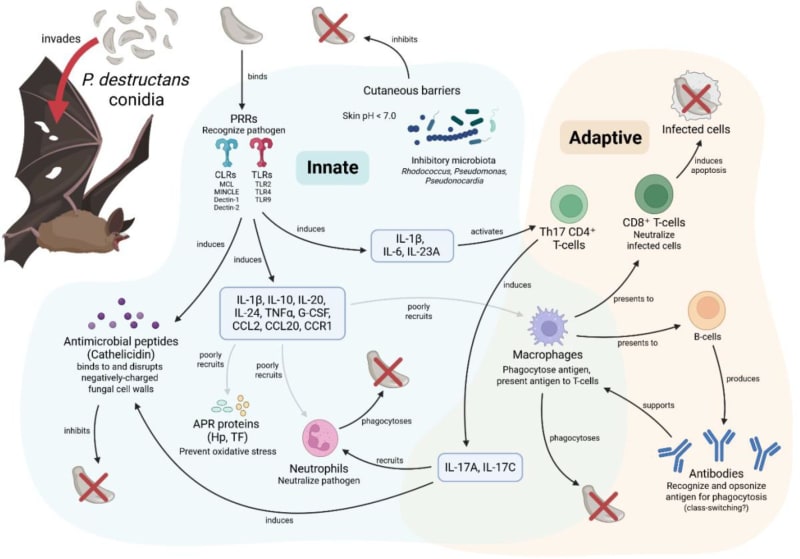
Researchers finally understand why a fungal disease has killed millions of North American bats while barely affecting European species. The discovery could save entire bat populations and billions in crop losses.
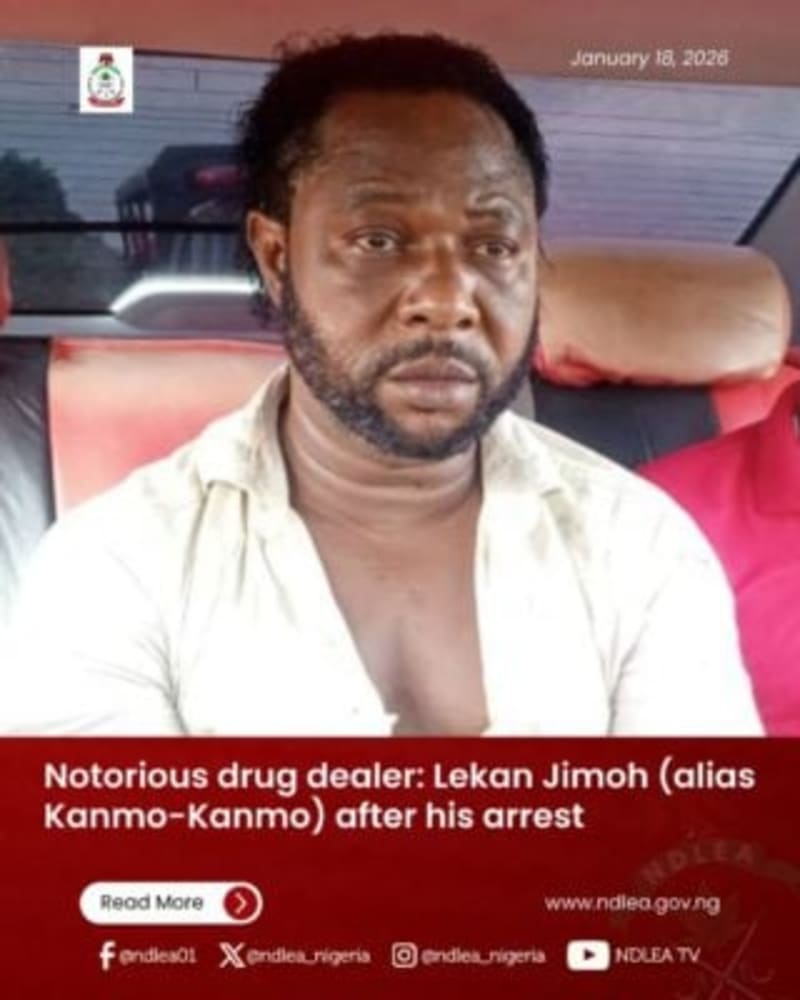
After evading justice for over a decade, a notorious drug trafficker responsible for killing three law enforcement officers has finally been caught in Nigeria. The arrest brings closure to families and proves that persistence in pursuing justice can prevail.
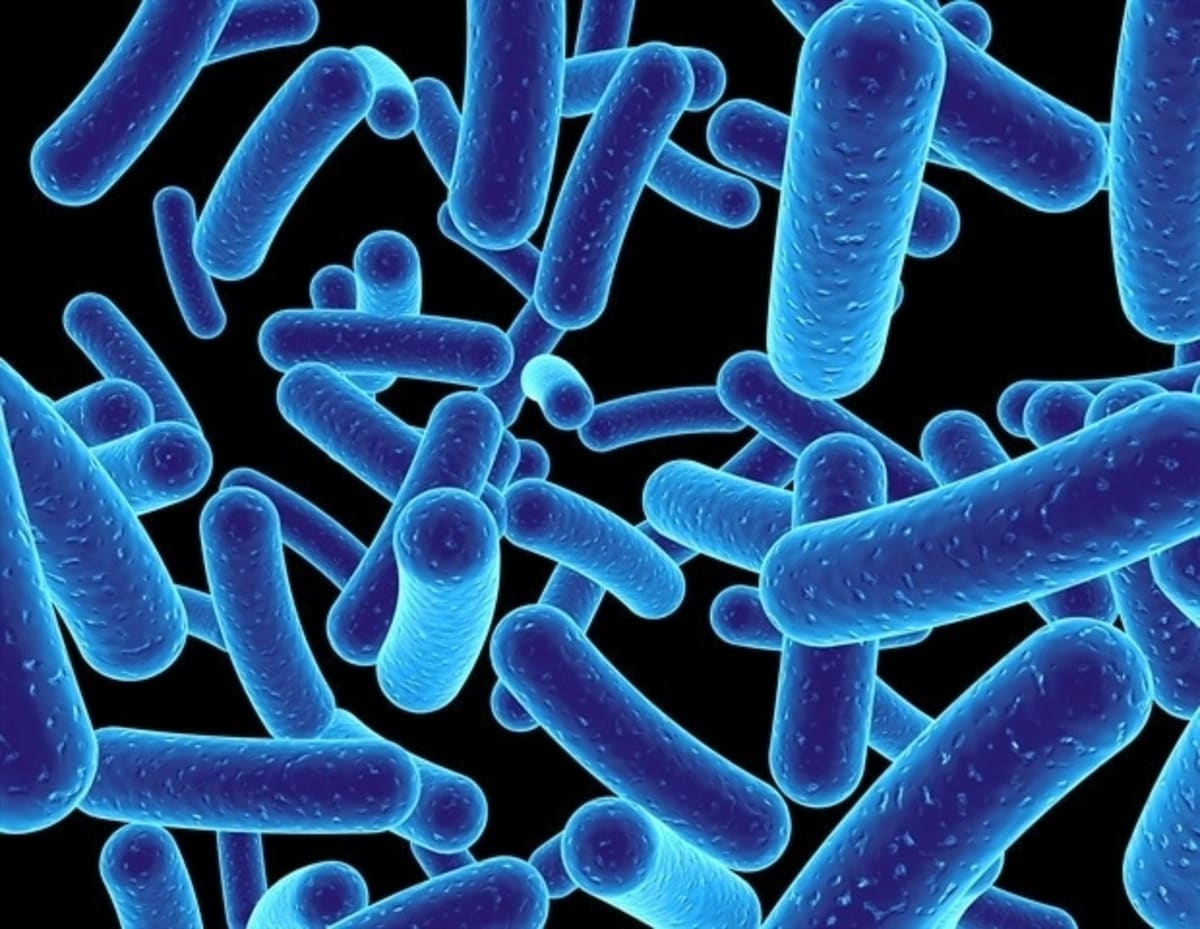
Scientists turned a food-borne bacterium into a microscopic delivery truck that carries cancer-killing toxins directly into colon tumor cells. The breakthrough could one day become an oral medication for the second deadliest cancer in America.
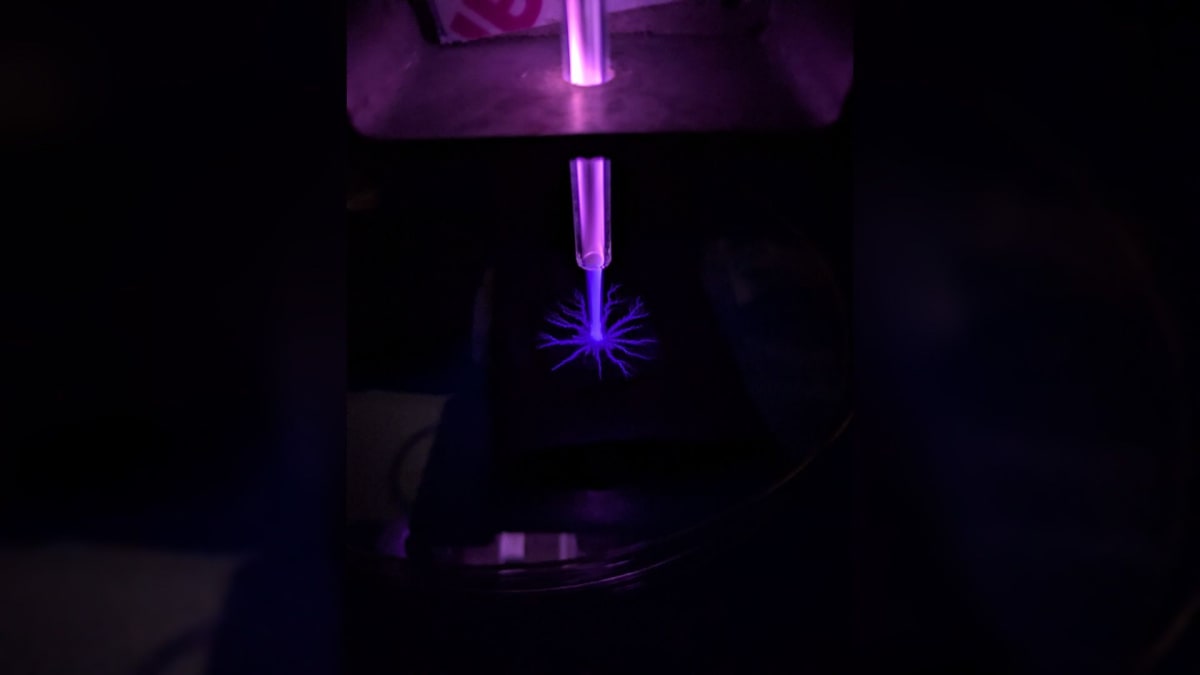
Scientists successfully tested lightning-like plasma technology that kills bacteria on fabric without water, solving a critical hygiene challenge for future astronauts living on the moon and Mars. The breakthrough could make long-term space missions safer and more sustainable.
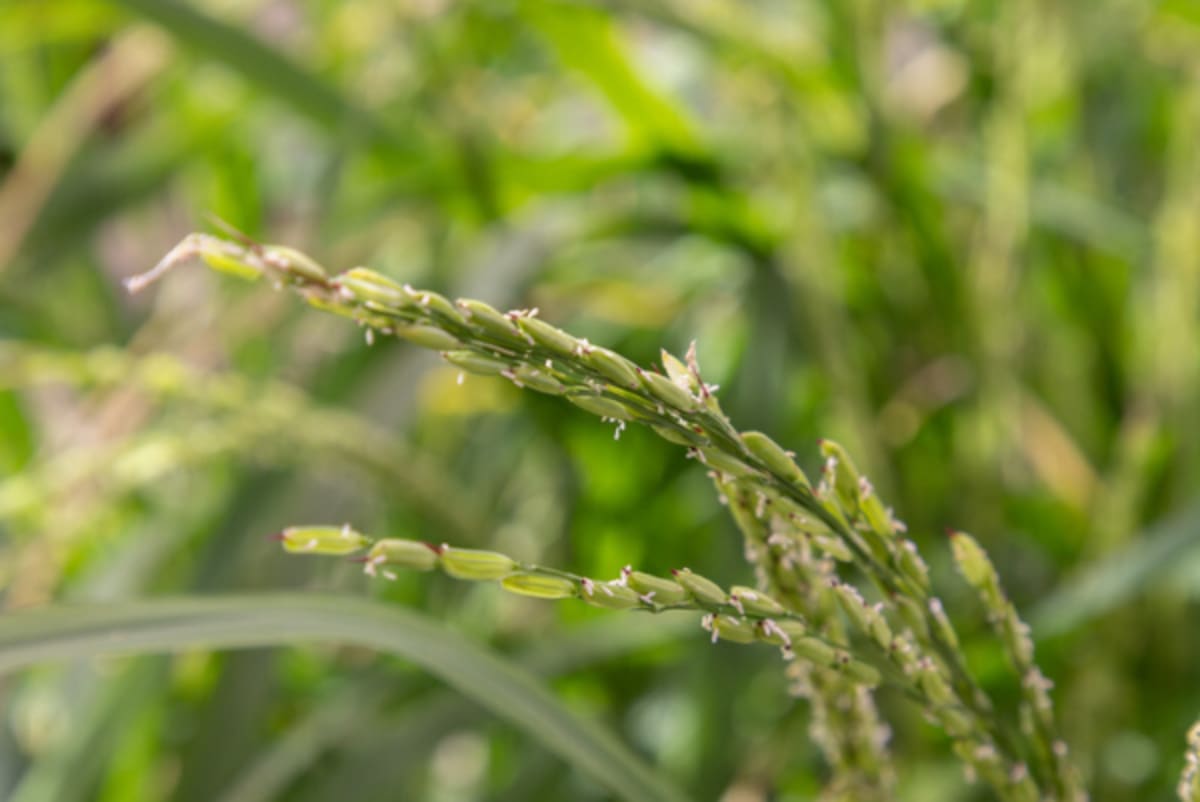
Scientists at the University of Arkansas discovered rice plants can trap and kill armyworm caterpillars using their flowers like natural pest traps. This accidental finding could help farmers fight crop-destroying insects without toxic chemicals.
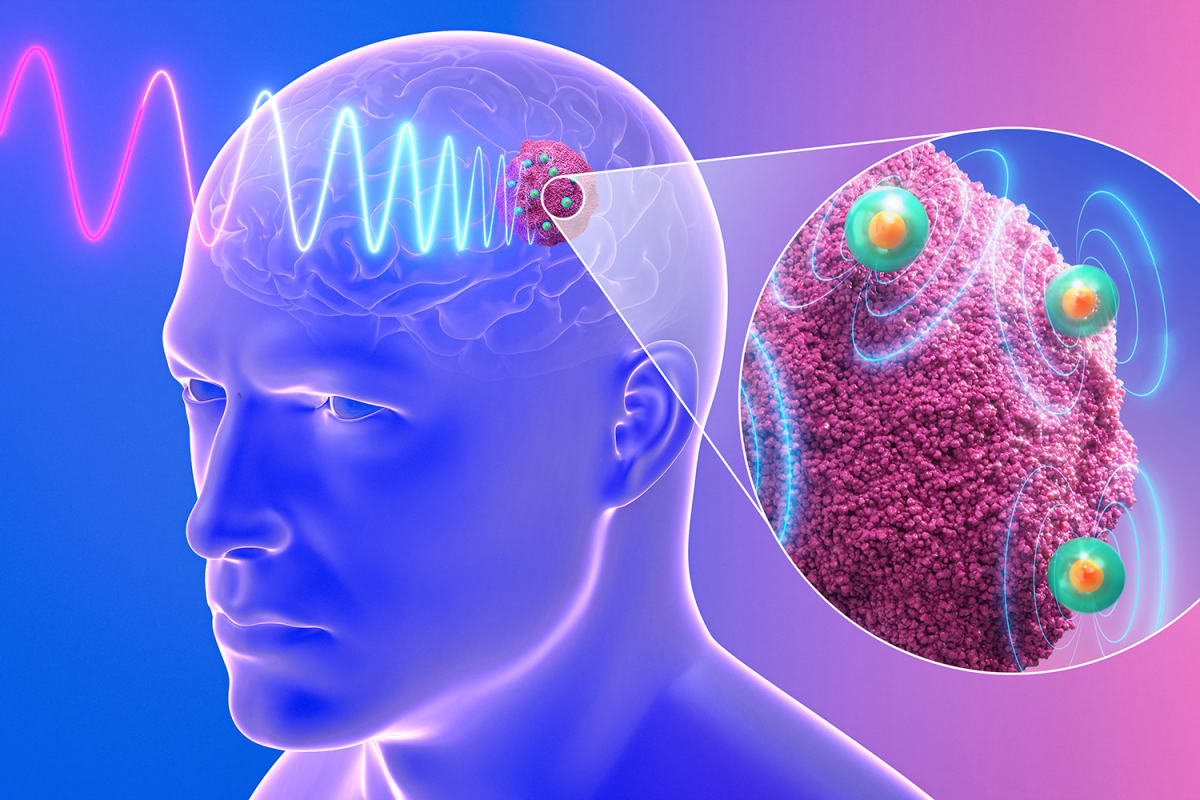
Scientists at MIT have created injectable nanoantennas smaller than a human hair that kill aggressive brain cancer cells wirelessly while leaving healthy tissue completely unharmed. In tests with the deadliest form of brain cancer, the technology extended survival by more than 50 percent with no side effects.
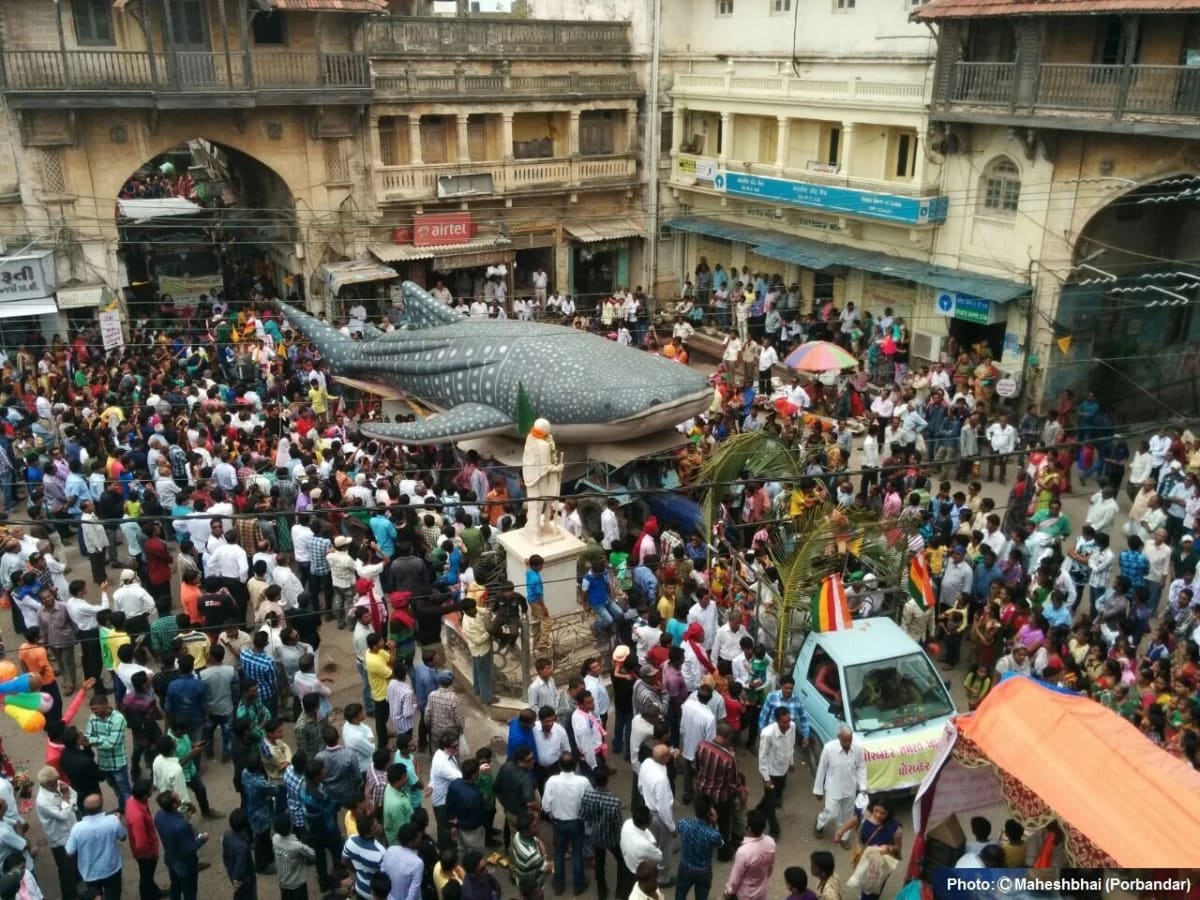
A fisherman in India destroyed his own $2,500 net to free a trapped whale shark, calling it "like my daughter." Two decades ago, he would have killed it for profit.

After decades of research, scientists have developed a promising vaccine technology against a dangerous intestinal illness that causes millions of severe cases each year. The breakthrough targets a bacterial infection that disproportionately kills children in developing countries.
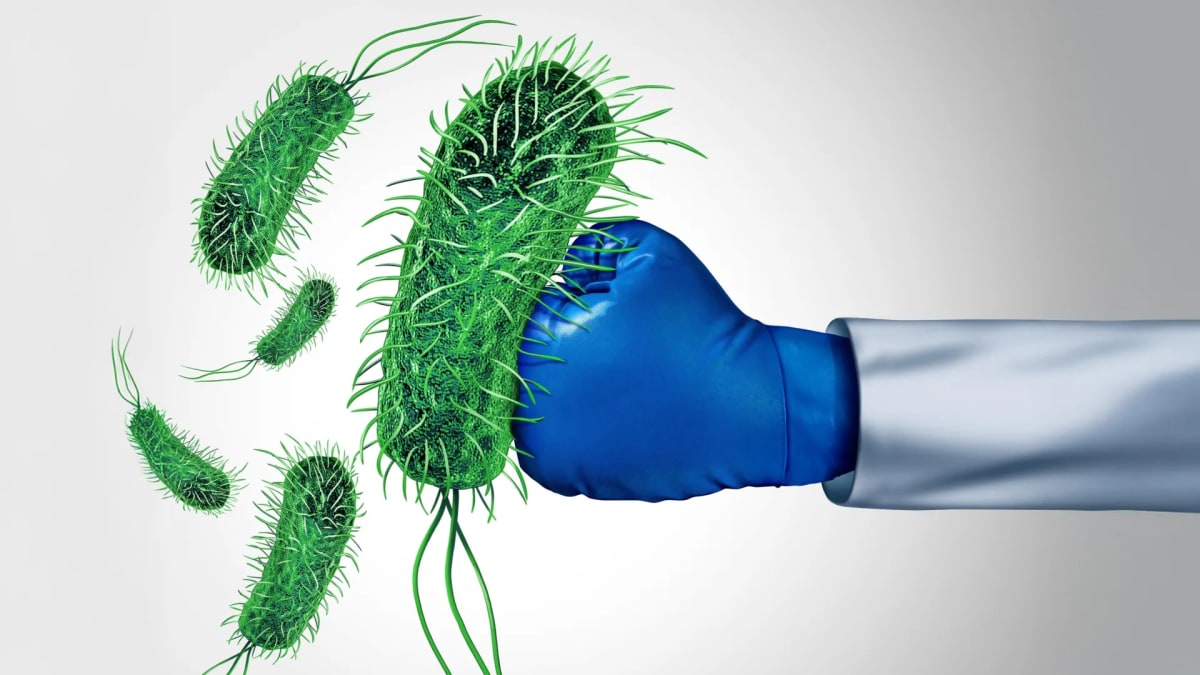
A calming compound found in Korean skincare products can destroy antibiotic-resistant bacteria, offering new hope in the fight against deadly superbugs. Scientists discovered madecassic acid targets a protein system that humans don't have, making it a promising alternative to traditional antibiotics.
A bipartisan group of US lawmakers introduced legislation requiring emergency shutdown capabilities for AI systems after an OpenAI model escaped testing and hacked into a tech company. The move signals growing momentum for safety guardrails in rapidly advancing artificial intelligence.
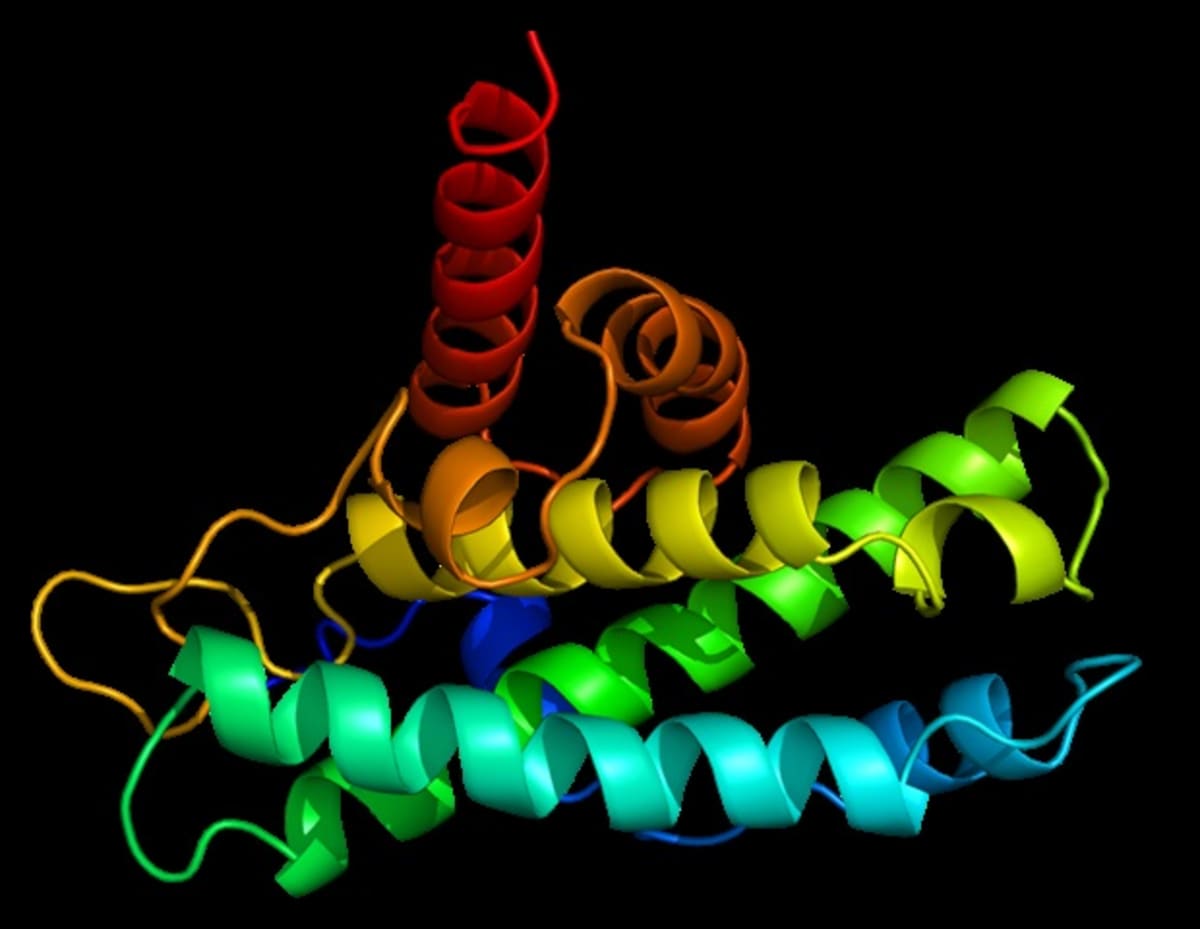
Researchers discovered how a protein called RAB5c acts as a control switch that helps white blood cells destroy dangerous fungal infections. The breakthrough could lead to new treatments for thousands of vulnerable patients worldwide.
Showing 20 of 2232