AI Could Help NASA Find Alien Life Scientists Missed
Scientists are building AI tools to catch signs of alien life that busy researchers might overlook on distant worlds. The breakthrough could transform how we search for life beyond Earth.
Find uplifting stories about heroes, innovations, and solutions
23 results for "alien life"

Scientists are building AI tools to catch signs of alien life that busy researchers might overlook on distant worlds. The breakthrough could transform how we search for life beyond Earth.

Researchers discovered that life creates a unique molecular pattern that can be detected without special instruments. The breakthrough could help NASA missions like Europa Clipper finally answer whether we're alone in the universe.

Researchers discovered that living things create unique molecular patterns invisible to traditional instruments. This breakthrough could help us find life on other planets using data we already have.

Researchers discovered that life leaves a unique statistical fingerprint in organic molecules, offering a new way to detect alien life without looking for specific compounds. The breakthrough could transform how we search for life on distant worlds.
Researchers discovered that life leaves a unique statistical fingerprint in organic molecules, offering a powerful new way to detect alien organisms on distant worlds. The method works by analyzing patterns in how molecules are organized, not just which molecules are present.

Researchers discovered that life creates hidden patterns in molecules that can be spotted using simple statistics. This breakthrough could help space missions identify biology without needing special equipment.

Astronomers have pinpointed the 45 most promising places to search for extraterrestrial life, combining cutting-edge telescope data with decades of research. The breakthrough could transform how we explore the cosmos for signs of intelligent civilizations.

Massive human-made structures like solar farms and irrigation systems might already be broadcasting our existence to intelligent life beyond Earth. Scientists say these megastructures could be visible signs of our civilization to alien observers scanning our planet.
Scientists just created a new team to help humanity prepare for one of the most transformative moments in history: discovering life beyond Earth. The Discovery and Futures Lab will explore how such a discovery would unfold and what it would mean for everyone on the planet.

Researchers are exploring extreme cave environments on Earth to help locate life on Mars, icy moons, and beyond. These underground worlds could be the key to discovering we're not alone in the universe.

Researchers have identified the 45 exoplanets with the best chance of hosting alien life, creating a roadmap for humanity's search beyond Earth. The study points astronomers toward smaller, cooler stars where rocky worlds in the habitable zone are easier to spot.

Astronomers have narrowed down 6,000 known planets to just 45 rocky worlds where alien life might exist. Some of the most promising candidates are only dozens of light-years away.

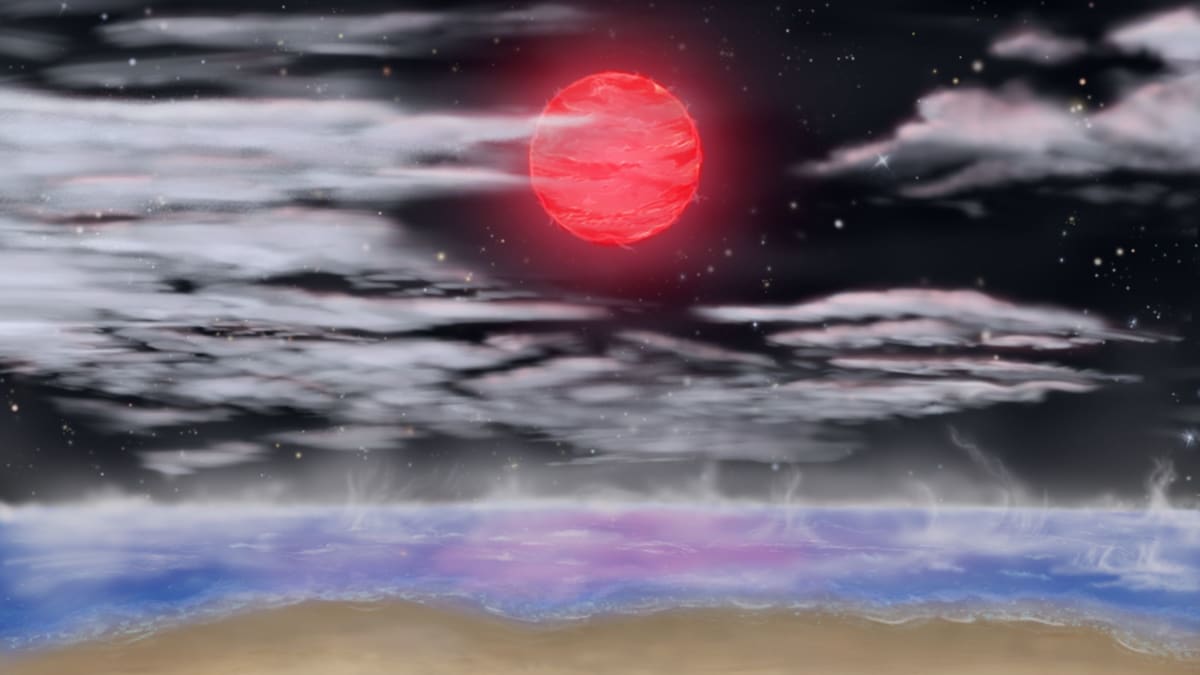
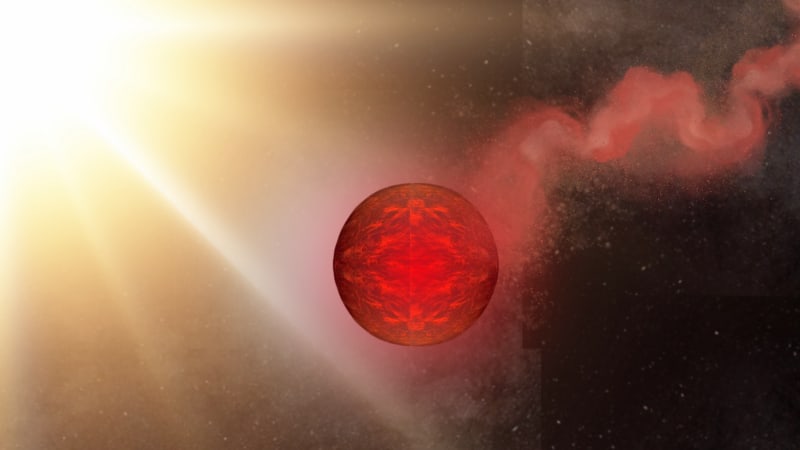
Scientists discovered that moons orbiting starless planets drifting through space could stay warm enough for life for billions of years. A thick hydrogen atmosphere might trap heat and support liquid water even in the darkest corners of our galaxy.

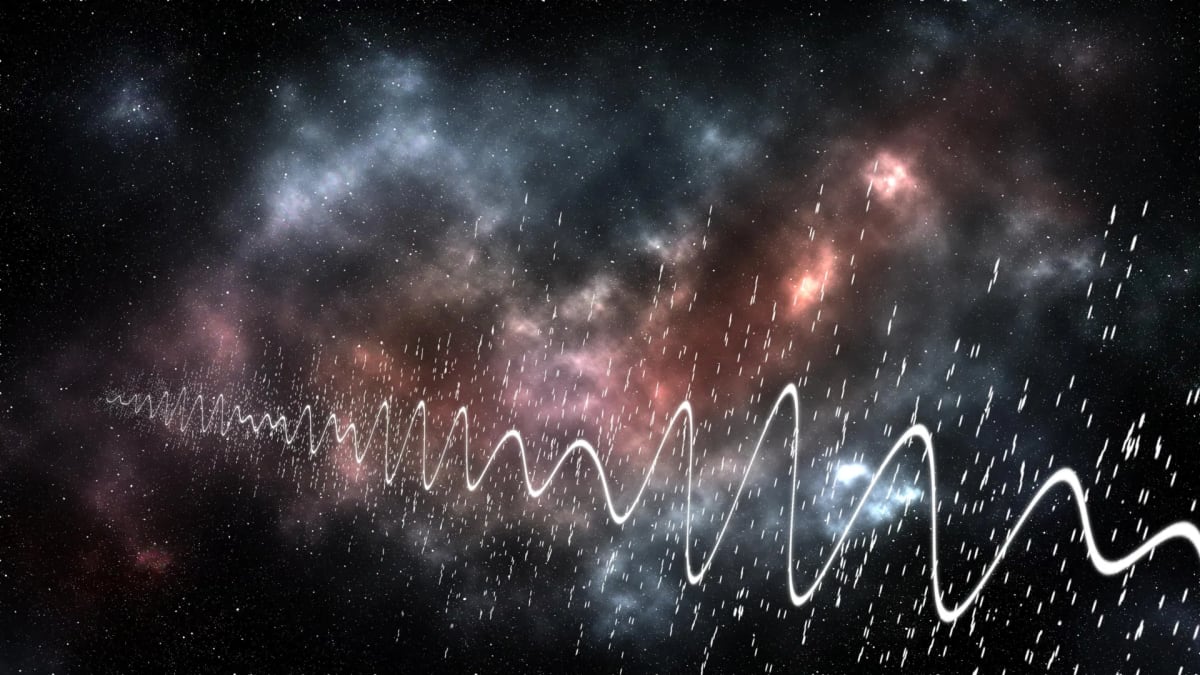
New research suggests space weather might be scrambling alien radio signals before they reach us, offering hope that extraterrestrial civilizations could be out there trying to communicate. Scientists at the SETI Institute discovered how stellar activity disrupts transmissions, and they're already working on ways to detect these hidden messages.

Scientists at the SETI Institute discovered that cosmic storms might be scrambling radio signals from extraterrestrial civilizations, making them impossible for us to detect. The finding offers a hopeful new explanation for why we haven't heard from alien life yet.

Scientists created a simple chemistry test that can identify alien life with 95% accuracy, even if it's unlike anything on Earth. The breakthrough could help future missions to Mars and Saturn's moons find extraterrestrial organisms.

Scientists discovered Earth formed under incredibly precise chemical conditions that allowed it to retain the exact elements needed for life. Most planets miss this narrow sweet spot, making our world a fortunate cosmic exception.

Scientists discovered Earth formed under incredibly precise chemical conditions that let it keep phosphorus and nitrogen, two elements essential for life. Most planets miss this narrow sweet spot, making our world a fortunate exception in the universe.

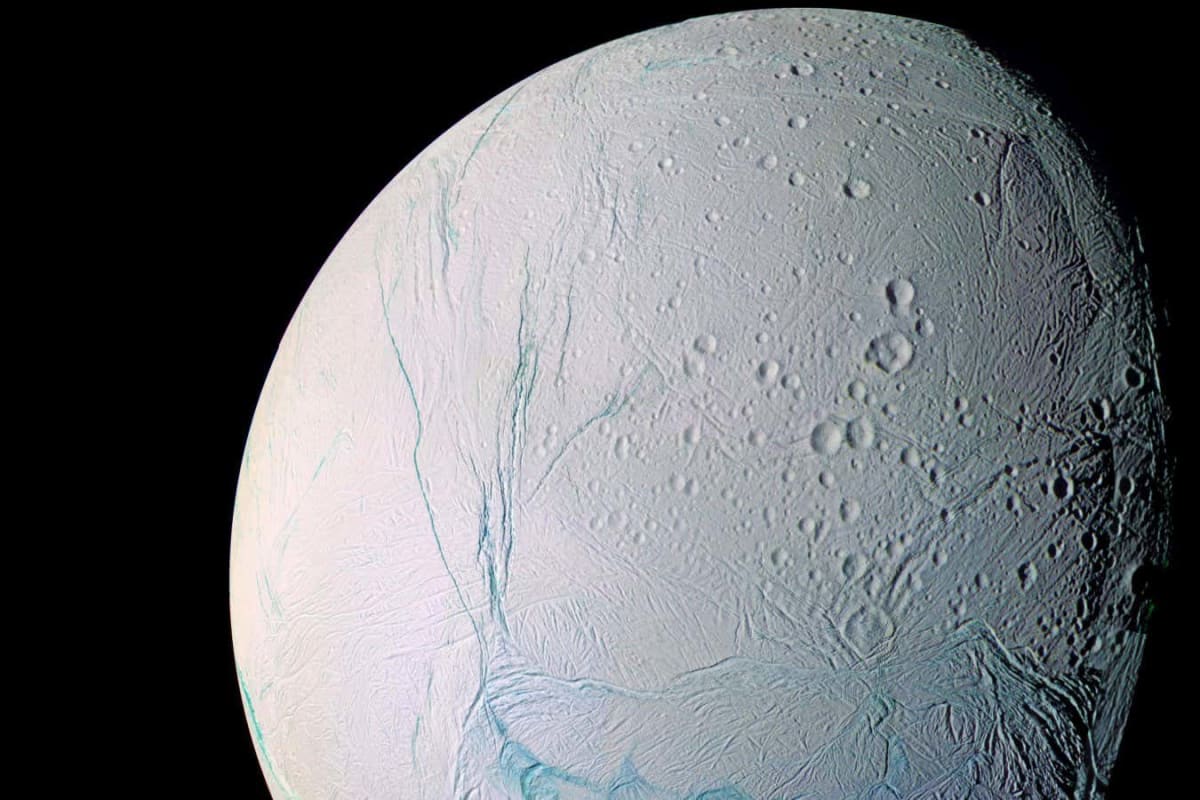
Scientists discovered ammonia compounds on Jupiter's moon Europa by reanalyzing 1997 spacecraft data, suggesting the icy moon's hidden ocean could support life. The compounds appeared near surface cracks where ocean water likely pushed through from below.

Scientists discovered a partially frozen ocean beneath the ice of Saturn's largest moon, creating conditions that could support life. The slushy mix of ice and liquid water makes this distant world one of the most promising places to search for alien life.
Showing 20 of 23