Ancient DNA Reveals Neanderthal-Human Mating Patterns
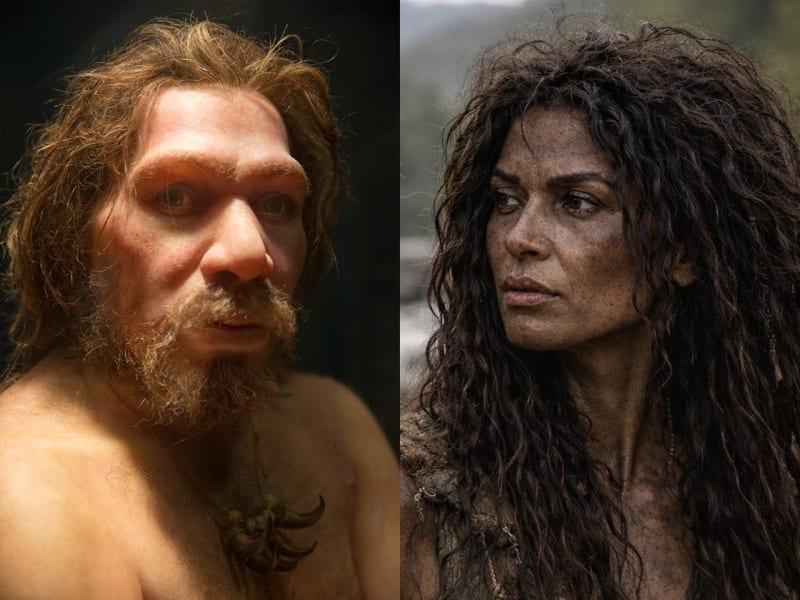
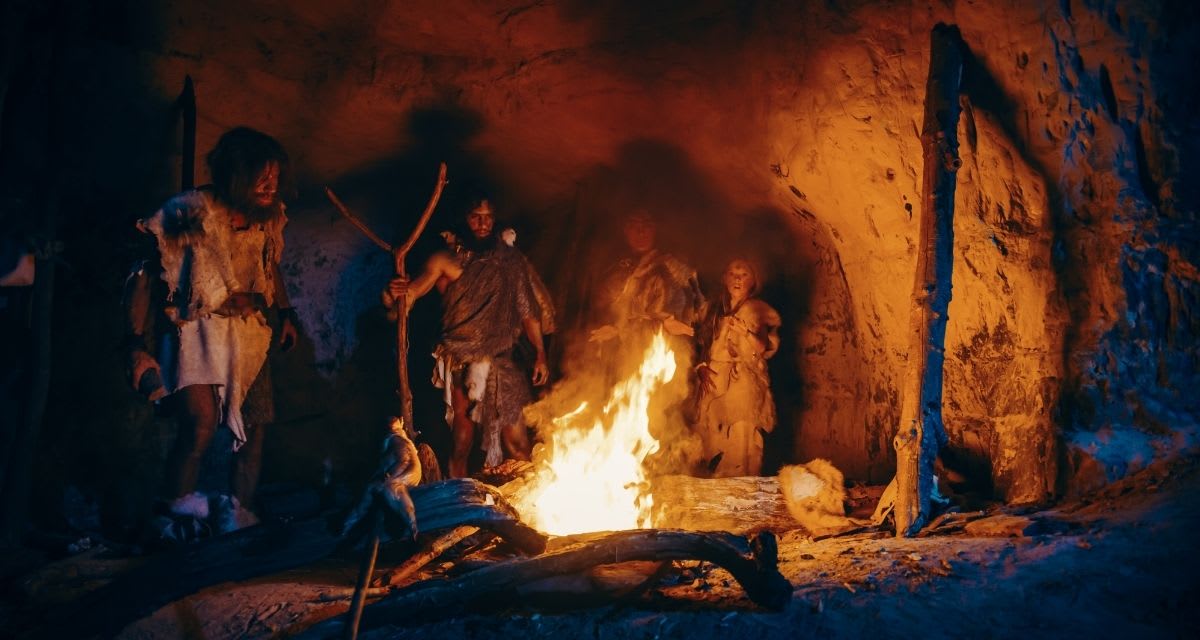
Scientists discovered that male Neanderthals and female humans formed most ancient relationships, solving a 20-year genetic mystery. The finding reveals how social choices shaped human evolution.
Find uplifting stories about heroes, innovations, and solutions
12713 results for "ancient humans"

Scientists discovered that male Neanderthals and female humans formed most ancient relationships, solving a 20-year genetic mystery. The finding reveals how social choices shaped human evolution.

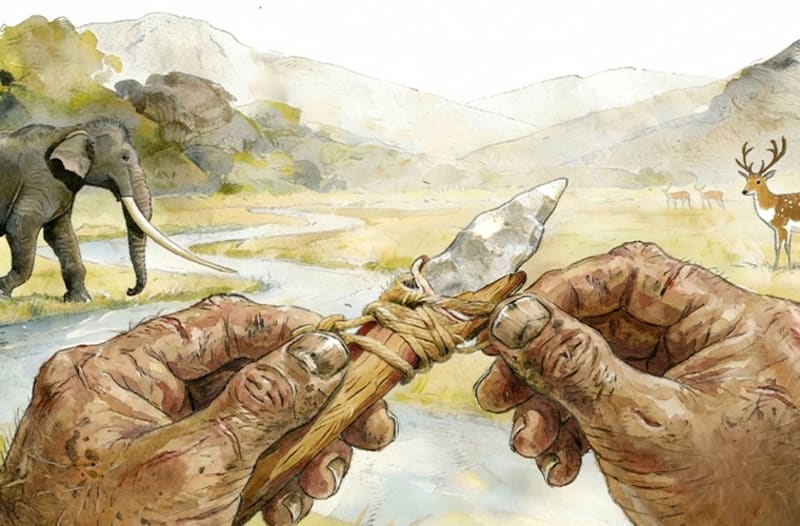
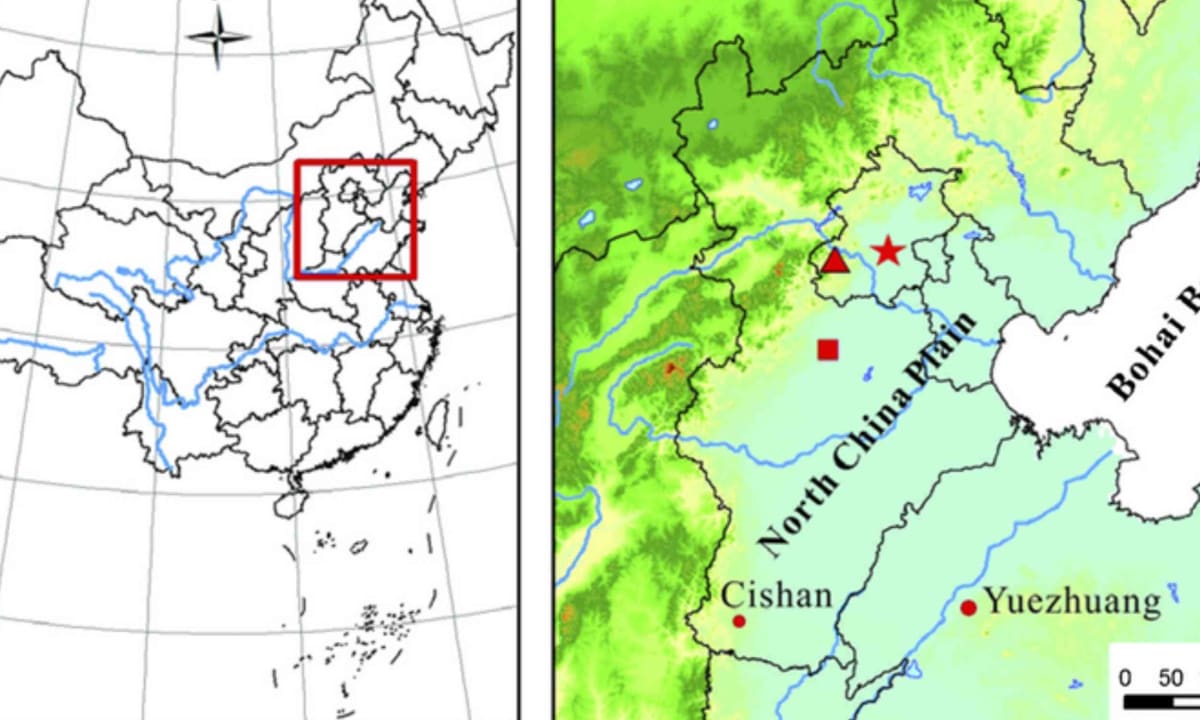
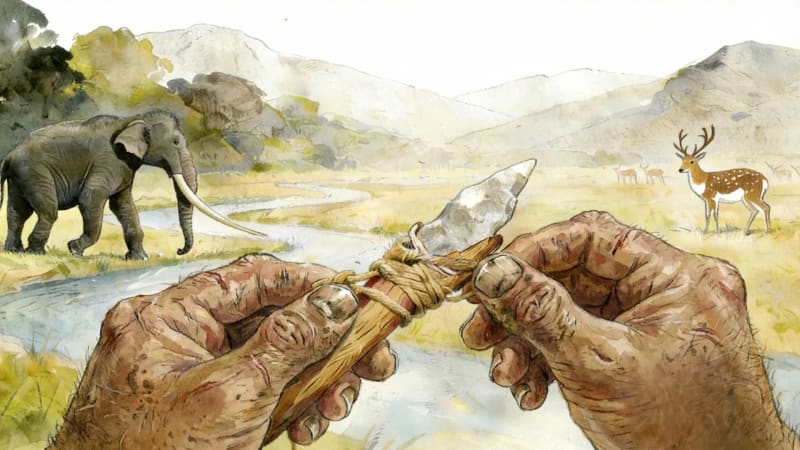
Archaeologists in central China discovered sophisticated stone tools dating back 160,000 years, proving early humans in East Asia were just as technologically advanced as their African and European counterparts. The find challenges decades of assumptions about ancient human ingenuity.

Scientists uncovered DNA from a previously unknown human branch that lived through the end of the last ice age in northern East Asia, rewriting what we know about ancient survival. The discovery shows human diversity persisted far longer than expected, even as cultures transformed.

Scientists discovered tiny genetic "switches" that shaped human language ability before we split from Neanderthals. These ancient regulators still influence how we learn and use language today.

A 2.6-million-year-old jawbone discovered in Ethiopia proves that our ancient cousin Paranthropus spread far wider across Africa than scientists thought possible. The find rewrites what we know about how early humans competed and survived.

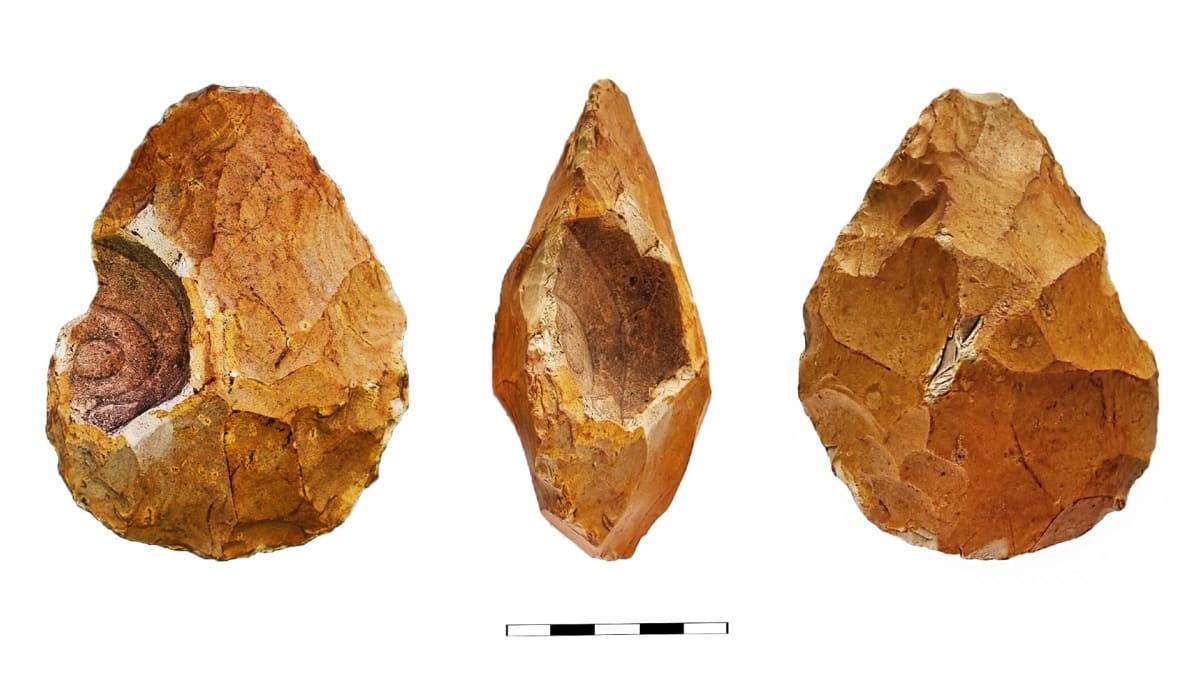
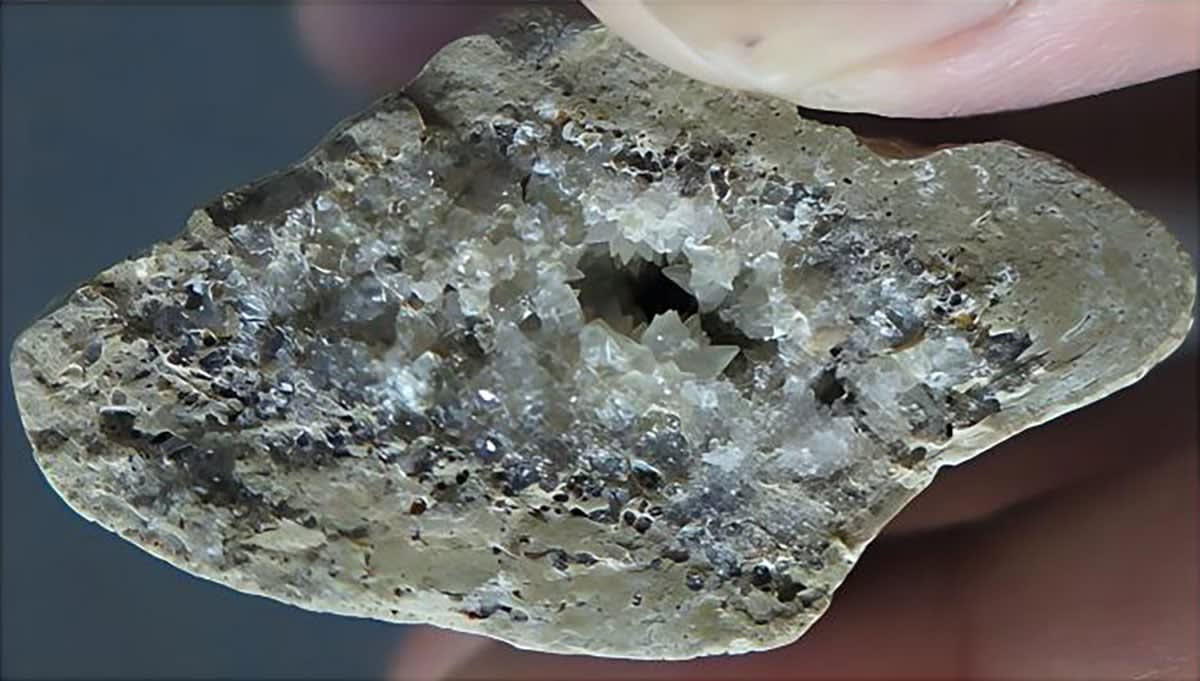
Archaeologists in Israel discovered 10 rare stone hand axes deliberately crafted around fossils and geodes by Homo erectus up to 500,000 years ago. The find suggests our ancient ancestors saw cosmic meaning in these geological wonders, challenging what we thought we knew about early human spirituality.

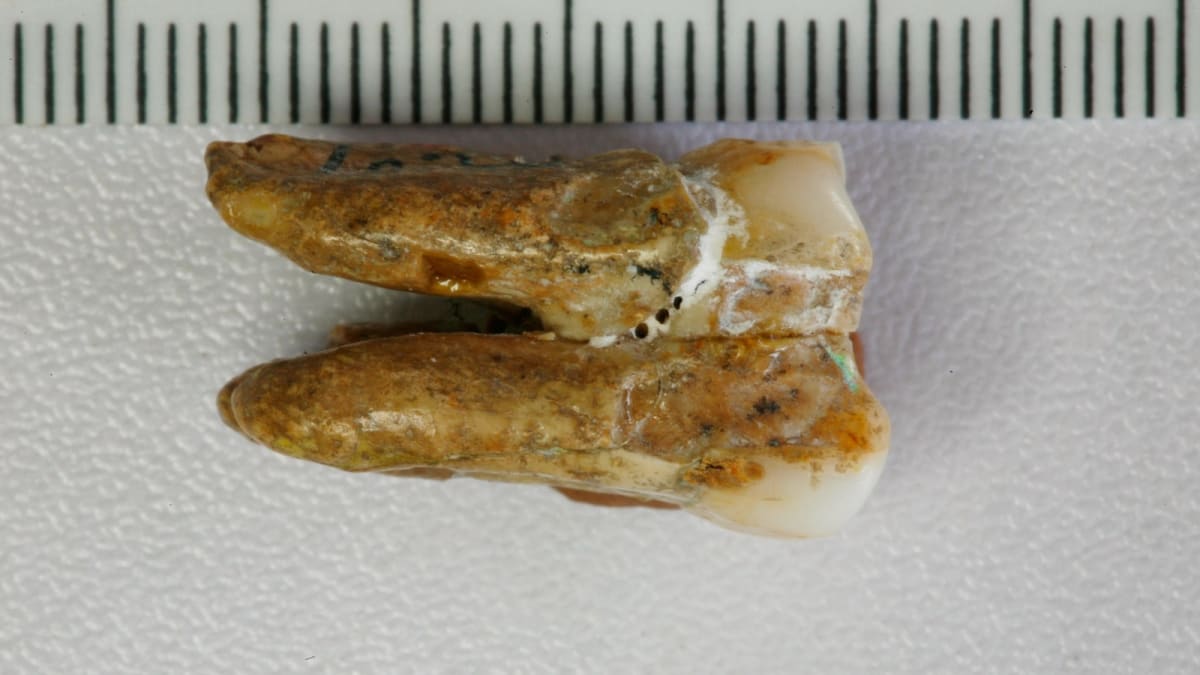
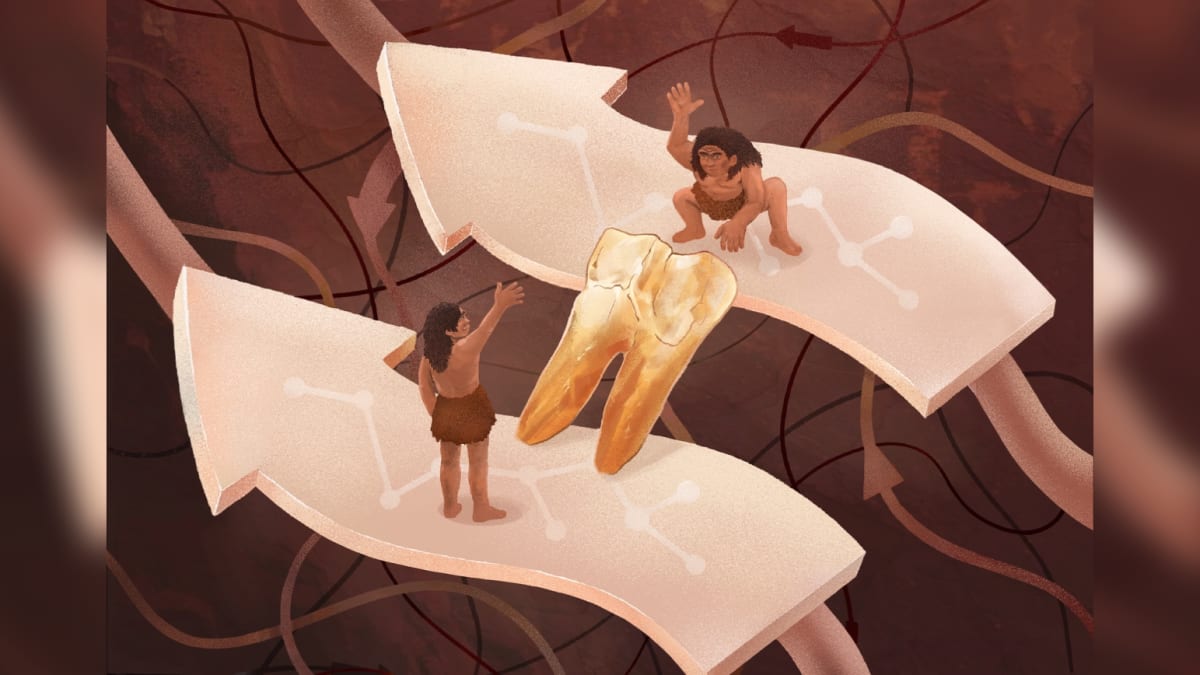
Scientists extracted proteins from 400,000-year-old teeth and discovered evidence that our ancient ancestor Homo erectus may have interbred with other human relatives, passing genes that still exist in some people today. This breakthrough shows how modern humans carry traces of ancestors who walked the Earth hundreds of thousands of years ago.

Ancient humans in China crafted sophisticated stone tools during a brutal ice age, proving creativity thrives under pressure. The discovery rewrites what we thought we knew about early human innovation.

Scientists discovered that Homo erectus, once thought extinct without descendants, passed genes to people living today. Ancient tooth proteins reveal a 400,000-year-old genetic thread connecting our most distant ancestors to modern Southeast Asians.

Scientists just proved that Homo erectus, our ancient ancestor from nearly 2 million years ago, isn't an evolutionary dead end after all. Proteins from 400,000-year-old teeth reveal genetic traces that survive in millions of people living today across Asia and the Pacific.

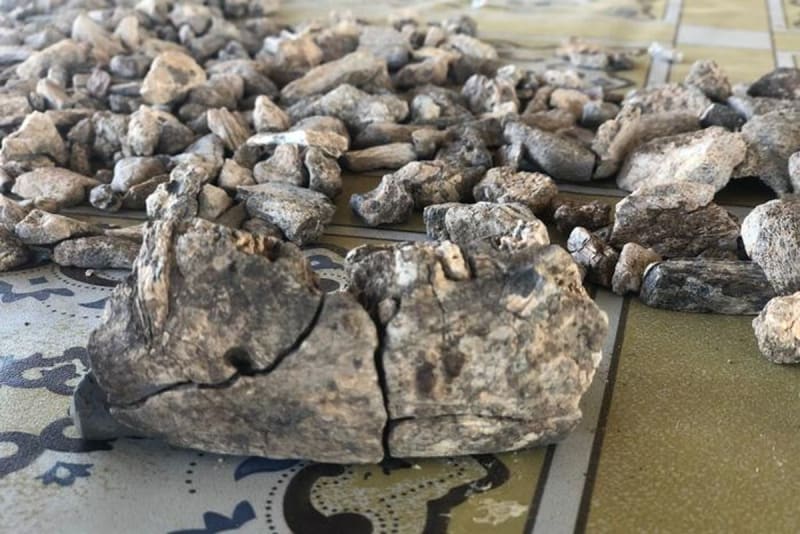
Scientists analyzing fossilized teeth from Ethiopia are revealing how our early ancestors adapted and thrived through dramatic environmental changes. These tiny time capsules are rewriting our understanding of human resilience and flexibility.

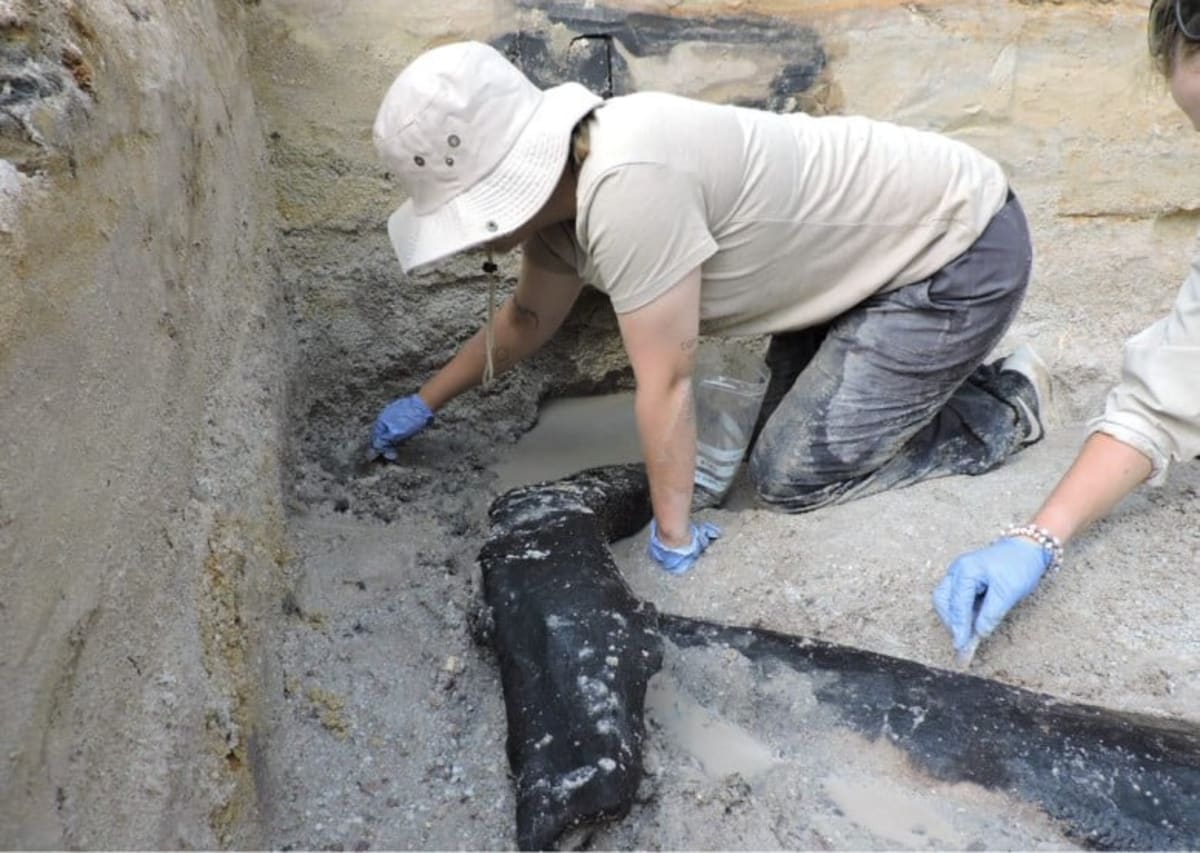
Scientists in Tanzania just discovered the oldest evidence of humans eating elephants, pushing back our timeline by 300,000 years. The find reveals our ancestors were more socially advanced than we thought.

New fossil evidence from Kenya reveals our earliest ancestors were surprisingly adaptable hunters and scavengers, mixing strategies to survive. Their flexibility might explain how humans became the most adaptable species on Earth.

Before jobs existed, our ancestors spent only 15 to 20 hours weekly on survival tasks, leaving plenty of time for art, music, and socializing. New research reveals how prehistoric humans lived surprisingly balanced lives.

For the first time ever, researchers have sequenced genetic material from Homo erectus fossils, revealing surprising connections between our ancient ancestors and modern humans. The breakthrough opens a new window into human evolution using proteins that survive far longer than DNA.

The largest study of ancient human DNA reveals that human evolution has dramatically accelerated since farming began, reshaping everything from disease resistance to physical appearance. Scientists found nearly 500 gene variants that changed through natural selection as our ancestors adapted to revolutionary lifestyle changes.

Scientists have confirmed that 8% of human DNA comes from ancient viruses that infected our ancestors millions of years ago. Some of those viral leftovers now perform a crucial job: helping build the placenta that makes pregnancy work.

Archaeologists in central China discovered sophisticated stone tools with handles dating back 160,000 years, proving ancient humans in East Asia were just as inventive as their African and European counterparts. The find shatters decades of assumptions about early human innovation.
New genetic research reveals that thousands of years ago, modern humans and Neanderthals didn't just share the Earth. They built families together, and those connections still shape who we are today.

Machine learning systems are unlocking 2,000-year-old texts from Herculaneum's carbonized scrolls that would crumble if unrolled. The same technology helping decode ancient libraries is also discovering new galaxies and predicting protein shapes faster than traditional lab work.
Showing 20 of 12713