Search

Find uplifting stories about heroes, innovations, and solutions

33 results for "big bang"

Scientists Edge Closer to First Primordial Black Hole Find
Innovation•4h ago

Scientists Edge Closer to First Primordial Black Hole Find

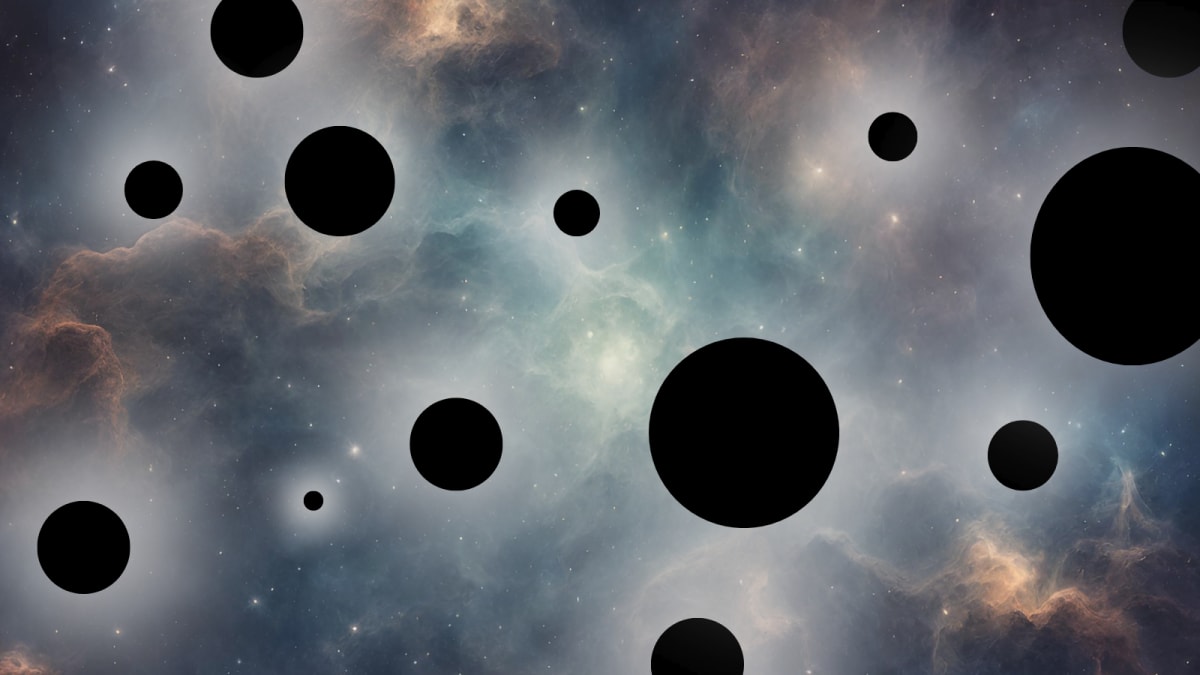
Researchers may have detected the first primordial black hole, mysterious objects formed in the first second after the Big Bang. The discovery could solve one of the universe's oldest mysteries.

Google News - Breakthrough Discovery•2 min read
Scientists May Soon Peek Inside Neutron Stars' Cores
Planet Wins•Mar 15

Scientists May Soon Peek Inside Neutron Stars' Cores

Researchers discovered how to decode gravitational waves from colliding neutron stars, potentially revealing exotic matter that hasn't existed since moments after the Big Bang. The breakthrough could unlock secrets about the universe's earliest moments. ---

Space.com•2 min read
James Webb Finds Ancient Spiral Galaxy 11.5 Billion Years Old
Innovation•Feb 27

James Webb Finds Ancient Spiral Galaxy 11.5 Billion Years Old

The James Webb Space Telescope has spotted a surprisingly mature spiral galaxy with a bright stellar bar at its center, formed just 2 billion years after the Big Bang. The discovery pushes back our understanding of how quickly complex galaxies could take shape in the early universe.

Google: James Webb telescope•3 min read
Ancient Black Hole Breaks Cosmic Speed Limit by 13x
Innovation•Feb 23

Ancient Black Hole Breaks Cosmic Speed Limit by 13x

Scientists discovered a supermassive black hole from the early universe growing 13 times faster than physics should allow, challenging our understanding of how these cosmic giants form. The breakthrough could solve a major mystery about how black holes grew so massive so quickly after the Big Bang. ##

Google News - Science•3 min read
Big Bang Theory Star Secretly Pays Strangers' Medical Bills
Acts of Kindness•Feb 18

Big Bang Theory Star Secretly Pays Strangers' Medical Bills

Kunal Nayyar logs onto GoFundMe at night to anonymously pay medical bills for families he's never met. The actor, worth $45 million, calls it his "masked vigilante thing."

Stuff NZ•3 min read
Antarctica's Ghost Particle Detector Gets Major Upgrade
Innovation•Feb 13

Antarctica's Ghost Particle Detector Gets Major Upgrade

Scientists just expanded a massive ice-bound observatory at the South Pole that hunts for mysterious particles from the edge of the universe. The upgrade could unlock secrets about the Big Bang, exploding stars, and the very fabric of space. #

Live Science•2 min read
Webb Telescope Spots Galaxy From 300M Years After Big Bang
Innovation•Feb 8

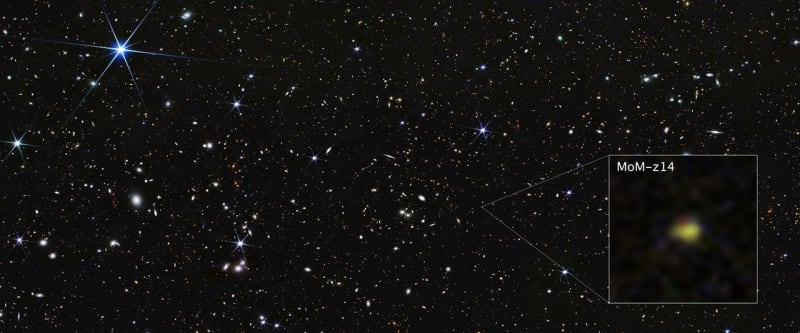
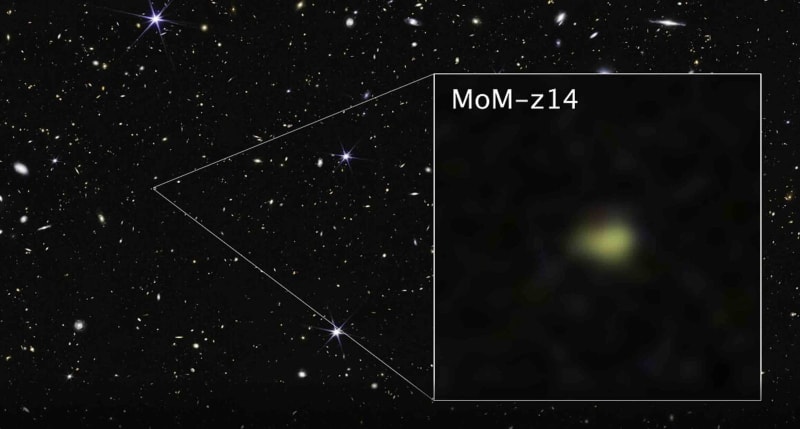
Webb Telescope Spots Galaxy From 300M Years After Big Bang

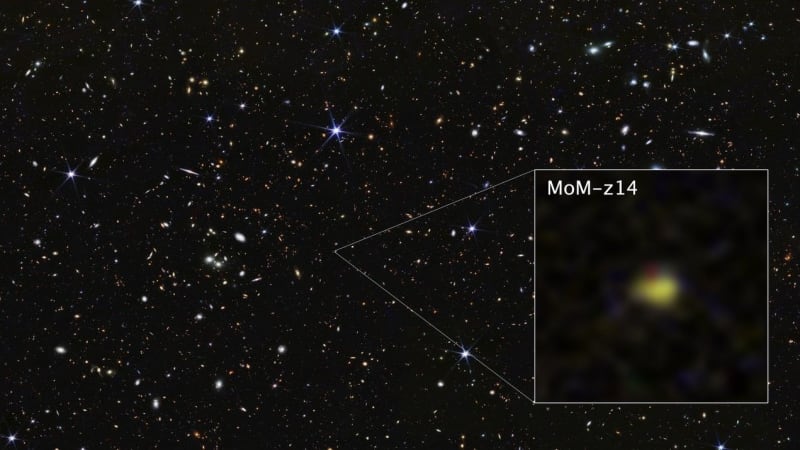
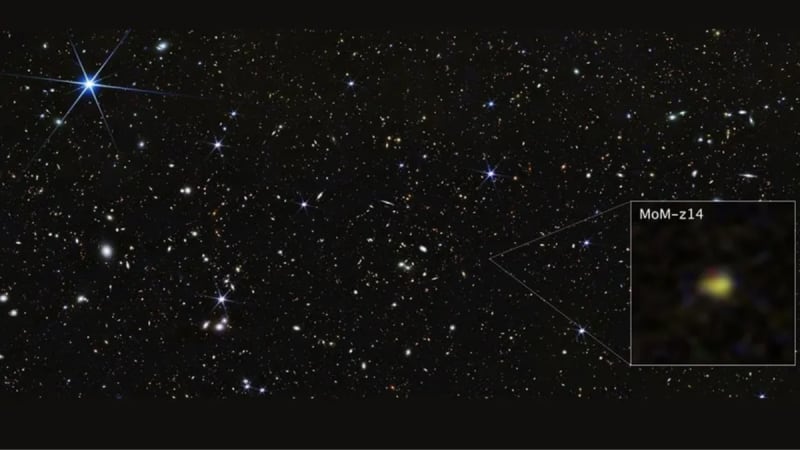
The James Webb Space Telescope just found the most distant galaxy ever detected, shining from just 300 million years after the universe began. Scientists are also uncovering secrets about the first black holes and mapping dark matter we've never seen before.

Google: James Webb telescope•2 min read
US Particle Collider Closes After 25 Years of Discoveries
Innovation•Feb 7

US Particle Collider Closes After 25 Years of Discoveries

America's largest particle collider ended its groundbreaking 25-year run, but scientists are already building something even better in its place. The machine recreated conditions from microseconds after the Big Bang and solved mysteries about the building blocks of matter.

Scientific American•2 min read
James Webb Spots Galaxy From 300M Years After Big Bang
Innovation•Feb 5

James Webb Spots Galaxy From 300M Years After Big Bang

NASA's James Webb Space Telescope just discovered the most distant galaxy ever observed, formed only 300 million years after the universe began. The breakthrough gives scientists an unprecedented window into how the first galaxies took shape in the cosmic dawn.

Google: James Webb telescope•2 min read
James Webb Finds Galaxy from 280M Years After Big Bang
Innovation•Feb 5

James Webb Finds Galaxy from 280M Years After Big Bang

NASA's James Webb Space Telescope spotted the most distant galaxy ever detected, shining bright just 280 million years after the universe began. The discovery is rewriting what scientists thought possible about early galaxy formation.

Google: James Webb telescope•3 min read
Webb Telescope Sees Galaxy 280 Million Years After Big Bang
Innovation•Feb 5

Webb Telescope Sees Galaxy 280 Million Years After Big Bang

NASA's James Webb Space Telescope just confirmed the existence of a brilliant galaxy that formed only 280 million years after the Big Bang, pushing our view closer to the universe's beginning than ever before. The discovery is rewriting what scientists thought they knew about the early cosmos.

Good News Network•3 min read
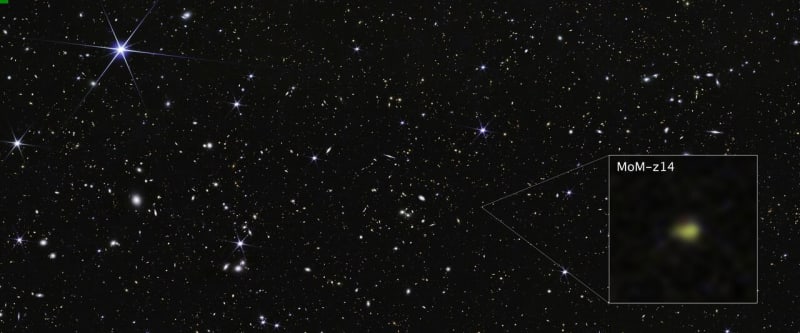
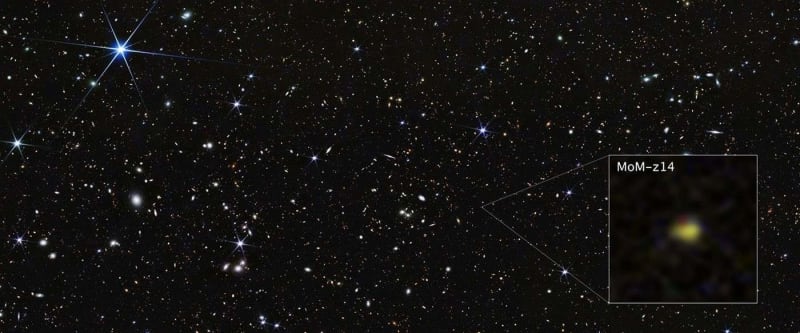
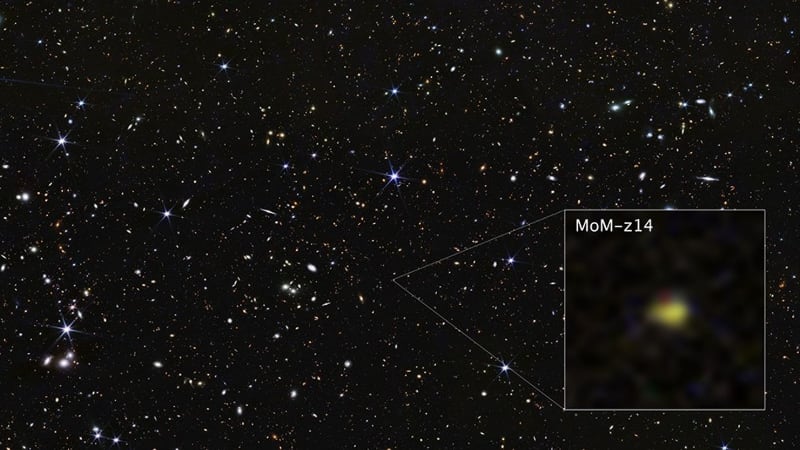
Webb Telescope Spots Farthest Galaxy Ever, 280M Years Old
Innovation•Feb 4

Webb Telescope Spots Farthest Galaxy Ever, 280M Years Old

The James Webb Space Telescope has discovered the most distant galaxy ever detected, offering a stunning glimpse into the universe just 280 million years after the Big Bang. The find is rewriting what scientists thought they knew about how quickly stars and galaxies formed in the early universe.

Google News - Science•2 min read
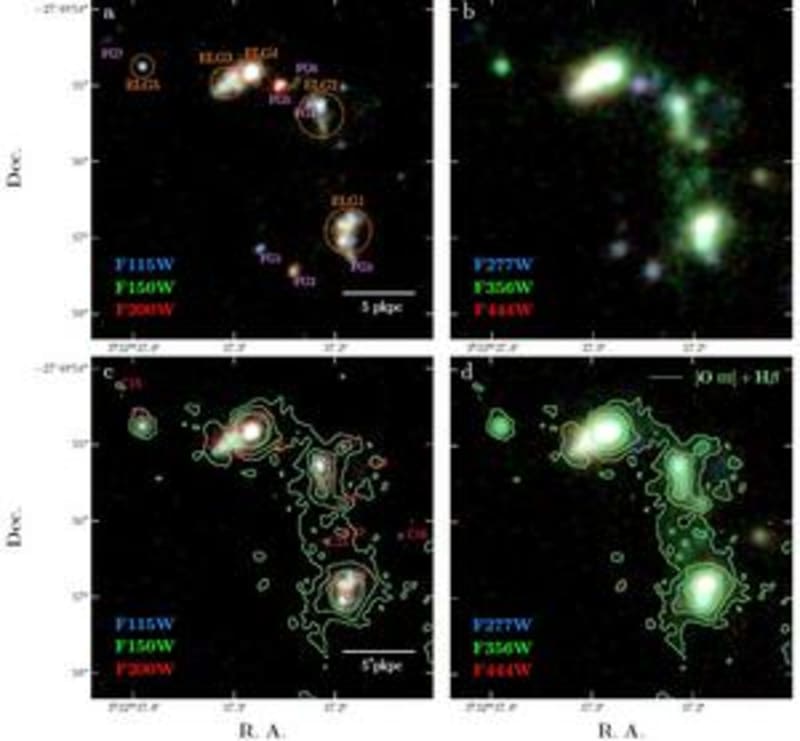
Webb Telescope Finds 5 Galaxies Colliding 800M Years Post-Big Bang
Innovation•Feb 3

Webb Telescope Finds 5 Galaxies Colliding 800M Years Post-Big Bang

The James Webb Space Telescope discovered five galaxies merging just 800 million years after the Big Bang, billions of years earlier than scientists thought possible. The finding rewrites our understanding of how quickly the early universe came together.

Google: James Webb telescope•2 min read
Webb Telescope Finds Galaxy Cluster That Shouldn't Exist
Videos•Feb 3

Webb Telescope Finds Galaxy Cluster That Shouldn't Exist

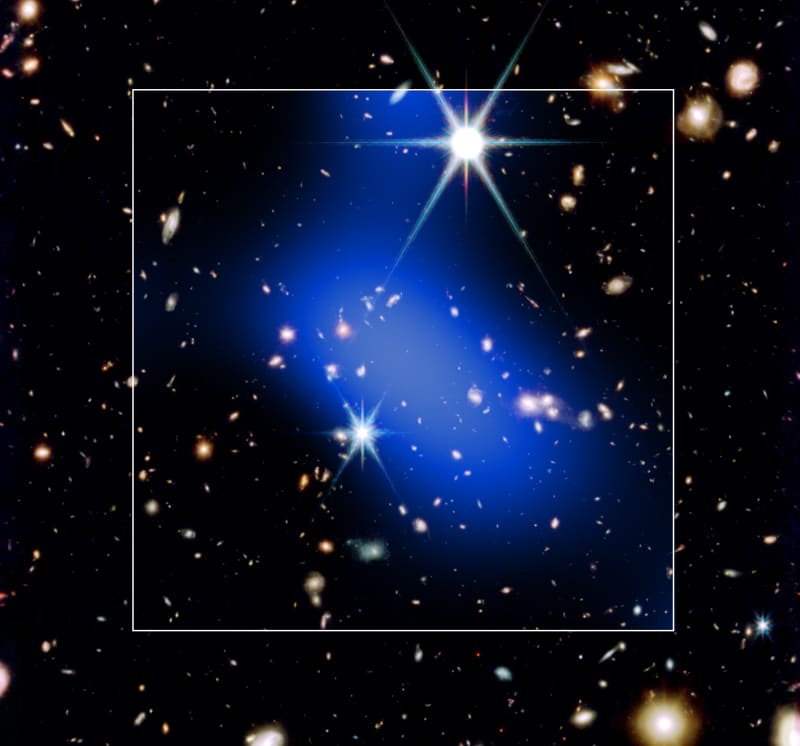
The James Webb Space Telescope discovered a massive galaxy cluster forming just one billion years after the Big Bang, two billion years earlier than scientists thought possible. The finding is forcing astronomers to completely rethink how the universe's largest structures formed.

Google: James Webb telescope•3 min read
Universe Grew Up Fast: Earliest Galaxy Cluster Found
Innovation•Feb 2

Universe Grew Up Fast: Earliest Galaxy Cluster Found

Scientists using NASA's most powerful telescopes just spotted galaxies forming into a cluster barely 1 billion years after the Big Bang, billions of years earlier than anyone thought possible. The discovery reveals the universe was in a "huge hurry to grow up."

Space.com•2 min read
NASA Finds Massive Galaxy Cluster 2 Billion Years Early
Innovation•Feb 1

NASA Finds Massive Galaxy Cluster 2 Billion Years Early

Scientists just discovered a galaxy cluster forming only 1 billion years after the Big Bang, a full 2 billion years earlier than they thought possible. The finding challenges everything we knew about how quickly massive structures can form in the universe. #

Google: NASA discovery•2 min read
Webb Telescope Spots Galaxy 280M Years After Big Bang
Videos•Feb 1

Webb Telescope Spots Galaxy 280M Years After Big Bang

NASA's James Webb Space Telescope confirmed the most distant galaxy ever observed, shining brightly just 280 million years after the universe began. The discovery is rewriting what scientists thought they knew about how quickly galaxies formed in the early cosmos.

Google: James Webb telescope•3 min read
James Webb Spots Oldest Galaxy Ever, 280M Years After Big Bang
Innovation•Jan 31

James Webb Spots Oldest Galaxy Ever, 280M Years After Big Bang

NASA's James Webb Space Telescope discovered the most ancient galaxy ever recorded, dating back 280 million years after the Big Bang and revealing an early universe that looks nothing like scientists predicted. The find is rewriting our understanding of how quickly galaxies formed after the universe began.

Google: James Webb telescope•2 min read
NASA Telescope Finds Galaxy From 280M Years After Big Bang
Global News•Jan 30

NASA Telescope Finds Galaxy From 280M Years After Big Bang

NASA's James Webb Space Telescope just confirmed a bright galaxy that formed only 280 million years after the Big Bang, revealing the early universe was far busier and brighter than scientists ever predicted. The discovery is rewriting our understanding of how quickly galaxies formed after the universe began.

Google: NASA discovery•3 min read
James Webb Telescope Finds Galaxy 280M Years After Big Bang
Innovation•Jan 30

James Webb Telescope Finds Galaxy 280M Years After Big Bang

The James Webb Space Telescope just spotted the most distant galaxy ever observed, shining from when our universe was only 280 million years old. Scientists are rewriting what they thought possible about the early cosmos.

Live Science•3 min read

Showing 20 of 33