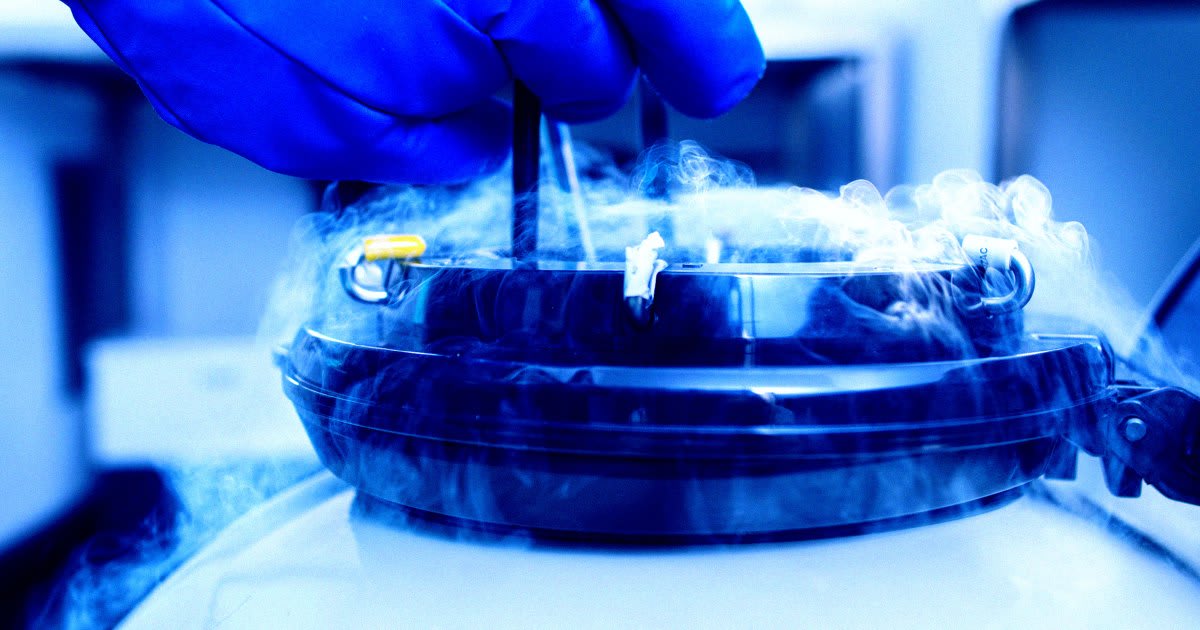
Scientists Revive Mouse Brains After Deep Freeze
German researchers successfully restored brain function in mouse tissue after freezing it at -320°F for up to a week. The breakthrough could one day protect injured brains and preserve donor organs.
Find uplifting stories about heroes, innovations, and solutions
7492 results for "brain preservation"
German researchers successfully restored brain function in mouse tissue after freezing it at -320°F for up to a week. The breakthrough could one day protect injured brains and preserve donor organs.
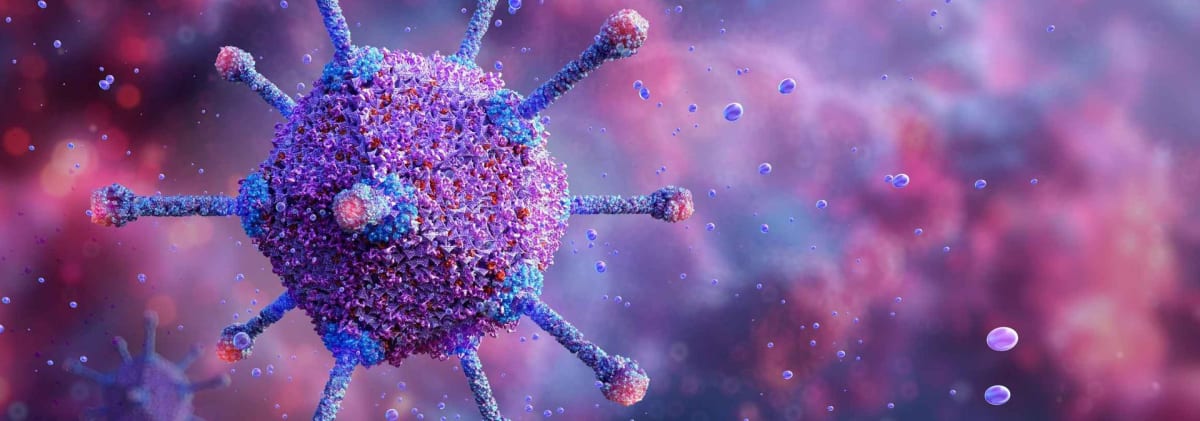
Scientists at University of Rochester developed a gene therapy that uses the brain's natural cleaning system to deliver treatments throughout the brain, avoiding one of medicine's toughest obstacles. The breakthrough could transform treatment for multiple sclerosis, Huntington's disease, and rare childhood brain disorders.
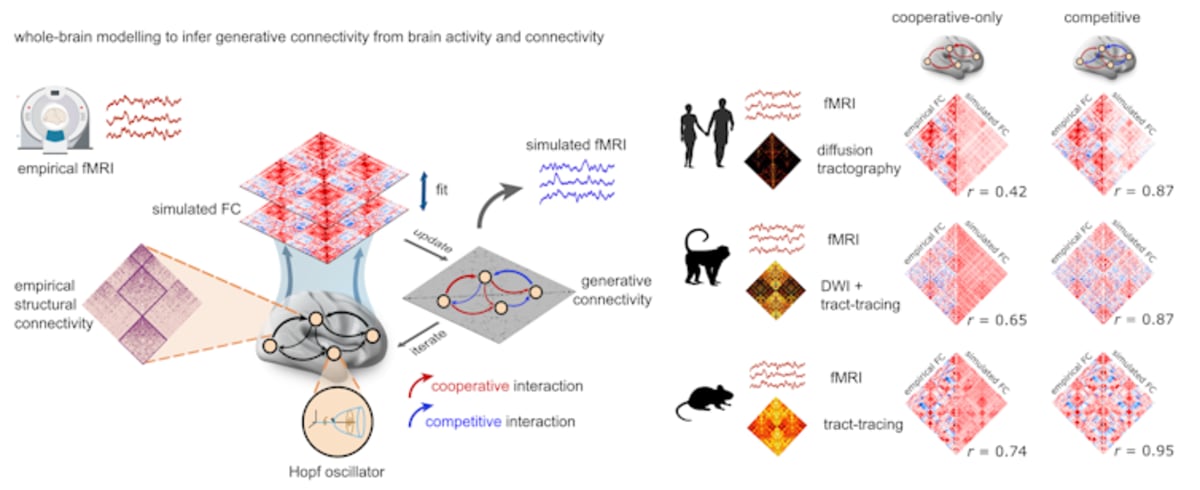
Scientists discovered that digital brain models work better when brain regions compete for resources, just like in real life. This breakthrough could revolutionize personalized medicine and help more treatments succeed in human trials.
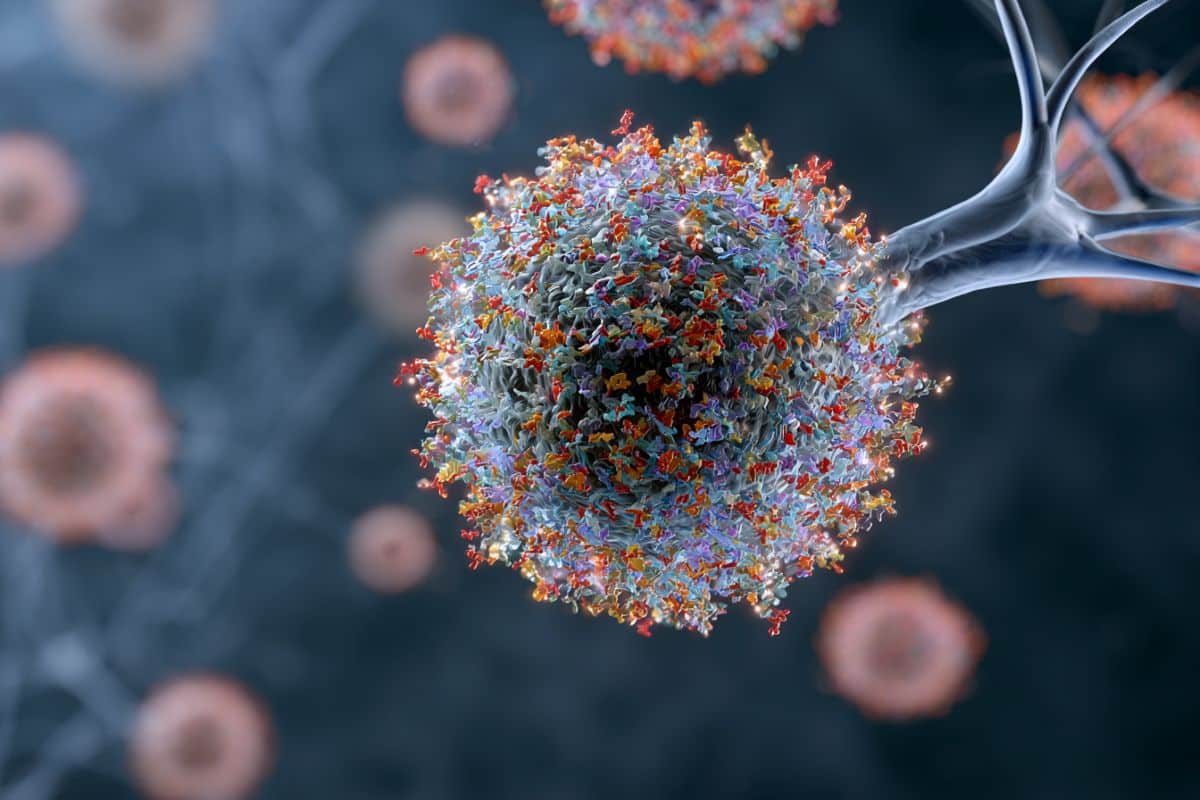
International researchers discovered how to engineer tiny medicine carriers that trick the body's own blood proteins into safely delivering drugs past the brain's protective barrier. This breakthrough could transform treatment for Alzheimer's, Parkinson's, and deadly brain cancers.
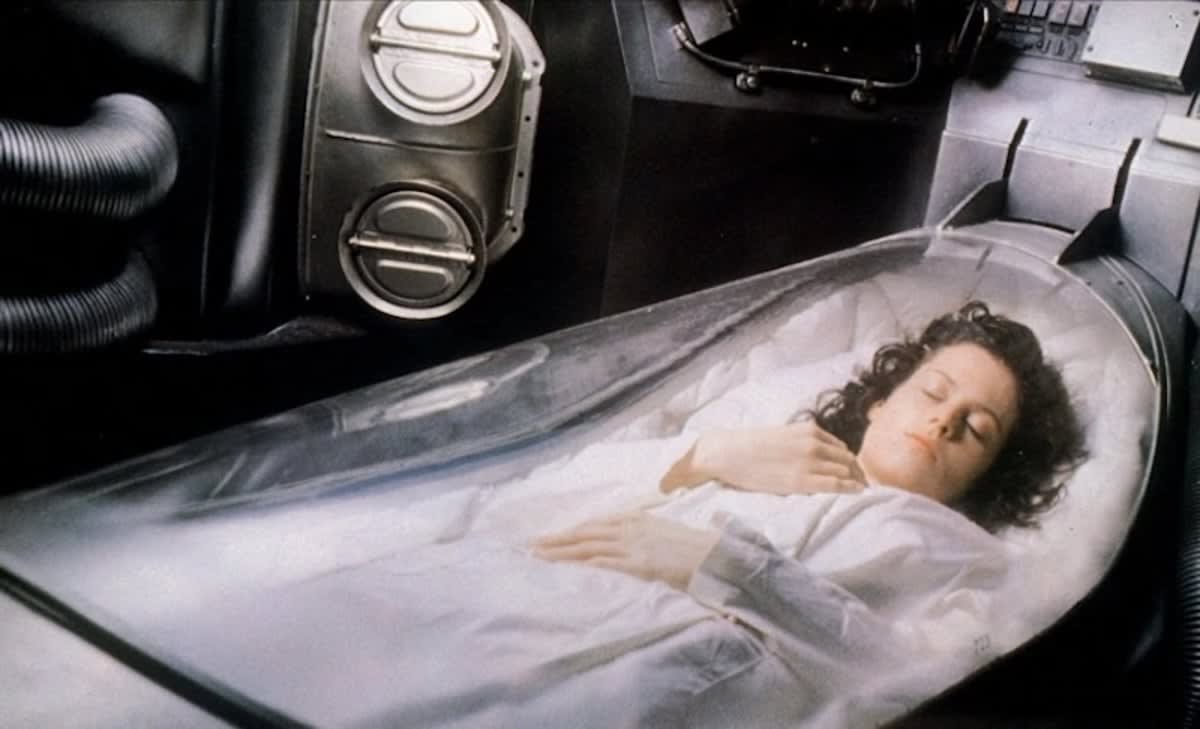
German researchers successfully froze and thawed mouse brains while preserving their ability to form memories and fire neurons. This breakthrough brings science one step closer to protecting human brains during injury and disease.
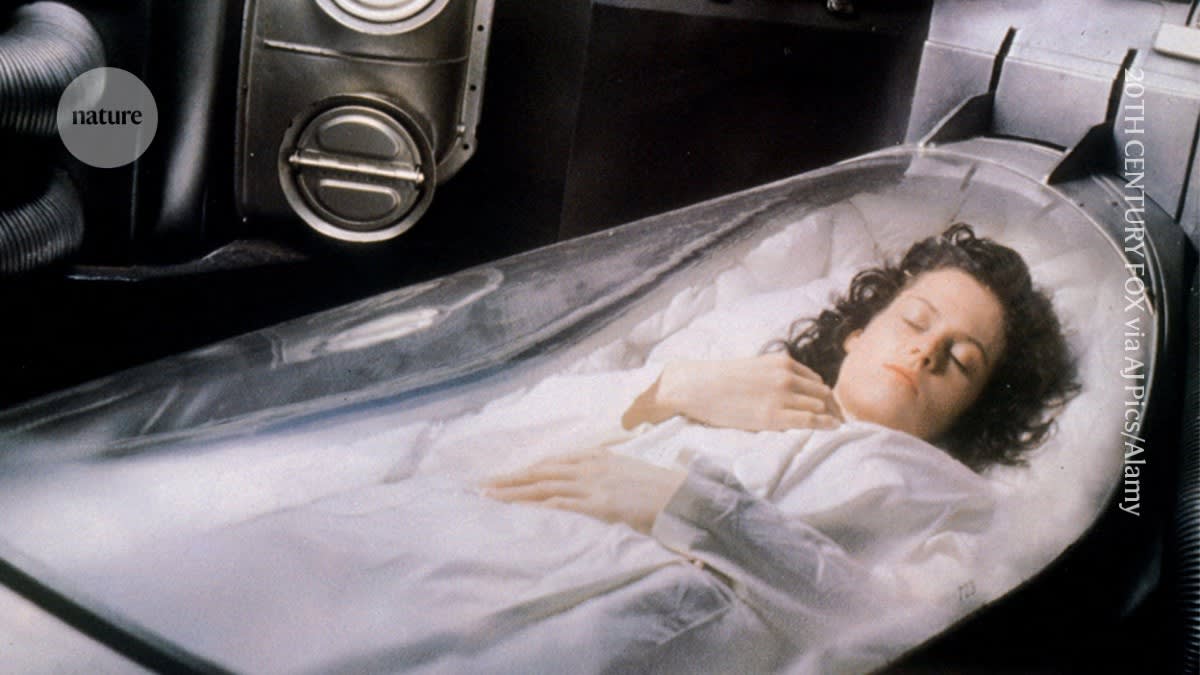
German researchers successfully froze mouse brains, stored them for up to a week, then thawed them with neurons firing and memory pathways working. The breakthrough brings science fiction closer to reality and could one day help preserve brains during injury or disease.

Researchers discovered how to activate the brain's natural cleanup system to remove Alzheimer's plaques and preserve memory in mice. By boosting a single protein in support cells, they helped brains defend themselves against the disease.
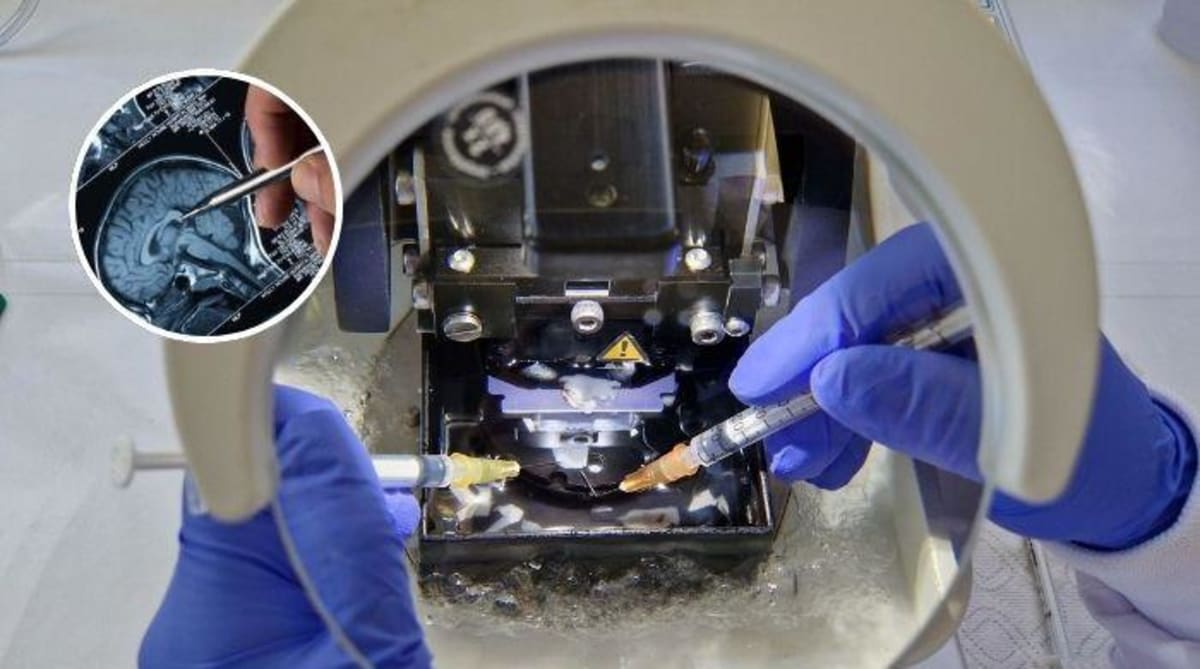
German researchers successfully revived frozen mouse brain tissue after up to a week in storage, restoring memory and thought functions. The breakthrough could revolutionize organ transplants and emergency brain injury treatment.
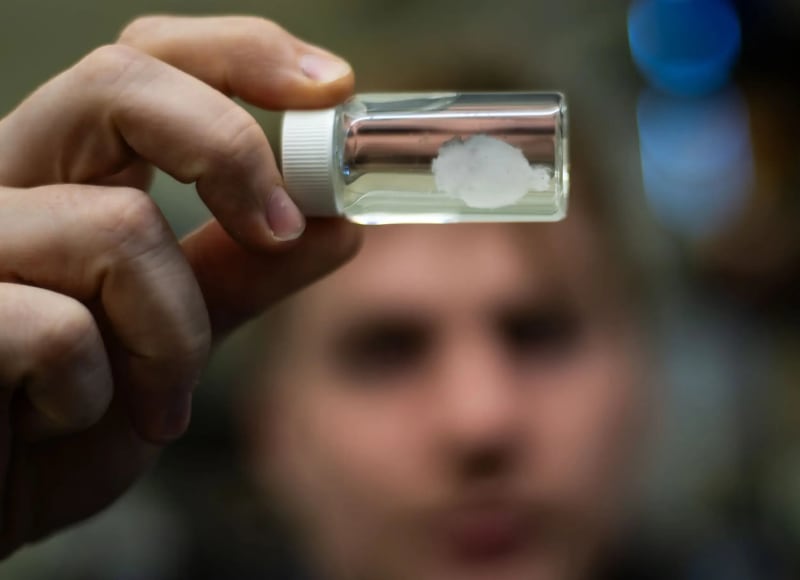
A Virginia high school senior is first author on groundbreaking research using hydrogel "brain phantoms" to measure traumatic brain injury forces without animal testing. The lab's artificial rat brains, made from materials similar to Jell-O, could revolutionize how researchers study concussions and brain trauma.

Researchers discovered a deadly protein pairing that kills brain cells in Alzheimer's patients and created a drug that stops it. The treatment preserved memory and learning in mice while reducing toxic brain deposits.

Scientists at Baylor College of Medicine discovered how to activate the brain's own cleaning crew to fight Alzheimer's disease. By boosting a single protein, they helped mice with memory problems clear harmful plaques and preserve brain function.
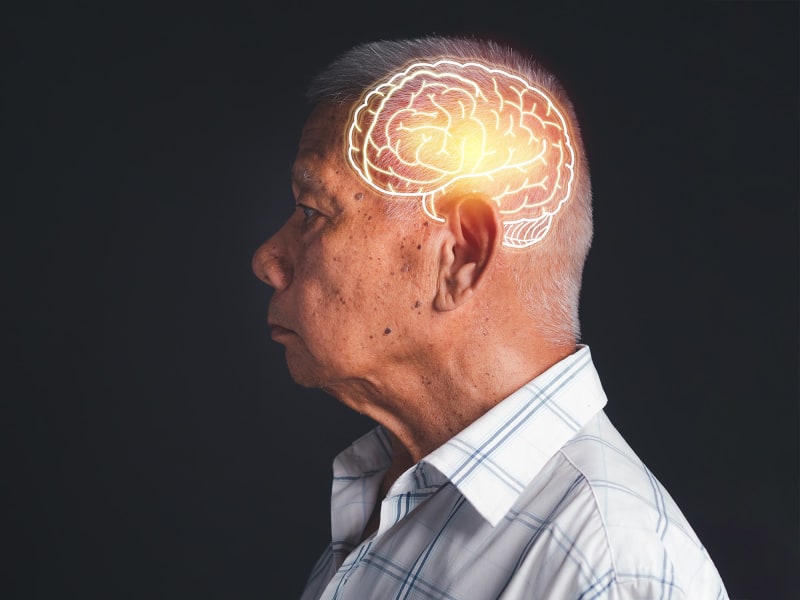
Researchers at the University of Southern California have created compounds that could calm brain inflammation tied to Alzheimer's disease while preserving normal brain function. The breakthrough targets a specific enzyme elevated in people with the APOE4 gene, the strongest genetic risk factor for the disease.

A high school football player collapsed on the sideline and fell into a coma with a traumatic brain injury. He met another brain injury patient during treatment, and now they're engaged to be married. #

For the first time, researchers have tracked how a mother's brain rewires itself during pregnancy, revealing widespread changes in nearly every brain region. The groundbreaking Maternal Brain Project is finally studying what happens to women's brains during motherhood, a topic science has largely ignored until now.

Laura Moore was thrown from a four-wheeler at 16, suffering severe brain damage that doctors struggled to stabilize. Twenty-three years later, she's thriving and leading Kansas's charge to support brain injury survivors.
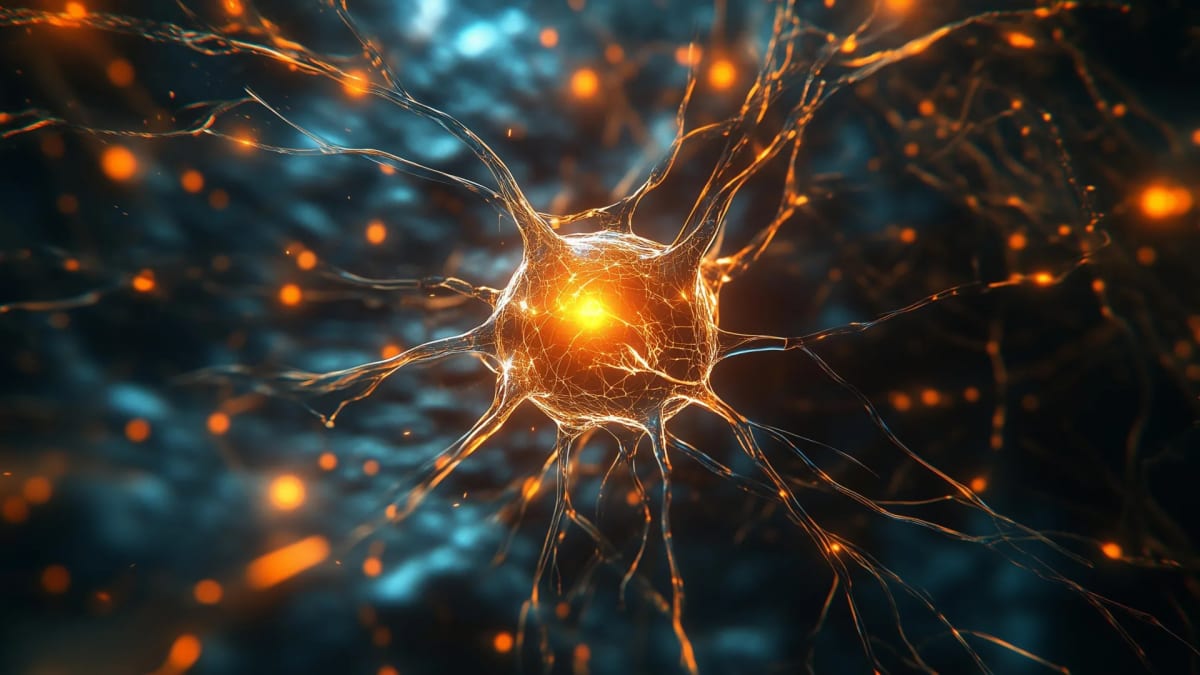
Researchers discovered an enzyme called IDOL that, when removed from brain neurons, dramatically reduced Alzheimer's plaques and improved brain resilience. The breakthrough could lead to treatments that not only clear damaging proteins but actually help protect the brain from decline.
Scientists boosted a protein in mice with Alzheimer's symptoms and watched their brains start cleaning themselves. The approach cleared toxic plaques and preserved memory, offering hope for the millions facing cognitive decline.

Scientists discovered why some people with Alzheimer's brain changes never develop dementia, pointing to a crucial shift in the brain's immune cells. The breakthrough could lead to treatments that boost the brain's natural defenses instead of just removing plaques.
%2Fhttps%3A%2F%2Ftf-cmsv2-smithsonianmag-media.s3.amazonaws.com%2Ffiler_public%2F75%2F68%2F7568516e-b516-4e5b-ab9b-971e270277af%2Fgettyimages-2268670039.jpg)
New brain imaging studies reveal pregnancy doesn't cause "mommy brain" decline—it triggers profound neural rewiring that enhances bonding, emotional intelligence, and may even make brains younger. Scientists say the transformation is as significant as adolescence.
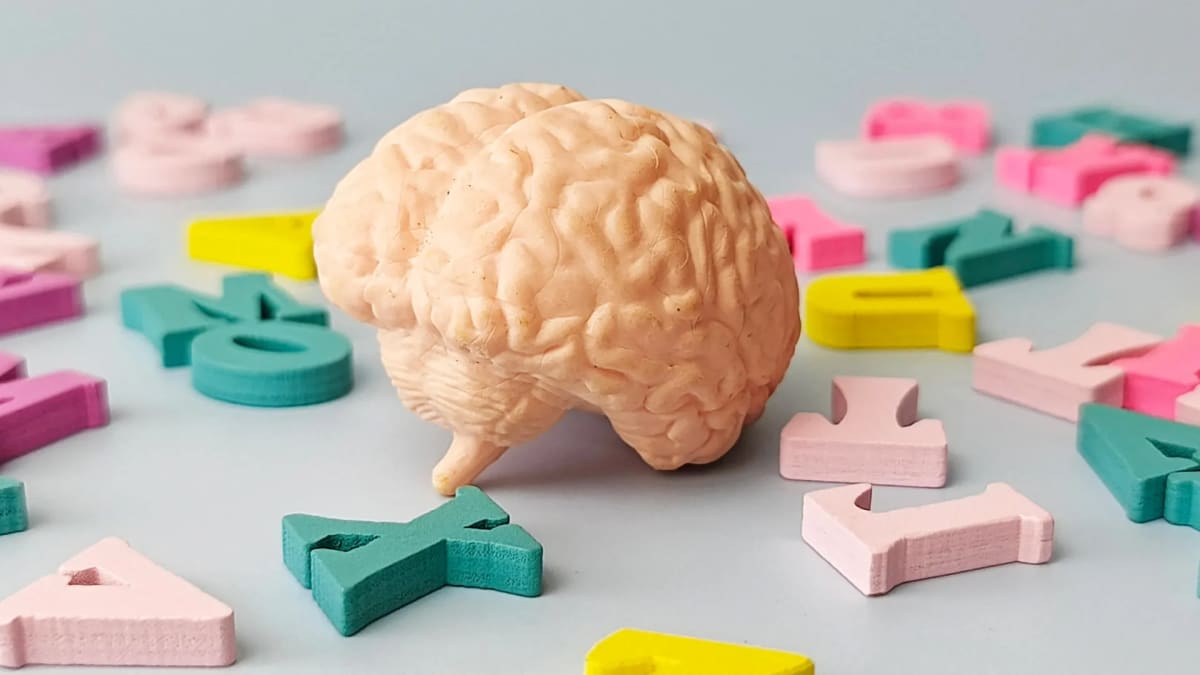
New brain research reveals that people who speak multiple languages show significantly younger brain patterns, with four-language speakers having brains that appear 13 years younger than those who speak just one. The findings suggest learning languages at any age could help protect your brain as you get older.
Showing 20 of 7492