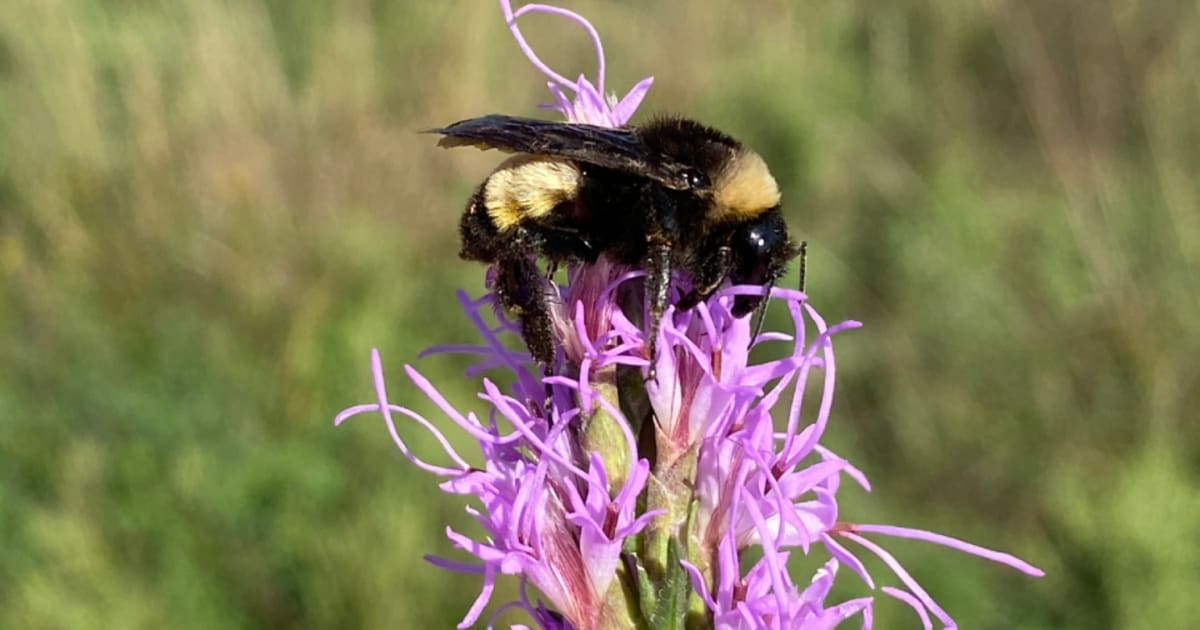
Kansas Volunteers Help Save 2 Endangered Bumble Bee Species
Everyday citizens in Kansas are becoming bee detectives, helping scientists track bumble bees across the prairies. Their efforts have already identified two species at risk of extinction.
Find uplifting stories about heroes, innovations, and solutions
311 results for "bumble bees"
Everyday citizens in Kansas are becoming bee detectives, helping scientists track bumble bees across the prairies. Their efforts have already identified two species at risk of extinction.

Citizen scientists in Iowa have already identified 13 bumble bee species including five rare ones, and wildlife officials want to triple volunteer numbers this year. The best part? These fuzzy pollinators are so docile that anyone can learn to safely photograph them.
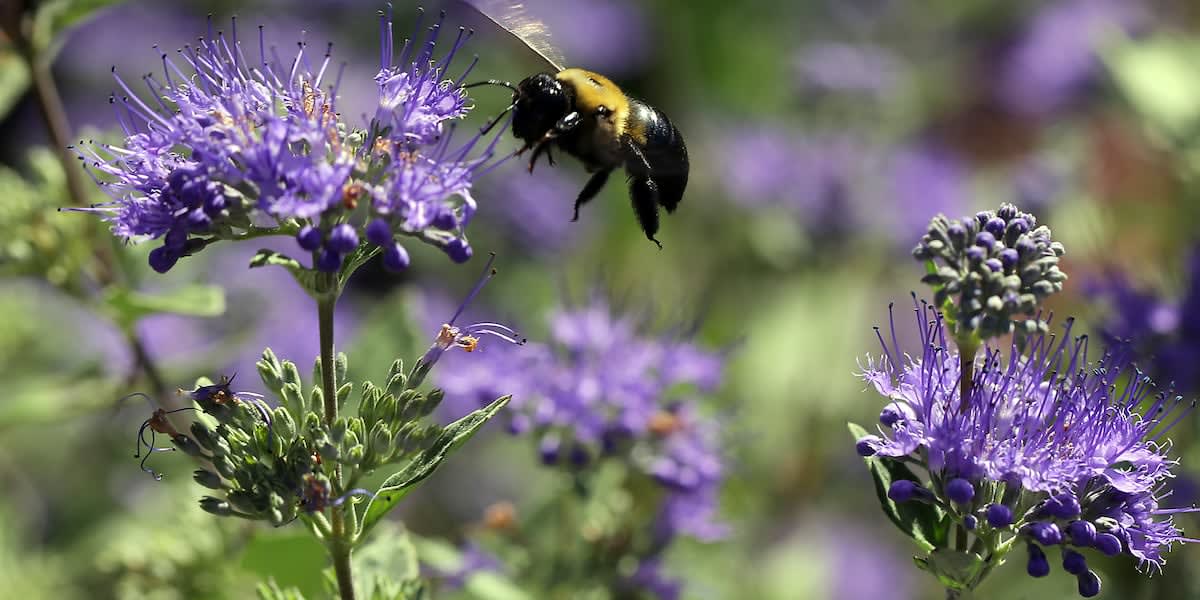
Iowa is calling on everyday citizens to help count bumble bees as part of a nationwide conservation effort. Since 2024, volunteers have already surveyed over 7,000 bees and discovered 13 different species across the state.
%3Amax_bytes(150000)%3Astrip_icc()%2Fusfws-tricolor-bumble-bee-large-66b5edded3884dd893cf1938e2068934.jpeg)
More than 120 Iowa volunteers logged over 5,400 bumble bee observations in 2025, helping scientists track endangered pollinators. The grassroots effort tripled in just one year as everyday citizens caught, chilled, and photographed bees to save nearly 50 North American species.
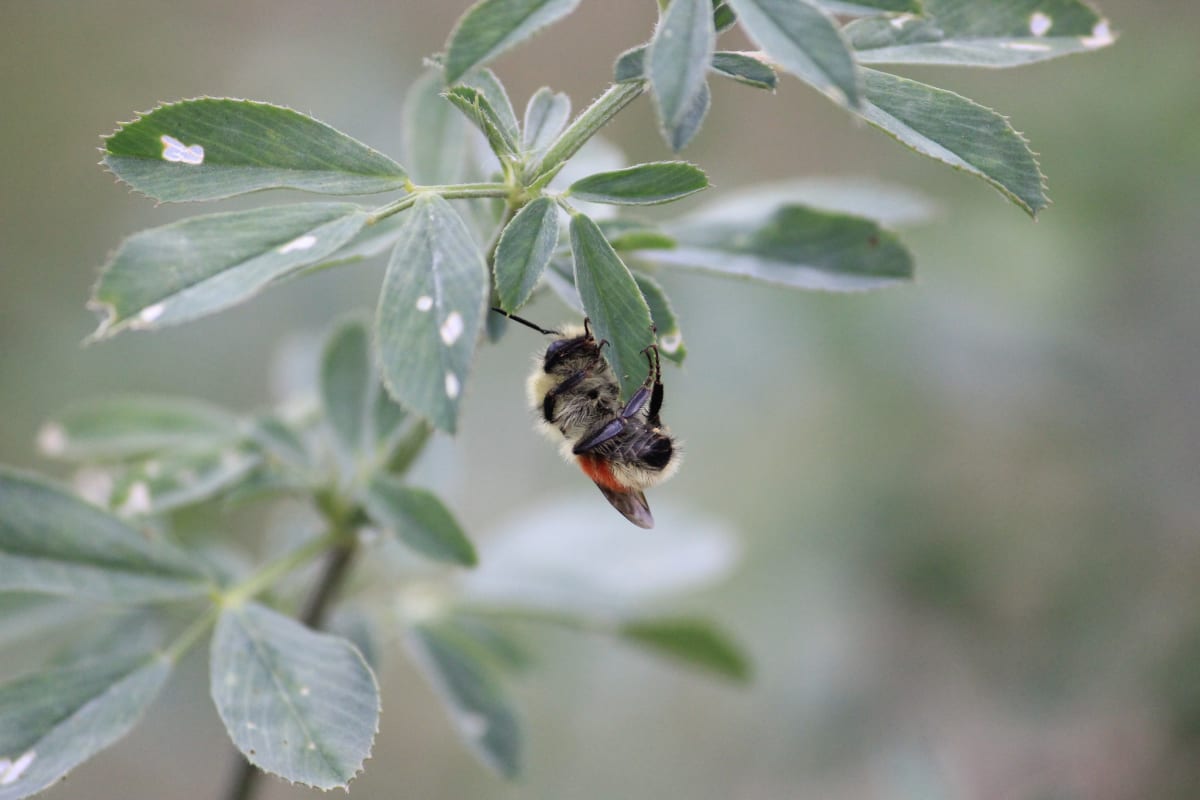
Everyday Kansans are helping scientists track six bumble bee species across the Great Plains, including two facing extinction. Since 2022, volunteers have logged over 2,300 bees and are now expanding efforts to remote western prairies.
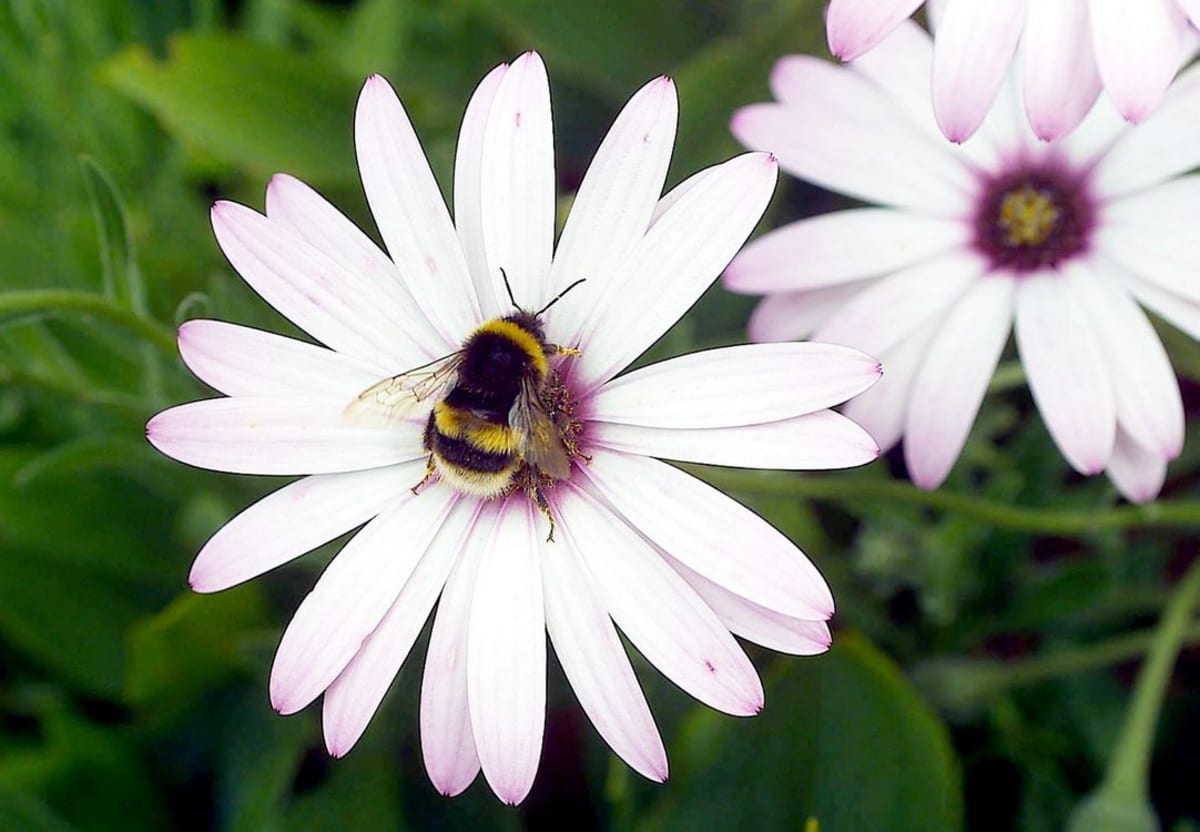
That viral tip about leaving sugar water for bees? A leading bee scientist says it doesn't actually help and shares what really works. Here's how to truly support struggling bees during hot, dry weather.
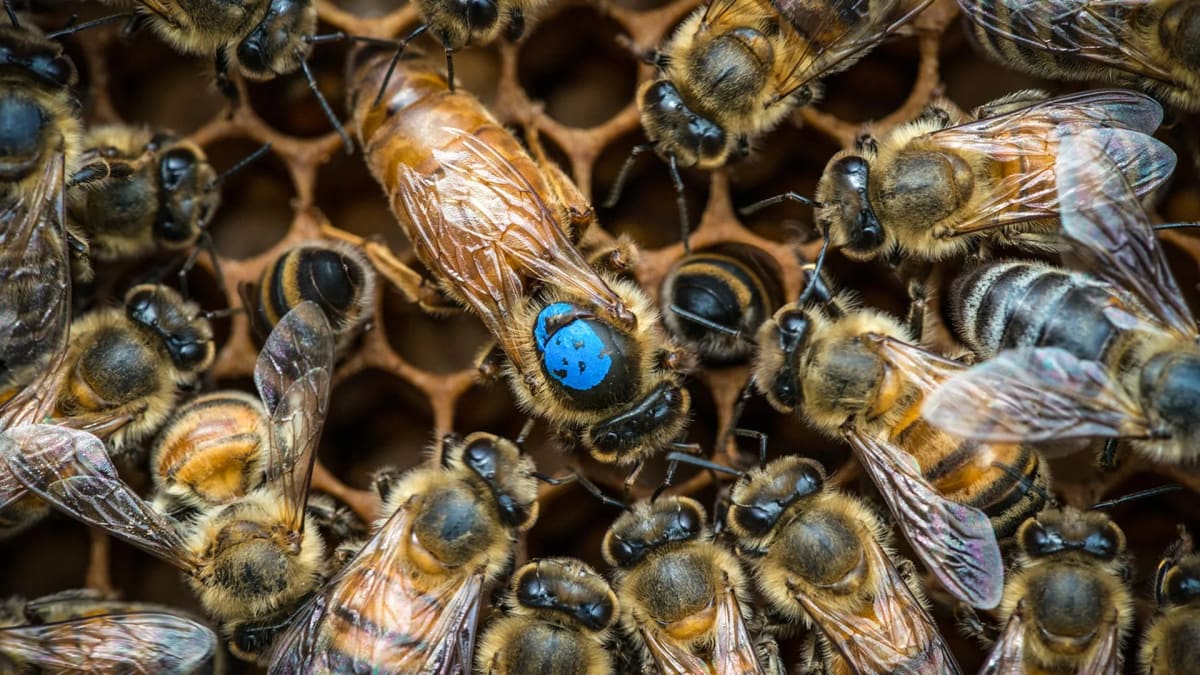
Researchers discovered specific brain circuits that determine whether a bee nurses the queen, guards the hive, or searches for food. By switching off these circuits, they made older worker bees return to caring for the queen like young bees do.

A queen bee's job is anything but leisurely—she lays up to 2,000 eggs every single day to keep her colony thriving. National Geographic's new documentary "Secrets of the Bees" reveals the incredible non-stop work behind bee royalty.

Ancient solitary bees discovered fossilized animal jawbones in a Caribbean cave and transformed empty tooth sockets into waterproof nurseries for their eggs. Scientists just confirmed the first known case of bees using bone cavities as nests, revealing a surprising adaptation nobody had seen in 90% of bee species that typically only dig soil burrows.
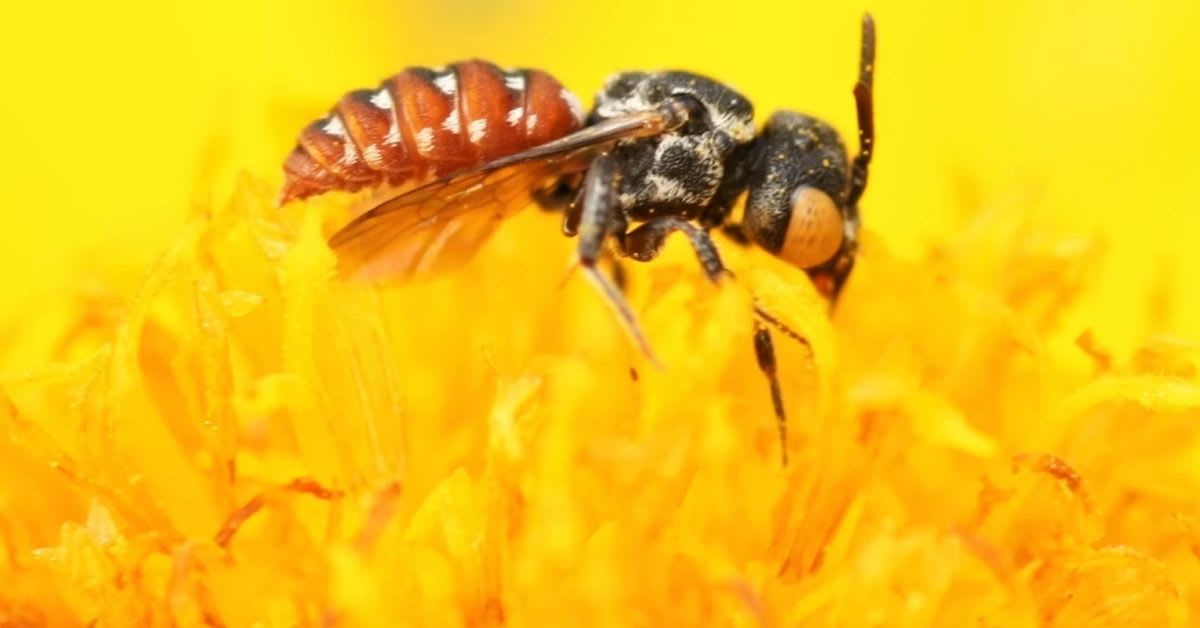
Scientists just discovered that most bees navigate using tiny internal magnetic compasses, and this superpower might be ancient. Even bees that live alone showed strong magnetic properties, completely surprising researchers who expected to find this trait only in social species like honeybees.
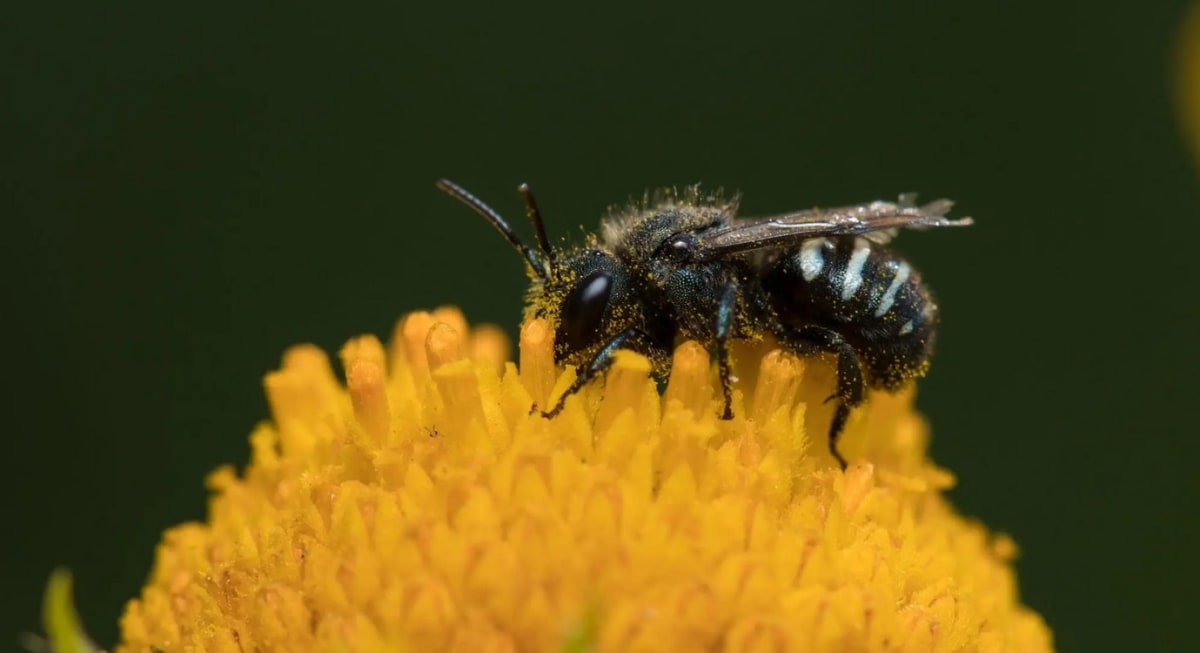
Oregon hasn't recorded a single pesticide-related bee death since 2021, proving that education can save pollinators. The breakthrough came after the state trained 12,000 people and created the nation's largest bee species inventory.
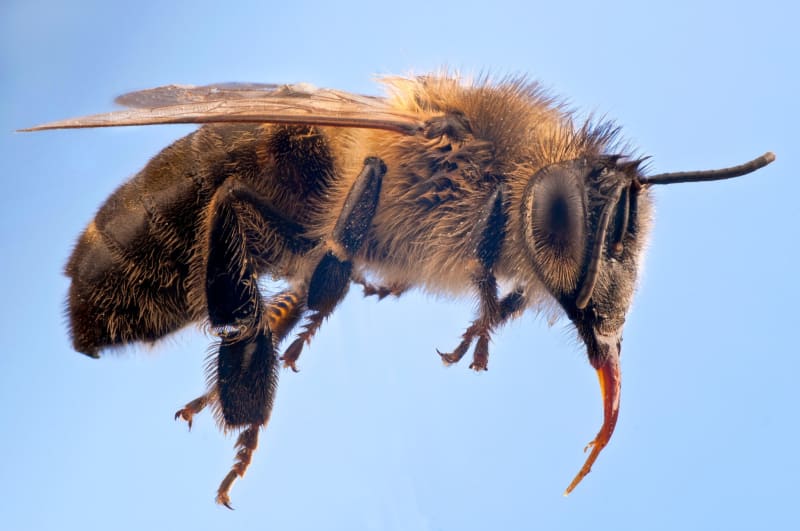
Each summer, 1,000 queen bees take flight over a small Belgian town in an urgent mission to save Europe's endangered dark bee. The annual gathering has become a lifeline for the native species nearly wiped out by commercial breeding.
Mexico's Supreme Court will decide if bees can have legal standing, in a landmark case brought by Maya communities fighting to protect the stingless melipona bees that sustain their culture and livelihoods. Indigenous beekeepers want to be recognized as official guardians of these vital pollinators.
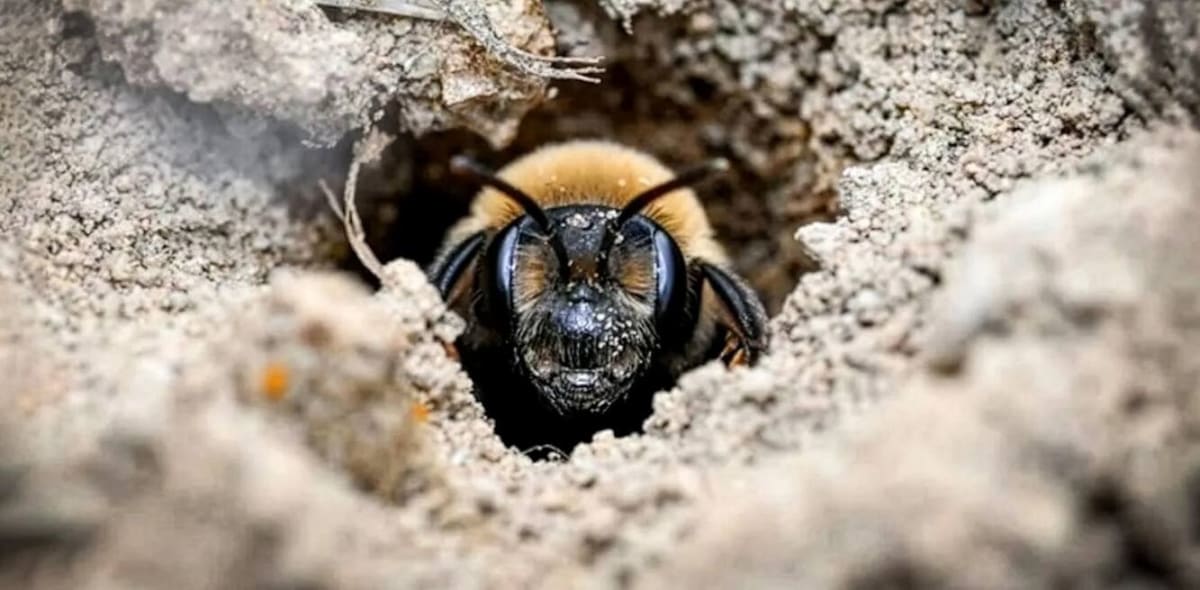
A Cornell researcher taking a shortcut through an Ithaca cemetery stumbled upon one of the world's largest documented bee colonies. More than 5.5 million wild bees have been thriving in the undisturbed sandy soil for over a century.
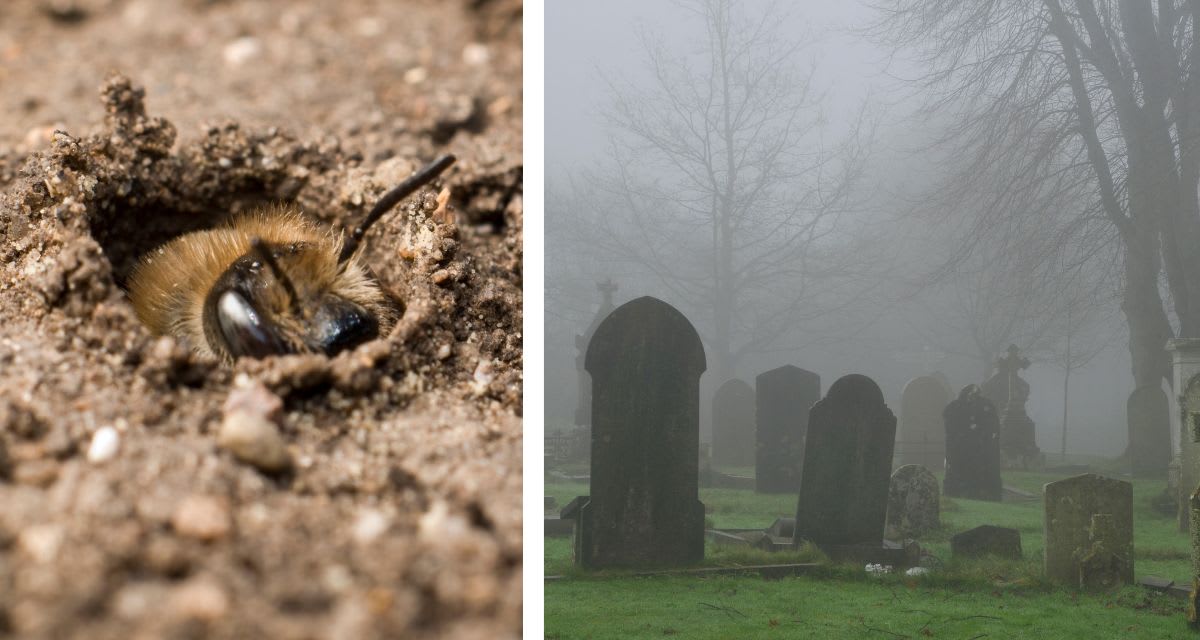
A Cornell lab tech discovered millions of bees living beneath a historic Ithaca cemetery, revealing a thriving pollinator haven that's existed for over a century. The find sparked a global effort to protect similar underground bee communities.
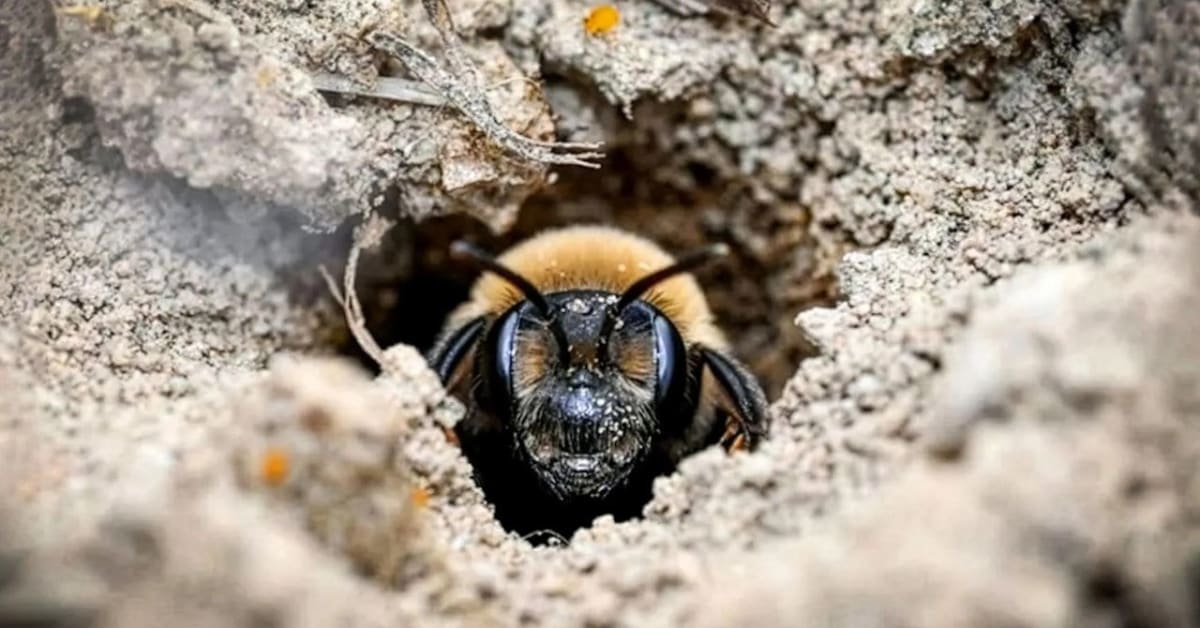
Scientists discovered one of the world's largest wild bee colonies thriving beneath a New York cemetery since the early 1900s. The 5.5 million mining bees are pollinating nearby orchards and proving that old cemeteries can be vital urban wildlife sanctuaries.

After three straight county championships and years of late-night study sessions, Harding Academy student Daksh Singh capped his four-year spelling bee journey with third place at the Arkansas State Spelling Bee. His dedication shows what persistence and passion for learning can achieve.

Tiny bees are responsible for pollinating a third of the food we eat, making them essential partners in feeding the world. A new National Geographic documentary celebrates these vital pollinators and reminds us why protecting them matters.
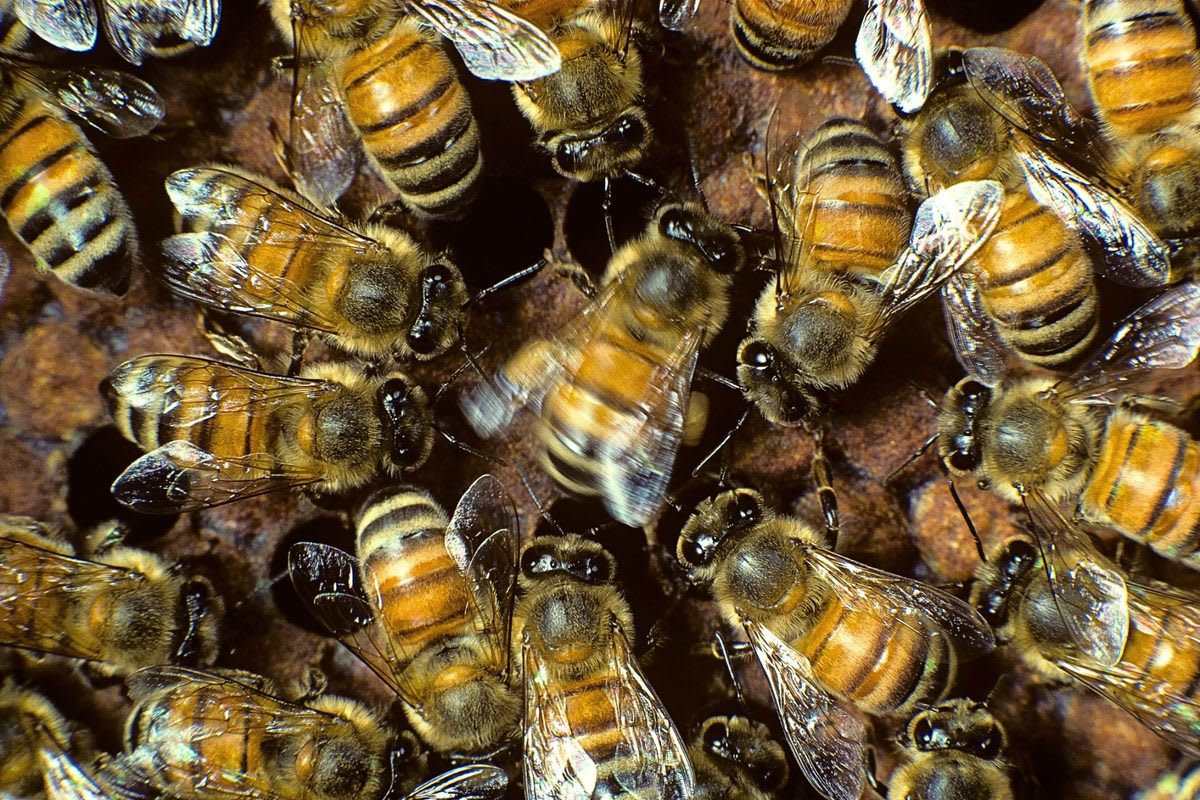
Scientists discovered honeybees adjust their famous waggle dance based on who's paying attention. When their audience shrinks or loses interest, the dancing bee's movements become sloppier and less clear.

Shrey Parikh bounced back from a school spelling bee loss caused by illness to become the 2026 National Spelling Bee champion, setting a record by spelling 32 words correctly in 90 seconds. His victory proves that dedication after defeat can lead to incredible triumph.
Showing 20 of 311