Search

Find uplifting stories about heroes, innovations, and solutions

15 results for "conservation science"

Florida Lab Saves Endangered Okapi with Freezing Tech
Planet Wins3h ago

Florida Lab Saves Endangered Okapi with Freezing Tech

Scientists at Florida's White Oak Conservation Center are using microscopic freezing technology to preserve endangered animal genetics without removing more animals from the wild. Their breakthrough could help save species like the okapi from extinction.

Google: species saved endangered2 min read
Florida Lab Freezes Hope for Endangered Okapi, Gerenuk
Planet Wins3d ago

Florida Lab Freezes Hope for Endangered Okapi, Gerenuk

Scientists at Florida's White Oak Conservation Center are using cutting-edge freezing technology to save endangered species without removing more animals from the wild. Their breakthrough could preserve genetic diversity for creatures like okapi and gerenuk for generations.

Google: species saved endangered3 min read
Scientists Use DNA to Fast-Track American Chestnut Revival
Planet Wins6d ago

Scientists Use DNA to Fast-Track American Chestnut Revival

After a century of trying to restore the once-mighty American chestnut, Virginia Tech researchers can now use DNA to predict which young trees will survive blight, potentially bringing back a forest giant within a generation. The breakthrough means restoration efforts can move years faster than traditional breeding methods.

Google News - Researchers Find3 min read
Your Phone Can Now Track Monarch Butterfly Migration
Planet Wins6d ago

Your Phone Can Now Track Monarch Butterfly Migration

A tiny Bluetooth tracker weighing less than three grains of rice is revealing the secret routes of monarch butterflies. Your phone helps collect the data automatically every time a tagged butterfly flies nearby.

Inside Climate News2 min read
Hawaii Gene Drive Could Save Rare Honeycreepers From Malaria
Planet WinsFeb 20

Hawaii Gene Drive Could Save Rare Honeycreepers From Malaria

Scientists are developing genetically modified mosquitoes that can't spread avian malaria, offering hope for Hawaii's disappearing honeycreepers. Eleven of 17 remaining species face extinction without urgent intervention.

Google: species saved endangered2 min read
Arabian Leopards Get $51M Boost to Save Their Species
SolutionsFeb 12

Arabian Leopards Get $51M Boost to Save Their Species

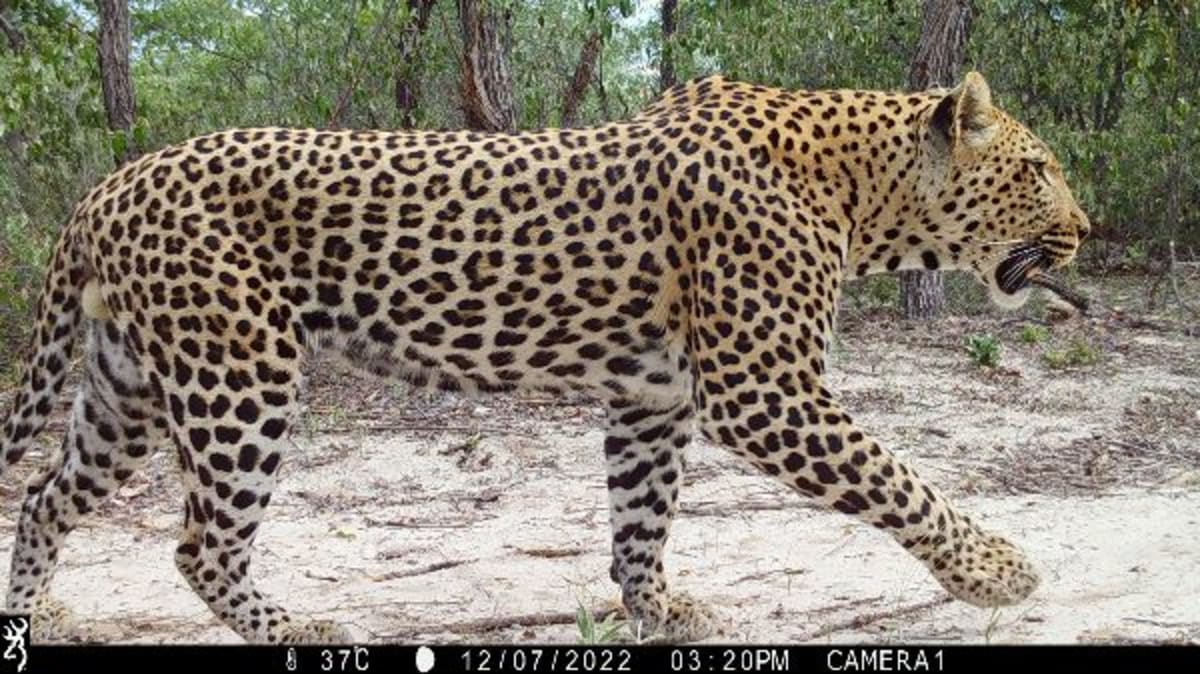
With fewer than 120 Arabian leopards left in the wild, a groundbreaking $51.6 million partnership between the Smithsonian and Saudi Arabia's Royal Commission for AlUla is racing to save one of the world's rarest big cats. The collaboration will bring these critically endangered leopards to Washington, D.C. for the first time, connecting millions to conservation science while supporting breeding and rewilding efforts.

Google News - Endangered Species Recovery2 min read
Rivers and Lakes Hold Key to Climate Resilience
Planet WinsFeb 11

Rivers and Lakes Hold Key to Climate Resilience

Scientists discover that overlooked freshwater creatures act as nature's climate engineers, physically reshaping rivers and wetlands in ways that could help ecosystems survive rising temperatures and extreme weather. The revelation comes as researchers call for urgent attention to these powerful but understudied allies.

Phys.org3 min read
Tech Exec Invests Millions to Reverse Biodiversity Loss
SolutionsFeb 9

Tech Exec Invests Millions to Reverse Biodiversity Loss

After nearly 20 years in technology, Lisa Miller turned her childhood love of animals into action by launching a foundation that's buying thousands of acres to restore ecosystems. Her blend of business savvy and conservation science is proving nature protection can be both effective and sustainable.

Mongabay3 min read
New Zealand Cave Reveals 1-Million-Year-Old Parrot Ancestor
Planet WinsFeb 5

New Zealand Cave Reveals 1-Million-Year-Old Parrot Ancestor

Scientists uncovered fossils from 12 ancient bird species in a New Zealand cave, including a flying ancestor of the flightless kākāpō parrot. The discovery fills a 15-million-year gap in the island's fossil record.

Google: fossil discovery2 min read
Svalbard Polar Bears Thriving Despite Melting Sea Ice
Planet WinsJan 29

Svalbard Polar Bears Thriving Despite Melting Sea Ice

Scientists tracking 770 polar bears over 24 years discovered something unexpected: the animals are maintaining healthy body conditions even as their Arctic hunting grounds shrink by two months each year. The resilient bears may be adapting their hunting strategies to survive in a rapidly changing world.

Scientific American2 min read
Rescue Dog Leo Now Saves Australian Koalas
Community HeroesJan 27

Rescue Dog Leo Now Saves Australian Koalas

A scrappy puppy found wandering the streets of Rockhampton just earned his dream job: helping scientists track endangered koalas across central Queensland. Six-month-old Leo went from the pound to becoming part of the region's first conservation detection dog team. #

ABC Australia2 min read
Amazon's Northern Andes Could Shelter 20,000 Tree Species
Planet WinsJan 25

Amazon's Northern Andes Could Shelter 20,000 Tree Species

After tracking 40 years of forest data across South America, scientists discovered a silver lining in the climate story: while some Amazon regions are losing tree diversity, the Northern Andes is actually gaining species and could become a vital refuge. This massive study spanning 10 countries offers the first real hope for protecting thousands of threatened tropical trees.

Science Daily3 min read
Humans and Wild Birds Share Honey-Hunting Dialects
Acts of KindnessJan 22

Humans and Wild Birds Share Honey-Hunting Dialects

In Mozambique, people and wild honeyguide birds have developed regional dialects to communicate with each other, proving that human-wildlife cooperation can mirror human language patterns. This rare partnership helps both species find food and reveals how culture shapes our relationship with nature.

Phys.org3 min read
Cities Transform How Urban Animals Connect and Communicate
Planet WinsJan 20

Cities Transform How Urban Animals Connect and Communicate

New research reveals that 92% of studies show city life significantly changes how animals interact, from mating calls to social bonds. Scientists now say urban planning must consider wildlife social needs to protect species long-term.

Phys.org2 min read
DNA From Poop Helps Save World's Rarest Marsupial
Planet WinsJan 19

DNA From Poop Helps Save World's Rarest Marsupial

Scientists in Australia are using DNA from animal droppings to figure out what the critically endangered Gilbert's potoroo eats, a breakthrough that could save the species from extinction. With fewer than 150 individuals left in the wild, this research is helping experts find safe new homes for these picky eaters.

Google: species saved endangered3 min read