Search

Find uplifting stories about heroes, innovations, and solutions

21784 results for "cosmic life cycle"

Telescope Accidentally Captures Dying Stars Recycling Life
Planet Wins2h ago

Telescope Accidentally Captures Dying Stars Recycling Life

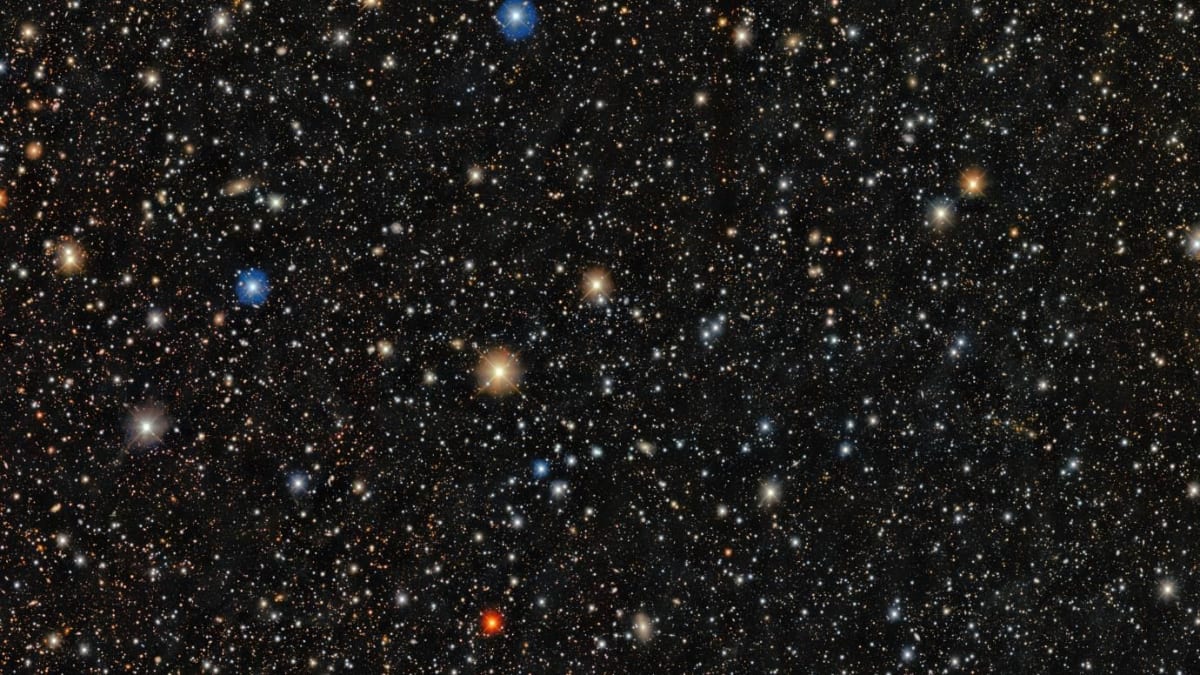
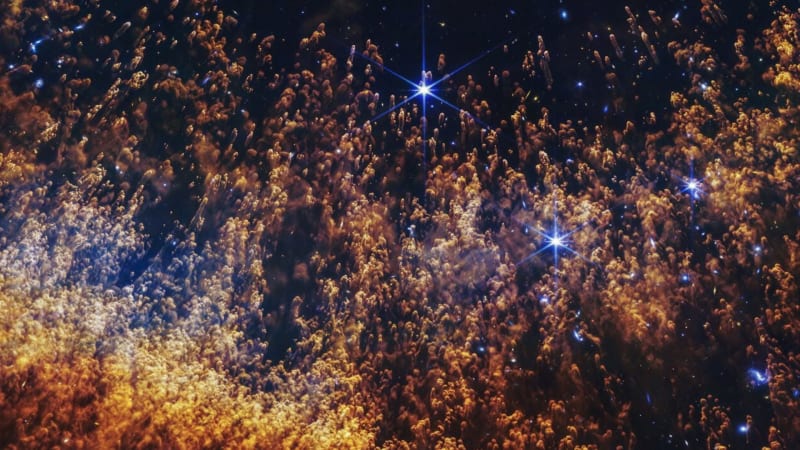
Astronomers testing a new telescope in Chile stumbled upon never-before-seen images showing exactly how dying stars scatter the building blocks of life across space. The accidental discovery reveals bright shock waves where star debris mixes with space dust, a cosmic process that eventually creates planets and living things.


Scientific American3 min read
Sydney PhD Student Creates Cosmic Dust in a Lab Bottle
InnovationJul 19

Sydney PhD Student Creates Cosmic Dust in a Lab Bottle

A graduate student recreated the universe's chemistry in glass tubes, producing real cosmic dust that reveals how life's ingredients may have formed in space. The breakthrough lets scientists study where Earth's organic molecules came from without waiting for meteorites.

Science Daily3 min read
Lagos Partners with British Cycling for Skills Exchange
SolutionsFeb 4

Lagos Partners with British Cycling for Skills Exchange

Lagos State is teaming up with British Cycling to bring world-class cycling expertise to Africa's largest city. The partnership promises training programs, technical workshops, and a boost to cycling culture across Nigeria's bustling commercial hub.

Premium Times Nigeria2 min read
Stars Collide to Create Life's Building Blocks, Webb Reveals
Planet WinsJan 22

Stars Collide to Create Life's Building Blocks, Webb Reveals

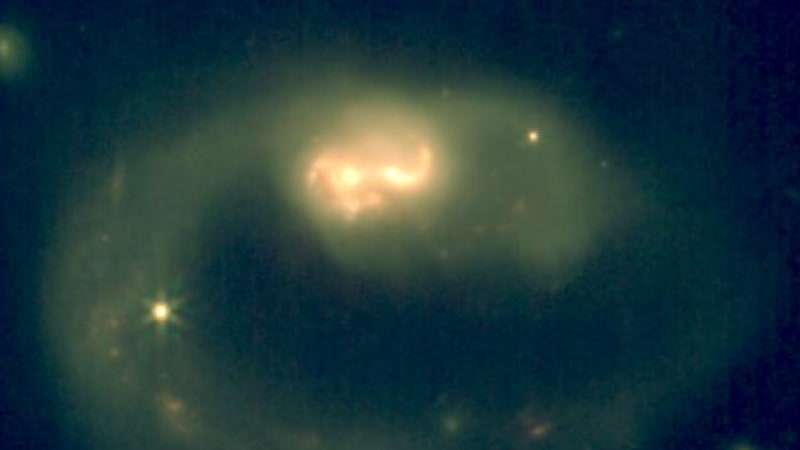
The James Webb Space Telescope discovered what happens when two stars merge in a cosmic explosion called a red nova: they create a supermassive star that spreads carbon compounds essential for life. Scientists found these stellar collisions may have provided the raw materials that made life on Earth possible.

Space.com3 min read
Nigeria Tops Africa Cycling Championships With 16 Medals
SportsMay 13

Nigeria Tops Africa Cycling Championships With 16 Medals

Nigeria dominated the 2026 African Cycling Championships on home soil, capturing 16 medals including nine golds to lead the continental standings. The performance marks a major milestone for West African cycling in front of enthusiastic crowds at Abuja's national velodrome.

Punch Nigeria2 min read
Ancient Life Used Rare Metal 3.7 Billion Years Ago
InnovationMay 6

Ancient Life Used Rare Metal 3.7 Billion Years Ago

NASA scientists discovered that Earth's earliest life forms relied on molybdenum over 3 billion years ago, even though the metal was incredibly scarce. This finding rewrites what we know about how life adapts and what alien worlds might need to support it.

NASA2 min read
90-Year-Old Cycles China for 30 Years After Family Loss
Community HeroesApr 5

90-Year-Old Cycles China for 30 Years After Family Loss

After losing his entire family in the 1990s, Zhang Zhongyi found healing in the most unexpected way: cycling across China's mountains, deserts, and cities. Three decades later, the 90-year-old remains sharp, smiling, and at peace with the life he's chosen.

South China Morning Post2 min read
Ancient Star Reveals Why Carbon Built Life Everywhere
Planet WinsMar 22

Ancient Star Reveals Why Carbon Built Life Everywhere

Scientists discovered a 10-billion-year-old star still sitting in its birth galaxy, solving a cosmic mystery about how carbon became the building block of all life. The findings explain why this essential element ended up spread throughout the universe.

Live Science2 min read
Dormant Black Hole Erupts Like Cosmic Volcano After 100M Years
Planet WinsJan 19

Dormant Black Hole Erupts Like Cosmic Volcano After 100M Years

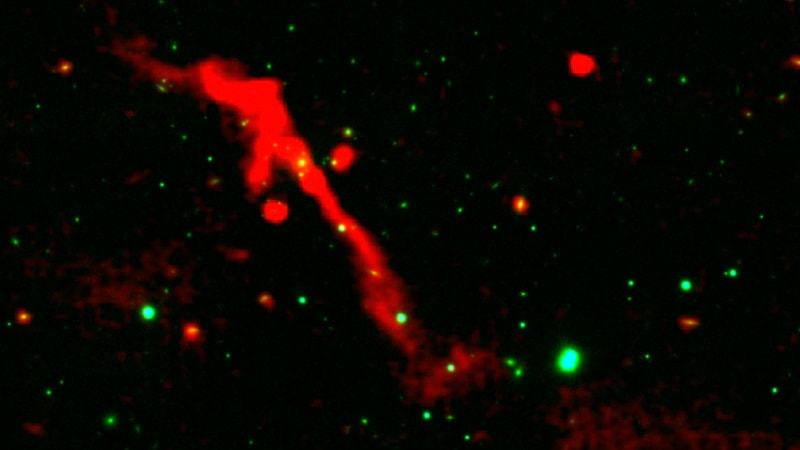
A supermassive black hole that slept for 100 million years has roared back to life, blasting jets of energy across 1 million light-years of space. Scientists captured stunning images of the cosmic volcano showing its dramatic history of turning on and off across millions of years.

Space.com2 min read
Jupiter Helped Earth Get Key Building Blocks for Life
Planet WinsJun 6

Jupiter Helped Earth Get Key Building Blocks for Life

Scientists discovered Jupiter's massive gravity acted like a cosmic gatekeeper, shaping how Earth received the nitrogen and phosphorus we needed to become a living world. The finding suggests giant planets might be essential for life across the universe.

Indian Express2 min read
Space Ice Creates Life's Building Blocks Before Planets Form
InnovationJan 29

Space Ice Creates Life's Building Blocks Before Planets Form

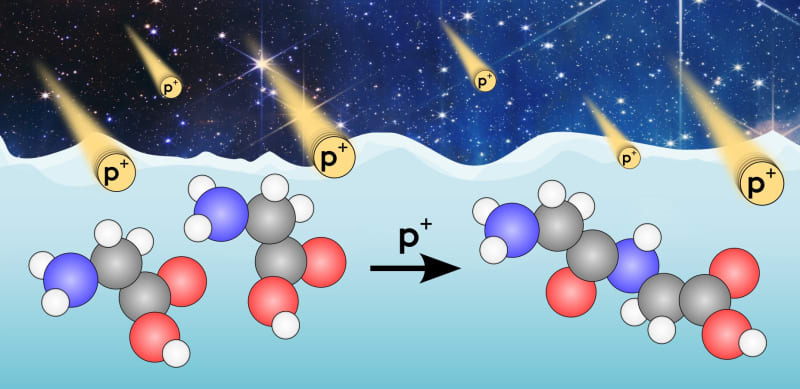
Scientists discovered that the building blocks of proteins can form on frozen space dust before planets even exist, suggesting life's origins may trace back to deep space. This breakthrough shows that complex molecules don't need liquid water to form.

Space.com3 min read
Earth Hit Chemical Jackpot That Makes Life Possible
Planet WinsFeb 11

Earth Hit Chemical Jackpot That Makes Life Possible

Scientists discovered Earth formed under incredibly precise chemical conditions that allowed it to retain the exact elements needed for life. Most planets miss this narrow sweet spot, making our world a fortunate cosmic exception.

Google News - Science2 min read
Scientists Find Best Planet Yet for Alien Life Hunt
InnovationJul 19

Scientists Find Best Planet Yet for Alien Life Hunt

Astronomers discovered an Earth-like planet 48 light years away with a stable atmosphere, the first rocky world that could truly support life. LHS 1140b has everything needed: the right distance from its star, liquid water potential, and protection from cosmic radiation.

Futurism3 min read
Star Death Shockwaves Sculpt Cosmic Wagon Wheel Nurseries
InnovationJun 2

Star Death Shockwaves Sculpt Cosmic Wagon Wheel Nurseries

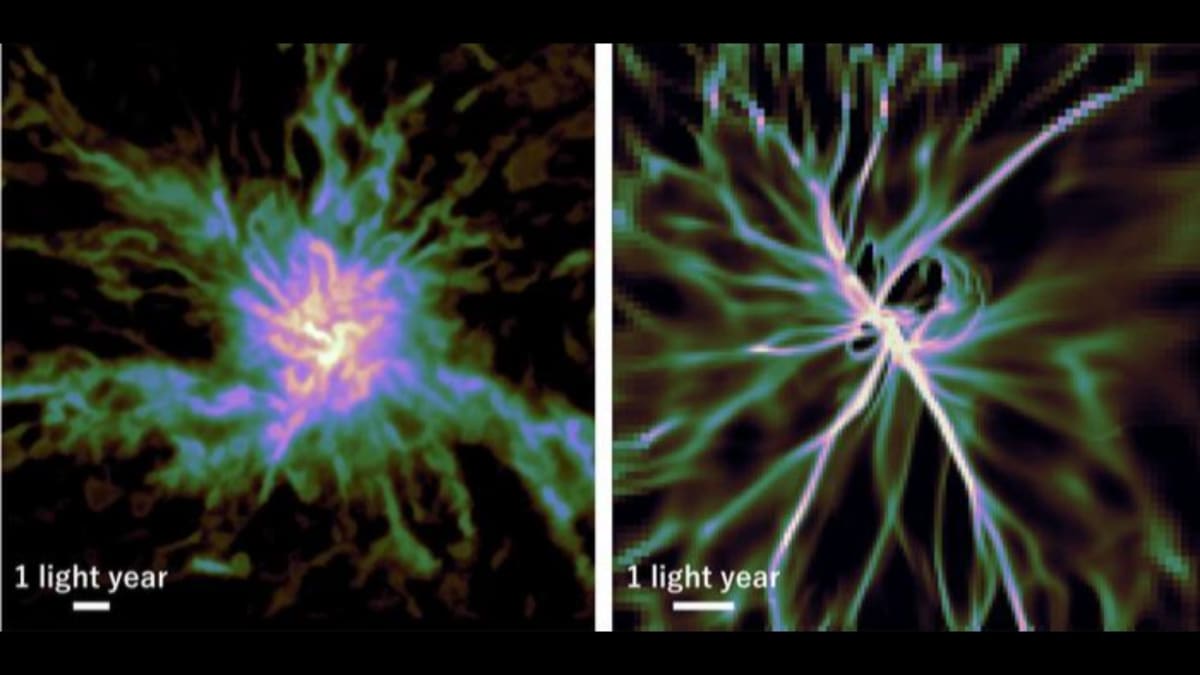
Japanese scientists discovered that shockwaves from dying stars carve spectacular wagon wheel patterns in cosmic nurseries where new stars are born. The finding reveals a beautiful cycle where stellar death creates the perfect conditions for stellar birth.

Space.com2 min read
James Webb Finds Life's Building Blocks in Dying Star
InnovationJan 25

James Webb Finds Life's Building Blocks in Dying Star

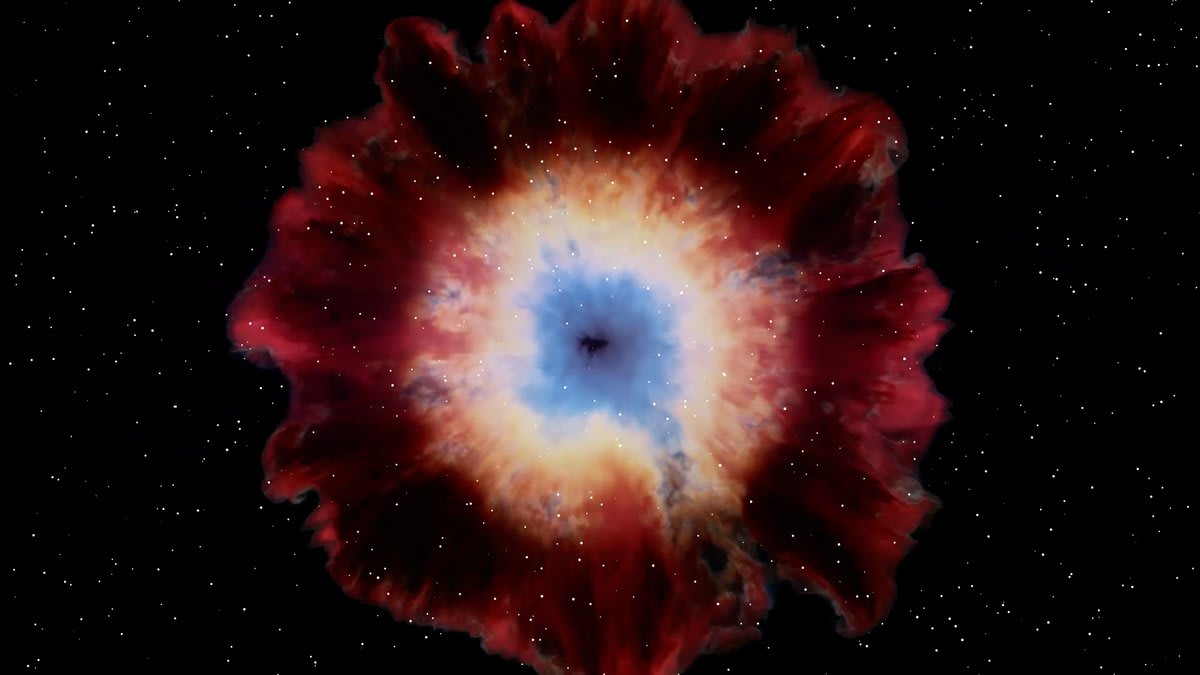
The James Webb Space Telescope captured stunning new images of the Helix Nebula, revealing how a dying star scatters the same elements that make life on Earth possible across the galaxy. This cosmic recycling center offers a preview of our own sun's fate in 5 billion years.

Live Science2 min read
Deep Sea Pressure Feeds Hidden Life, Reshapes Carbon Cycle
Planet WinsJul 13

Deep Sea Pressure Feeds Hidden Life, Reshapes Carbon Cycle

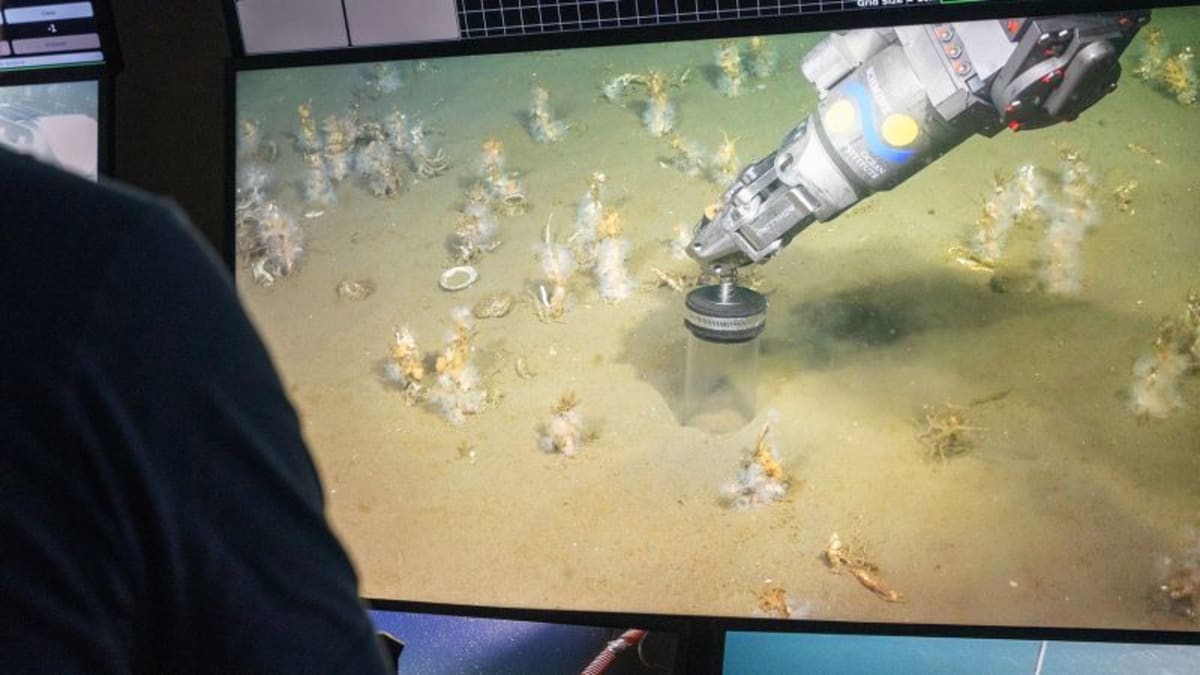
Scientists discovered that crushing ocean pressure squeezes nutrients from sinking particles, feeding microbes miles below the surface. This unexpected finding could change how we understand Earth's carbon storage and climate.

Science Daily2 min read
Scientists Find Hidden Pattern That Could Reveal Alien Life
InnovationMay 12

Scientists Find Hidden Pattern That Could Reveal Alien Life

Researchers discovered that life leaves a unique statistical fingerprint in organic molecules, offering a new way to detect alien life without looking for specific compounds. The breakthrough could transform how we search for life on distant worlds.

Google News - Scientists Discover3 min read
JWST Finds Life's Building Blocks in Distant Galaxy
Planet WinsFeb 7

JWST Finds Life's Building Blocks in Distant Galaxy

The James Webb Space Telescope discovered complex organic molecules in a nearby galaxy that could be the first steps toward life. Scientists found chemicals never before seen outside the Milky Way, revealing how life's ingredients form across the universe.

Space.com2 min read
Life's Building Blocks Form Naturally in Space
InnovationJan 21

Life's Building Blocks Form Naturally in Space

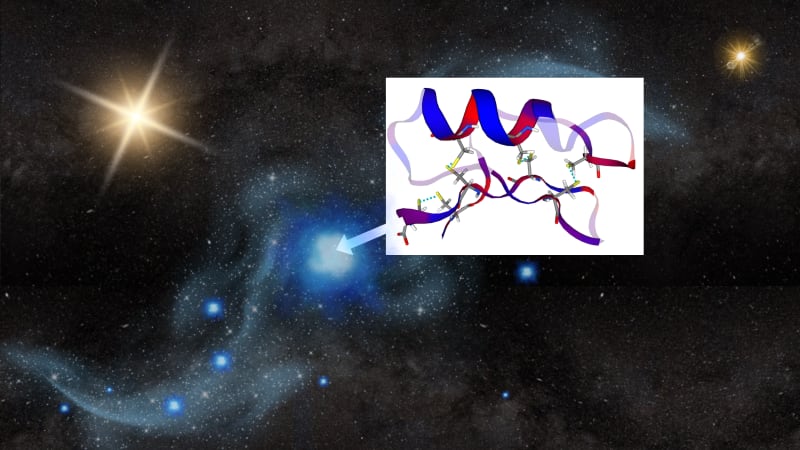
Scientists just proved that protein building blocks form spontaneously in the frozen dust clouds between stars, dramatically increasing the odds of finding life beyond Earth. The discovery rewrites what we thought possible about how life begins.

Google News - Science2 min read
Scientists Find Microbes That May Explain Complex Life
Planet WinsMar 5

Scientists Find Microbes That May Explain Complex Life

Researchers discovered ancient microbes in shallow coastal waters that can survive with oxygen, solving a puzzle about how simple life evolved into complex organisms like humans. The finding brings us closer to understanding why plants, animals, and humans exist at all.

Google News - Science3 min read

Showing 20 of 21784