Search

Find uplifting stories about heroes, innovations, and solutions

18 results for "echolocation"

Humans Learn Bat-Like Echolocation in Minutes
Community HeroesFeb 5

Humans Learn Bat-Like Echolocation in Minutes

Scientists at the University of East Anglia discovered that humans can learn to use mouth clicks like bats do, judging distances after just a short training session. This breakthrough could transform how we help visually impaired people navigate their world.

Medical Xpress3 min read
Blind Creator Shows How She 'Hears' Trees Without Sight
Community Heroes2h ago

Blind Creator Shows How She 'Hears' Trees Without Sight

Molly Burke reached out and touched a tree in a park without a cane or guide dog, stunning her boyfriend who was filming. She was using passive echolocation, a real skill she learned as a child to navigate by detecting "sound shadows."

Upworthy3 min read
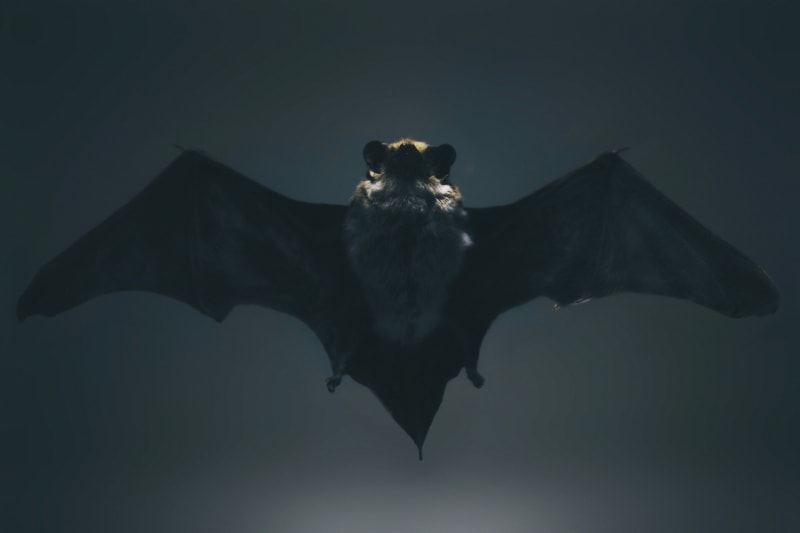
Bats Navigate Dense Forests Using Motion-Based Echolocation
InnovationJan 22

Bats Navigate Dense Forests Using Motion-Based Echolocation

Scientists discovered how bats fly through cluttered environments without crashing by detecting motion changes in sound waves. The breakthrough could help make drones and self-driving cars safer in complex spaces.

Scientific American2 min read
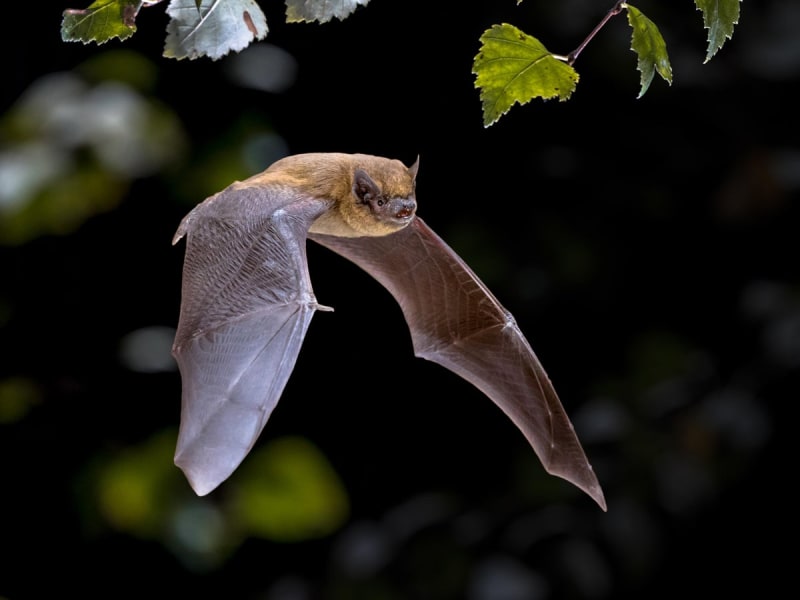
Bats Use Leaves Like Mirrors to Hunt Silent Prey
InnovationJan 21

Bats Use Leaves Like Mirrors to Hunt Silent Prey

Scientists used a robot to crack the code of how tiny bats detect motionless insects hiding on leaves using sound waves. The discovery could lead to pest-fighting farm robots that protect crops without chemicals.

Smithsonian3 min read
Bat-Inspired Drones Navigate Smoke, Fog, and Total Darkness
InnovationApr 1

Bat-Inspired Drones Navigate Smoke, Fog, and Total Darkness

Scientists created tiny drones that "see" in the dark using bat echolocation, opening new possibilities for rescue missions in fires and collapsed buildings. The breakthrough solves a problem that has stumped robotics engineers for years.

Fast Company - Innovation2 min read
Bats in Your Garden Signal a Thriving Ecosystem
Planet WinsMar 7

Bats in Your Garden Signal a Thriving Ecosystem

Those dark shapes zigzagging across your yard at dusk aren't random visitors. Scientists say returning bats mean your garden is healthier than you think.

Times of India - Good News2 min read
🌍
Planet WinsFeb 27

Norway Launches Electric Sightseeing Ships for Quieter Seas

Norway is introducing electric sightseeing vessels that will dramatically reduce noise pollution and emissions in its famous fjords. The ships promise a more peaceful experience for passengers while protecting marine wildlife.

Google News - Norway Green Energy2 min read
Hedgehogs Hear Ultrasound, Could Save Them From Traffic
Planet WinsMar 11

Hedgehogs Hear Ultrasound, Could Save Them From Traffic

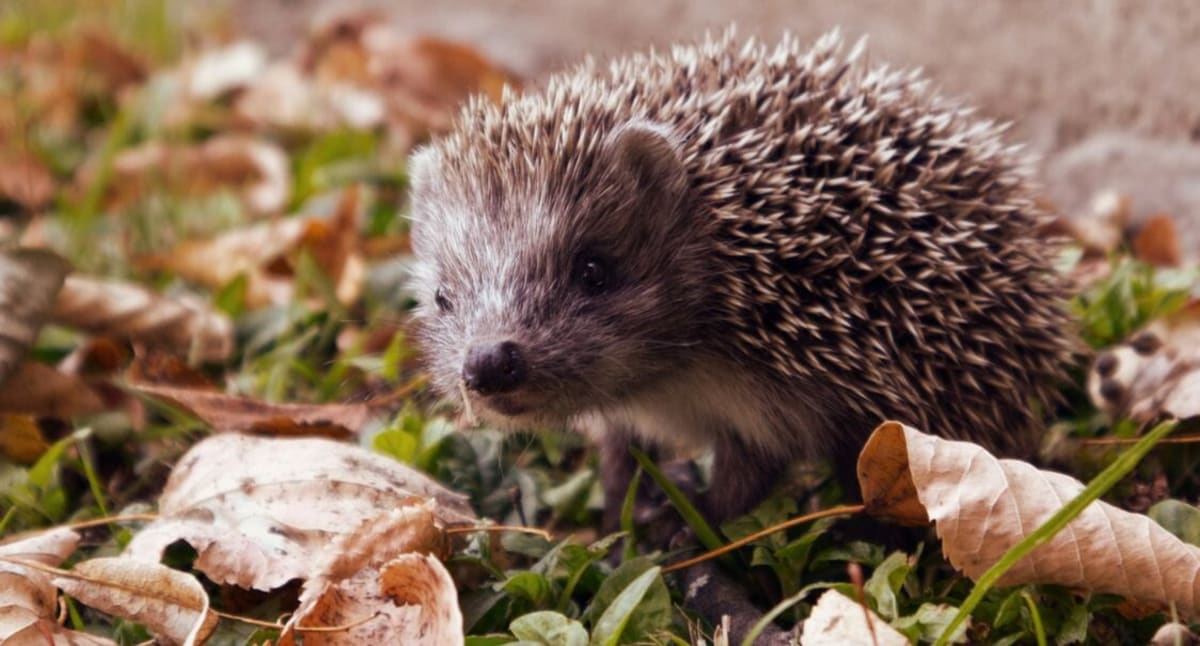
Scientists discovered hedgehogs can hear ultrasound frequencies up to 85kHz, opening the door to road-safe devices that could prevent thousands of deaths. Cars with built-in ultrasound repellers could soon keep these beloved mammals out of harm's way.

Guardian Environment2 min read
Singing Mice Show How Human Speech May Have Evolved
InnovationMay 6

Singing Mice Show How Human Speech May Have Evolved

Scientists discovered that a tiny change in mouse brains enabled complex songs and polite conversation, the same mutation believed to have sparked human language. The finding suggests our most unique ability required less evolutionary rewiring than we thought.

Google News - Science2 min read
Salisbury Wins £5K to Bring Wildlife to City Dwellers
Planet WinsMay 30

Salisbury Wins £5K to Bring Wildlife to City Dwellers

A UK city just secured lottery funding to help residents reconnect with nature through bat walks, birdsong events, and twilight celebrations. The project tackles a surprising gap: while most people know nature boosts happiness, only half feel truly connected to it.

BBC Science2 min read
Sperm Whales Caught Headbutting on Camera for First Time
VideosMar 24

Sperm Whales Caught Headbutting on Camera for First Time

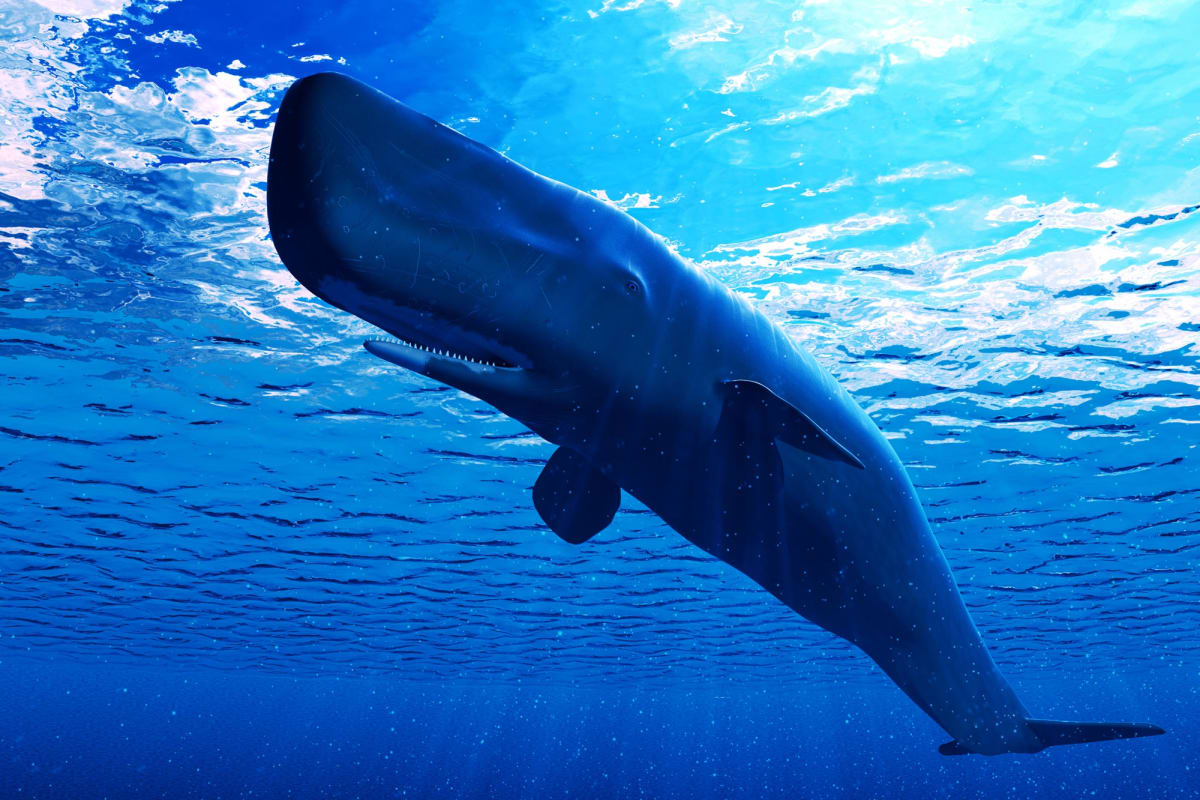
Scientists finally captured video proof of sperm whales headbutting each other, confirming legends told by 19th-century sailors. The surprising footage reveals younger whales, not adults, engage in this powerful behavior.

Google News - Science2 min read
UN Ships Agree to Quiet Down for Arctic Narwhals
Planet WinsFeb 2

UN Ships Agree to Quiet Down for Arctic Narwhals

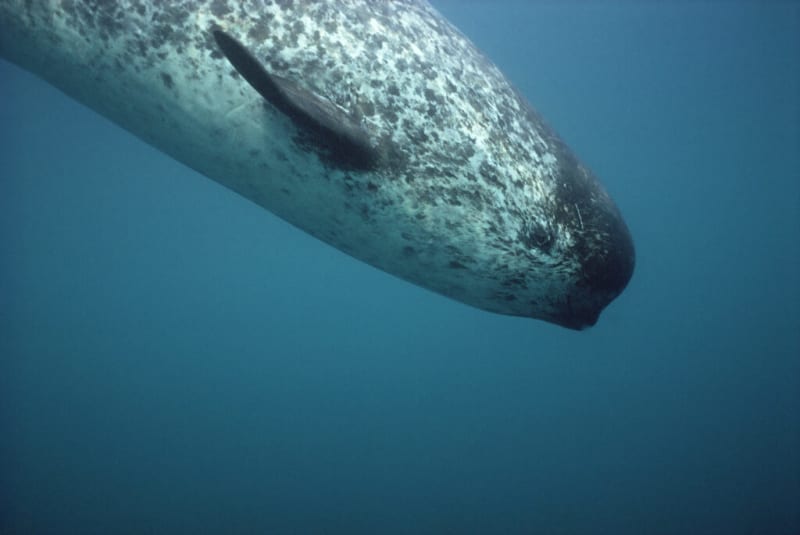
Global shipping regulators just approved new guidance to reduce underwater noise threatening narwhals and other Arctic whales. Simple fixes like slower speeds and cleaner hulls could cut noise pollution nearly in half while saving fuel.

Inside Climate News2 min read
Hedgehogs Hear Ultrasound 4x Better Than Cats
Planet WinsMar 14

Hedgehogs Hear Ultrasound 4x Better Than Cats

Scientists discovered European hedgehogs can hear ultrasonic frequencies up to 85,000 hertz, opening the door to car-mounted sound devices that could save them from roadkill extinction. One-third of hedgehog deaths come from vehicle collisions, pushing these adorable creatures toward threatened status.

Good News Network2 min read
Scientists Solve Mystery Behind Whale Stranding in Scotland
Planet WinsMar 6

Scientists Solve Mystery Behind Whale Stranding in Scotland

Researchers discovered that 55 pilot whales beached themselves on Scotland's Isle of Lewis because they were protecting a pod member in distress. The tragedy reveals the remarkable loyalty of one of the ocean's most social species.

Guardian Environment2 min read
AI Helps Save 76 Endangered Orcas from Underwater Noise
Planet WinsMay 22

AI Helps Save 76 Endangered Orcas from Underwater Noise

An AI system listens for endangered orca calls 24/7 and alerts Seattle ships to slow down or pause construction, giving the world's last 76 southern resident orcas a fighting chance. The technology has already detected the whales on 19 days this year.

Mongabay2 min read
Blue Whales' Songs Hide Them From Killer Whales
Planet WinsJul 5

Blue Whales' Songs Hide Them From Killer Whales

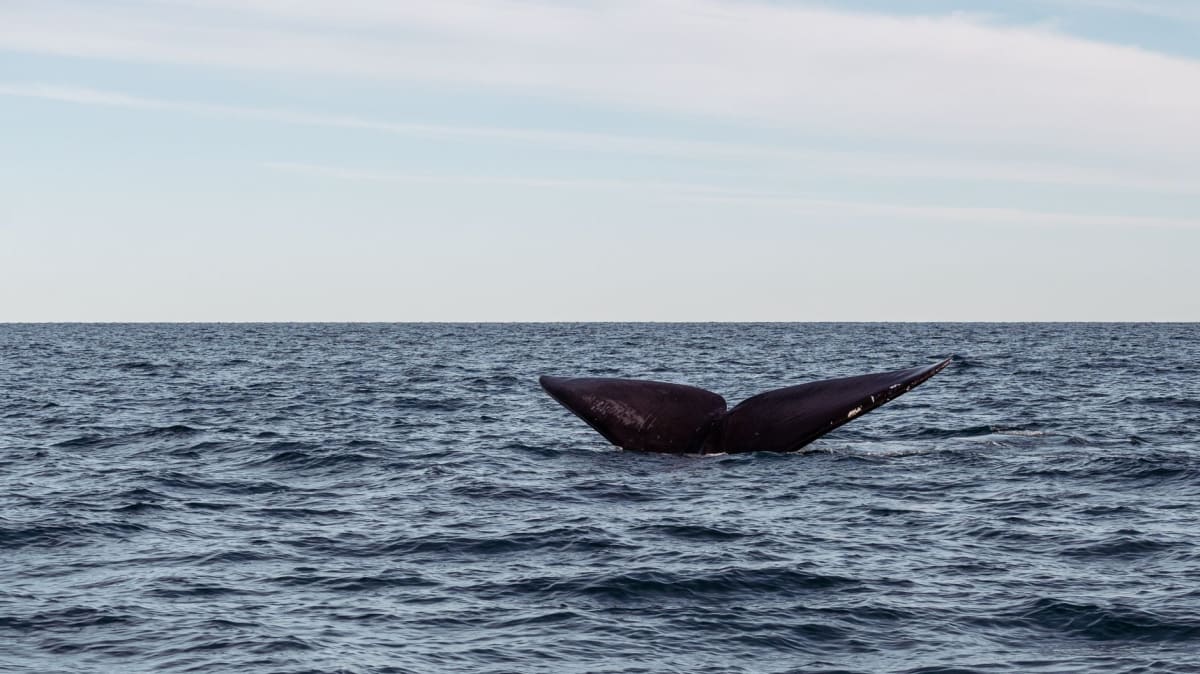
Blue whales sing at frequencies so low that killer whales can't hear them beyond a kilometer, effectively making the ocean's loudest animal acoustically invisible to its only predator. This discovery reveals how nature's largest creatures use sound as a survival tool.

Google News - Science3 min read
MIT's New System Sees Clearly Through Murky Ocean Waters
InnovationJun 11

MIT's New System Sees Clearly Through Murky Ocean Waters

Engineers created underwater mapping technology that works even in cloudy, sediment-filled water by combining sonar and cameras. The breakthrough could revolutionize underwater exploration, construction, and safety operations.

MIT News3 min read
Scientists Crack 50-Year Puzzle of Animal Minds
InnovationMar 12

Scientists Crack 50-Year Puzzle of Animal Minds

Researchers have developed a breakthrough framework that helps us finally understand what animals actually experience, transforming how we care for billions of creatures. The "teleonome" system could end decades of guessing about animal welfare.

Phys.org3 min read