
Ghana Partners with Belarus to Cut Food Waste
Ghana is tackling the huge problem of food lost after harvest with new technology and partnerships. President Mahama announced measures that could transform how the country feeds its people.
Find uplifting stories about heroes, innovations, and solutions
11507 results for "food waste ghana"
Ghana is tackling the huge problem of food lost after harvest with new technology and partnerships. President Mahama announced measures that could transform how the country feeds its people.

Ghana's President is exploring cutting-edge agricultural technology in Belarus to help modernize farming and reduce food waste back home. The visit could unlock partnerships that transform Ghana's food production from small farms to commercial scale.
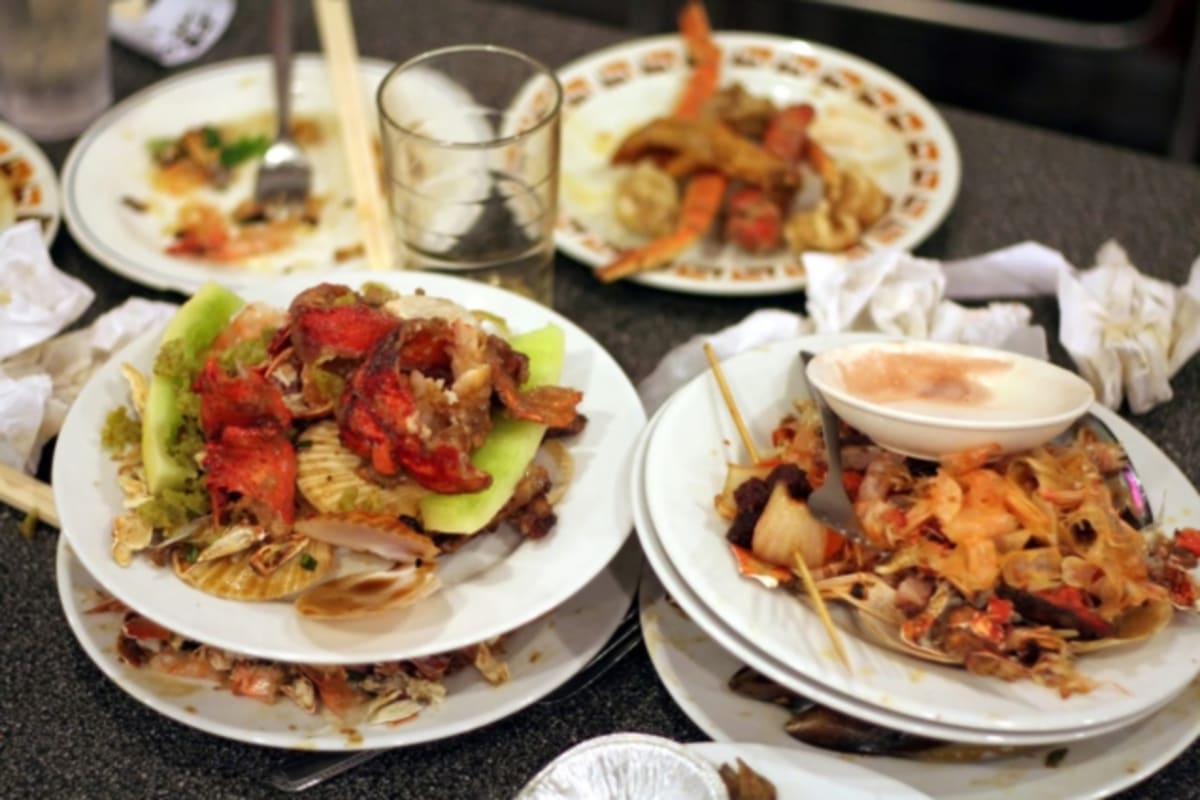
Food waste from just 49 restaurants in Ghana's Ashanti Region could feed 5,000 people for three weeks, revealing how surplus food could help tackle hunger. Researchers are spotlighting restaurant practices as part of a nationwide effort to rescue edible food.

The University of Helsinki is leading a national project that transforms food industry byproducts into innovative new products. Researchers are finding sustainable ways to use brewery waste, dairy processing leftovers, and other food materials that typically go unused. #

Brazil is spearheading a UN-backed initiative to halve global food waste by 2030, tackling a problem that generates up to 10% of all greenhouse gas emissions. The country's comprehensive strategy combines national policy, city-level action, and business partnerships to turn wasted food into climate solutions.
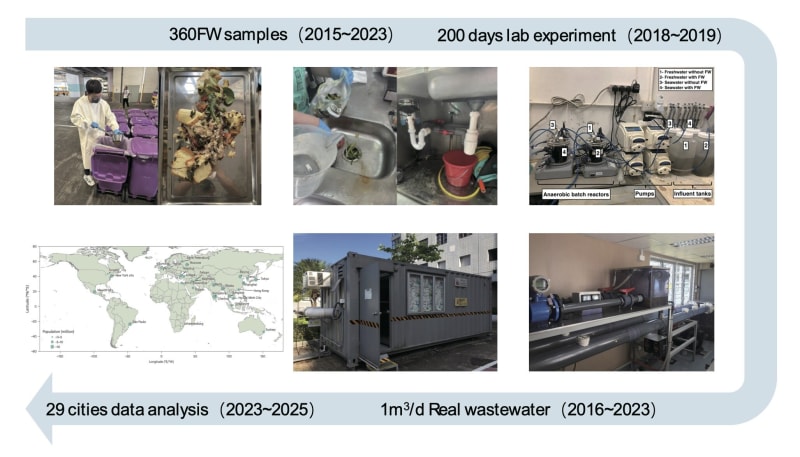
Scientists discovered that grinding food waste and sending it through sewage systems saves money and dramatically reduces pollution in cities with wet food waste. Hong Kong could save $46 million annually while nearly halving greenhouse gas emissions.
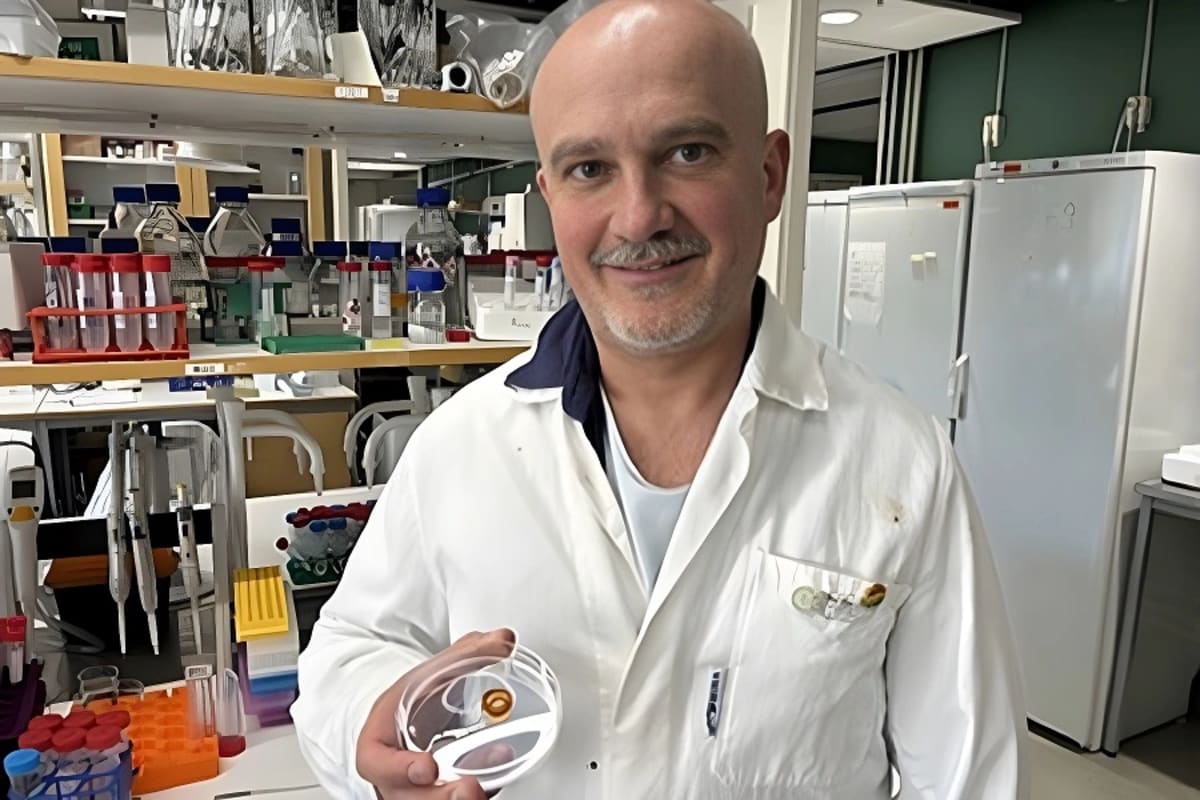
Researchers in Sweden have transformed leftover wheat bran into a gel that could revolutionize plant-based meat and dairy alternatives. The breakthrough turns agricultural waste into a valuable food ingredient that improves texture while reducing food waste.
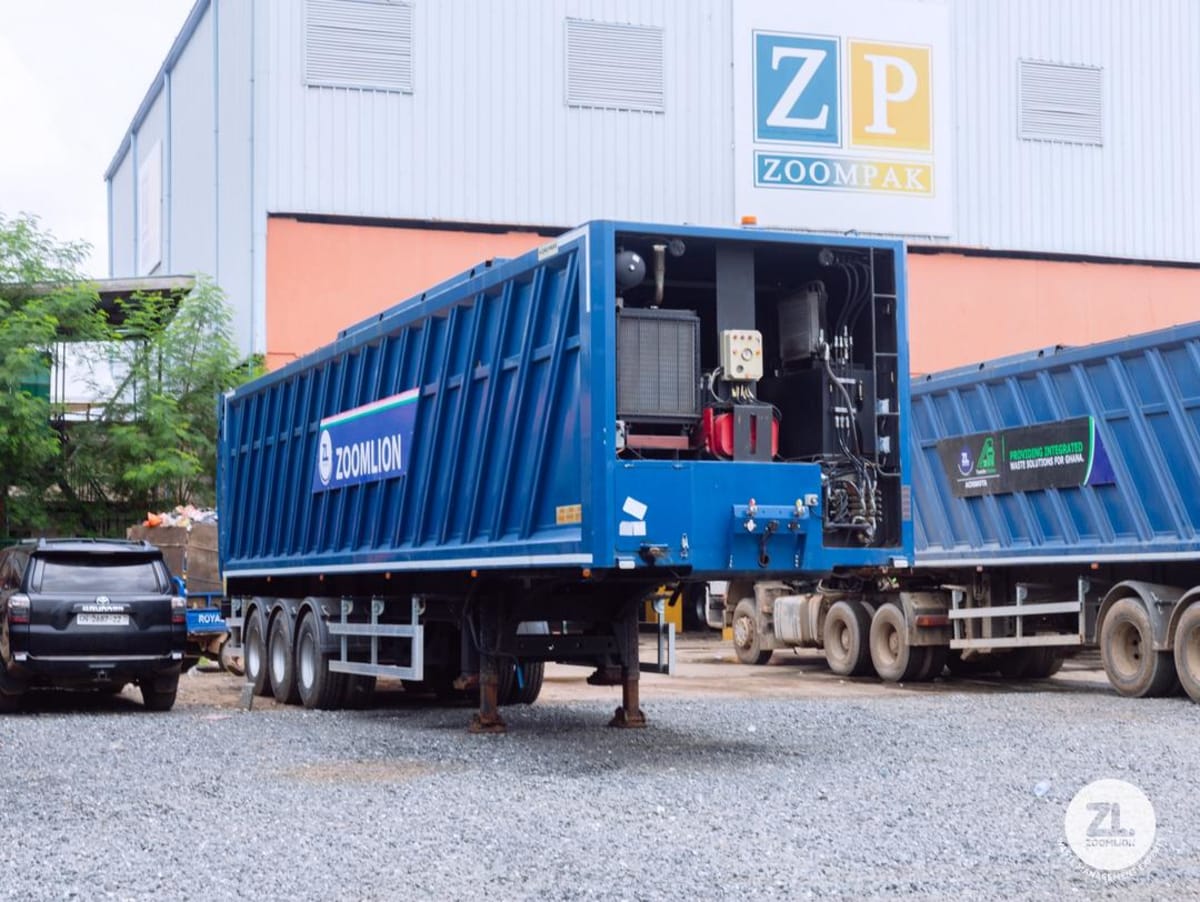
When devastating floods shut down landfills across Ghana's capital, nearly 3,000 tricycle waste collectors had nowhere to dump garbage, threatening a major health crisis. The government and private partners just reopened a key transfer station to get waste flowing again.
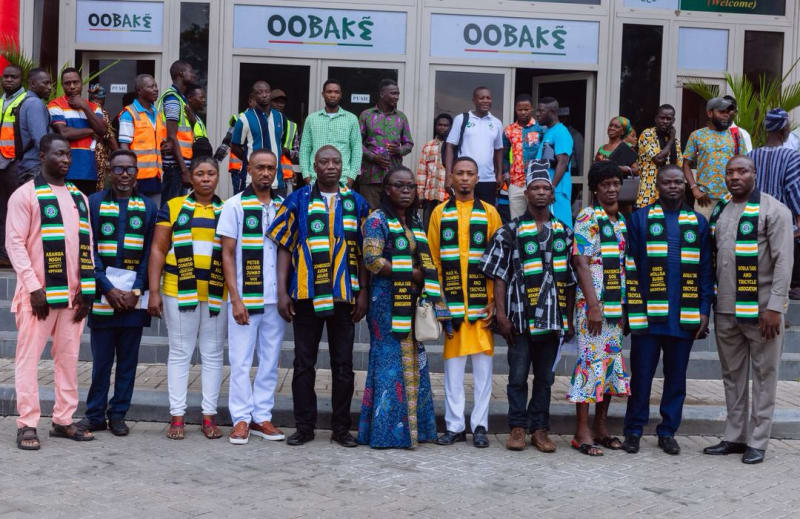
Once harassed and overlooked, Ghana's informal waste collectors just swore in new leadership after transforming themselves into the country's most important sanitation force. They now collect three-quarters of all waste in Greater Accra.
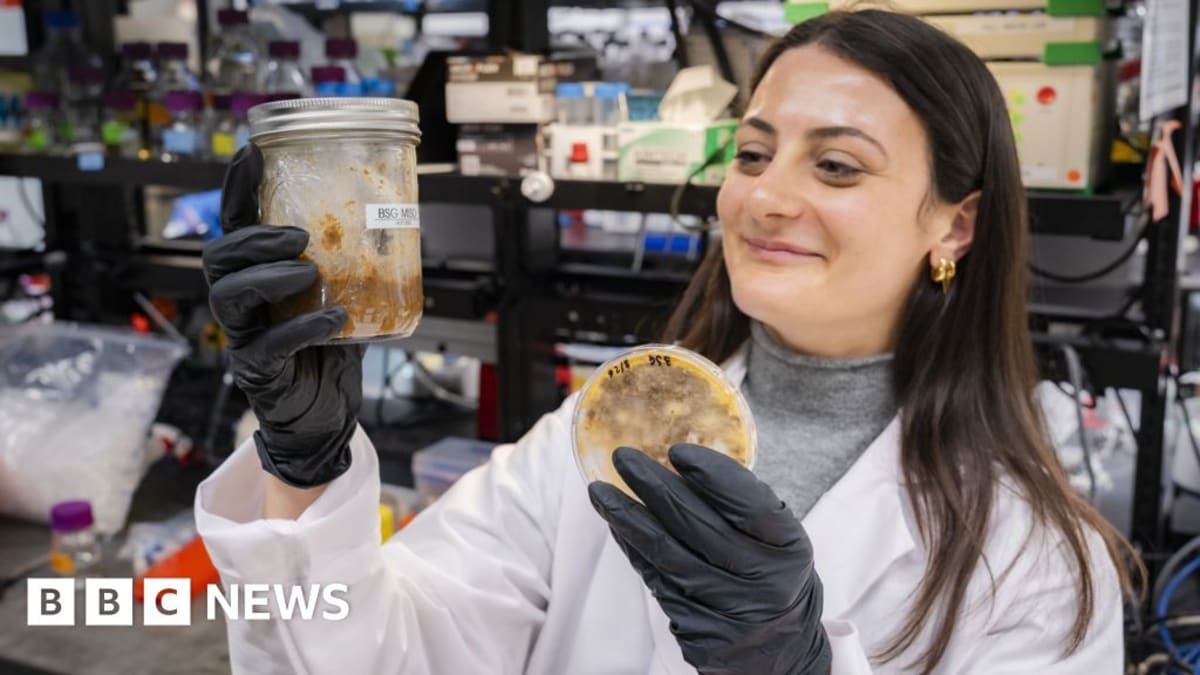
Labs worldwide are using fermentation to transform discarded cocoa shells, pea leftovers, and soy pulp into delicious cheese, pet food, and meat substitutes. This ancient technique is rescuing millions of pounds of waste while creating tasty, nutritious products.
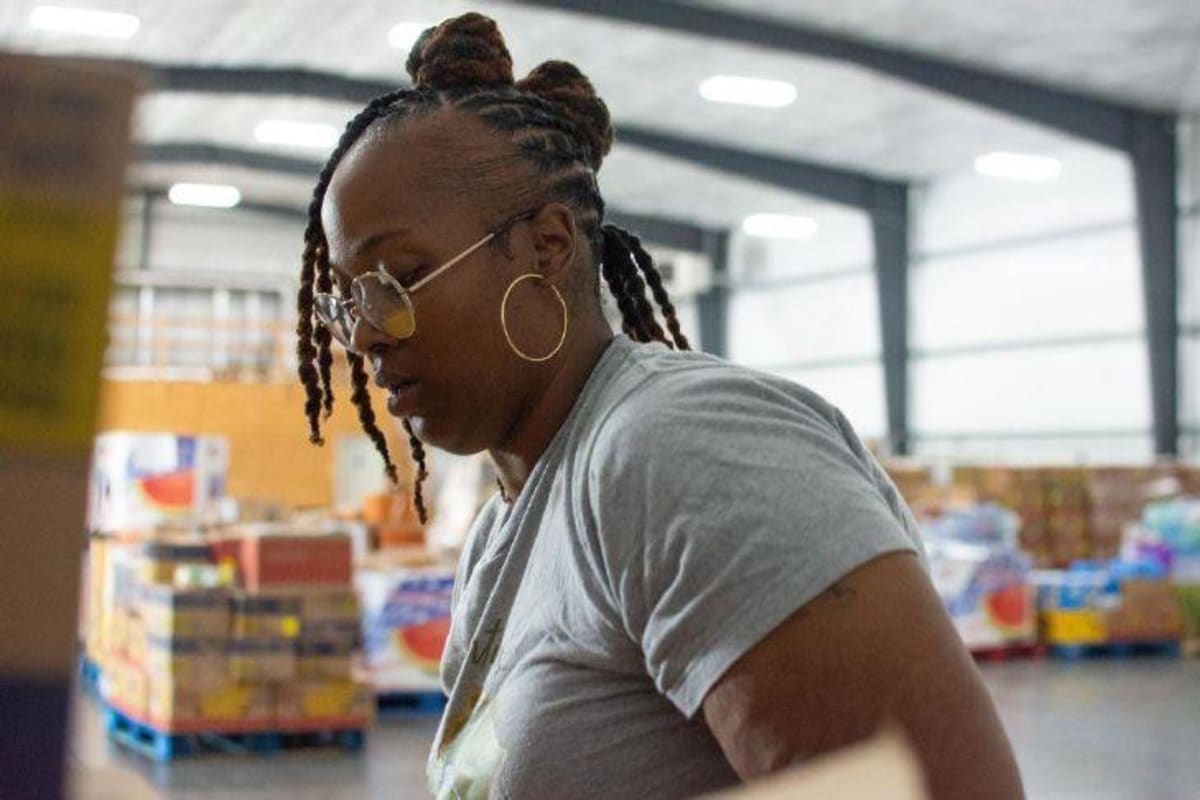
A Kentucky food bank rescued nearly 150,000 pounds of fresh food from retailers in just six months while launching a new volunteer program to help thousands of seniors. The expansion turns would-be waste into hope for families struggling with food insecurity.
%2Ffile%2Fattachments%2Forphans%2F1_601656.jpg)
South Africa just published its first national framework for food donation, clearing up confusion that sent millions of tonnes of safe food to landfills instead of hungry families. The new standard could help feed a nation where nearly two-thirds of households struggle with food insecurity.

Ghana just opened Africa's first Blue Food Innovation Hub to revolutionize its seafood industry through collaboration and technology. The initiative brings together researchers, investors, and startups to make sustainable fish farming more accessible and profitable across West Africa.
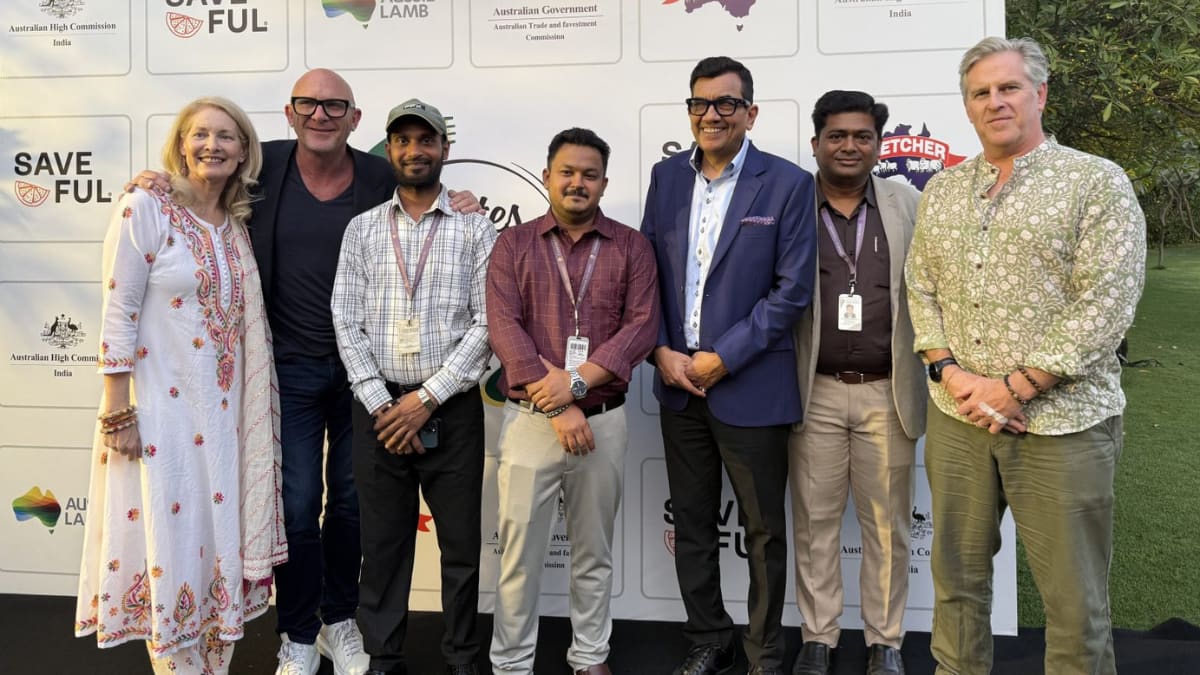
An Australian food-tech platform that helps households reduce waste and save money just launched in India, one of the world's largest food markets. The move could help millions of families make the most of ingredients they already have.

Starting July 1, large venues in New South Wales must separate food waste from general trash, with rules expanding to smaller businesses by 2030. The move tackles a crisis where households throw away $2,000 in food yearly while landfills near capacity.
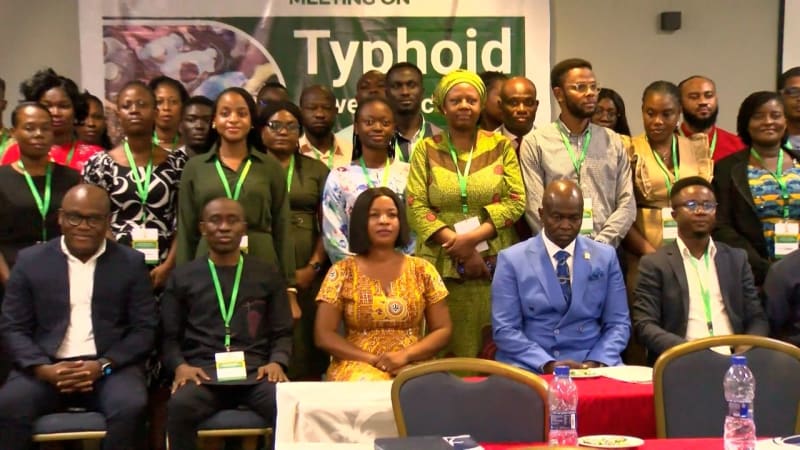
Ghana is launching a nationwide typhoid vaccine program targeting food handlers, shifting from reactive treatment to proactive prevention. The subsidized vaccine will be required for health certificates starting in coming weeks.
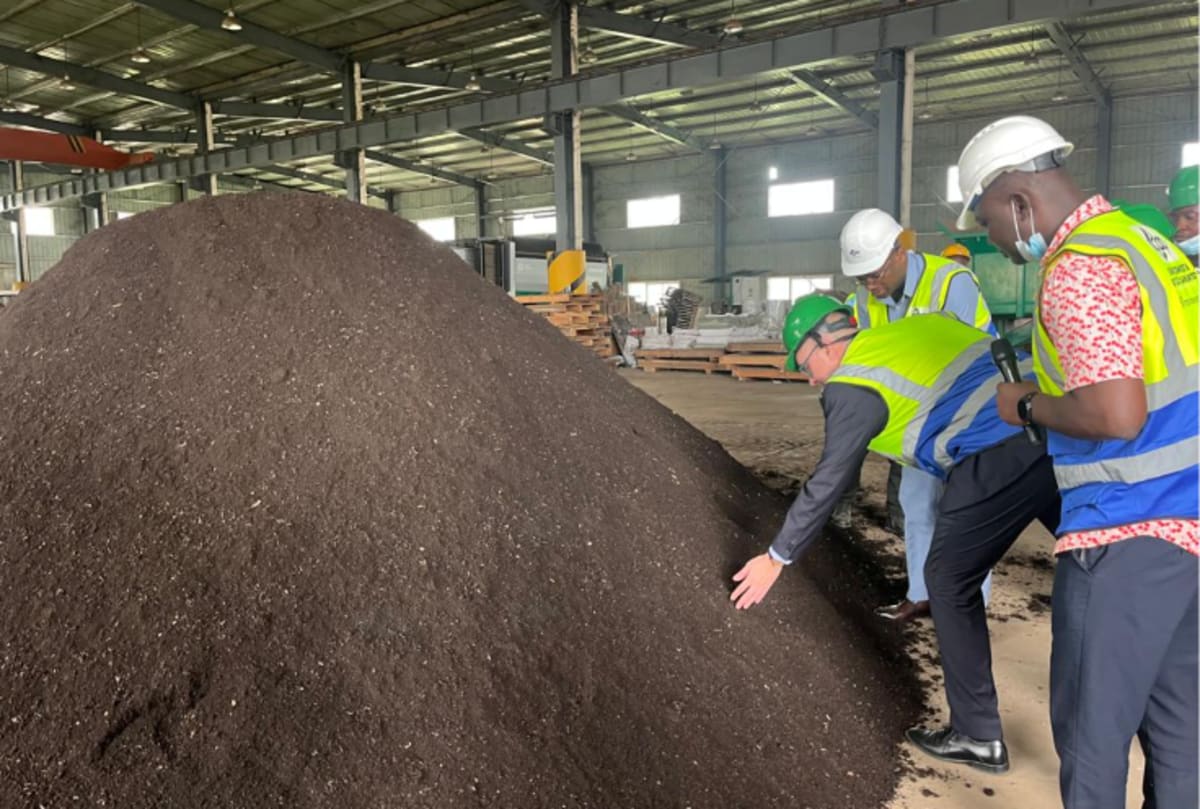
Ghana is transforming its waste management future through a groundbreaking partnership with Austria that trains locals to turn trash into jobs and economic opportunity. The collaboration focuses on developing homegrown solutions rather than importing ready-made technology.
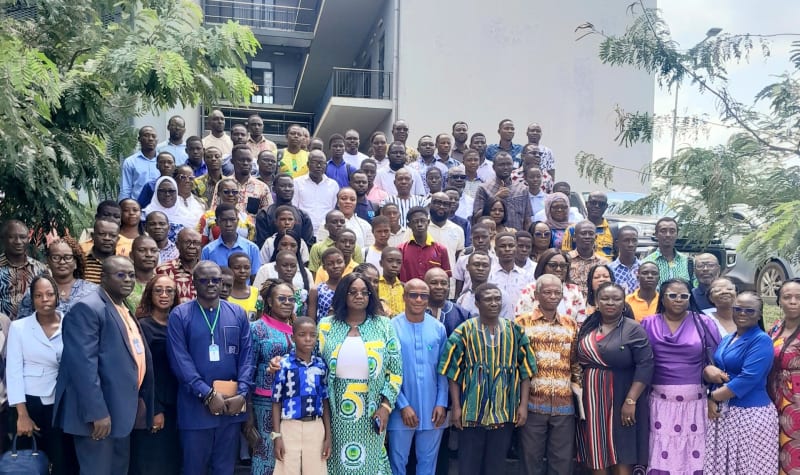
A university in Ghana is teaching thousands of children to grow their own food through a three-month organic gardening competition. The program aims to revive backyard farming and create a generation of climate-smart problem solvers.

London's Winnow just bought Singapore's Lumitics to bring smarter food waste tracking to Asia-Pacific kitchens. The merger combines cutting-edge AI technology with regional expertise to tackle one of the world's most wasteful industries.
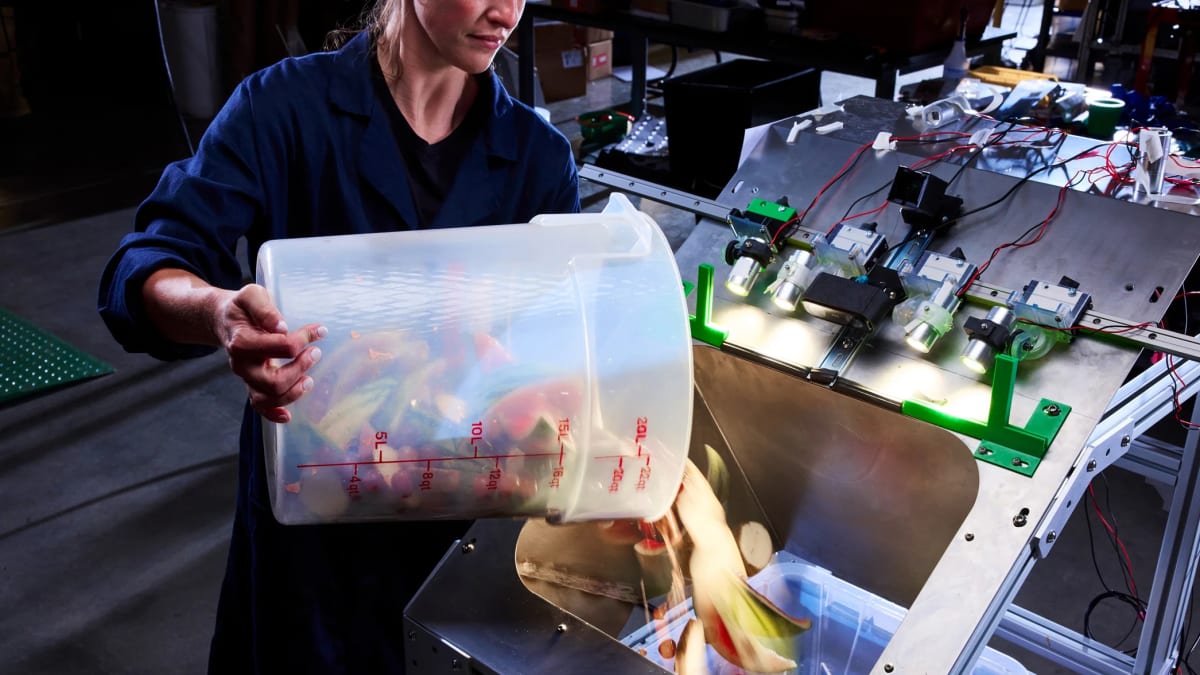
A startup is turning restaurant food waste into chicken feed while using AI to help kitchens waste less. The solution tackles both emissions and costs for businesses with razor-thin margins.
Showing 20 of 11507