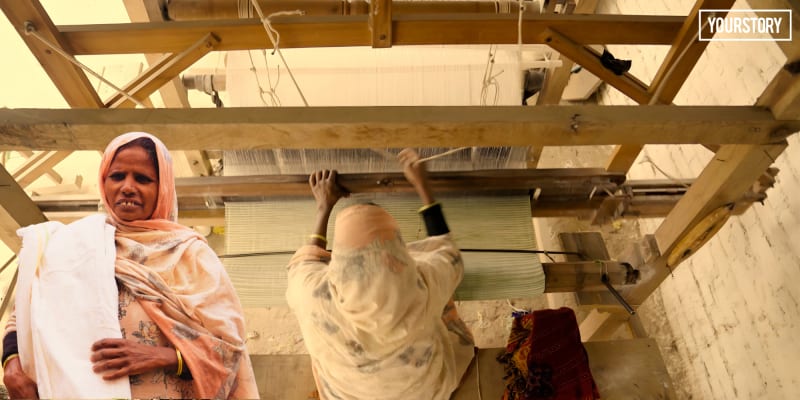
India's Handloom Town Weaves Jobs and Economic Revival
In Hardoi, India, traditional handloom weaving isn't just heritage—it's a thriving business creating jobs and exports. One entrepreneur is proving that ancient craft can power modern prosperity.
Find uplifting stories about heroes, innovations, and solutions
659 results for "handloom weaving"
In Hardoi, India, traditional handloom weaving isn't just heritage—it's a thriving business creating jobs and exports. One entrepreneur is proving that ancient craft can power modern prosperity.
Young weavers are returning to their looms as entrepreneurs transform India's 3.5 million-strong handloom sector from struggling craft into competitive creative industry. The shift from sympathy to smart positioning is bringing dignity and steady income back to ancient weaving families.
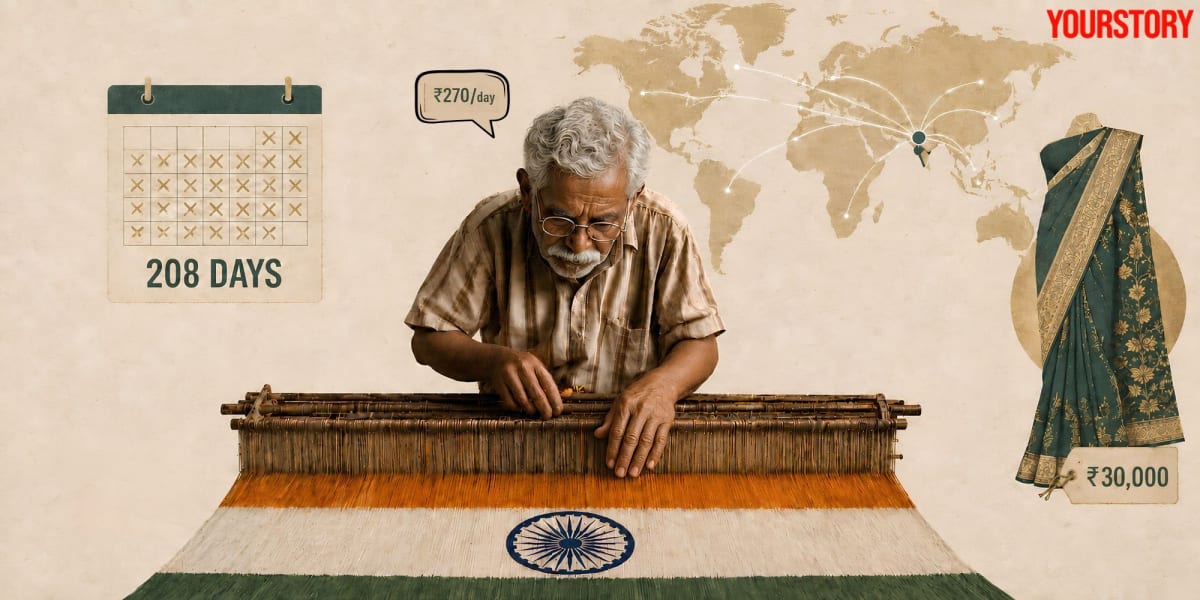
India produces 95% of the world's handwoven fabric and employs 3.5 million artisans keeping ancient weaving traditions alive. Now the country is working to ensure these skilled weavers earn sustainable livelihoods from their craft.
A new handloom technique makes patterns machines can't replicate, protecting India's 3.5 million weavers from cheap imitations. The innovation puts skilled hands back at the center of pricing.

India's Kerala state is creating a premium brand to help traditional handloom weavers reach global markets. While local artisans want more immediate support, many see the initiative as a promising step forward.
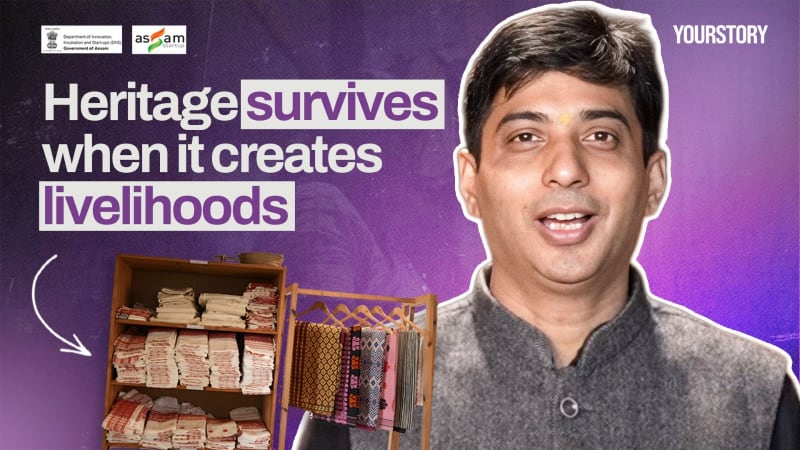
A social entrepreneur in Assam is teaching forest-fringe communities traditional weaving and silk-making, creating steady incomes for 385 women while protecting forests. In just four years, AVA Creations grew from zero to Rs 1.5 crore in revenue.
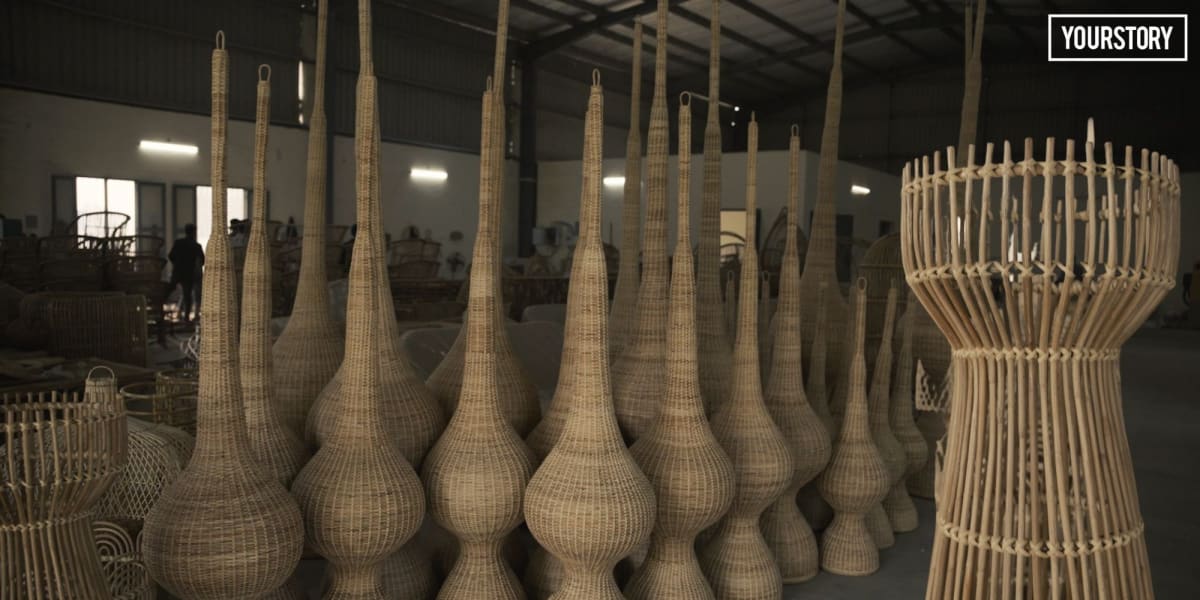
In Bareilly, India, bamboo artisans are transforming centuries-old weaving techniques into sleek furniture for contemporary homes and hotels worldwide. What started as a four-person workshop now employs 30 craftspeople and exports to Australia.
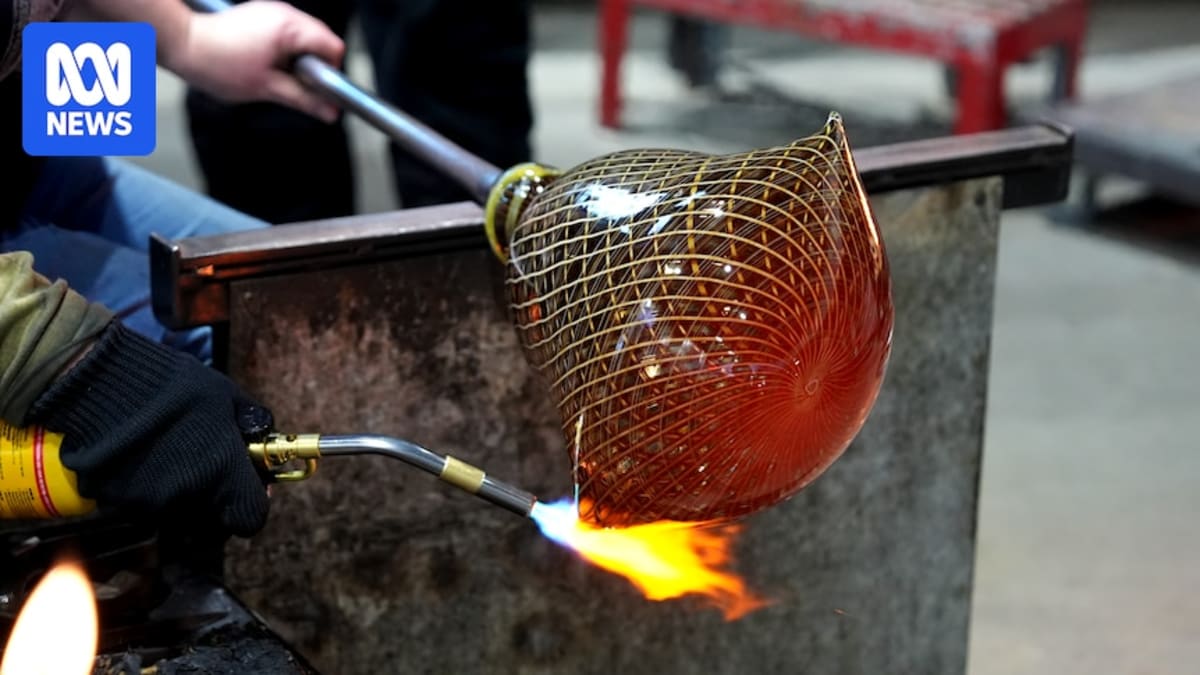
A Lower Southern Arrernte woman is preserving the world's oldest living weaving practice using an unexpected material: glass. Her stunning pieces blend millennia-old Indigenous patterns with Italian glassblowing techniques, proving culture thrives in contemporary forms.

Nigeria's First Lady donated ₦2 billion (approximately $1.3 million USD) to save the centuries-old Akwete weaving tradition, helping women weavers compete globally. The historic gift combines cultural preservation with economic empowerment for female artisans in Abia State.
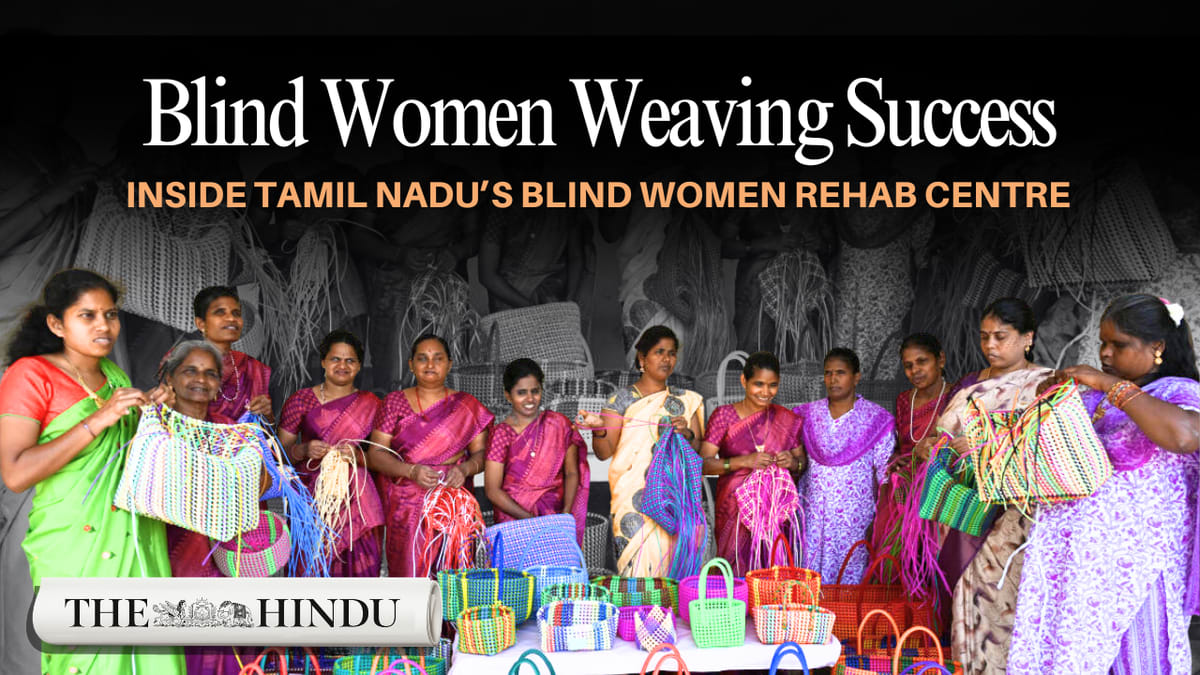
A training center in Tamil Nadu has spent five decades teaching visually impaired women to earn their own living through tailoring, basket weaving, and baking. These women are proving that blindness is no barrier to financial freedom.
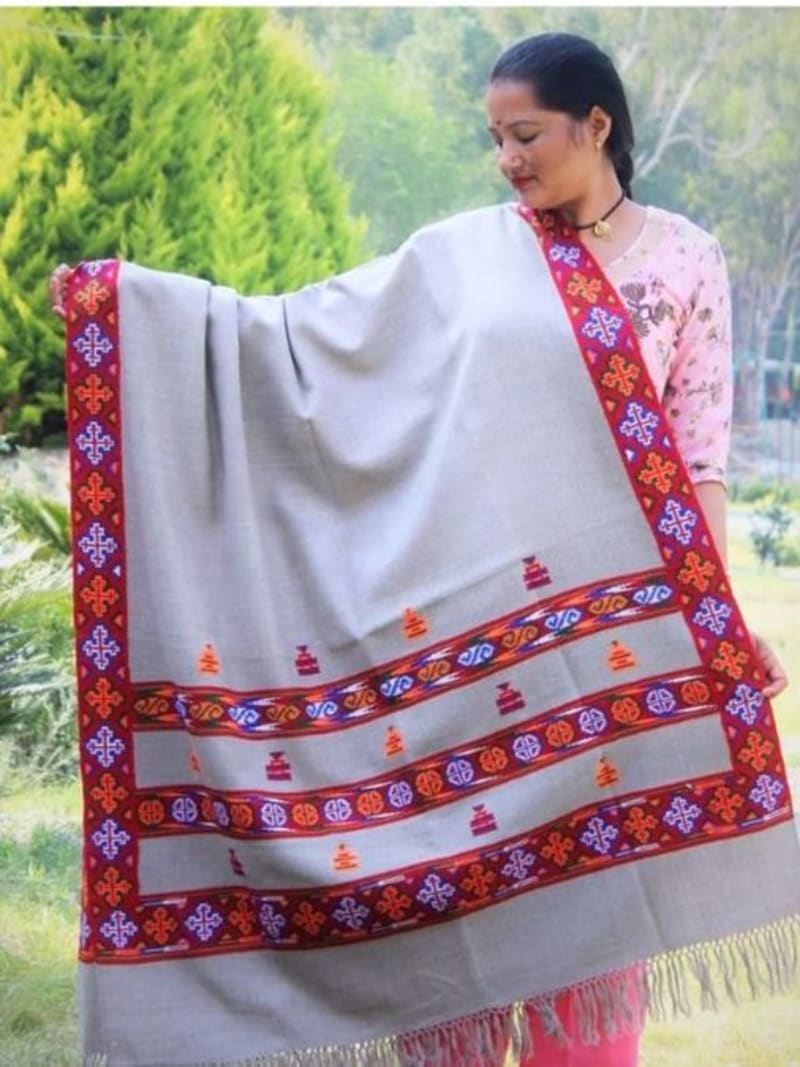
In the mountains of Himachal Pradesh, over 400 women are bringing back a dying craft and building their own sustainable fashion empire. What started as a mission to save traditional Kullu weaving has turned into a movement that reaches 20 countries.

After 17 years in corporate life, Richa Maheshwari founded Boito to take traditional tribal textiles from Odisha's artisan looms to global fashion markets. Her brand proves indigenous craft can thrive in modern design without losing its cultural soul.
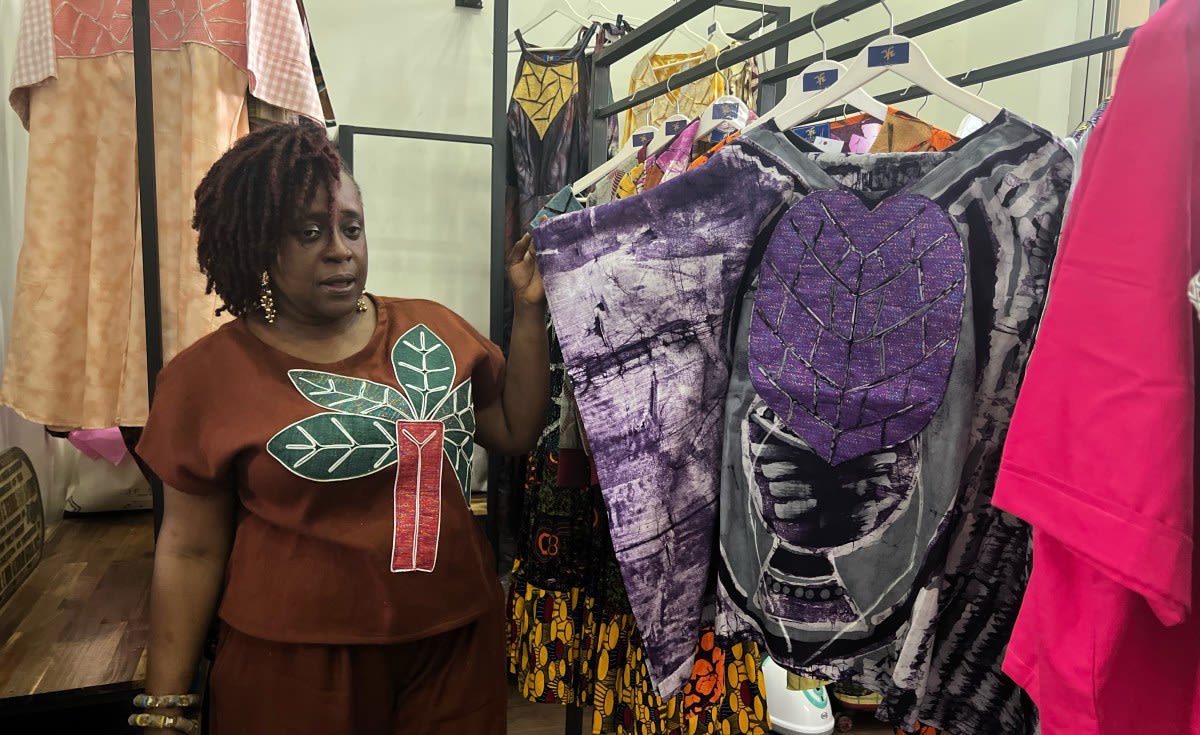
Designers in Sierra Leone are transforming traditional textiles like Krio Print and indigo Léppi into a thriving fashion economy that preserves culture while creating jobs. A new industry association is helping weavers, dyers, and designers unite to compete in global markets.

When Siraj Khan noticed skilled weavers with no way to sell their work, she built a marketplace that now supports over 100 women in Chennai. Since 2020, these mothers and housekeepers have turned their craft into real income alongside their day jobs.
%2Fhttps%3A%2F%2Ftf-cmsv2-smithsonianmag-media.s3.amazonaws.com%2Ffiler_public%2Fb2%2F1c%2Fb21cc915-7750-49ab-a4de-285addb10696%2Fgullah_geechee_basket_weaving.jpg)
Fifth-generation basket weavers and coastal conservationists are keeping centuries-old Gullah Geechee traditions alive along the South Carolina coast. Their work connects West African heritage to modern environmental protection through sweetgrass baskets and oyster reef restoration.
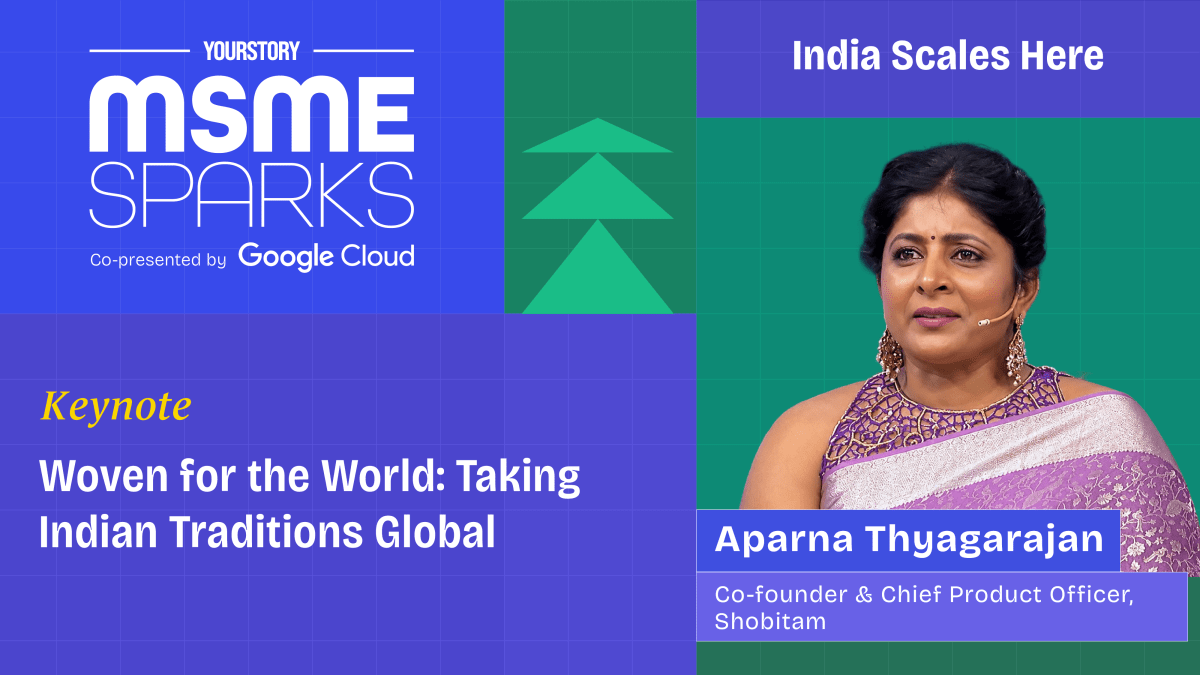
Shobitam connects handloom artisans across India directly with customers from Alaska to New Zealand, proving ethnic fashion can thrive globally. The platform now represents over 75 craft partners and has earned 13,000 five-star reviews.

A centuries-old textile tradition kept alive by skilled Nigerian women just received a $1.3 million lifeline that could transform an entire community. Nigeria's First Lady announced funding to modernize Akwete's famous handwoven fabric industry after decades of neglect.
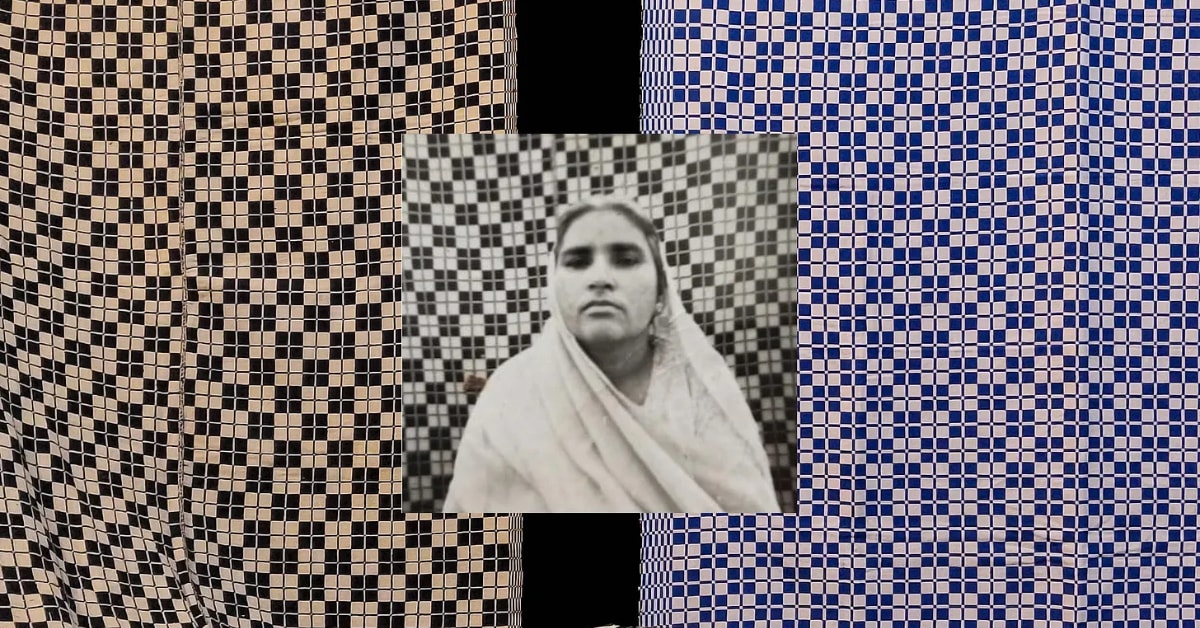
Two design students tracked down a forgotten textile tradition that vanished during Partition, finding it alive across the border in Pakistan. Their four-year quest turned a classroom assignment into the most detailed record of Majnu Khes ever created.

Indian universities are introducing courses on traditional astronomy, mathematics, and medicine as voluntary electives, bridging ancient wisdom with contemporary education. Students can now earn credits studying Sanskrit communication theory alongside Western concepts.
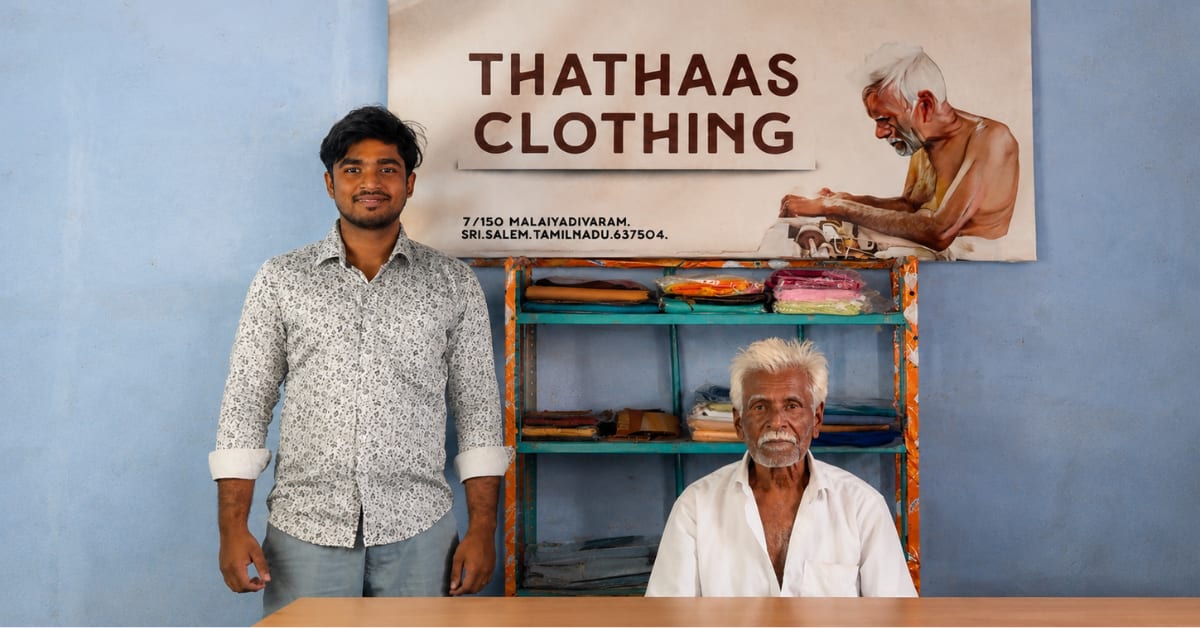
An 84-year-old weaver in Tamil Nadu spent 60 years watching middlemen pocket most profits from his handmade sarees. His grandson started an Instagram page that now helps 30 weavers sell directly to customers worldwide.
Showing 20 of 659