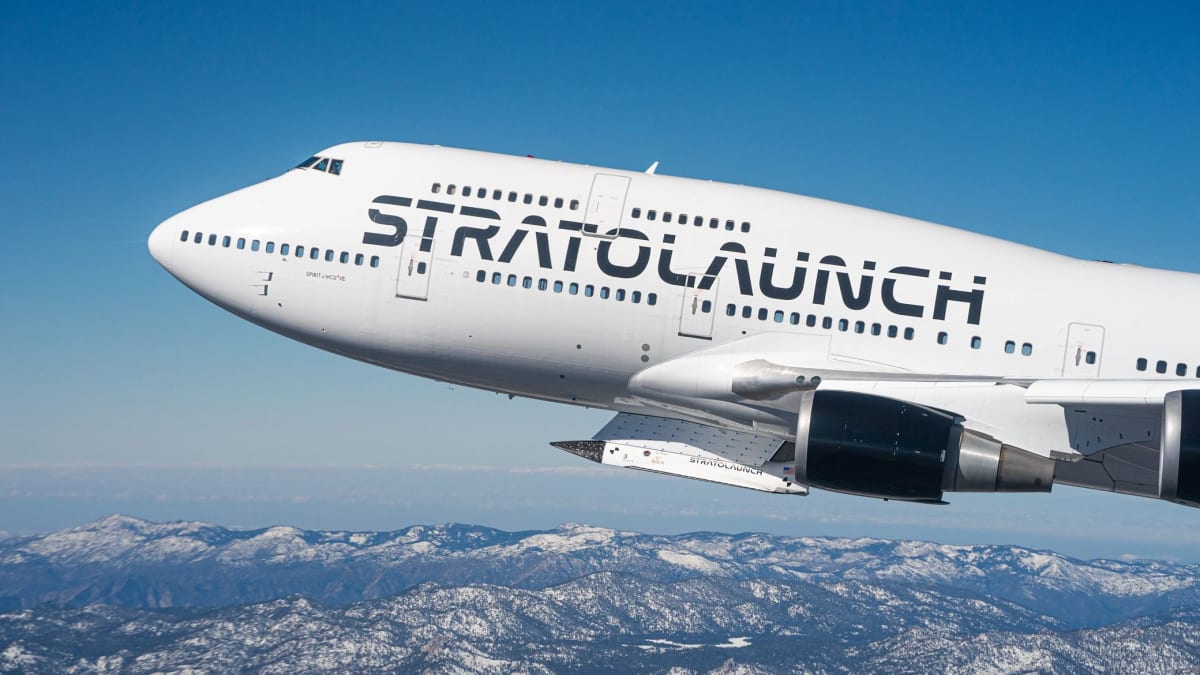
Hypersonic Test Plane Hits 10 Successful Flights
A reusable aircraft that travels at five times the speed of sound just hit double-digit successful flights. California's Stratolaunch is turning rare hypersonic testing into an everyday service.
Find uplifting stories about heroes, innovations, and solutions
23 results for "hypersonic"
A reusable aircraft that travels at five times the speed of sound just hit double-digit successful flights. California's Stratolaunch is turning rare hypersonic testing into an everyday service.
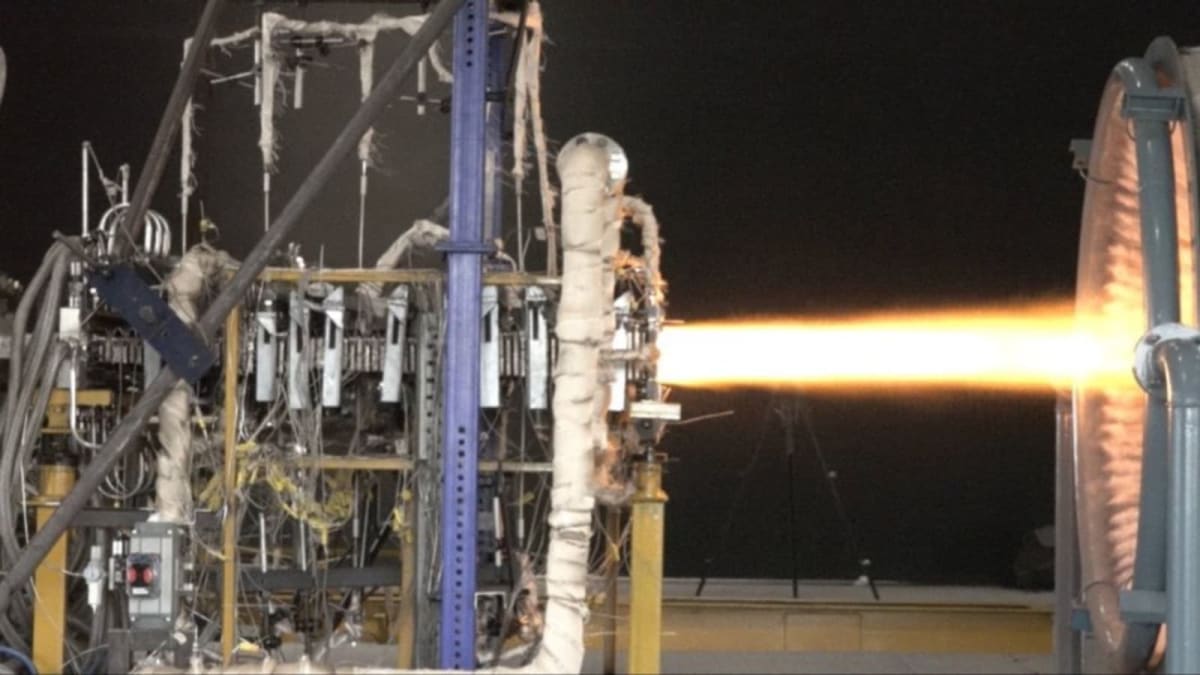
India just achieved a breakthrough in hypersonic missile technology, running an advanced scramjet engine for over 20 minutes straight. The achievement puts India among an elite group of nations developing technology that could reshape global defense capabilities.

An Australian company just made aerospace history by successfully flying a hypersonic aircraft over five times the speed of sound. The breakthrough puts Australia at the forefront of one of the world's most challenging technologies.

A European defense startup just hit hypersonic speeds in its first test flight, going from design to launch in just nine months. The privately funded achievement could reshape how quickly new aerospace technology reaches the skies.
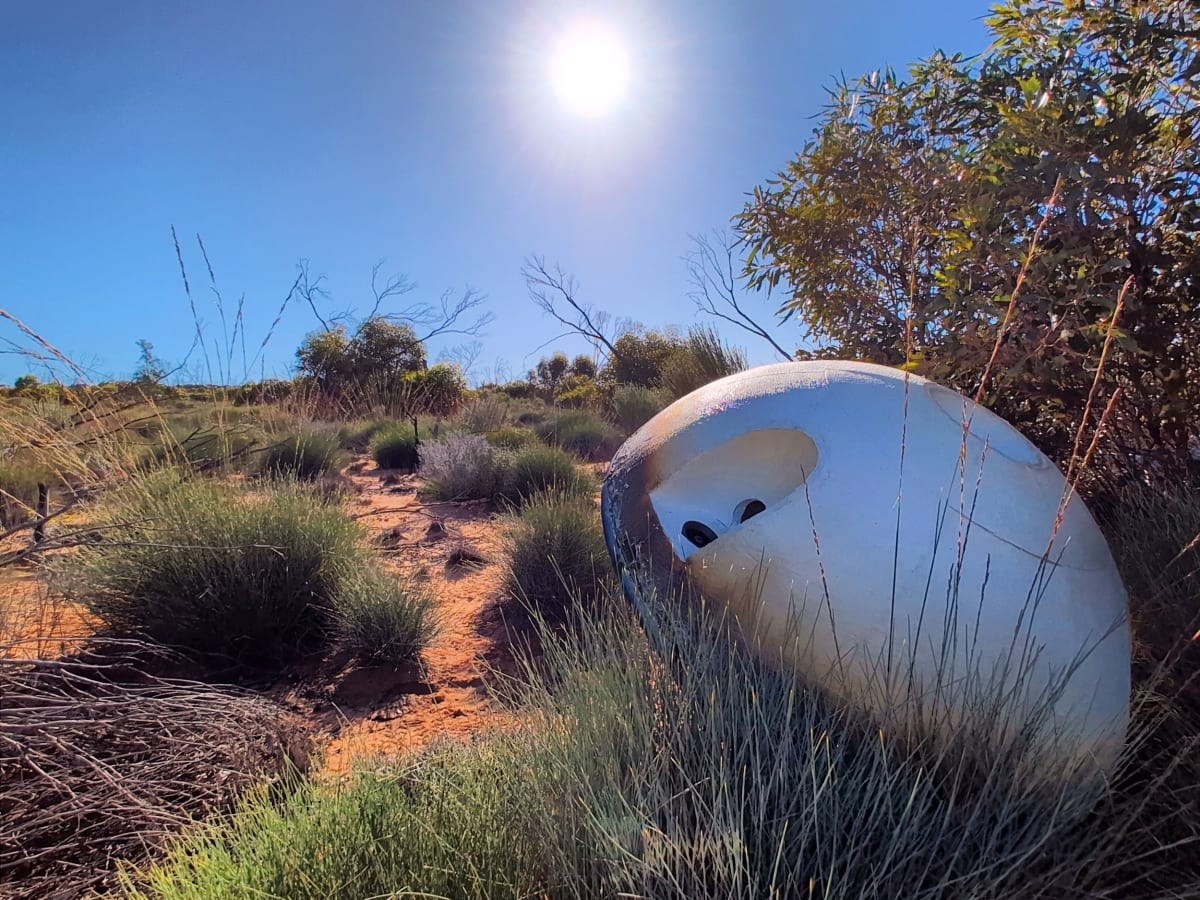
Varda Space Industries just nailed its sixth reentry mission, bringing hypersonic test data back to Earth while racing toward a moonshot goal: the first drug made in space injecting a patient by 2030. The California company is proving that space manufacturing isn't science fiction anymore.
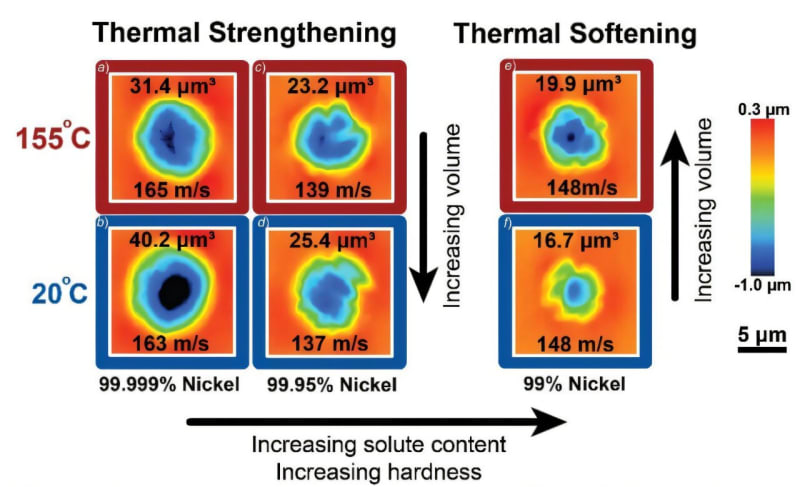
Northwestern engineers discovered that heating pure metals makes them stronger under extreme conditions—the opposite of everything science has taught for a century. This breakthrough could protect satellites from space debris and revolutionize hypersonic flight.
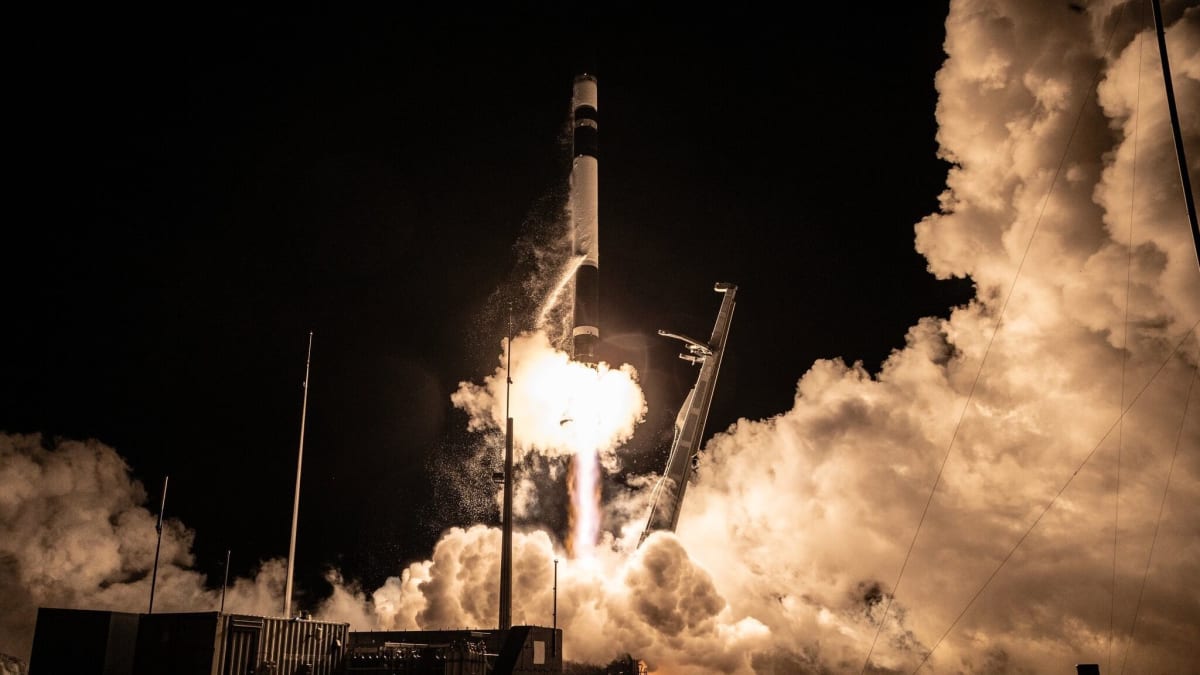
A major space company just made launching satellites as simple as shipping a container. Rocket Lab's new portable spaceport can deploy anywhere in the world to launch missions on demand.
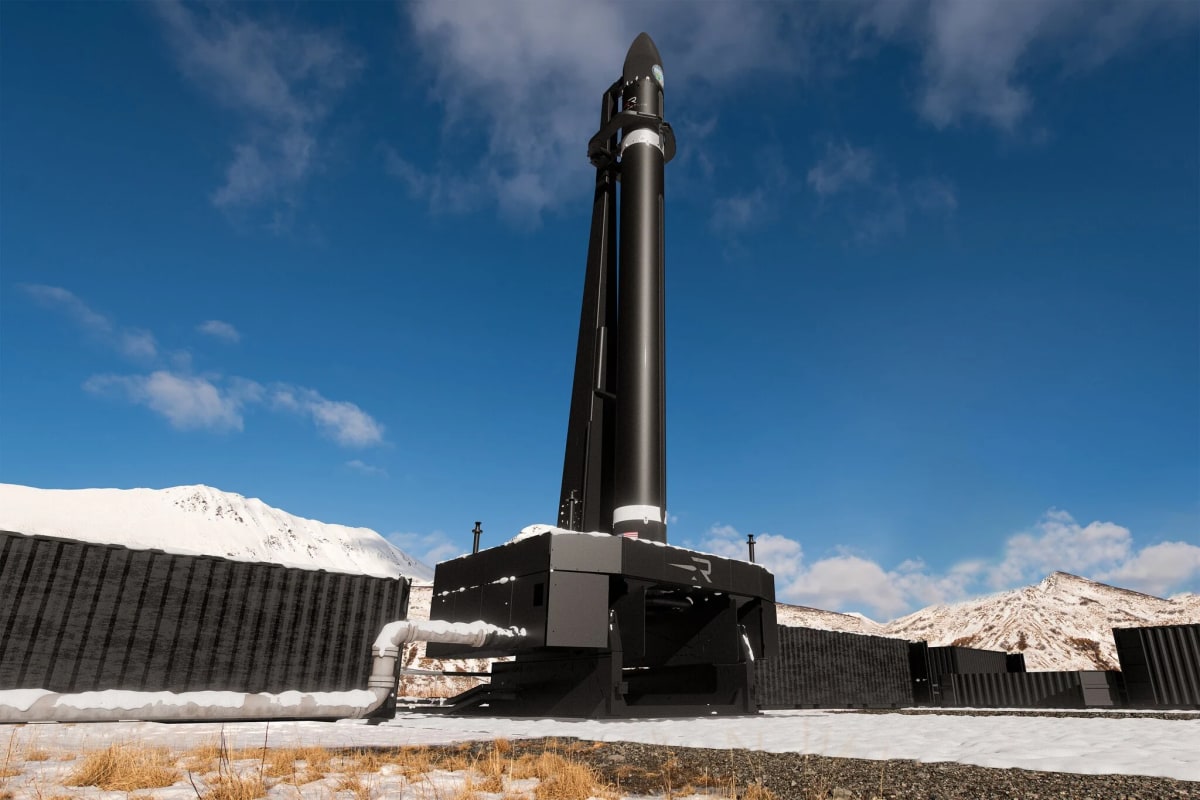
Rocket Lab just landed its biggest contract ever—a $266 million deal with the U.S. Space Force that will bring up to 18 launches and a brand new Alaska launch site online by 2026. The move marks a major expansion for the company and gives the military more capacity to test critical defense technology.
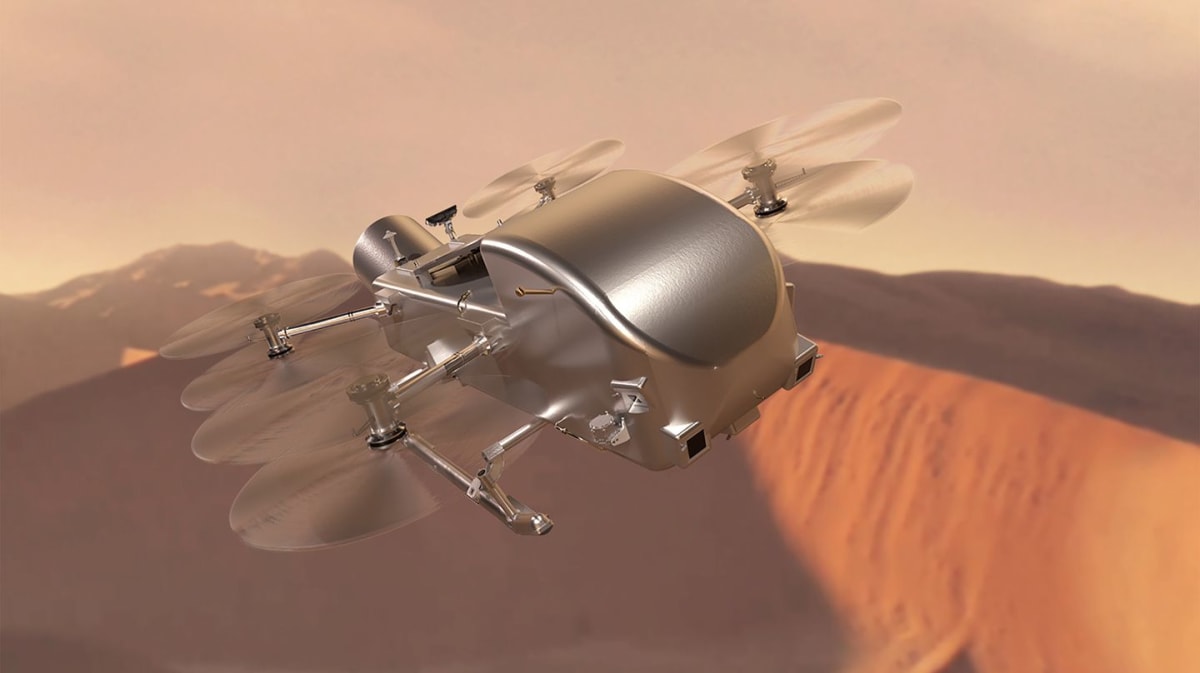
Scientists just figured out why spacecraft heat shields behave differently on various planets, a breakthrough that could help NASA's Dragonfly mission safely land on Saturn's moon Titan. The finding changes how we protect spacecraft entering alien atmospheres.
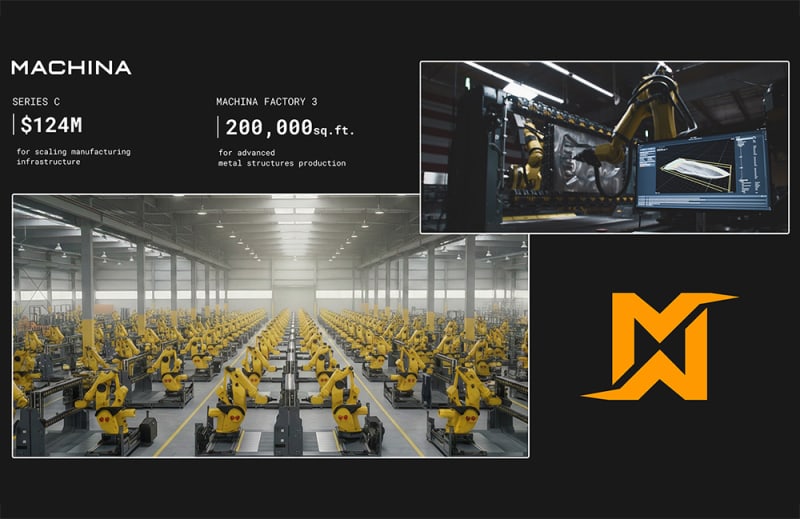
A Los Angeles company just opened a 200,000 square foot smart factory that transforms digital designs into complex metal parts in days instead of months. The AI-powered facility will produce thousands of aerospace and defense components annually using adaptive robotics.

A tiny startup with only 12 employees just built a 200-kilogram spacecraft that can bring experiments back from space and fly again. Reditus Space is proving that the future of space research doesn't have to take years or cost millions.

After more than a decade of groundbreaking work, an Australian defence scientist has been recognized for building the nation's first sovereign rocket propulsion system. Andrew Hart's innovation is helping Australia produce advanced missiles at home instead of relying on foreign suppliers.
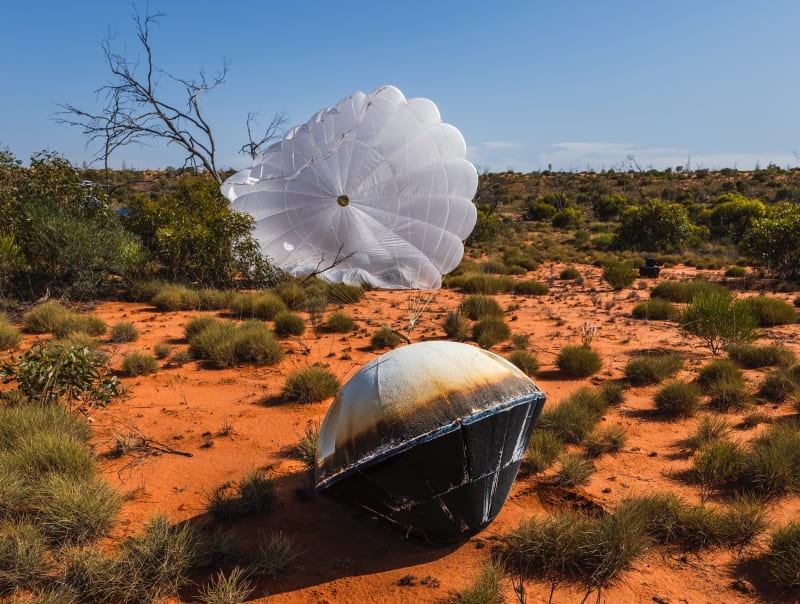
Varda Space Industries just brought a spacecraft home to Australia using technology they built entirely in house. The successful mission marks a major leap toward making space manufacturing affordable and routine.
Rocket Lab just pulled off its second successful space launch in eight days, sending a South Korean Earth observation satellite into orbit. The company's rapid-fire launches signal growing momentum in making space more accessible for science and safety missions worldwide.
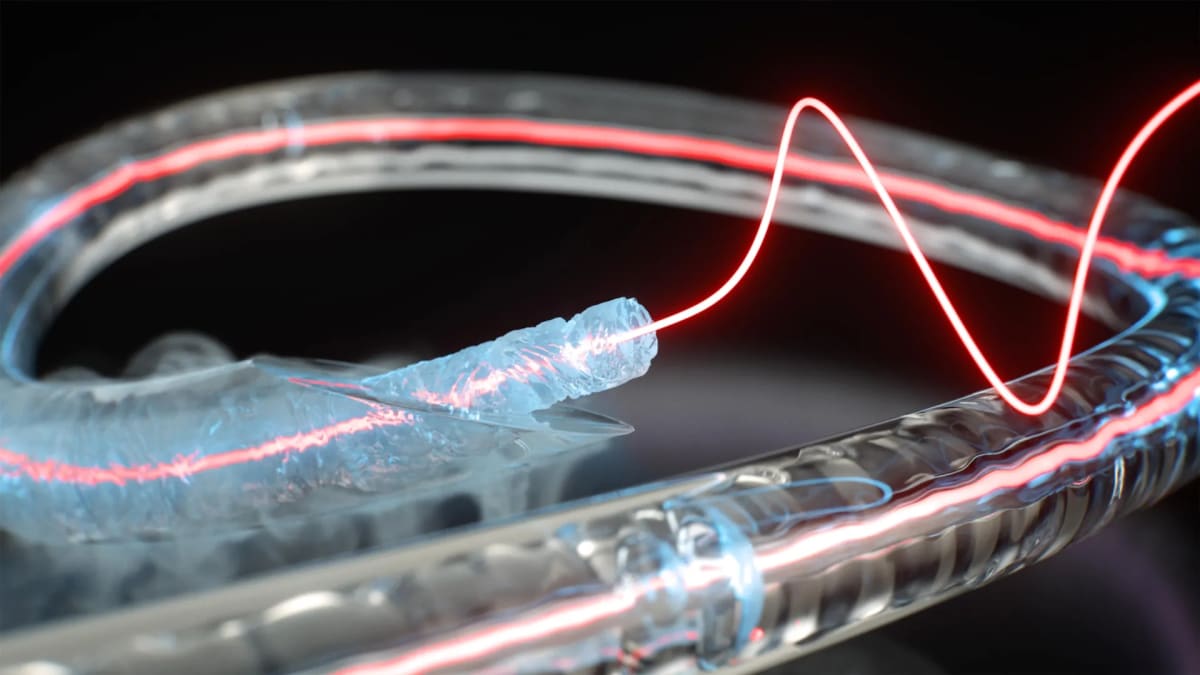
Scientists froze liquid inside optical fibers at -196°C, creating a breakthrough that makes light and sound interact 1,000 times more powerfully than before. This discovery could slash energy use in future computers and unlock new quantum technologies.
A New Zealand rocket company just delivered Europe's navigation satellites to orbit with pinpoint precision, marking a milestone in making space access reliable for nations worldwide. The flawless launch continues an unbroken success streak for government missions.
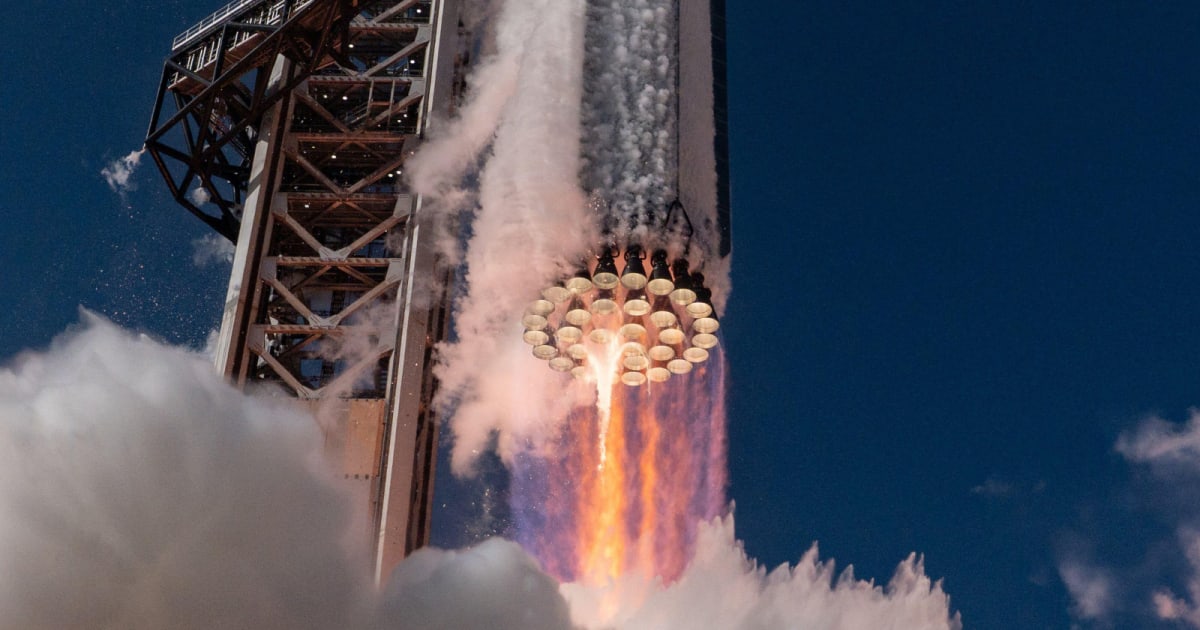
SpaceX's Starship generates twice the thrust of the Saturn V moon rocket, but its real breakthrough isn't power. It's designed to land, get caught by giant mechanical arms, and launch again the next day.
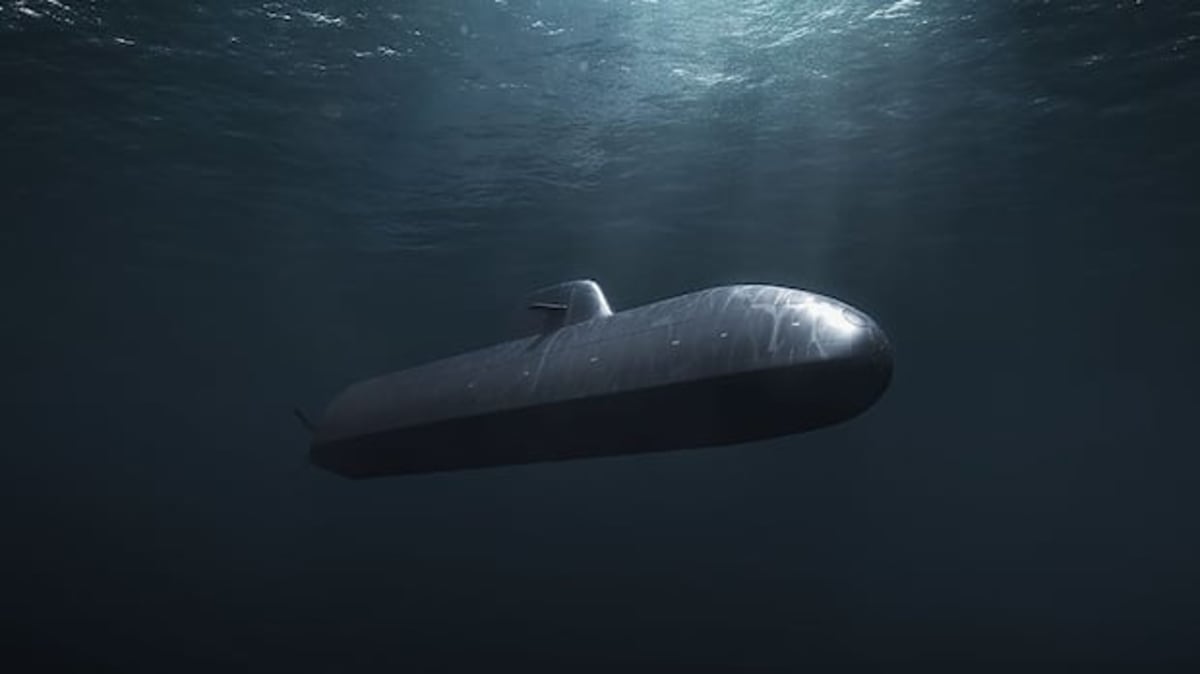
Germany's proposal to build Canada's next submarines promises 50,000 jobs over five years and an $86 billion economic boost. The deal includes Arctic defense upgrades, manufacturing centers, and major infrastructure investments across the country.
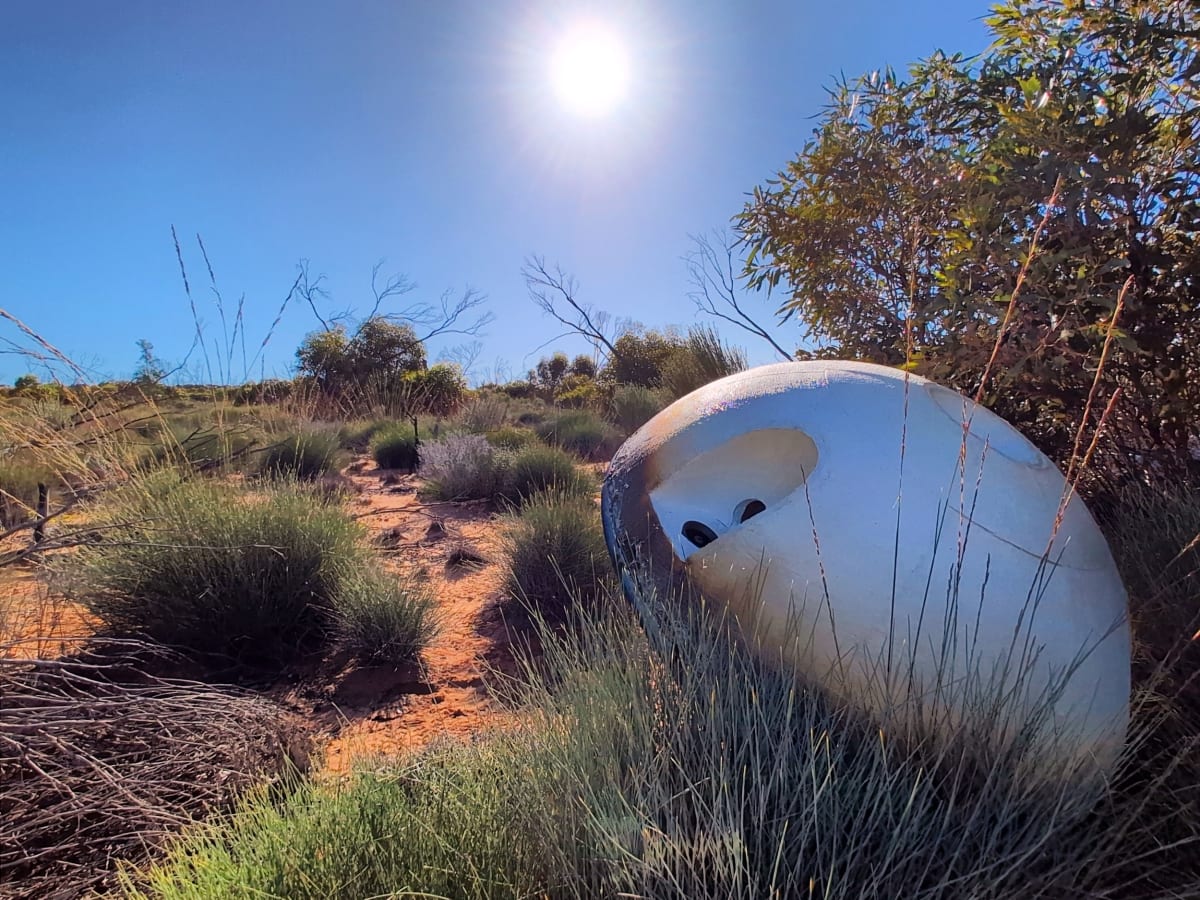
SpaceX just launched its first reentry capsule for microgravity research, validating what startups have been building toward for years. The new competition could accelerate an entire industry focused on making life-saving drugs and advanced materials in space.
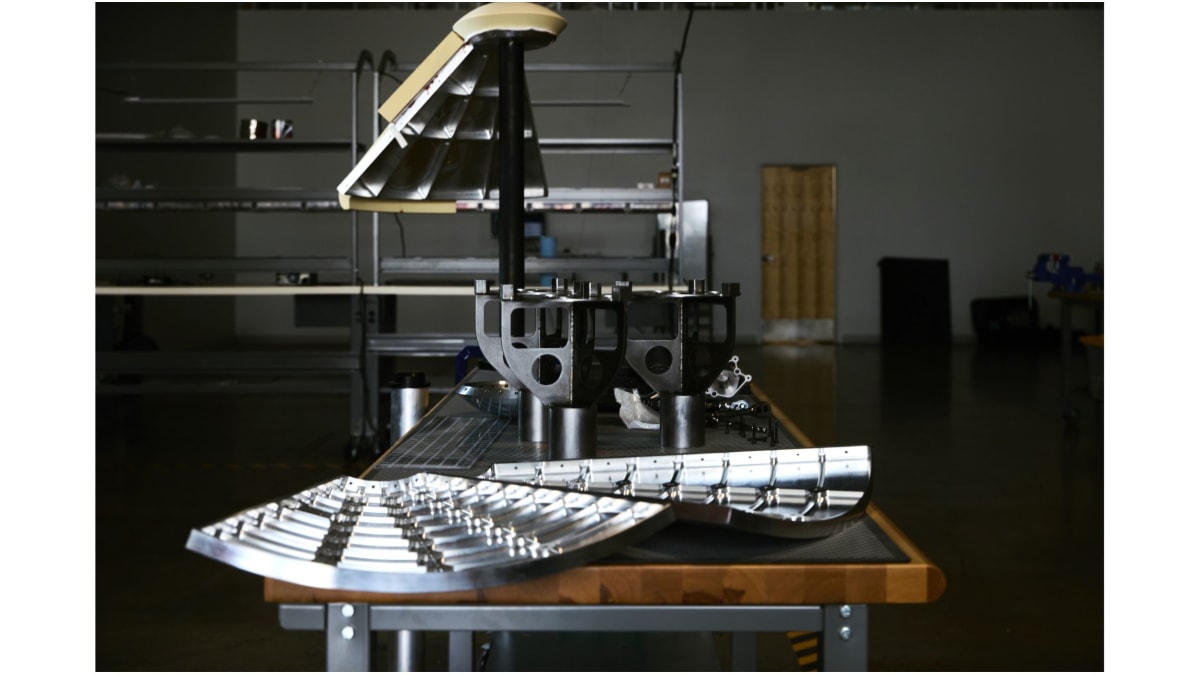
A Colorado company just secured $10 million to build satellites that return to Earth and fly again, potentially transforming space operations the same way reusable rockets changed the launch industry. The technology could slash costs and unlock entirely new ways to use space.
Showing 20 of 23