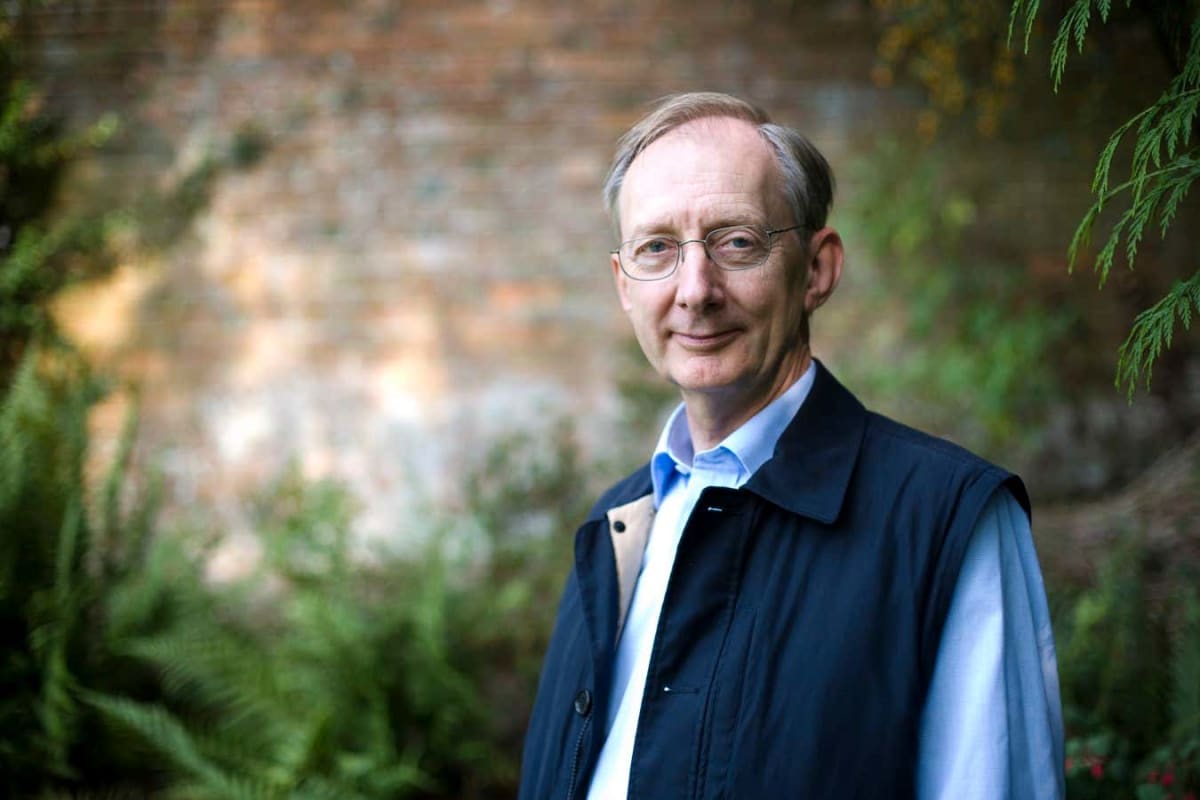
Invisibility Cloak Inventor Now Building Black Hole Tech
The physicist who made Harry Potter's cloak real 20 years ago has moved on to something even wilder. John Pendry is now bending light through time instead of space.
Find uplifting stories about heroes, innovations, and solutions
1739 results for "invisibility cloak"
The physicist who made Harry Potter's cloak real 20 years ago has moved on to something even wilder. John Pendry is now bending light through time instead of space.

A high court has given one of India's most visited temples four months to decide on special access for patients with autoimmune and rare diseases. The petition highlights how "invisible suffering" often gets overlooked at crowded holy sites.
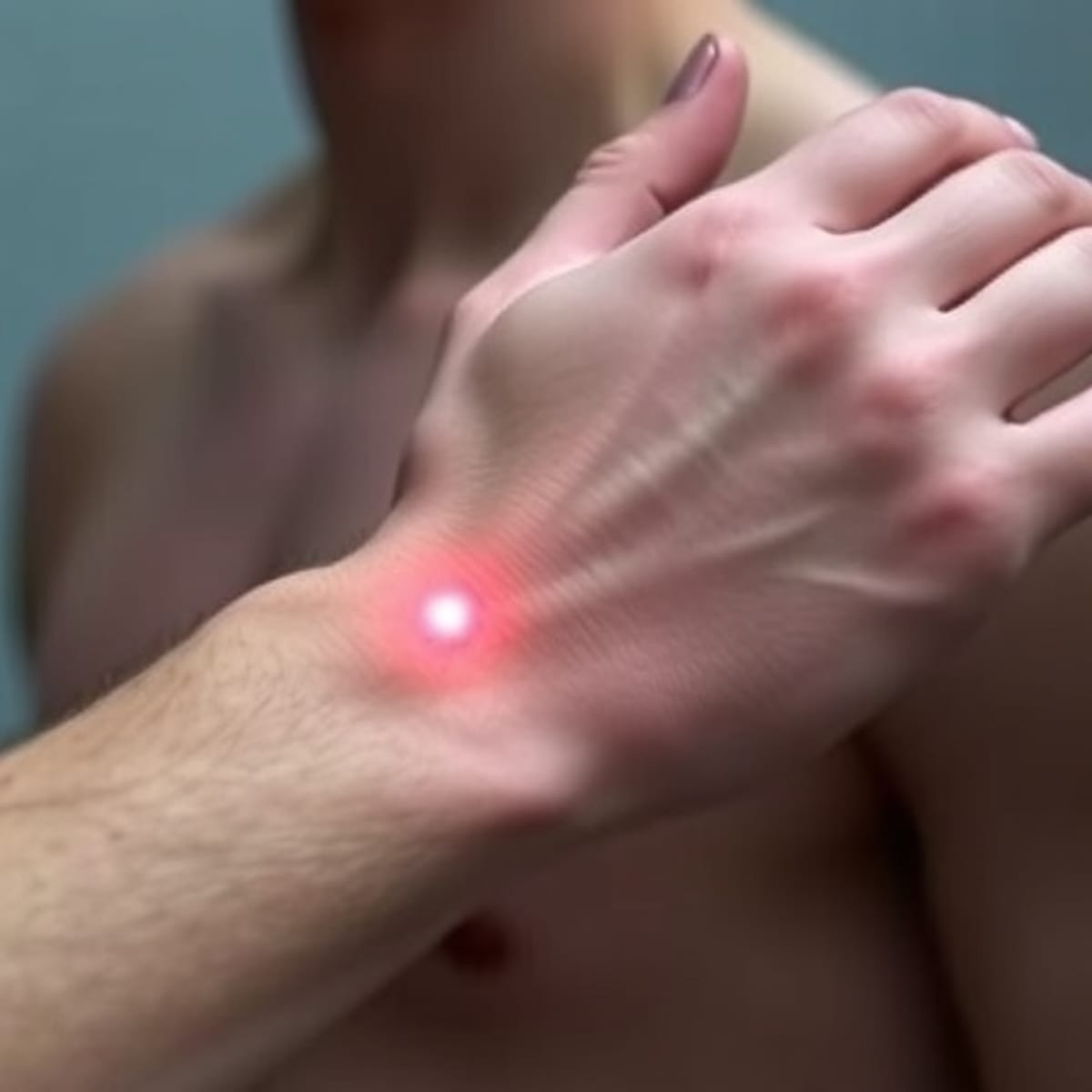
Japanese scientists created health sensors so thin and transparent they're invisible on skin, removing the awkwardness of wearing medical devices. The breakthrough could make health monitoring as natural as wearing contact lenses.
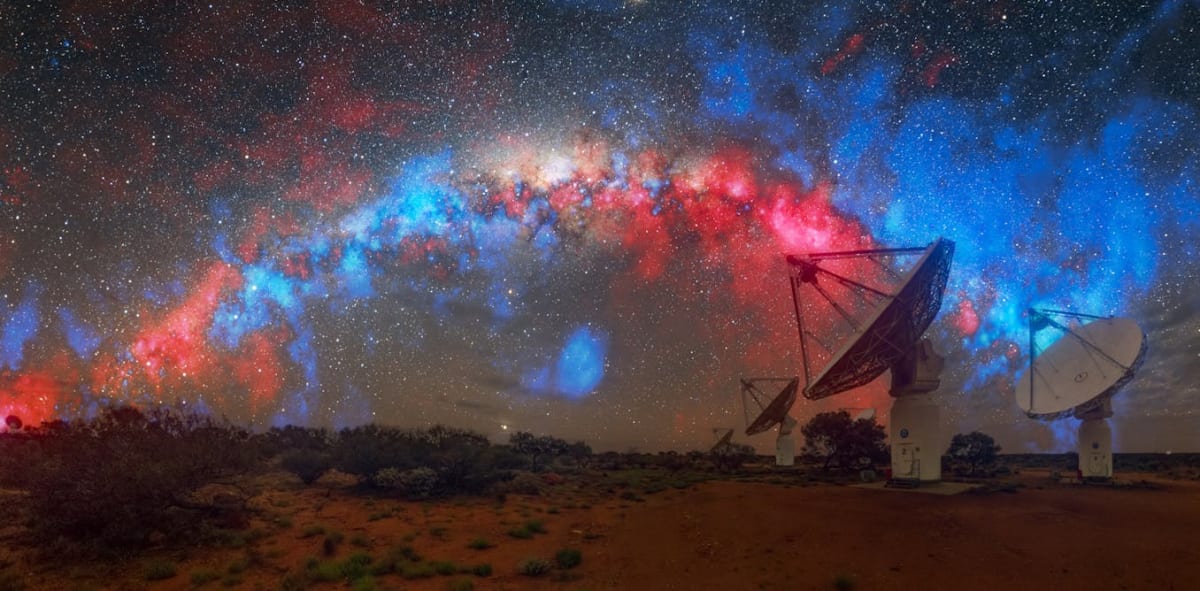
Australian astronomers just created the largest map of magnetic fields ever made, revealing the invisible forces that shape galaxies across the universe. The breakthrough could finally answer how these cosmic batteries came to exist.
Katharine Burr Blodgett created nonreflecting glass in 1938, transforming everything from eyeglasses to cameras. The woman who worked alongside a Nobel Prize winner finally stepped into the spotlight with a discovery that still shapes our world today.
Katharine Burr Blodgett created nonreflecting glass through meticulous experiments with thin film coatings, breaking barriers as a woman scientist. Her revolutionary discovery transformed optics and made her an overnight sensation.
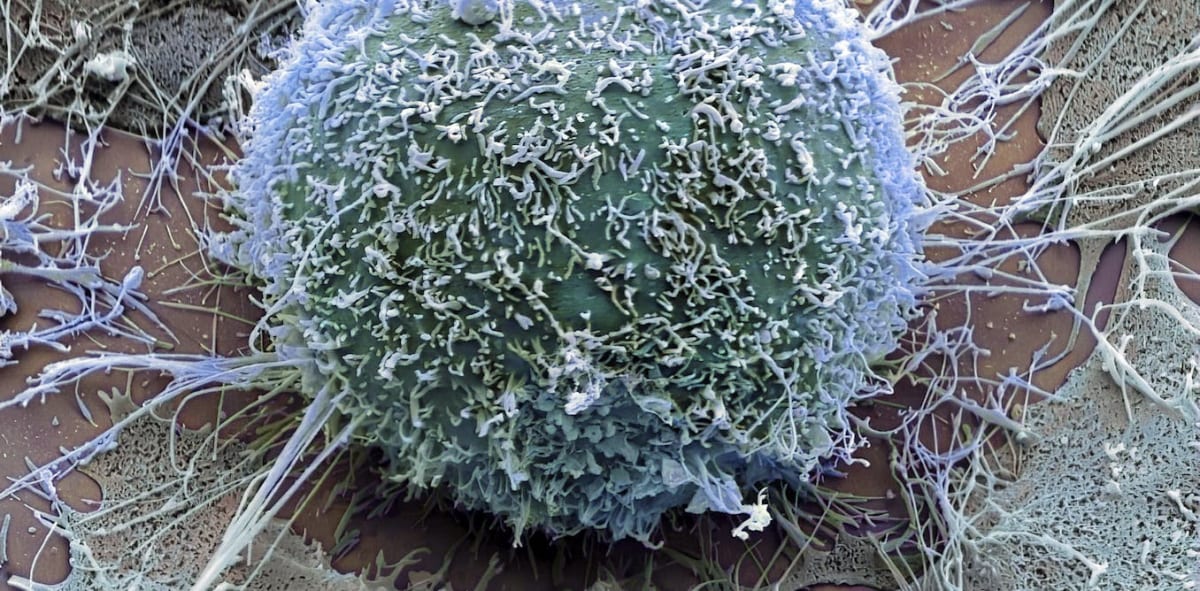
Researchers at the University of Cape Town decoded how cancer cells disguise themselves from the immune system, opening the door to new vaccines and treatments. Their discovery maps exactly how tumors transform a protective protein into a shield that hides them from our body's defenses.
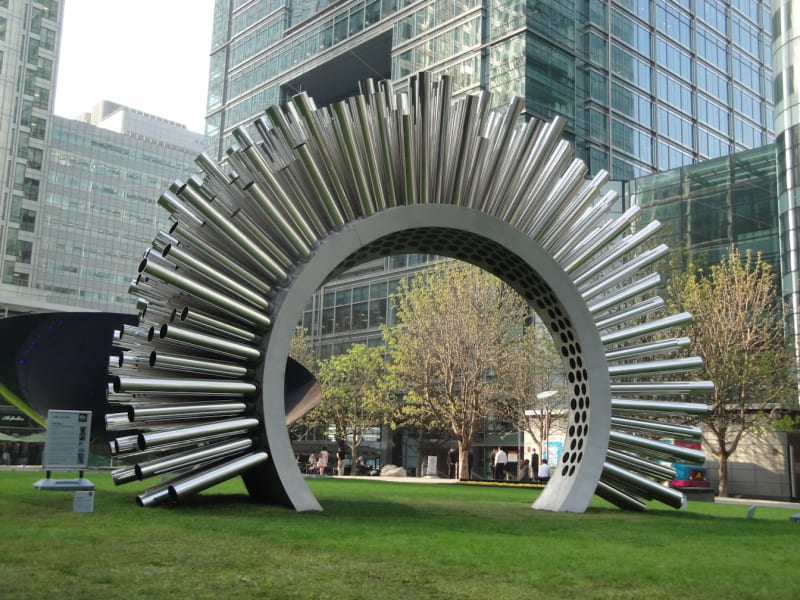
Artists worldwide are transforming wind into haunting music through massive steel sculptures that help people emotionally connect with renewable energy. These installations are turning abstract concepts like kilowatt-hours into experiences you can hear and feel.

NASA's upcoming Roman Space Telescope will hunt for tens of millions of hidden neutron stars scattered throughout the Milky Way using a breakthrough detection method. Even finding just one would transform our understanding of how stars die and extreme matter behaves.
NASA's James Webb Space Telescope has created the sharpest dark matter map ever, revealing the hidden framework that made life on Earth possible. The breakthrough shows how this mysterious substance shaped the universe we call home.
Scientists just cracked the code on why solar panels lose power over time, and it could make renewable energy far more reliable. A prize-winning study reveals exactly how microscopic stress causes real-world failures.

Scientists created solar cells 10,000 times thinner than human hair that turn windows into power generators. The transparent technology could transform city skyscrapers into energy sources without blocking light.

RAF pilots in the 1920s spotted massive stone structures across the Middle East that people on foot had walked past for millennia without noticing. These "desert kites" turned out to be some of humanity's oldest and most ingenious hunting technology.
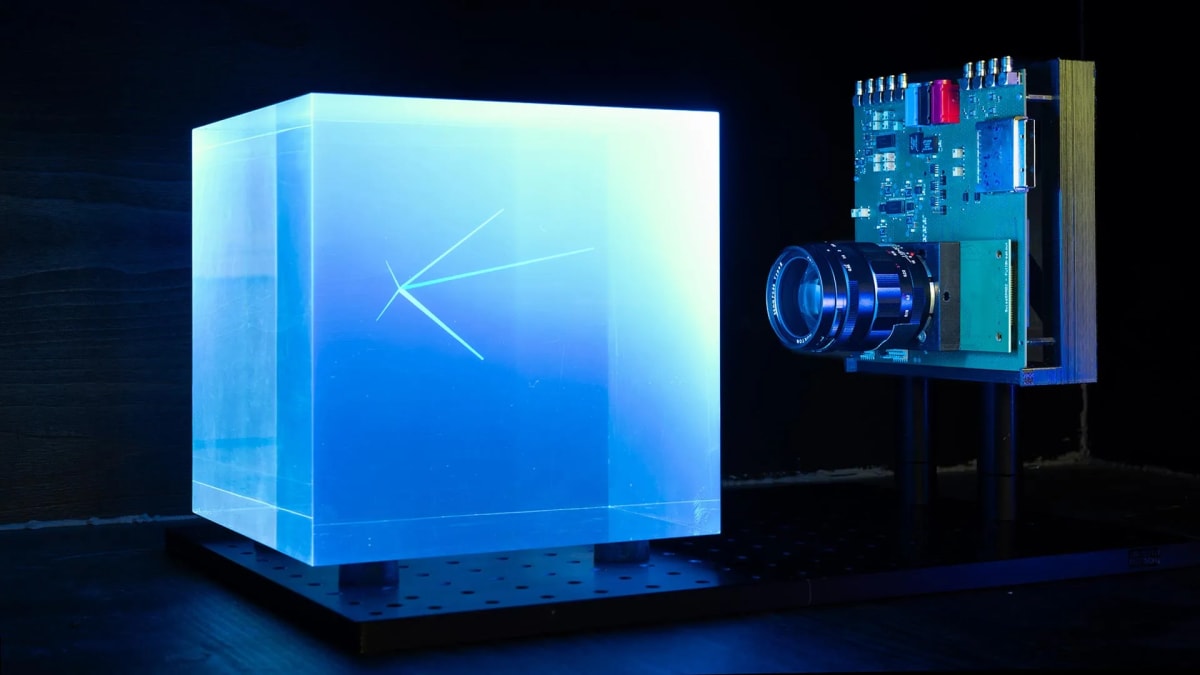
Researchers created a detector that tracks hard-to-catch particles using camera tech instead of millions of tiny parts. The breakthrough could make future physics experiments cheaper and improve medical scans.
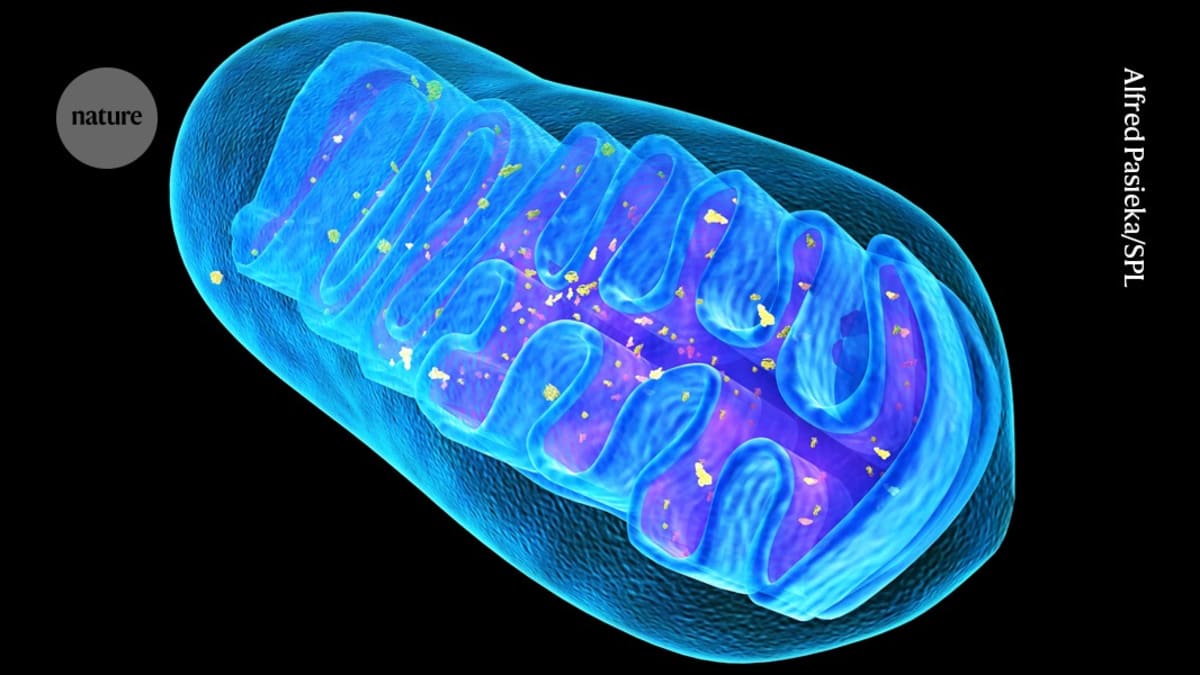
Researchers discovered how to disguise healthy mitochondria so they can slip into diseased cells undetected, extending the lives of mice with a fatal genetic disorder. The breakthrough could one day help children born with rare mitochondrial diseases.
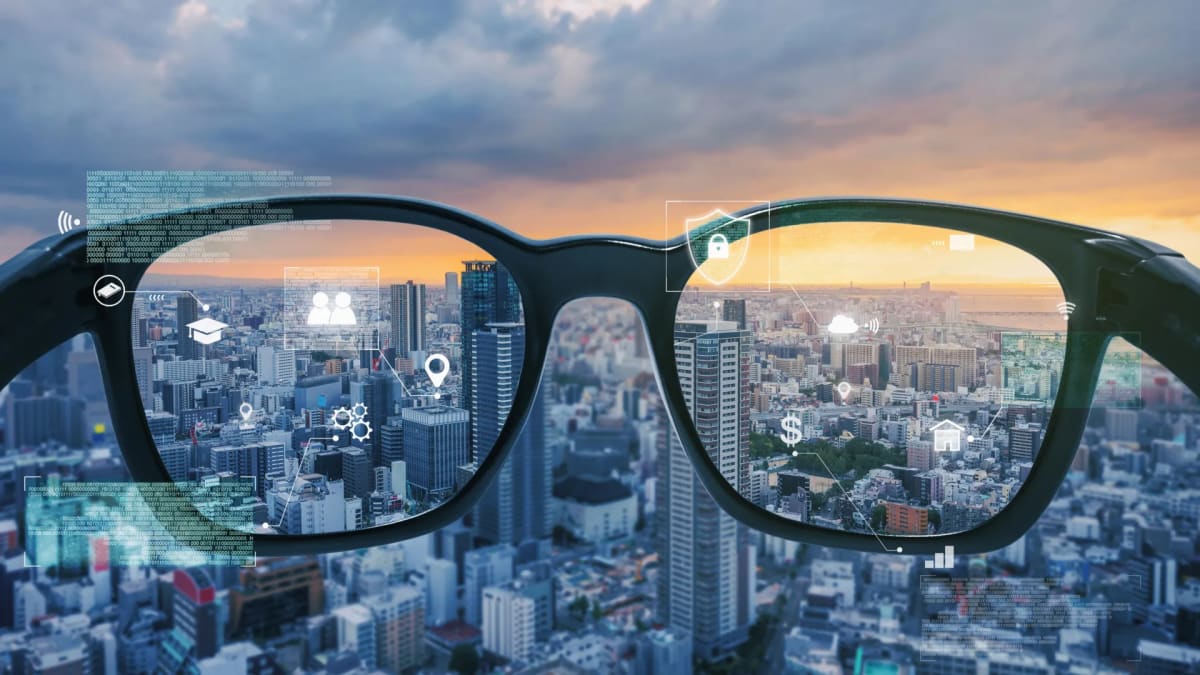
Scientists created the world's smallest OLED pixel, small enough to fit an entire HD display on a grain of sand. The breakthrough could finally make truly wearable smart glasses a reality.
This year's Consumer Electronics Show marked a turning point where technology companies stopped chasing flashy features and started designing products that quietly support real human needs. From robots that help with dementia care to smart homes that feel calmer, innovation finally feels thoughtful.
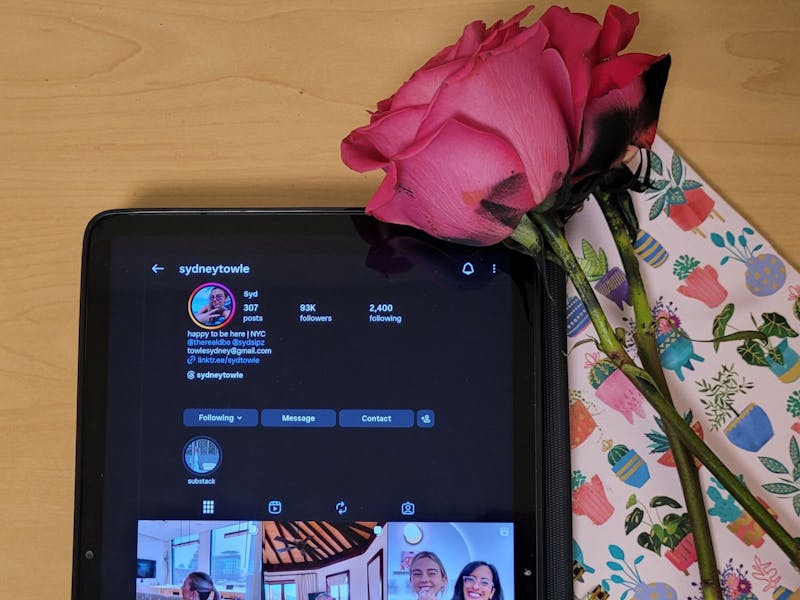
A Dartmouth grad diagnosed with rare cancer at 22 turned her social media platform into a movement for invisible illnesses. Her message of kindness now reaches nearly a million followers across TikTok and Instagram.

Mrs. Sassy Curls went from living independently to relearning basic tasks overnight after a Functional Neurological Disorder diagnosis. She now shares her journey to help others with invisible illnesses feel less alone.
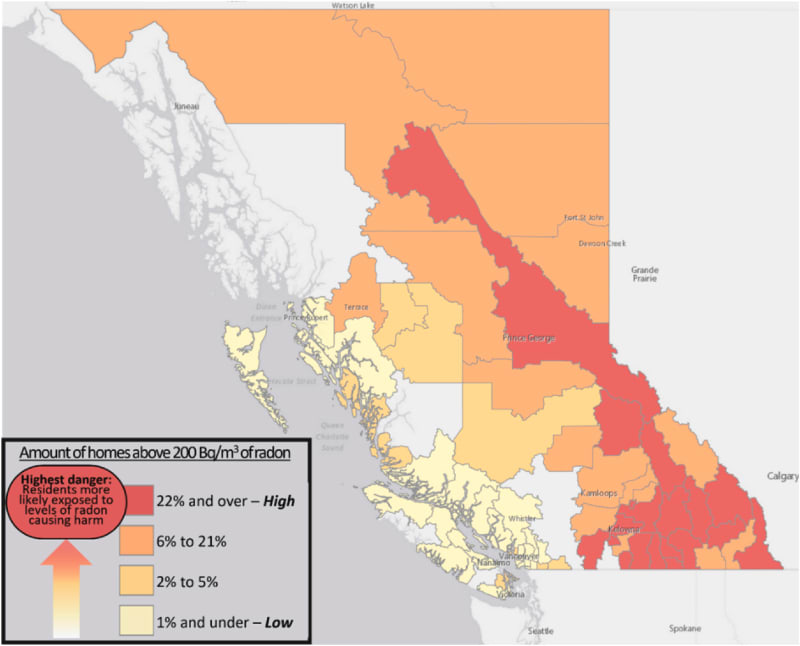
A simple map convinced people in high-risk areas to test their homes for radon, the invisible gas that's the second-leading cause of lung cancer. The discovery could save lives by helping families detect and fix a hidden danger lurking in their basements.
Showing 20 of 1739