20 results for "materials science"
🚀 InnovationCornell engineers just overturned a 70-year-old rule about metal strength, discovering that at supersonic speeds, smaller grains make metals softer, not stronger. The breakthrough could revolutionize everything from spacecraft shields to body armor.
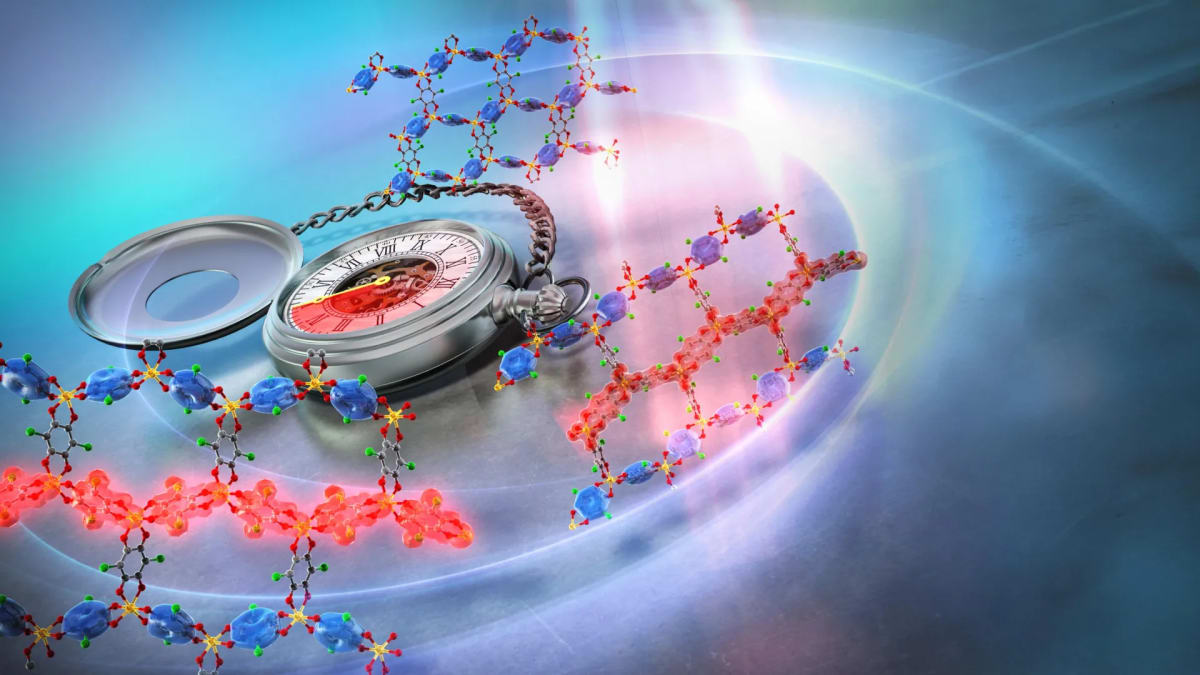
🚀 InnovationResearchers at Jilin University in China have developed remarkable orange crystals that can heal their own cracks across extreme temperatures, from freezing liquid nitrogen to scorching heat. These self-repairing crystals recover 99% of their original clarity and could revolutionize technology in aerospace, deep-sea exploration, and polar research.
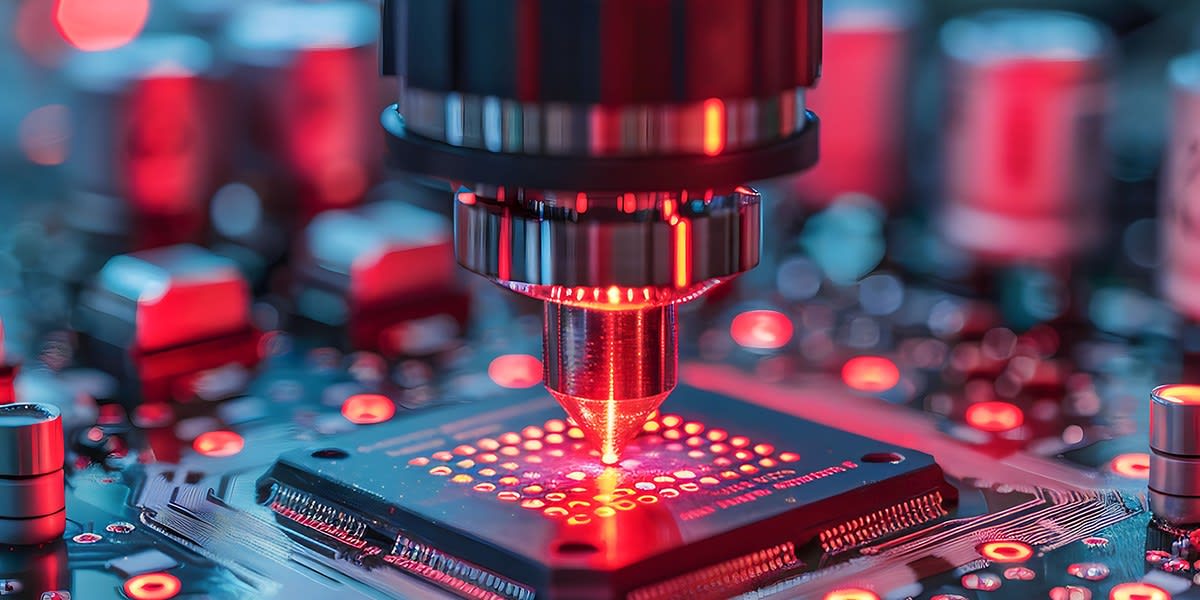
Researchers have achieved an extraordinary breakthrough with a revolutionary technique they're calling "atomic spray painting," opening exciting new possibilities for materials science. The innovation allows scientists to precisely place individual atoms onto surfaces, marking a significant leap forward in nanotechnology and manufacturing.
🚀 InnovationResearchers at the University of Science and Technology Beijing have made a breakthrough discovery that could revolutionize aerospace technology, paving the way for aircraft engines that are cleaner, quieter, and more efficient while withstanding extreme conditions.
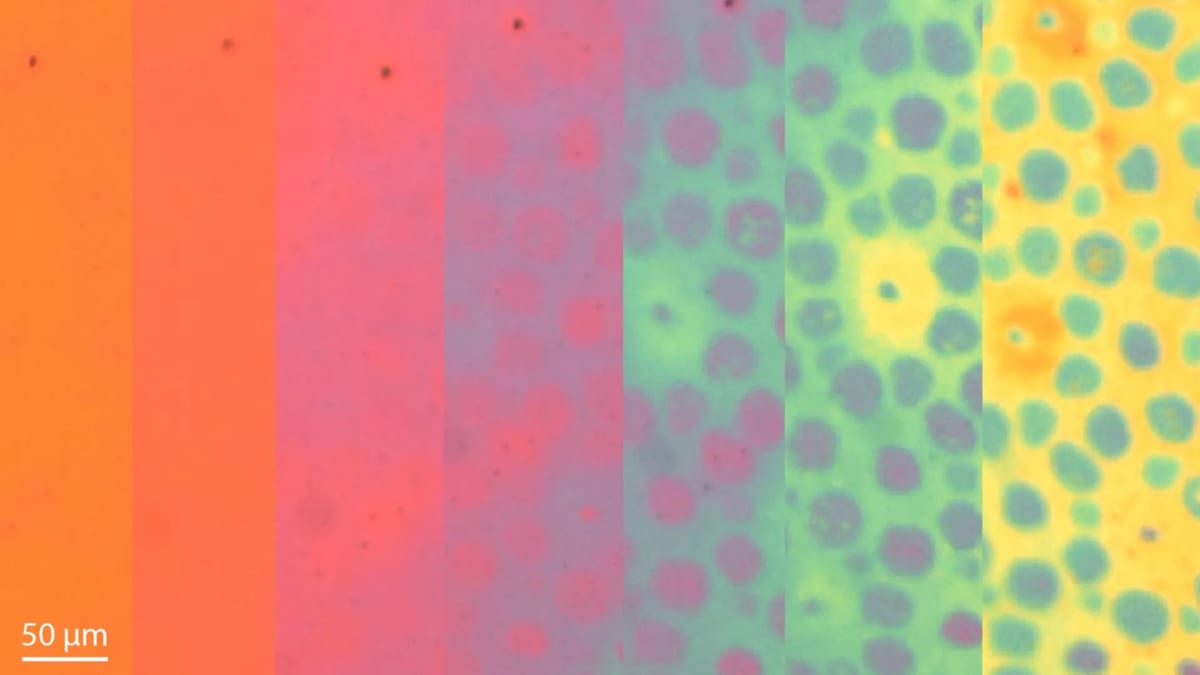
🚀 InnovationTaking cues from nature's masters of disguise, researchers have developed an amazing polymer that can change both its color and texture on command, mimicking the remarkable camouflage abilities of octopuses and other cephalopods. This breakthrough could revolutionize wearable technology and soft robotics.
🚀 InnovationUniversity of Michigan researchers have achieved a stunning breakthrough in lighting technology, creating OLED panels that last 2.7 times longer than conventional designs. The innovative corrugated surface approach could finally bring the beautiful, flexible lighting of smartphone screens into homes and buildings everywhere.
🚀 InnovationBrilliant researchers at Oak Ridge National Laboratory are pioneering neutron technology to protect the brave crews aboard U.S. Navy submarines. Their groundbreaking work is helping prevent dangerous cracks in submarine hulls, ensuring safer vessels for the sailors who defend our nation hundreds of feet below the ocean's surface.
Taking their cues from nature's most talented quick-change artists, Stanford researchers have achieved a remarkable breakthrough in materials science. Their innovative synthetic material can transform both color and texture on demand, bringing us closer to revolutionary advances in robotics and display technology.
🚀 InnovationResearchers at Stanford University have achieved a remarkable breakthrough by developing synthetic skin that mimics the octopus's incredible camouflage abilities. This innovative material could transform everything from robotics to architecture, opening exciting new possibilities for adaptive technology inspired by nature's genius.
🚀 InnovationScientists have developed an innovative technique that detects semiconductor defects with 1,000 times greater sensitivity than before, promising faster, more efficient electronics. This breakthrough will help create better-performing devices while slashing development time and costs.
🚀 InnovationScientists at Georgia Tech have achieved what was once thought impossible—creating the first functional graphene semiconductor that's ten times faster than silicon. This exciting discovery promises a future of incredibly powerful, energy-efficient computers that could revolutionize everything from AI to everyday electronics.
In a thrilling collaboration, SK On and Seoul National University have developed innovative single-crystal cathode technology that promises safer, longer-lasting batteries with higher energy density. Their groundbreaking research, published in the prestigious Nature Energy journal, marks a significant leap forward for sustainable energy storage.
🚀 InnovationResearchers have developed groundbreaking artificial skin that can change both color and texture on demand, mimicking the incredible camouflage abilities of octopuses. This nature-inspired innovation opens exciting possibilities for everything from adaptive buildings to revolutionary consumer products.
🚀 InnovationJapanese researchers have created innovative AI-powered tools that extract valuable experimental data from scientific papers, making decades of materials science research accessible to scientists worldwide. This collaboration between human expertise and artificial intelligence is accelerating the discovery of new materials that could improve everything from smartphones to electric vehicles.
🚀 InnovationStanford researchers have developed an incredible flexible material that mimics octopus skin, changing colors and textures in seconds. This breakthrough opens exciting doors for camouflage technology, wearable displays, robotics, and advanced bioengineering applications.
🚀 InnovationResearchers have developed an ingenious way to study materials at atmospheric pressure using standard laboratory equipment, eliminating the need for massive synchrotron facilities. This breakthrough could accelerate discoveries in clean energy, pollution control, and materials science by making advanced research accessible to more scientists worldwide.
🚀 InnovationChinese researchers have reached an extraordinary milestone by creating a compact superconducting coil that generates record-breaking magnetic fields. This achievement opens exciting new doors for discoveries in materials science, physics, and biology that could benefit humanity for generations to come.
🚀 InnovationAfter over a decade of dedicated research, scientists have unveiled a revolutionary semiconductor manufacturing process that's five times faster than current methods while dramatically reducing environmental impact. This game-changing innovation promises to accelerate technology development while fighting climate change.
🚀 InnovationResearchers at Rice University have revealed how to make the production of vinyl acetate—found in adhesives, paints, and packaging—cleaner and more efficient. This exciting breakthrough could slash emissions, reduce waste, and make everyday materials more affordable and sustainable for everyone.
💡 SolutionsScientists in South Korea have developed a revolutionary cost-effective alloy that performs as well as expensive superalloys in extreme conditions, opening exciting possibilities for carbon-neutral energy systems. This innovation could make green energy technologies more affordable and accessible within the next decade.