
Women Drive 51% of Global Protein Demand Surge
Women are leading a worldwide shift toward higher protein intake, with 51% of new protein seekers being female. The change reflects a growing focus on fitness, healthy aging, and overall wellness.
Find uplifting stories about heroes, innovations, and solutions
1479 results for "proteins"
Women are leading a worldwide shift toward higher protein intake, with 51% of new protein seekers being female. The change reflects a growing focus on fitness, healthy aging, and overall wellness.
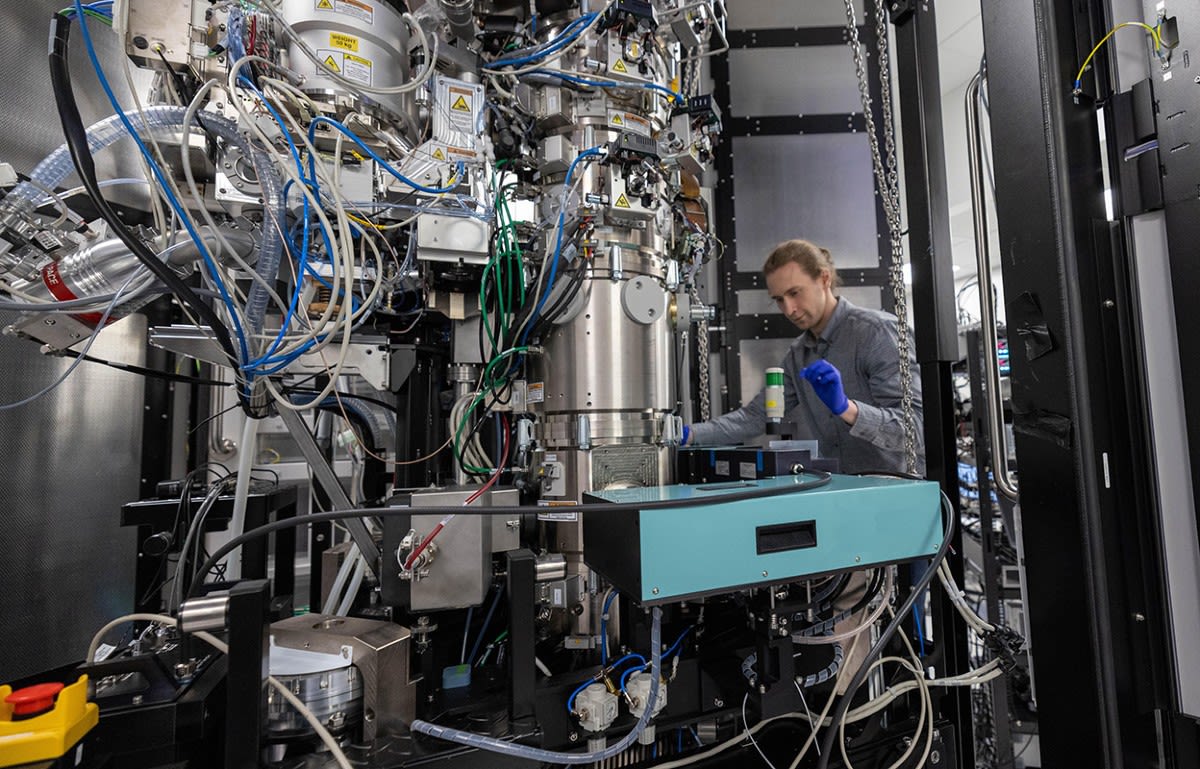
After 15 years of skepticism, scientists finally cracked a technology that lets microscopes see tiny proteins in stunning detail. The laser phase plate could unlock mysteries about how proteins work inside living cells.
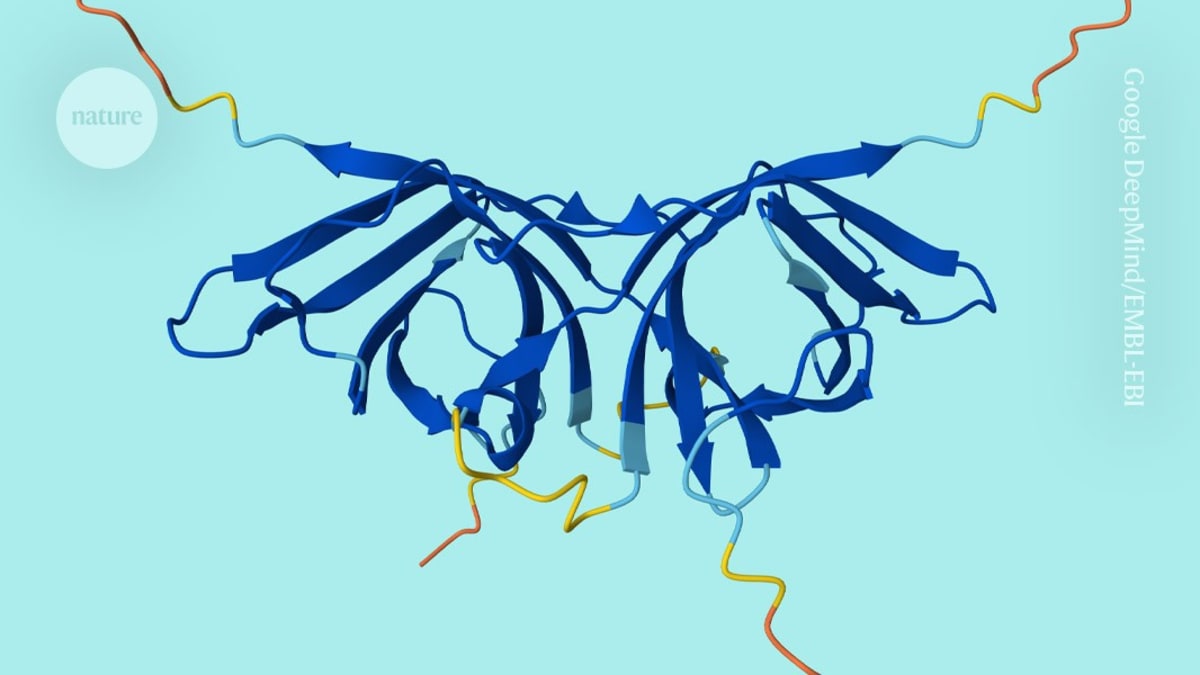
The AlphaFold protein database just added predictions for how proteins pair up, a breakthrough that helps scientists understand how life actually works at the molecular level. The freely available tool now includes 1.7 million protein partnerships across 20 key species.

Scientists are on the brink of two major breakthroughs that could revolutionize drug development and disease treatment. New AI systems can now predict how proteins change shape and design custom proteins that bind to disease targets with stunning accuracy.
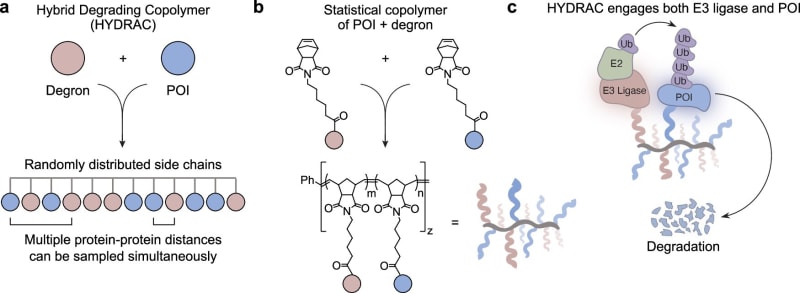
Northwestern University researchers developed a breakthrough therapy that grabs "undruggable" cancer proteins and drags them to the cell's trash system for destruction. The approach worked against MYC and KRAS, two proteins that drive many aggressive cancers and resist most treatments.
.png)
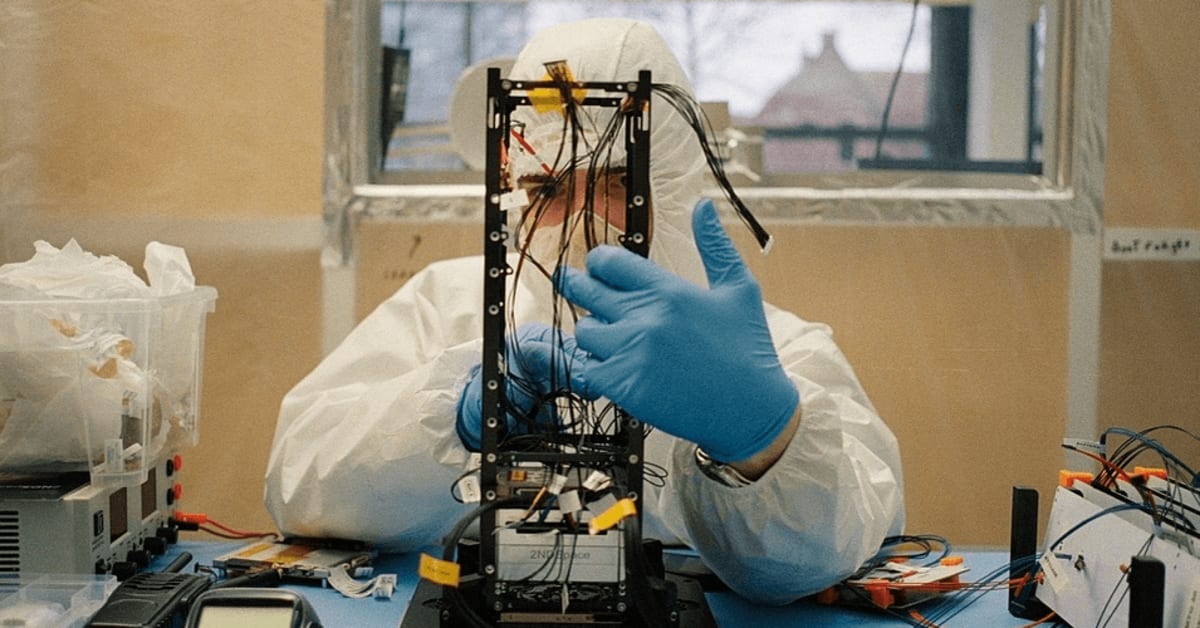
A British startup just sent a grapefruit-sized lab into orbit to study proteins linked to Alzheimer's and Parkinson's. In space, these shape-shifting proteins might finally hold still long enough for scientists to understand them.
The world's largest protein structure database just got a major upgrade that could speed up drug discovery and disease research. AlphaFold now predicts how proteins work together, not just alone.
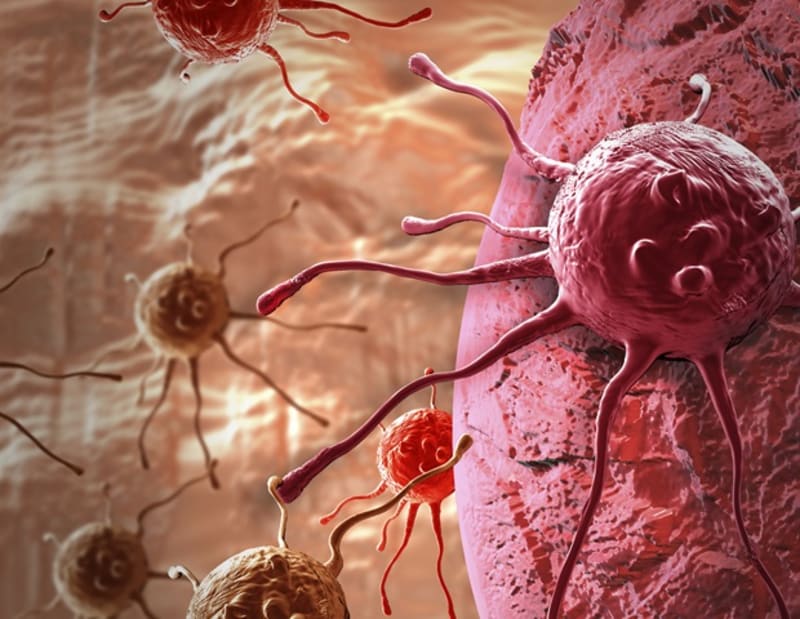
Scientists at Monash University discovered a tick protein that blocks two types of immune signals at once, a breakthrough that could lead to more effective treatments for rheumatoid arthritis, multiple sclerosis, and other inflammatory diseases. This natural protein works differently than anything found before.
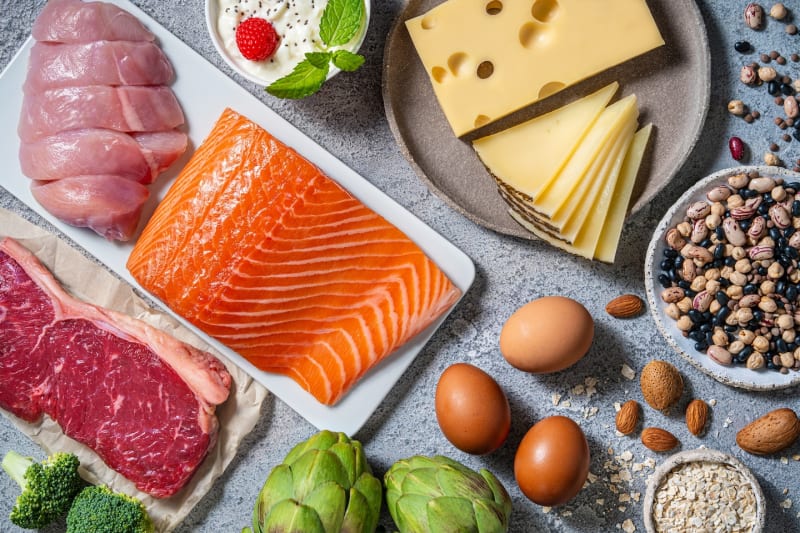
Scientists are debunking the protein craze sweeping social media and supermarkets. Turns out, you're probably already getting everything you need from regular meals.

Those cheerful marigolds in your garden might be the next big plant-based protein source. University of Georgia researchers discovered the common flowers contain as much protein as quinoa, with special properties perfect for cooking.
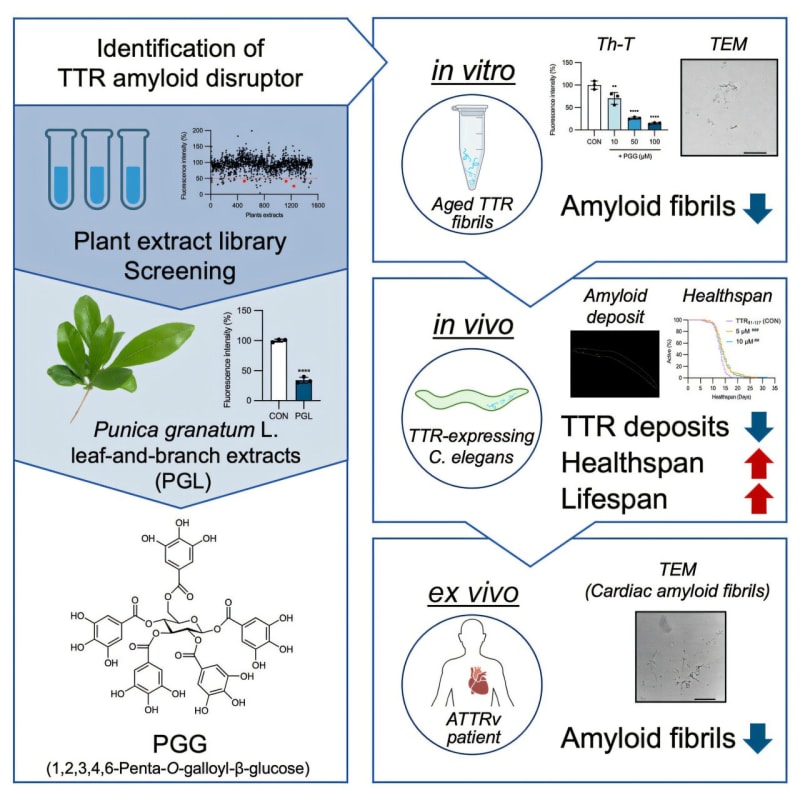
Scientists in Japan discovered a natural compound in pomegranate leaves that can actually dissolve harmful protein clumps causing a deadly heart and nerve disease. The breakthrough could lead to treatments that reverse damage, not just slow it down.
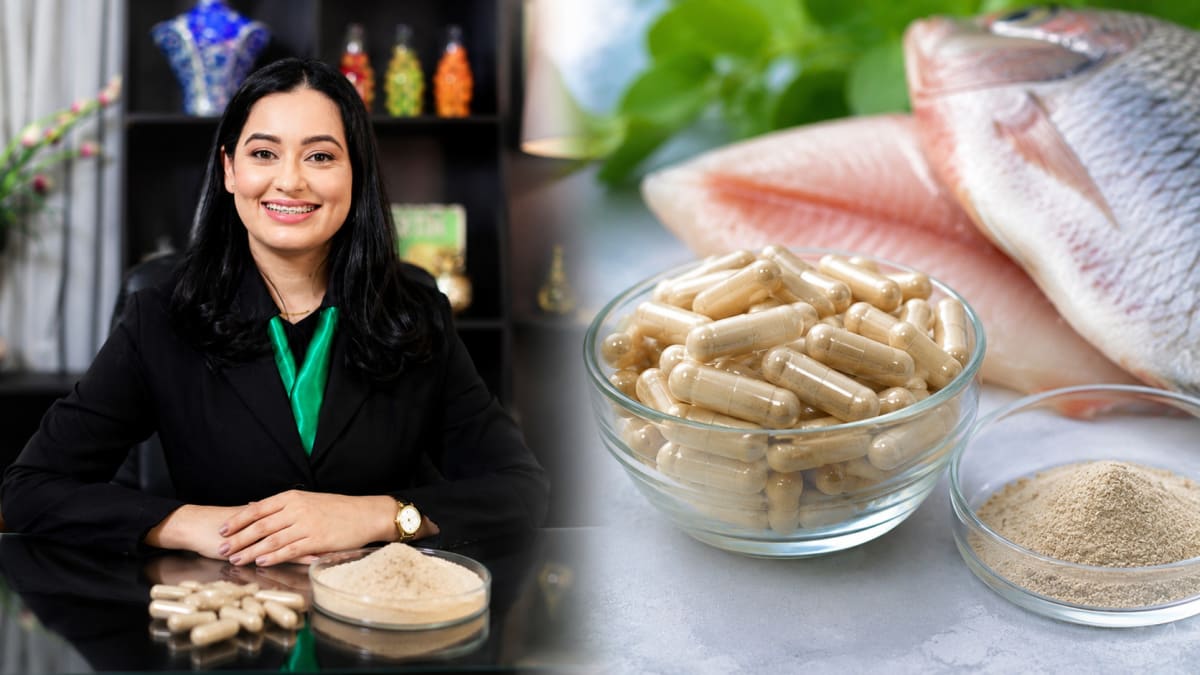
A Brazilian researcher transformed tilapia waste into nutritious protein supplements, turning trash into treasure. The innovation could revolutionize aquaculture sustainability while creating new income streams for fish farmers. #
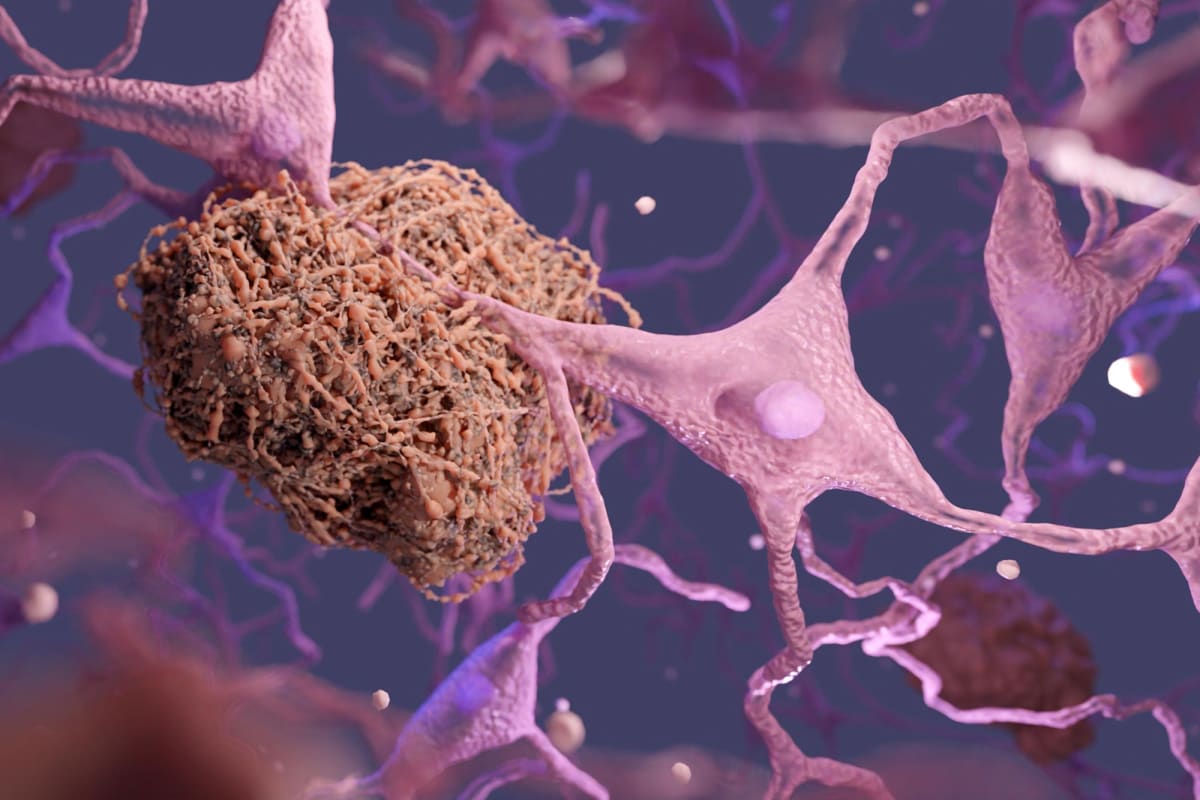
Oregon State University researchers caught Alzheimer's protein clumping in action and found a way to reverse it. Their breakthrough could lead to treatments that undo brain damage instead of just slowing it down.
Scientists in China have discovered that a brain protein called Menin may hold the key to preventing age-related decline. When Menin levels dropped in mice, they experienced memory loss, inflammation, and other aging symptoms.
Scientists discovered that restoring a declining brain protein called Menin reversed memory loss, bone thinning, and inflammation in aging mice. A simple amino acid supplement also improved brain function, offering new hope for treating age-related decline.
Scientists used machine learning to discover that water, not just molecular frameworks, guides how proteins assemble into complex structures. The breakthrough could revolutionize how we design lightweight, crash-resistant materials inspired by nature.
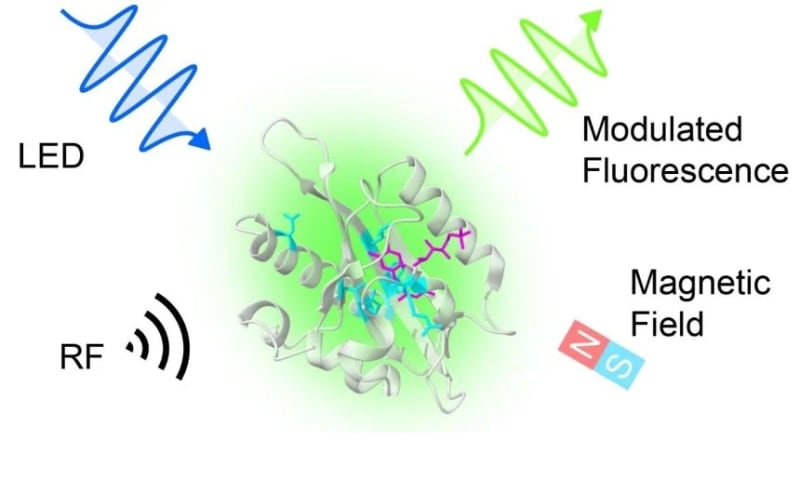
Scientists at Oxford University have successfully engineered proteins that harness quantum mechanics, marking the first time these mysterious physics effects have been deliberately designed into biological molecules for practical use. The breakthrough could revolutionize medical imaging and drug delivery.
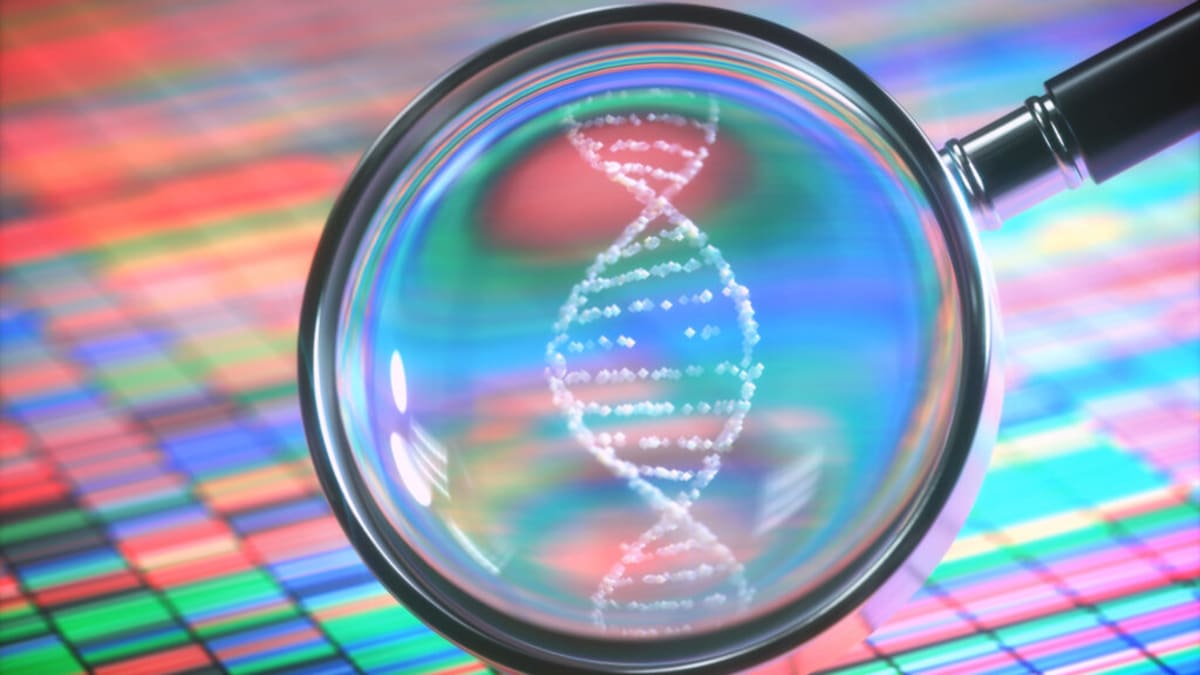
A breakthrough technique reveals hundreds of tiny "dark proteins" scientists never knew existed, opening new paths to understanding and treating heart disease. This global effort to map the body's hidden proteome is transforming how researchers approach human health.
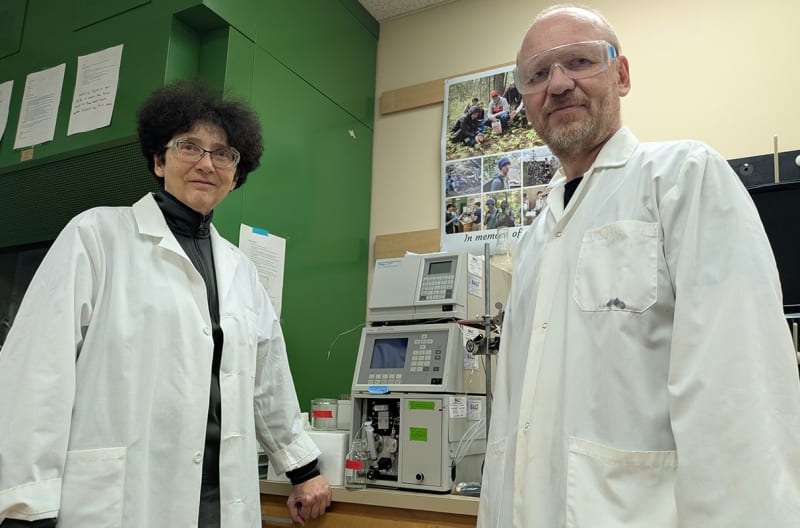
Scientists just pinpointed a microscopic protein region that keeps hearts beating steadily, opening doors to future treatments for devastating heart conditions. The breakthrough could help millions born with or developing life-threatening heart rhythm problems.
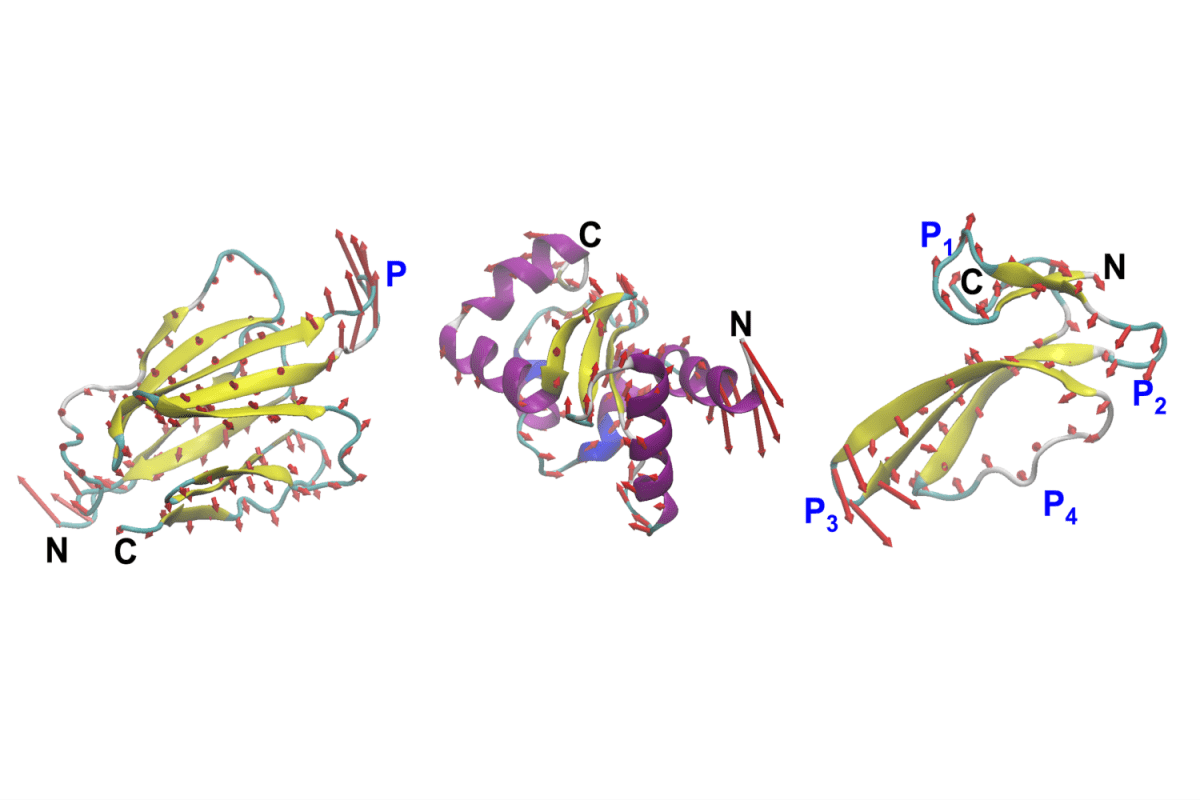
Scientists just taught AI to create proteins based on how they vibrate and flex, not just their shape. This breakthrough could revolutionize everything from medicine to sustainable materials.
Showing 20 of 1479