Australia Can Save 1,700 Species for 0.3% of GDP
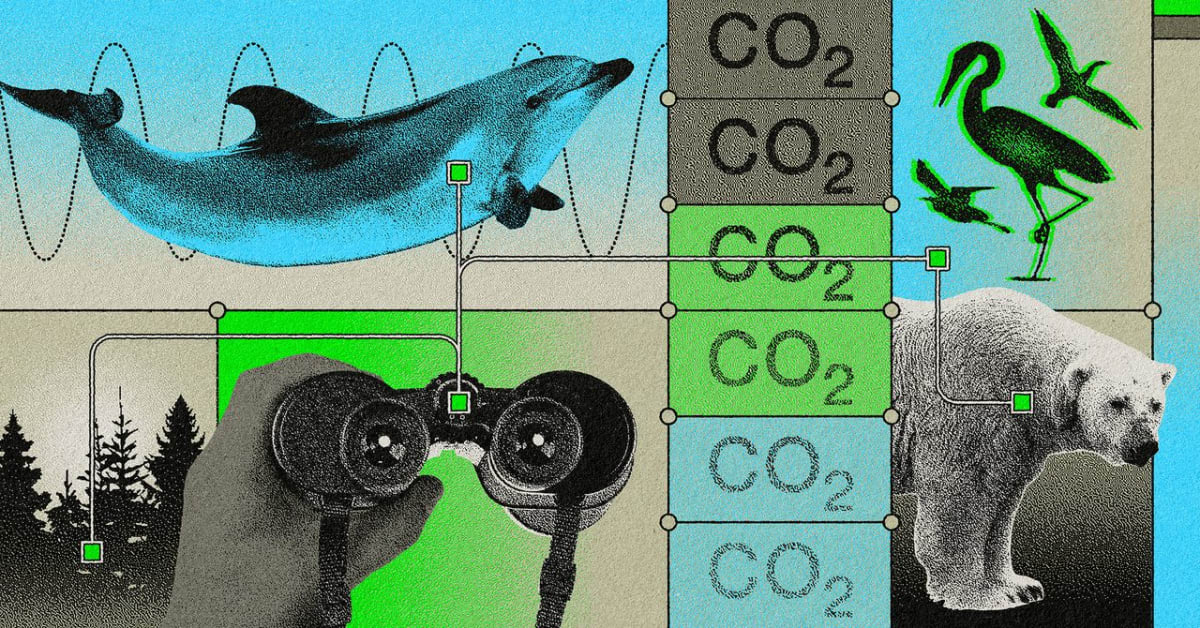
Australian scientists just proved saving every threatened species in the country won't break the bank. Their 30-year blueprint costs less than current fossil fuel subsidies.
Find uplifting stories about heroes, innovations, and solutions
61 results for "wildlife protection"

Australian scientists just proved saving every threatened species in the country won't break the bank. Their 30-year blueprint costs less than current fossil fuel subsidies.

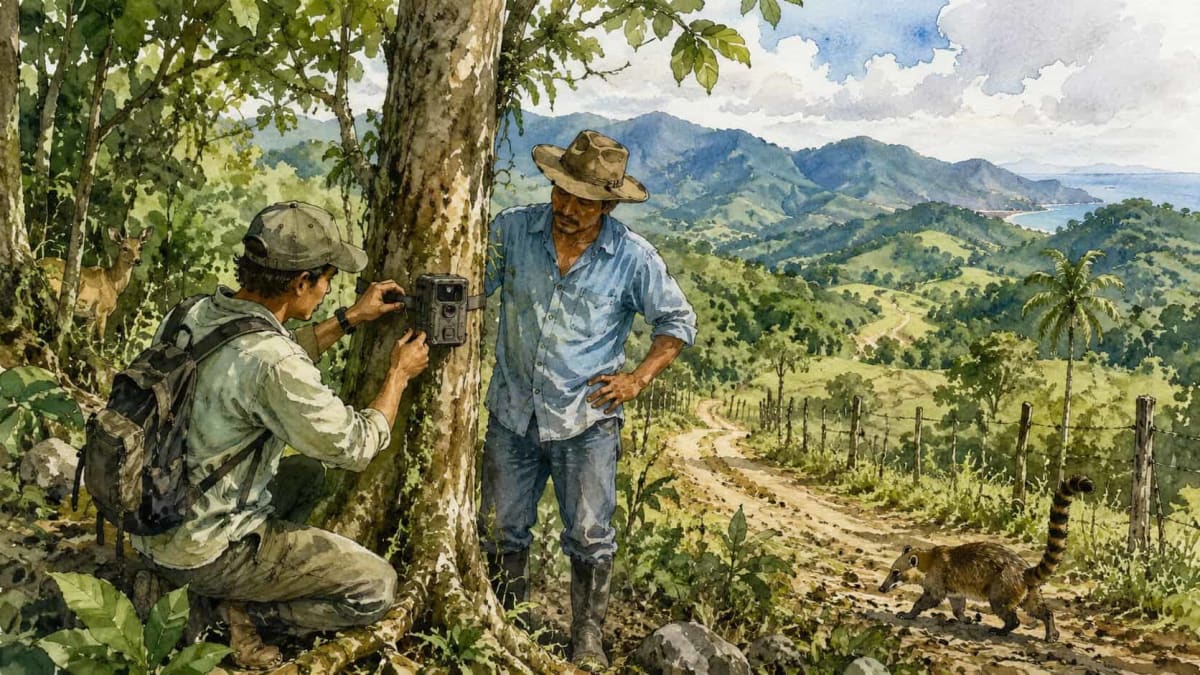
A conservation app in Indonesian Borneo is paying everyday citizens to photograph wildlife, turning forest walks into paying jobs while collecting 175,000 wildlife records in just one year. Some observers now earn more than traditional full-time workers.

The UK government is taking bold steps to protect wildlife after discovering that common pet flea treatments are killing songbirds, fish, and aquatic life. New rules could require veterinary oversight for these powerful pesticides, helping restore rivers while still keeping pets healthy.
Two tiny Sumatran tiger cubs born at the Dallas Zoo are helping save their species, with fewer than 600 left in the wild. The public can donate to name the female cub and directly fund conservation efforts.

Harsukhbhai Vaghasia spends $2,400 annually to feed thousands of parrots that arrive at his doorstep each morning. What started with one millet cob on a balcony became a four-acre sanctuary for 10,000 birds.

Two major studies using AI and radar technology found that offshore wind turbines pose far less danger to birds than feared, with zero collisions recorded in one 19-month study. The findings could reshape how we balance clean energy expansion with wildlife protection.

Behind every adorable zoo baby is a carefully orchestrated conservation effort that's helping save species from extinction. The Saint Louis Zoo has welcomed Amur tiger triplets, cheetah quintuplets, and the first-ever African painted dog pups through a nationwide breeding program designed to protect endangered animals.

A new study reveals six "marine flyways" connecting seabird migration routes across 54 countries, offering a breakthrough framework to reverse the decline of nearly half of all migratory seabird species.
In a groundbreaking legal victory, whales in the Gulf of California won a court battle blocking massive tankers from their habitat. A federal judge ruled that ships over 300 meters tied to a planned LNG terminal cannot enter the gulf until the case concludes.

Spanish conservationist Luis Arranz just accepted what might be his toughest mission yet: saving Salonga National Park in the Democratic Republic of Congo while helping 800,000 people who depend on it. At nearly 70, he's turning an impossible challenge into a blueprint for conservation that actually works for everyone.

England just launched its largest ever wildlife protection program with £90 million dedicated to saving the country's most endangered species. The funding will help bring back rare birds, reintroduce beavers, and protect threatened butterflies across the nation.

Four South African law enforcement officers, including two police investigators, were found alive and well after going missing during an anti-poaching mission in Kruger National Park. Despite thick bush, poor weather, and lost communication, a night-long search operation brought everyone home safely.

A Massachusetts team fighting to protect critically endangered North Atlantic right whales turned to GoFundMe after federal research funding cuts threatened their work. With only 380 whales left, volunteers are raising money to continue life-saving ocean surveys.
Over 200 Aboriginal rangers from 29 groups across South Australia gathered for the state's first-ever Indigenous Land and Sea Ranger Conference. Young rangers are becoming role models in their communities while protecting native species and restoring ecosystems their elders remember.

Guatemalan naval forces intercepted a vessel illegally transporting sailfish, protecting a species vital to both ocean health and the region's tourism economy. The operation highlights growing efforts across Central America to save marine life from commercial overfishing.
Hundreds of Cape Coral volunteers packed a waterway cleanup event so full it sold out, pulling trash from Four Mile Cove to protect wildlife. One environmental biologist says the community spirit shows how individual actions create big change.
In temperatures hitting 55°C, the Indian Army restored ancient water ponds buried under Rajasthan's desert sand, bringing life back to dying villages and endangered species. The simple act of conservation created a cascade of hope across one of India's harshest landscapes.

Blackpool Zoo is celebrating the birth of a vulnerable giant anteater pup, the fourth baby born to a devoted 15-year-old pair helping save one of Central America's most threatened mammals. The tiny arrival, already walking but still clinging to mom, represents crucial hope for a species facing extinction.

Two endangered Komodo dragons are heading to Japan this summer as part of a groundbreaking conservation partnership. The breeding program could help protect the world's largest lizards from extinction.

Ocean Conservancy launched a free online calculator that tells you exactly how many sea turtles, seabirds, and marine mammals you've helped save by picking up plastic trash. The tool is based on 10,000 animal necropsies revealing shockingly small amounts of plastic can be deadly.
Showing 20 of 61