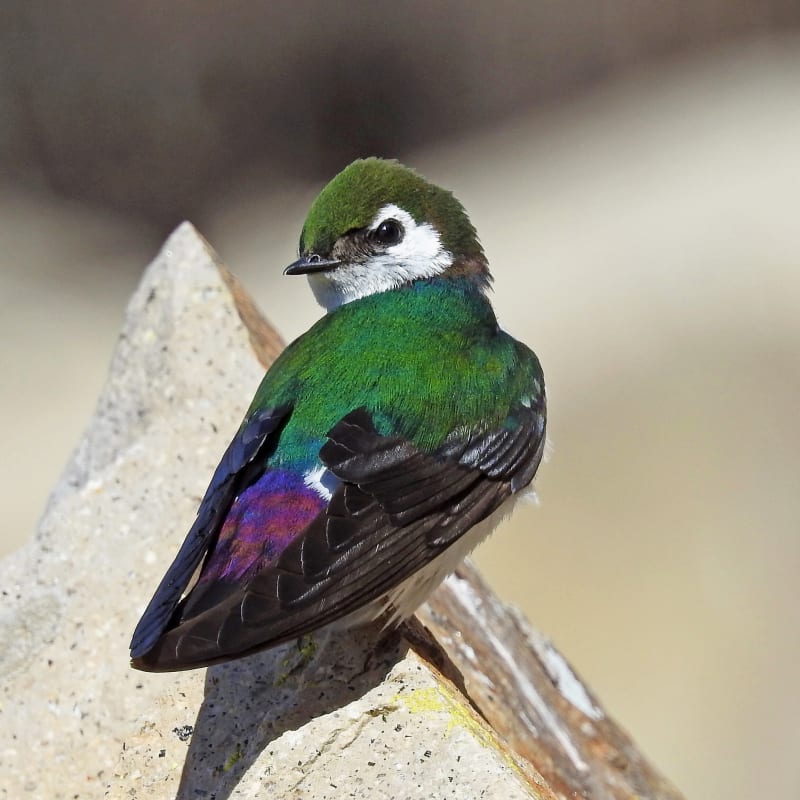
Noise Pollution Harms Birds—But We Know How to Fix It
New research shows human noise is harming bird reproduction and survival across 160 species worldwide. The good news? Scientists say we already have the tools to reverse the damage.
Find uplifting stories about heroes, innovations, and solutions
3577 results for "** noise pollution"
New research shows human noise is harming bird reproduction and survival across 160 species worldwide. The good news? Scientists say we already have the tools to reverse the damage.
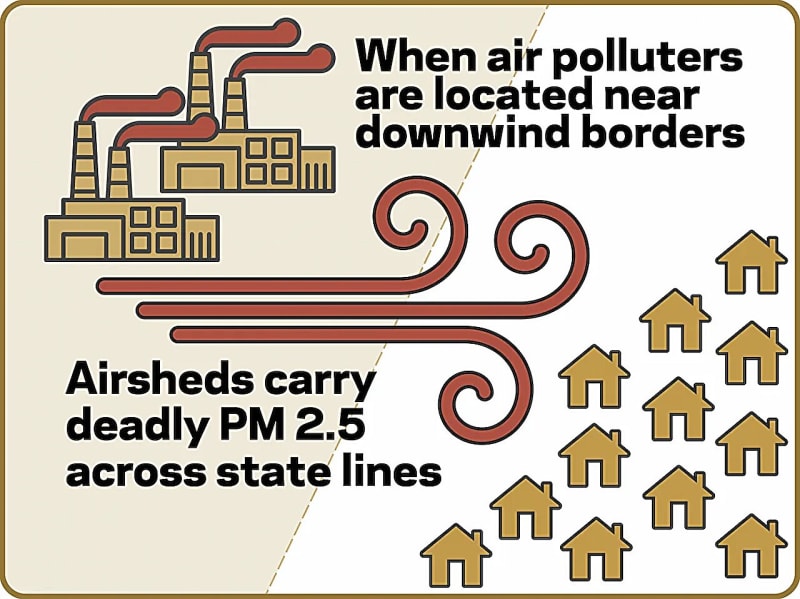
Scientists created a simple tool that shows which states are responsible for deadly air pollution that crosses borders. The breakthrough could help protect communities suffering from pollution they didn't create.
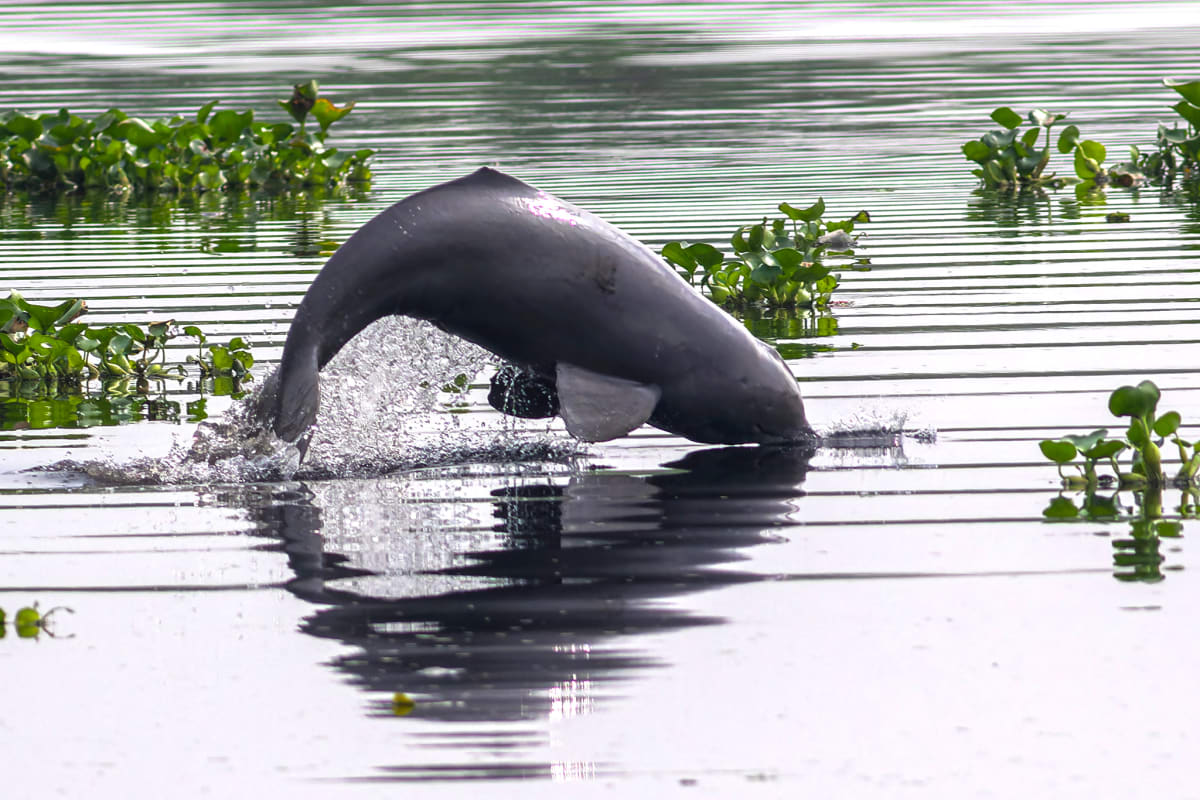
Endangered Ganges river dolphins are thriving in Bangladesh's toxic Buriganga River, one of the world's five most polluted waterways. Despite extreme pollution that has killed off native fish, these resilient mammals continue to hunt, breed, and raise young.
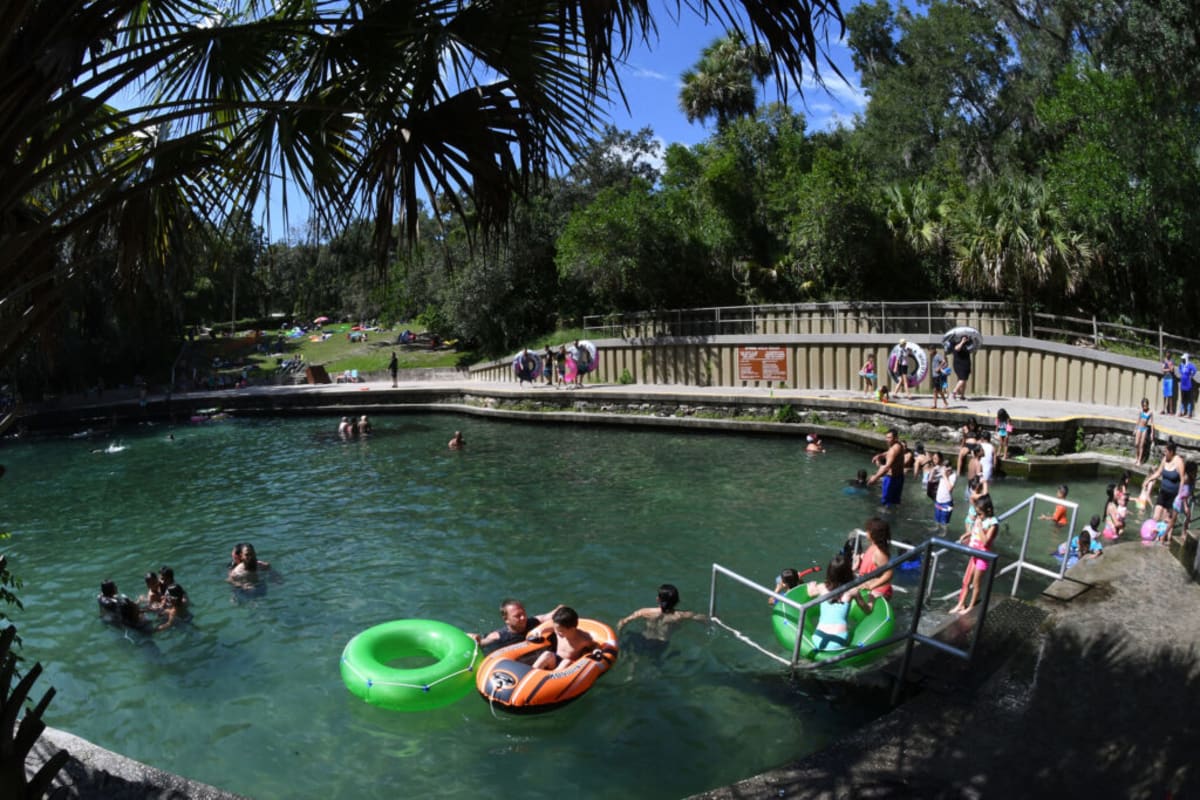
Nine of Florida's iconic freshwater springs will receive new cleanup plans following a legal settlement that requires the state to crack down on agricultural pollution and failing septic systems. For the first time, officials must verify that pollution controls actually work.
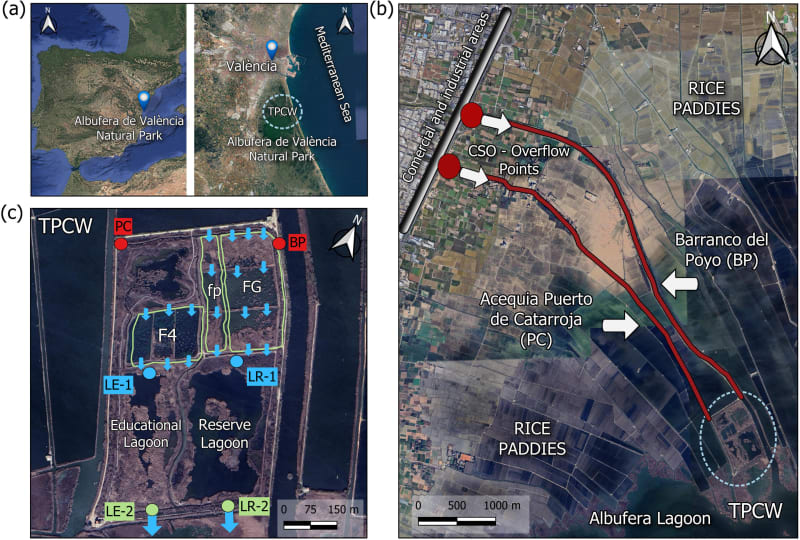
Scientists in Spain have proven that artificial wetlands can slash water pollution by up to 80 percent, offering a powerful nature-based solution to protect lakes and rivers. The breakthrough shows these green systems work even when treating unpredictable pollution from cities and farms.
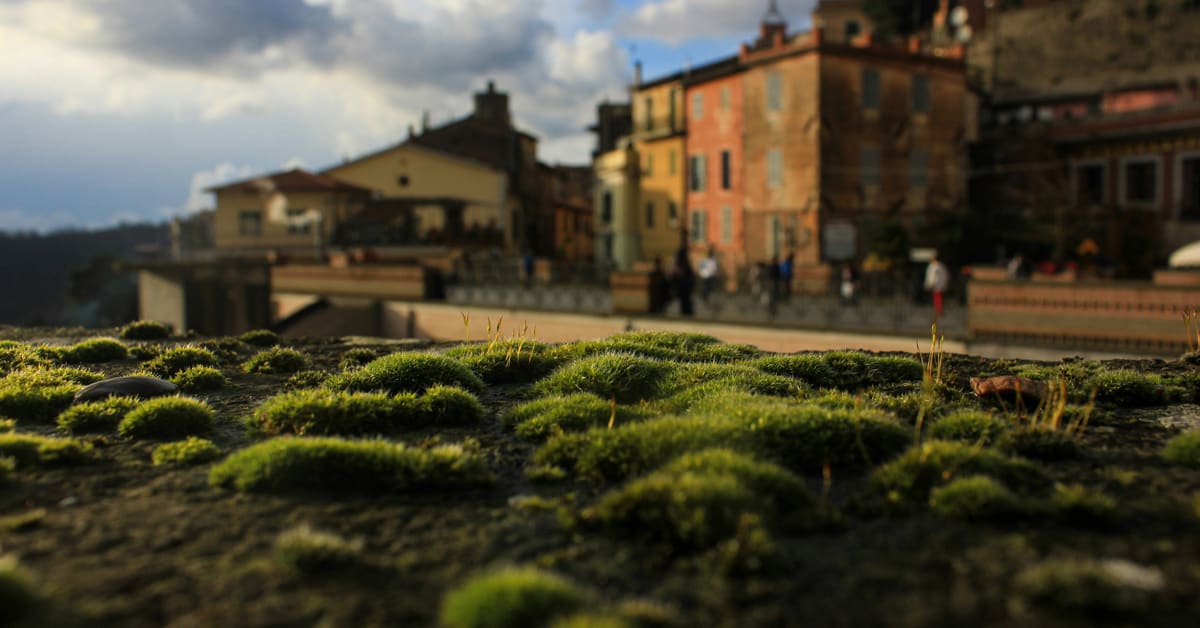
European cities are replacing roadside grass with moss that naturally absorbs traffic pollution and slows stormwater runoff. The low-maintenance plants could transform thousands of kilometers of highways into pollution-fighting green corridors.
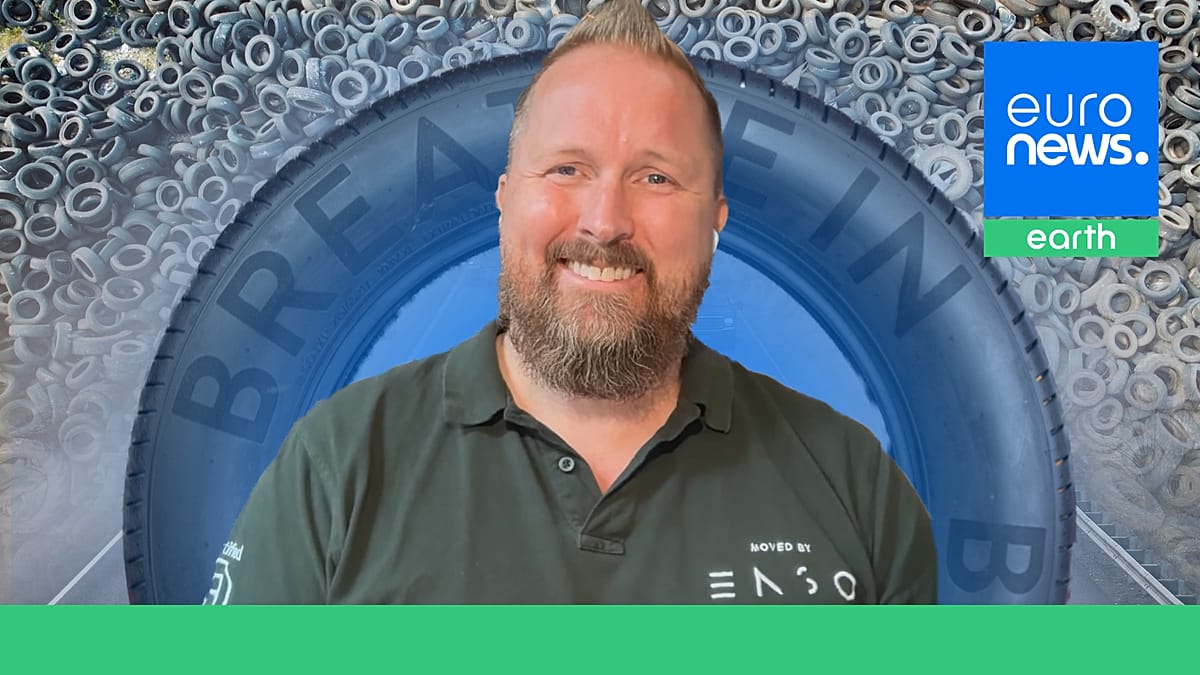
A tech company has created cleaner tires that slash pollution from electric vehicles by up to 35 percent while boosting driving range. ENSO is partnering with Uber and major fleets to tackle one of the biggest sources of microplastic pollution in our oceans.
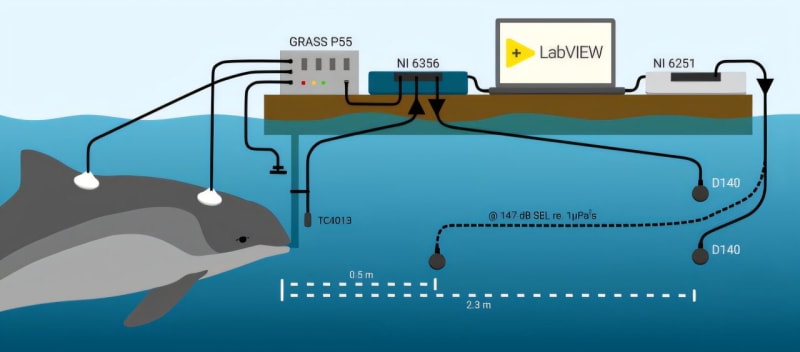
Scientists discovered that harbor porpoises possess a natural defense against the ocean's growing noise pollution: they can dial down their hearing sensitivity when loud sounds approach. This biological superpower helps protect one of their most vital senses in an increasingly noisy marine world.
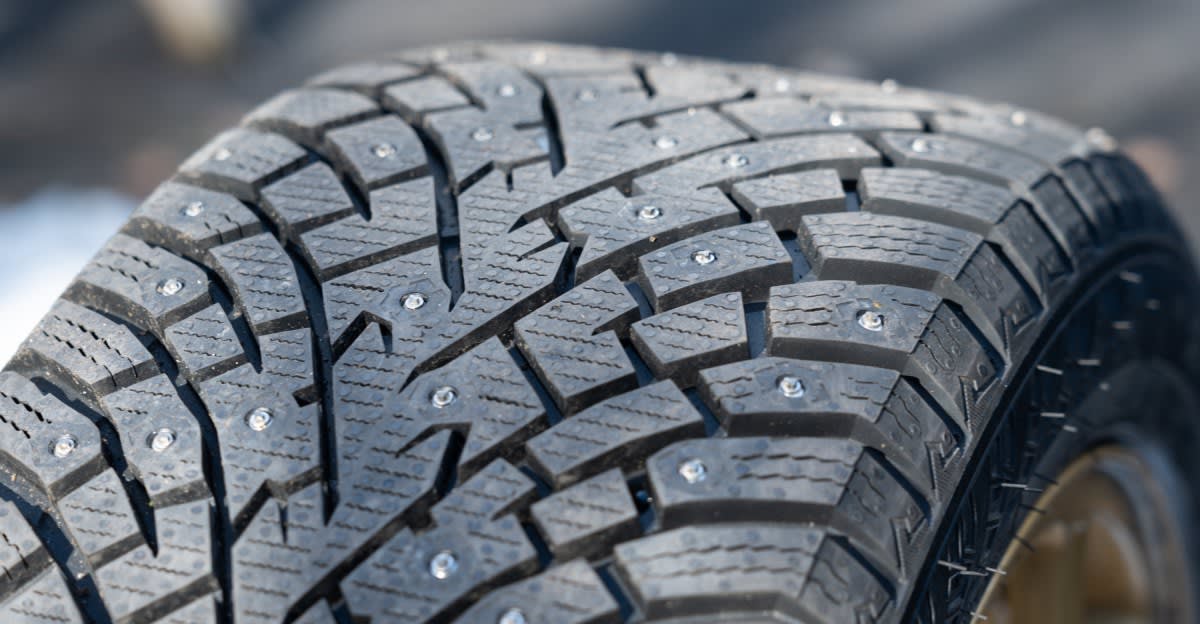
Finnish tire maker Nokian invented studded winter tires that retract when not needed, potentially solving the biggest downsides of snow tires. The innovation could save roads, reduce noise pollution, and cut harmful air particles while keeping drivers safe.
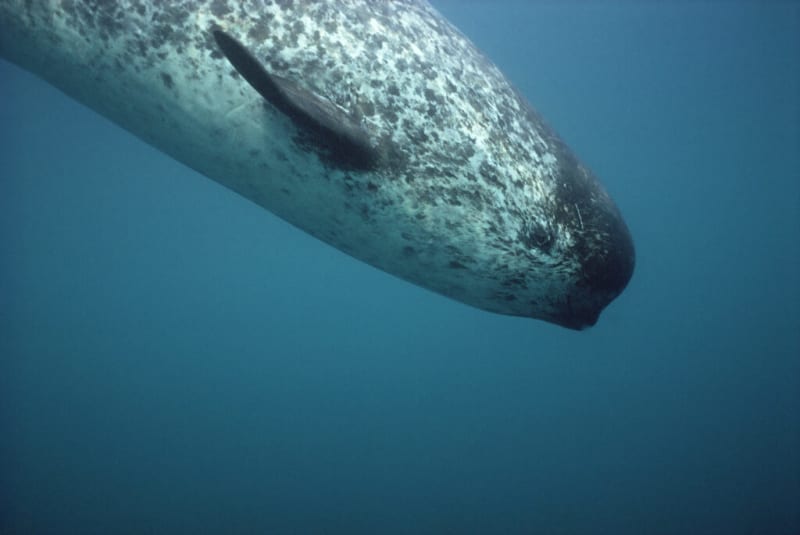
Global shipping regulators just approved new guidance to reduce underwater noise threatening narwhals and other Arctic whales. Simple fixes like slower speeds and cleaner hulls could cut noise pollution nearly in half while saving fuel.

Cities are transforming underused concrete spaces into small "pocket gardens" that cool neighborhoods, absorb stormwater, and reduce noise pollution. These mini oases are proving that a little greenery can solve big urban problems.
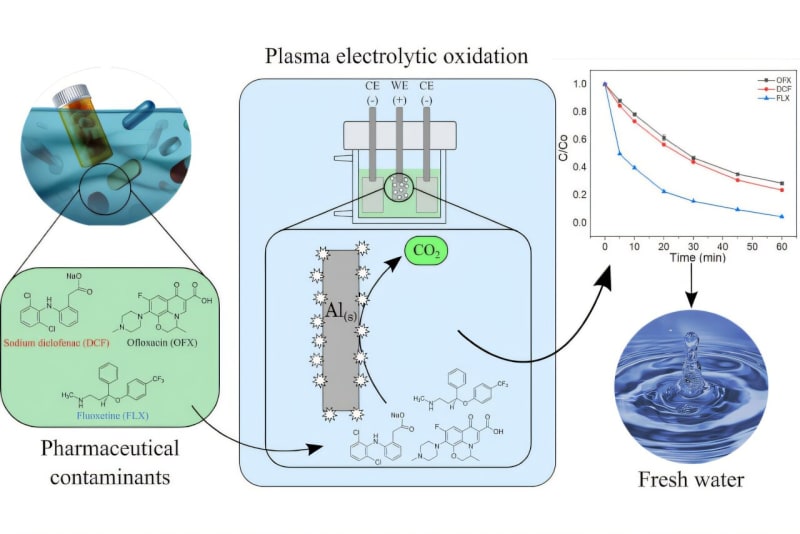
Researchers in Brazil discovered a way to completely destroy pharmaceutical pollutants in water using high-energy sparks, solving a problem that has stumped environmental scientists for years. The breakthrough could finally clean drugs from rivers and waterways without creating toxic byproducts.

Scientists studied 200,000 people and found that eating fruit daily protects your lungs from pollution damage, even if you can't avoid dirty air. Women who ate four servings daily showed the strongest protection against declining lung function.

Scientists discovered millions of bacteria living in fog droplets that actively grow, multiply, and consume pollutants like formaldehyde. This microscopic ecosystem could be quietly improving air quality in ways we never understood before.
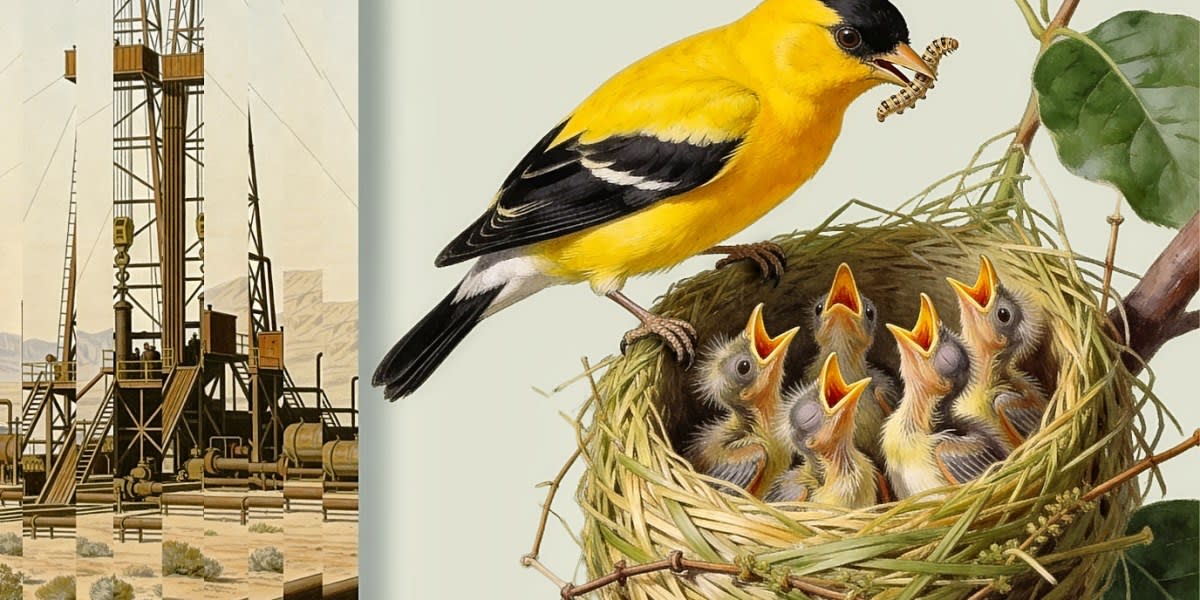
When COVID lockdowns quieted San Francisco traffic, researchers discovered white-crowned sparrows instantly transformed their songs, singing more beautifully and attracting mates better. The breakthrough proves noise pollution can be reversed overnight with the right solutions.

Researchers are creating tiny pollution-fighting superheroes that could help reverse environmental damage across the planet. From cleaning toxic soils to turning industrial waste into useful products, engineered microbes are offering real solutions to humanity's biggest messes.

Half of people use sound to fall asleep, but researchers just discovered pink noise might change your sleep more than expected. The good news? Simple solutions can help you find your perfect sleep environment.
A groundbreaking study reveals that improved healthcare and poverty reduction prevented more air pollution deaths than cleaner air itself over the past 30 years. The finding opens new pathways to save lives even where air quality remains poor.
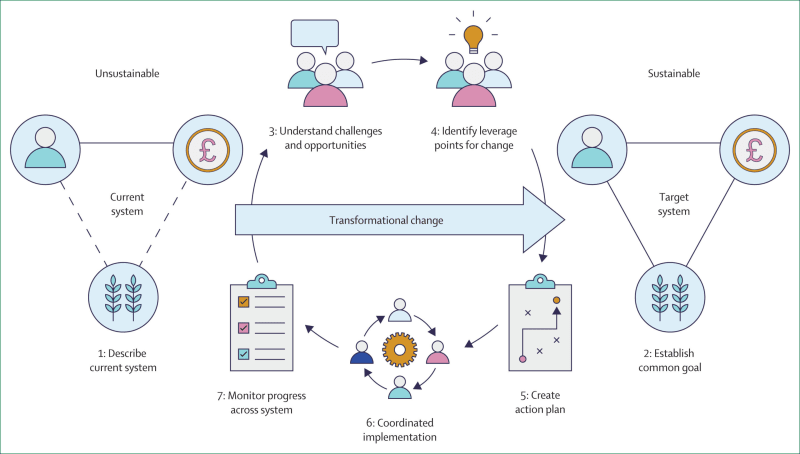
A team of 48 experts just released a roadmap to tackle the growing problem of medications polluting rivers and harming wildlife. The new national strategy could make the UK a global leader in sustainable healthcare.

Cities from Beijing to London have proven that cleaning up toxic air isn't just possible—it's already happening. Through bike lanes, electric cars, and smart restrictions, 19 cities worldwide have cut dangerous pollutants by over 20% since 2010.
Showing 20 of 3577