Search

Find uplifting stories about heroes, innovations, and solutions

70 results for "apes"

Apes Can Imagine: Bonobo Aces Pretend Tea Party Tests
Planet WinsFeb 6

Apes Can Imagine: Bonobo Aces Pretend Tea Party Tests

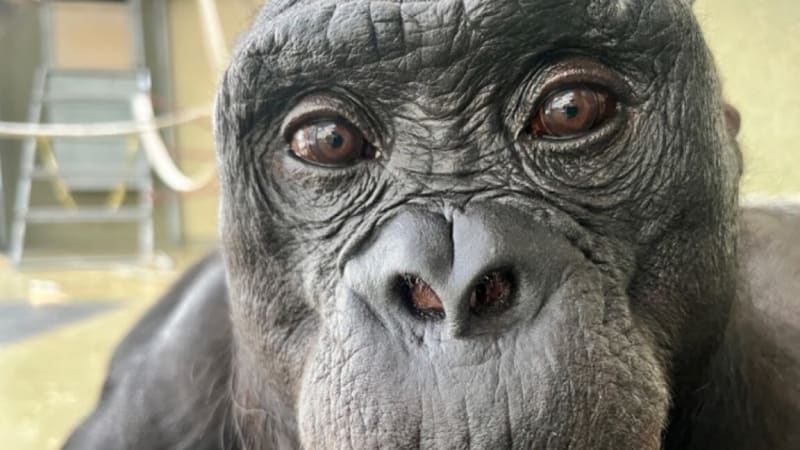
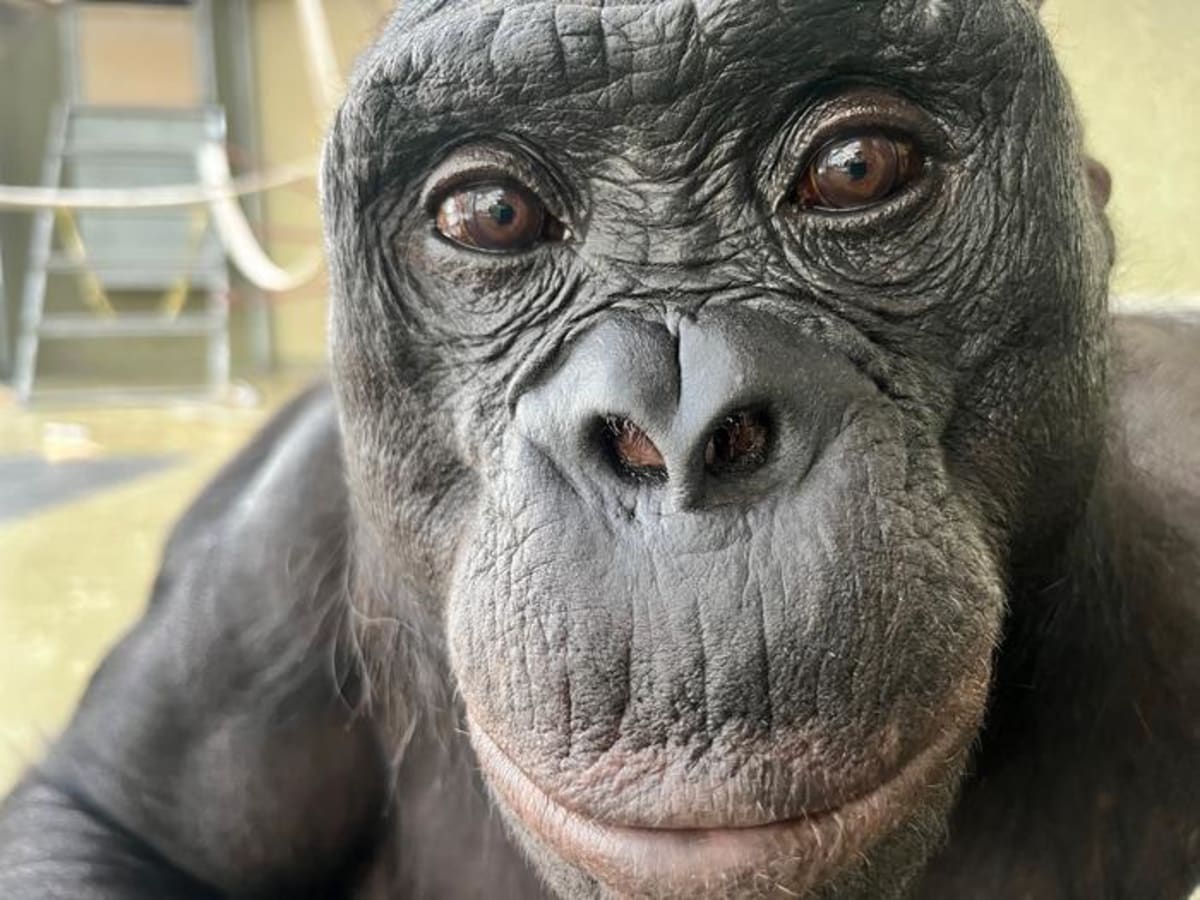
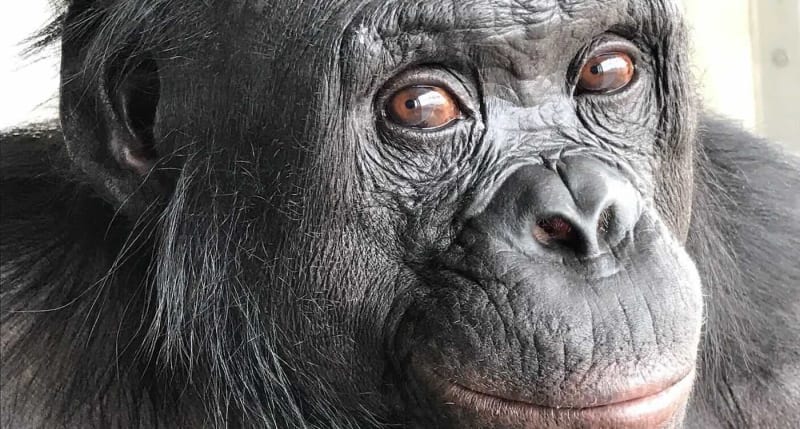
Scientists discovered that apes can use their imagination and play pretend, a mental ability long thought uniquely human. A 43-year-old bonobo named Kanzi correctly tracked imaginary juice and grapes during tea party experiments, proving apes have rich mental lives beyond the present moment.

Google News - Science3 min read
Bonobo Named Kanzi Proves Apes Can Imagine and Pretend
InnovationFeb 8

Bonobo Named Kanzi Proves Apes Can Imagine and Pretend

A 43-year-old bonobo in Iowa just passed "tea party" tests proving apes can imagine things that aren't really there. Scientists say this discovery challenges what we thought made humans special.

Good News Network3 min read
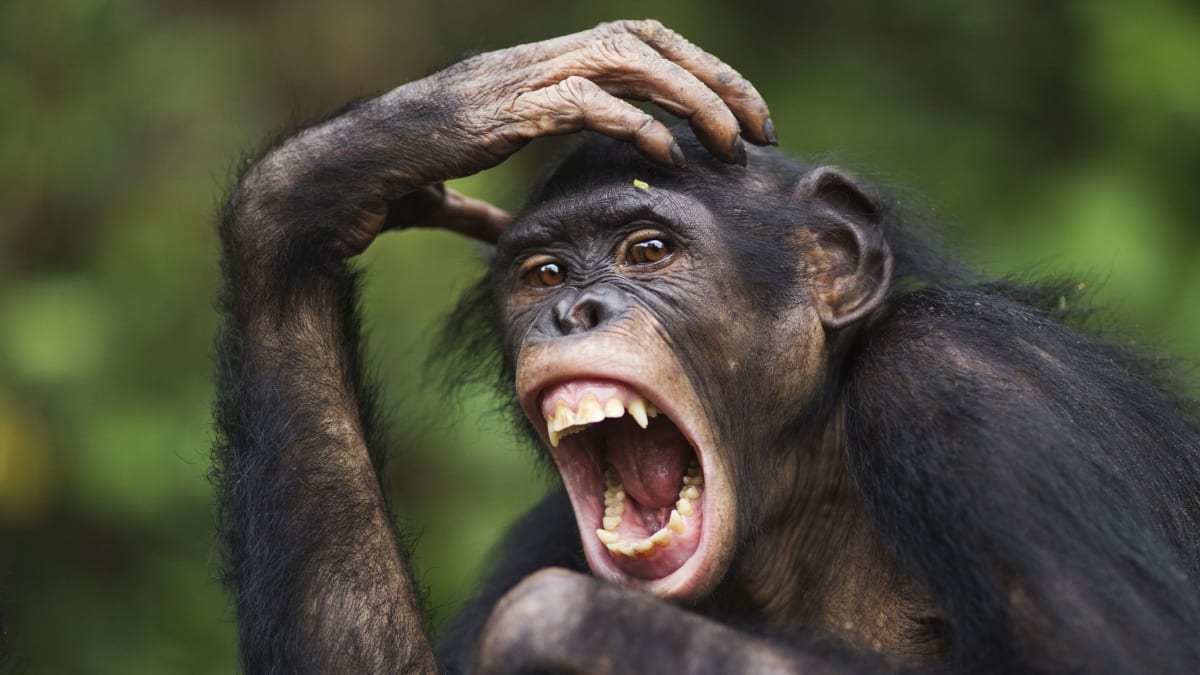
Humans and Great Apes: 15 Million Years of Shared Laughter
InnovationJun 27

Humans and Great Apes: 15 Million Years of Shared Laughter

Scientists discovered that humans and great apes share remarkably similar laughter patterns, tracing this joyful sound back 15 million years to a common ancestor. The finding reveals that the rhythm of laughter remained unchanged across species, offering clues about how social communication evolved long before speech.

Times of India - Good News2 min read
Ancient Ape Found in Egypt May Be Our Earliest Ancestor
Global NewsMar 27

Ancient Ape Found in Egypt May Be Our Earliest Ancestor

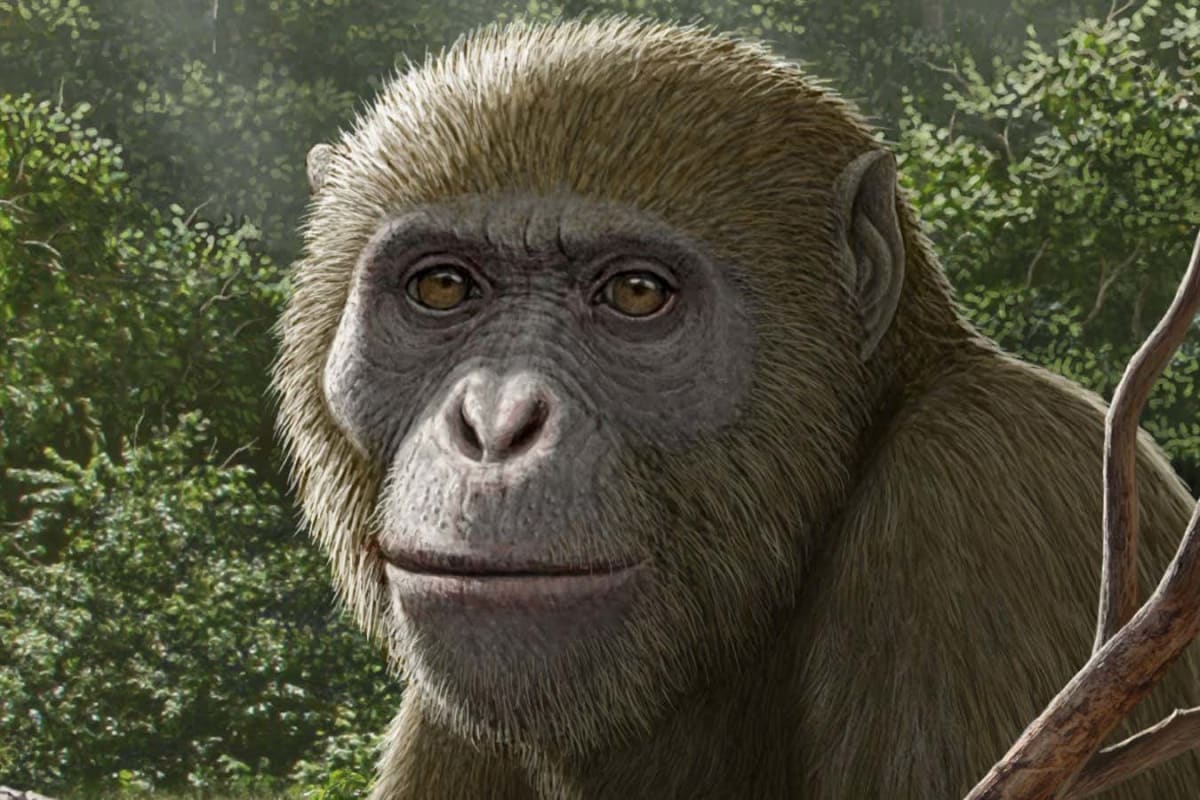
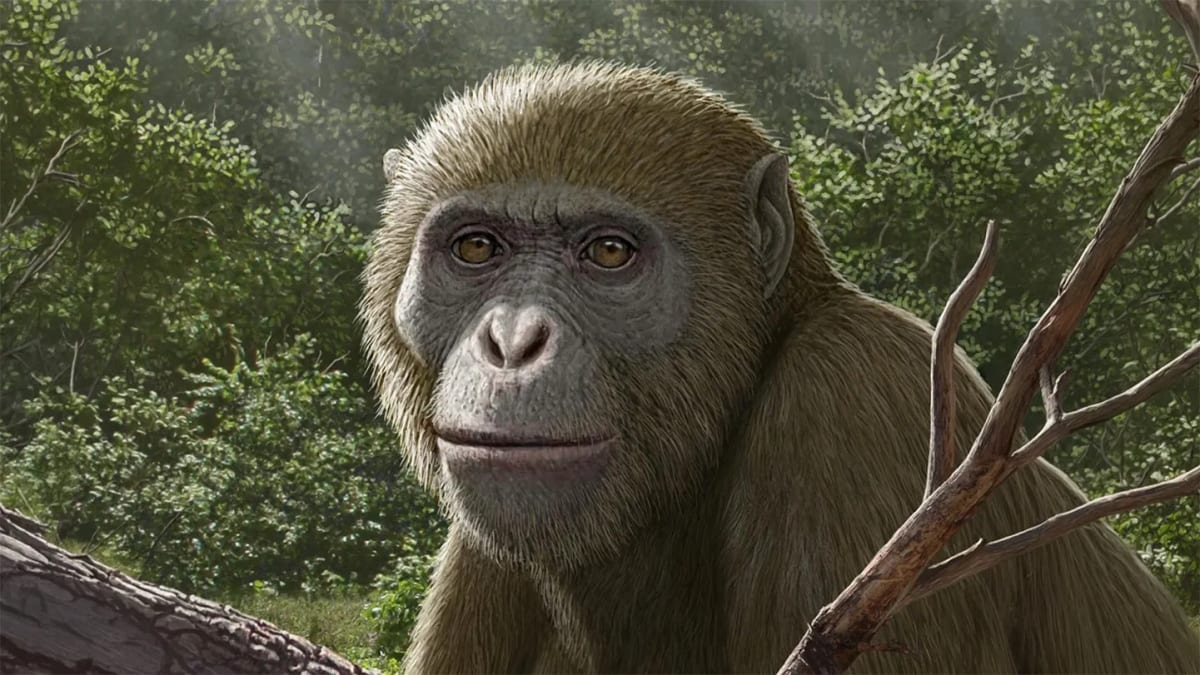
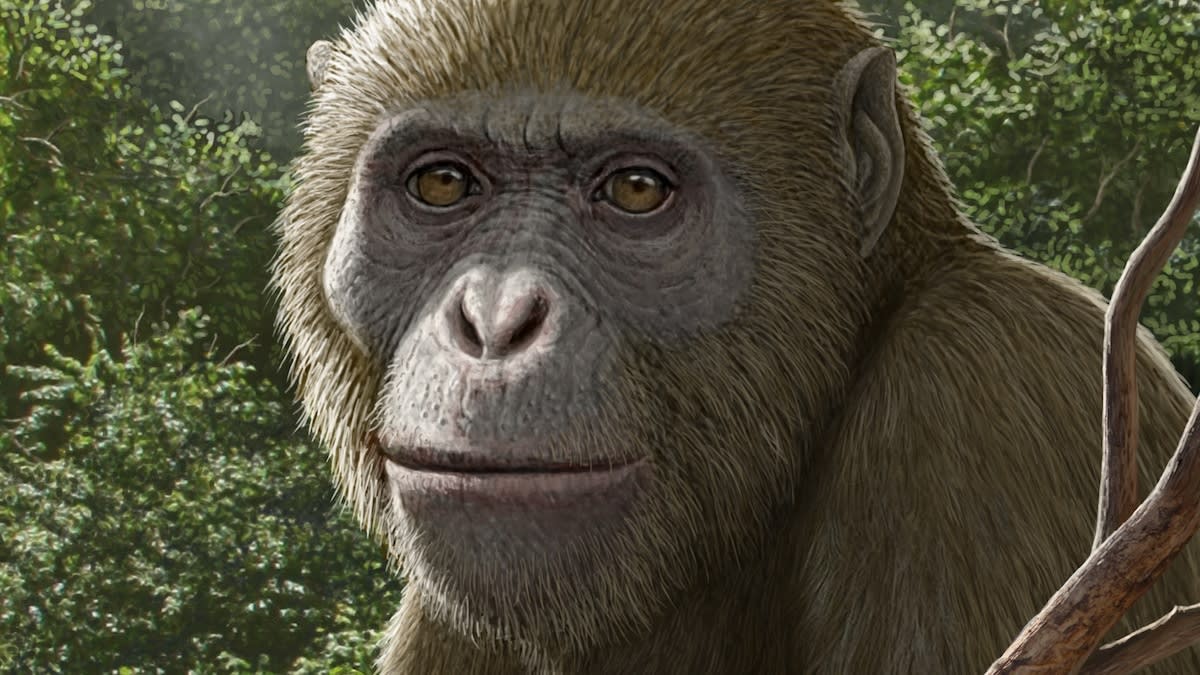
Scientists in Egypt discovered fossils of a 17 million year old ape that could be the closest ancestor to all living apes, including humans. The find suggests our evolutionary story began in North Africa, not East Africa as researchers believed for decades.

New Scientist3 min read
Egypt Fossil Find Rewrites Ape Evolution Story
Planet WinsMar 27

Egypt Fossil Find Rewrites Ape Evolution Story

Scientists in Egypt discovered 17-million-year-old ape fossils that suggest our earliest ancestors evolved in North Africa, not East Africa as researchers believed for decades. The breakthrough changes what we know about where humans, gorillas, chimps, and other apes came from.

Google: fossil discovery2 min read
Ape Sanctuary Locks Down to Protect 200 Primates From Ebola
Community HeroesJun 4

Ape Sanctuary Locks Down to Protect 200 Primates From Ebola

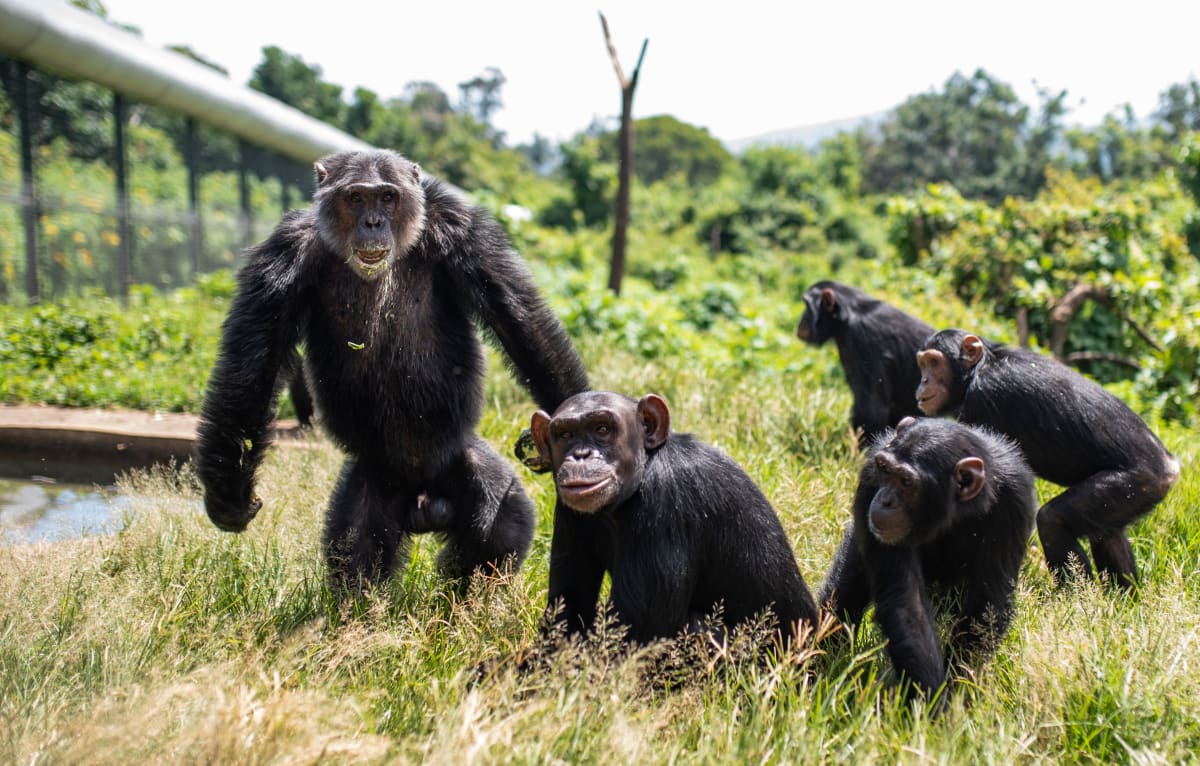
An ape sanctuary in Congo has isolated 200 rescued primates and their caretakers as an Ebola outbreak spreads nearby. Fifteen staff members have voluntarily locked themselves inside with the animals, disinfecting everything from food to bedding materials to keep the apes safe.

Mongabay3 min read
Scientists Tickle Apes, Discover 15 Million Years of Giggles
InnovationJun 27

Scientists Tickle Apes, Discover 15 Million Years of Giggles

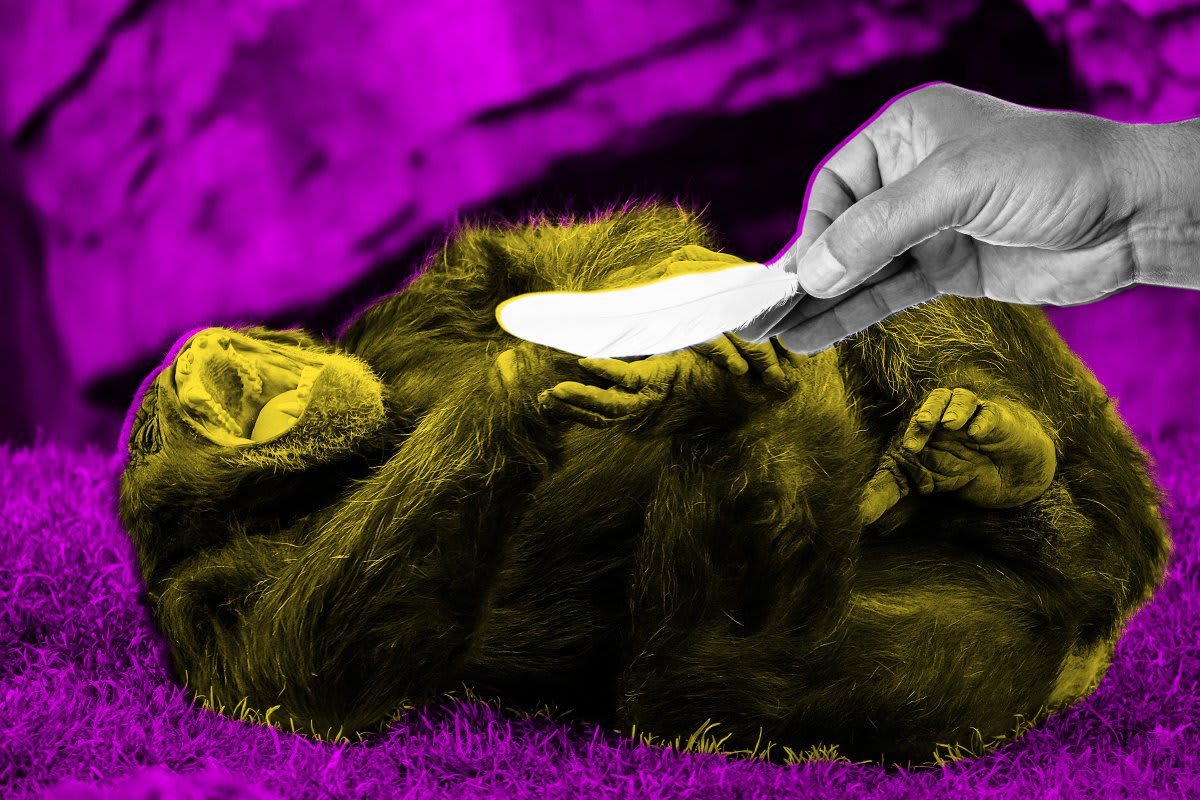
Researchers tickled gorillas, chimps, and other great apes to discover their laughter sounds remarkably like ours. The finding reveals humans and apes have been giggling in similar rhythms for 15 million years.

Google News - Researchers Find2 min read
Egyptian Fossil Reveals Apes May Have Evolved in North Africa
Planet WinsMar 27

Egyptian Fossil Reveals Apes May Have Evolved in North Africa

A 17-million-year-old ape jawbone discovered in Egypt is rewriting the story of where modern apes, including humans, first evolved. The find suggests our ancient ancestors may have originated in North Africa or the Middle East, not East Africa as scientists long believed.

Google: fossil discovery2 min read
Scientists Prove Apes Can Imagine and Play Pretend
InnovationFeb 6

Scientists Prove Apes Can Imagine and Play Pretend

A 43-year-old bonobo named Kanzi played an imaginary tea party with researchers, pointing to cups of pretend juice and bowls of invisible grapes. The groundbreaking study proves that imagination isn't uniquely human after all.

Euronews3 min read
Scientists Tickle Apes to Unlock Evolution of Laughter
Global NewsJun 29

Scientists Tickle Apes to Unlock Evolution of Laughter

Researchers discovered profound differences between human and ape laughter by doing something delightfully scientific: tickling young primates. The findings reveal how our ability to change our laugh helped humans develop language.

Futurism2 min read
Egypt Fossil Discovery Rewrites Ape Evolution Story
Planet WinsMar 27

Egypt Fossil Discovery Rewrites Ape Evolution Story

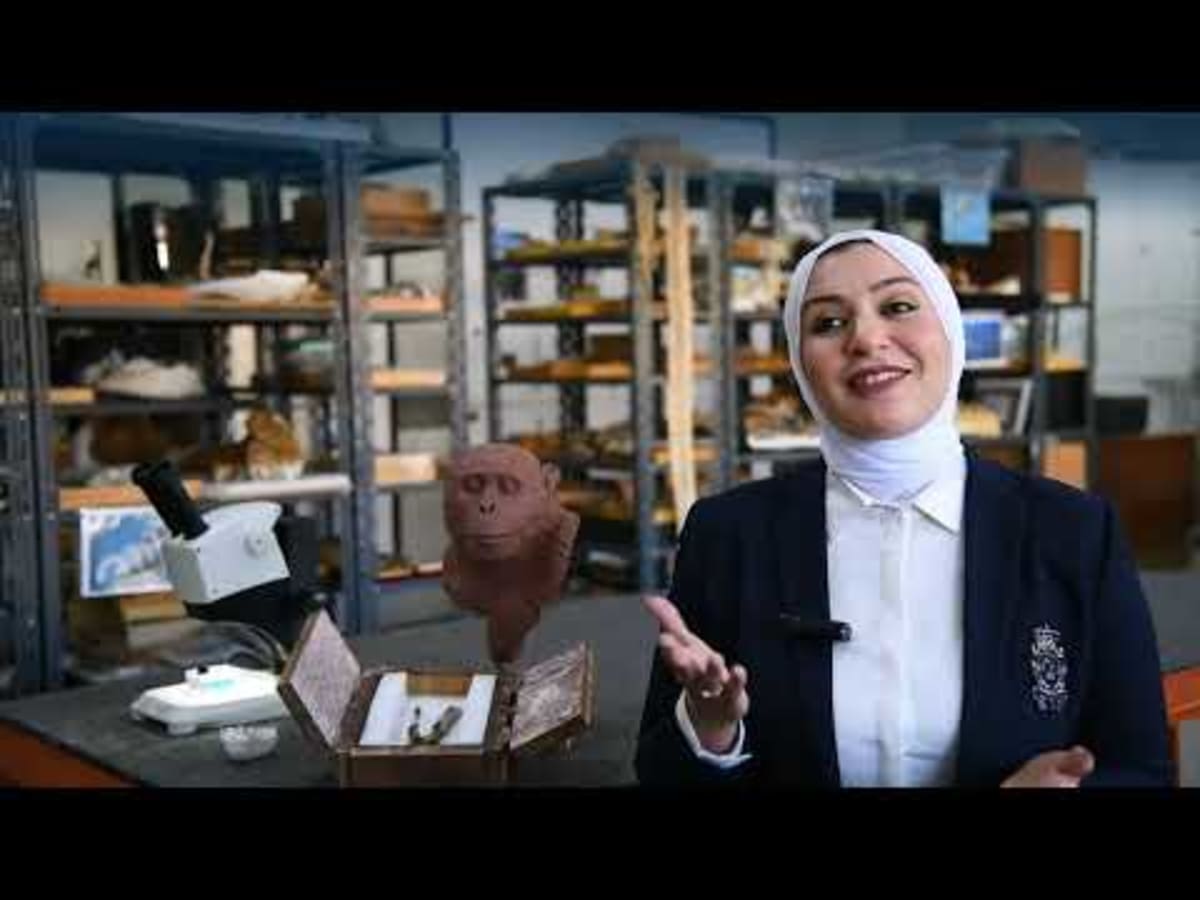
Egyptian scientists discovered an 18-million-year-old ape jaw that suggests our ancestors may have originated in North Africa, not East Africa as long believed. The find opens exciting new chapters in understanding where humans came from.

Google: fossil discovery3 min read
Bonobo Kanzi Proves Apes Can Use Their Imagination Too
VideosFeb 6

Bonobo Kanzi Proves Apes Can Use Their Imagination Too

A 43-year-old bonobo named Kanzi just aced pretend tea party tests at Johns Hopkins University, choosing imaginary juice over empty cups 68% of the time. Scientists say this groundbreaking discovery shows apes can imagine things that aren't there, just like human toddlers do.

Ars Technica Science3 min read
18-Million-Year-Old Fossil Reveals Ape Origins in Egypt
InnovationAug 15

18-Million-Year-Old Fossil Reveals Ape Origins in Egypt

Scientists discovered fossils in Egypt that could rewrite the story of where apes first evolved. The 18-million-year-old remains suggest northern Africa played a bigger role in our evolutionary history than anyone thought.

Google: fossil discovery2 min read
Baby Gibbon Rescued in Assam Shines Light on India's Apes
VideosJul 17

Baby Gibbon Rescued in Assam Shines Light on India's Apes

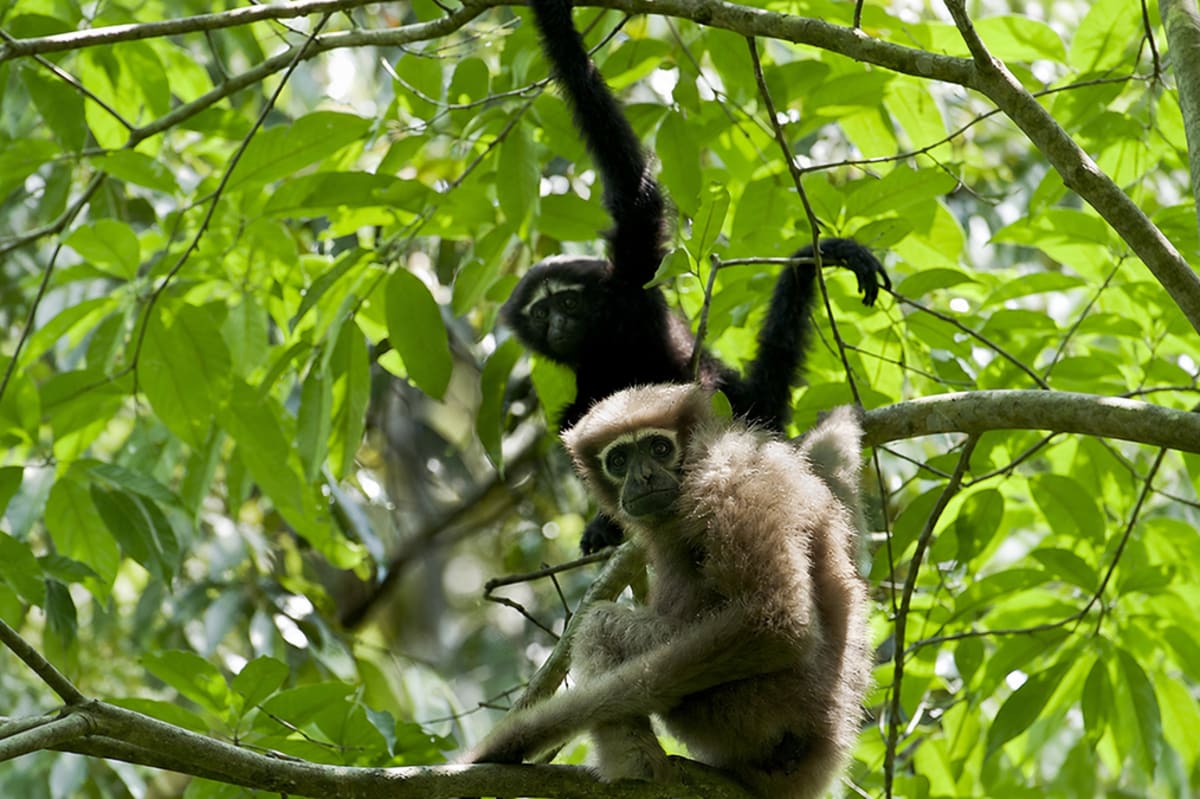
A three-week-old western hoolock gibbon found clinging to her electrocuted mother is recovering at a wildlife center in Assam. Her rescue highlights urgent conservation needs for India's only ape species, with fewer than 5,000 remaining in the wild.

The Better India2 min read
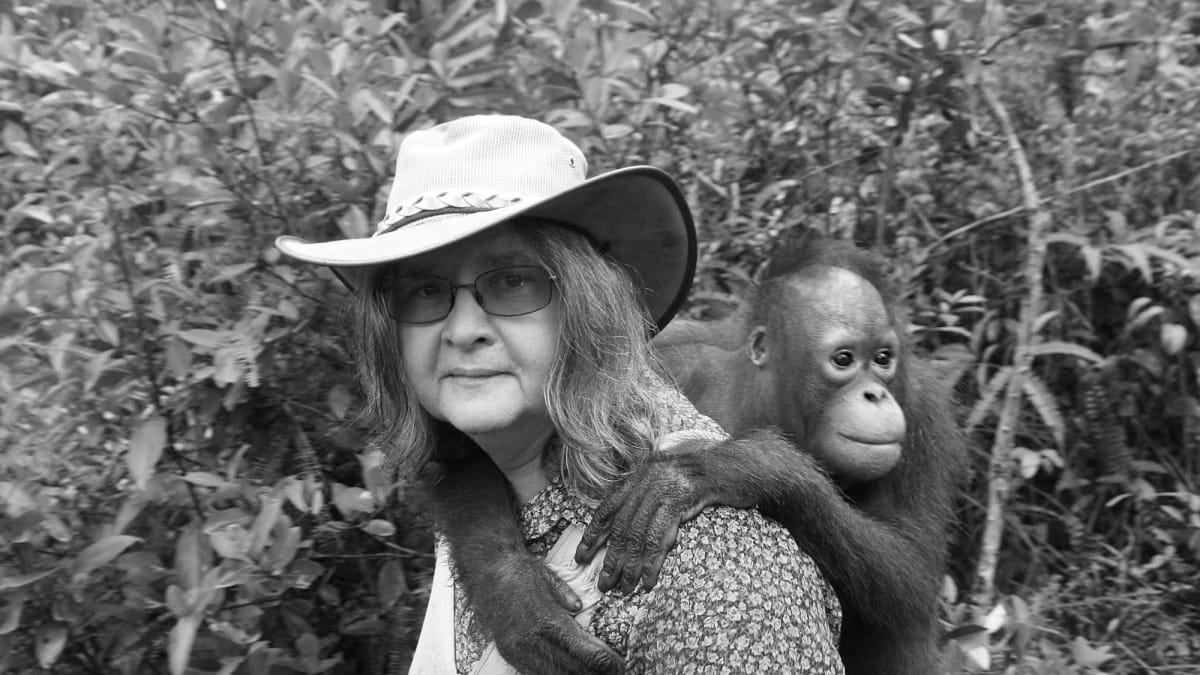
Primatologist Birutė Galdikas Dies at 79, 450 Apes Saved
Community HeroesMar 26

Primatologist Birutė Galdikas Dies at 79, 450 Apes Saved

A pioneering scientist who spent 50 years studying orangutans in the jungles of Borneo has passed away, leaving behind one of conservation's most remarkable legacies. Birutė Galdikas didn't just observe these critically endangered apes—she helped save hundreds of them while protecting the forests they call home.

Mongabay2 min read
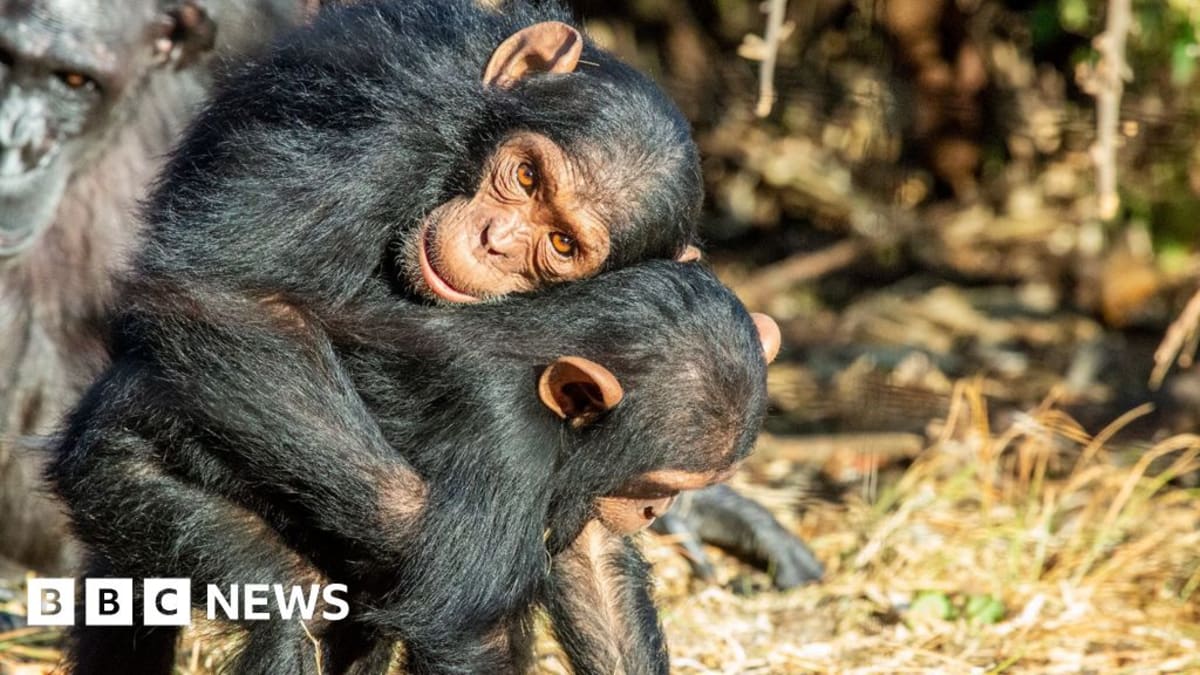
Apes Kiss and Hug Before Conflict, Study Finds
Global NewsJul 22

Apes Kiss and Hug Before Conflict, Study Finds

Chimpanzees and bonobos embrace and kiss before stressful situations to build trust, revealing an ancient social behavior humans may share. This seven-million-year-old instinct explains why we hug teammates before big moments.

BBC Science2 min read
Apes Kiss and Hug Before Fights to Keep Peace
Acts of KindnessJul 22

Apes Kiss and Hug Before Fights to Keep Peace

Scientists discovered that chimpanzees and bonobos embrace, kiss, and touch each other before stressful situations to build trust and cooperation. This behavior might be 7 million years old, suggesting humans inherited our pre-game huddles and comforting hugs from our ancient ancestors.

Google News - Science2 min read
Bonobo Females Challenge the 'Peaceful Ape' Myth
Global NewsMar 13

Bonobo Females Challenge the 'Peaceful Ape' Myth

Scientists discovered bonobos are just as aggressive as chimpanzees, but with a fascinating twist: females lead the charge against males. This groundbreaking research reveals how female solidarity shapes bonobo society in unexpected ways.

Live Science2 min read
"Dung tally tracks ape numbers...
Planet WinsApr 7

"Dung tally tracks ape numbers...

Google News - Conservation Success2 min read
Bonobo Named Kanzi Could Imagine, Scientists Discover
VideosMar 18

Bonobo Named Kanzi Could Imagine, Scientists Discover

A bonobo who could use symbols to communicate just proved that imagination isn't uniquely human. Kanzi tracked pretend juice and grapes in experiments, showing that great apes may have been imagining things for millions of years.

Mongabay3 min read

Showing 20 of 70