Search

Find uplifting stories about heroes, innovations, and solutions

25 results for "complex life"

Canada Fossils Push Animal Life Back 10 Million Years
Innovation•1d ago

Canada Fossils Push Animal Life Back 10 Million Years

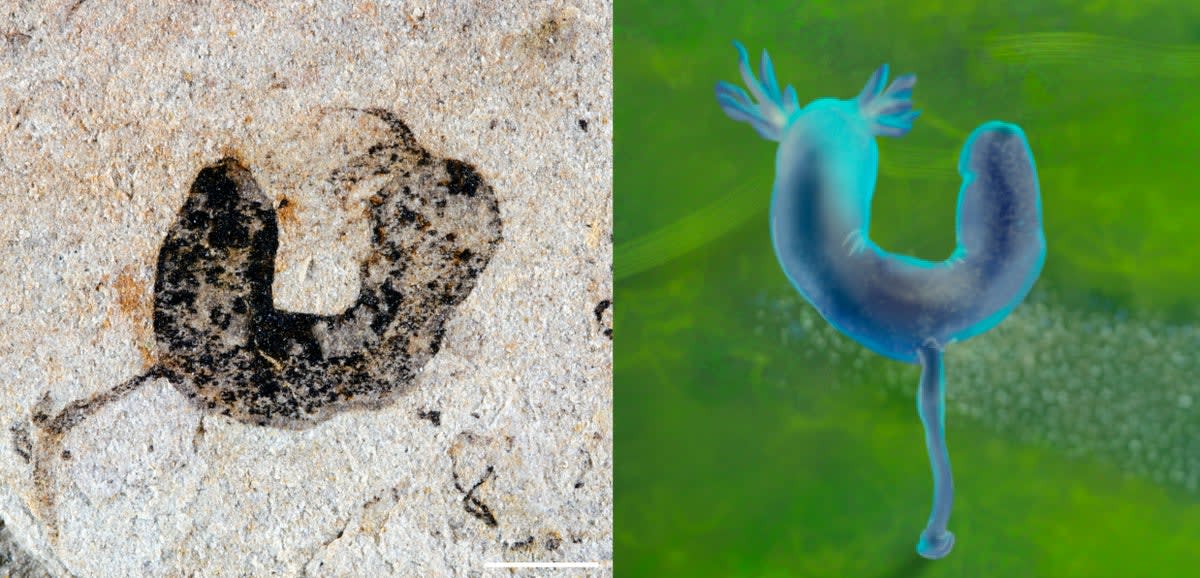
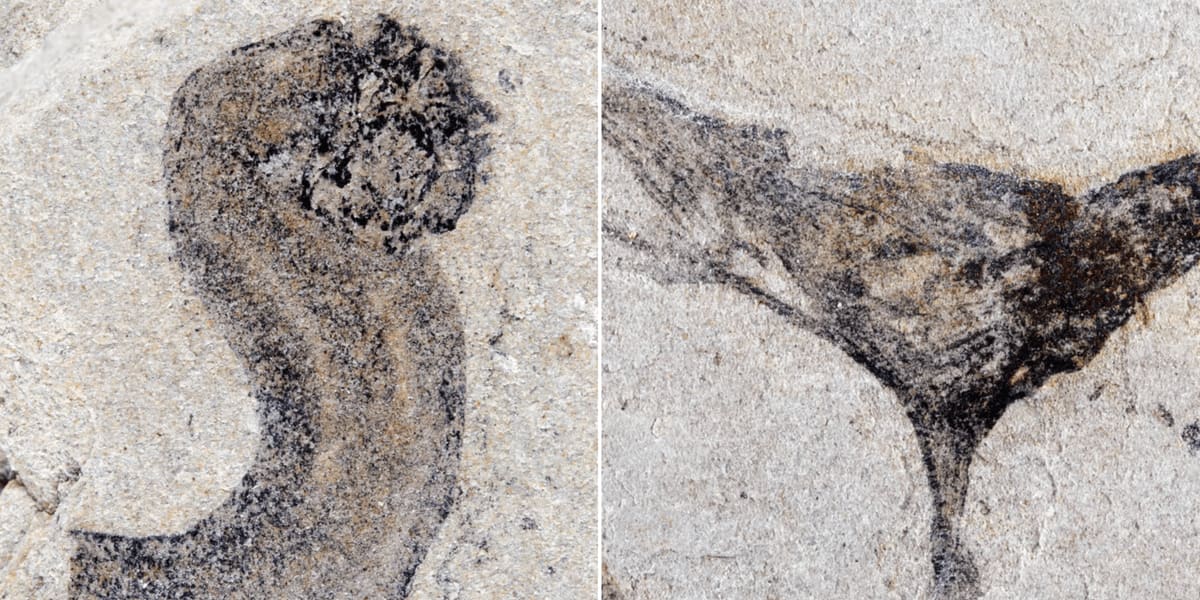
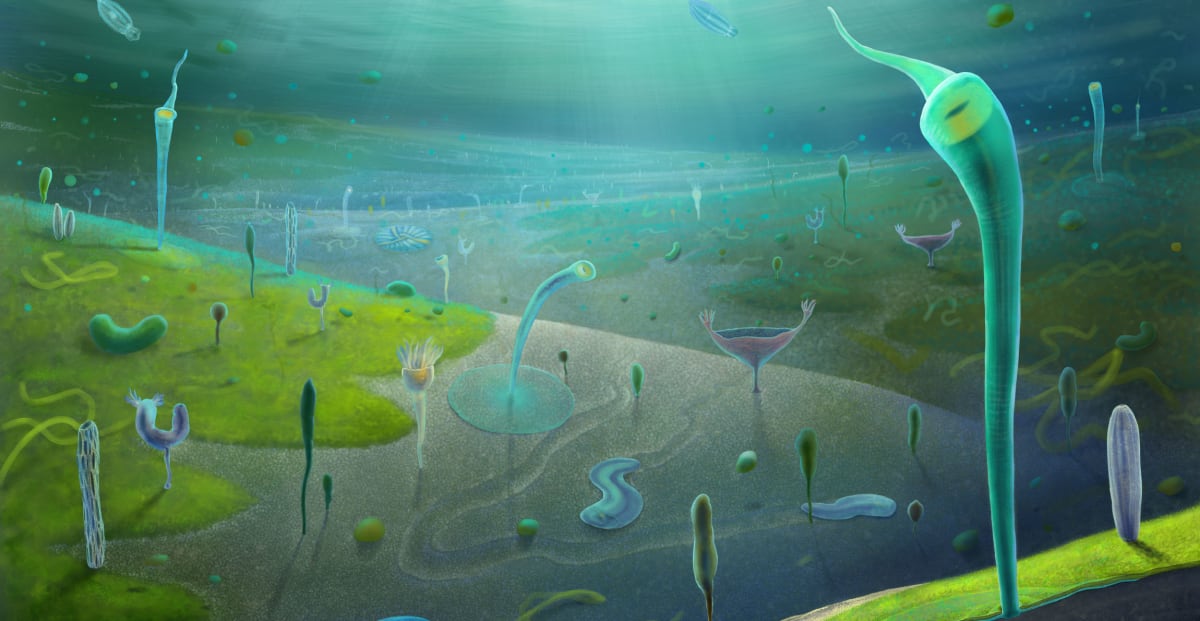
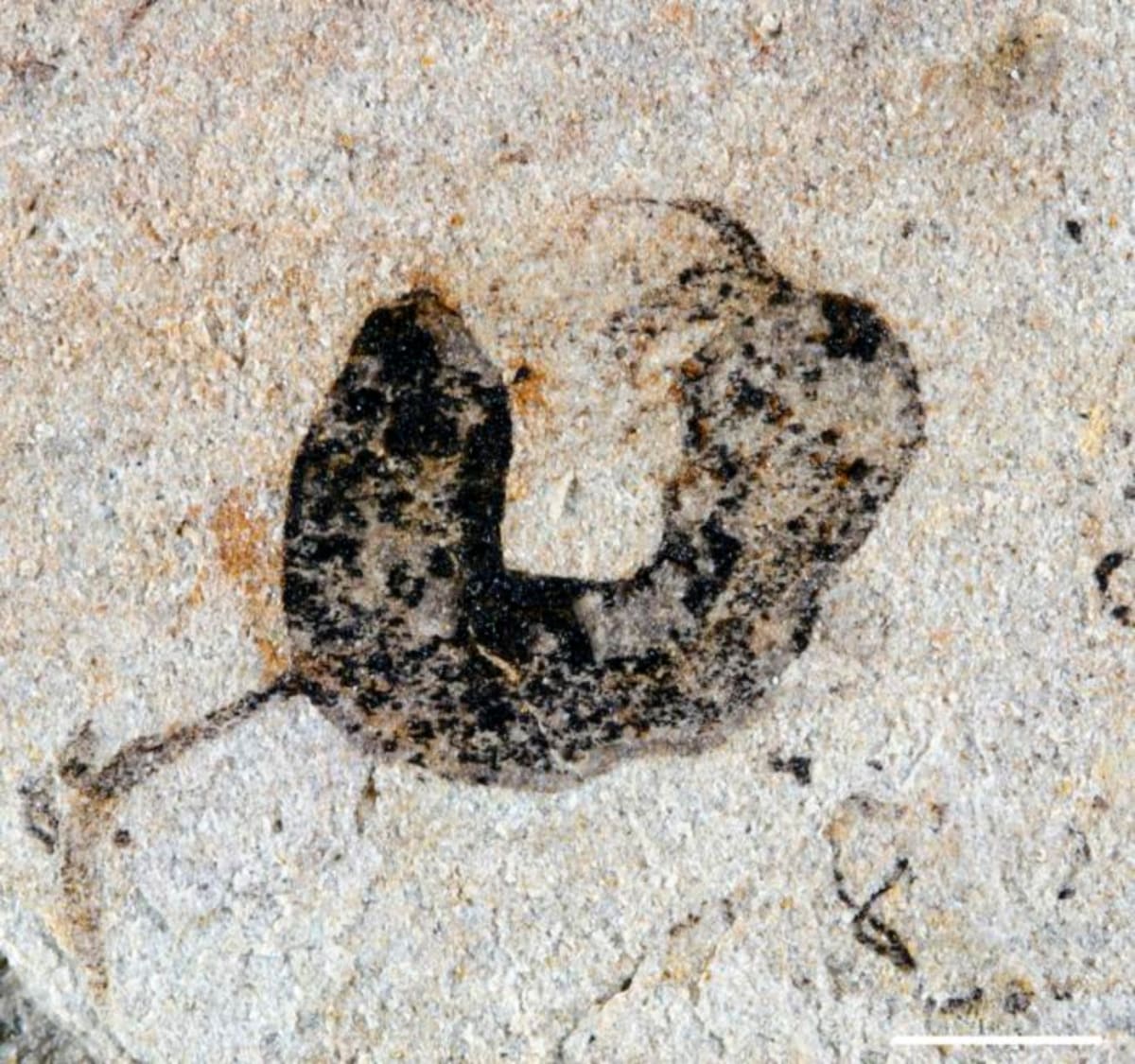
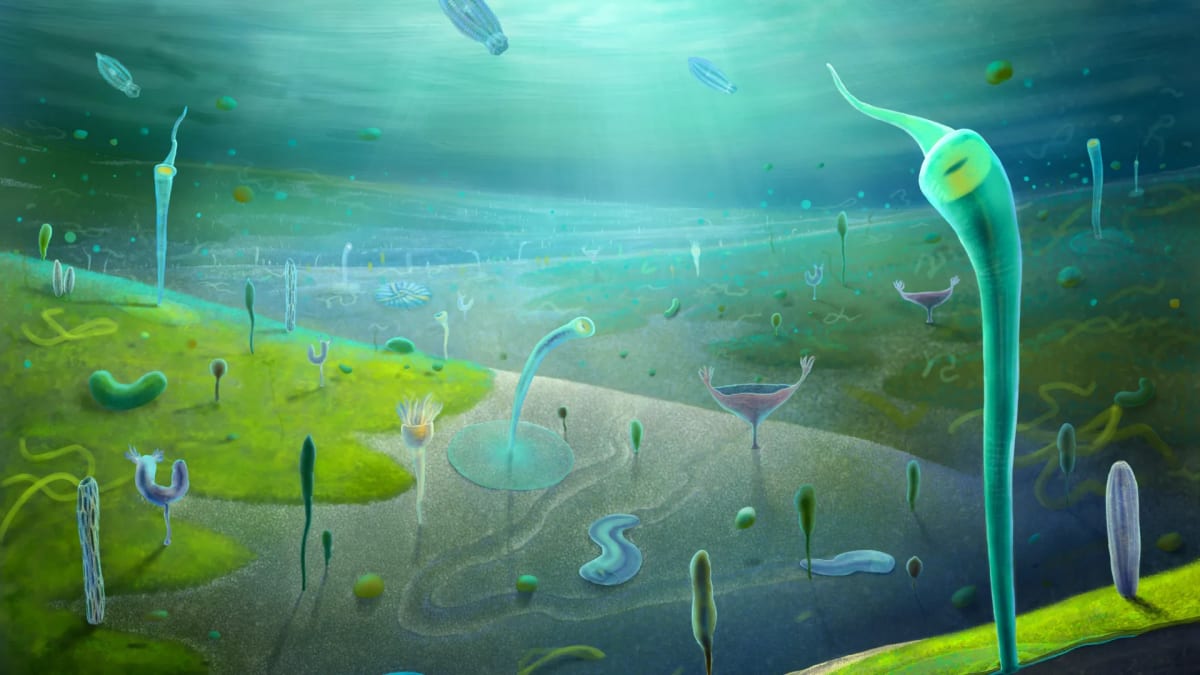
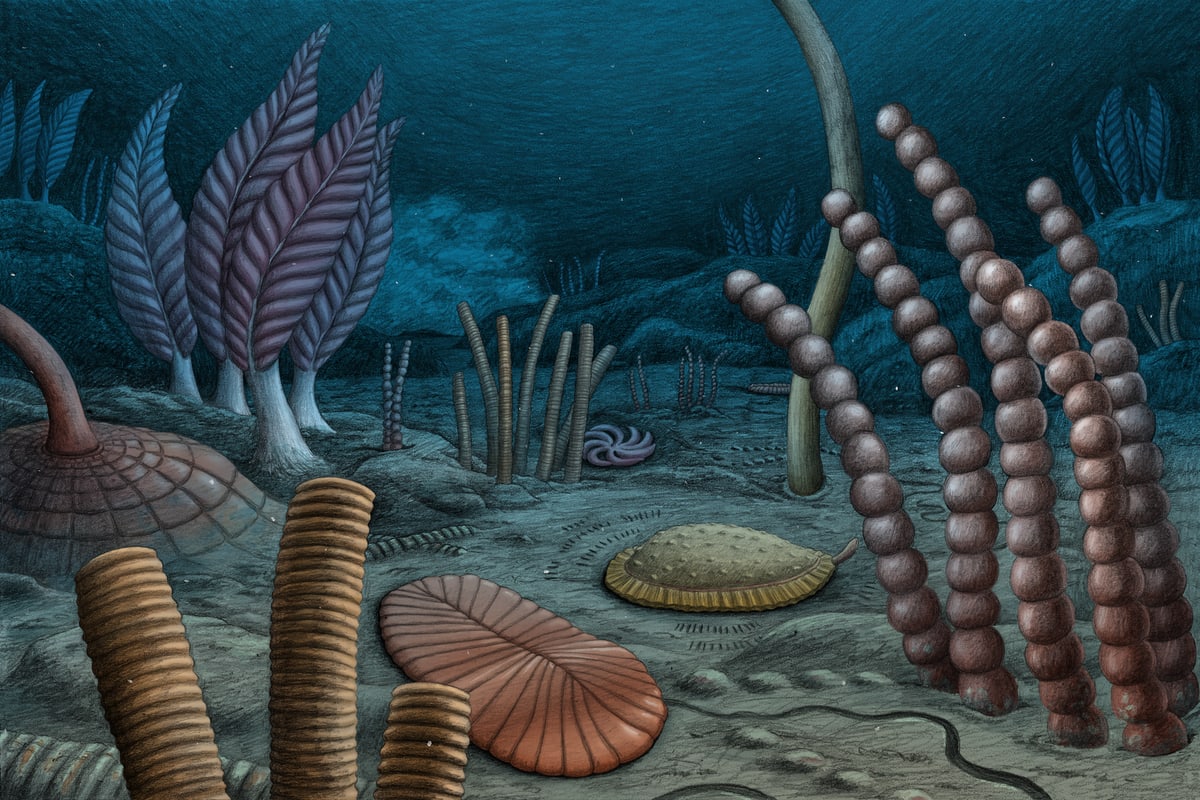
Scientists in Canada's Northwest Territories discovered fossils that are 567 million years old, making them the oldest evidence of animal movement and sexual reproduction ever found. The discovery suggests complex life may have begun in deep ocean waters, not shallow coastlines as scientists long believed.

Google: fossil discovery•3 min read
Complex Life Evolved 10M Years Earlier Than We Thought
Innovation•3d ago

Complex Life Evolved 10M Years Earlier Than We Thought

Scientists in northwestern Canada just discovered fossils that rewrite the timeline of animal evolution, pushing back the origins of complex life by up to 10 million years. These ancient creatures, some 567 million years old, show that the deep ocean may have been the original cradle of animal life.

Google: fossil discovery•3 min read
Canada Fossils Show Complex Life Began in Deep Sea
Innovation•4d ago

Canada Fossils Show Complex Life Began in Deep Sea

Scientists discovered 100+ fossils in Canada's remote mountains that push back the timeline for Earth's earliest moving, sexually reproducing creatures by millions of years. The deep ocean, not shallow waters, may have been life's nursery.

Google: scientific discovery•2 min read
Ancient Deep-Sea Fossils Reveal Earth's First Moving Life
Innovation•4d ago

Ancient Deep-Sea Fossils Reveal Earth's First Moving Life

Scientists discovered 567-million-year-old fossils in Canada's remote mountains that show some of Earth's earliest creatures could move and reproduce sexually. The findings suggest complex life began in the deep ocean before gradually moving to shallow waters.

Scientific American•3 min read
Ancient 'Animal Trails' Were Actually Giant Bacteria
Innovation•May 12

Ancient 'Animal Trails' Were Actually Giant Bacteria

Scientists in Brazil discovered that 540-million-year-old fossils once thought to be traces of early animals were actually preserved communities of bacteria and algae. The finding reshapes our understanding of when complex life first emerged on Earth.

Google: fossil discovery•2 min read
Scientists Find Key to Complex Life in Ancient Shark Bay
Planet Wins•May 7

Scientists Find Key to Complex Life in Ancient Shark Bay

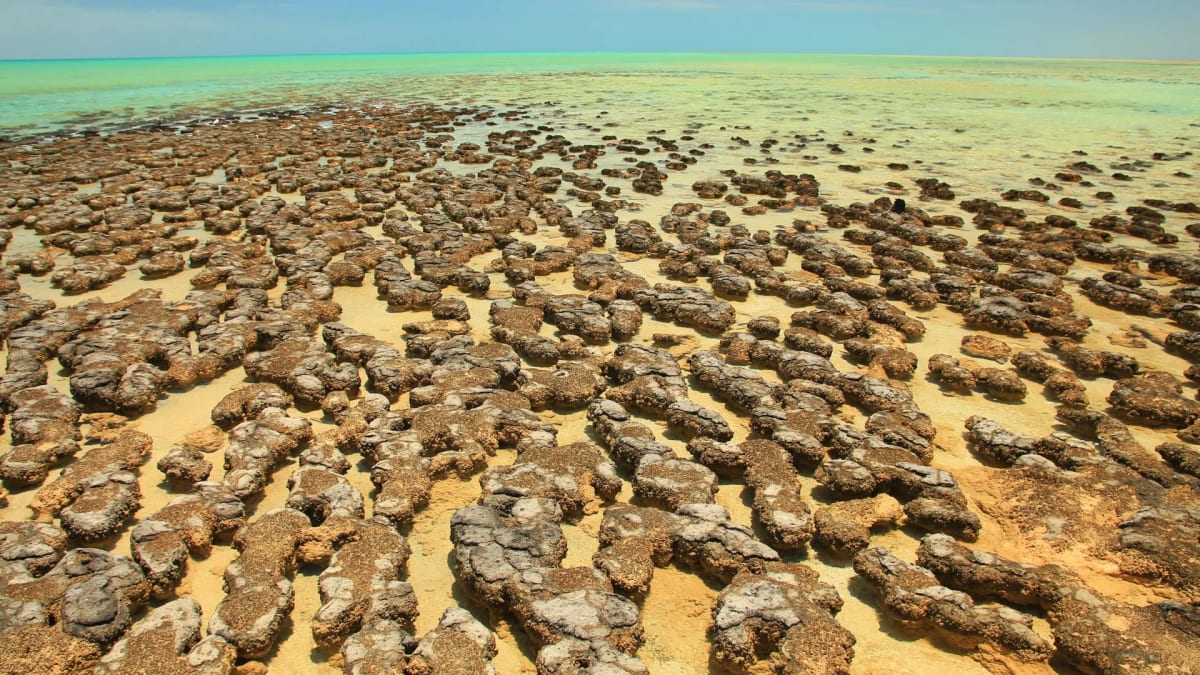
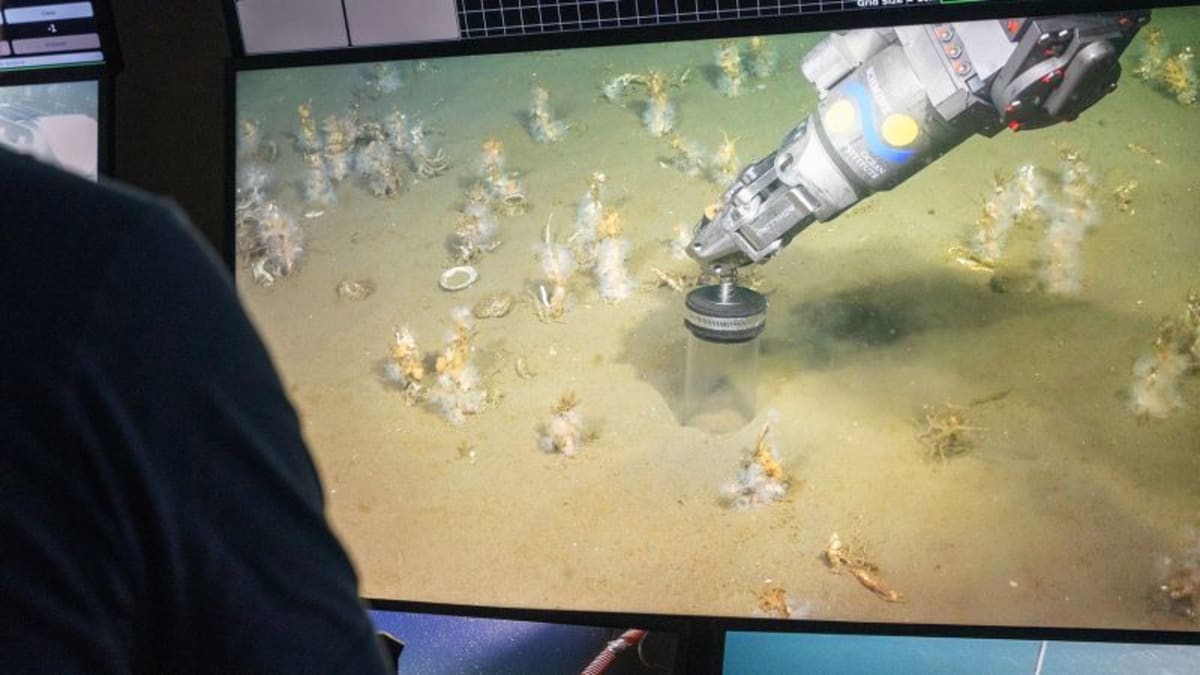
Researchers discovered crucial ancestors of complex life hiding in Australia's ancient stromatolites, living fossils that may explain how all complex organisms evolved. This breakthrough connects modern science to Earth's earliest life forms.
AllAfrica - Science•2 min read
700 Fossils Rewrite the Story of Life on Earth
Innovation•Apr 25

700 Fossils Rewrite the Story of Life on Earth

Scientists in China discovered 700 fossils that push back the origin of complex life by millions of years. The find suggests the famous "Cambrian Explosion" may have been more of a slow burn than a sudden boom.

Google: fossil discovery•3 min read
700 Ancient Fossils Rewrite Early Life Timeline
Innovation•Apr 24

700 Ancient Fossils Rewrite Early Life Timeline

Scientists in China discovered 700 fossils that push back the origin of complex life by millions of years, revealing our ancient ancestors existed far earlier than we thought. The find bridges a massive gap in our understanding of how life evolved from simple microbes to the incredible diversity we see today.

Google: scientific discovery•2 min read
Scientists Find Key Clue to Life's Origins in Shark Bay
Innovation•Apr 11

Scientists Find Key Clue to Life's Origins in Shark Bay

Researchers discovered ancient microbes working together in Australia's Shark Bay, revealing how the first complex life may have formed on Earth billions of years ago. The team honored Indigenous Malgana language by naming the microbe after their word for "ancient home."

Google News - Science•2 min read
Scientists witness 'first contact' forming complex life
Innovation•Apr 10

Scientists witness 'first contact' forming complex life

In Australia's ancient Shark Bay, researchers captured the first-ever image of microbes interacting the way our ancestors did billions of years ago. This discovery offers crucial evidence for how simple cells evolved into all complex life on Earth.

Google News - Science•2 min read
Ancient Fossils Push Back Complex Life Timeline by 15 Million Years
Planet Wins•Apr 7

Ancient Fossils Push Back Complex Life Timeline by 15 Million Years

Scientists in China discovered over 700 fossils showing complex animals existed 15 million years earlier than we thought. The find bridges a mysterious gap in evolution and reveals our ancient ancestors appeared much sooner than fossil records showed.

Smithsonian•2 min read
China Fossils Show Complex Life 4 Million Years Early
Planet Wins•Apr 7

China Fossils Show Complex Life 4 Million Years Early

Scientists discovered over 700 fossils in China that push back the timeline of complex animal life by at least 4 million years. The find includes early ancestors of starfish, worms, and even animals with backbones from a time period when they weren't supposed to exist yet.

Science Daily•3 min read
Fossils Reveal Complex Life Arose 4 Million Years Earlier
Solutions•Apr 6

Fossils Reveal Complex Life Arose 4 Million Years Earlier

Scientists discovered over 700 fossils in China that push back the emergence of complex animal life by millions of years. The findings show our earliest ancestors appeared during a crucial transition period previously thought to contain only simple organisms.

Google News - Science•3 min read
Ancient Fossils Push Complex Life Back 4 Million Years
Global News•Apr 5

Ancient Fossils Push Complex Life Back 4 Million Years

Scientists in China just unearthed 700 fossils that could rewrite the story of when complex life first appeared on Earth. These ancient creatures lived at least 4 million years earlier than we thought possible.

Google: fossil discovery•2 min read
China Fossils Push Complex Life Back 15 Million Years
Global News•Apr 5

China Fossils Push Complex Life Back 15 Million Years

Scientists discovered over 700 fossils in China showing complex animals thrived 15 million years before we thought possible. The find includes ancient jellyfish relatives, starfish ancestors, and bizarre worm-like creatures that rewrite our evolutionary timeline.

Live Science•2 min read
China Fossils Push Complex Life Back 4 Million Years
Innovation•Apr 3

China Fossils Push Complex Life Back 4 Million Years

Scientists discovered over 700 fossils in China that prove complex animals existed millions of years earlier than we thought. The find rewrites our understanding of when life on Earth became truly diverse.

Google: fossil discovery•3 min read
China Fossil Site Pushes Complex Life Back 4 Million Years
Innovation•Apr 3

China Fossil Site Pushes Complex Life Back 4 Million Years

Scientists in China have discovered ancient fossils that rewrite the timeline of when complex life began on Earth. The exceptionally preserved specimens show that major animal groups evolved at least four million years earlier than we thought.

Google: fossil discovery•2 min read
Ancient Fossils Show Complex Life Began Earlier Than Thought
Planet Wins•Apr 2

Ancient Fossils Show Complex Life Began Earlier Than Thought

Scientists in China discovered hundreds of fossils proving that complex animals existed millions of years before the famous "Cambrian explosion." The finding suggests life evolved more gradually than we believed.

Scientific American•3 min read
Earth's Plates Started Moving 3.5 Billion Years Ago
Planet Wins•Apr 1

Earth's Plates Started Moving 3.5 Billion Years Ago

Scientists discovered evidence that Earth's tectonic plates were shifting 3.48 billion years ago, one billion years after our planet formed. This movement likely helped create the conditions that eventually made complex life possible.

Smithsonian•2 min read
Giant Virus May Reveal How Complex Life Began on Earth
Innovation•Mar 26

Giant Virus May Reveal How Complex Life Began on Earth

Scientists in Japan discovered a virus that rewrites its host cell's nucleus, offering fresh clues about one of evolution's biggest mysteries: how simple cells became complex life. The finding helps explain how plants, animals, and humans may have evolved their most important feature.

New Atlas•2 min read

Showing 20 of 25