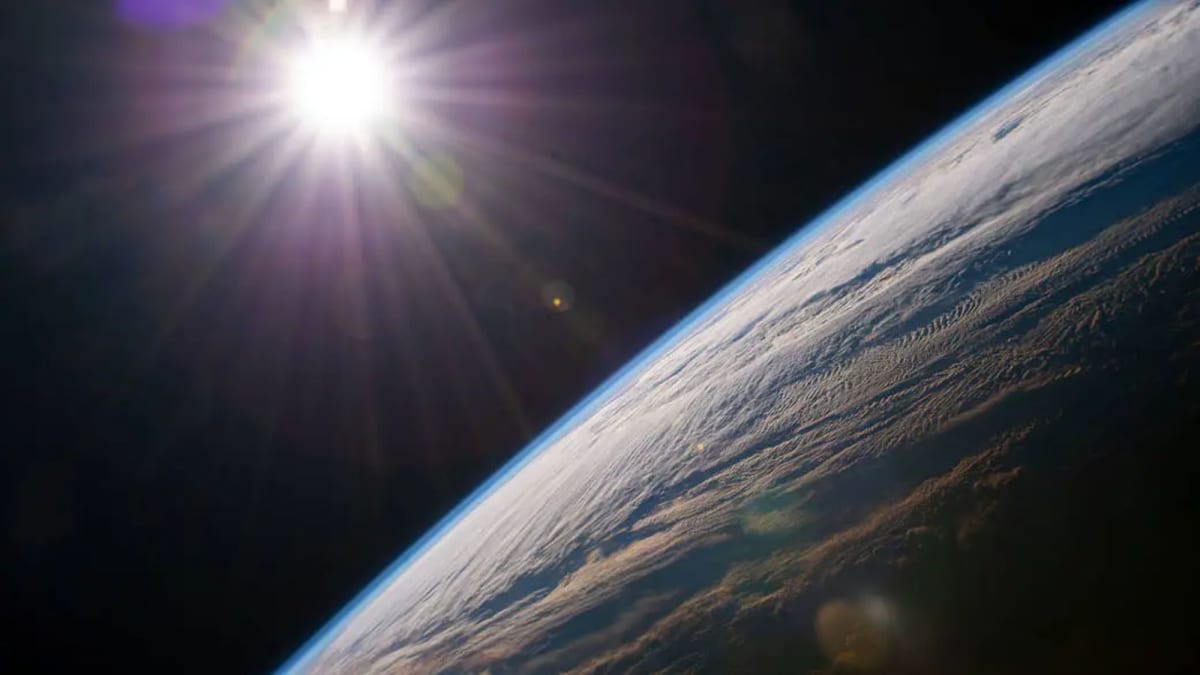
Earth May Survive the Sun's Death, New Study Says
Scientists say our planet has a better shot at surviving the sun's fiery death than we thought. New calculations suggest Earth could drift to safety as the dying sun loses mass.
Find uplifting stories about heroes, innovations, and solutions
12008 results for "earth survival"
Scientists say our planet has a better shot at surviving the sun's fiery death than we thought. New calculations suggest Earth could drift to safety as the dying sun loses mass.
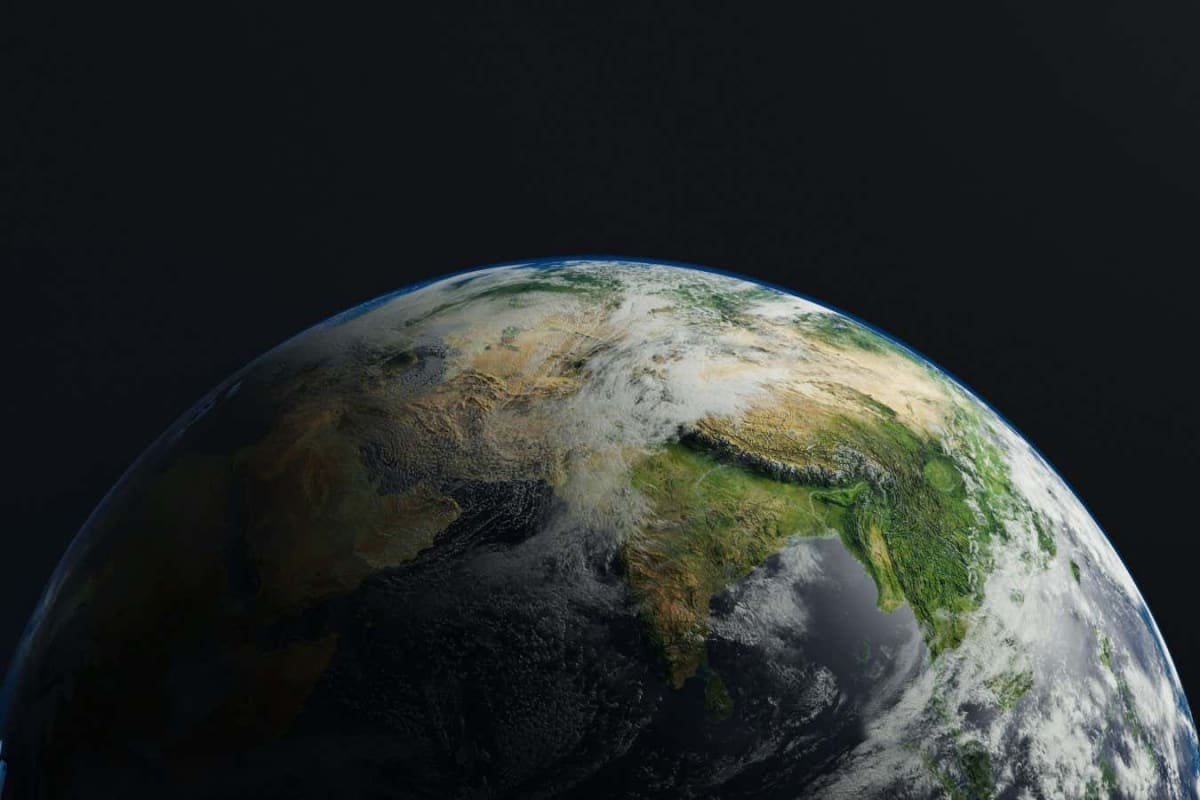
New research reveals that plants and complex life on Earth could thrive for 1.8 billion years instead of the previously predicted 1.35 billion years, thanks to certain plants' super-efficient photosynthesis abilities. The discovery also means we might have better odds of finding life on other planets.
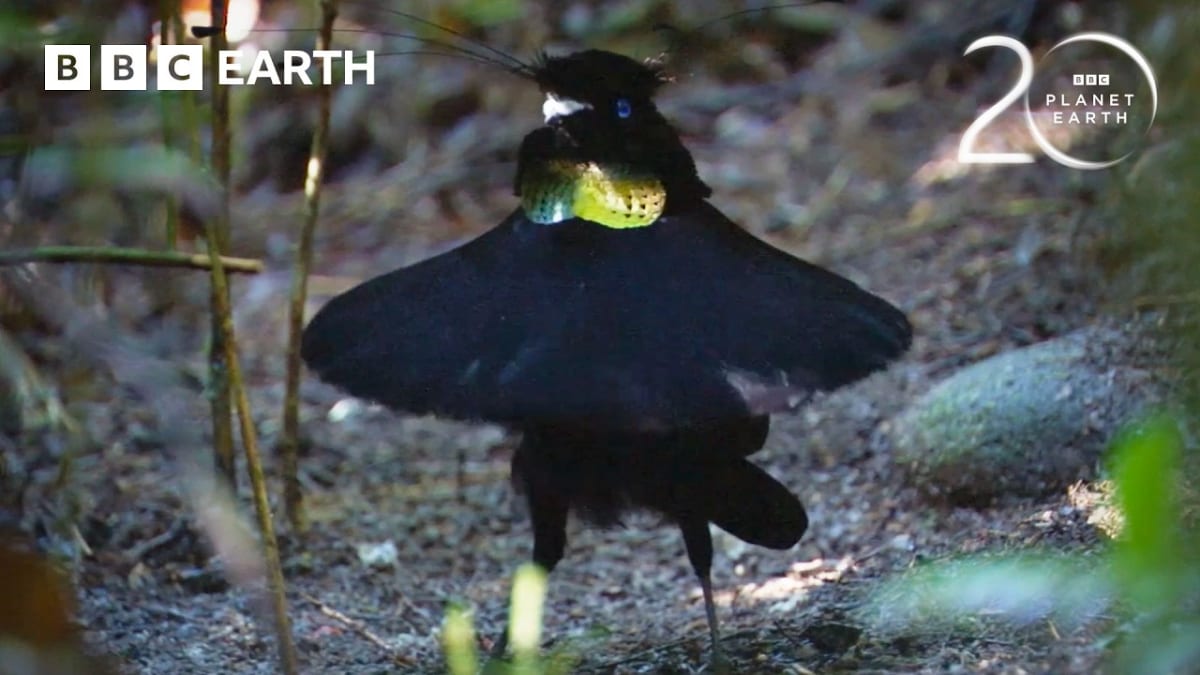
The BBC's groundbreaking nature documentary series Planet Earth turns 20 this year, marking two decades of bringing never-before-seen wildlife moments into our homes. The network just released an hour-long compilation celebrating iconic scenes that changed how we see our world.
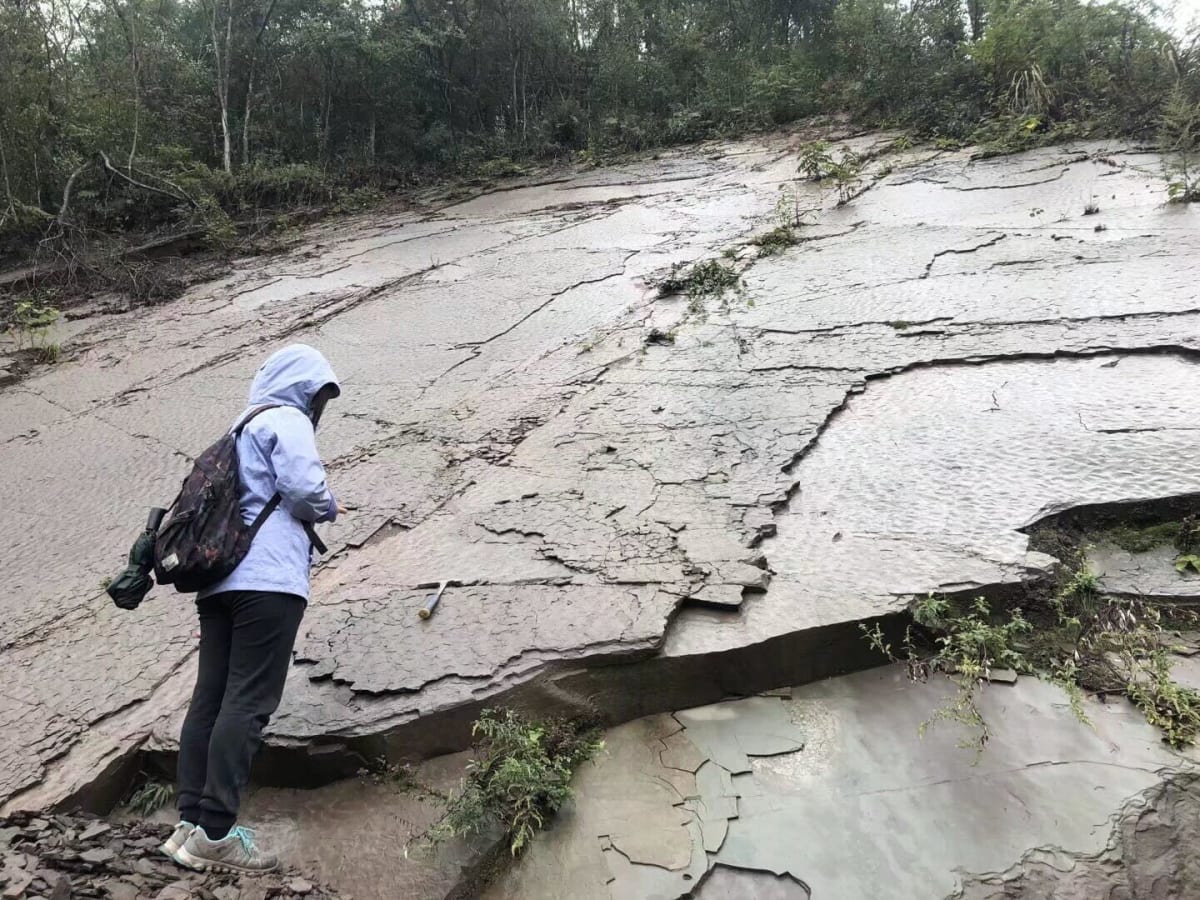
Scientists discovered how primitive plants survived the deadliest extinction event in Earth's history by breathing backwards. The secret? They absorbed carbon dioxide at night instead of during the day.
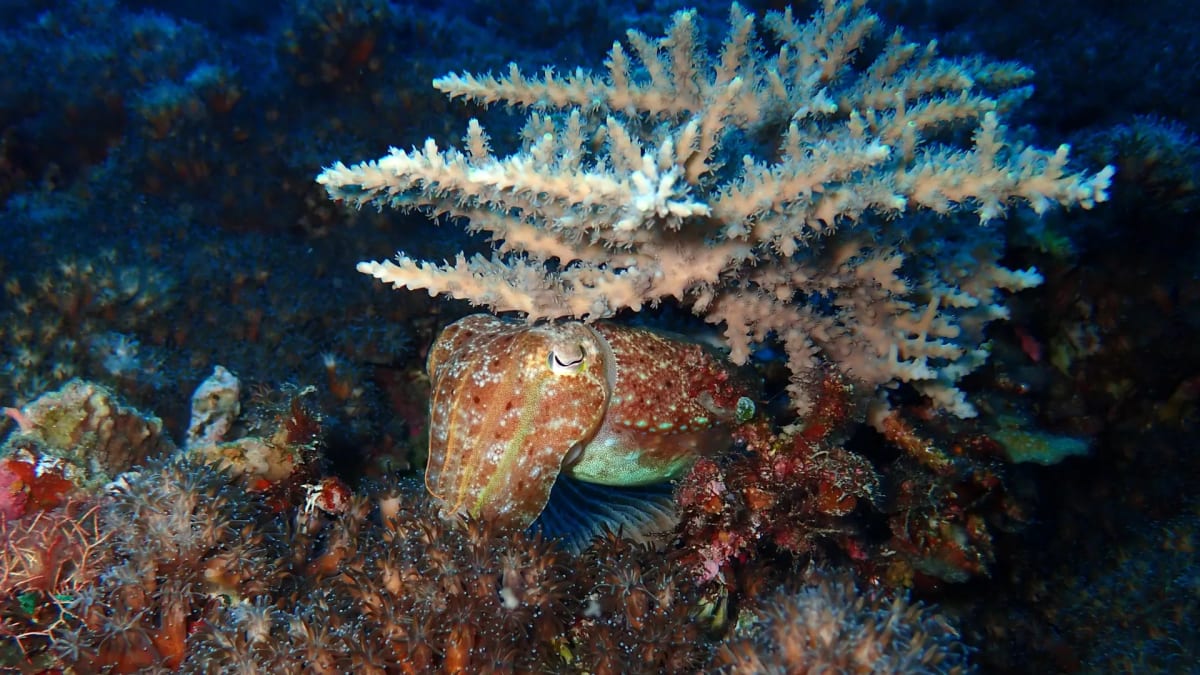
Scientists finally solved the mystery of how squid and cuttlefish survived the asteroid that killed the dinosaurs 66 million years ago. These intelligent ocean creatures hid in oxygen-rich pockets of the deep sea, then exploded into the diverse species we see today.
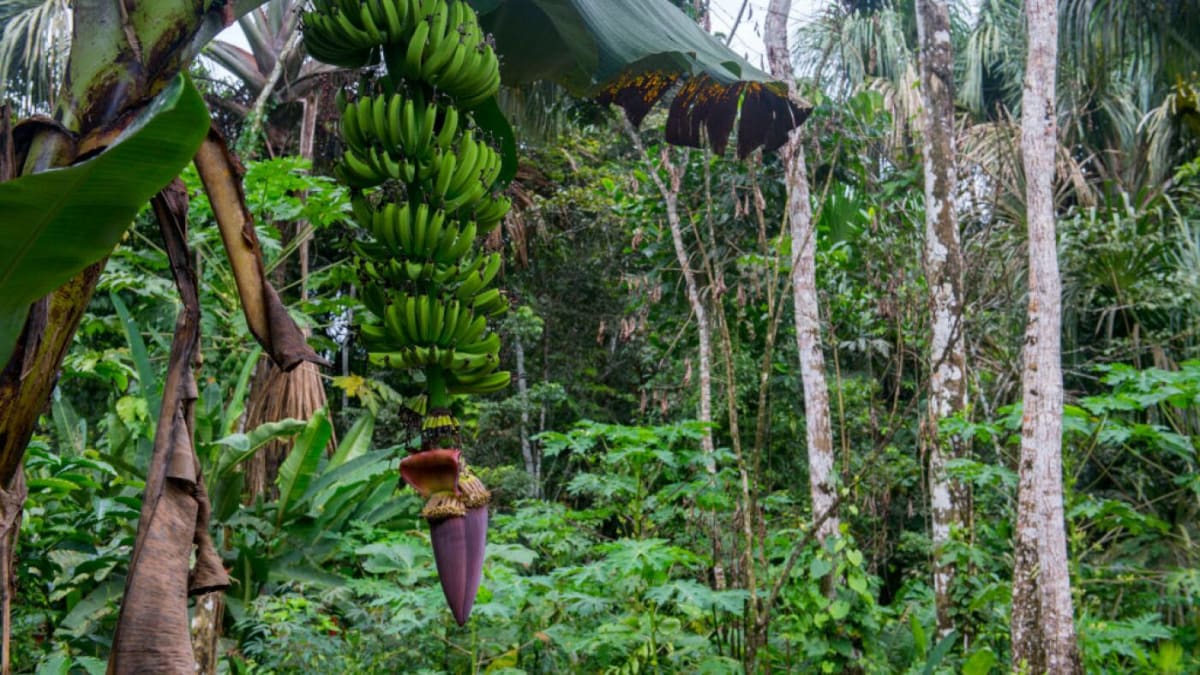
Scientists discovered that plants with extra copies of their entire genome survived Earth's biggest catastrophes, including the asteroid that killed the dinosaurs. This genetic quirk could help crops weather our changing climate today.
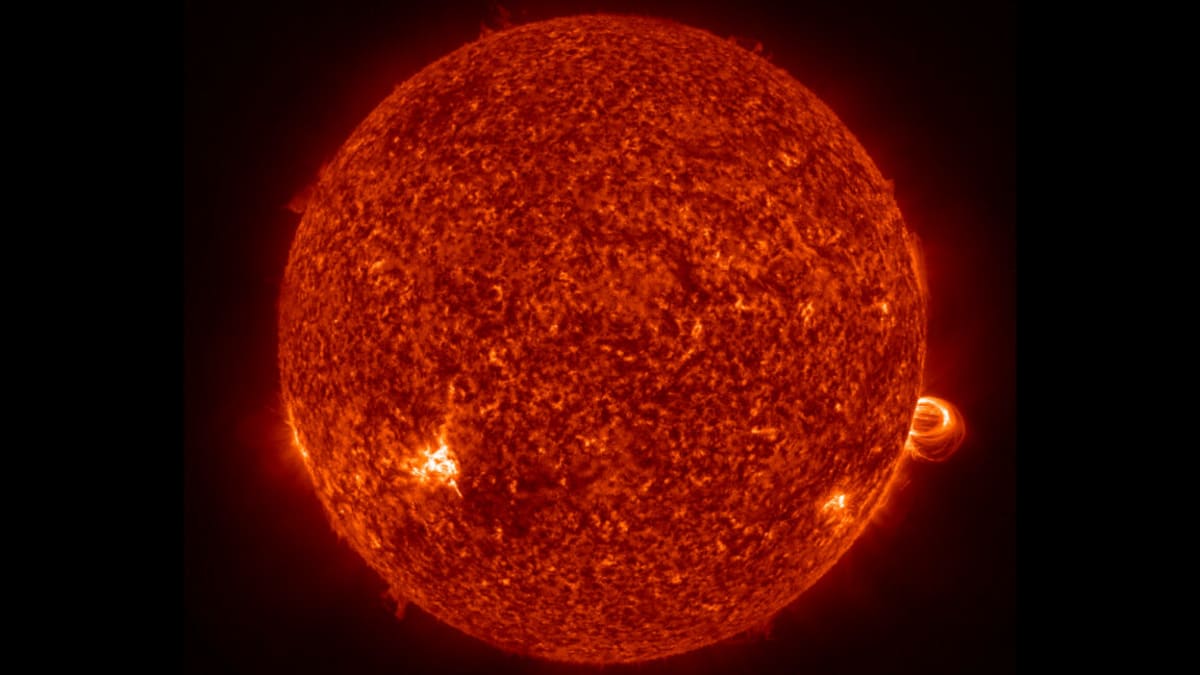
New climate modeling reveals that complex life on Earth will survive far longer than scientists previously thought. Researchers found that even as our Sun brightens, plants and other life forms have at least 1.3 billion years before conditions become uninhabitable.

Scientists discovered a 75-million-year-old fossil in Mexico that reveals how tiny mammals outlasted the asteroid that killed the dinosaurs. The finding shows how being small and eating anything helped our ancient relatives survive Earth's deadliest day.
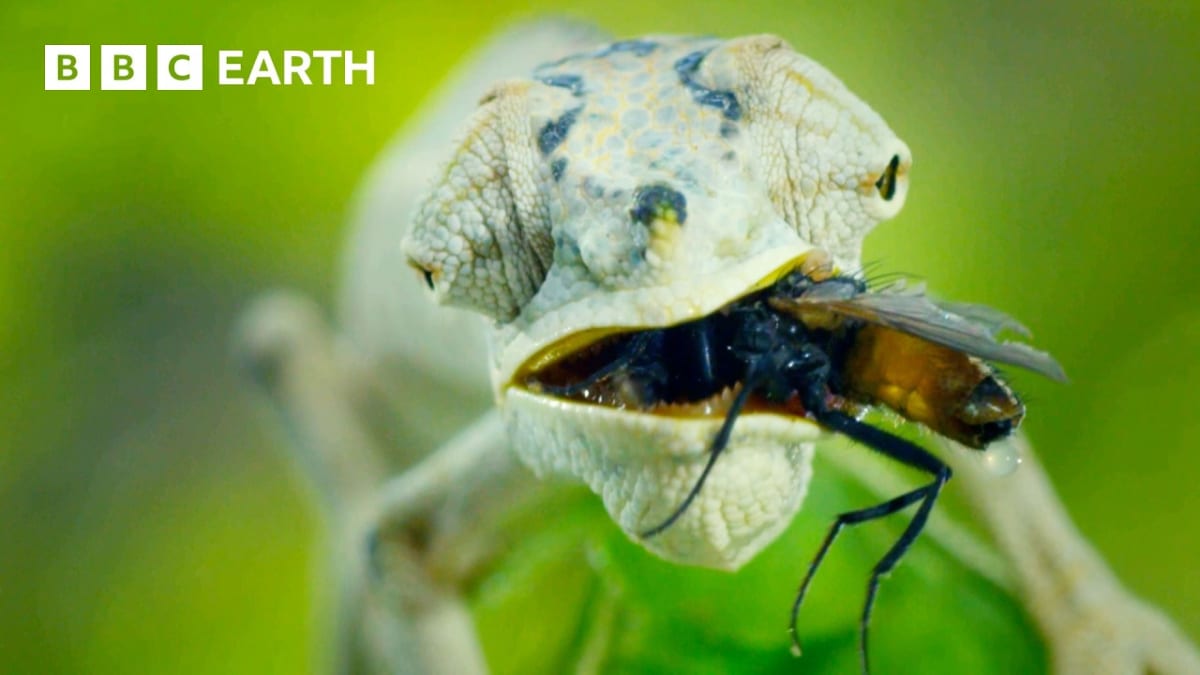
BBC Earth's latest documentary showcases the remarkable survival stories of Madagascar's unique animal kingdom, including speed-racing chameleons and resilient lemur families. The film captures nature's most vulnerable creatures thriving against the odds on the isolated island.
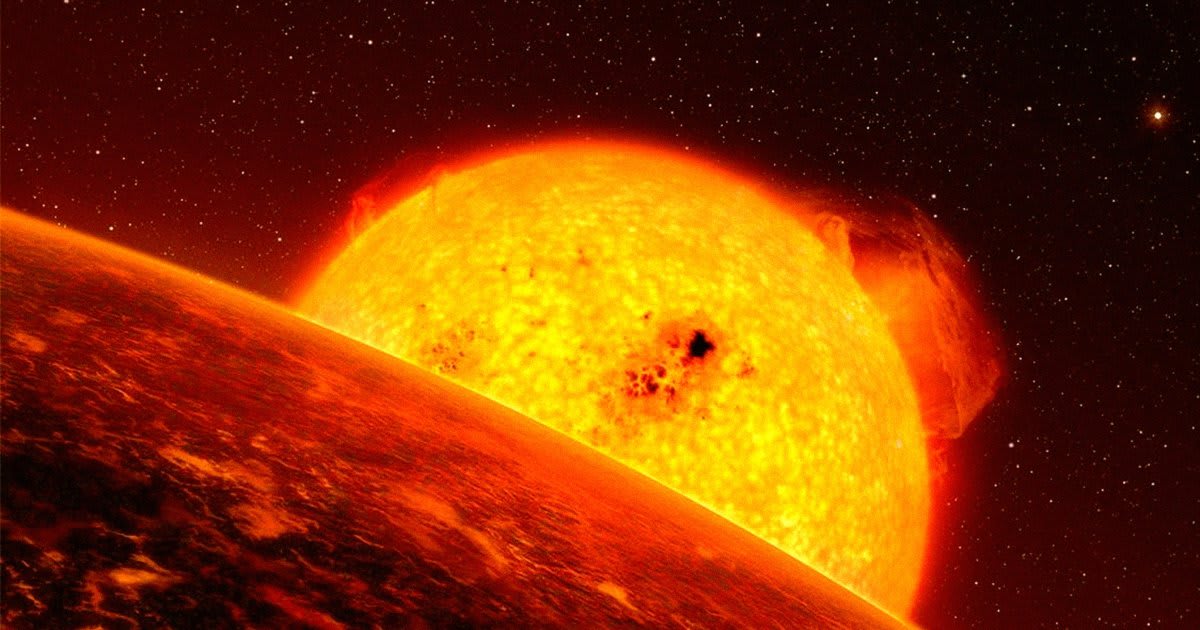
A researcher has mapped out an ambitious strategy to keep Earth habitable long after our Sun dies in five billion years. The plan involves giant sunshades, antimatter, and moving the entire planet without ever leaving home.
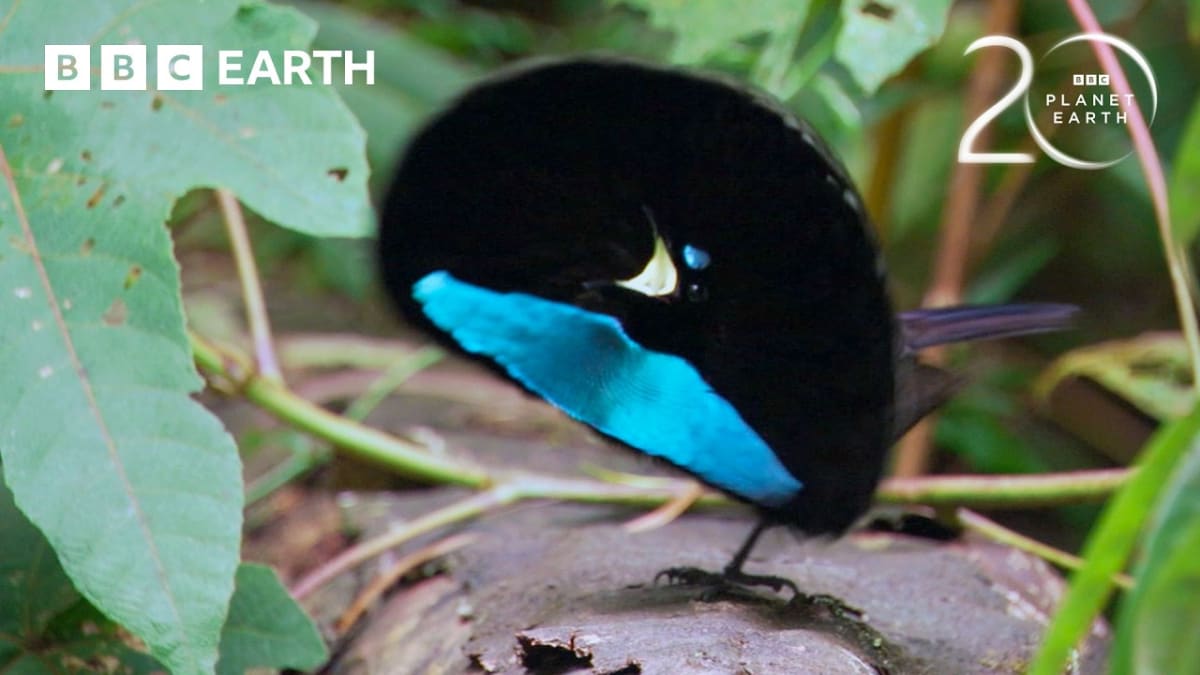
The groundbreaking nature documentary series Planet Earth is marking its 20th anniversary with a celebration of the most breathtaking wildlife moments ever filmed. Among the highlights: the extraordinary courtship dance of New Guinea's birds of paradise.
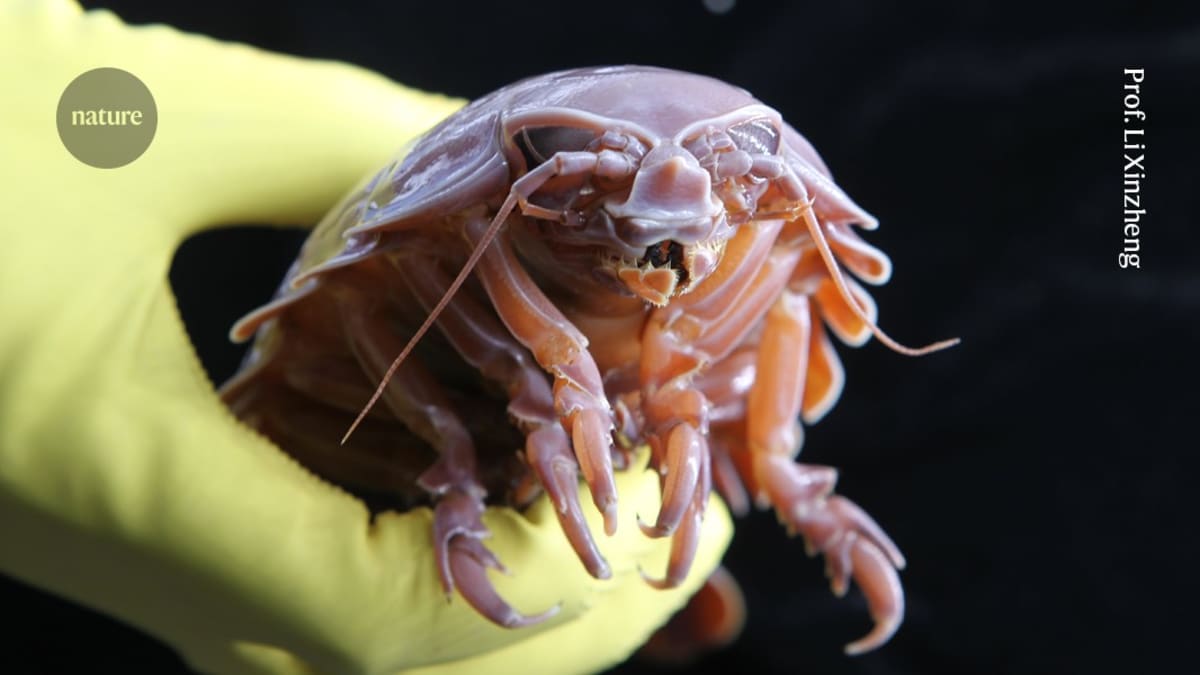
Scientists discovered that supergiant isopods, deep-sea creatures the size of house cats, borrowed a bacterial gene that lets them survive for years without eating. This rare example of gene transfer between such different organisms reveals nature's remarkable survival strategies.
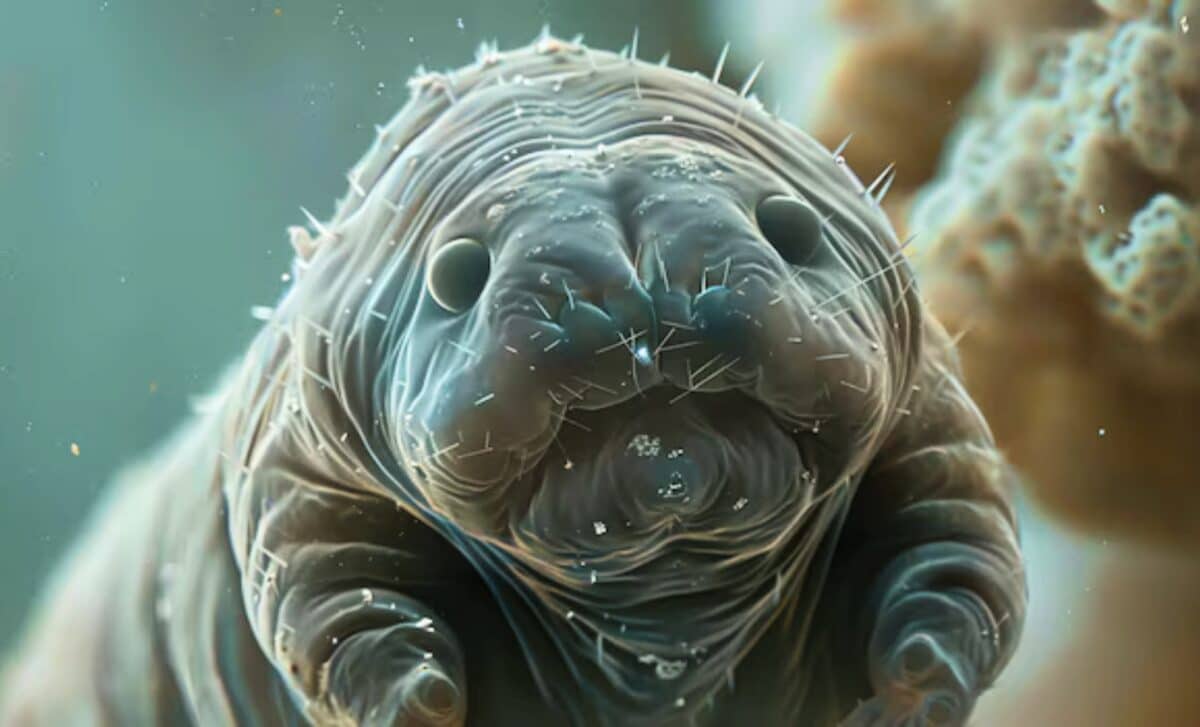
Scientists calculated what it would take to wipe out Earth's toughest creature, and the answer is surprisingly reassuring. Microscopic tardigrades can survive almost anything the universe throws at us.
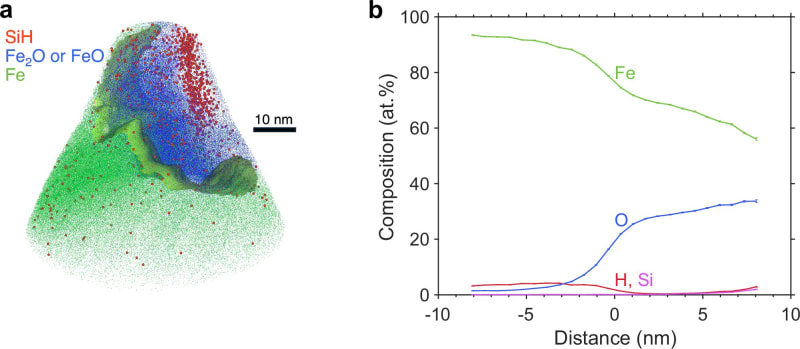
Scientists discovered Earth's core contains enough hydrogen to equal 45 oceans of water, suggesting our planet formed with water already inside rather than getting it from comets. This breakthrough helps solve the mystery of where Earth's water really came from.

Seven in ten cancer patients now survive at least five years after diagnosis, a stunning achievement that reflects two decades of medical innovation. Survival rates have jumped across nearly every cancer type, turning once-grim diagnoses into real fighting chances.
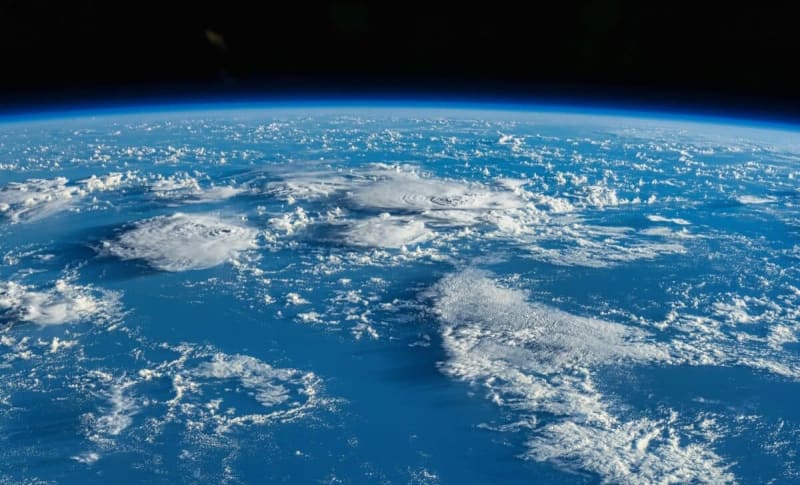
Scientists discovered two massive zones of superheated rock deep inside Earth that help control our planet's protective magnetic shield. This breakthrough explains mysteries about how Earth stays geologically active and magnetically protected.
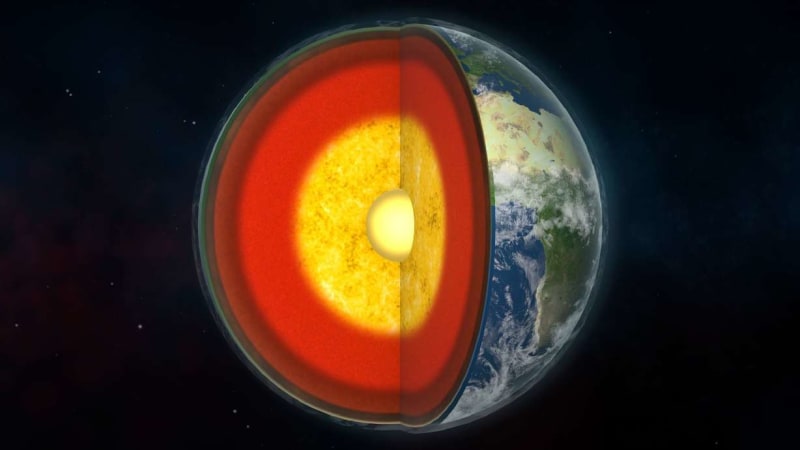
Scientists discovered Earth's core may contain up to 45 oceans' worth of hydrogen, making it the planet's largest water reservoir. This finding rewrites our understanding of how Earth got its water during the earliest days of planetary formation.
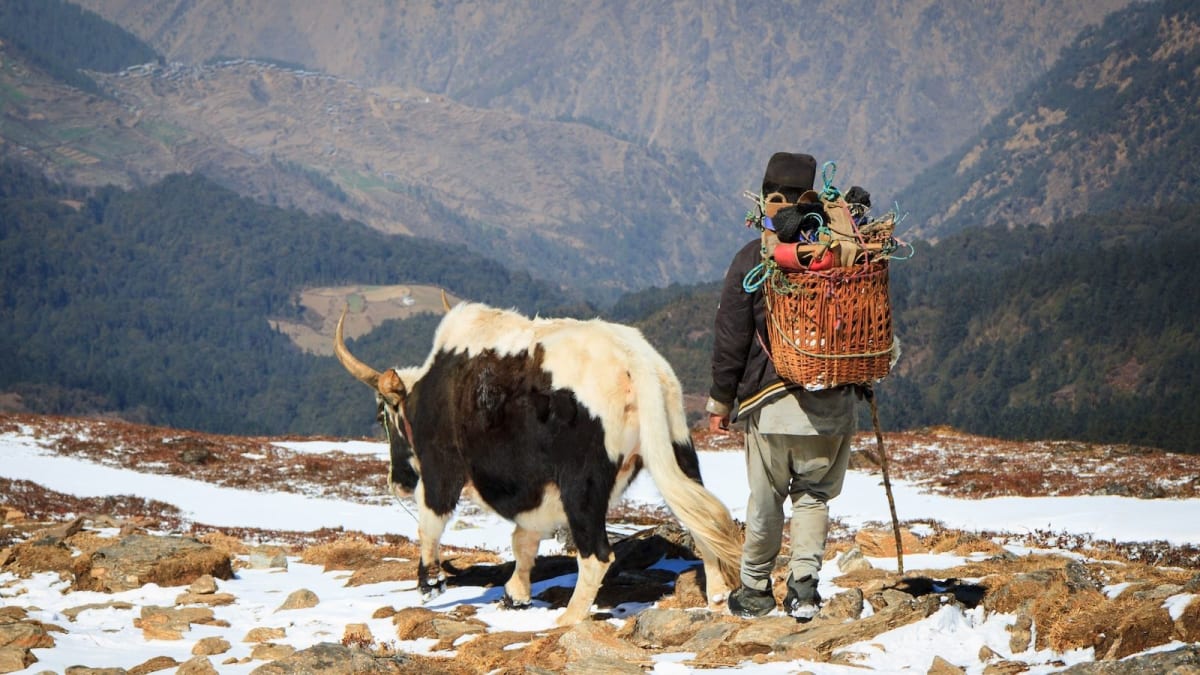
From the oxygen-thin peaks of the Himalayas to the crushing depths of ocean floors, human bodies have evolved remarkable abilities to thrive where other species can't. Scientists are uncovering how these adaptations reveal the incredible flexibility built into our biology.
More people are surviving cancer than ever before in American history, marking a major milestone in the decades-long fight against the disease. The record-breaking survival rate reflects advances in early detection, treatment options, and prevention efforts.

New research reveals how birds outlived T. rex and other mighty dinosaurs 66 million years ago. A few key traits helped our feathered friends survive Earth's worst extinction event.
Showing 20 of 12008