
Gen Z Asks Gen X: How Did You Navigate Without GPS?
A Gen Z creator's innocent question about pre-GPS navigation sparked a heartwarming trip down memory lane. The answers reveal just how much technology has transformed our daily lives.
Find uplifting stories about heroes, innovations, and solutions
19389 results for "gps technology"
A Gen Z creator's innocent question about pre-GPS navigation sparked a heartwarming trip down memory lane. The answers reveal just how much technology has transformed our daily lives.

A simple array of cube-shaped mirrors just made GPS navigation more reliable for everyone. The technology launched in January and started working this month on a new satellite orbiting Earth.

Technologies you use every day—from GPS navigation to memory foam mattresses—started as solutions for space missions. As research pushes forward, these innovations continue transforming healthcare, communication, and daily life on Earth.
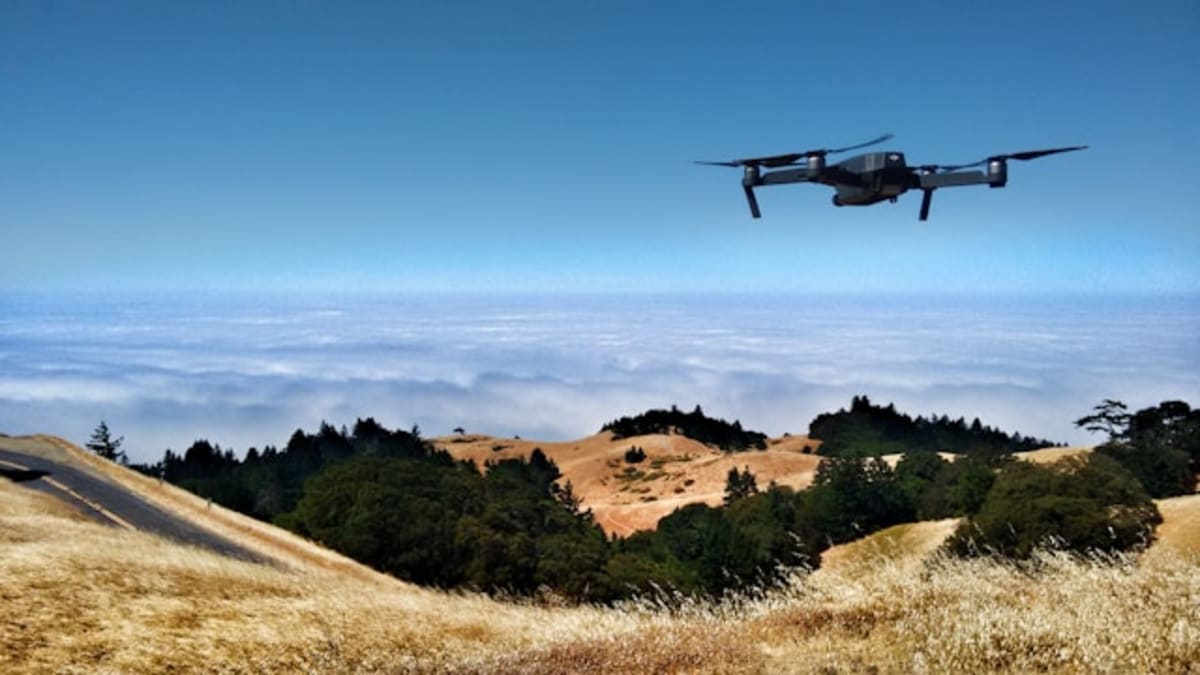
An Australian tech company just launched a drone app that works even when GPS signals fail, solving a major problem for rescue operations and defense missions. The breakthrough technology is already attracting international attention from India's defense industry.
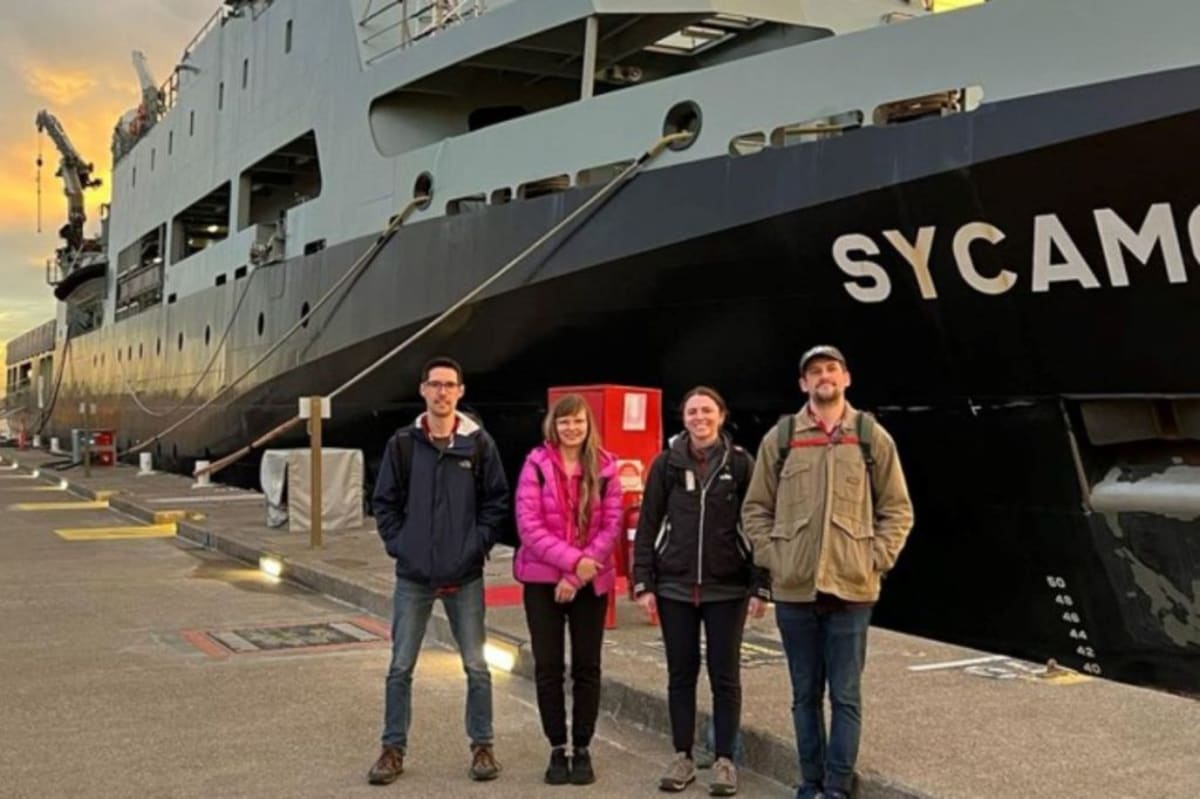
Australian researchers just tested the world's first portable atomic clock at sea, protecting the GPS technology that powers $2 billion in daily global economic activity. The breakthrough could safeguard everything from pizza deliveries to critical infrastructure.

A defense tech company is successfully testing breakthrough navigation software that helps drones fly accurately even when GPS signals are blocked. The technology is proving itself in Ukraine's challenging electronic warfare conditions.
A Washington startup just secured $6 million to perfect navigation software that guides spacecraft using pictures of planets and stars instead of GPS. The technology could help spacecraft find their way home even when satellites can't reach them.

A quick-thinking theft victim in Auckland used GPS tracking on his stolen nail gun to help police recover his property and arrest a suspect. The case shows how modern technology is giving everyday Kiwis new ways to fight back against crime.
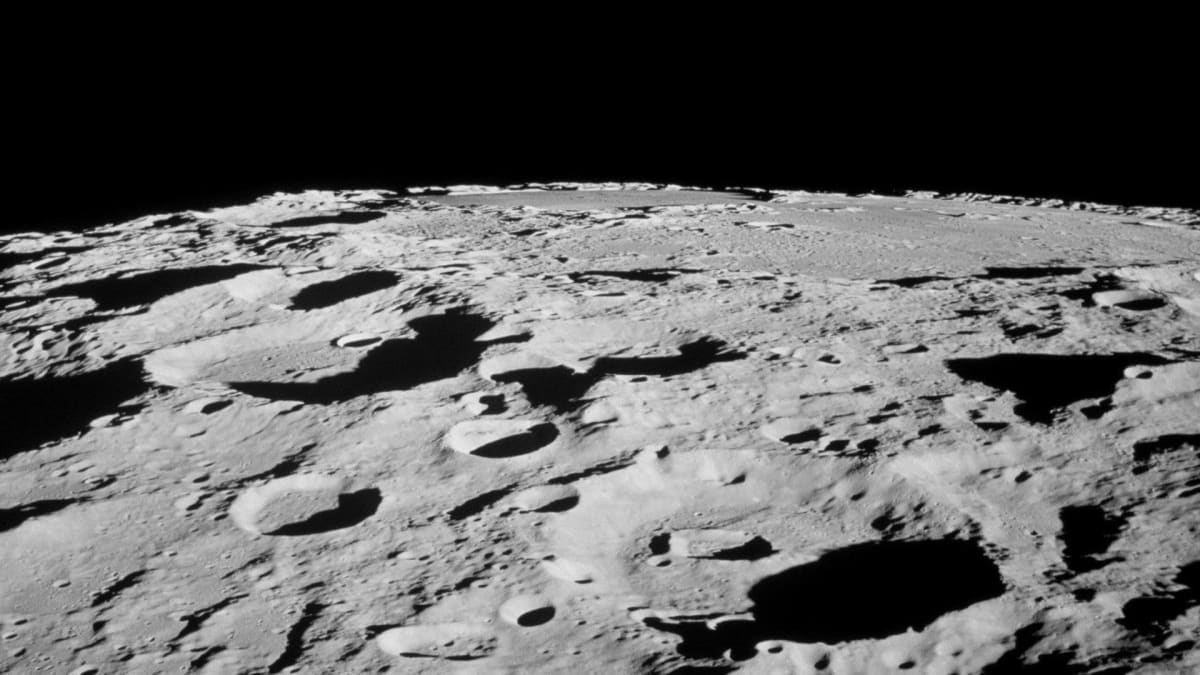
Scientists want to put ultrastable lasers inside the moon's coldest craters to create a GPS-like navigation system for future astronauts. The permanently shadowed craters near the south pole offer the perfect natural conditions for precision laser technology.

The last of 10 next-generation GPS satellites just reached orbit, completing a years-long upgrade that will make navigation safer and more reliable for billions of people worldwide. The advanced satellite joins a constellation that powers everything from your phone's maps to airplane navigation systems.
%2Fhttps%3A%2F%2Ftf-cmsv2-smithsonianmag-media.s3.amazonaws.com%2Ffiler_public%2Ff0%2Faf%2Ff0af7b63-24b5-4a63-9e41-b0da0373bf2d%2Fgladys_mae_west.jpg)
Gladys Mae West, who died this year at 95, spent decades mapping satellite data that became the foundation for GPS technology. Her journey from a one-room segregated schoolhouse to revolutionizing global navigation proves that brilliance can emerge from anywhere.
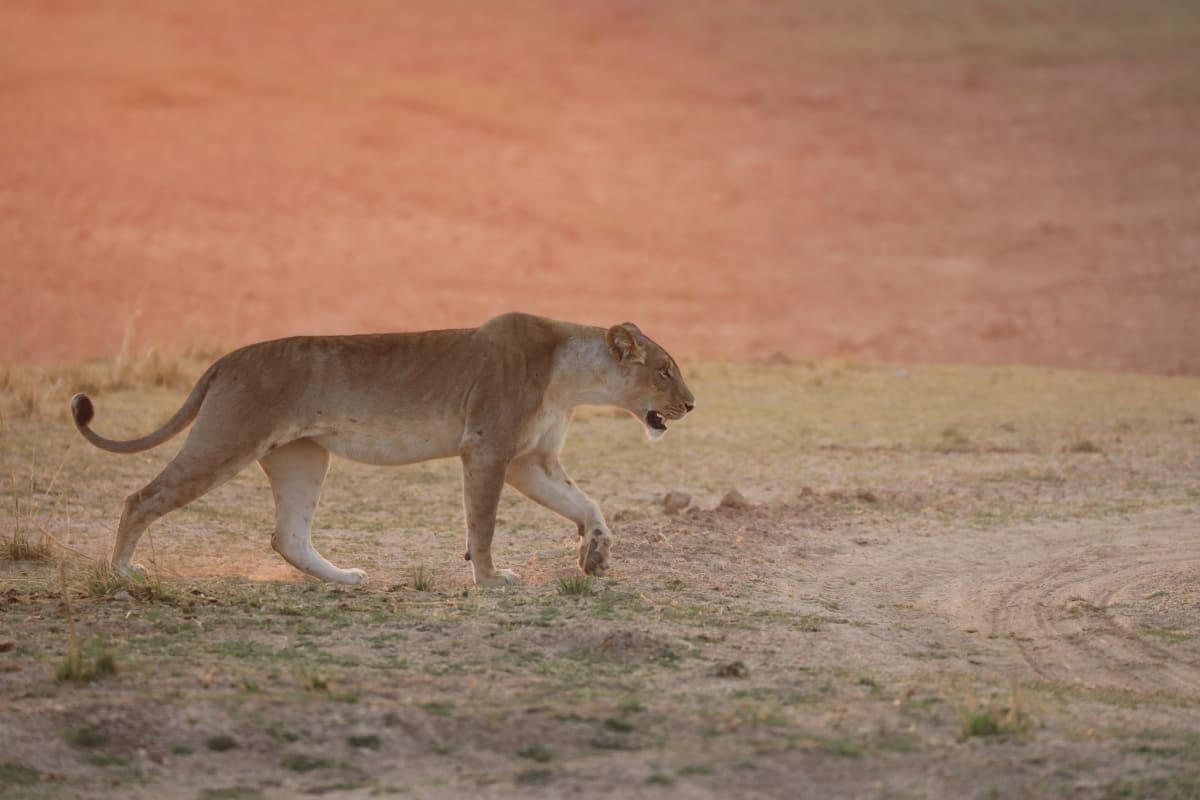
Communities across Africa are proving that people and lions can coexist using innovative technology and traditional wisdom. Thanks to GPS tracking systems and trained local guardians, lion populations are rebounding while livestock losses plummet.
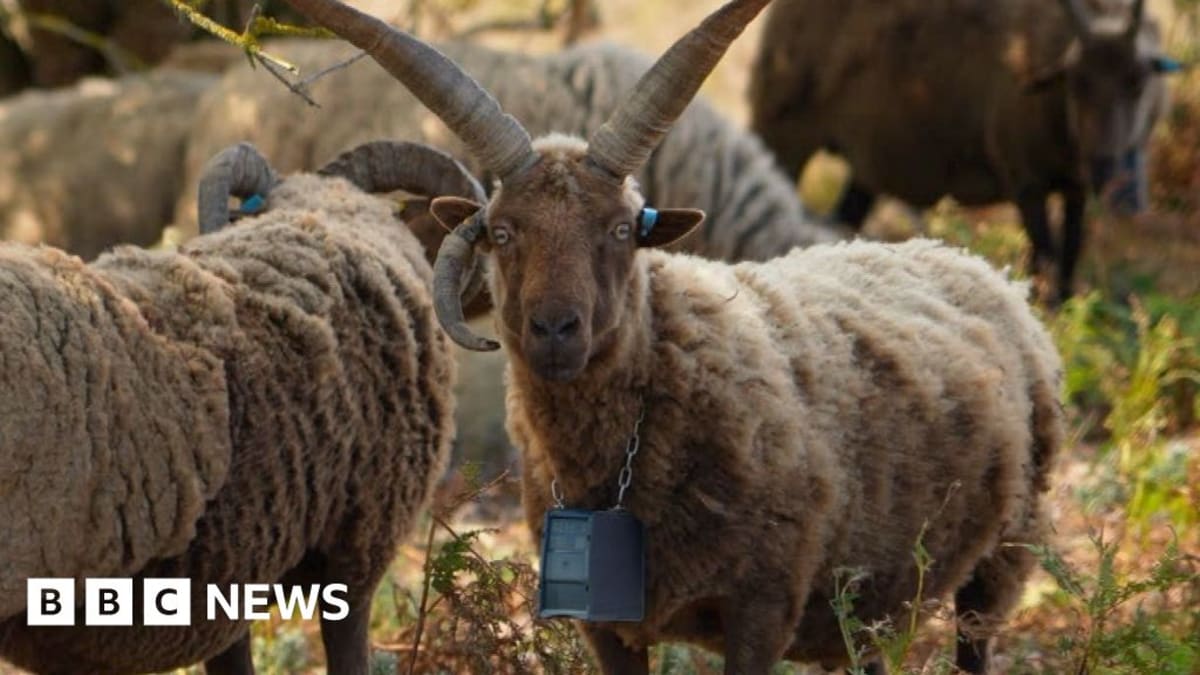
Brothers in Jersey are revolutionizing livestock management with GPS collars that create invisible fences, eliminating hours of hauling equipment up steep cliffs. The technology is now being tested on cows to help rewild new parts of the island.

SpaceX just set a new speed record for national security launches, getting a critical GPS satellite from delivery to orbit in just 41 days. The ninth advanced navigation satellite now helps protect positioning systems from interference while honoring a fallen Challenger hero.
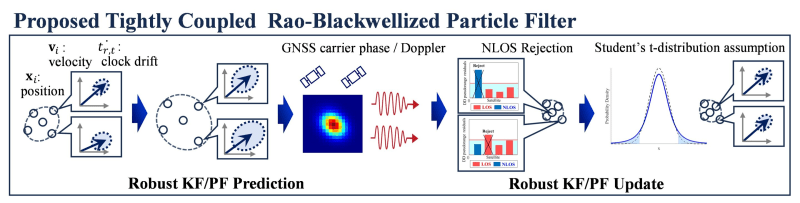
Japanese researchers just solved one of the biggest problems holding back self-driving cars in cities. Their new GPS method works reliably even when tall buildings block signals.

Japan is moving forward with a plan to require dangerous stalkers to wear GPS tracking devices that alert victims when their abuser comes near. The proposal comes as officials work to prevent tragedies and protect the growing number of people seeking help.
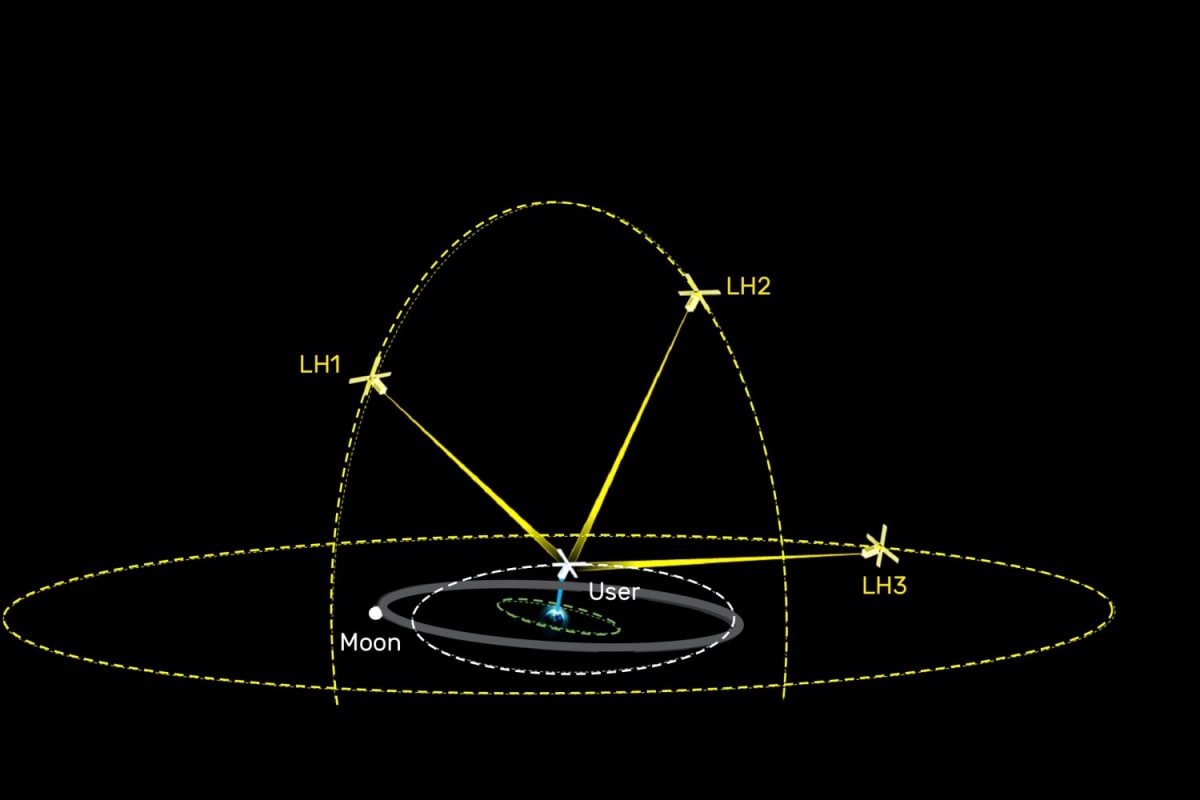
MIT researchers are developing satellite beacons that would create a GPS-like navigation system for spacecraft traveling between Earth and the moon. The technology could make lunar missions safer and more reliable for the growing wave of exploration ahead.

Botswana is tackling human-wildlife conflict with smart technology and community programs that help both farmers and endangered animals thrive together. GPS-collared lions now send early warnings to livestock owners, while predator-proof shelters and guard dogs give communities new tools to coexist peacefully.

The Netherlands is testing GPS collars that create "virtual fences" for cattle, allowing them to graze freely while protecting sensitive habitats. Early research shows cows learn the system quickly with no signs of stress.

Tiny hedgehogs in Northern Ireland are now sporting GPS backpacks to help scientists understand why their populations are declining. The groundbreaking tracking project is revealing how these nocturnal creatures navigate urban dangers and what we can do to protect them.
Showing 20 of 19389