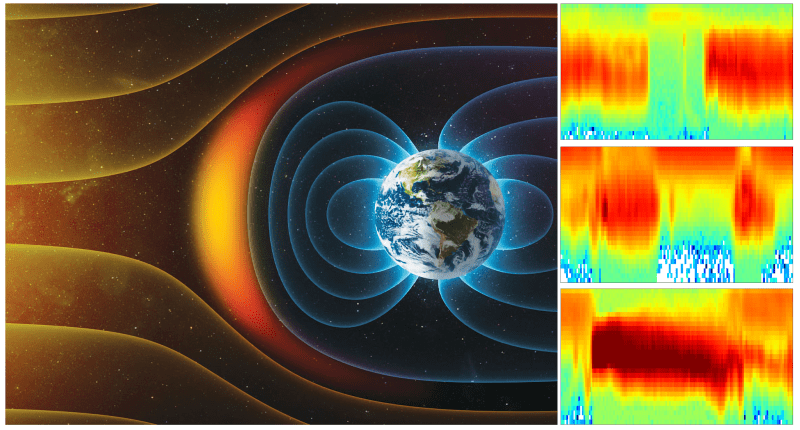
NASA Needs You to Map Earth's Magnetic Shield From Space
Anyone can now help NASA scientists track dangerous solar storms by analyzing real satellite data from space. No science degree required—just an internet connection and 10 minutes to learn.
Find uplifting stories about heroes, innovations, and solutions
32 results for "magnetosphere"
Anyone can now help NASA scientists track dangerous solar storms by analyzing real satellite data from space. No science degree required—just an internet connection and 10 minutes to learn.
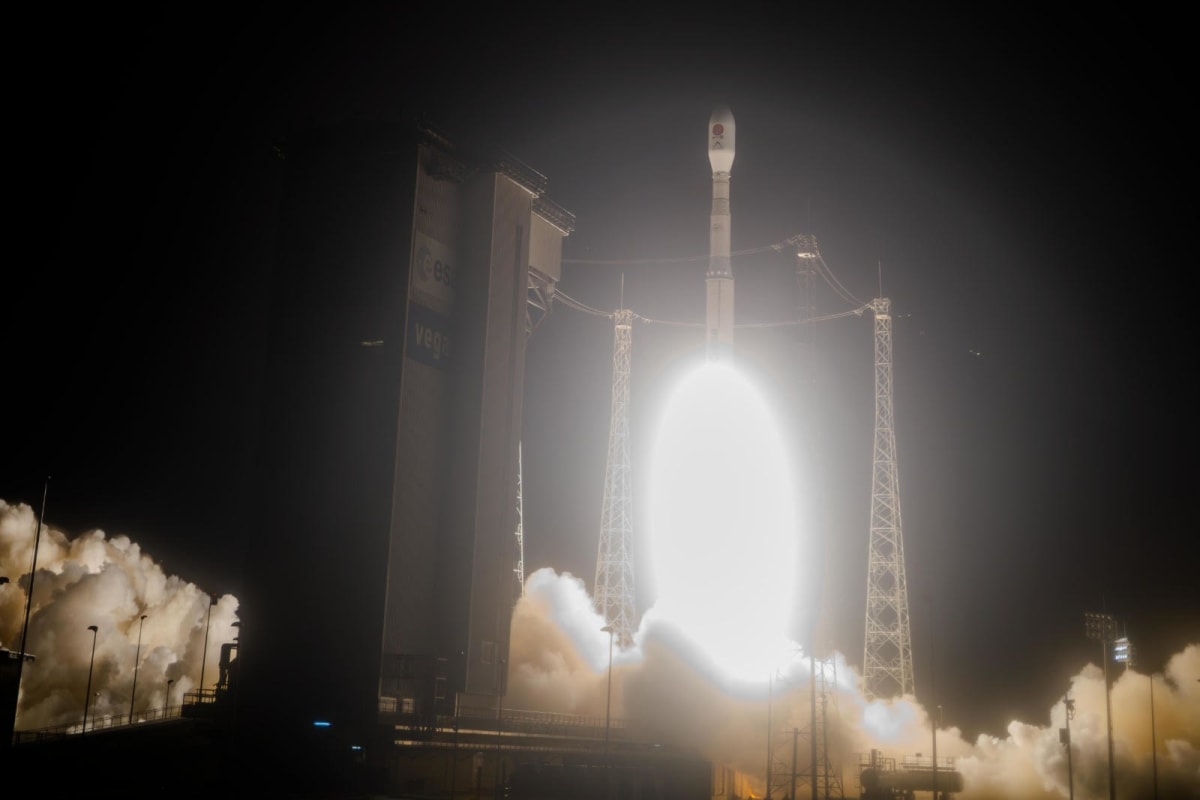
A groundbreaking satellite just launched to capture the first-ever images of Earth's invisible magnetic shield, helping scientists predict dangerous solar storms before they knock out power grids and communications. After more than a decade of international teamwork, SMILE will show us what protects our planet from space weather.

A groundbreaking space mission will capture the first-ever images of Earth's protective magnetic bubble from 120,000 km above the North Pole. The project could revolutionize how we predict dangerous space weather for future missions.
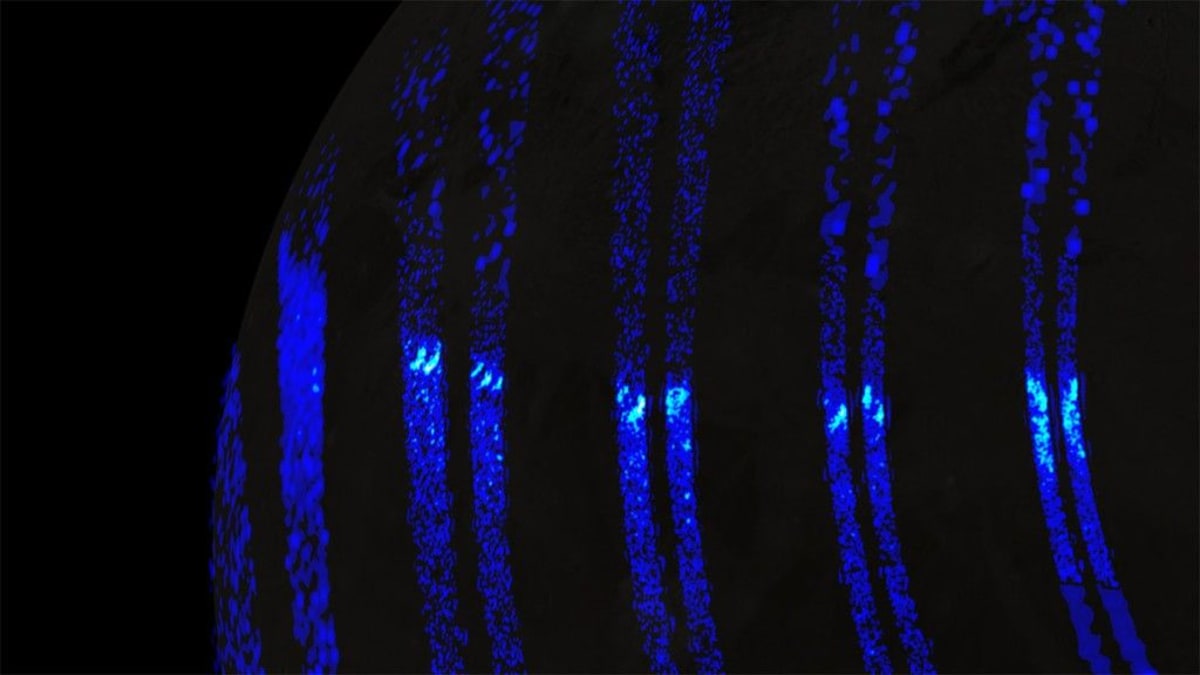
NASA's Juno spacecraft discovered that Ganymede's shimmering auroras break into bright patches that mirror Earth's northern lights. The finding reveals this distant moon's atmosphere behaves more like home than scientists ever expected.
A groundbreaking space partnership launches this week to protect our planet from solar storms. The SMILE mission will help scientists predict dangerous space weather before it strikes.
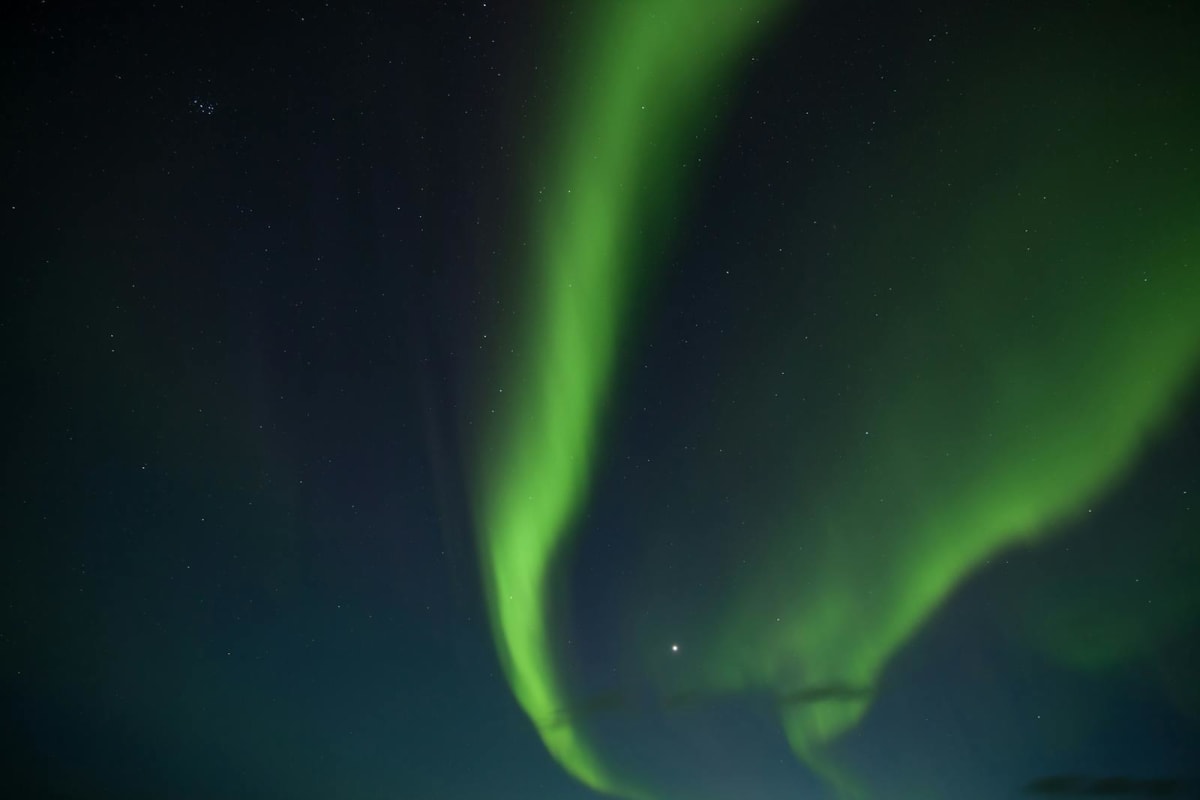
A groundbreaking satellite just launched to capture the first X-ray images of Earth's protective magnetic bubble. The mission represents a rare moment of scientific cooperation between Europe and China.

You don't need to be an astronaut to help NASA explore space. The space agency has opened dozens of citizen science projects where anyone worldwide can contribute to real research making space travel safer and healthier.
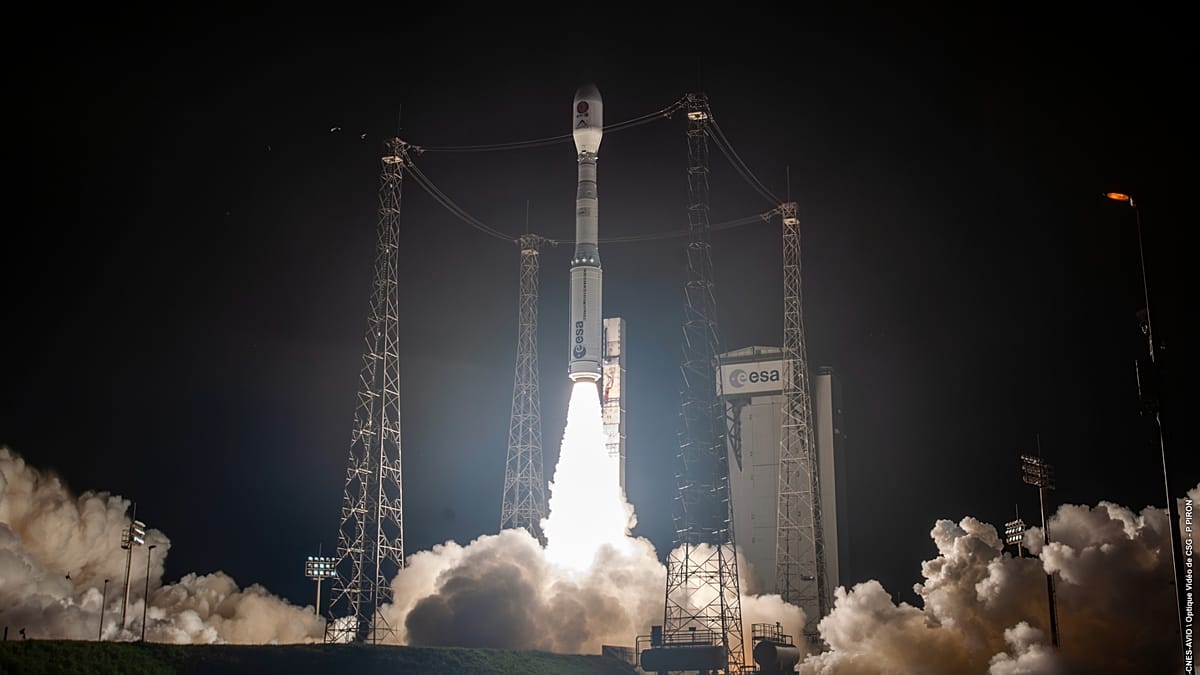
A groundbreaking space mission just launched to study the invisible force field that makes life on Earth possible. The SMILE spacecraft will help scientists understand how our planet stays protected from solar storms.
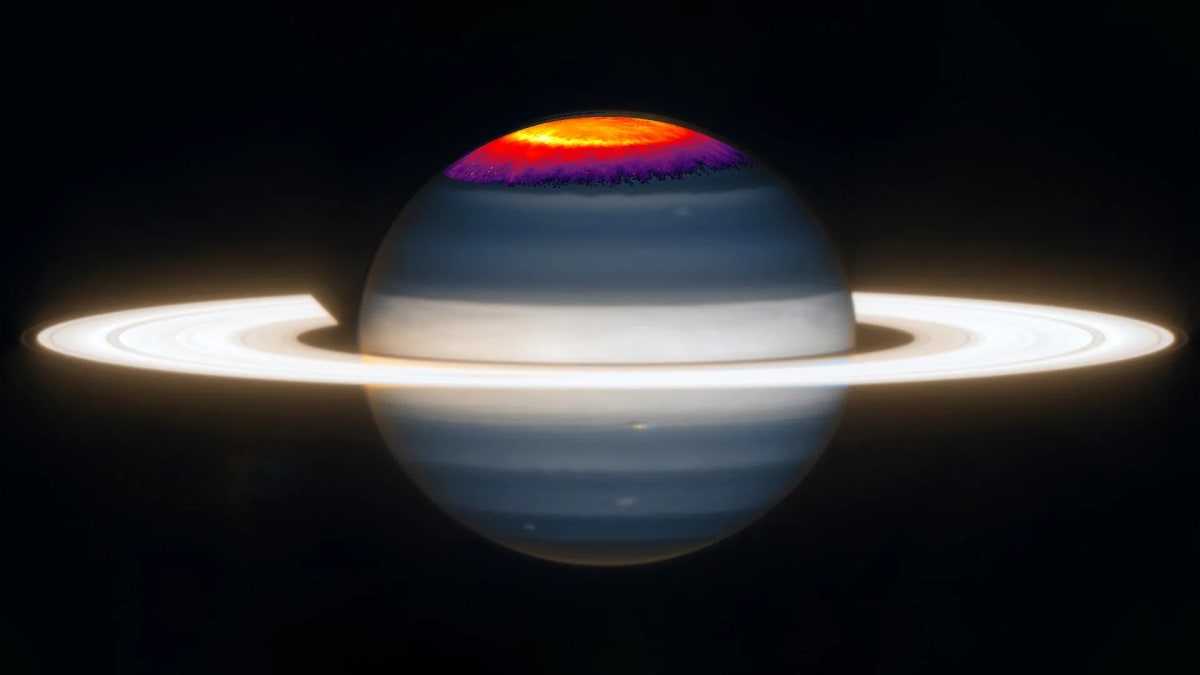
For decades, Saturn appeared to be doing the impossible: changing how fast it spins. Scientists using the James Webb Space Telescope just discovered the beautiful truth behind this cosmic illusion.
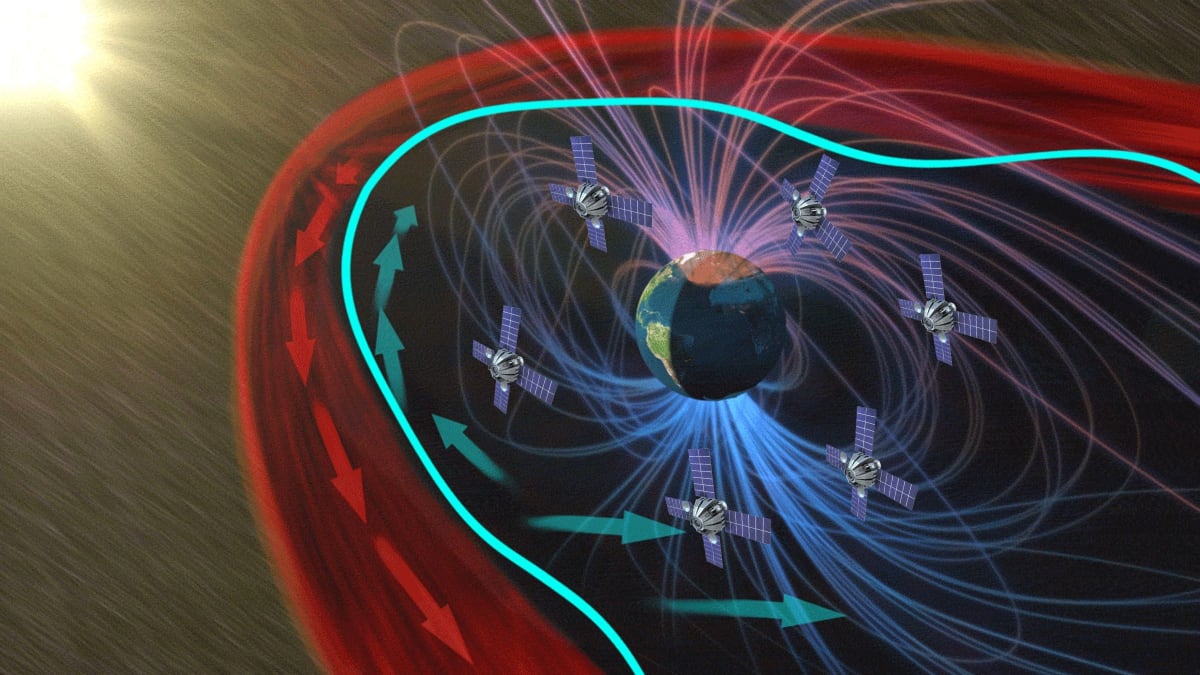
Researchers have designed a satellite system that could protect Earth from catastrophic solar superstorms by creating a giant plasma wall in space. The six-satellite constellation, called StormWall, could cut a superstorm's intensity by more than half and is "quite feasible" according to experts.
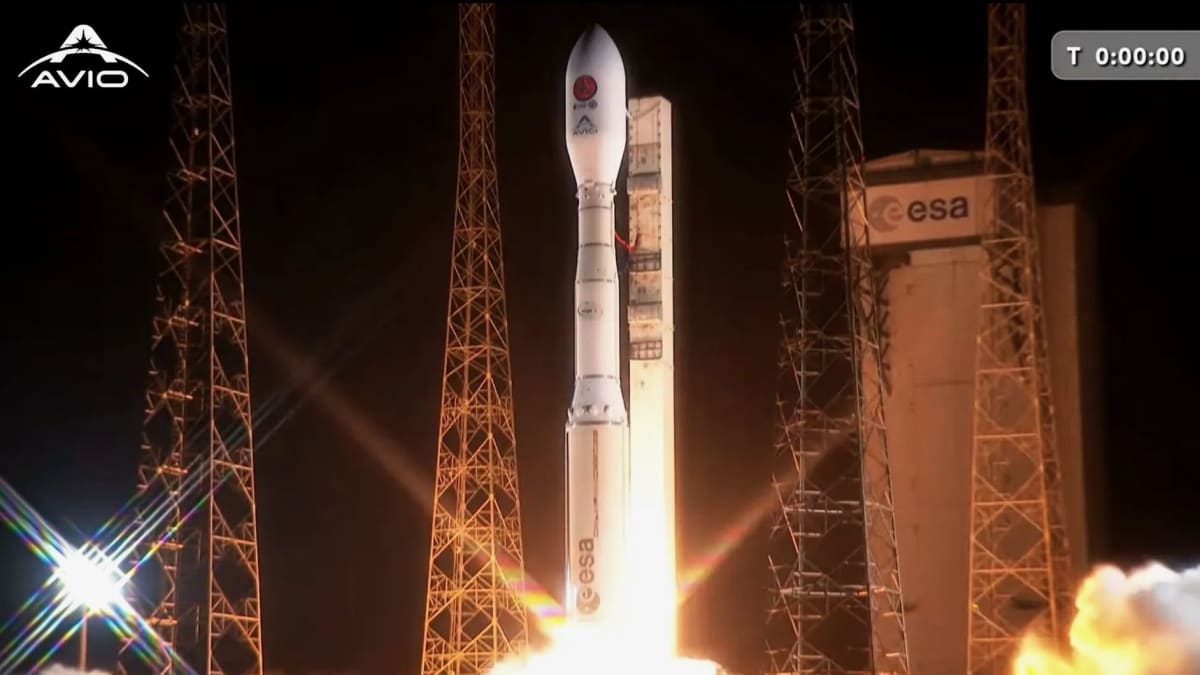
A groundbreaking international space mission just lifted off to help protect Earth from solar storms. The SMILE satellite will track how the sun's charged particles affect our planet's magnetic field.
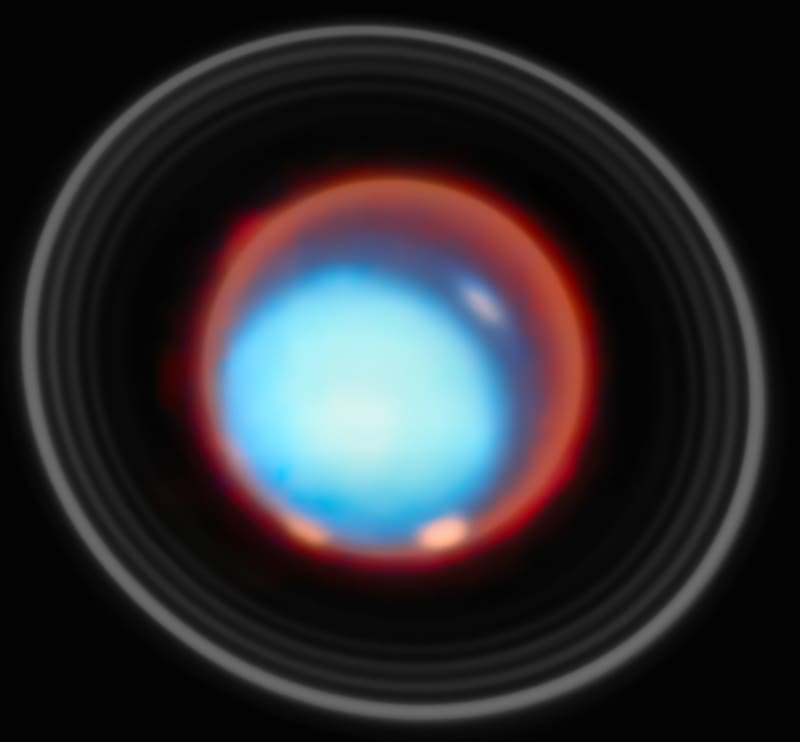
NASA's James Webb Space Telescope just captured the most detailed view ever of Uranus's upper atmosphere, revealing how auroras dance across the ice giant's surface in ways unlike anywhere else in our solar system. The breakthrough is helping scientists understand mysterious distant planets beyond our own cosmic neighborhood.
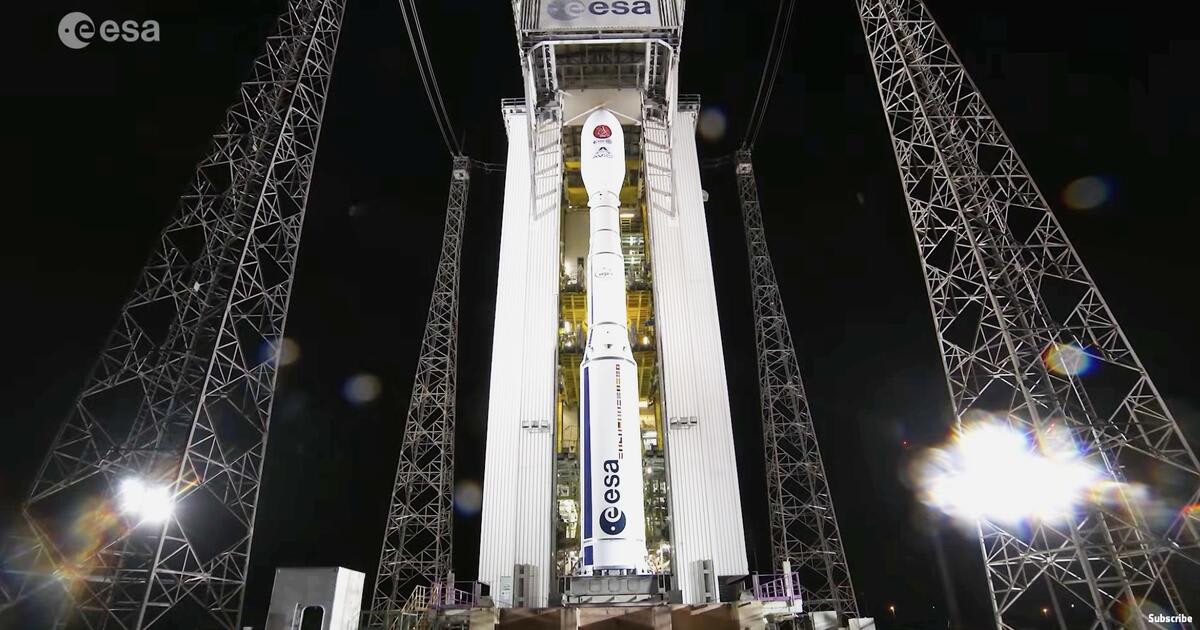
A groundbreaking space mission just launched to unlock the mysteries of how Earth protects itself from solar storms. Scientists will now get an unprecedented view of our planet's invisible magnetic defense system.
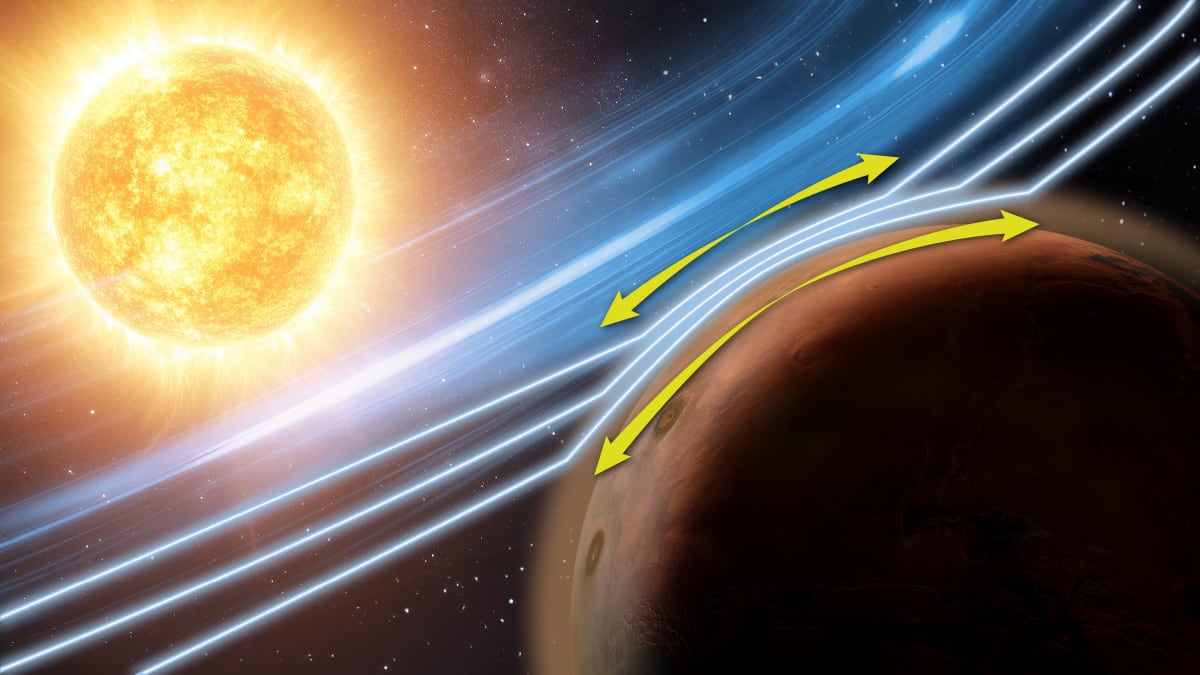
Scientists using NASA's MAVEN spacecraft spotted something never seen before at Mars: an atmospheric phenomenon that was thought to only exist around Earth. This discovery opens new doors to understanding how space weather shapes the Red Planet.
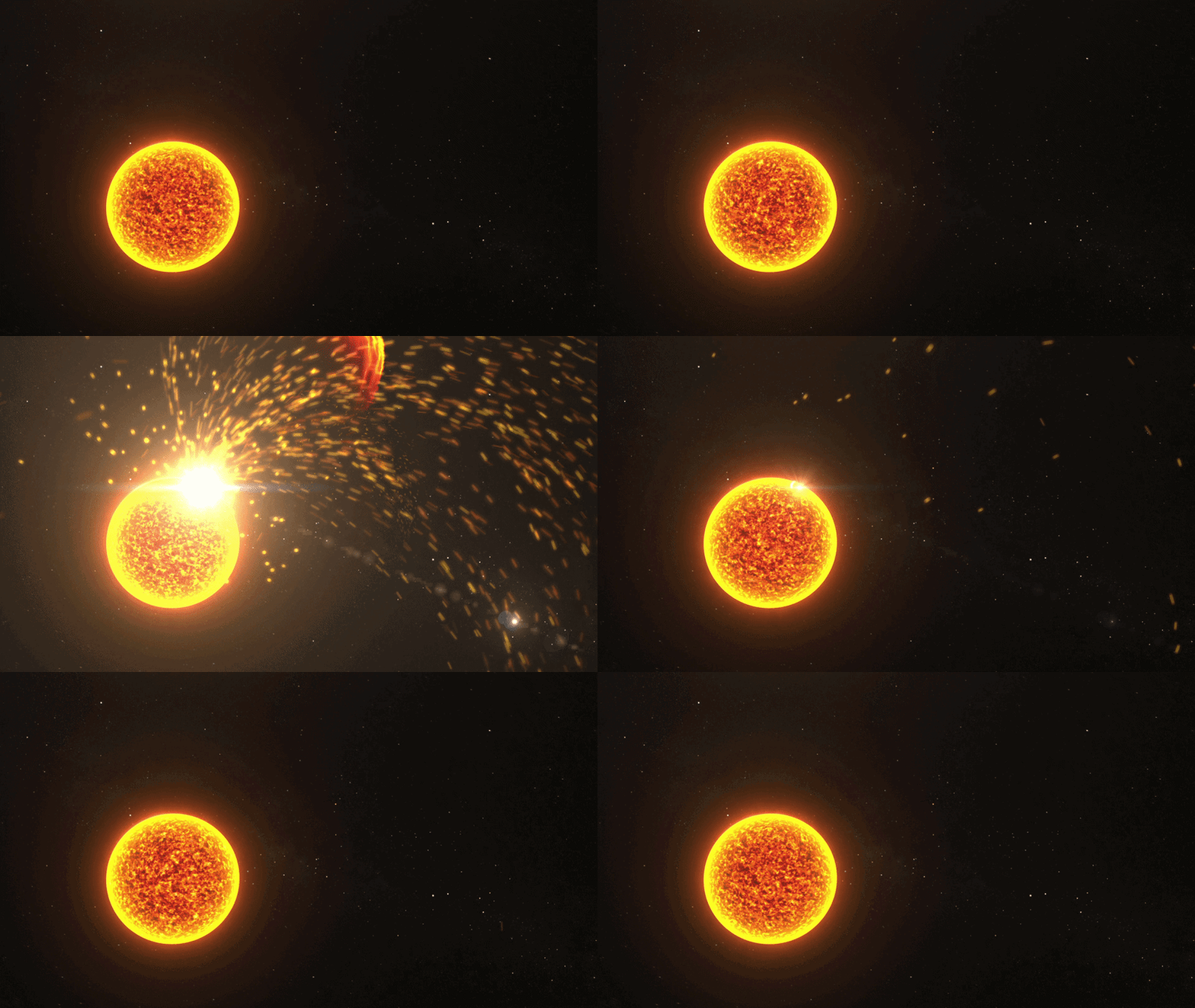
Researchers have developed a groundbreaking system using orbiting spacecraft to reduce solar storm damage by over 50%. The technology could protect satellites, power grids, and astronauts from dangerous solar eruptions.
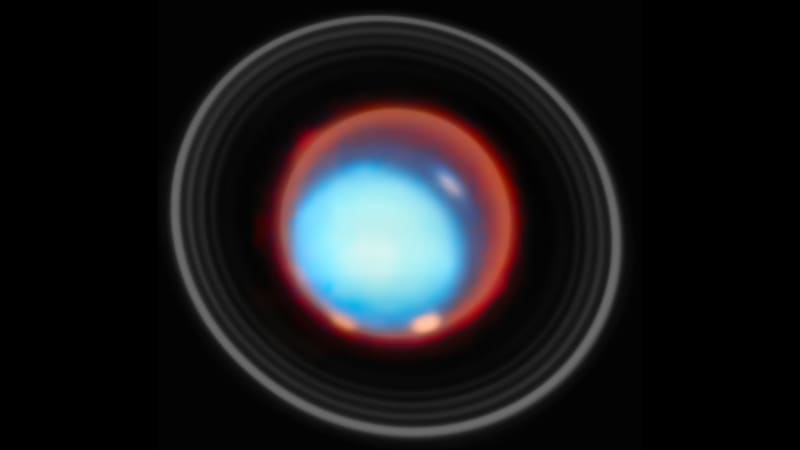
NASA's James Webb Space Telescope just created the first three-dimensional map of Uranus's upper atmosphere, revealing dramatic temperature shifts and swirling auroras on the mysterious ice giant. The breakthrough gives scientists their clearest view yet of one of our solar system's least understood planets. #
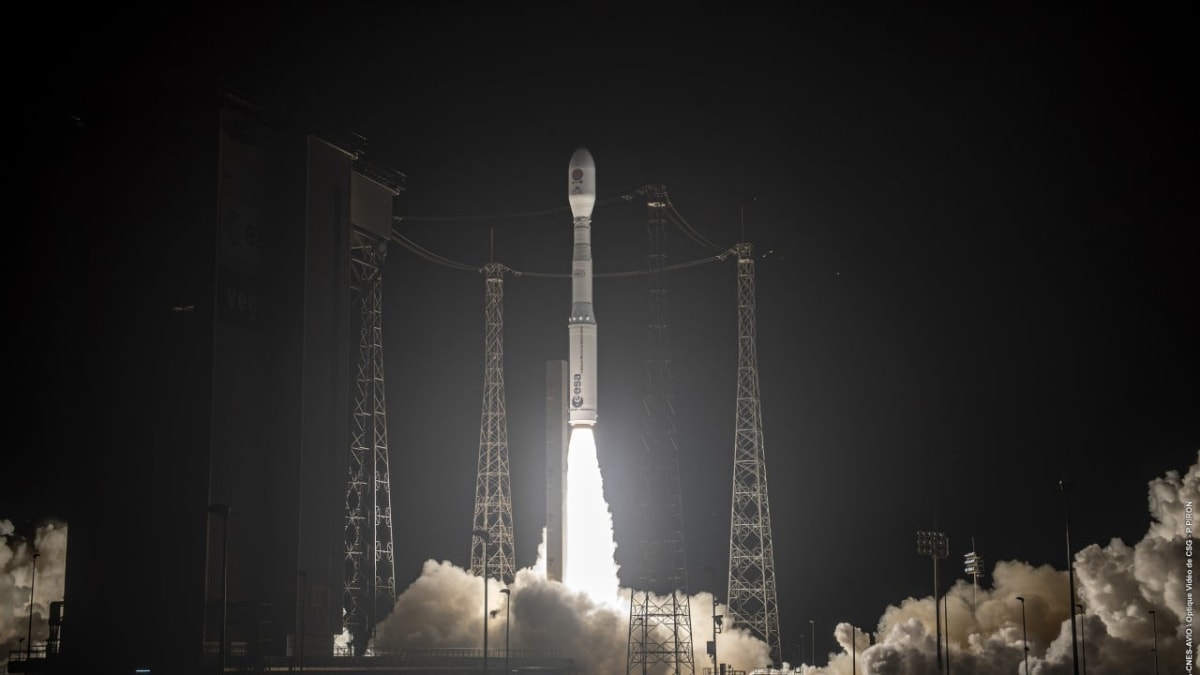
Scientists from China and Europe just launched their first satellite together, proving that collaboration can thrive even when governments disagree. The SMILE mission will study how Earth's magnetic shield protects us from solar winds.
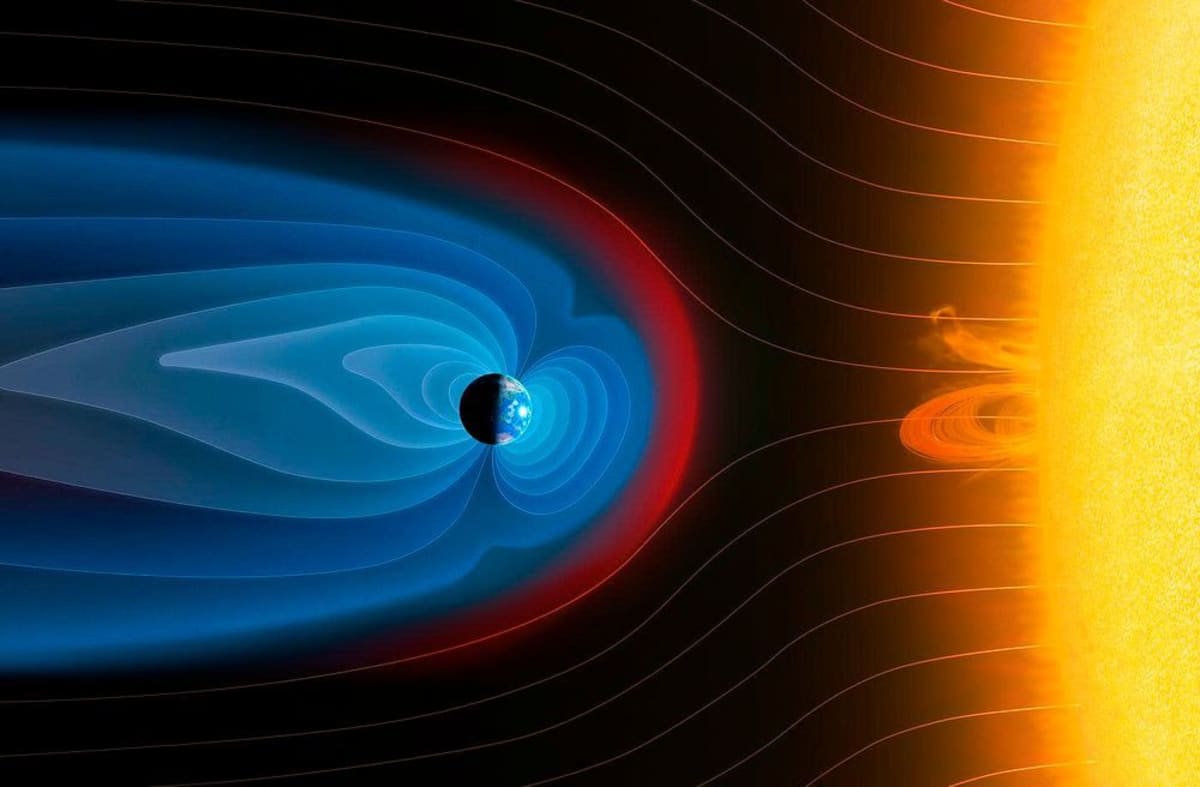
NASA needs your help studying a massive shock wave that protects Earth from solar wind, and no science degree required. The new Shock Detectives project lets anyone analyze real space data that could help protect our GPS, communications, and power grids.
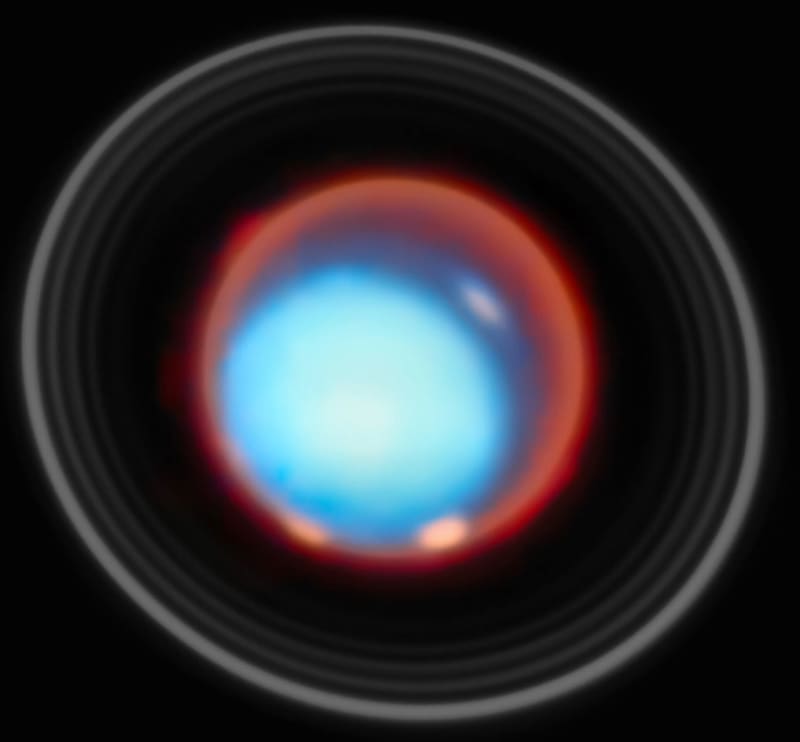
Scientists used the James Webb Space Telescope to create the first three-dimensional map of Uranus's upper atmosphere, revealing how energy moves through the ice giant and shaping our understanding of distant planets. The groundbreaking observations captured a full rotation of the planet and discovered how its unusual magnetic field creates sweeping auroras.

China is stepping up global space collaboration in 2026, with new satellites launching through partnerships spanning three continents. The decades-long cooperation shows how nations can advance science together while sharing the benefits of space technology.
Showing 20 of 32