Search

Find uplifting stories about heroes, innovations, and solutions

26 results for "molybdenum"

Ancient Life Used Rare Metal 3.7 Billion Years Ago
InnovationMay 6

Ancient Life Used Rare Metal 3.7 Billion Years Ago

NASA scientists discovered that Earth's earliest life forms relied on molybdenum over 3 billion years ago, even though the metal was incredibly scarce. This finding rewrites what we know about how life adapts and what alien worlds might need to support it.

NASA2 min read
Ancient Microbes Used Rare Metal 3.7 Billion Years Ago
InnovationAug 21

Ancient Microbes Used Rare Metal 3.7 Billion Years Ago

Scientists discovered that early life used molybdenum 3.7 billion years ago, even when the metal was extremely rare on Earth. This finding rewrites our understanding of how life evolved and opens new possibilities for finding life on other worlds.

Google News - Scientists Discover3 min read
Australian Reactor Makes Cancer Scans Safer, Cheaper
Health & WellnessFeb 25

Australian Reactor Makes Cancer Scans Safer, Cheaper

Scientists in Australia just cracked the code on producing a crucial medical imaging material with less waste and lower costs. The breakthrough could make cancer and heart disease diagnosis more accessible worldwide.

Phys.org - Technology2 min read
Scientists Create Cheaper Path to Clean Hydrogen Energy
InnovationMay 12

Scientists Create Cheaper Path to Clean Hydrogen Energy

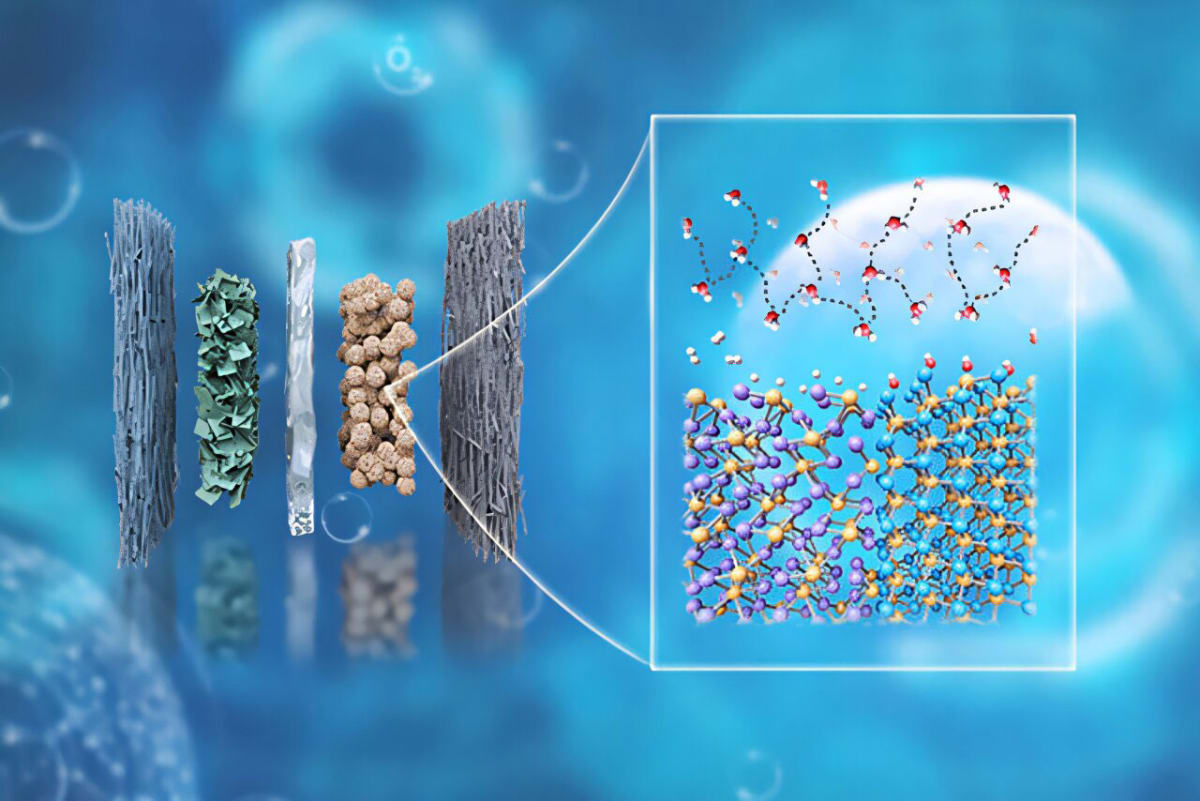
Researchers at Washington University in St. Louis developed a new catalyst that produces hydrogen from water without expensive platinum metals, potentially making renewable energy storage affordable for widespread use. The breakthrough could finally unlock hydrogen's promise as a practical clean fuel.

Google News - Clean Energy2 min read
China Builds World's First 2D Chip That Beats Silicon Limits
InnovationMay 28

China Builds World's First 2D Chip That Beats Silicon Limits

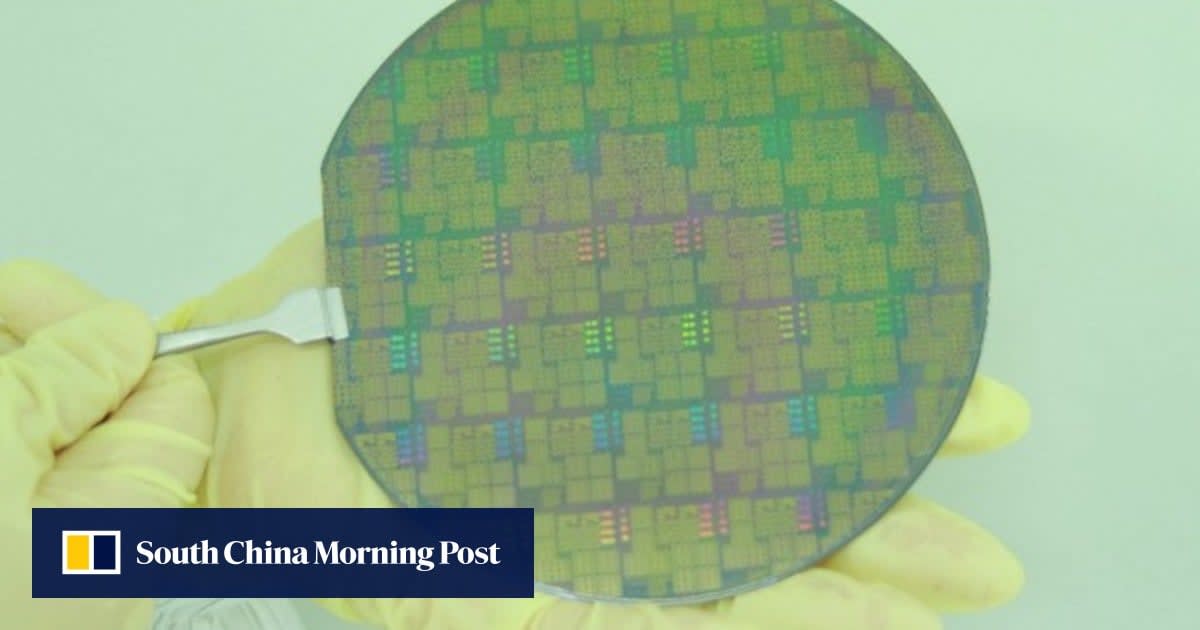
Scientists in China just created the world's first working computer chip made from atom-thin materials, breaking through a barrier that threatened to end decades of computing progress. The breakthrough could keep our devices getting faster and cheaper for years to come.

South China Morning Post2 min read
Scientists Trap Light in Layer 1,000x Thinner Than Hair
InnovationApr 6

Scientists Trap Light in Layer 1,000x Thinner Than Hair

Polish researchers have confined infrared light in a structure just 40 nanometers thick, shattering previous limits and opening doors to faster, smaller devices. The breakthrough could revolutionize how we build computers and communication technology.

Science Daily3 min read
Scientists Turn Plastic Bottles Into Clean Hydrogen Fuel
SolutionsMay 6

Scientists Turn Plastic Bottles Into Clean Hydrogen Fuel

Researchers just figured out how to transform plastic waste into clean hydrogen fuel using only sunlight and old car battery acid. This breakthrough tackles two pollution problems at once while creating valuable green energy.

Live Science2 min read
Printed Artificial Neurons Talk to Real Brain Cells
InnovationApr 24

Printed Artificial Neurons Talk to Real Brain Cells

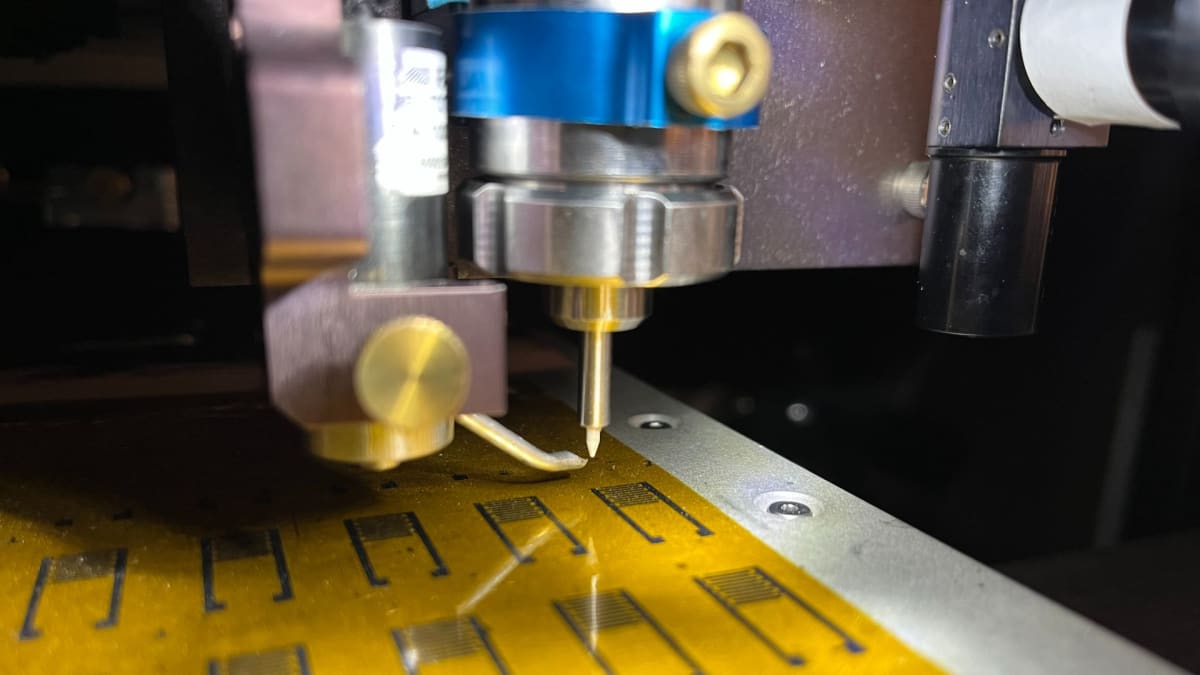
Scientists have created tiny, printed artificial neurons that can communicate with living mouse brain cells, opening doors to smarter brain implants and energy-efficient AI. The breakthrough could help people control prosthetic limbs with their thoughts and may one day restore function lost to diseases like Alzheimer's.

Live Science2 min read
Scientists Break Solar Efficiency Limit at 130%
InnovationMar 25

Scientists Break Solar Efficiency Limit at 130%

Japanese and German researchers just shattered what scientists called an "absolute" ceiling in solar power, achieving 130% energy conversion. The breakthrough could lead to solar panels that squeeze far more electricity from every ray of sunshine.

Google: solar power breakthrough2 min read
Stanford's Room-Temperature Quantum Chip Skips Deep Freeze
InnovationMay 30

Stanford's Room-Temperature Quantum Chip Skips Deep Freeze

Scientists created a tiny quantum device that works at room temperature instead of requiring extreme cold. This breakthrough could make quantum technology cheaper and small enough for everyday devices.

Science Daily - Technology2 min read
Smart Pill Texts Doctors When Patients Forget Meds
VideosJan 28

Smart Pill Texts Doctors When Patients Forget Meds

MIT scientists created a dissolvable capsule with a tiny radio chip that alerts doctors when medication has been swallowed. The innovation could help millions who struggle to remember their prescriptions, especially those with chronic conditions.

New Atlas3 min read
Japanese Scientists Boost Solar Cell Efficiency to 130%
InnovationApr 14

Japanese Scientists Boost Solar Cell Efficiency to 130%

Researchers in Japan have found a way to squeeze more power from sunlight by capturing energy that usually goes to waste. Their breakthrough could make solar panels significantly more productive without violating any laws of physics.

New Atlas3 min read
New Camera Sensor Sees Hidden Objects 1,000x Better
InnovationJan 19

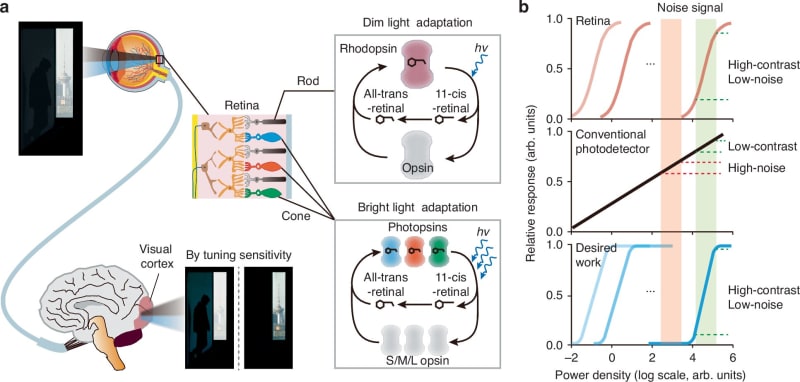
New Camera Sensor Sees Hidden Objects 1,000x Better

Scientists created a camera sensor inspired by human eyes that can spot nearly invisible objects with 1,000 times better clarity than current technology. The breakthrough could transform everything from self-driving cars to security systems.

Phys.org3 min read
Hiroshima Beach Sand Reveals New Metal Alloy After 81 Years
Global NewsAug 3

Hiroshima Beach Sand Reveals New Metal Alloy After 81 Years

Scientists discovered a never-before-seen metal alloy in tiny particles preserved in Hiroshima's beach sand, formed by the intense heat of the 1945 atomic blast. The find opens new doors for materials science and shows how extreme conditions can create materials impossible to make in laboratories.

Google News - Scientists Discover3 min read
New 0.42nm Interface Breakthrough Could Revolutionize Chips
InnovationAug 10

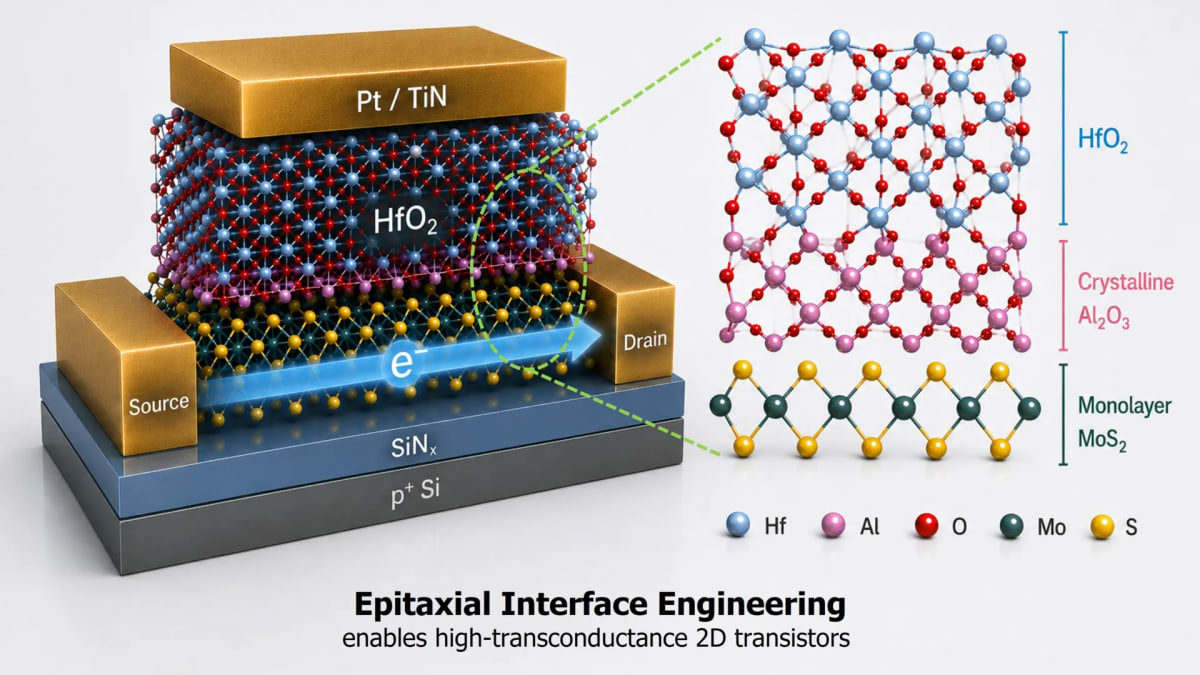
New 0.42nm Interface Breakthrough Could Revolutionize Chips

Scientists solved a decade-old problem blocking the next generation of computer chips by engineering an interface just a fraction of a nanometer thick. The breakthrough lets transistors be smaller and faster without sacrificing performance.

Science Daily3 min read
Scientists Break Solar Energy's 100% Limit in Japan Lab
InnovationMar 26

Scientists Break Solar Energy's 100% Limit in Japan Lab

Japanese researchers just achieved 130% energy conversion efficiency in solar technology, smashing through a barrier scientists thought was absolute. The breakthrough uses a "spin-flip" technique that multiplies energy from single photons of sunlight.

Google: solar power breakthrough3 min read
Swedish Solar Breakthrough Captures Light from Both Sides
InnovationMar 27

Swedish Solar Breakthrough Captures Light from Both Sides

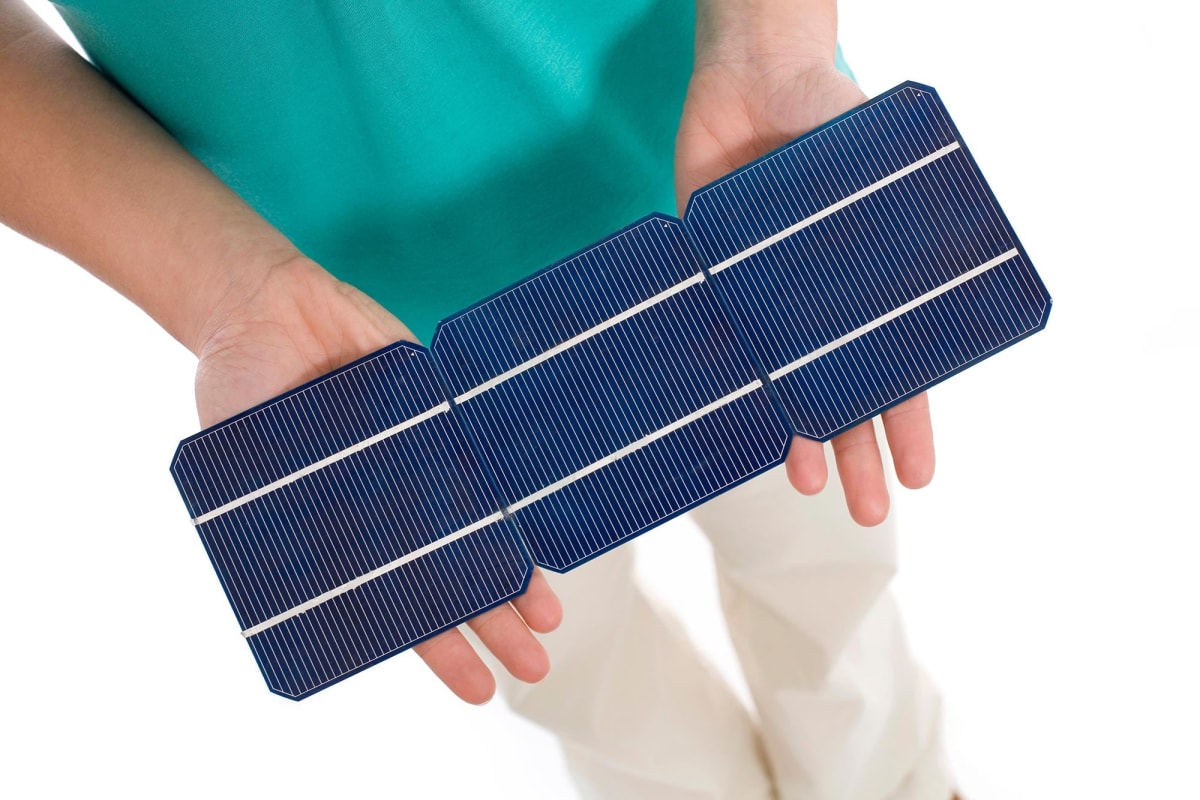
Scientists in Sweden just built a solar panel that works from both sides, capturing 15% more energy than traditional panels. The secret? A special transparent material that lets light through instead of blocking it.

PV Magazine3 min read
Cambridge Turns Plastic Bottles and Battery Acid Into Fuel
SolutionsApr 10

Cambridge Turns Plastic Bottles and Battery Acid Into Fuel

Scientists have figured out how to use old car battery acid to break down plastic waste into clean hydrogen fuel. The best part? The system actually turns a profit while cleaning up two pollution problems at once.

New Atlas3 min read
Japan Unlocks Ceramic That Supercharges Hydrogen Power
Planet WinsFeb 18

Japan Unlocks Ceramic That Supercharges Hydrogen Power

Scientists in Japan have cracked a 30-year challenge in clean energy, creating a ceramic material that efficiently converts hydrogen to electricity at temperatures far lower than ever achieved. This breakthrough could make hydrogen fuel cells practical for everyday use, bringing carbon-free energy closer to reality.

Google News - Renewable Energy Breakthrough3 min read
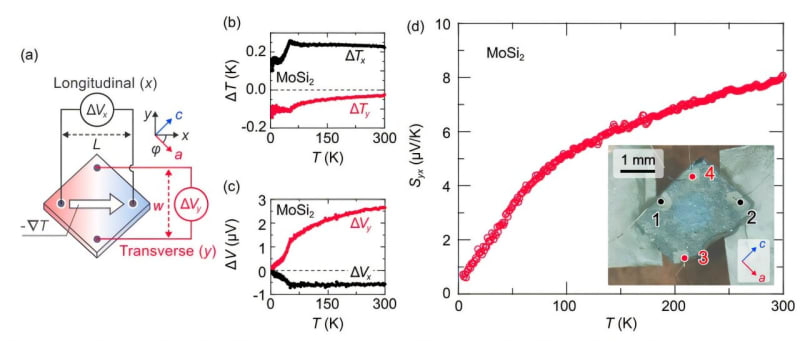
New Material Turns Waste Heat Into Clean Electricity
InnovationFeb 3

New Material Turns Waste Heat Into Clean Electricity

Scientists in Japan discovered a common industrial material that efficiently converts wasted energy into usable power, potentially revolutionizing how we recover the massive amounts of heat lost in factories and engines. This breakthrough could help power everything from remote sensors to entire facilities using energy that currently disappears into thin air.

Phys.org - Technology3 min read

Showing 20 of 26