Search

Find uplifting stories about heroes, innovations, and solutions

11 results for "planetary formation"

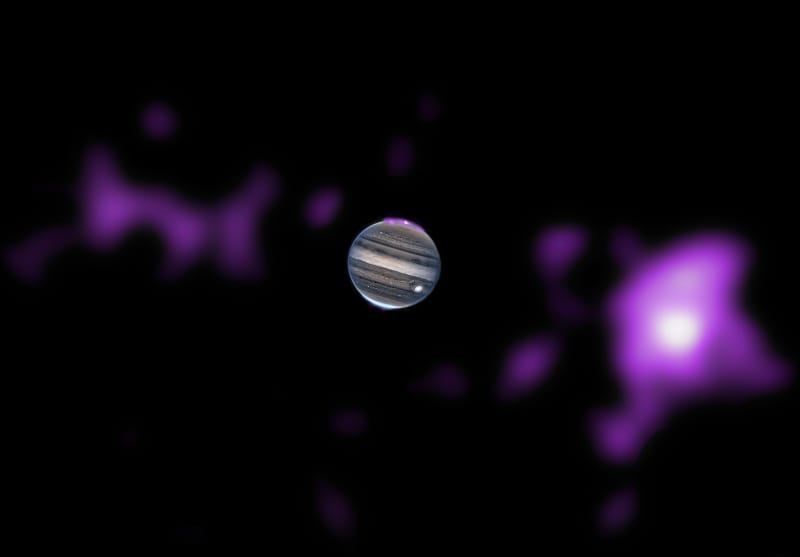
Scientists Solve Mystery of 'Space Snowmen' in Solar System
Planet Wins•Feb 27

Scientists Solve Mystery of 'Space Snowmen' in Solar System

Researchers have cracked the code on how adorable snowman-shaped objects form in the outer solar system. The discovery reveals a gentle cosmic dance that's been happening for billions of years.

Space.com•2 min read
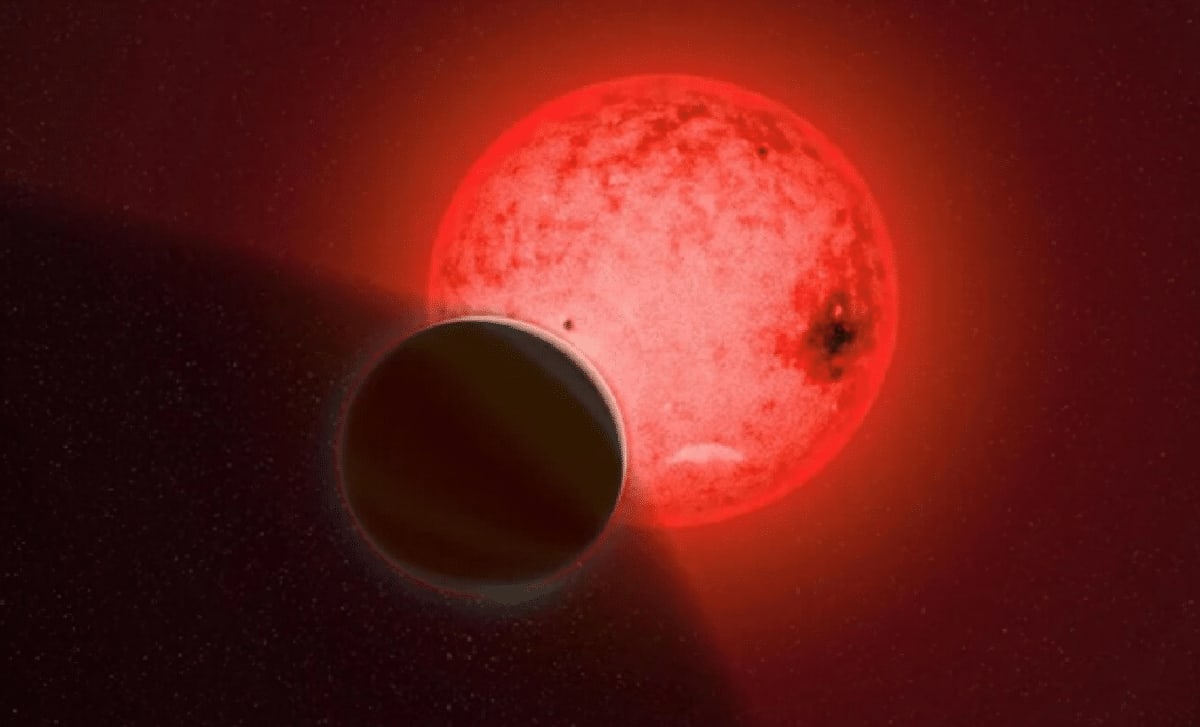
Inside-Out Planet System Rewrites Formation Rulebook
Planet Wins•Feb 13

Inside-Out Planet System Rewrites Formation Rulebook

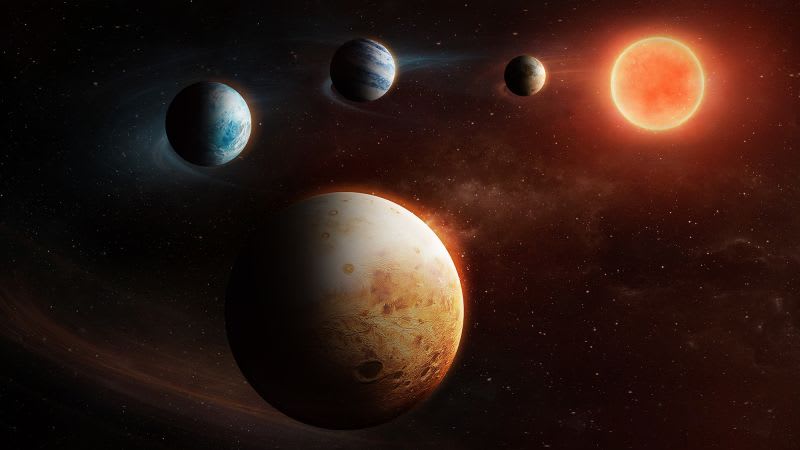
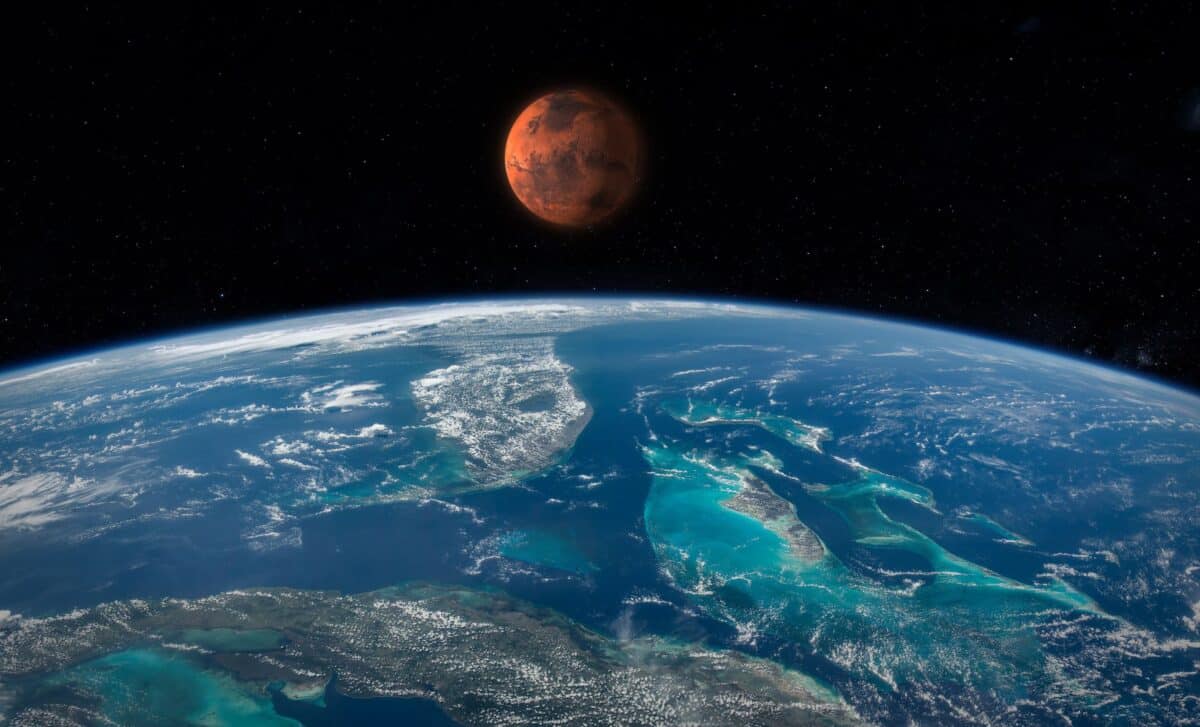
Astronomers discovered a rare planetary system that formed backward, with rocky planets at the edge instead of the center. The find shows the universe creates worlds in more diverse ways than we ever imagined.

New Scientist•3 min read
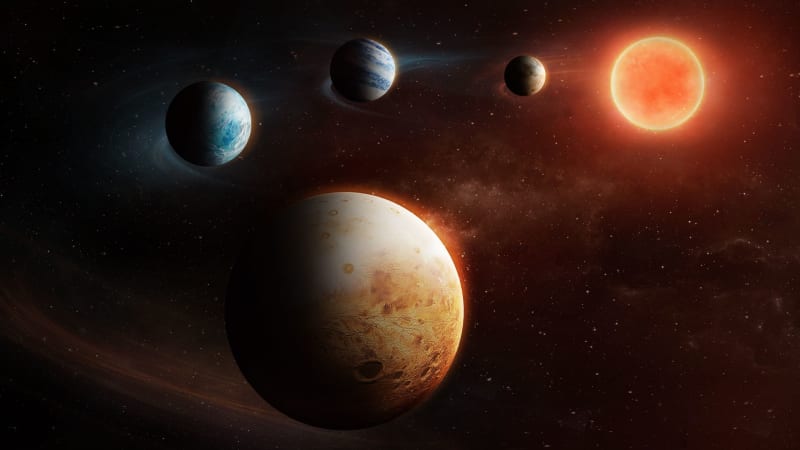
Scientists Find 'Backwards' Solar System 116 Light-Years Away
Innovation•Feb 13

Scientists Find 'Backwards' Solar System 116 Light-Years Away

Astronomers discovered a solar system that breaks all the rules of planet formation, with rocky planets sandwiching gas giants in a pattern never seen before. The finding could rewrite our understanding of how planets form around the most common stars in the universe.

Google News - Science•3 min read
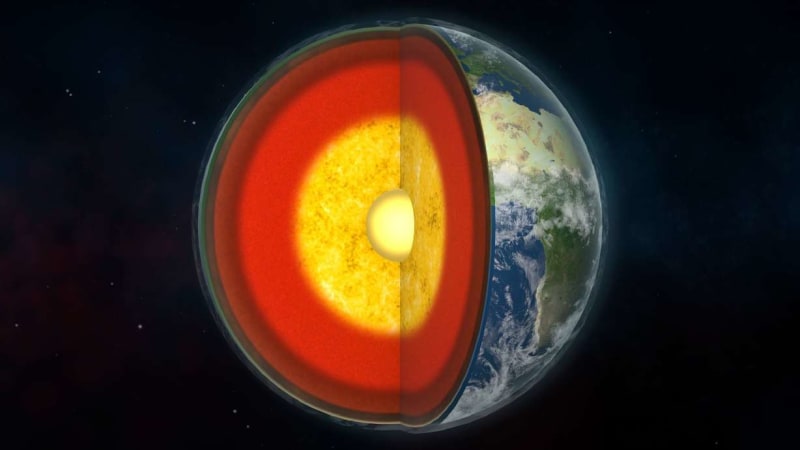
Earth's Core Holds Up to 45 Oceans of Hidden Water
Planet Wins•Feb 11

Earth's Core Holds Up to 45 Oceans of Hidden Water

Scientists discovered Earth's core contains enough hydrogen to equal 45 oceans of water, suggesting our planet formed with water already inside rather than getting it from comets. This breakthrough helps solve the mystery of where Earth's water really came from.

Phys.org - Earth•3 min read
Earth's Core Holds 9 to 45 Oceans' Worth of Hydrogen
Planet Wins•Feb 11

Earth's Core Holds 9 to 45 Oceans' Worth of Hydrogen

Scientists discovered Earth's core may contain up to 45 oceans' worth of hydrogen, making it the planet's largest water reservoir. This finding rewrites our understanding of how Earth got its water during the earliest days of planetary formation.

Google News - Science•3 min read
Earth's Core Holds 45 Times More Hydrogen Than Oceans
Innovation•Feb 11

Earth's Core Holds 45 Times More Hydrogen Than Oceans

Scientists discovered Earth's core contains vastly more hydrogen than all the oceans combined, solving a 4.5-billion-year mystery. This breakthrough reveals our planet has been hiding its biggest hydrogen reservoir right at its center all along.

Live Science•2 min read
Webb Telescope Shows How Dying Stars Birth New Planets
Planet Wins•Feb 1

Webb Telescope Shows How Dying Stars Birth New Planets

NASA's James Webb Space Telescope captured stunning images of the Helix Nebula, revealing how dying stars recycle their material into the building blocks of future planets. The images show our Sun's possible fate while highlighting the beautiful cycle of cosmic renewal.

Google: James Webb telescope•2 min read
James Webb Reveals Dying Star's Gift to Future Worlds
Innovation•Jan 28

James Webb Reveals Dying Star's Gift to Future Worlds

The James Webb Space Telescope captured stunning new details of the Helix Nebula, showing how a dying star transforms into the building blocks for new planets. What looks like cosmic fireworks is actually the universe recycling itself into tomorrow's solar systems.

Good News Network•2 min read
Webb Telescope Reveals How Dying Stars Create New Worlds
Planet Wins•Jan 22

Webb Telescope Reveals How Dying Stars Create New Worlds

The James Webb Space Telescope captured the most detailed images ever of a dying star in the Helix Nebula, showing how death in space becomes the building blocks for future planets. The stunning photos reveal thousands of comet-like gas tails swirling in gold and orange as a white dwarf star sheds the material that will one day form new worlds.

Google: James Webb telescope•2 min read
Webb Telescope Shows How Planets Get Their Building Blocks
Planet Wins•Jan 22

Webb Telescope Shows How Planets Get Their Building Blocks

NASA's James Webb Space Telescope solved a cosmic mystery by watching a young star create and fling Earth-like minerals across space. The discovery explains how frozen comets at the edge of our solar system ended up packed with crystals that form only in extreme heat.

NASA•3 min read
NASA's Webb Telescope Shows How Stars Seed New Worlds
Innovation•Jan 21

NASA's Webb Telescope Shows How Stars Seed New Worlds

The James Webb Space Telescope captured stunning new images of the Helix Nebula, revealing how dying stars recycle their material to create the building blocks for future planets and solar systems. The images show our Sun's possible fate while offering hope about the universe's endless cycle of renewal.

NASA•2 min read