South Korea Creates Space-Ready AI Chip That Lasts 20 Years
South Korean scientists built an AI chip component that survived radiation equal to 20 years in space. It's the first chip of its kind proven to work in extreme space conditions.
Find uplifting stories about heroes, innovations, and solutions
3709 results for "radiation-resistant chips"
South Korean scientists built an AI chip component that survived radiation equal to 20 years in space. It's the first chip of its kind proven to work in extreme space conditions.

Scientists in South Korea just proved that special AI chips can handle two decades worth of space radiation without failing. This breakthrough could power smarter satellites and deep space missions for years to come.
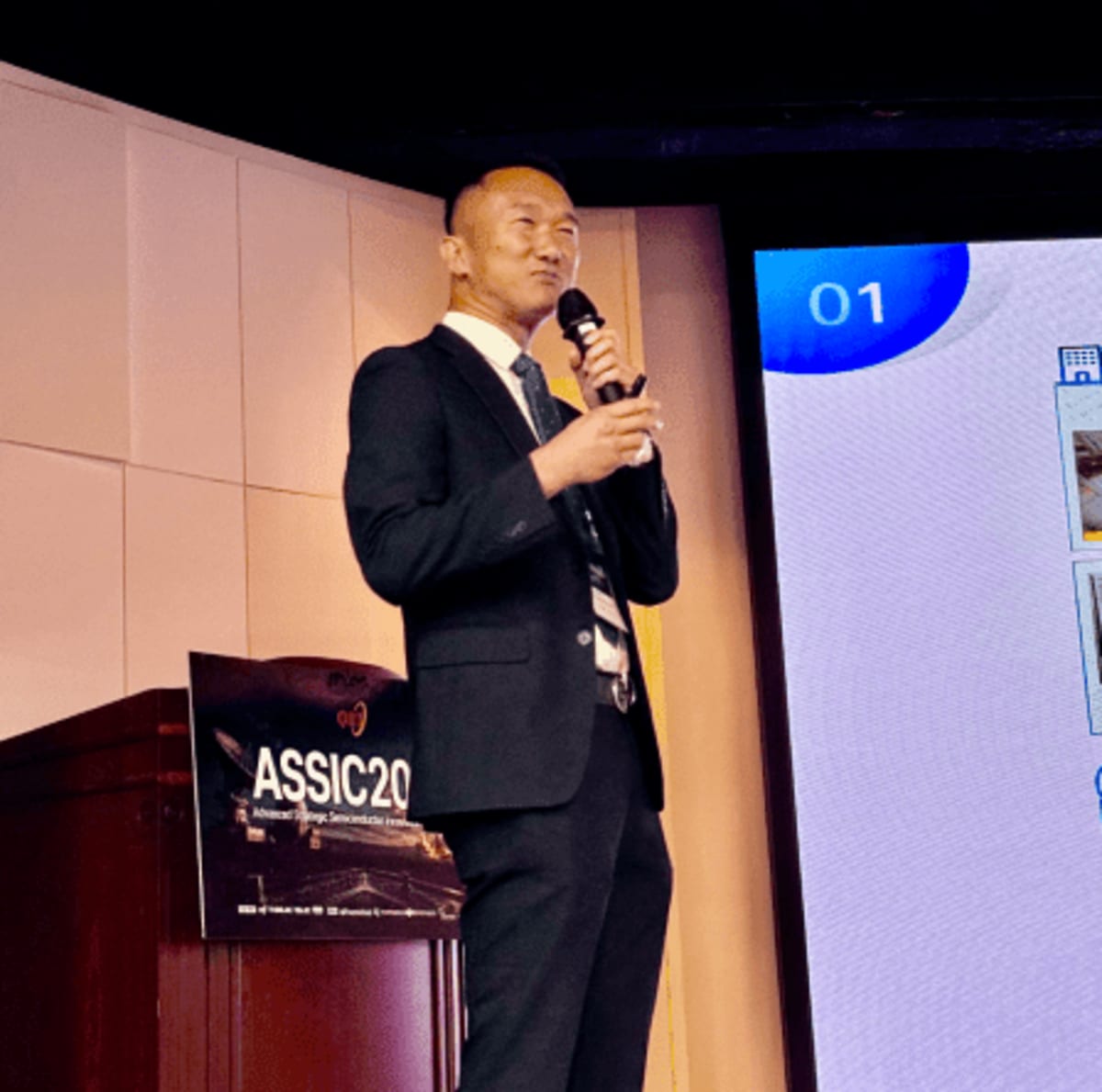
South Korean scientists successfully tested AI semiconductor technology that can survive extreme radiation in space, maintaining 92% accuracy after exposure equivalent to 20 years in orbit. This breakthrough could end the country's 98% dependence on foreign suppliers for defense and space tech.

Tanzania is ramping up its battle against drug-resistant diseases by bringing together health, agriculture, and environmental agencies under one coordinated plan. The country is investing in public education and smarter medicine use to protect its people from a growing global threat.
Chinese tech giant Huawei just announced a breakthrough that could reshape the semiconductor industry. The company's new scaling law and chip architecture aims to match the world's most advanced chips within five years.
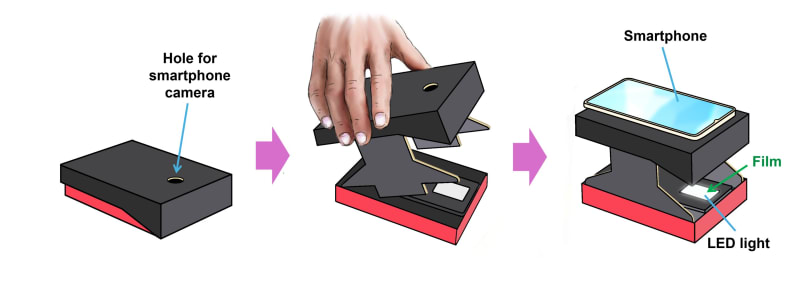
Scientists in Japan have turned ordinary smartphones into emergency radiation detectors using special film and a portable scanner that costs less than $70. The breakthrough could save lives by letting anyone check for dangerous radiation exposure immediately after nuclear accidents.

Patients with brain metastases who received radiation tiles during surgery lived twice as long as those getting traditional post-surgery treatment. The breakthrough eliminates the weeks-long wait for radiation that often delays recovery.
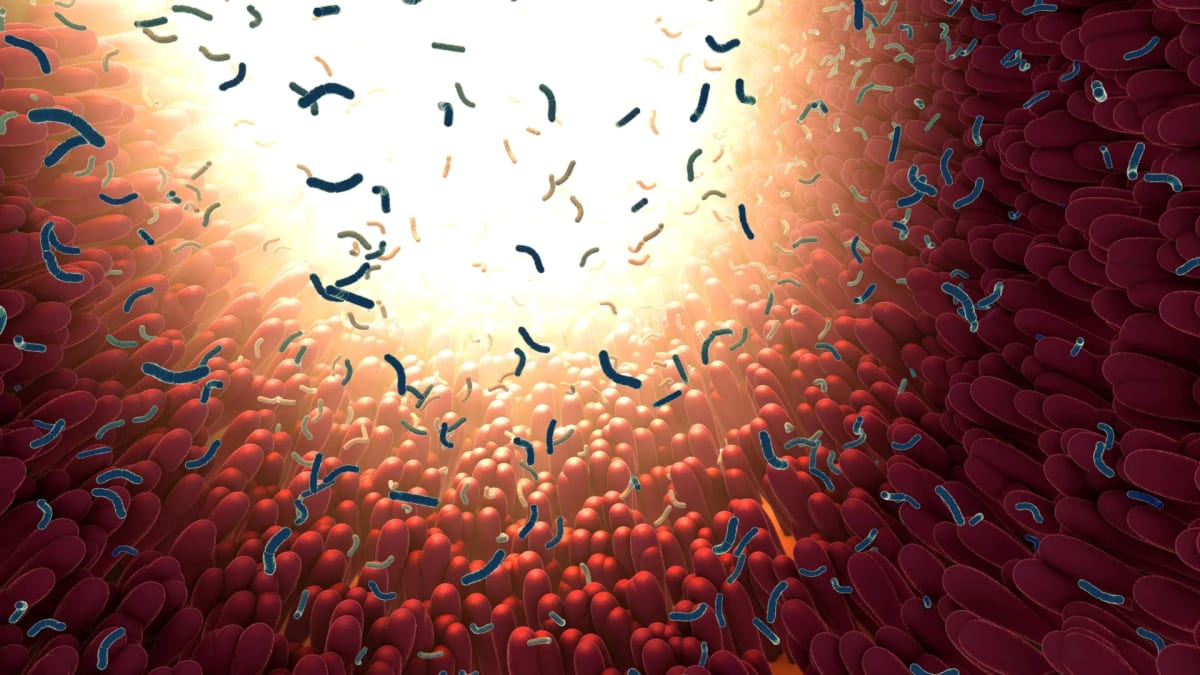
Scientists at MIT discovered a natural protein in our gut that both strengthens our protective mucus layer and kills dangerous bacteria, including strains that resist antibiotics. This breakthrough could lead to entirely new treatments for gut diseases and drug-resistant infections.

Malaysia's Penang state just opened a cutting-edge shared laboratory where chip design companies can test and validate their innovations together, marking a major leap in the nation's semiconductor ambitions. The facility is part of a bold initiative that's already created 9,500 high-tech jobs and doubled the region's chip design companies in just months.
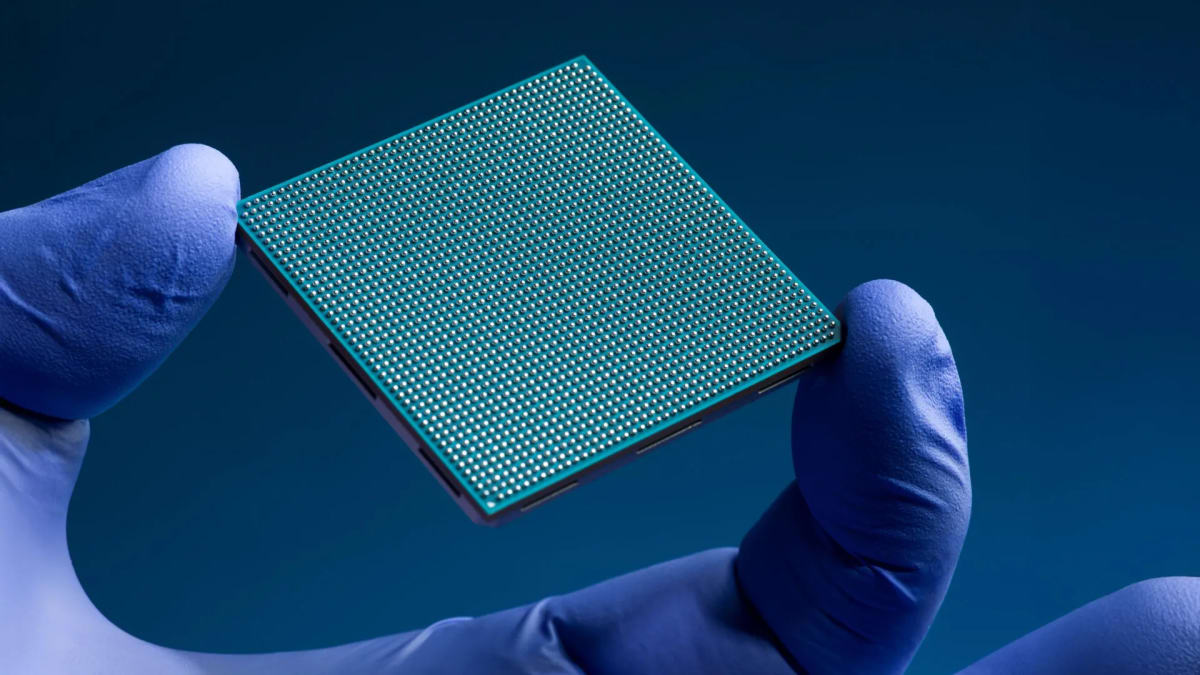
NASA just tested a revolutionary computer chip that could let spacecraft think for themselves in deep space. The palm-sized processor is 500 times more powerful than current space computers while surviving extreme radiation, paving the way for AI-powered missions to Mars and beyond.
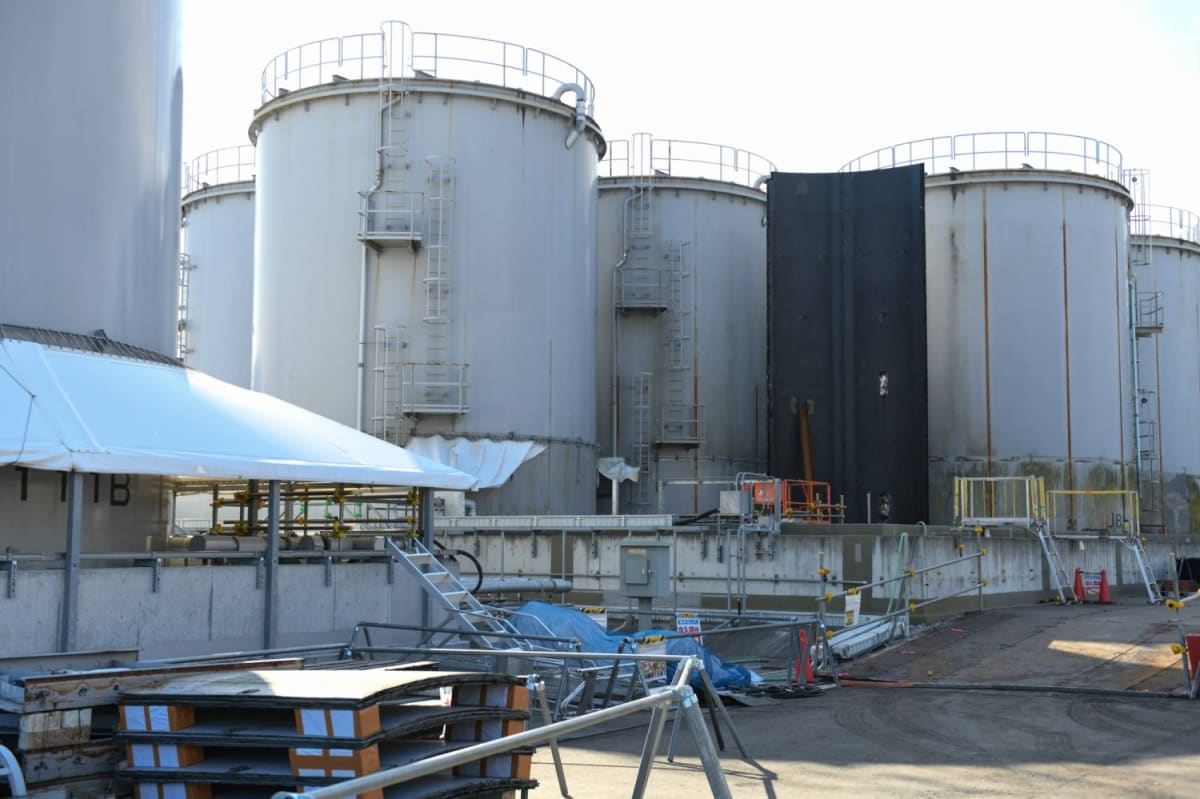
Fifteen years after the nuclear disaster, radiation levels across most of Fukushima, Japan have dropped to match the national average. The areas requiring evacuation orders have shrunk by 98% since 2011.

NASA just unveiled a revolutionary computer chip that's 100 times more powerful than today's space processors, opening the door for faster Mars rovers and smarter spacecraft. The technology could also transform everything from medical equipment to energy grids here on Earth.
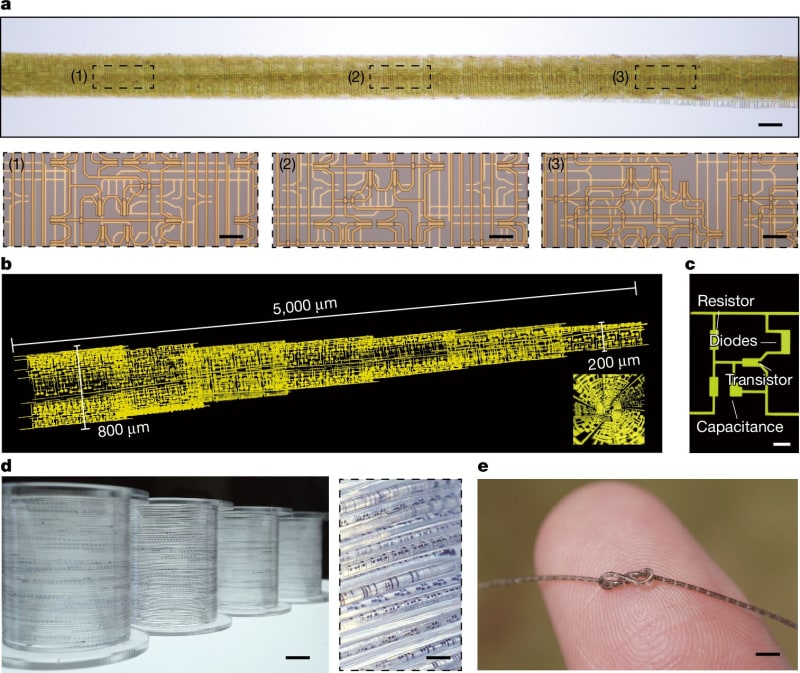
Scientists in Shanghai created flexible computer chips as thin as human hair by rolling them like sushi. The breakthrough could lead to clothing that monitors your health and even enables doctors to perform surgery remotely.
Engineers have created a device that generates miniature earthquake-like vibrations on a microchip, potentially making smartphones smaller, faster, and more energy efficient. The breakthrough phonon laser could replace bulky hardware with a single chip.
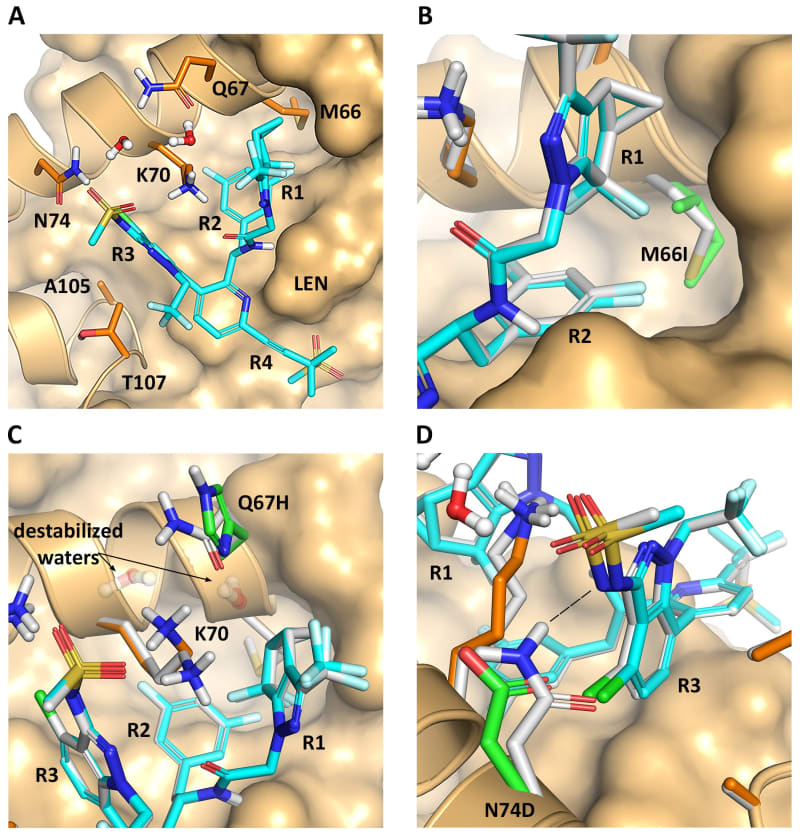
Scientists discovered that when HIV develops resistance to the breakthrough drug lenacapavir, the virus becomes significantly weaker and struggles to survive. This finding shows the medication is working even better than expected.
Scientists have developed an mRNA therapy that protects cancer patients from painful radiation burns, a side effect that affects up to 95% of patients and can force treatment delays. The breakthrough could transform cancer care for millions.

Scientists in Hiroshima have created a $70 smartphone system that instantly measures radiation exposure in disaster zones. The breakthrough could save countless lives by delivering treatment decisions in minutes instead of hours.
Scientists say individuals have real power to slow antimicrobial resistance, one of medicine's biggest threats. The solution starts with a simple action anyone can take.

Scientists discovered that pairing two everyday antibiotics can kill a deadly superbug and stop it from becoming resistant. The breakthrough could save thousands of lives threatened by infections that no longer respond to treatment.
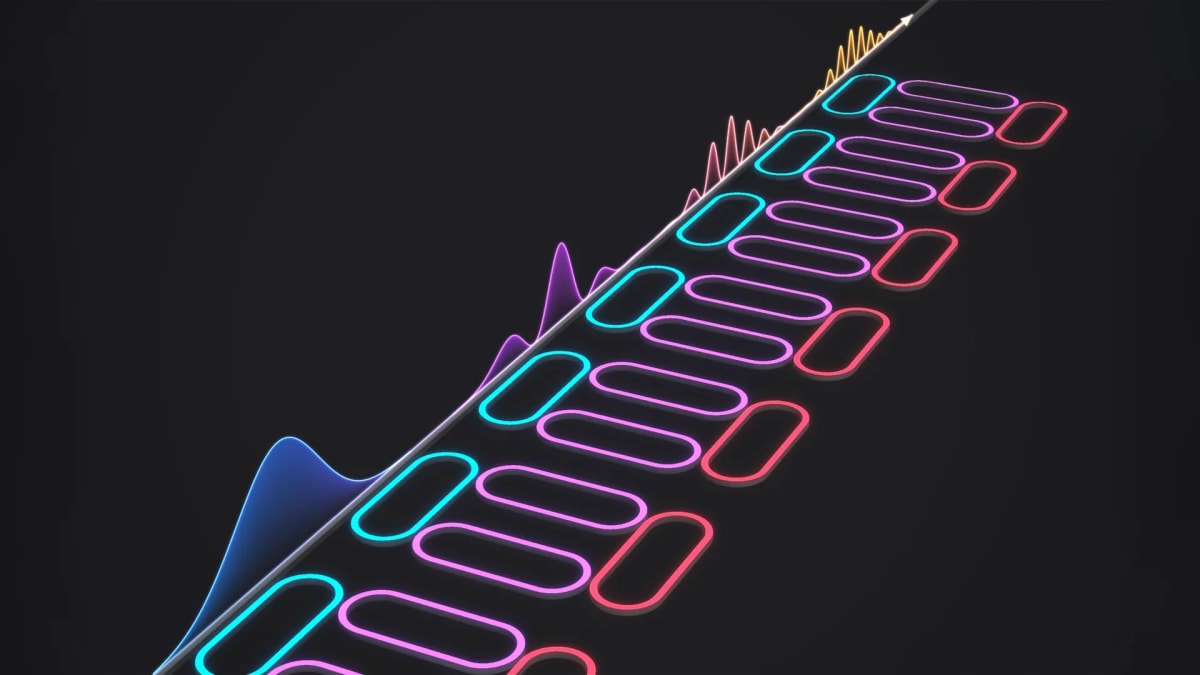
Researchers have created a programmable chip that can slow down light whenever needed, solving a major bottleneck in optical computing. The breakthrough could make AI servers and data centers faster, cheaper, and far more energy efficient.
Showing 20 of 3709