Search

Find uplifting stories about heroes, innovations, and solutions

1742 results for "insect evolution"

324-Million-Year-Old Fossil Reveals New Insect Species
Innovation2h ago

324-Million-Year-Old Fossil Reveals New Insect Species

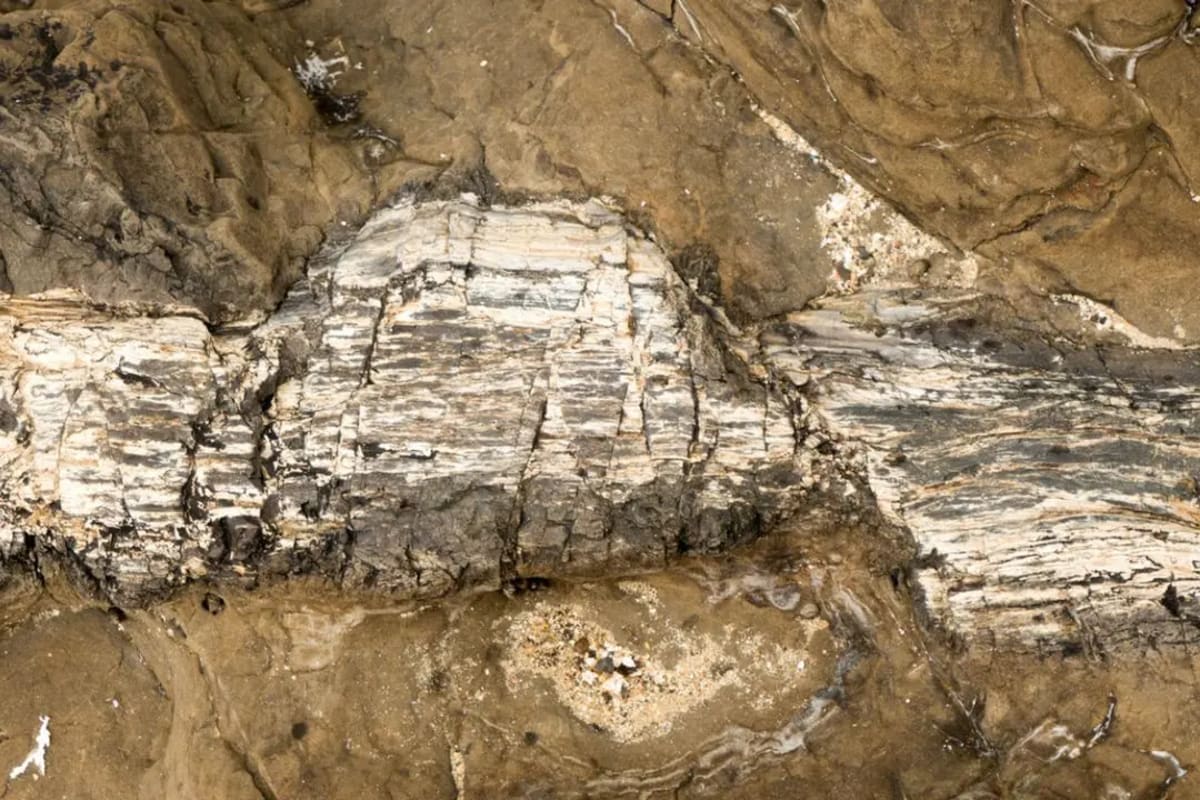
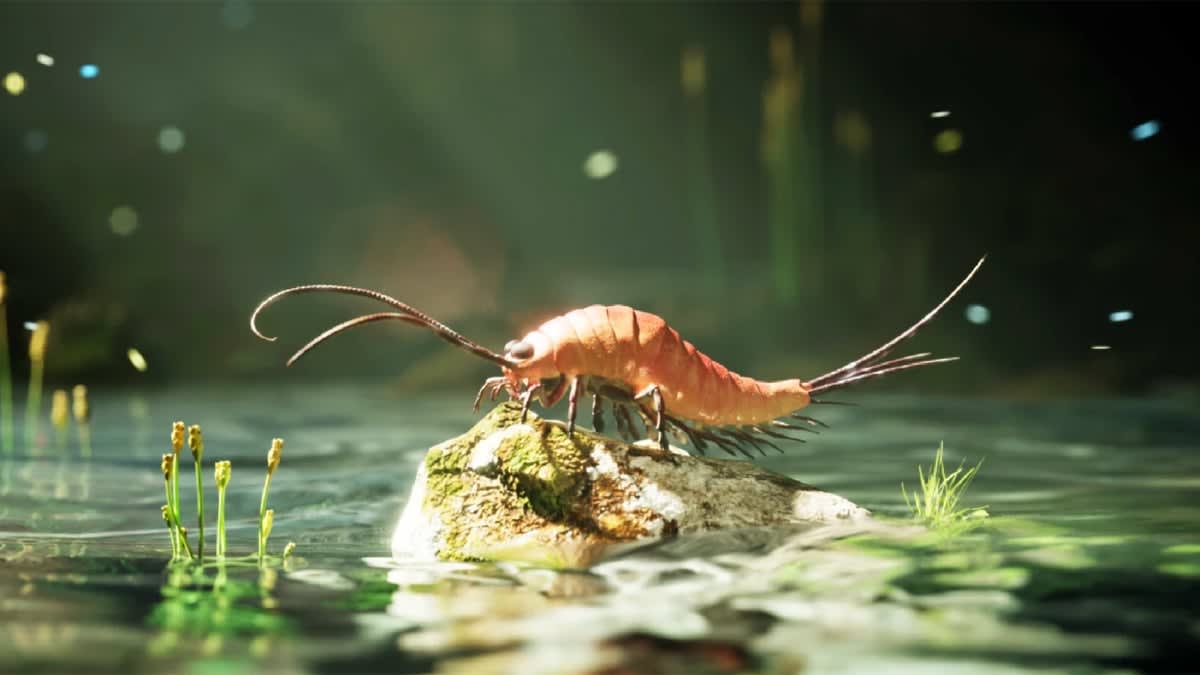
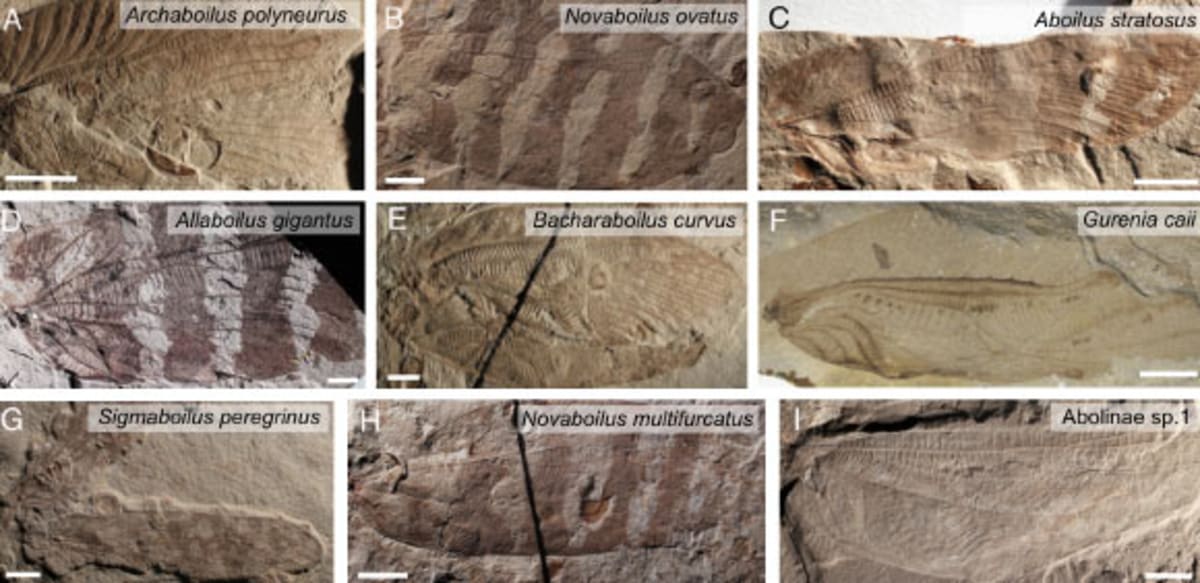
A fossil mistaken for a baby shrimp for nearly 40 years turned out to be an entirely new species of ancient insect with 24 paddle-like legs. The discovery helps solve one of biology's biggest puzzles about how insects first moved from water to land.

Google News - Science2 min read
Insects Mastered Plant Disguises 99 Million Years Ago
Planet WinsAug 12

Insects Mastered Plant Disguises 99 Million Years Ago

Scientists just discovered that insects have been mimicking flowering plants for 99 million years—more than double what we previously thought. A tiny moth lacewing preserved in amber reveals nature's oldest masterclass in camouflage.

The Hindu2 min read
Scientists Resurrect 165-Million-Year-Old Insect Songs
Videos1d ago

Scientists Resurrect 165-Million-Year-Old Insect Songs

Researchers used lasers and AI to reconstruct the calls of cricket-like insects from the Jurassic period, revealing that some sang at frequencies beyond human hearing millions of years before bats existed. This discovery rewrites what we thought we knew about why insects evolved ultrasonic communication.

Google News - Science2 min read
Scientists Map 600M Years of Animal Evolution Patterns
Innovation2d ago

Scientists Map 600M Years of Animal Evolution Patterns

A massive study of 5,800 animal genomes reveals evolution follows predictable "highways" rather than random paths. The discovery could help scientists understand where evolution might head next and guide conservation efforts.

Google News - Scientists Discover3 min read
Scientists Map 600M Years of Animal Evolution in 5,800 Genomes
Planet Wins2d ago

Scientists Map 600M Years of Animal Evolution in 5,800 Genomes

Researchers discovered that evolution doesn't wander randomly but follows predictable genetic "highways" laid down over 600 million years. This breakthrough could help scientists predict future evolution and better protect endangered species. ##

Science Daily3 min read
Insects Survive 200+ Meters Deep in African Lake
Planet WinsJul 25

Insects Survive 200+ Meters Deep in African Lake

Scientists just discovered insect larvae thriving at crushing depths in Lake Malawi where no insects should survive. Their secret? Specially reinforced air sacs that resist extreme underwater pressure.

Google News - Science2 min read
Kenya Turns Insects Into Food, Jobs for 740K People
SolutionsApr 10

Kenya Turns Insects Into Food, Jobs for 740K People

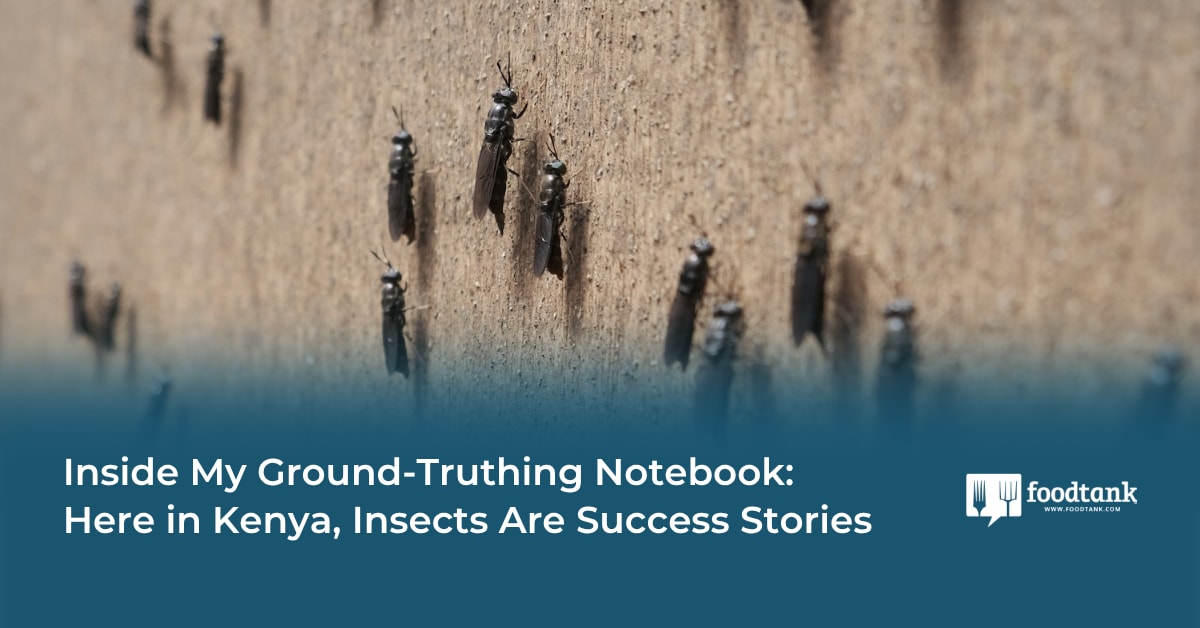
Scientists in Kenya are using crickets, mealworms, and other insects to create jobs, fight hunger, and lift nearly a million people out of poverty. Eight beneficial insects are reshaping Africa's food system in surprising ways.

Google News - Kenya Success Story3 min read
Milkweed's 'Mind-Blowing' Evolution Could Save Monarchs
Planet WinsMar 19

Milkweed's 'Mind-Blowing' Evolution Could Save Monarchs

Cornell researchers discovered milkweed plants have evolved a brilliant new defense mechanism that could revolutionize monarch butterfly conservation efforts. The findings reveal nature's surprising innovation in one of evolution's oldest battles.

Google News - Researchers Find3 min read
Extinct 'Tree Lobster' Insect Found Thriving in New Spots
Planet WinsMar 15

Extinct 'Tree Lobster' Insect Found Thriving in New Spots

Scientists discovered two new colonies of the Lord Howe Island stick insect on a remote volcanic outcrop, 25 years after the species was rediscovered. Once so common they were used as fishing bait, these rare insects are bouncing back thanks to a global breeding program.

ABC Australia2 min read
Tiny 700-Gram Dinosaur Rewrites Evolution Playbook
InnovationMar 9

Tiny 700-Gram Dinosaur Rewrites Evolution Playbook

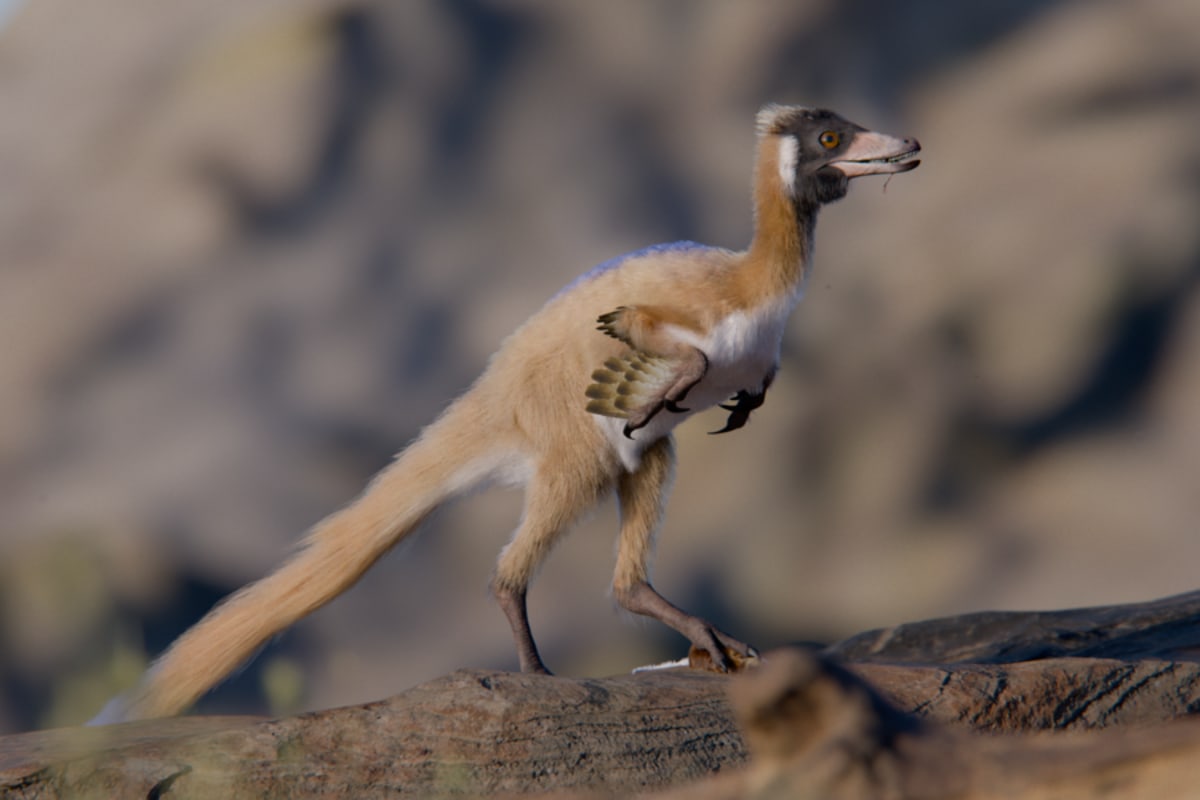
Scientists discovered a roadrunner-sized dinosaur in Argentina that's forcing them to rethink how some dinosaurs became miniature. The 700-gram creature proves evolution doesn't always follow a straight line.

Ars Technica Science2 min read
Evolution Used Same Genetic Code for 120 Million Years
InnovationMay 5

Evolution Used Same Genetic Code for 120 Million Years

Scientists discovered that butterflies and moths separated by millions of years use identical genes to create similar warning patterns, revealing evolution follows surprisingly predictable paths. This breakthrough could help us understand how species will adapt to future climate changes.

Google News - Scientists Discover3 min read
Vanderbilt Professor: Evolution Can Solve Today's Problems
Planet WinsJun 26

Vanderbilt Professor: Evolution Can Solve Today's Problems

A new book argues we're missing huge opportunities by ignoring evolution's lessons for modern challenges. Understanding natural selection could revolutionize everything from medicine to decision-making.

Fast Company - Innovation2 min read
Drivers Help Track Insect Recovery in Southeast England
Acts of KindnessMar 28

Drivers Help Track Insect Recovery in Southeast England

Thousands of drivers across Southeast England are joining a citizen science project that counts bug splats on car plates to help scientists understand and protect insect populations. The simple survey method has already revealed crucial data that's now expanding internationally.

BBC Science2 min read
2-Pound Dinosaur Rewrites Evolution Story in Patagonia
Planet WinsApr 22

2-Pound Dinosaur Rewrites Evolution Story in Patagonia

A nearly complete 90-million-year-old skeleton from Argentina is solving one of paleontology's strangest puzzles. The tiny dinosaur proves these odd creatures shrank before they specialized, flipping evolution theories on their head.

Google: fossil discovery2 min read
Scientists Find 20 Million Insect Species on Earth
Planet WinsJul 2

Scientists Find 20 Million Insect Species on Earth

New research reveals Earth hosts 20 million insect species—triple previous estimates—using innovative tracking methods borrowed from disease epidemiology. We've only discovered 1.5 million so far, meaning countless tiny wonders remain hidden in forests worldwide.

Scientific American2 min read
Human Evolution Sped Up Over Past 10,000 Years
InnovationApr 16

Human Evolution Sped Up Over Past 10,000 Years

The largest study of ancient human DNA reveals that human evolution has dramatically accelerated since farming began, reshaping everything from disease resistance to physical appearance. Scientists found nearly 500 gene variants that changed through natural selection as our ancestors adapted to revolutionary lifestyle changes.

Google News - Science3 min read
Scientists Track Death Cap Mushroom Evolution in Real Time
InnovationFeb 20

Scientists Track Death Cap Mushroom Evolution in Real Time

Researchers are watching one of nature's deadliest mushrooms rapidly evolve in California, revealing how species adapt to new homes. The discovery gives scientists a rare window into evolution happening right now.

Google News - Scientists Discover2 min read
Mexican Cave's Natural Skylight Reveals Evolution in Action
Planet WinsMay 7

Mexican Cave's Natural Skylight Reveals Evolution in Action

A collapsed cave ceiling in Mexico created a unique laboratory where blind and sighted fish of the same species now live side by side, showing scientists how evolution works in real time. Researchers discovered key genes responsible for eye development by studying this rare natural experiment.

Google News - Scientists Discover3 min read
Cave Fossils Reveal Million-Year Evolution Mystery
Planet WinsJun 27

Cave Fossils Reveal Million-Year Evolution Mystery

Scientists discovered ancient fossils in volcanic ash deep inside a remote cave, uncovering clues about a forgotten chapter in evolution. The findings span a million years of preserved history.

Google: fossil discovery2 min read
Biologist Finds Evolution Clock in 'Junk' DNA
Health & WellnessMar 24

Biologist Finds Evolution Clock in 'Junk' DNA

Victoria Foe discovered that the DNA scientists dismissed as "junk" may actually be a crucial timing device that makes complex life possible. Her decades-long quest, fueled by personal loss and scientific curiosity, is rewriting what we know about evolution.

Google News - Science3 min read

Showing 20 of 1742