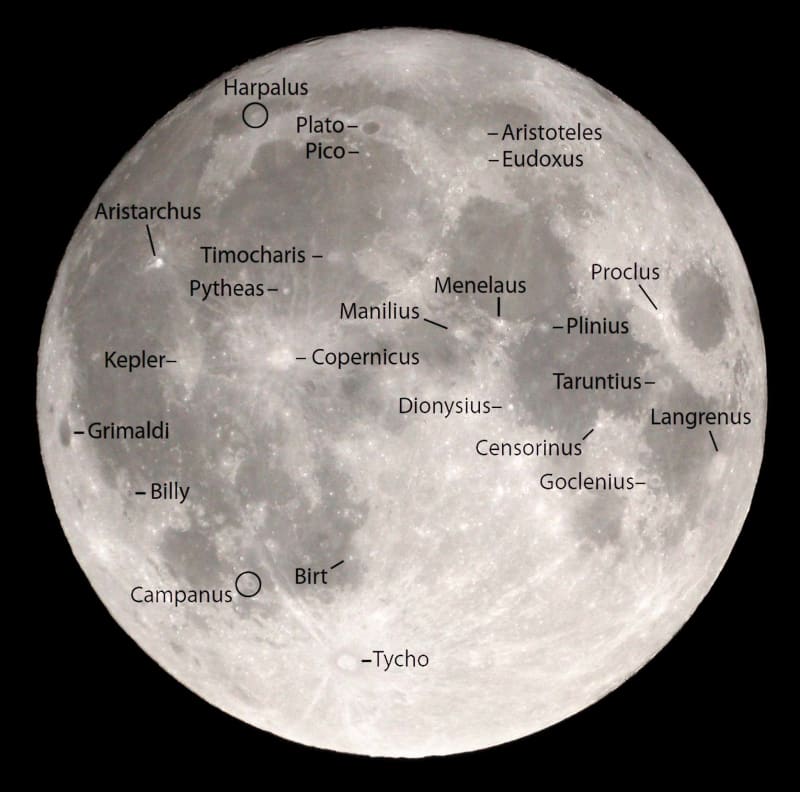
Amateur Astronomers Can Do Real Science During Lunar Eclipse
You don't need fancy equipment to contribute to real lunar science. The March 2026 total lunar eclipse offers three simple projects anyone with clear skies can tackle.
Find uplifting stories about heroes, innovations, and solutions
1370 results for "lunar colony"
You don't need fancy equipment to contribute to real lunar science. The March 2026 total lunar eclipse offers three simple projects anyone with clear skies can tackle.

On Tuesday morning, March 3rd, a total lunar eclipse will paint the full moon crimson as it passes through Earth's shadow, visible across North America with no special equipment needed. After this one, the next total lunar eclipse won't grace our skies until 2029.

France's Senate unanimously approved groundbreaking legislation to return cultural treasures taken from former colonies between 1815 and 1972. Countries across Africa are finally getting their heritage back after decades of requests.

When HBO's John Adams needed authentic Colonial voices, a dialect coach discovered our founders didn't sound American at all. The surprising truth about 1700s accents reveals how much closer we were to Britain than anyone thought.

Thousands of people cured of leprosy decades ago still live in India's 750 remaining colonies, but not because they have to. These communities have transformed into supportive homes where families thrive and stigma fades.

Germany is launching a national coordination council to oversee the return of artworks, artifacts, and human remains taken during colonial times. The move builds on years of work already underway to reunite African nations with their stolen cultural heritage.

Workers installing an elevator in Uruguay's historic Cabildo Museum uncovered a hidden water source that may solve mysteries about how colonial Montevideo survived sieges. The 18th-century discovery is rewriting the city's early history.

A new handbook and year-long action plan gives activists worldwide the tools to demand reparations for colonial exploitation. The resources launched in Geneva provide legal frameworks and media strategies to turn historical justice into reality.
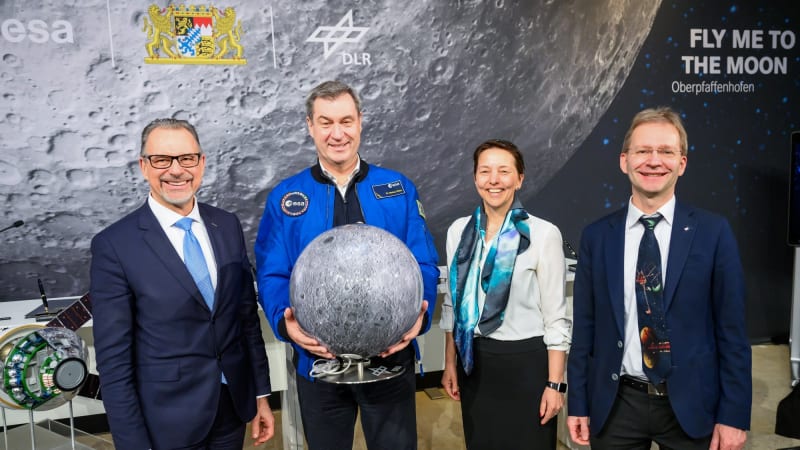
Germany is building a new mission control center dedicated to future moon and Mars missions, positioning itself as Europe's leader in human space exploration. The facility will employ 200 staff and support operations for NASA's Gateway lunar station by 2030.
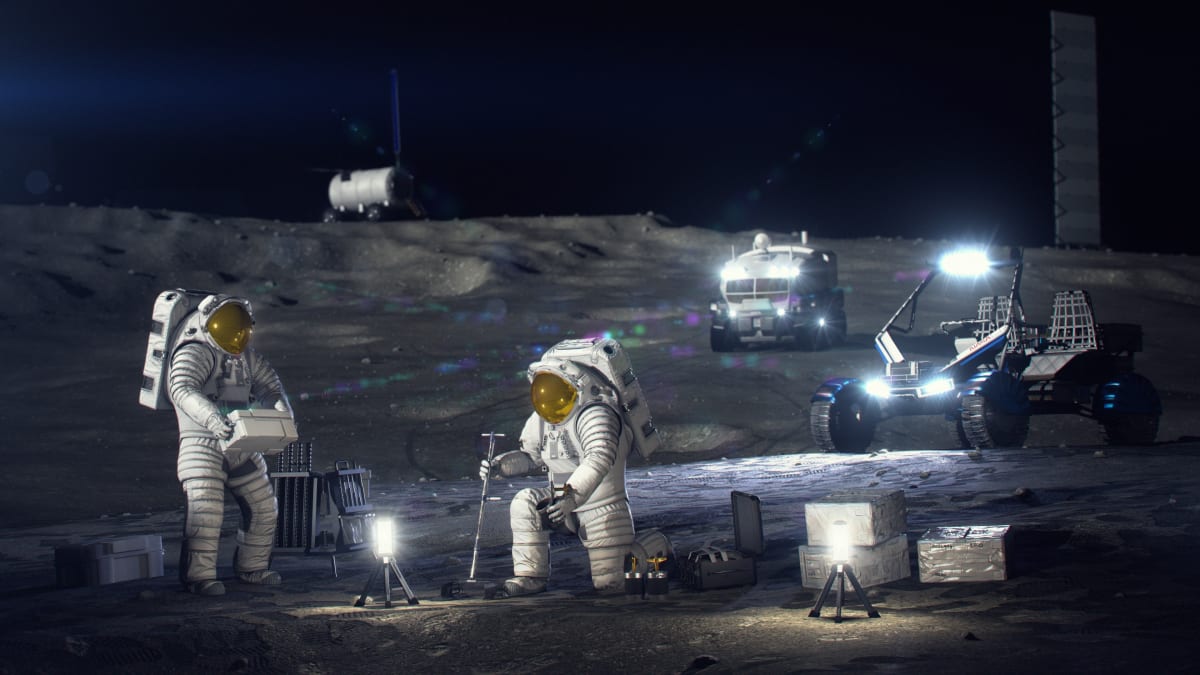
NASA will announce its roadmap for establishing a permanent human settlement on the Moon's south pole next week. The space agency is partnering with private companies to make sustained lunar living a reality within this decade.
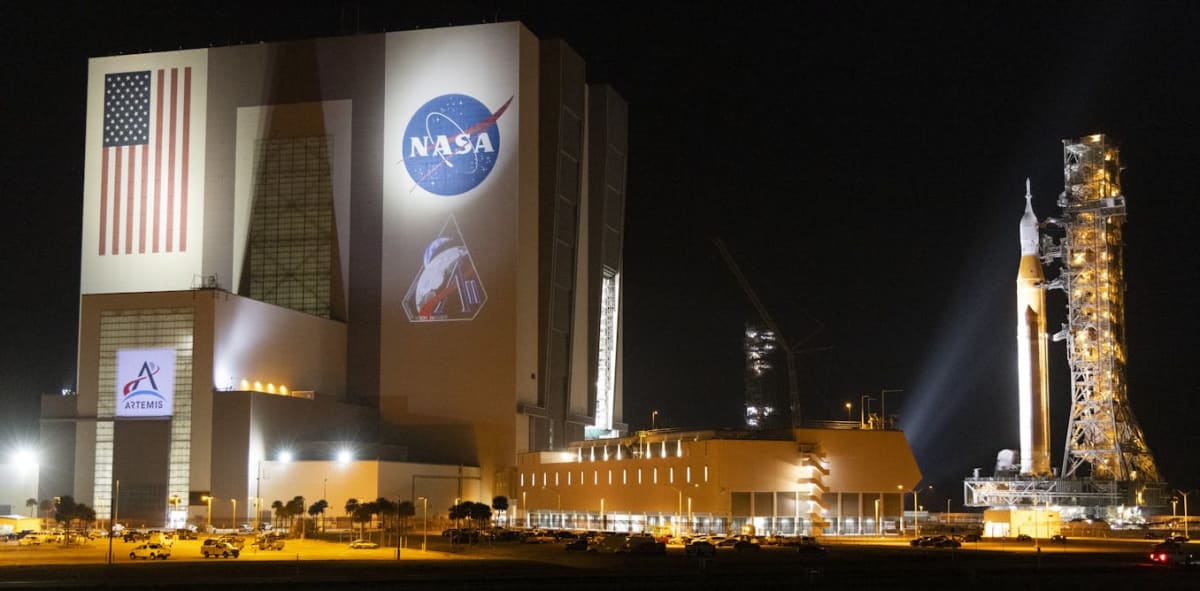
NASA is shifting from racing to the Moon to building a permanent home there. The agency's revamped Artemis program now prioritizes creating reliable systems for humans to live and work on the lunar surface long-term.
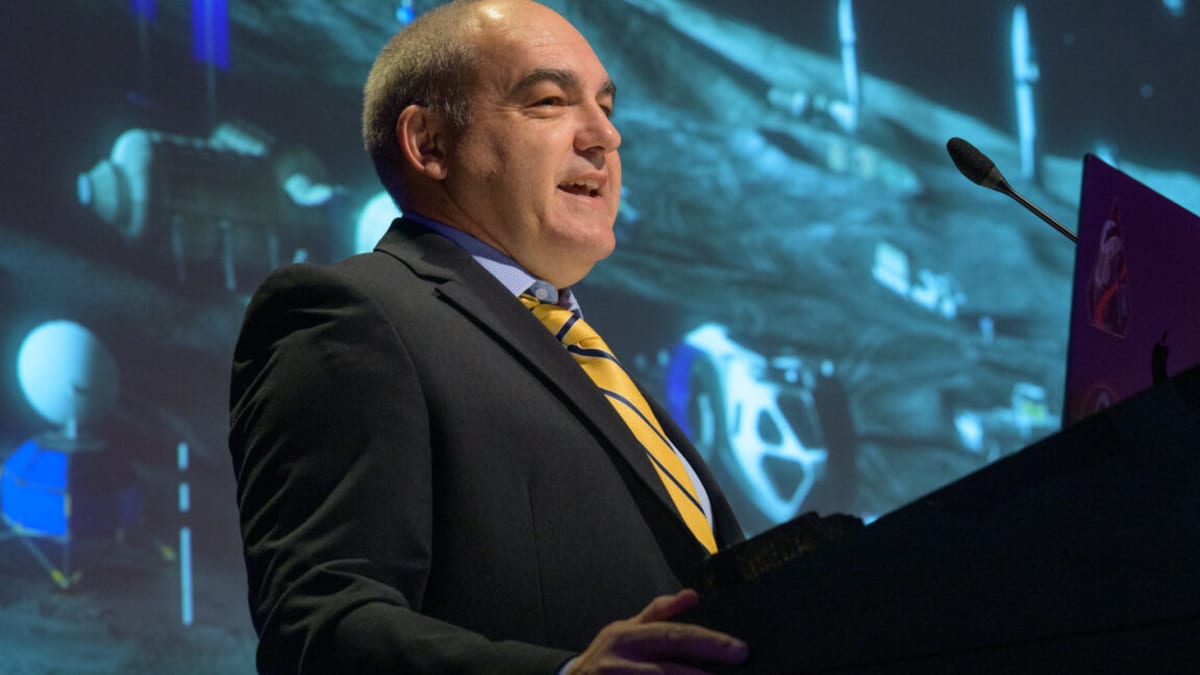
NASA has appointed Carlos Garcia-Galan to lead an ambitious plan to build a permanent Moon base, replacing the canceled Gateway orbital station. The agency is uniting all its lunar programs under one clear mission for the first time in years.
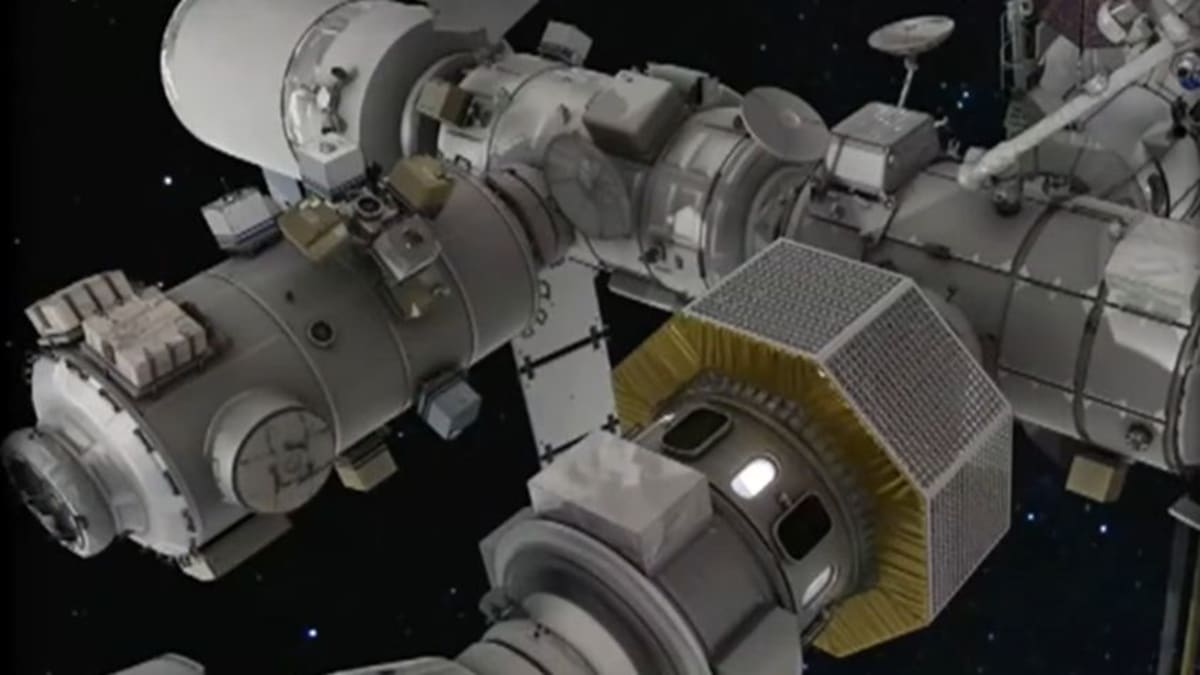
NASA is canceling its planned Gateway space station orbiting the moon to focus instead on building a permanent base on the lunar surface. The shift accelerates America's return to the moon with astronauts landing as early as 2028.

A private space company is about to send the first commercial lunar rover to the Moon carrying four NASA experiments that could unlock secrets about future moon bases. The mission launches later this year, marking a new era of public-private space exploration.
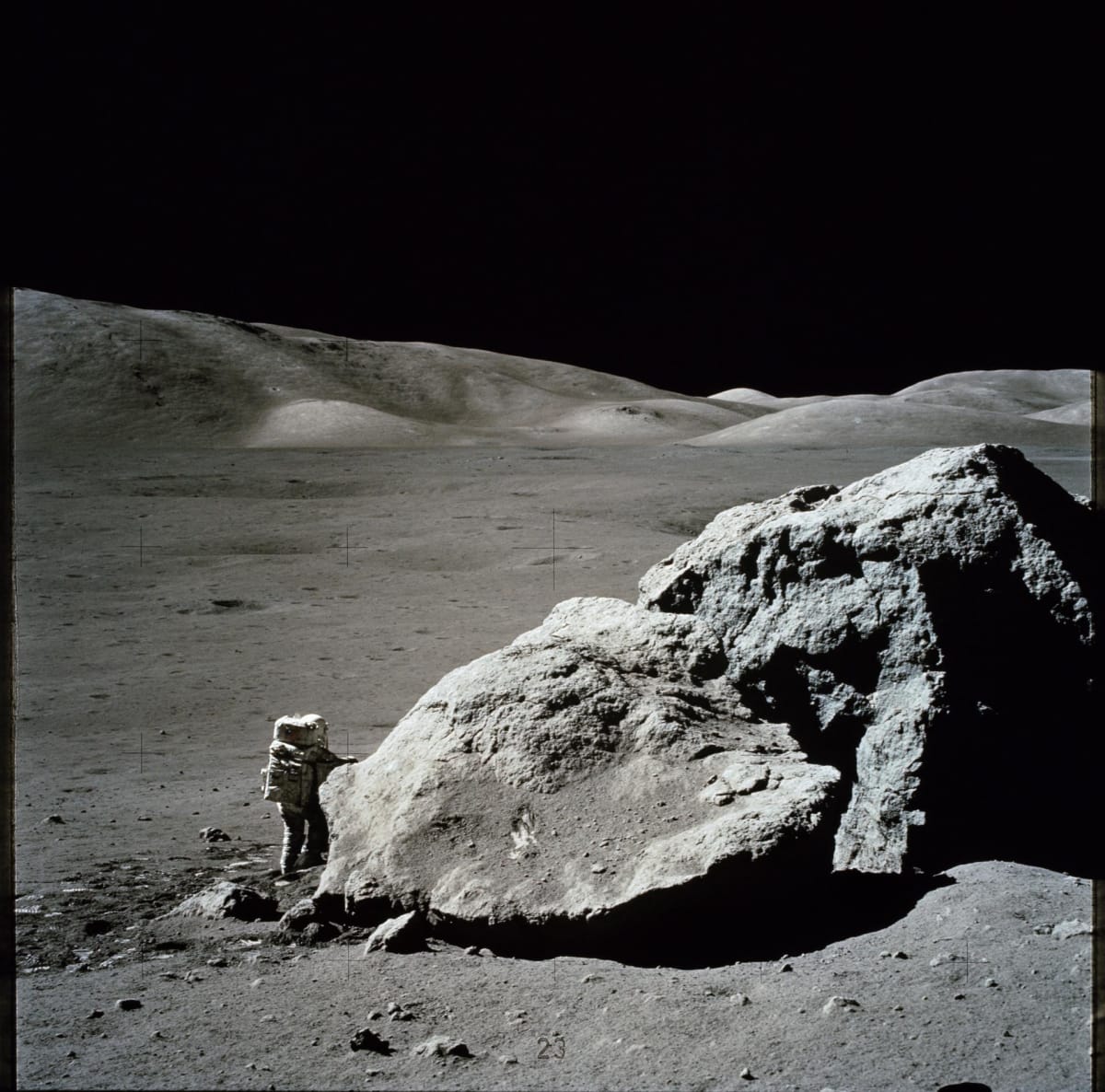
NASA is teaming up with Japan and India to scan the Moon's South Pole for water ice that could let astronauts breathe, refuel rockets, and build a lasting lunar home. The mission launches in 2028 with a special tool that spots hidden ice without drilling.
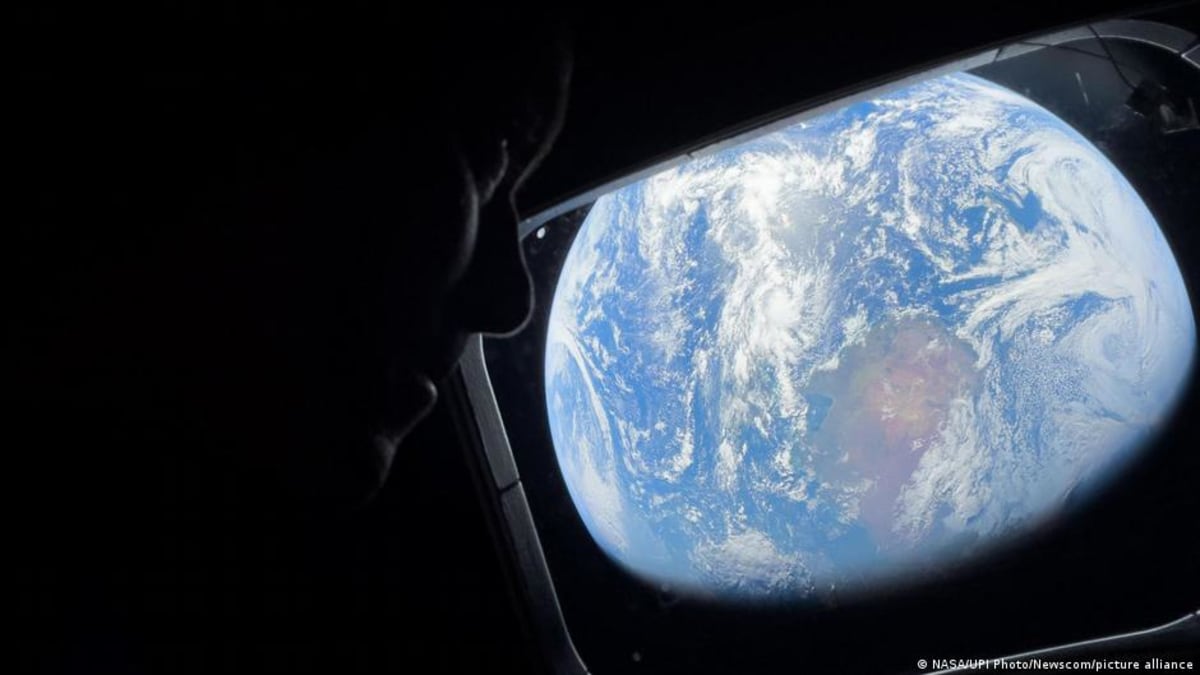
For the first time in over half a century, humans have reached the moon's gravitational sphere, marking a historic return to lunar exploration. The four-person Artemis II crew is breaking barriers and witnessing sights no human has ever seen with their own eyes.
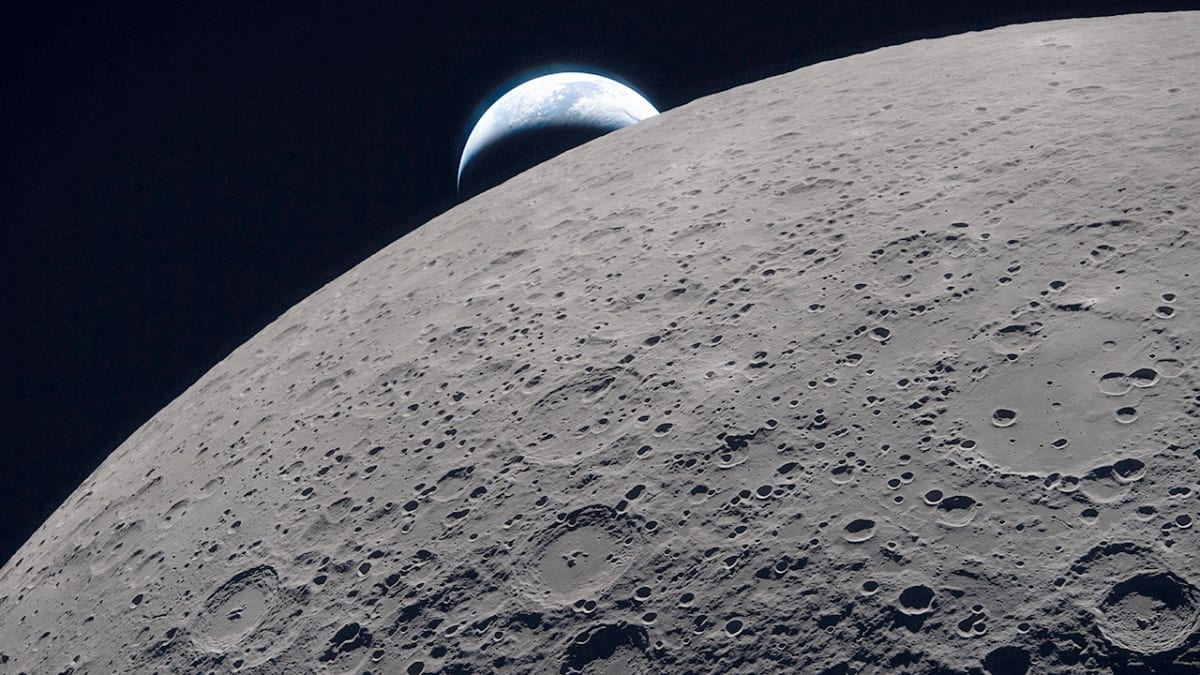
America is racing back to the Moon with three robotic missions launching by late 2026, all designed to help build the first permanent lunar outpost. NASA's ambitious Moon Base program will test commercial landers, rovers, and autonomous systems before astronauts return to stay.

NASA just announced it's canceling plans for a lunar space station and instead will build an ambitious Moon base over the next decade. The agency is shifting from expensive, slow-moving projects to focused action that could land four astronauts on the Moon for month-long missions within 12 years.
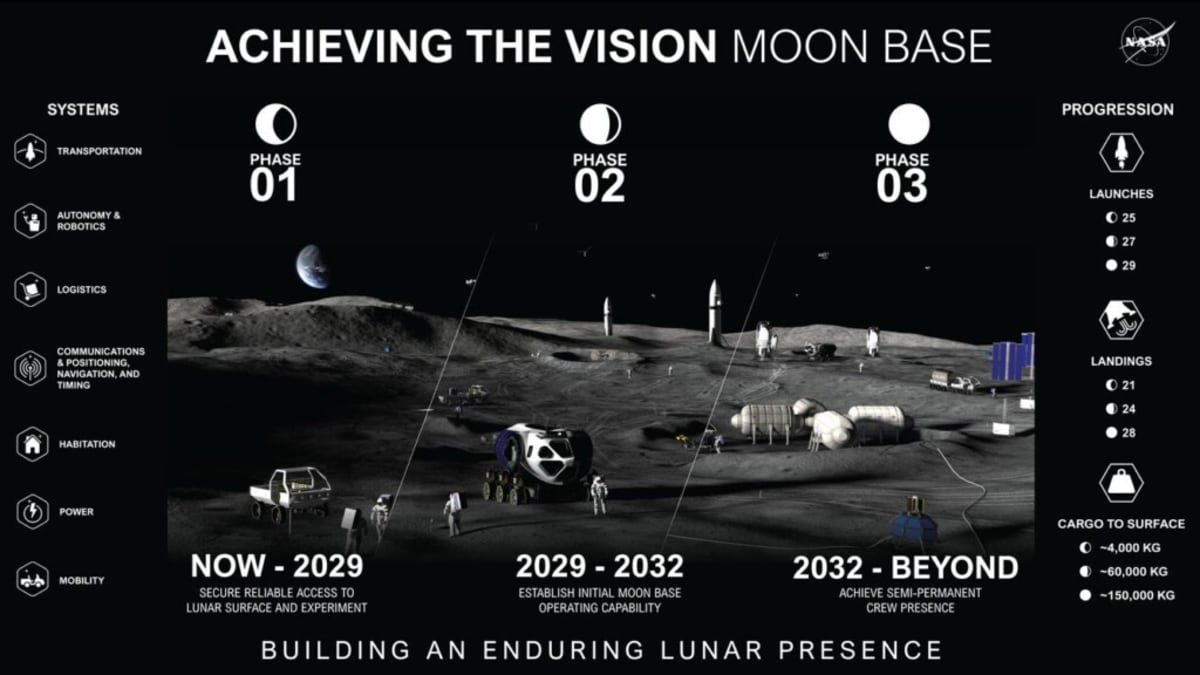
NASA just announced its ambitious Moon Base program, launching three unmanned missions starting in 2026 to prepare for humanity's first return to the Moon since 1969. The missions will test equipment, map landing sites, and build infrastructure for a permanent human presence on the lunar surface.
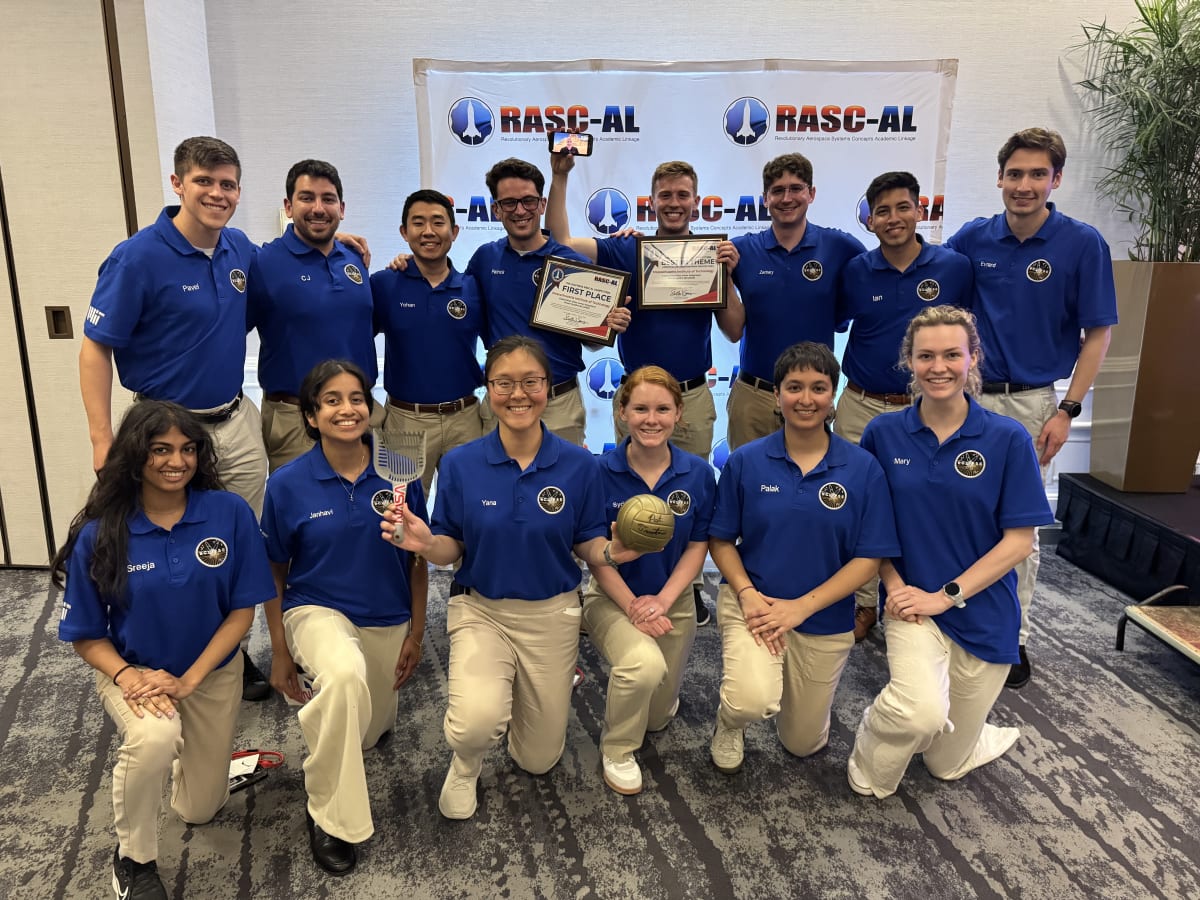
College teams just showed NASA how the next generation plans to power the moon. MIT students took top honors at NASA's 2026 innovation competition with a breakthrough lunar energy system that could support future Artemis missions.
Showing 20 of 1370