
Apple's Canceled Car Project Powers New AI Chip Boom
Apple's abandoned self-driving car wasn't a total loss. The technology developed for that failed project became the foundation for the company's industry-leading AI chips.
Find uplifting stories about heroes, innovations, and solutions
966 results for "m7 chip"
Apple's abandoned self-driving car wasn't a total loss. The technology developed for that failed project became the foundation for the company's industry-leading AI chips.
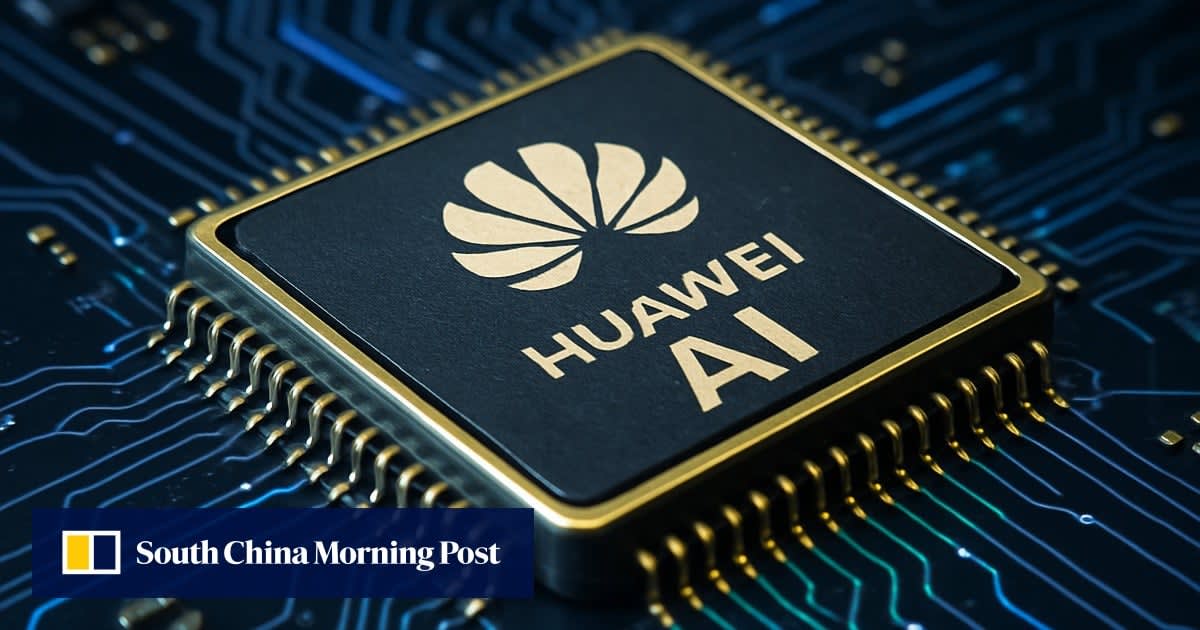
Chinese tech giant Huawei just announced a breakthrough that could reshape the semiconductor industry. The company's new scaling law and chip architecture aims to match the world's most advanced chips within five years.

Malaysia's Penang state just opened a cutting-edge shared laboratory where chip design companies can test and validate their innovations together, marking a major leap in the nation's semiconductor ambitions. The facility is part of a bold initiative that's already created 9,500 high-tech jobs and doubled the region's chip design companies in just months.

South Korean scientists built an AI chip component that survived radiation equal to 20 years in space. It's the first chip of its kind proven to work in extreme space conditions.

Engineers have created a device that generates miniature earthquake-like vibrations on a microchip, potentially making smartphones smaller, faster, and more energy efficient. The breakthrough phonon laser could replace bulky hardware with a single chip.
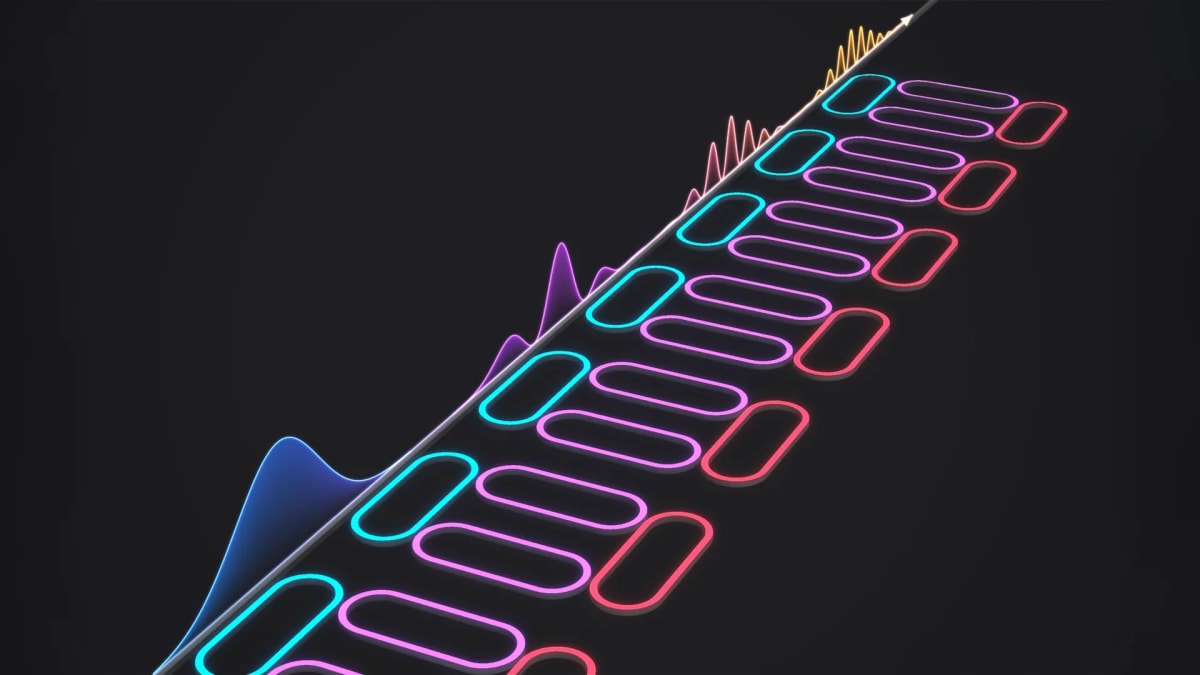
Researchers have created a programmable chip that can slow down light whenever needed, solving a major bottleneck in optical computing. The breakthrough could make AI servers and data centers faster, cheaper, and far more energy efficient.
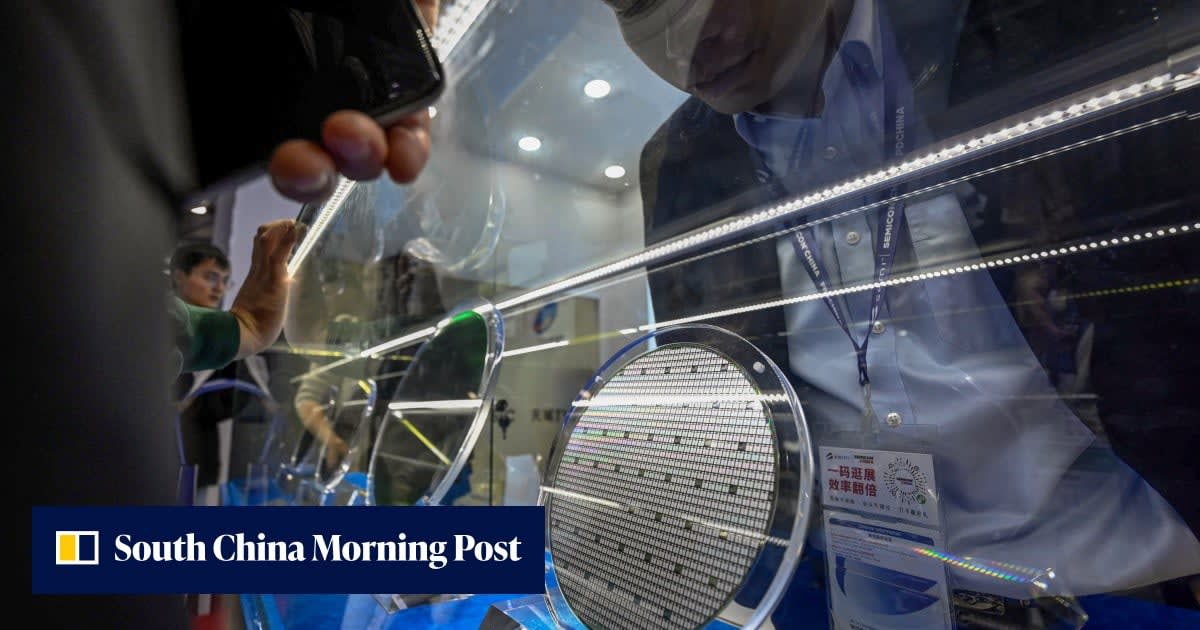
A Chinese company just solved a major chip manufacturing challenge with a new wafer polishing system that could reshape the tech supply chain. While the world fixates on lithography machines, China's Hwatsing Technology quietly captured 37% of the global polishing market.
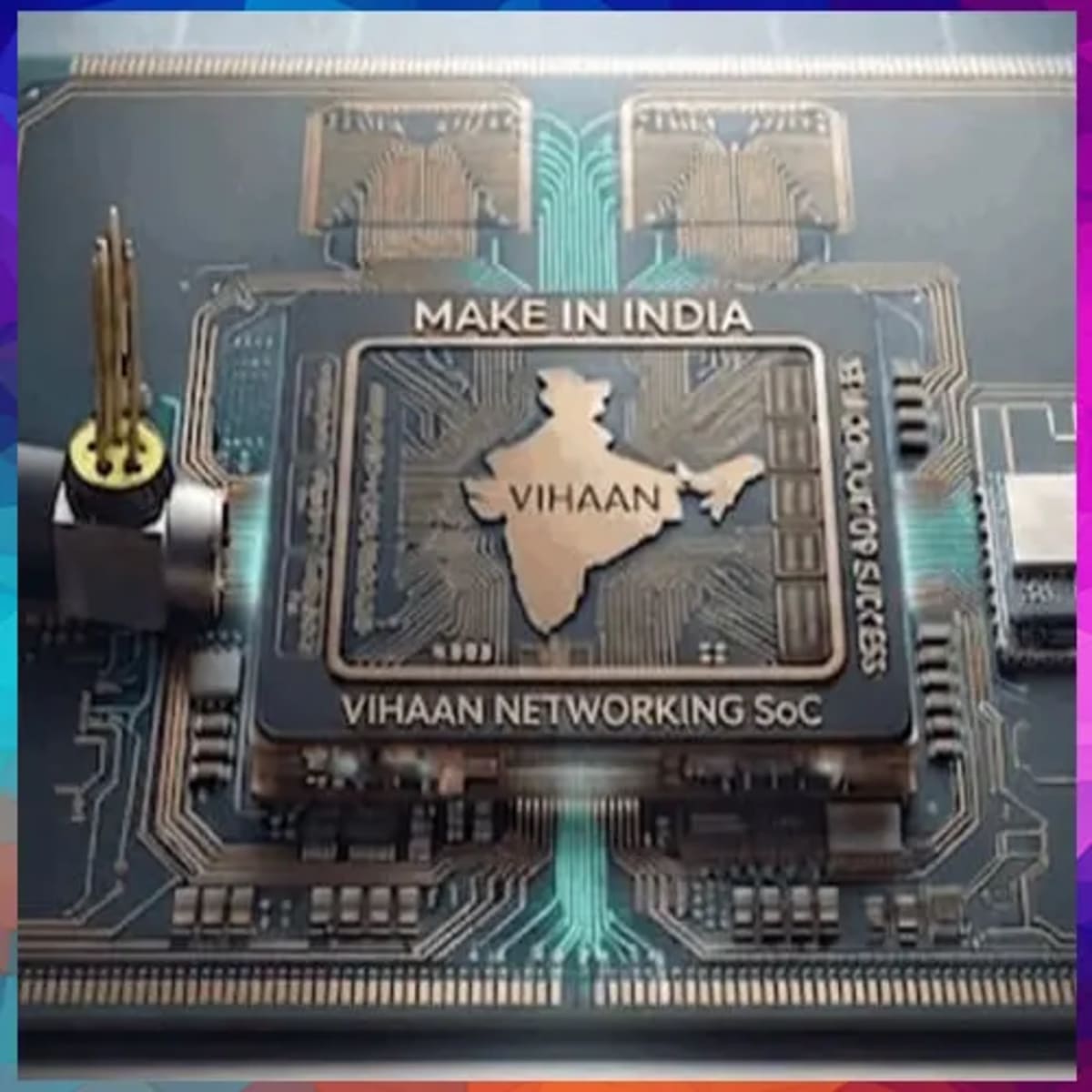
A Chennai-based tech startup just achieved a rare engineering feat: their first indigenous broadband chip worked perfectly on the first try. This breakthrough positions India closer to building its own semiconductor industry from the ground up.

Samsung just created the world's first working computer memory chip smaller than 10 nanometers, packing 50% more memory into the same space. The breakthrough could eventually make phones, laptops, and computers more affordable and powerful.
The Dutch government just broke ground on a cutting-edge test factory where researchers and businesses can develop the next generation of computer chips. This facility in Eindhoven could help Europe lead the future of faster, more efficient technology.
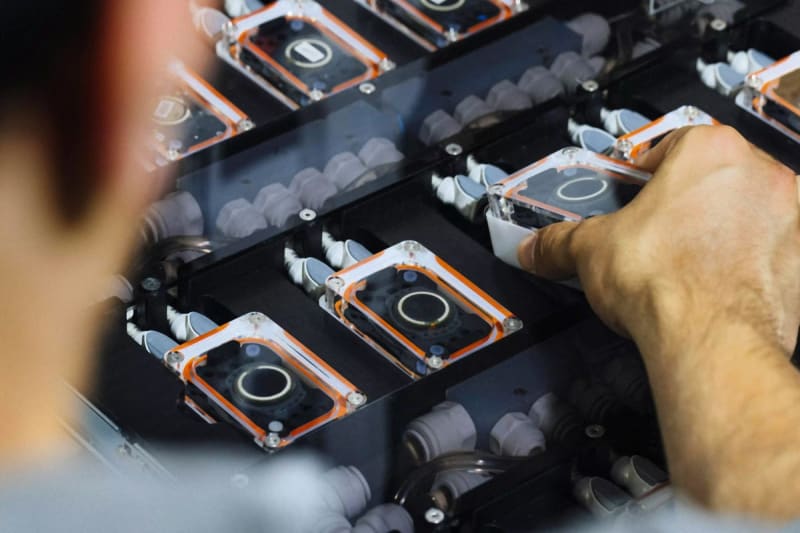
After decades of research, the scientist who created the first brain chip says the technology is ready to help paralyzed people control computers and restore speech. Companies like Neuralink are racing to bring these life-changing devices to patients who need them most.
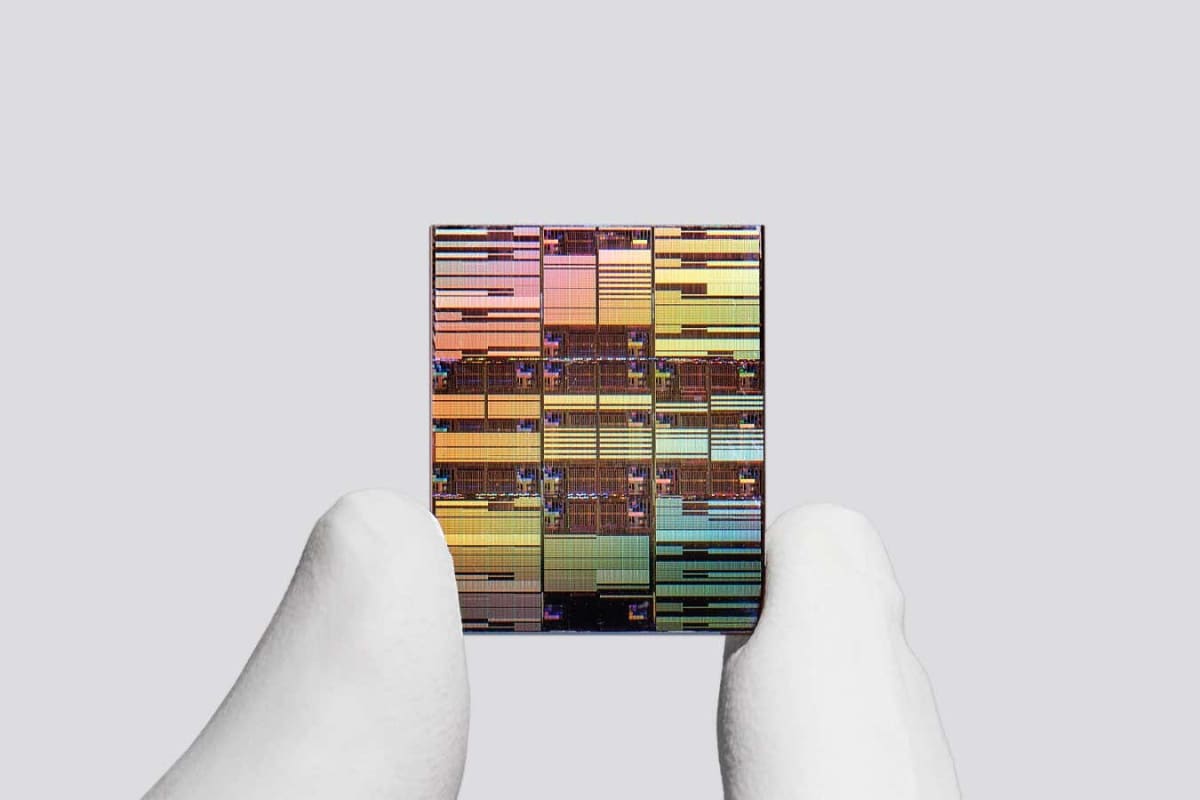
IBM just shattered records with a fingernail-sized chip containing nearly 100 billion transistors, almost double the previous best. The breakthrough could make our devices 70% more energy-efficient within a decade.
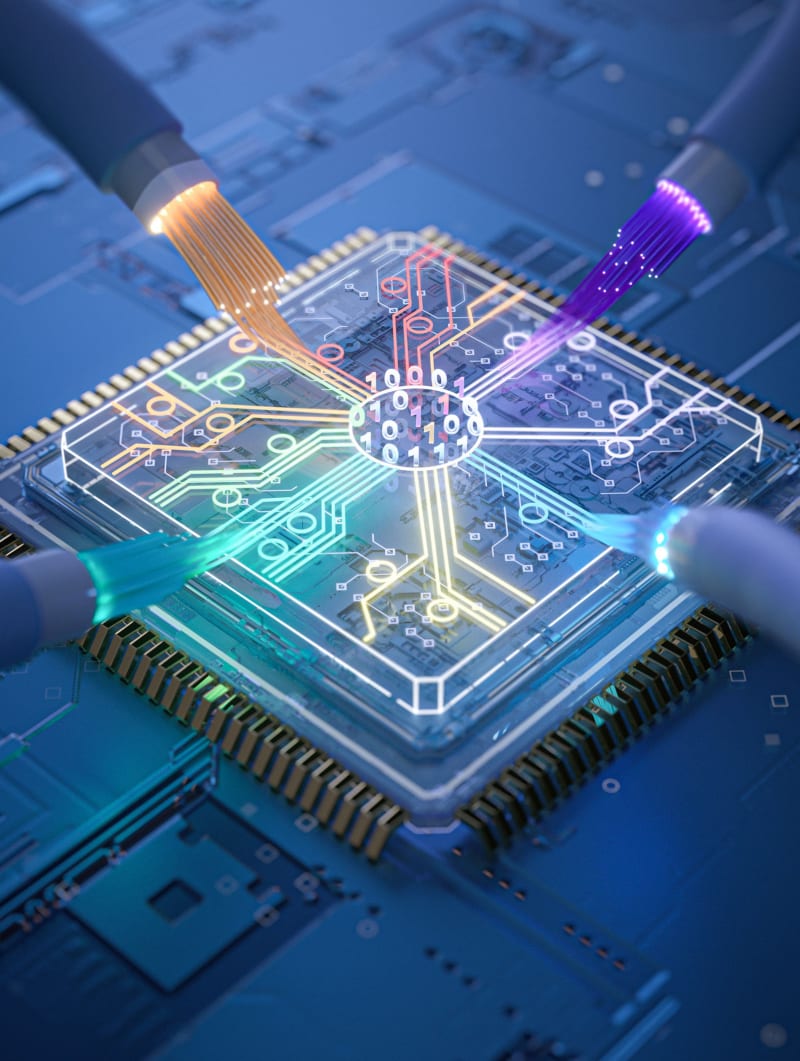
Scientists have created computer chips that transmit light with almost zero loss, matching the performance of fiber optic cables. This breakthrough could revolutionize quantum computing, AI data centers, and precision timekeeping.

Israel just launched a $40 million initiative to develop cutting-edge photonic chips that could revolutionize computing speed and energy efficiency. The collaboration between two government innovation agencies aims to keep Israel at the forefront of semiconductor technology.
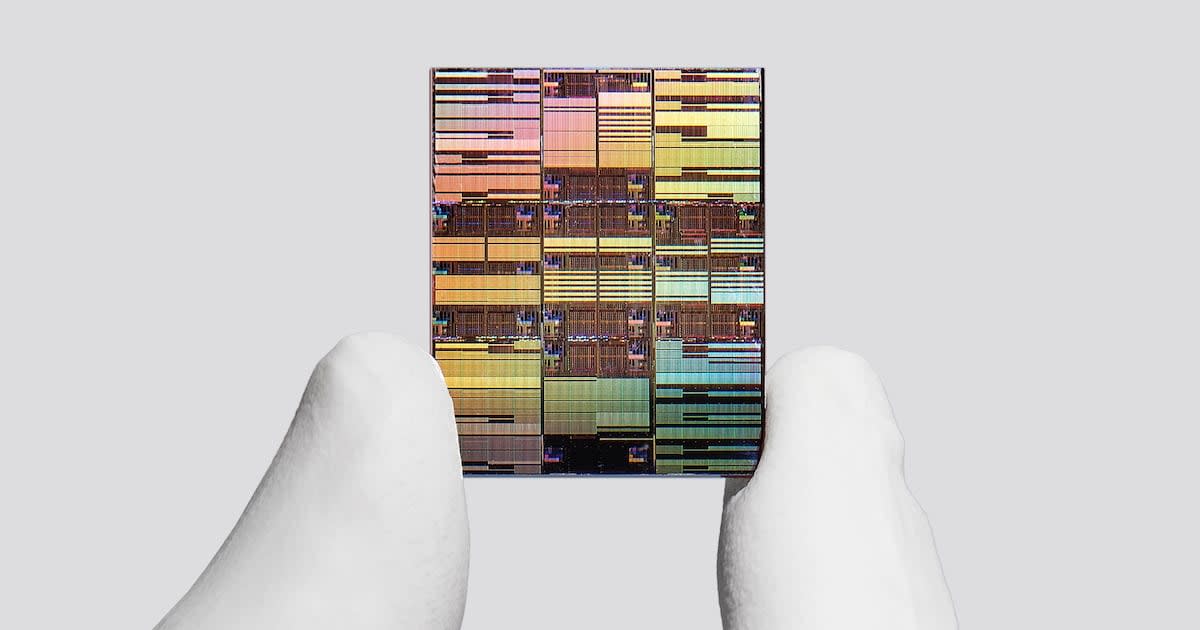
IBM just unveiled the world's first sub-1 nanometer chip technology, packing nearly 100 billion transistors onto a fingernail-sized space. The breakthrough could power the next generation of AI while dramatically cutting energy consumption.

NASA just unveiled a revolutionary computer chip that's 100 times more powerful than today's space processors, opening the door for faster Mars rovers and smarter spacecraft. The technology could also transform everything from medical equipment to energy grids here on Earth.
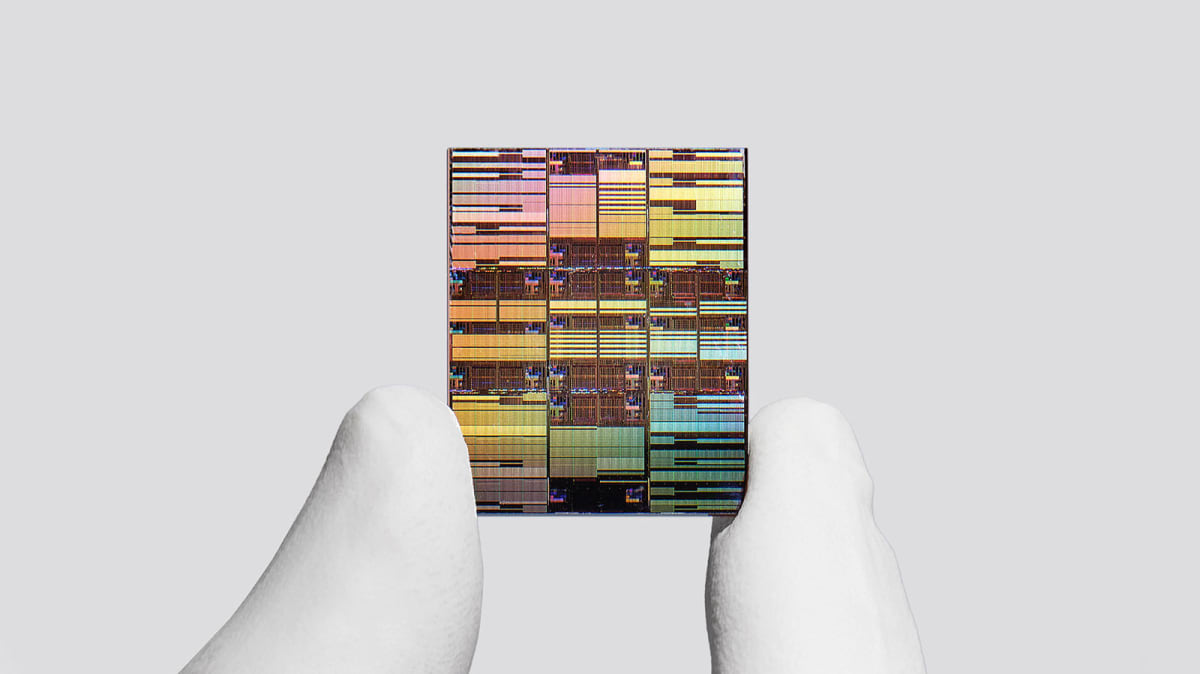
IBM just achieved what many thought impossible: a functioning computer chip smaller than a single nanometer, packing 100 billion transistors into a fingernail-sized piece of silicon. This breakthrough could mean laptops and phones that run twice as fast while using far less battery power.
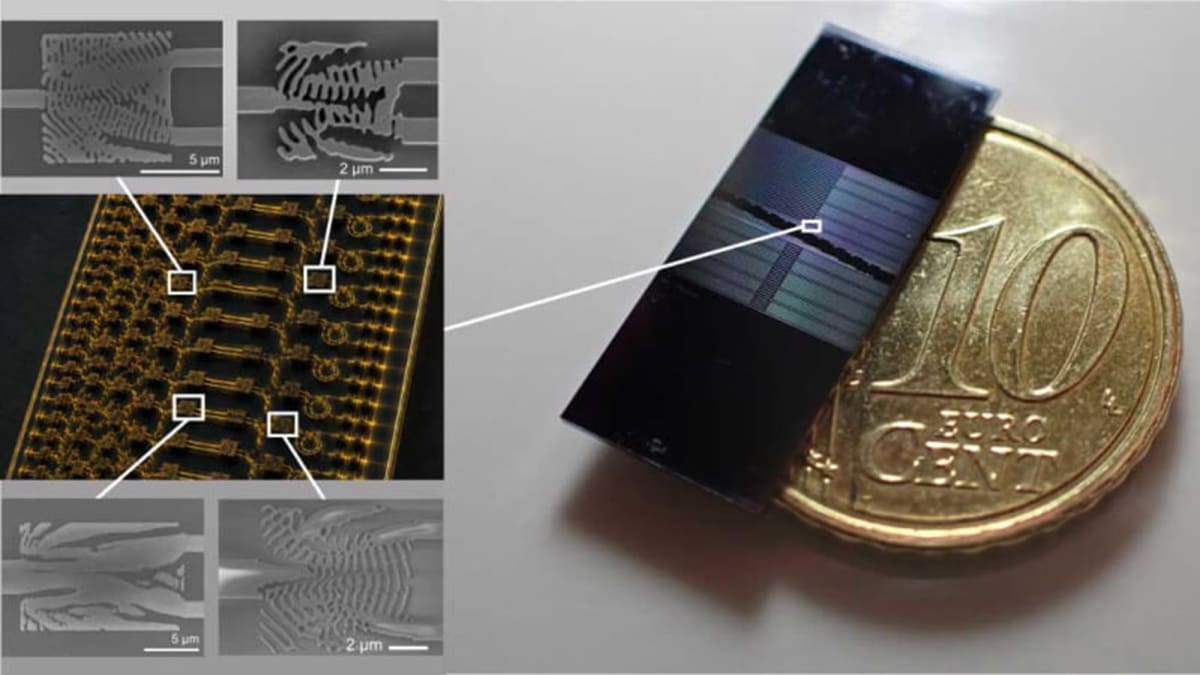
Scientists used artificial intelligence to design photonic microchip components 500 times smaller than human engineers could create, opening the door for faster, more powerful computer chips. The breakthrough shows AI can now generate practical, boundary-pushing designs that were previously "beyond human intuition."

A heritage steam train serving classic fish and chips is bringing joy to passengers traveling through the English countryside. The Norfolk Fryer combines 1950s charm with fresh seaside flavors on a scenic 90-minute journey.

Researchers in Milan just created a chip that slashes energy use by up to 5,000 times while speeding up data processing. This breakthrough could make artificial intelligence far more sustainable and accessible.
Showing 20 of 966