Zero-Pollution Herbicide Kills Weeds, Not Crops
Scientists in China discovered a fungus that eliminates weeds without chemicals, pollution, or harm to crops. The breakthrough could transform farming into a safer, greener practice worldwide.
Find uplifting stories about heroes, innovations, and solutions
147 results for "microbial herbicide"
Scientists in China discovered a fungus that eliminates weeds without chemicals, pollution, or harm to crops. The breakthrough could transform farming into a safer, greener practice worldwide.
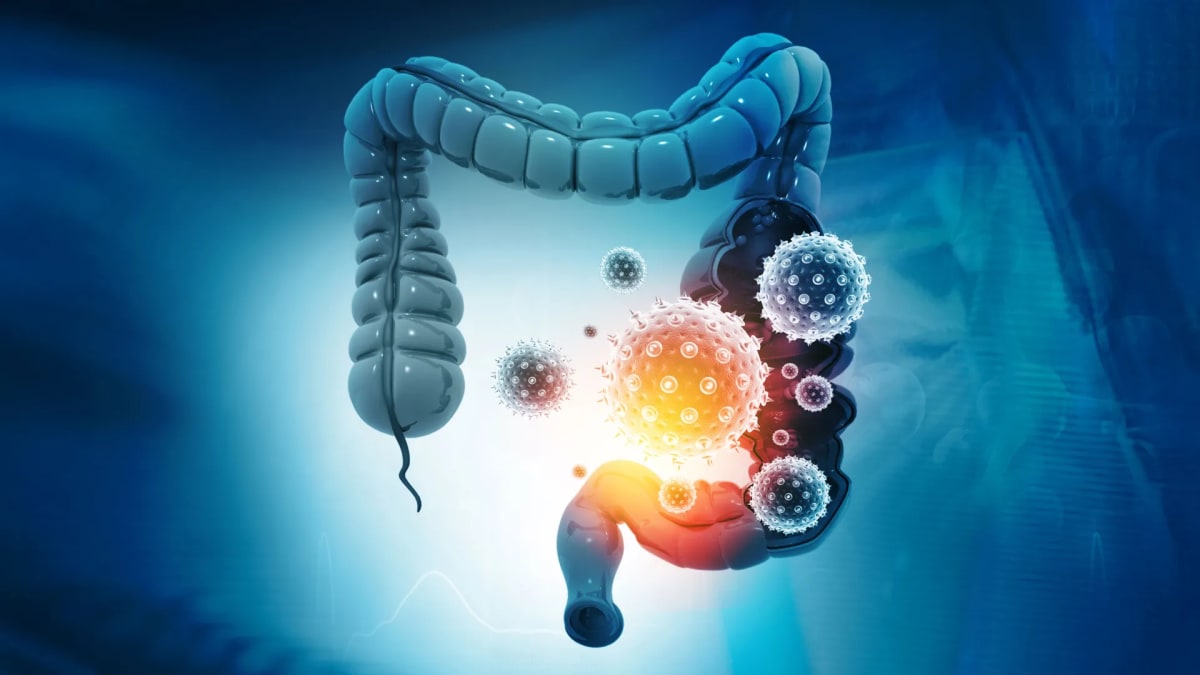
Scientists discovered that colorectal cancer carries a unique microbial signature that sets it apart from all other cancers, opening new possibilities for diagnosis and personalized treatment. The finding challenges decades of assumptions about how microbes interact with tumors.

Scientists studying 99 Pacific coral reefs found 645 new microbial species producing powerful chemical compounds that could lead to future medical breakthroughs. Over 99% of these tiny organisms had never been studied before.
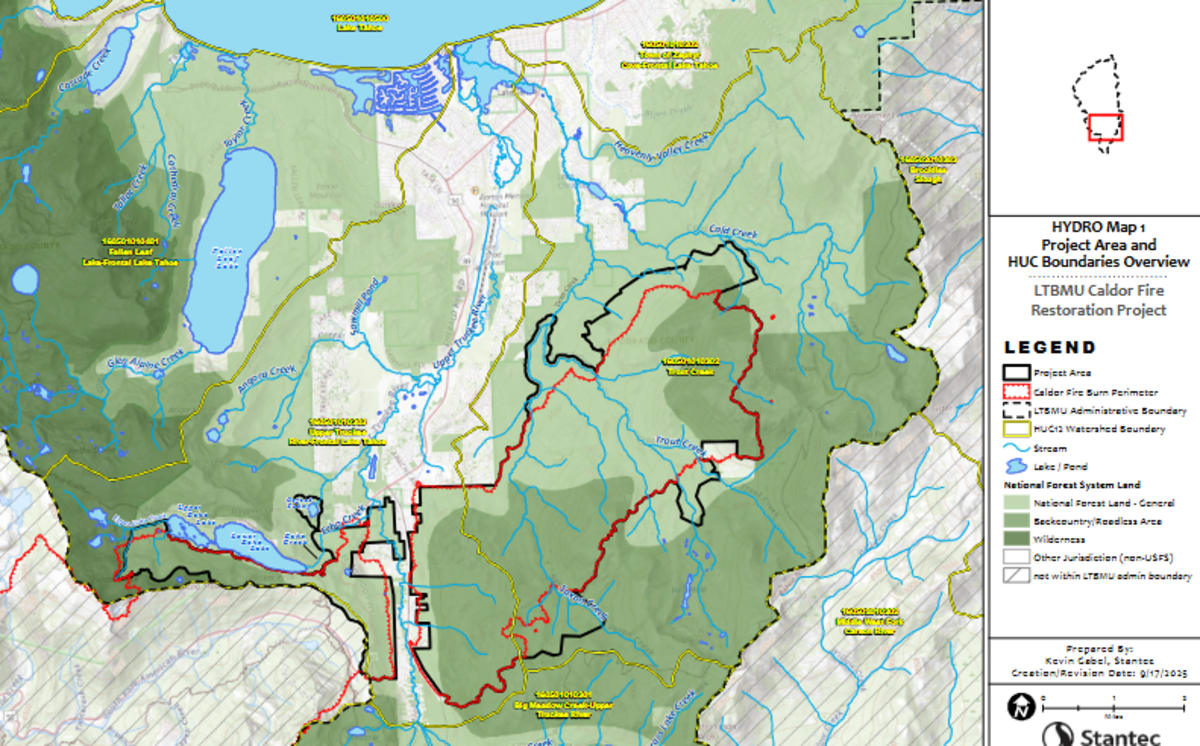
After community concerns, the U.S. Forest Service is skipping herbicides for the next two years in its massive Lake Tahoe reforestation project. The agency will rely on hand thinning and mechanical methods to restore 11,700 acres burned in the 2021 Caldor Fire.

Scientists discovered over 4,000 microbial species in coral reefs, with 99% previously unknown to science, potentially unlocking new antibiotics and cancer treatments. This underwater "molecular goldmine" could revolutionize medicine while giving us another crucial reason to protect these threatened ecosystems.

Scientists discovered towering microbial structures beneath Antarctica's frozen Lake Unter-See that mirror Earth's oldest fossils and might reveal how life survives on icy planets. These ancient life forms create oxygen-rich water under permanent ice, offering hope for finding life beyond Earth.
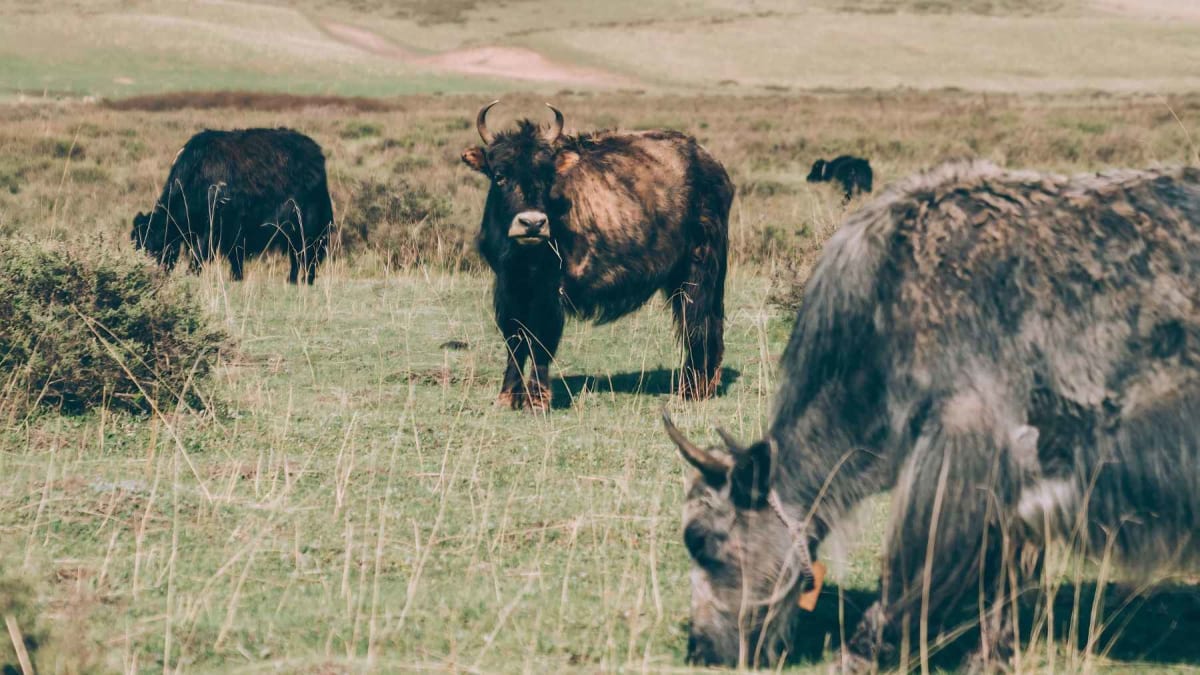
Researchers discovered thousands of unknown microbial species by studying fecal samples from yaks, sheep, and other herbivores on the Qinghai-Tibetan Plateau. The hidden ecosystem could lead to new medicines, climate solutions, and industrial breakthroughs.
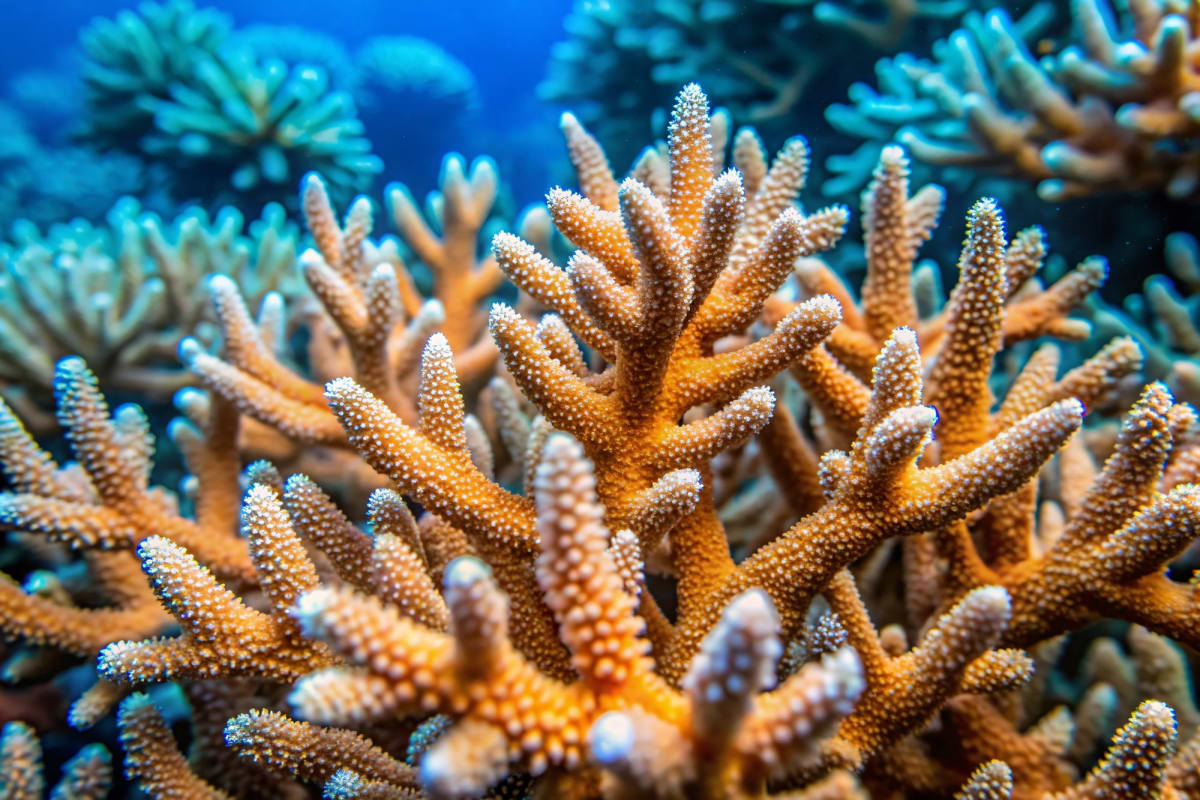
Scientists discovered 645 previously unknown microbial species living in coral reefs across the Pacific, revealing a hidden world that could unlock future medical breakthroughs. These microscopic communities produce natural compounds with enormous potential for medicine and biotechnology.
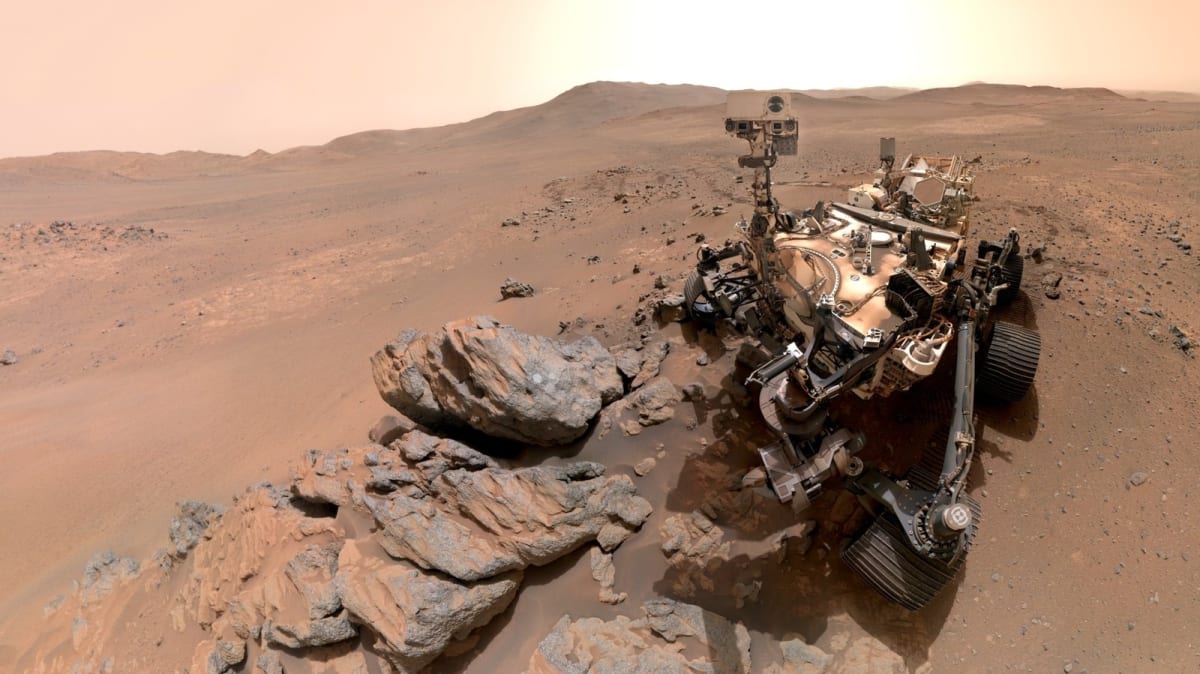
NASA's Perseverance rover just snapped its sixth selfie from Mars while exploring some of the oldest terrain it's encountered in five years. The rover is now studying rocks nearly 3.9 billion years old that could hold clues to ancient microbial life.
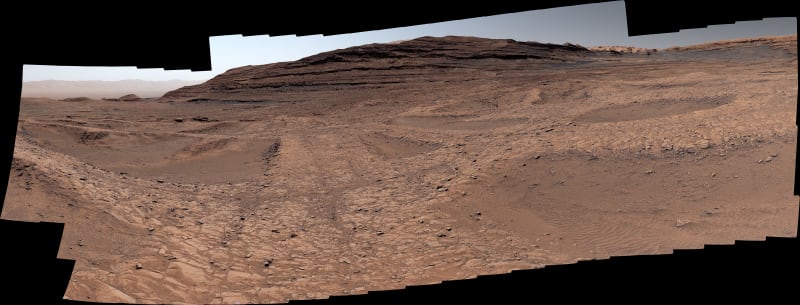
NASA's Curiosity rover has spent six months exploring mysterious ridge formations on Mars that look like giant spiderwebs from space. The discovery suggests water existed on the Red Planet far longer than scientists thought, meaning ancient microbial life could have survived there much longer too.
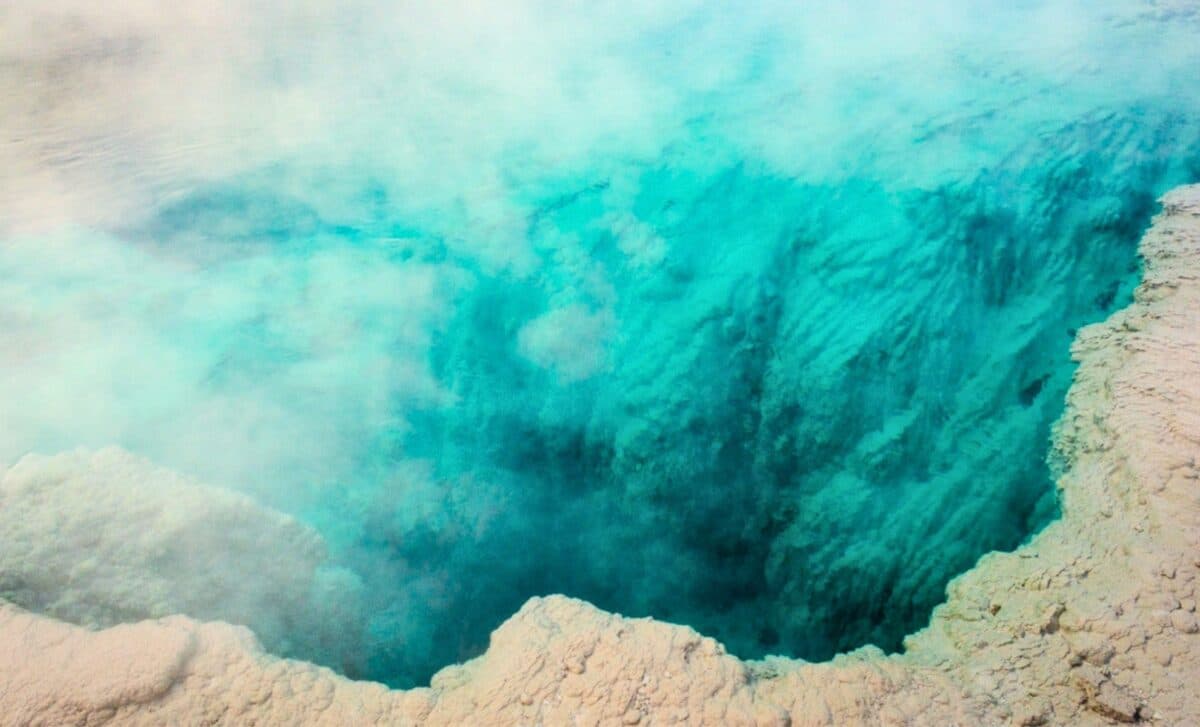
Scientists discovered a global network of water trapped underground for up to 2.6 billion years that produces hydrogen and could support entire ecosystems we never knew existed. The finding doubles our estimates of where life might thrive on Earth and offers new hope for discovering life on Mars.

Researchers at McGill University have cracked the code on converting human urine into clean energy using bacteria-powered fuel cells. The breakthrough could bring sustainable power to disaster zones and off-grid communities worldwide.
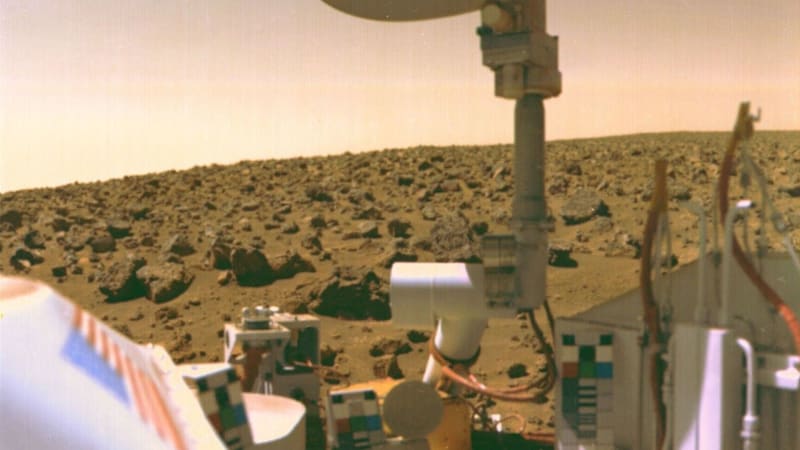
NASA's 1976 Viking missions may have actually discovered life on Mars, but scientists misread the data for half a century. New analysis suggests the experiments detected microbial life all along.
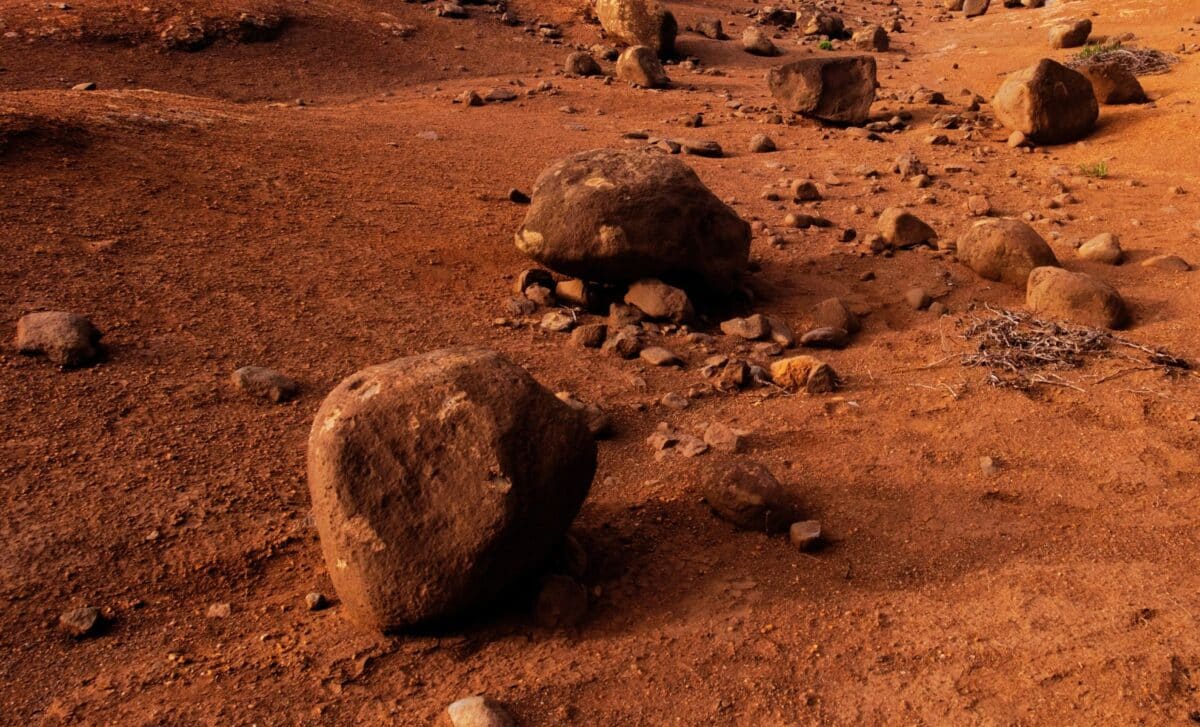
NASA's Perseverance rover discovered the highest nickel levels ever found in Martian bedrock, revealing a surprisingly rich ancient environment that could have supported life. The mineral patterns mirror formations on Earth that are sometimes linked to microbial activity.

Scientists in Alaska discovered 26 new microbial species in 40,000-year-old permafrost that could revolutionize cold weather protection. The tiny organisms may lead to anti-icing coatings for planes and creams that prevent frostbite.
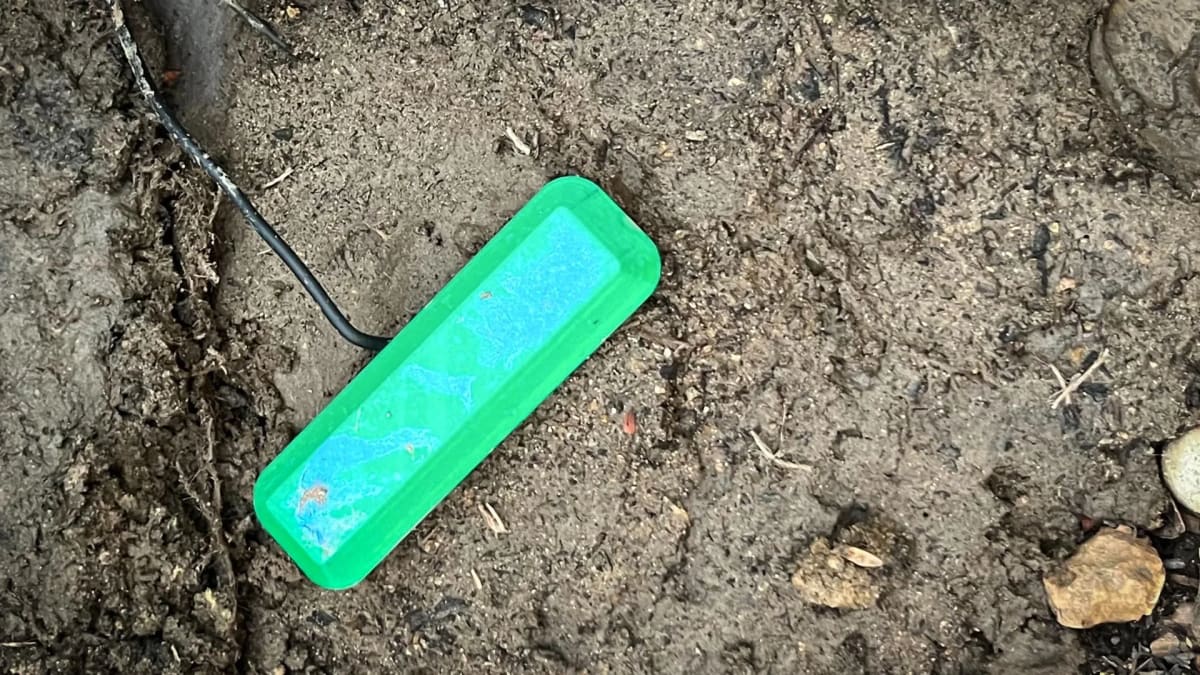
Researchers have created a fuel cell that uses soil microbes to generate electricity, potentially replacing batteries in underground sensors. The paperback-sized device works in wet or dry conditions and could transform sustainable farming technology.
Wrinkled patterns in 180-million-year-old Moroccan rocks reveal microbes survived in total darkness where sunlight-loving organisms should never exist. The discovery rewrites what we know about life in Earth's ancient oceans.

A new study reveals that babies attending daycare swap beneficial gut bacteria with their peers within just one month, building healthier, more diverse microbiomes. This natural exchange might benefit them for decades to come.
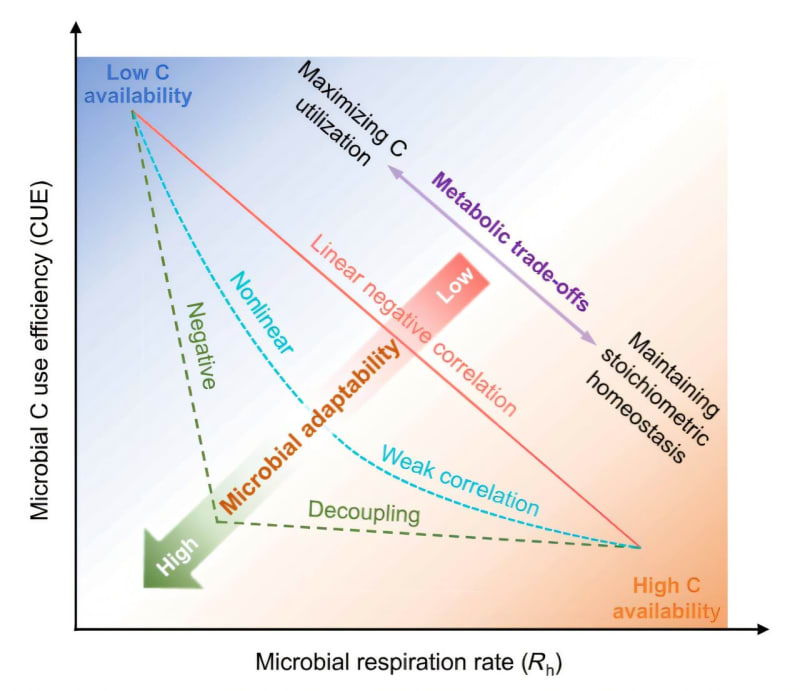
New research reveals soil microorganisms in productive ecosystems trap carbon far more efficiently than previously believed, offering fresh hope for natural climate solutions. The discovery could transform how we manage soils to fight climate change.

Indian farmers are facing a new threat from an underground weed that destroys mustard crops before anyone sees it, but scientists are fighting back with innovative crop solutions. The breakthrough could protect India's biggest edible oil source and secure food for millions.
Showing 20 of 147