New Moon Spacesuits Ready for Testing in 2027
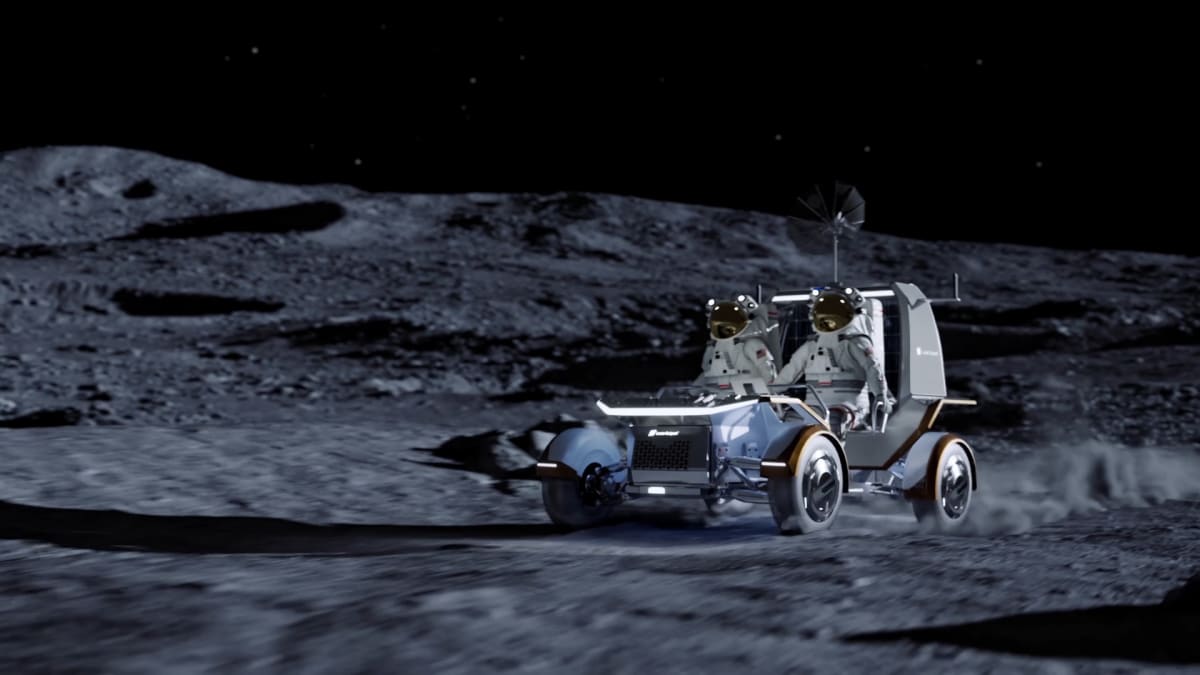
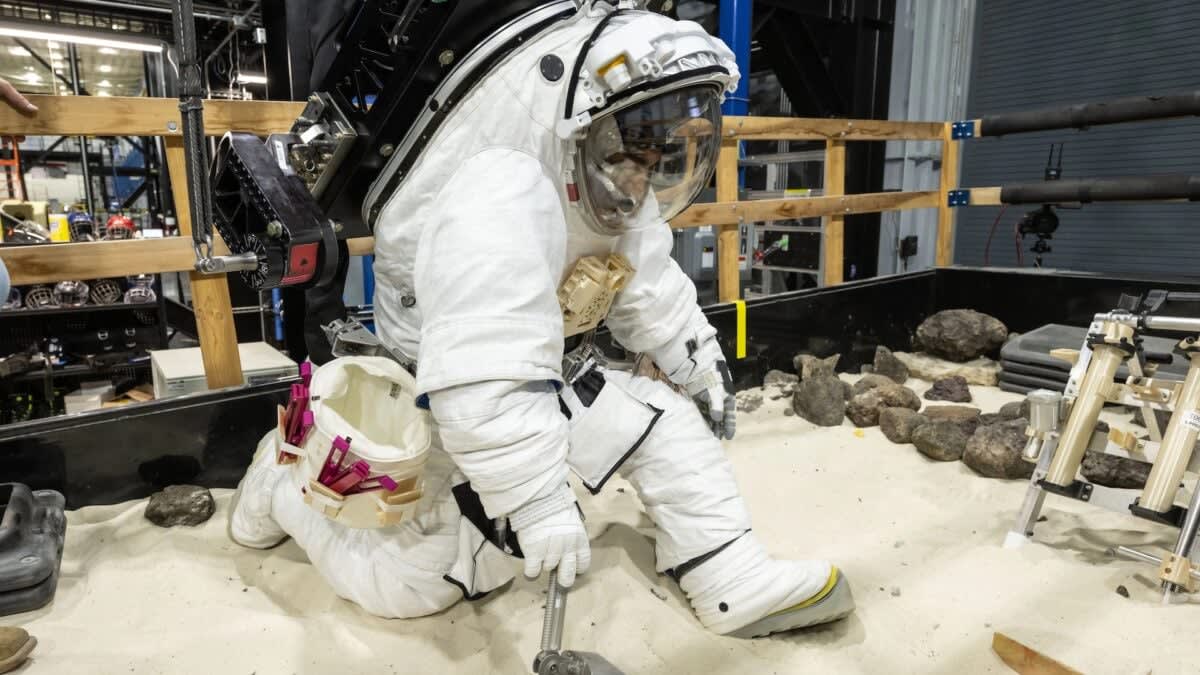
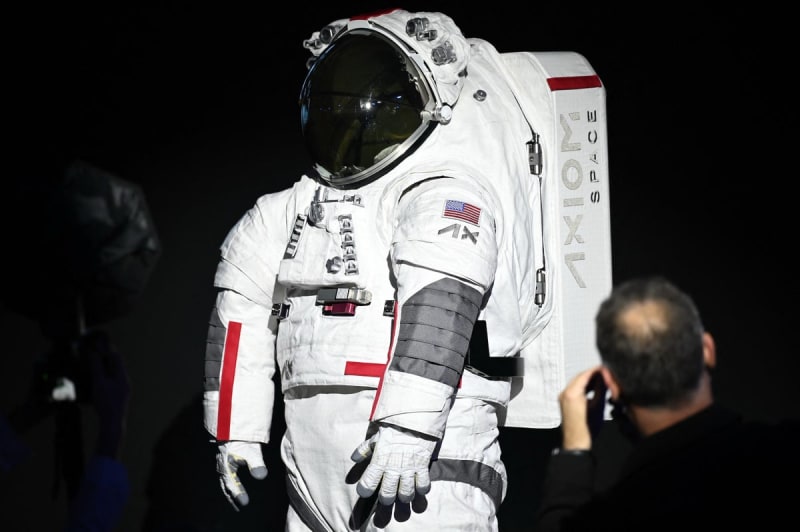
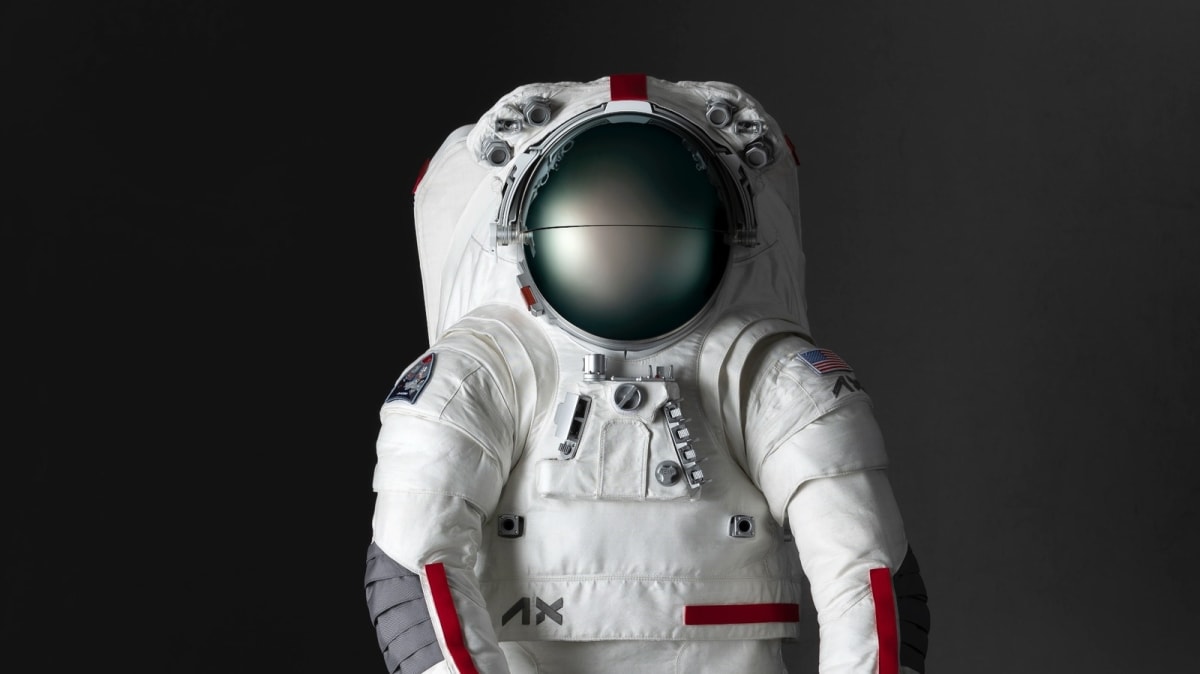
Astronauts will soon test sleek new spacesuits designed for the first Moon walks in over 50 years. Axiom Space is racing to certify their next-generation suits in time for NASA's 2027 Artemis missions.
Find uplifting stories about heroes, innovations, and solutions
18 results for "new moon"

Astronauts will soon test sleek new spacesuits designed for the first Moon walks in over 50 years. Axiom Space is racing to certify their next-generation suits in time for NASA's 2027 Artemis missions.

A giant hole in the sun's atmosphere is sending colorful auroras as far south as New York and Idaho Friday and Saturday night. The new moon means darker skies and better viewing conditions for one of nature's most stunning light shows.

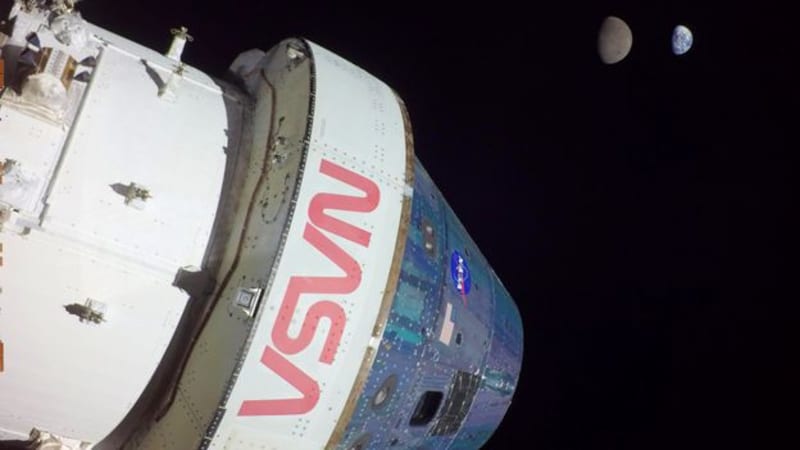
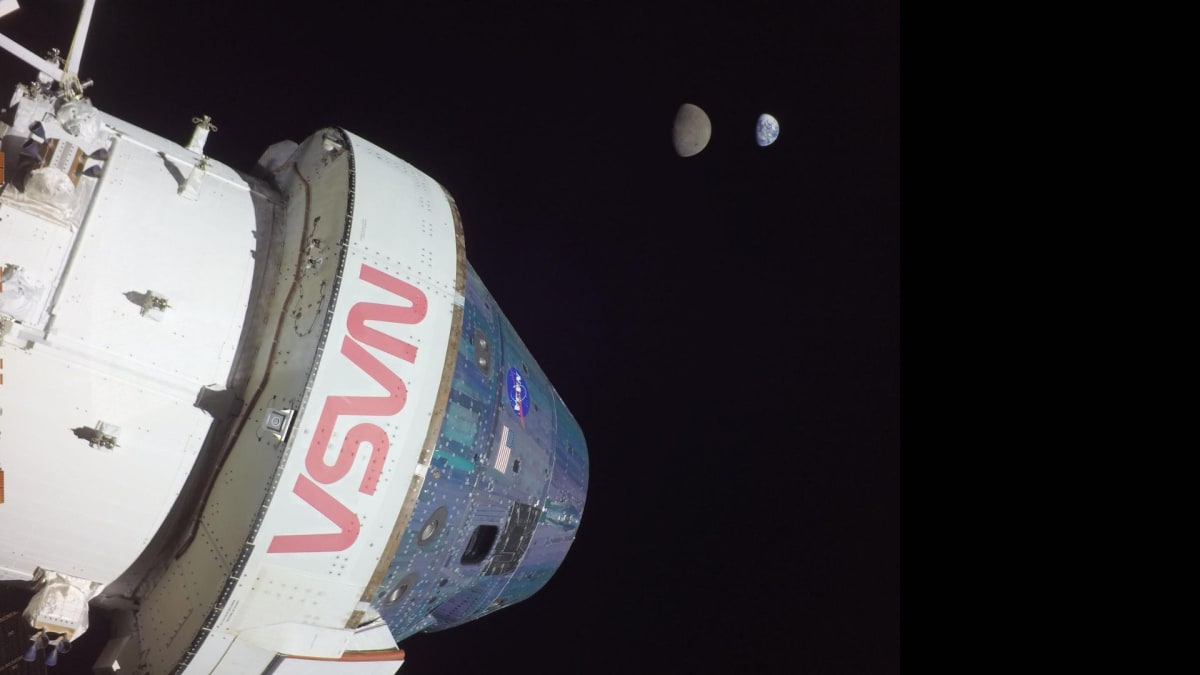
NASA's Artemis II mission just brought humanity back to the moon, and over 100 million people followed along online. While it didn't match Apollo 11's legendary reach, the mission proved space exploration still captivates us in a fragmented media age.

The first major meteor shower since January arrives this week with ideal viewing conditions. A new moon means even faint shooting stars will shine bright across clear night skies.

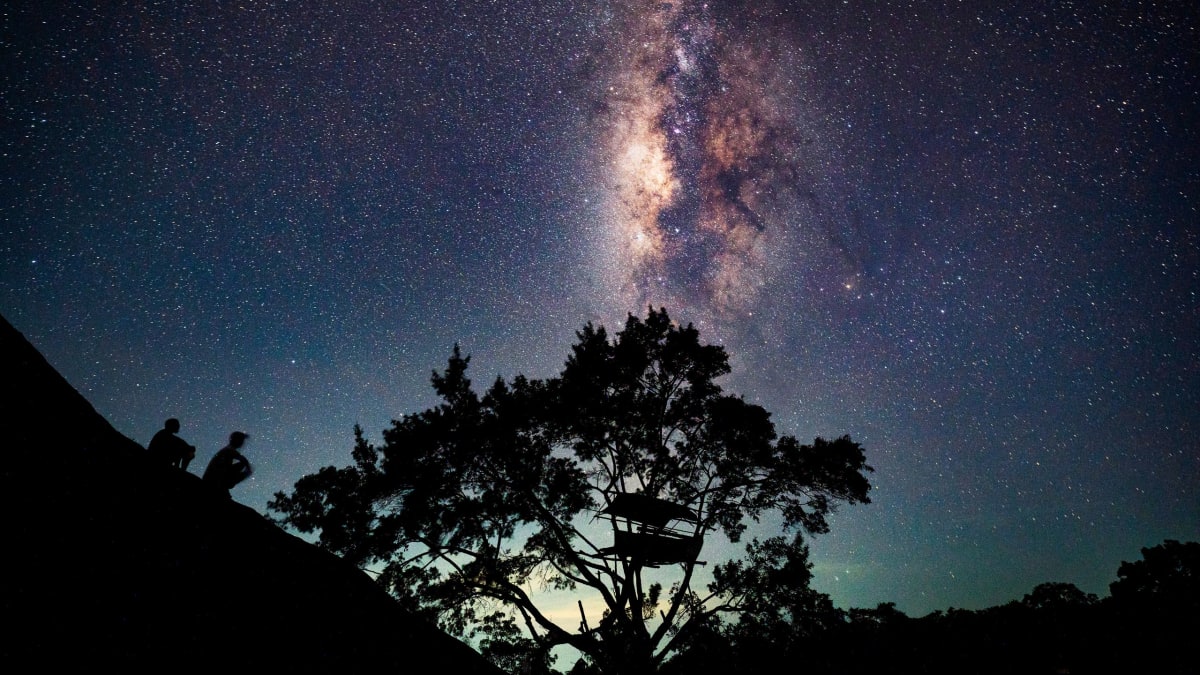
Stargazers can catch up to 15 shooting stars per hour during the Lyrid meteor shower's peak on April 22-23, with perfect dark sky conditions this year. A new moon on April 17 also offers a rare chance to see the Milky Way's galactic core in all its glory.
A child who once gazed at Houston rockets now leads NASA's moon mission as the agency's highest-ranking civil servant. Amit Kshatriya, son of Indian immigrants, oversees operations for the Artemis program bringing astronauts back to the lunar surface.

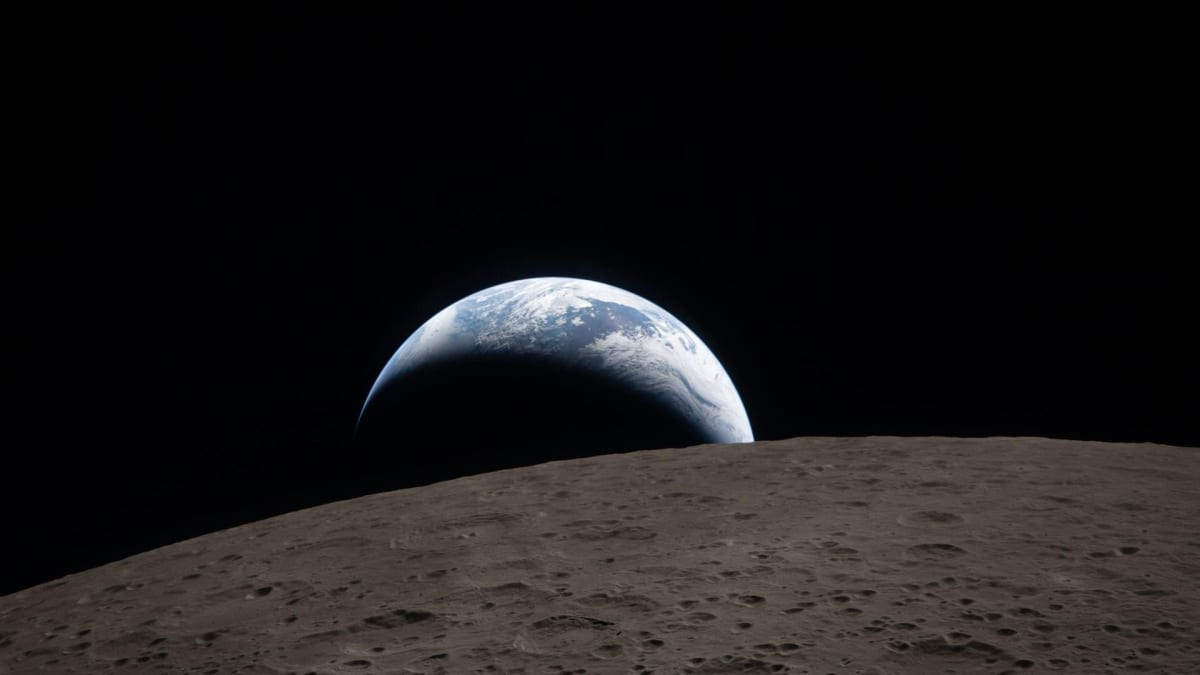
Four astronauts just completed a historic loop around the Moon, reigniting dreams of lunar living. NASA plans annual Moon landings starting in 2028, with a permanent base on the horizon.

NASA is planning an exciting extra mission before astronauts land on the Moon again. The new Artemis III will test critical spacecraft in Earth orbit to make the lunar landing safer.

The Artemis II mission marks a major leap forward in space exploration, bringing NASA and the European Space Agency together to prepare humanity for deeper ventures into space. This isn't just a victory lap—it's the foundation for exploring uncharted lunar territory and eventually reaching Mars.

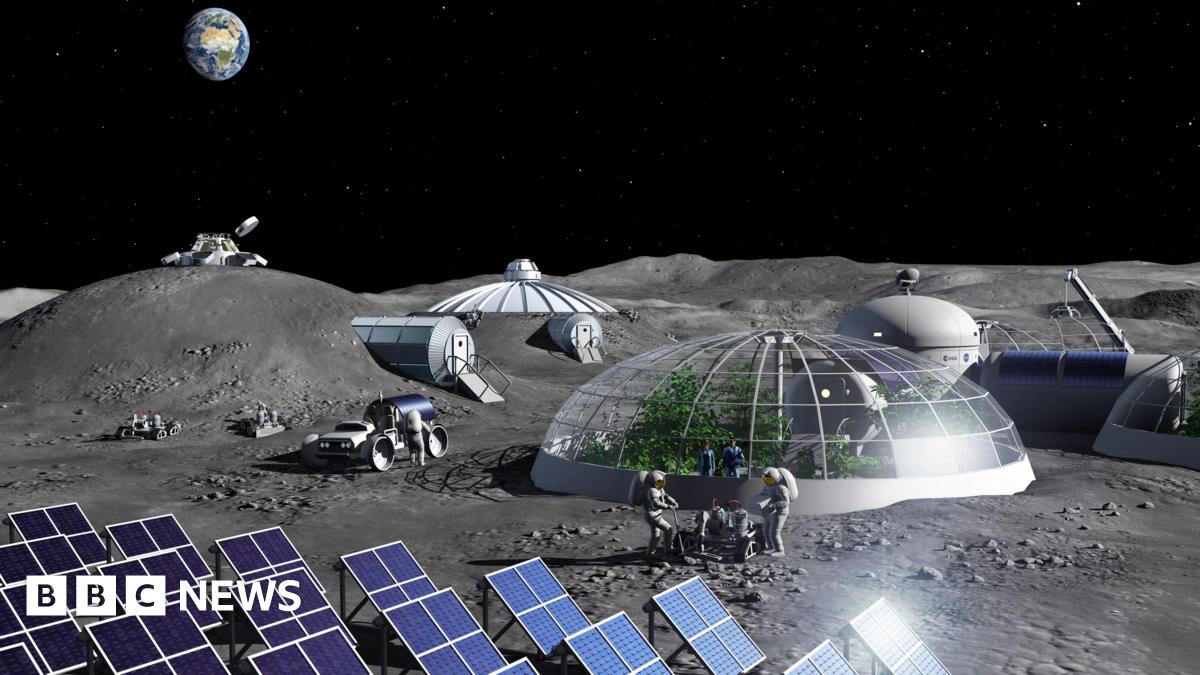
NASA is shifting from racing to the Moon to building a permanent home there. The agency's revamped Artemis program now prioritizes creating reliable systems for humans to live and work on the lunar surface long-term.

When Artemis II launches in 2026, it won't just be a historic return to the Moon. The Houston mission control running the show looks nothing like the all-male Apollo teams that came before.

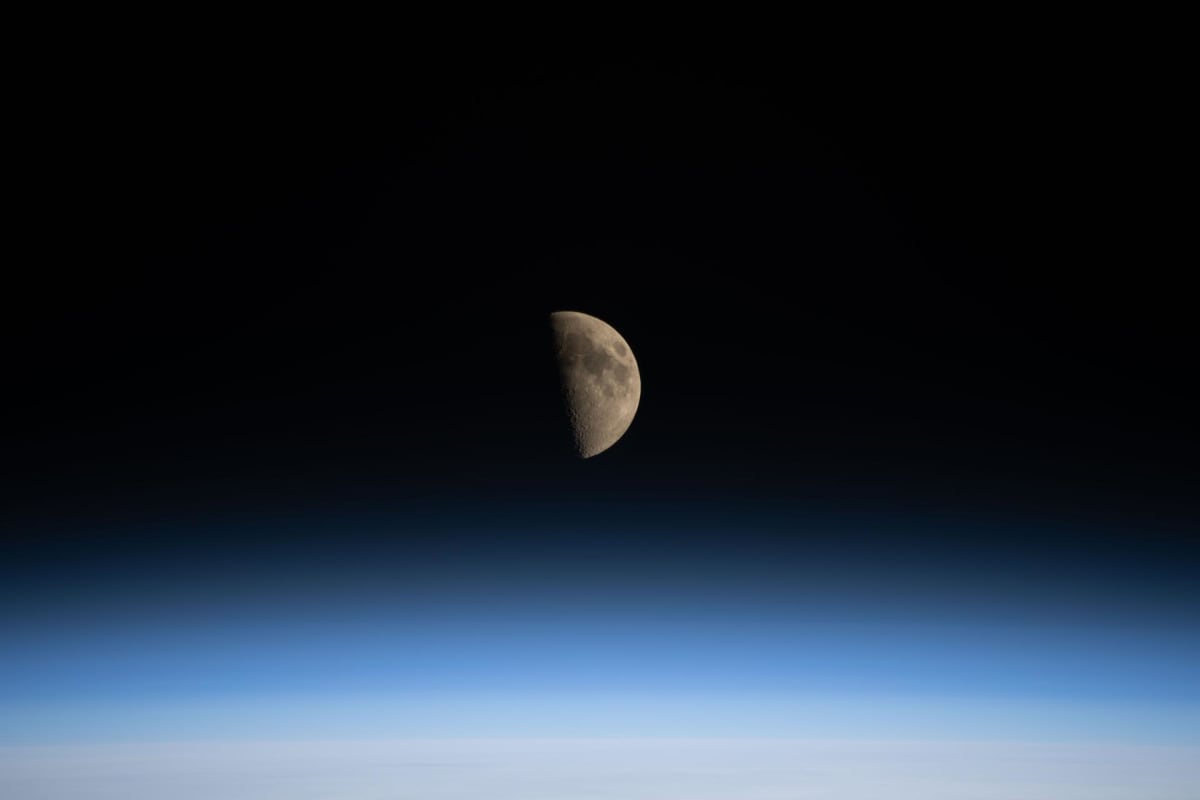
The darkest night of March arrives this week, offering skygazers a rare chance to see planets, star clusters, and cosmic wonders usually hidden by moonlight. Here's your guide to the celestial show happening right above your neighborhood.

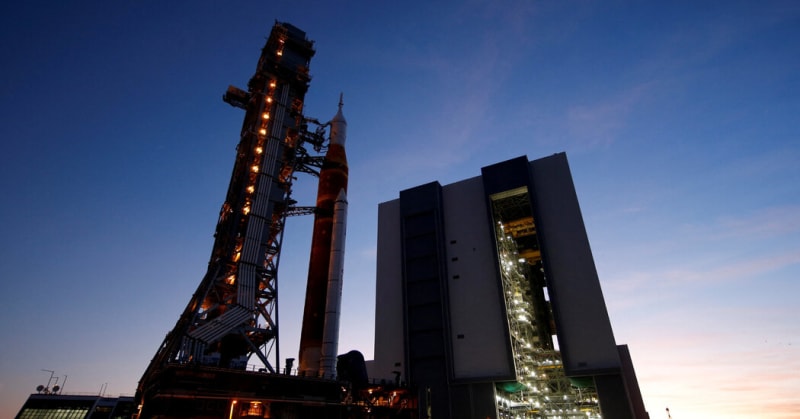
NASA is ramping up its Artemis program with a new 2027 test mission and plans to land astronauts on the Moon's South Pole in 2028, then launch one lunar mission every year after that. The agency is streamlining its rocket systems to make the Moon more accessible than ever before.

The moonless skies around February 17's new moon are creating perfect conditions for spotting planets, constellations, and distant star clusters. Anyone with clear skies can explore stunning cosmic sights without any special equipment. #

After 50 years, astronauts are heading back to the moon with a game-changing space suit that finally lets them move like humans. The new design solves one of space exploration's biggest challenges: staying safe while staying mobile.

NASA just selected three groundbreaking science experiments headed to the moon by 2028, marking a major step forward in understanding our lunar neighbor. These missions will help protect future astronauts and unlock mysteries about the moon's past.

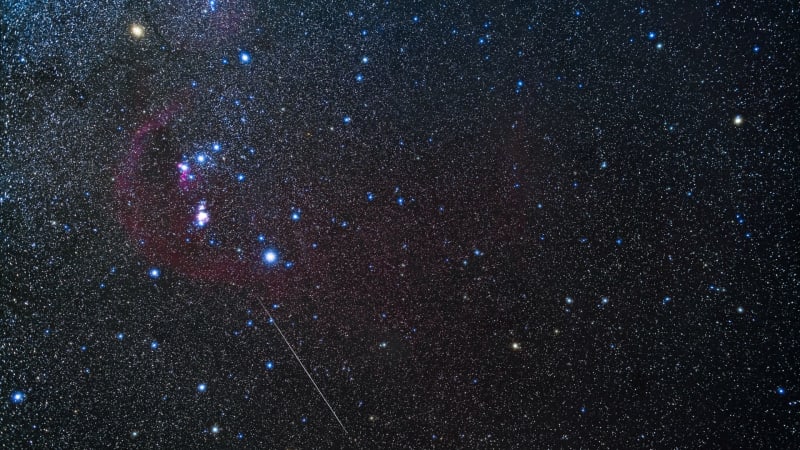
The darkest skies of January arrive this weekend, creating perfect conditions for stargazing without moonlight interference. Two bright planets and dozens of winter constellations will shine at their best for viewers across the globe.

The new moon on January 18 creates perfectly dark skies for viewers to spot Jupiter, Saturn, and some of winter's most brilliant constellations. It's the best night of the month to explore the cosmos with just your eyes. #