Search

Find uplifting stories about heroes, innovations, and solutions

961 results for "planetary geology"

NASA Turns Planetary Parade Into Sound You Can Hear
InnovationFeb 25

NASA Turns Planetary Parade Into Sound You Can Hear

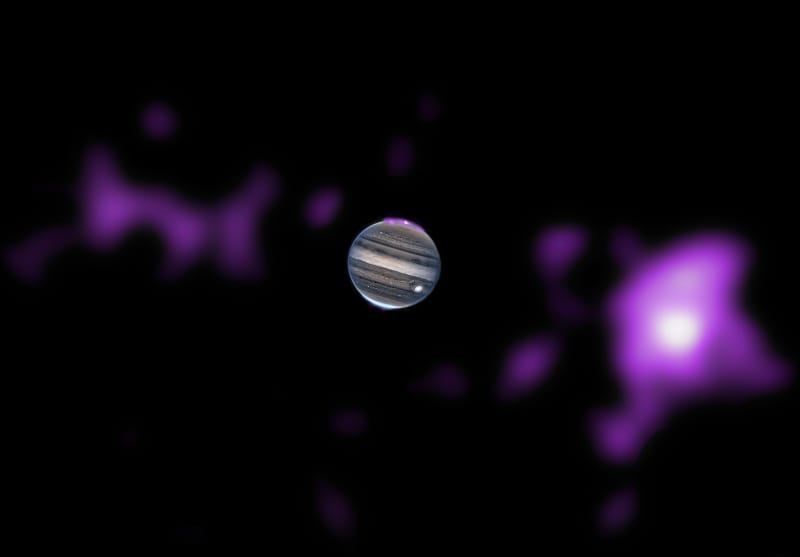
NASA just released sonifications that transform telescope data from Jupiter, Saturn, and Uranus into music, making this month's rare planetary alignment accessible to everyone. The sounds reveal X-ray and infrared data that human eyes can't see from Earth.

NASA2 min read
Australian Backyard Astronomers Discover Planetary Ring
InnovationApr 11

Australian Backyard Astronomers Discover Planetary Ring

Three amateur astronomers in Queensland made history by becoming the first citizen scientists to discover a planetary ring, proving that world-changing discoveries can happen in your own backyard. Their finding helped solve a cosmic mystery that professional telescopes had missed.

SBS Australia3 min read
Scientists Find Garnet Inside Mars Meteorite for First Time
Planet Wins1d ago

Scientists Find Garnet Inside Mars Meteorite for First Time

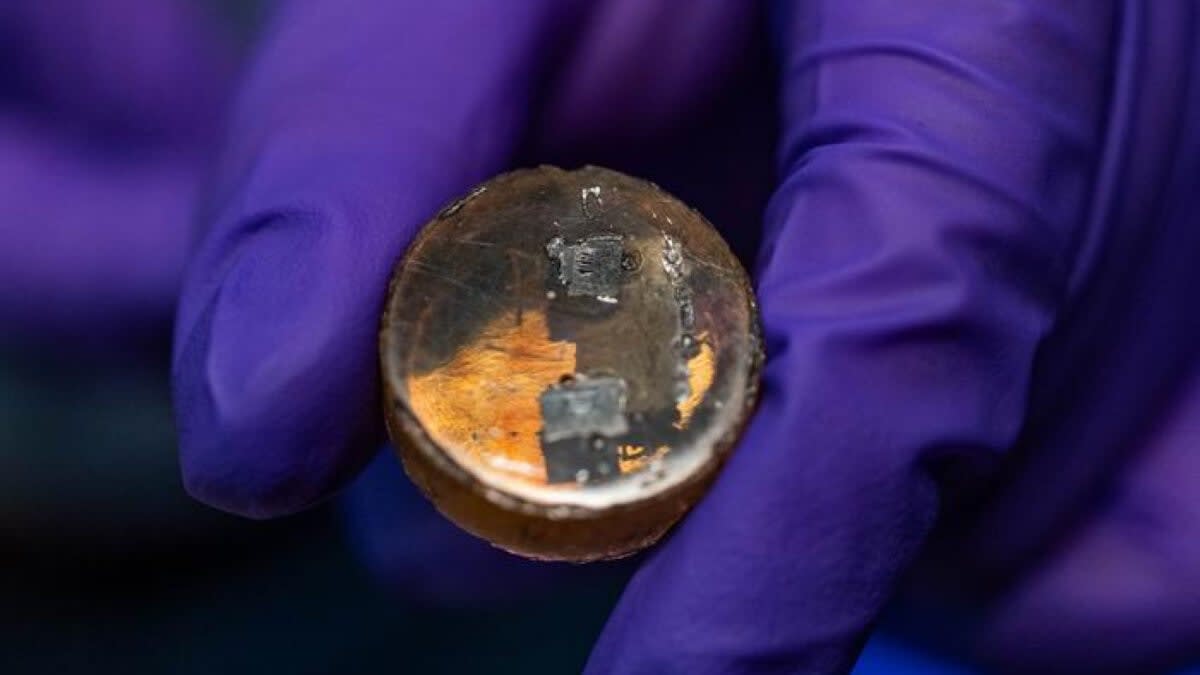
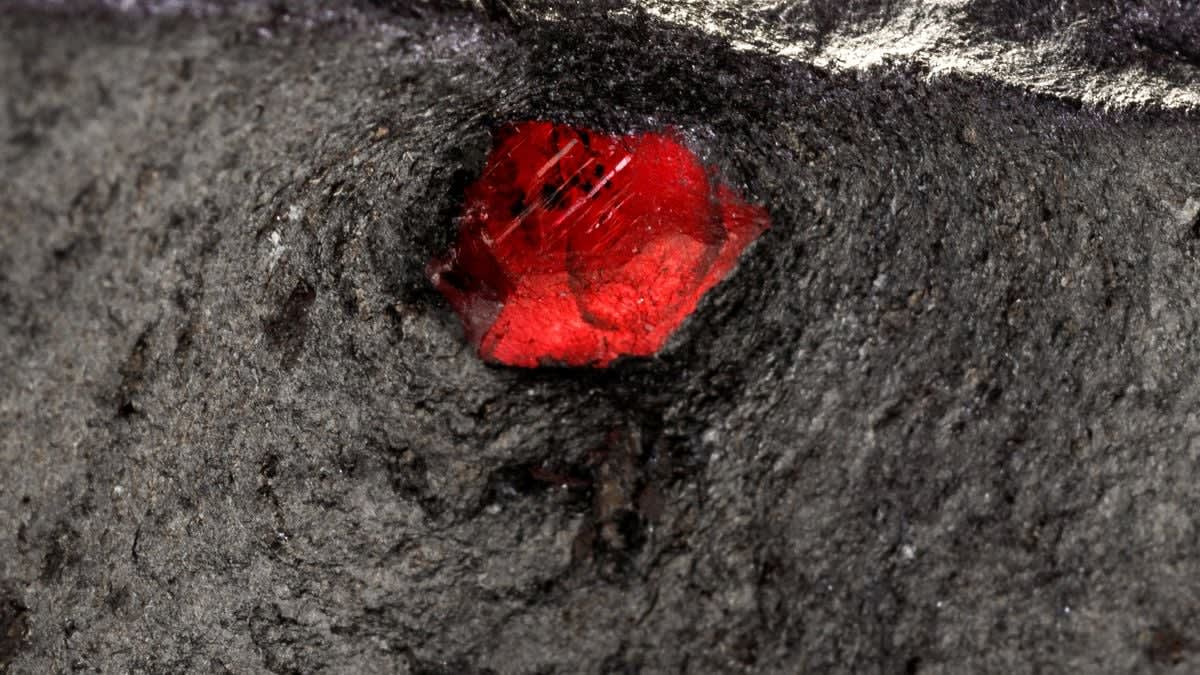
A tiny speck of garnet discovered inside a Mars meteorite could rewrite what we know about the red planet's geological history. The mineral has never been found in a Martian sample before.

Google News - Science2 min read
Scientists Find 'Inside Out' Planetary System
InnovationFeb 13

Scientists Find 'Inside Out' Planetary System

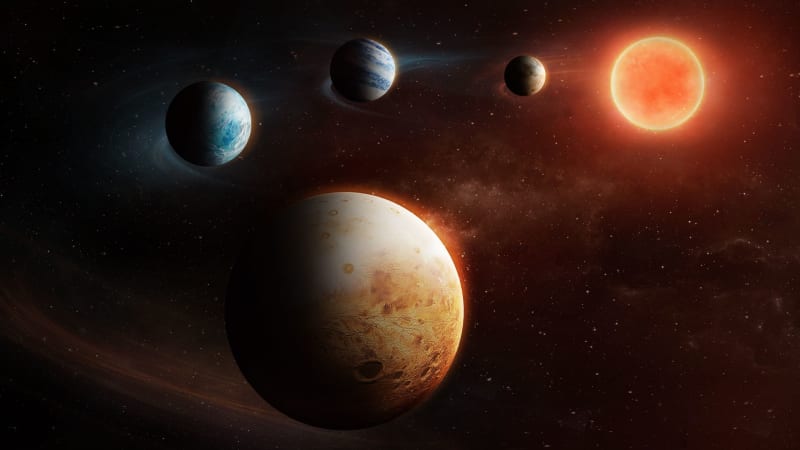
Astronomers discovered four planets orbiting a small star in a pattern never seen before: rocky, gaseous, gaseous, then rocky again. The find challenges everything scientists thought they knew about how planets form around stars.

Space.com3 min read
Giant Hot Blobs Deep in Earth Shape Our Magnetic Field
Planet WinsFeb 5

Giant Hot Blobs Deep in Earth Shape Our Magnetic Field

Scientists discovered two massive zones of superheated rock deep inside Earth that help control our planet's protective magnetic shield. This breakthrough explains mysteries about how Earth stays geologically active and magnetically protected.

Google News - Scientists Discover2 min read
Earth and Mars Are Planetary Siblings, Scientists Confirm
InnovationMay 16

Earth and Mars Are Planetary Siblings, Scientists Confirm

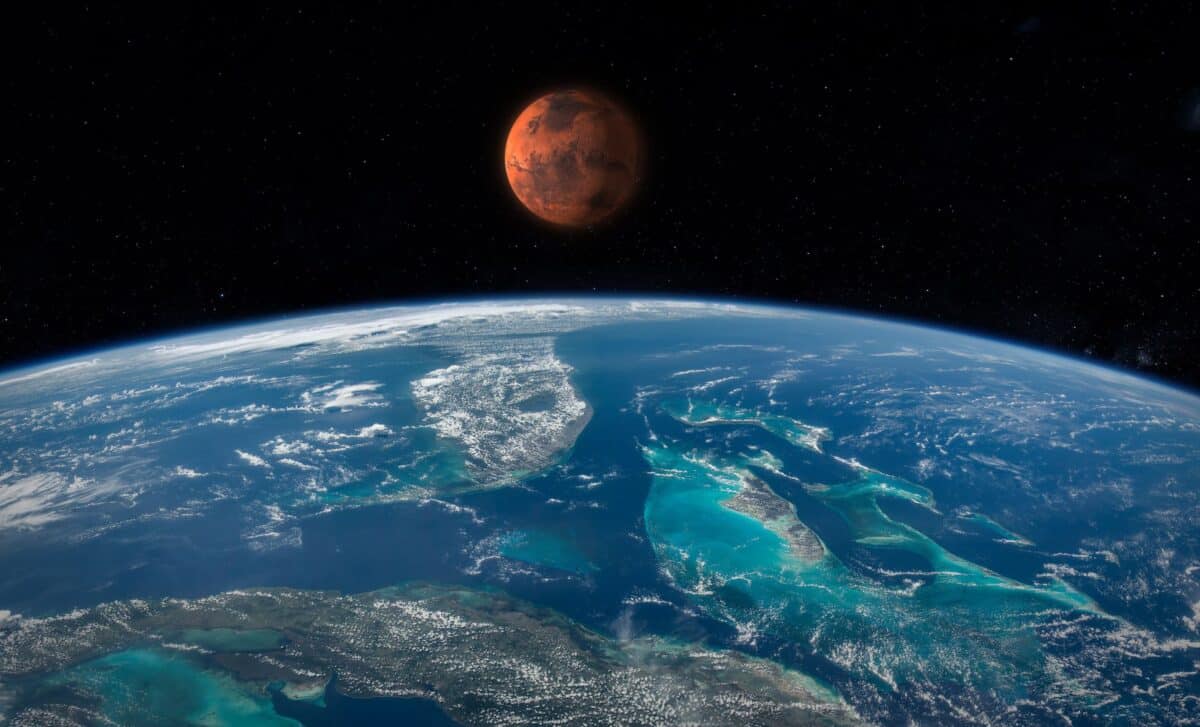
New research reveals Earth and Mars formed from nearly identical cosmic material, rewriting our understanding of how our planet came to be. The discovery shows Jupiter's gravity kept Earth local, building almost entirely from inner Solar System dust.

Google News - Scientists Discover2 min read
Earth's Core Holds 9 to 45 Oceans' Worth of Hydrogen
Planet WinsFeb 11

Earth's Core Holds 9 to 45 Oceans' Worth of Hydrogen

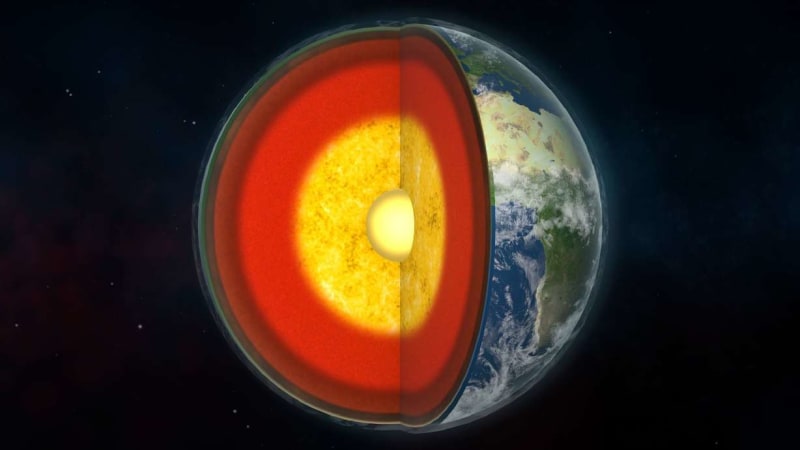
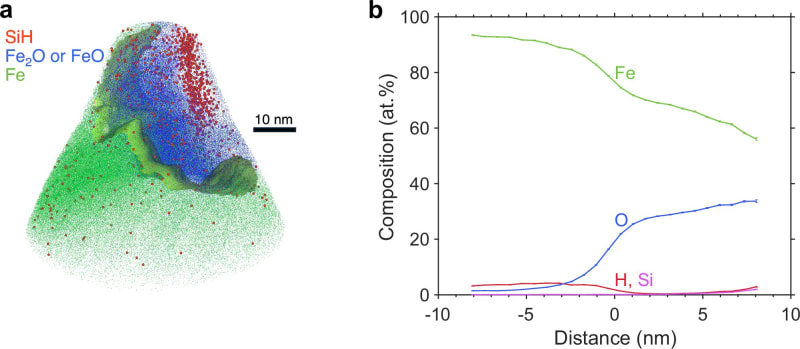
Scientists discovered Earth's core may contain up to 45 oceans' worth of hydrogen, making it the planet's largest water reservoir. This finding rewrites our understanding of how Earth got its water during the earliest days of planetary formation.

Google News - Science3 min read
NASA Solves Mystery of Sahara's 15-Mile Ring Mountain
Planet WinsApr 1

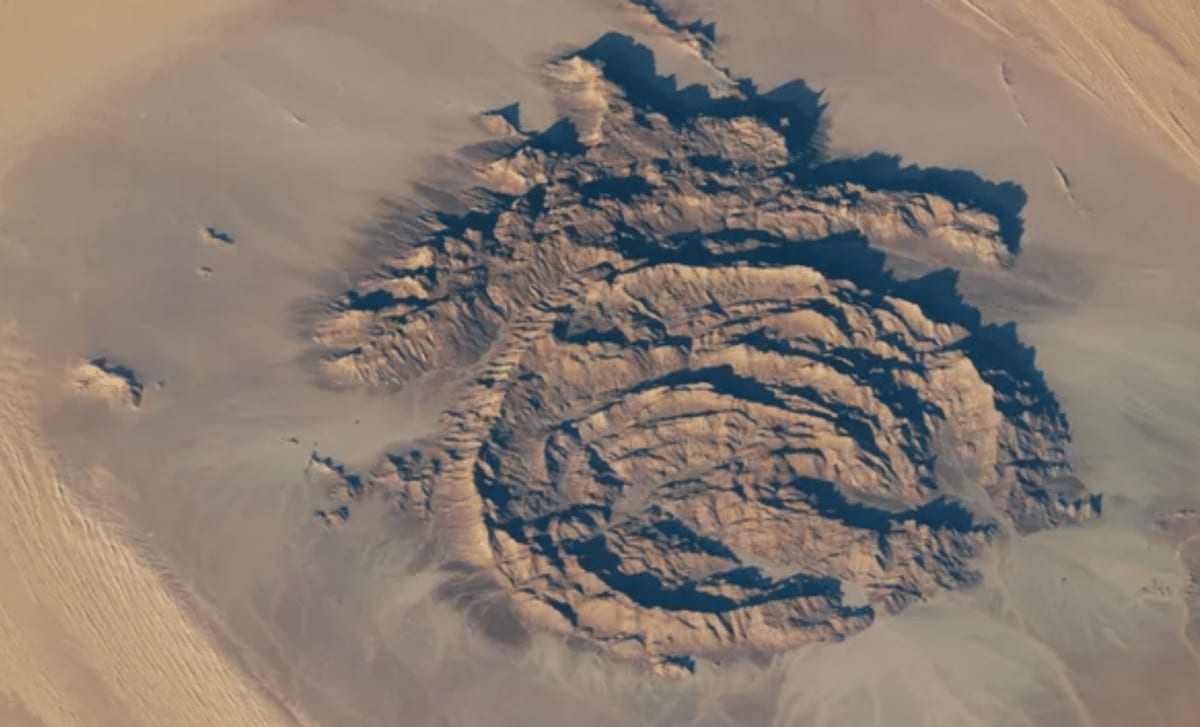
NASA Solves Mystery of Sahara's 15-Mile Ring Mountain

Scientists discovered Mount Arkanu's stunning concentric rings weren't caused by an asteroid, but by ancient volcanic forces that shaped the Sahara over millions of years. The 15-mile geological wonder also shelters ancient art and sustains life in one of Earth's driest places.

Google: NASA discovery2 min read
Azerbaijan's 350 Mud Volcanoes Create Tadpole Islands
Planet WinsApr 21

Azerbaijan's 350 Mud Volcanoes Create Tadpole Islands

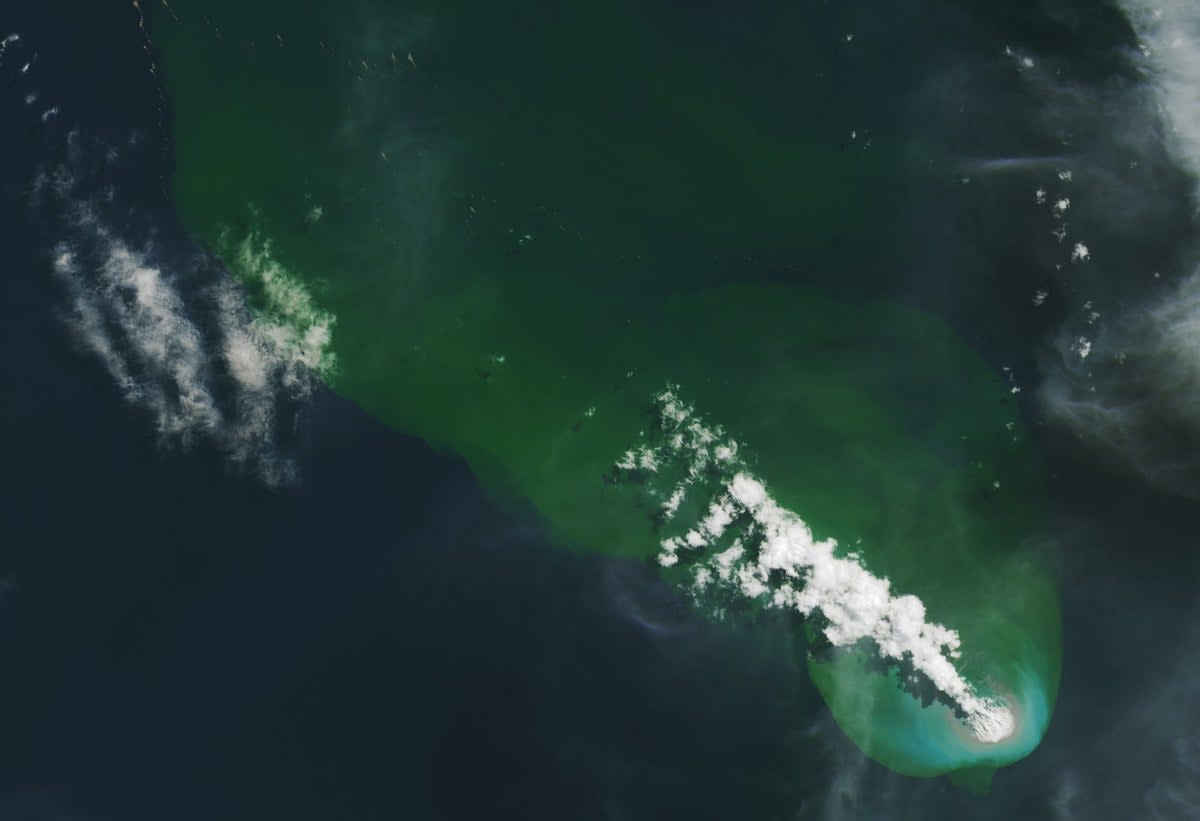
Off Azerbaijan's coast, explosive mud volcanoes are building islands from the sea floor, creating stunning tadpole-shaped landforms that NASA satellites captured in stunning detail. Scientists are studying these rare formations to better understand Earth's geologic wonders.

NASA2 min read
LA's New Subway Conquers Geology to Reach the Ocean
SolutionsApr 21

LA's New Subway Conquers Geology to Reach the Ocean

Los Angeles just solved a massive engineering puzzle to bring subway service to neighborhoods that seemed impossible to reach. Starting in May, a 25-minute train ride will replace what's often an hours-long drive from downtown to the Pacific Ocean.

MIT Technology Review2 min read
UNESCO Adds 4 Stunning Geoparks Across Europe
Planet WinsApr 30

UNESCO Adds 4 Stunning Geoparks Across Europe

Four new European destinations just earned UNESCO Global Geopark status, protecting geological wonders millions of years in the making. From volcanic craters in Greece to Ireland's only fjord, these sites celebrate Earth's ancient history while supporting local communities.

Euronews3 min read
MIT Solves Mystery of Planetary Odd Couple 190 Light Years Away
Planet WinsMay 5

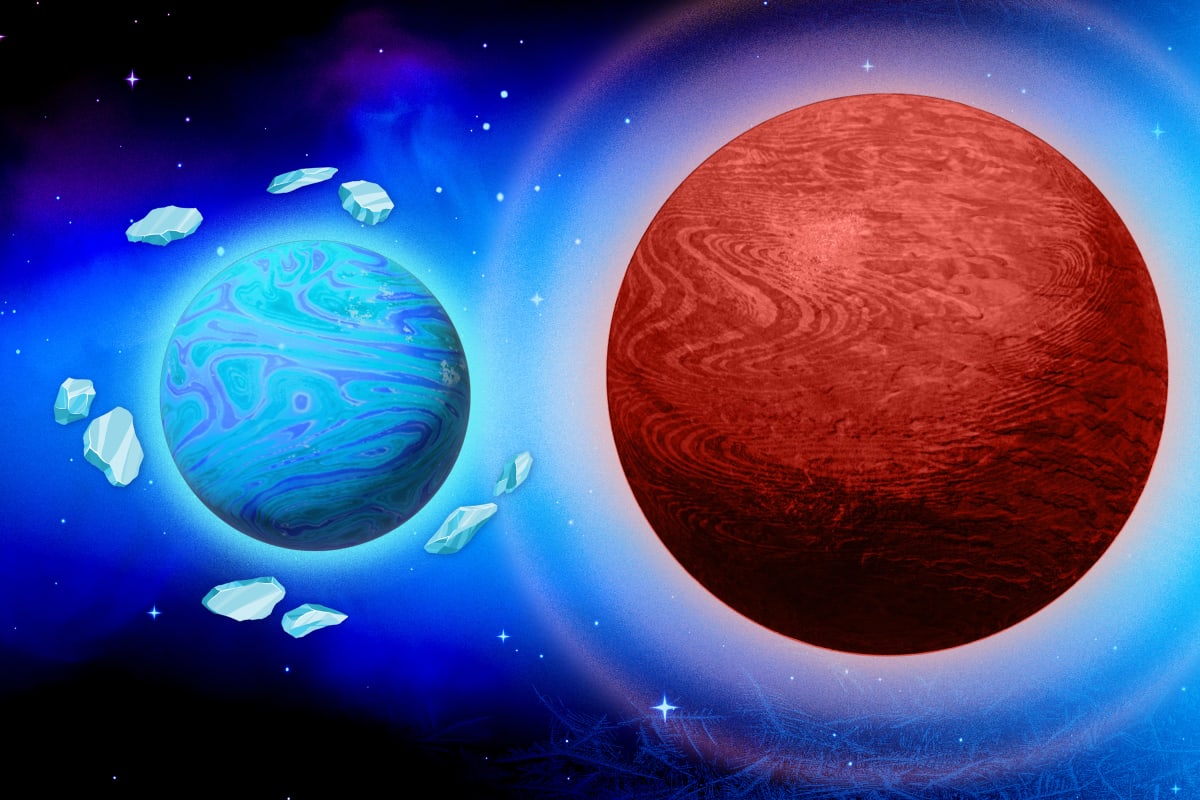
MIT Solves Mystery of Planetary Odd Couple 190 Light Years Away

Scientists discovered how a rare mini-Neptune and hot Jupiter became neighbors, solving a puzzle that's stumped astronomers since 2020. The breakthrough reveals these planets formed far from their star and traveled billions of miles together over time.

MIT News3 min read
Zimbabwe's 2.5-Billion-Year-Old Rock Wonder Seen From Space
Global NewsFeb 17

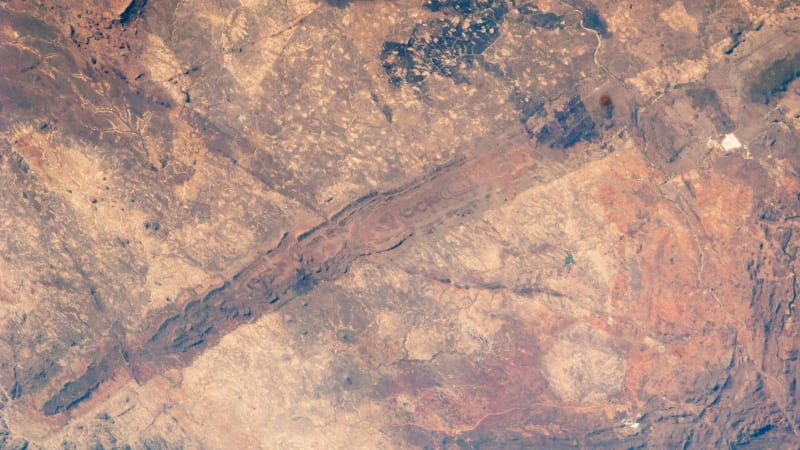
Zimbabwe's 2.5-Billion-Year-Old Rock Wonder Seen From Space

An astronaut captured a stunning photo of Zimbabwe's Great Dyke, a massive ancient rock formation that's been feeding the economy for decades. This geological marvel has existed for more than half of Earth's entire history.

Live Science2 min read
Michigan Sits on Clean Fuel That Could Replace Fossil Fuels
Daily MixFeb 11

Michigan Sits on Clean Fuel That Could Replace Fossil Fuels

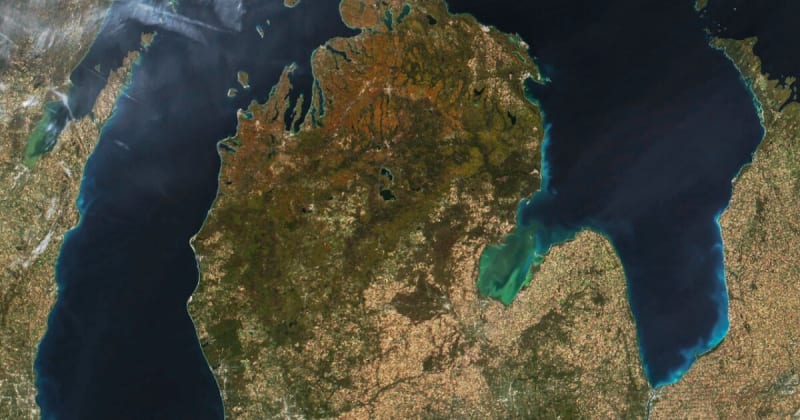
Deep beneath Michigan's surface lies geologic hydrogen, a naturally occurring clean fuel that could power ships and trucks without emissions. Governor Whitmer just launched an initiative to tap this billion-year-old energy source that requires far less energy to extract than manufacturing hydrogen from scratch.

Google News - Clean Energy3 min read
Mars Spins Faster Each Year, Scientists Say They Know Why
Planet WinsMar 27

Mars Spins Faster Each Year, Scientists Say They Know Why

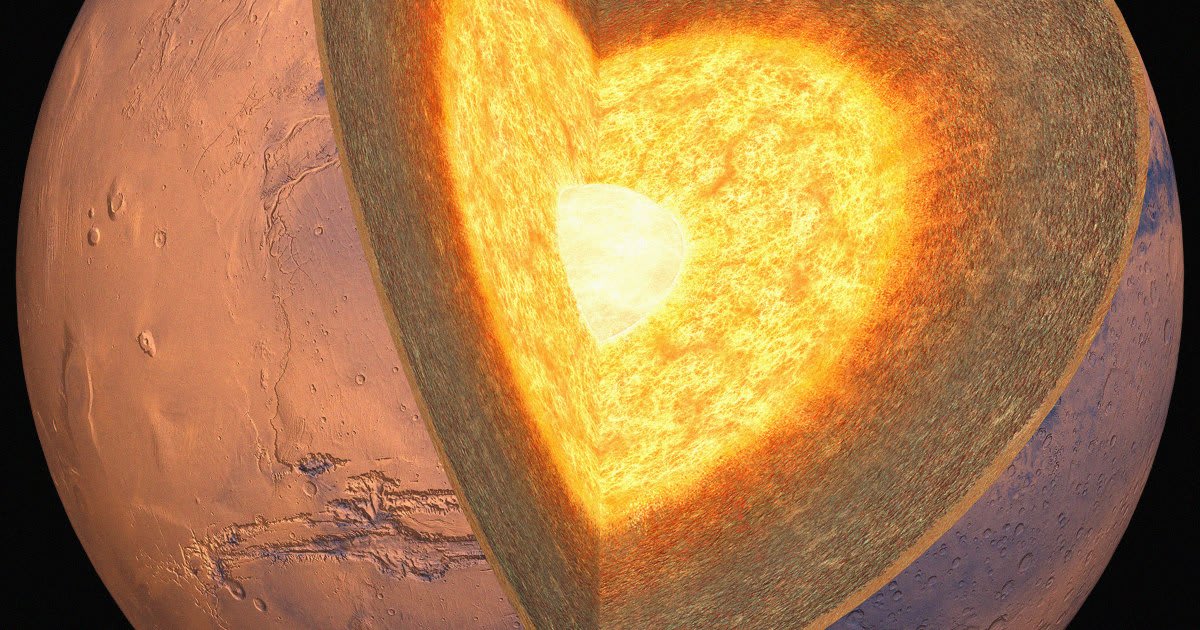
Scientists discovered Mars is spinning faster every year, making its days slightly shorter. A massive plume of hot material deep beneath the planet's surface might be the surprising cause.

Futurism2 min read
Earth's Core Holds Up to 45 Oceans of Hidden Water
Planet WinsFeb 11

Earth's Core Holds Up to 45 Oceans of Hidden Water

Scientists discovered Earth's core contains enough hydrogen to equal 45 oceans of water, suggesting our planet formed with water already inside rather than getting it from comets. This breakthrough helps solve the mystery of where Earth's water really came from.

Phys.org - Earth3 min read
Scientists Cook Up Mercury Rocks From 1891 Meteorite
InnovationApr 15

Scientists Cook Up Mercury Rocks From 1891 Meteorite

Researchers at Rice University recreated Mercury's mysterious surface rocks in their lab using a meteorite recipe, unlocking secrets about our solar system's most elusive planet. The breakthrough reveals how sulfur transforms planetary surfaces in ways never seen on Earth.

Google News - Science2 min read
Natural Hydrogen Could Power the World for 200 Years
InnovationFeb 27

Natural Hydrogen Could Power the World for 200 Years

Scientists have discovered massive reserves of naturally occurring hydrogen deep underground that could meet global energy needs for two centuries without producing carbon emissions. Unlike manufactured hydrogen, this "white gold" energy source forms naturally through geological processes and costs nothing to make.

Phys.org - Technology3 min read
Rocky Planet 116 Light-Years Away Rewrites Formation Rules
InnovationFeb 14

Rocky Planet 116 Light-Years Away Rewrites Formation Rules

Scientists discovered a solar system that flips our understanding of how planets form, with a rocky planet orbiting beyond gas giants in a pattern never seen before. The finding could reshape what we know about planetary birth around the universe's most common stars.

Google News - Science2 min read
California Startup Plans First Commercial Asteroid Mission
InnovationApr 30

California Startup Plans First Commercial Asteroid Mission

A Southern California company is launching the first commercial deep space mission to study asteroid Apophis during its 2029 Earth flyby, making planetary defense faster and more affordable. The mission could attract more viewers than the Super Bowl while helping protect our planet from future threats.

Space.com3 min read

Showing 20 of 961