Search

Find uplifting stories about heroes, innovations, and solutions

396 results for "gravitational lensing"

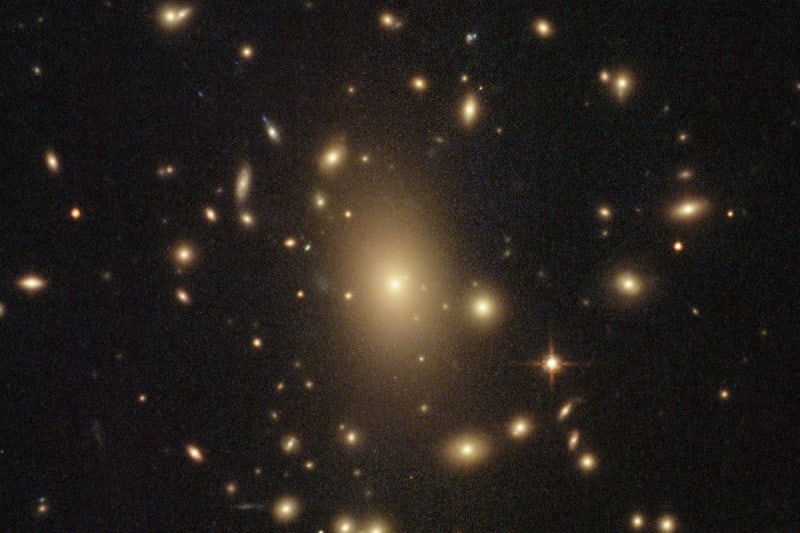
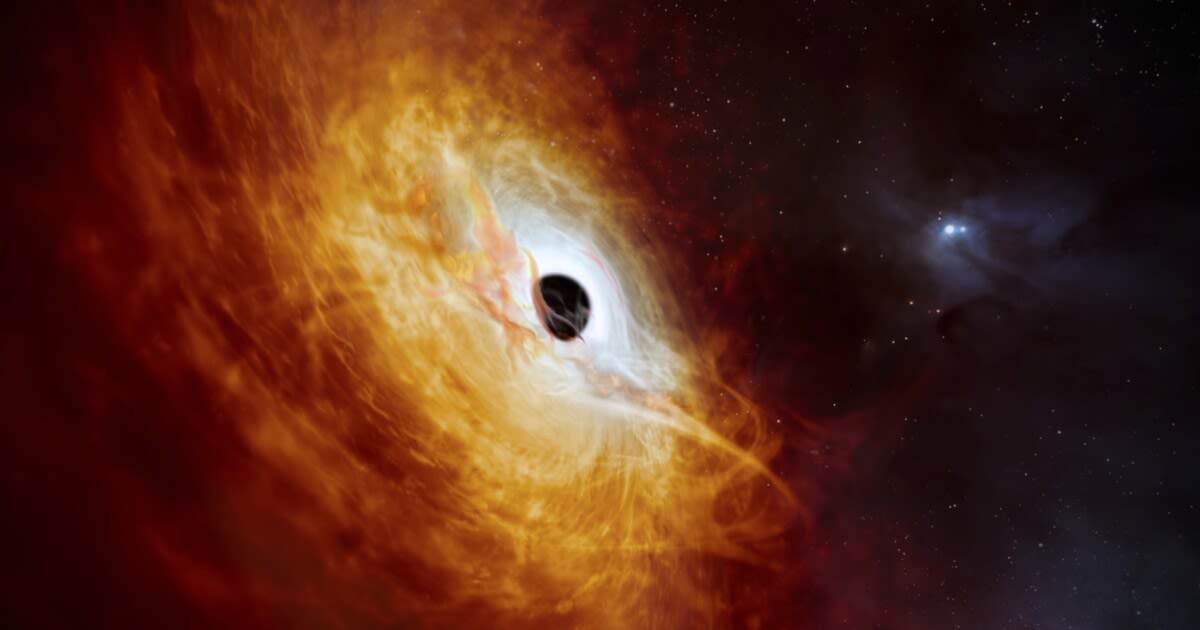
Ohio State AI Finds Rare Quasar Lenses in Deep Space
InnovationJul 30

Ohio State AI Finds Rare Quasar Lenses in Deep Space

Graduate student Everett MacArthur and Ohio State astronomers used artificial intelligence to discover several ultra-rare quasar gravitational lenses, unlocking new ways to understand how galaxies and black holes form together. The breakthrough shows how AI can help scientists find cosmic treasures hidden in massive telescope data.
Google News - Scientists Discover2 min read
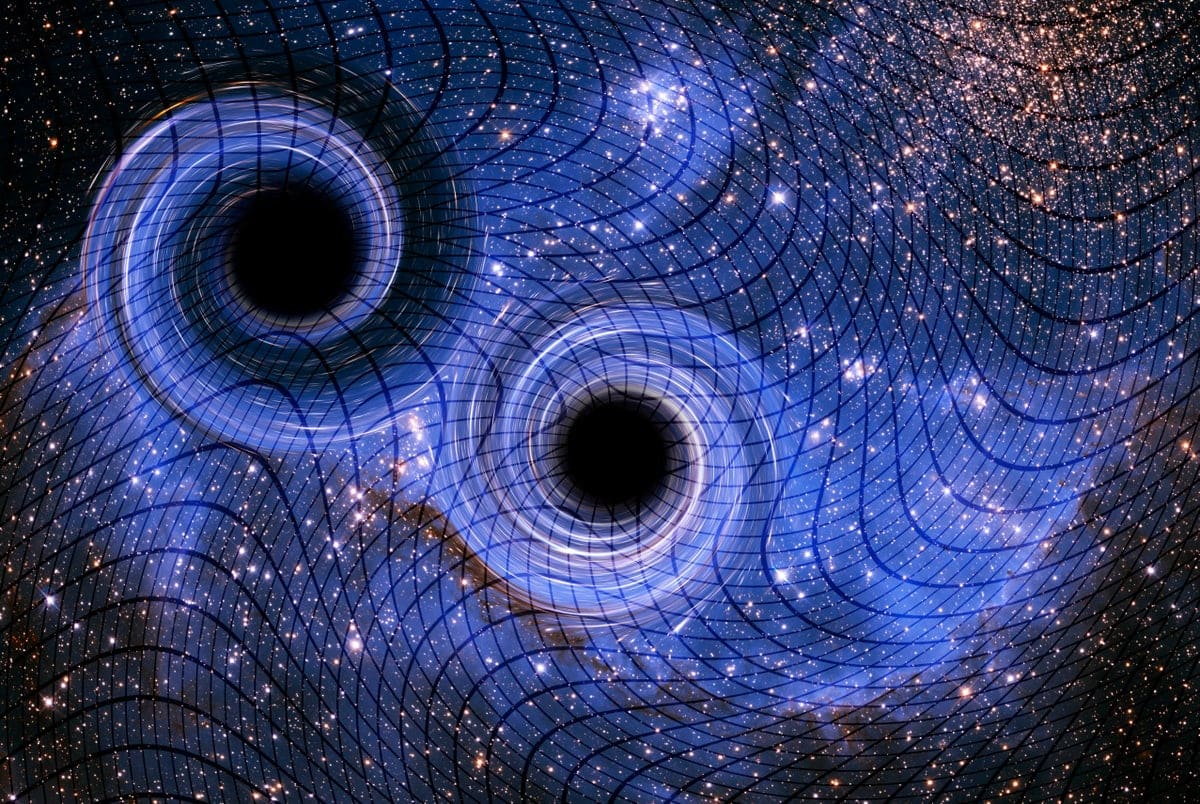
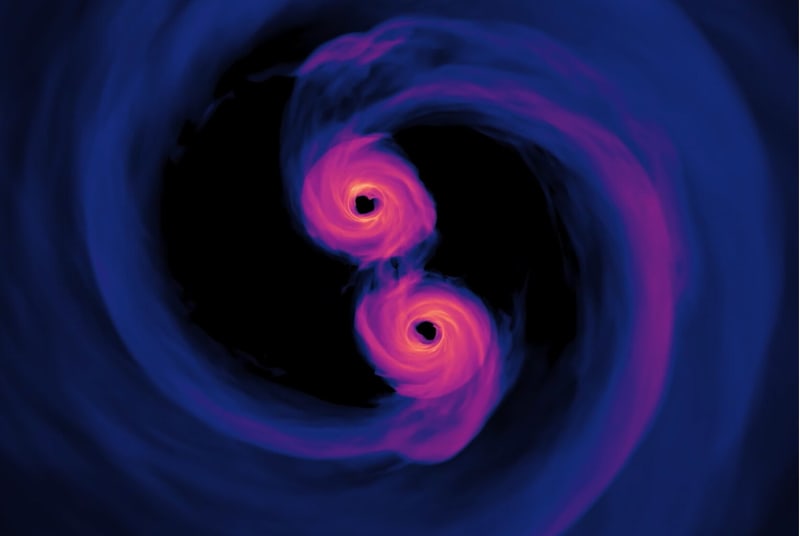
Scientists Map Merging Black Holes With Gravitational Waves
InnovationFeb 6

Scientists Map Merging Black Holes With Gravitational Waves

Astrophysicists just created the first detection system that uses gravitational waves to locate merging black holes across the universe, opening a revolutionary new way to explore space. The breakthrough already identified two supermassive black hole pairs nicknamed after Lord of the Rings locations.

Google News - Science2 min read
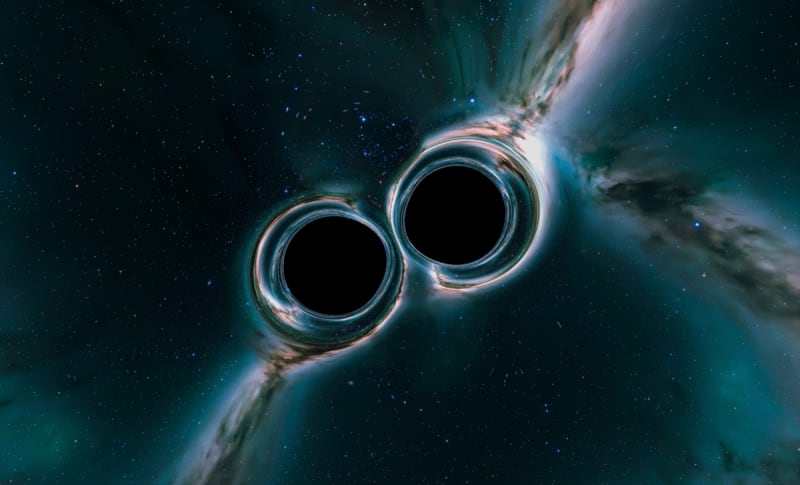
Loudest Gravitational Wave Ever Proves Einstein Right Again
InnovationFeb 15

Loudest Gravitational Wave Ever Proves Einstein Right Again

Scientists captured the clearest gravitational wave signal in history from two colliding black holes 1.3 billion light-years away, proving Einstein's century-old theory with stunning accuracy. The breakthrough opens new doors for understanding the universe's deepest mysteries.

Google News - Science3 min read
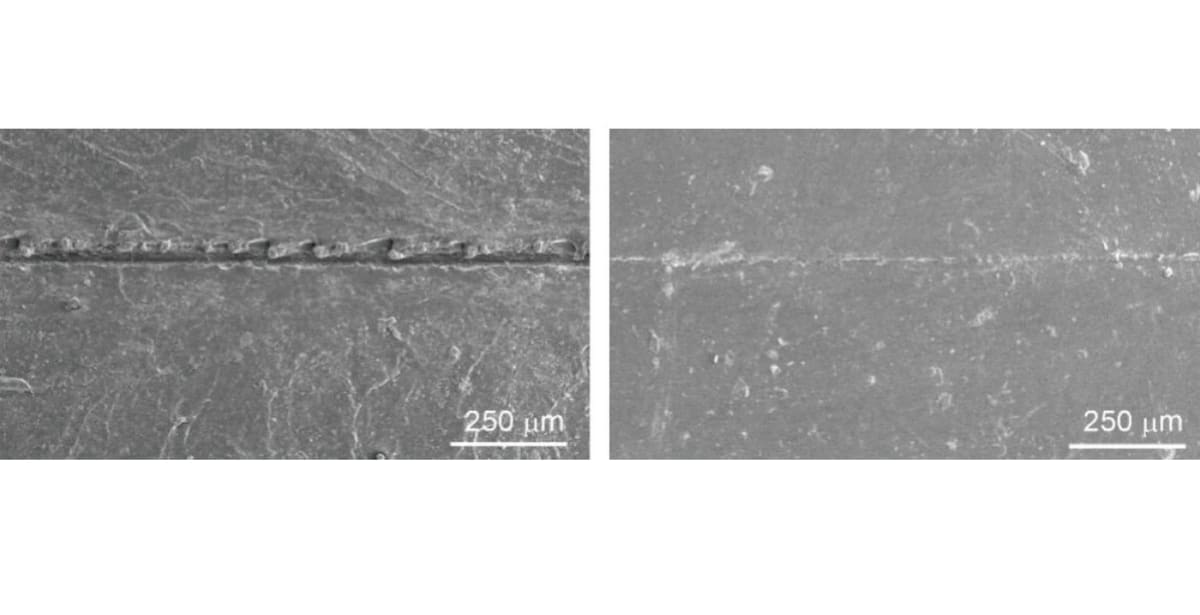
Self-Healing Contact Lenses Fix Scratches in UV Light
InnovationAug 5

Self-Healing Contact Lenses Fix Scratches in UV Light

South Korean researchers invented contact lenses that repair their own scratches when exposed to UV light for just one hour. The breakthrough could save millions of lens wearers money while cutting down on plastic waste.

Good News Network2 min read
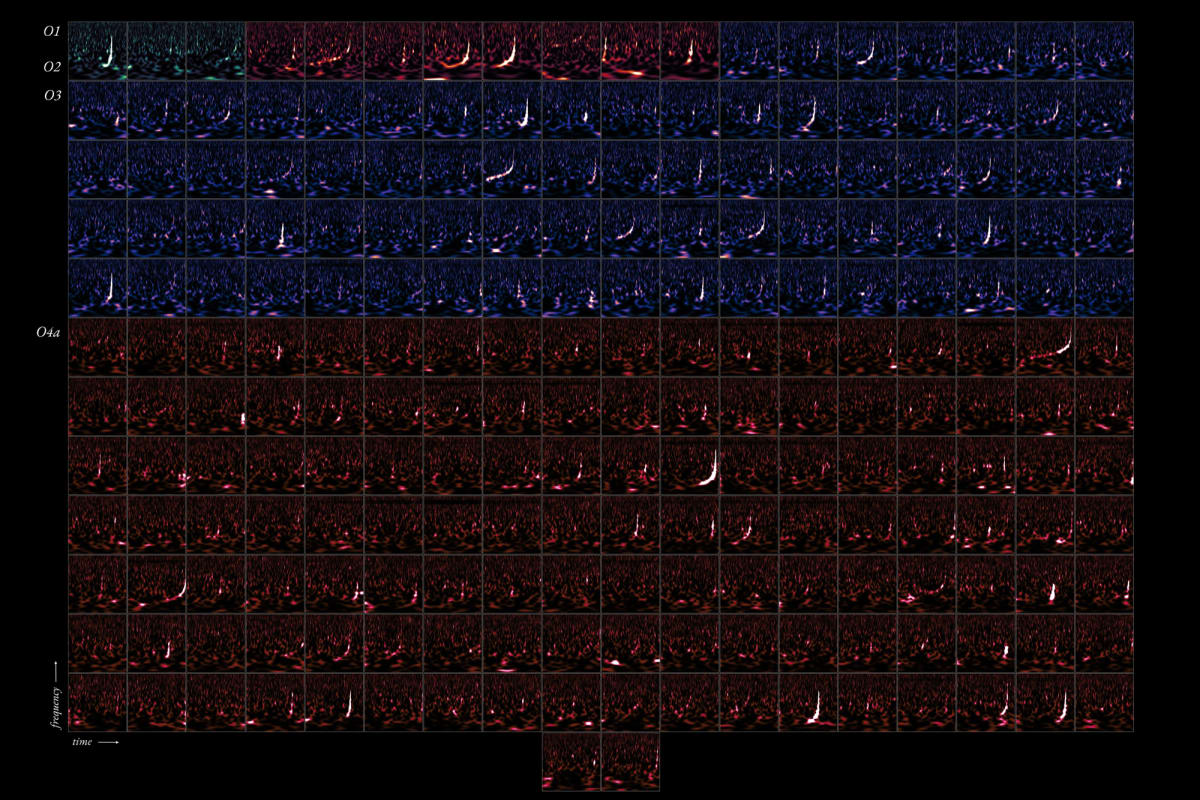
Scientists Detect 218 Gravitational Waves From Across Space
InnovationMar 17

Scientists Detect 218 Gravitational Waves From Across Space

Astronomers have more than doubled their catalog of gravitational waves, detecting 218 cosmic events from colliding black holes and neutron stars across the universe. These spacetime ripples are revealing secrets about how massive celestial objects form and evolve, opening an entirely new way to study the cosmos.

Scientific American2 min read
Scientists Detect 161 Gravitational Waves in Just 9 Months
InnovationMay 28

Scientists Detect 161 Gravitational Waves in Just 9 Months

The universe's most mysterious events are now being detected weekly as gravitational wave detectors reach record sensitivity. In less than a year, scientists spotted 161 black hole collisions, nearly doubling all previous discoveries and opening a new era of cosmic understanding.

Scientific American3 min read
Custom Contact Lenses 3D Printed in Just 20 Minutes
InnovationJul 22

Custom Contact Lenses 3D Printed in Just 20 Minutes

Getting contact lenses that actually fit could soon take just one appointment instead of multiple visits and weeks of waiting. Canadian researchers developed a way to 3D print perfectly customized lenses in 20 minutes.

New Atlas2 min read
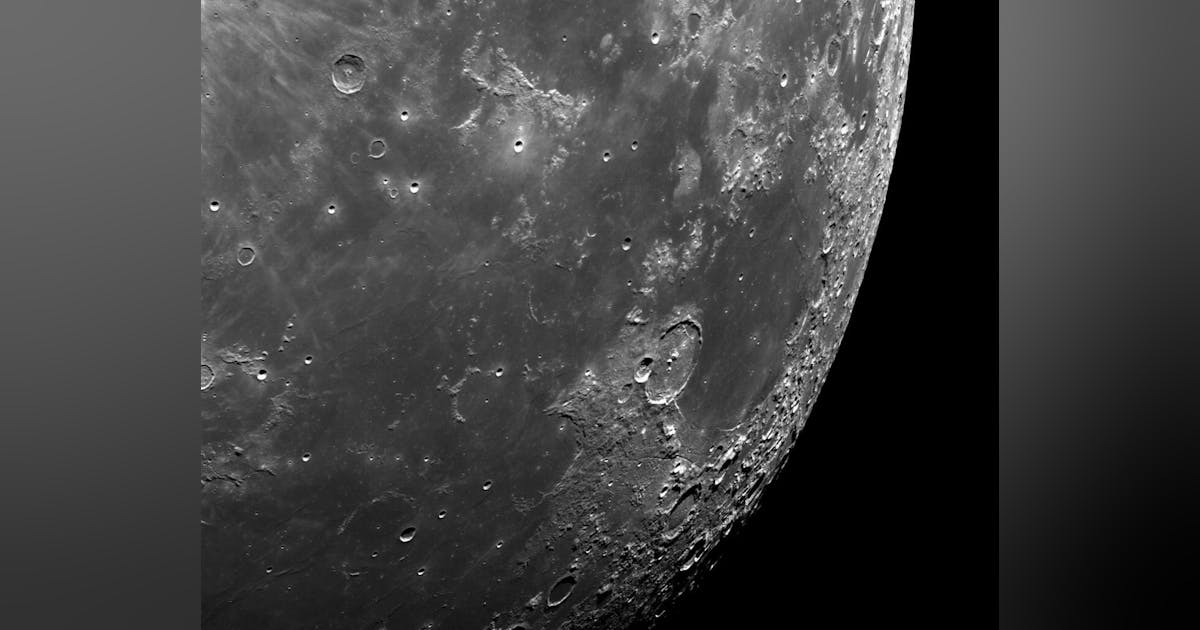
NASA's Moon Missions Powered by German Camera Lenses
InnovationAug 24

NASA's Moon Missions Powered by German Camera Lenses

A German optics company's specialized lenses are helping NASA navigate back to the Moon, capturing stunning images of Earth and the lunar far side. The technology proves that precision engineering is turning decades-old dreams of lunar exploration into reality.

Google: space mission success2 min read
Angola Factory Produces 400,000 Eyeglass Lenses in Two Years
InnovationFeb 2

Angola Factory Produces 400,000 Eyeglass Lenses in Two Years

A new factory in Angola is making affordable eyeglasses more accessible across Africa, producing 400,000 lenses in just two years. The facility now employs 50 workers and plans to expand production while exporting to neighboring countries.

AllAfrica - Health2 min read
Scientists Double Gravitational Wave Discoveries to 218
InnovationMar 5

Scientists Double Gravitational Wave Discoveries to 218

A global network of observatories just detected 128 new cosmic collisions in nine months, revealing the universe echoes with far more black hole mergers than scientists ever imagined. The discoveries include the heaviest collision ever recorded and strange new types of cosmic smash-ups.

MIT News3 min read
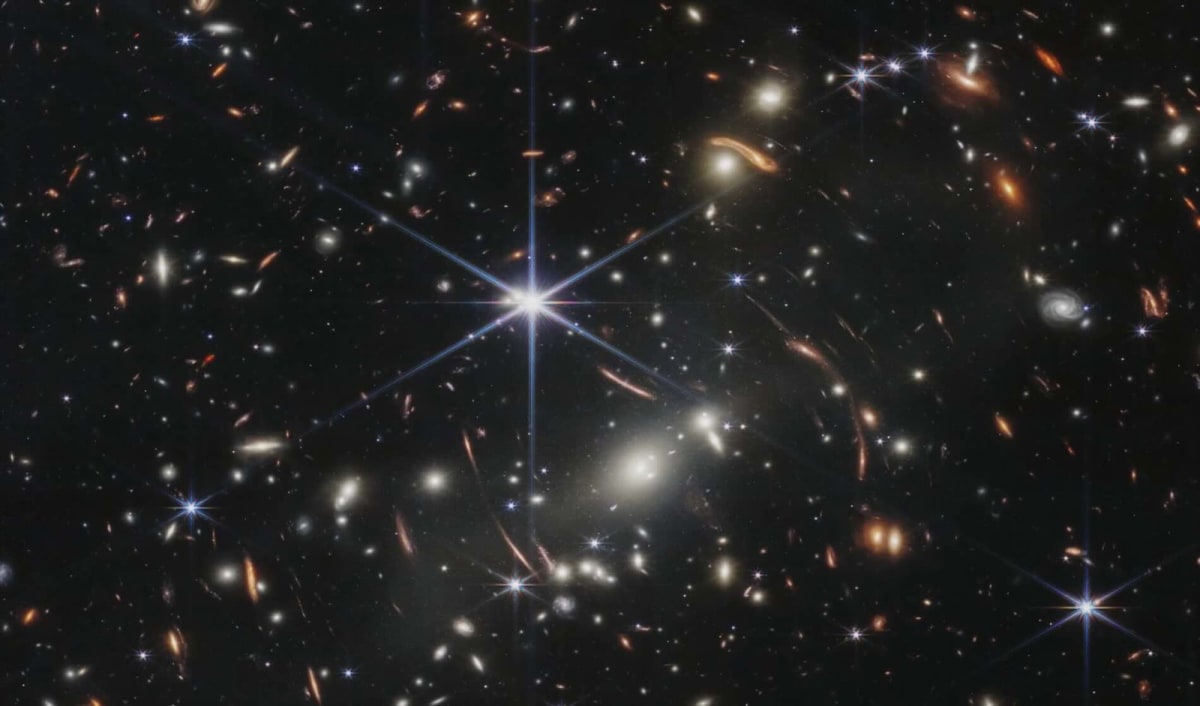
James Webb Captures One Galaxy in Four Time Snapshots
InnovationFeb 8

James Webb Captures One Galaxy in Four Time Snapshots

Scientists using the James Webb Space Telescope discovered a cosmic mystery with a brilliant solution: one distant galaxy appearing four times in a single image, each snapshot revealing a different moment across 130 years. This gravitational magic trick is helping solve one of astronomy's hottest puzzles.

Google: James Webb telescope2 min read
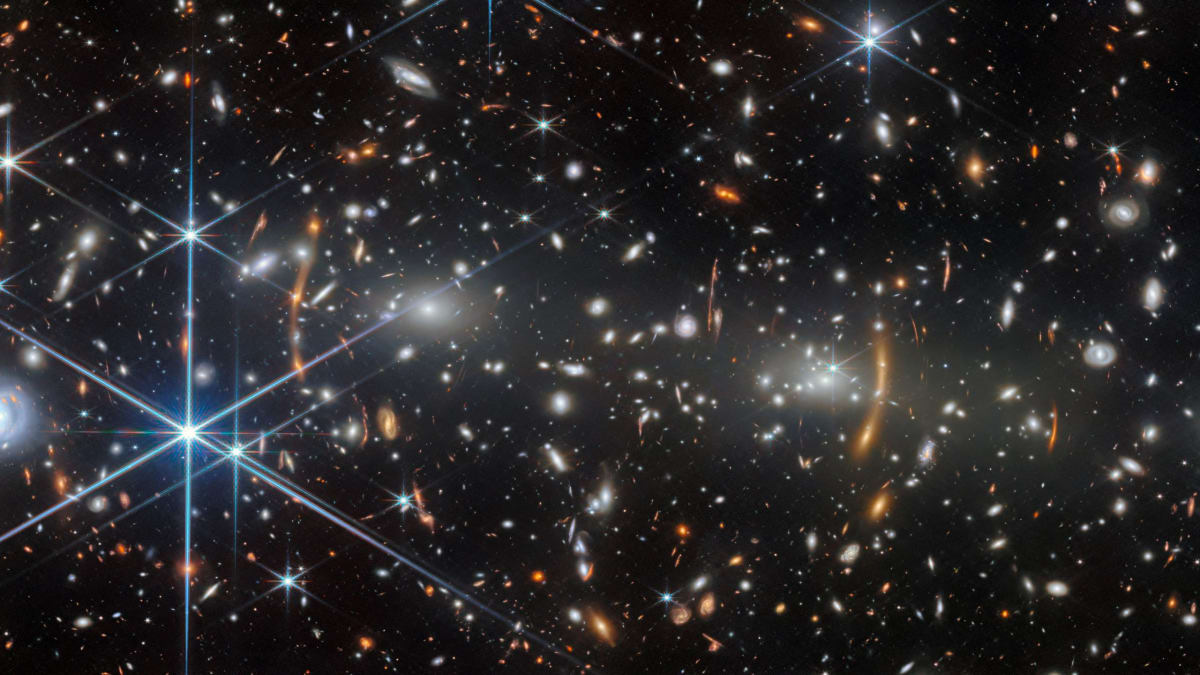
James Webb Telescope Uses Einstein's Gravity Trick to See Time
InnovationJul 19

James Webb Telescope Uses Einstein's Gravity Trick to See Time

The James Webb Space Telescope is peering billions of years into the past using Einstein's century-old prediction about gravity as a cosmic magnifying glass. New images reveal ancient galaxies that would otherwise be invisible, appearing as warped orange arcs of light stretched around massive galaxy clusters.

Google: James Webb telescope2 min read
Webb Telescope Finds Hidden Galaxy Warped by Space Itself
InnovationAug 12

Webb Telescope Finds Hidden Galaxy Warped by Space Itself

An amateur researcher sifting through public telescope data spotted a stunning cosmic phenomenon hiding in plain sight. The discovery proves groundbreaking science doesn't always need massive teams or exclusive access.

Google: James Webb telescope3 min read
Scientists Detect First Signal From Black Hole's Edge
Planet WinsJun 24

Scientists Detect First Signal From Black Hole's Edge

For the first time ever, scientists have captured a gravitational wave carrying information directly from a black hole's event horizon. This breakthrough opens an entirely new window into one of the universe's most mysterious frontiers.

Google News - Science3 min read
Scientists Find New Way to Measure Universe's Expansion
InnovationMar 3

Scientists Find New Way to Measure Universe's Expansion

Researchers discovered how to use gravitational waves to solve one of physics' biggest mysteries: why we get different answers when measuring how fast the universe is growing. This breakthrough could finally end the decade-long "Hubble tension" debate.

Space.com2 min read
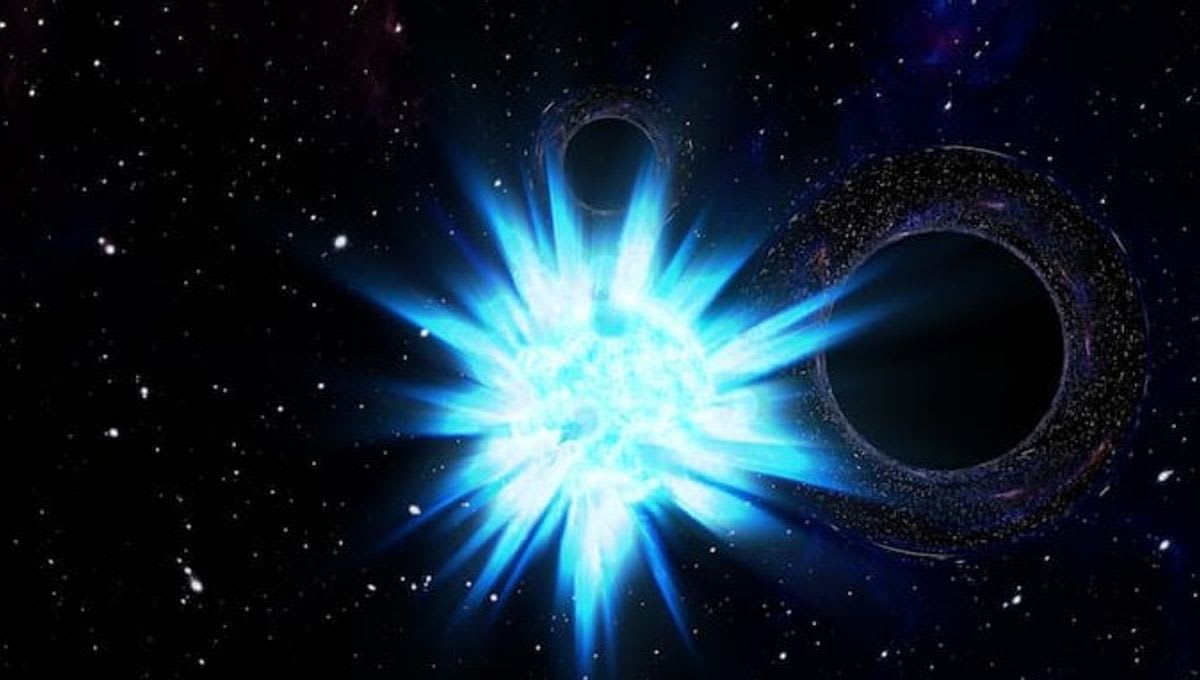
Scientists Confirm Star Explosions That Leave Nothing Behind
InnovationApr 4

Scientists Confirm Star Explosions That Leave Nothing Behind

For 60 years, scientists theorized that the universe's biggest stars could explode so powerfully they vanish completely. New research using gravitational waves just proved they were right.

Japan Times3 min read
Einstein Proven Right Again in Historic Gravity Test
Planet WinsFeb 13

Einstein Proven Right Again in Historic Gravity Test

Scientists used the loudest gravitational wave signal ever detected to test Einstein's 100-year-old theory of gravity—and it passed with flying colors. The crystal-clear signal came from two black holes colliding 1.3 billion light-years away.

Google News - Science3 min read
Scientists May Soon Peek Inside Neutron Stars' Cores
Planet WinsMar 15

Scientists May Soon Peek Inside Neutron Stars' Cores

Researchers discovered how to decode gravitational waves from colliding neutron stars, potentially revealing exotic matter that hasn't existed since moments after the Big Bang. The breakthrough could unlock secrets about the universe's earliest moments. ---

Space.com2 min read
Scientists Find Evidence of Universe's Most Powerful Supernovae
Planet WinsApr 4

Scientists Find Evidence of Universe's Most Powerful Supernovae

Gravitational wave data reveals proof of rare supernovae so powerful they completely vaporize stars without leaving black holes behind. The discovery helps explain a mysterious gap in black hole sizes across the cosmos.

Google News - Science2 min read
Scientists Decode Black Hole Origins Using Spacetime Ripples
Daily MixMay 8

Scientists Decode Black Hole Origins Using Spacetime Ripples

Scientists discovered the universe's biggest black holes form through violent collisions in densely packed star clusters, not from dying stars alone. Gravitational wave detectors revealed two distinct black hole populations, solving a cosmic mystery about how these giants grow.

Space.com3 min read

Showing 20 of 396