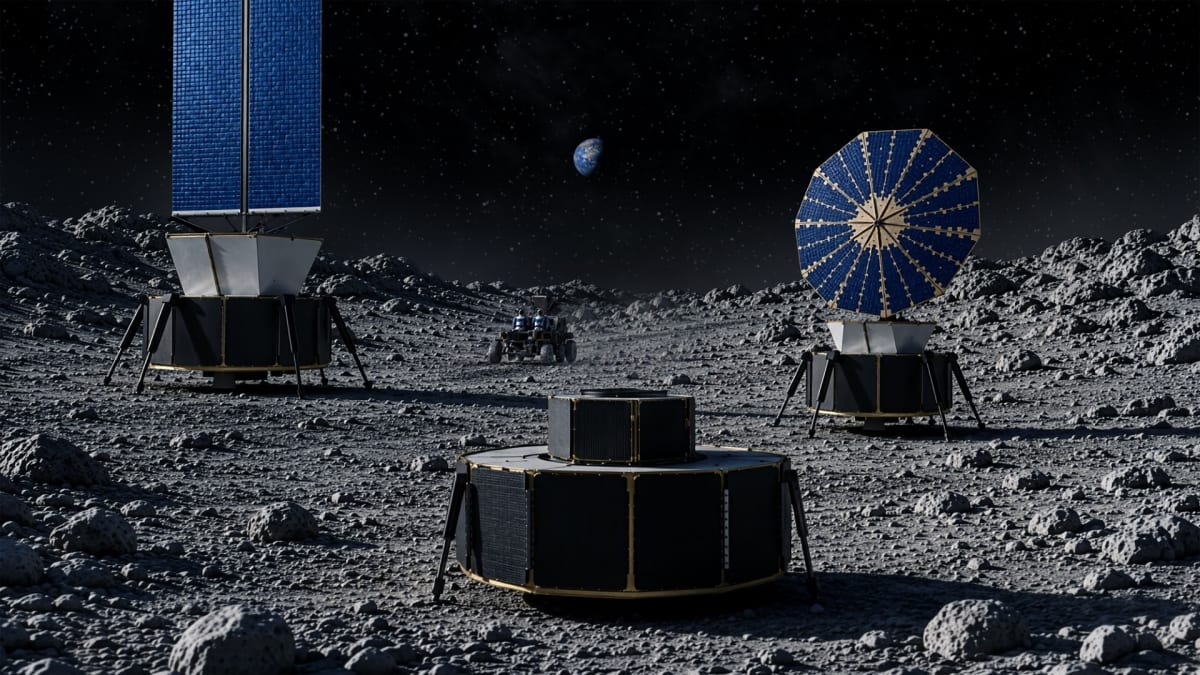
NASA Shifts Lunar Tech from Gateway to Moon Base
NASA's lunar program is getting a creative reboot. Technologies originally built for an orbiting Gateway station are now being repurposed to help build humanity's first permanent base on the Moon.
Find uplifting stories about heroes, innovations, and solutions
19888 results for "lunar technology"
NASA's lunar program is getting a creative reboot. Technologies originally built for an orbiting Gateway station are now being repurposed to help build humanity's first permanent base on the Moon.
A California space company is preparing to make the first bricks on the Moon next year, taking a major step toward building humanity's first lunar hotel. Using advanced simulation technology, GRU Space is testing equipment that could help establish a permanent human presence beyond Earth.

Humanoid robots performed martial arts and traditional dances at China's most-watched television event, showcasing how far robotics has come. The annual CCTV Spring Festival gala brought cutting-edge technology to 1.3 billion viewers celebrating the new year.

Scientists want to put ultrastable lasers inside the moon's coldest craters to create a GPS-like navigation system for future astronauts. The permanently shadowed craters near the south pole offer the perfect natural conditions for precision laser technology.

Scientists have discovered frozen water hidden in the Moon's permanently shadowed craters, and it could be the key to building our first permanent lunar home. This ice treasure could provide everything future moon settlers need: drinking water, rocket fuel, and building materials.
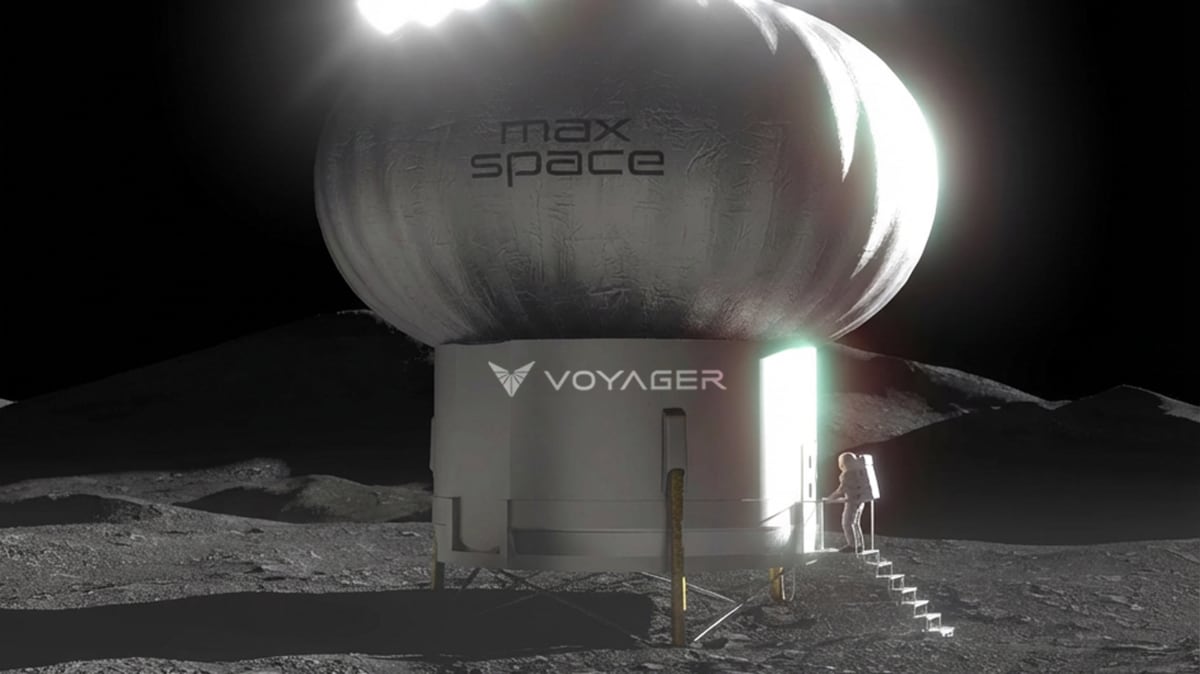
Space companies are shifting from short lunar missions to building permanent moon infrastructure designed for humans to live and work there by 2030. Voyager Technologies and partners are creating habitats, power systems, and life support that can handle the moon's harsh conditions.

Britain is pouring £62 million into developing its own satellite technology, helping businesses and researchers build better internet connections for remote areas and strengthen the country's space industry. The funding will support everything from startup ideas to major commercial projects, creating jobs and reducing reliance on foreign space infrastructure.
A $300 million deal just brought the U.S. closer to establishing a permanent base on the moon by 2028. Pittsburgh's Astrobotic, which launched America's first commercial lunar lander, is joining forces with Voyager Technologies to accelerate lunar infrastructure.
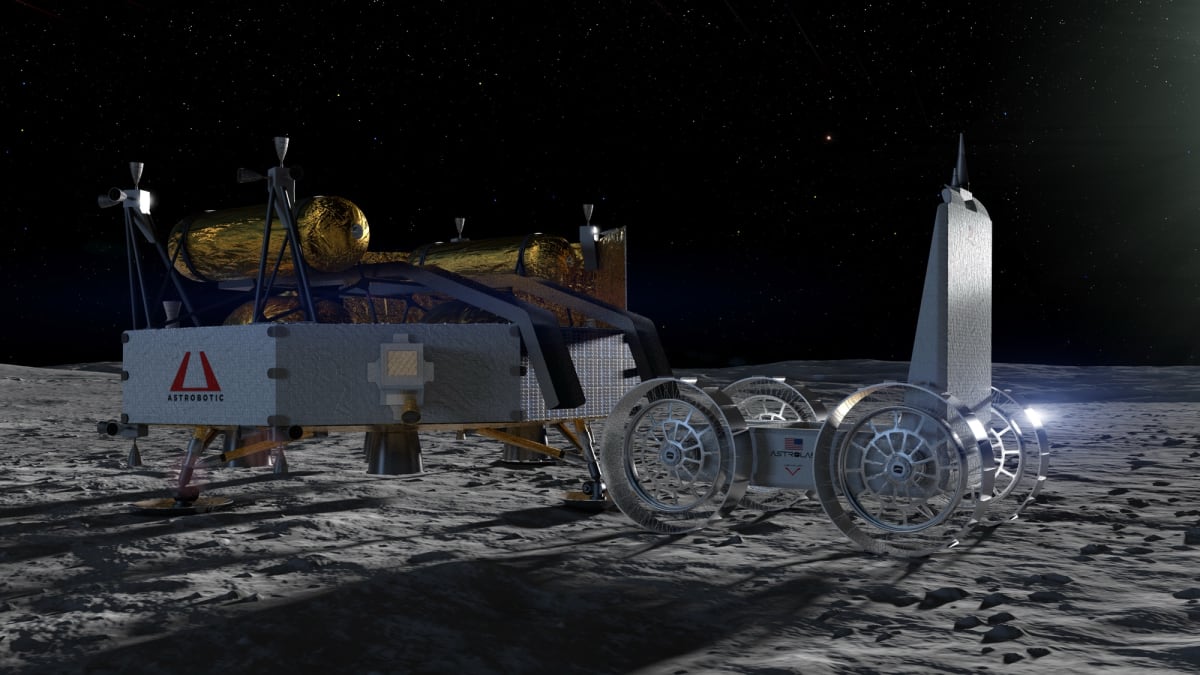
America's lunar ambitions just got a major boost as Voyager Technologies acquires Astrobotic, the Pittsburgh company building the infrastructure to establish a permanent moon base. The $300 million deal brings together landing technology, power systems, and reusable rockets under one roof.
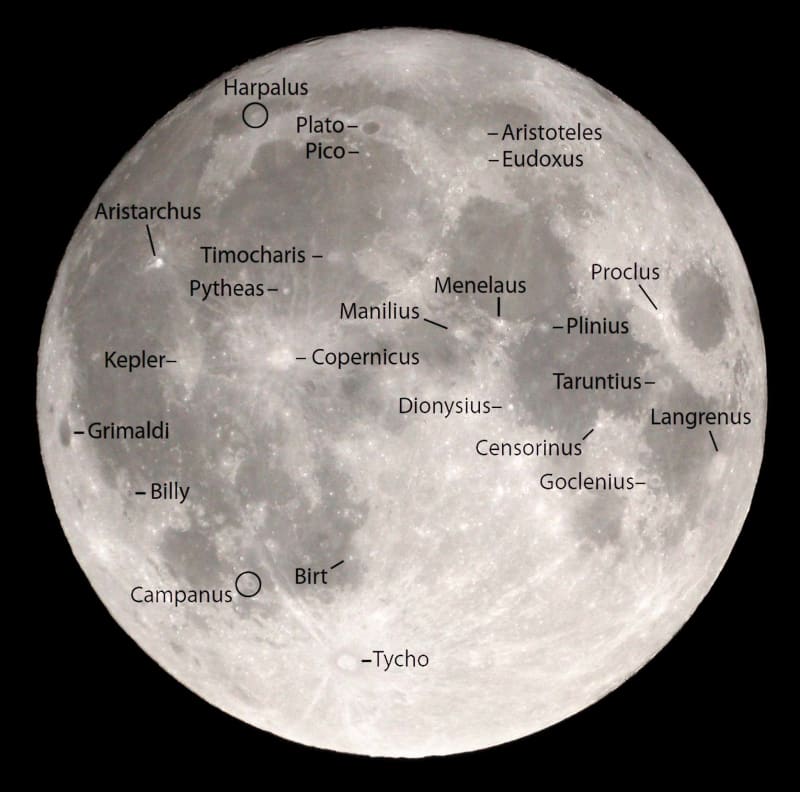
You don't need fancy equipment to contribute to real lunar science. The March 2026 total lunar eclipse offers three simple projects anyone with clear skies can tackle.

On Tuesday morning, March 3rd, a total lunar eclipse will paint the full moon crimson as it passes through Earth's shadow, visible across North America with no special equipment needed. After this one, the next total lunar eclipse won't grace our skies until 2029.

Graduate students across two nations will compete to design technology for the moon's surface, backed by up to $300,000 in funding. The US-UAE partnership aims to prepare the next generation of space innovators through hands-on lunar mission planning. #
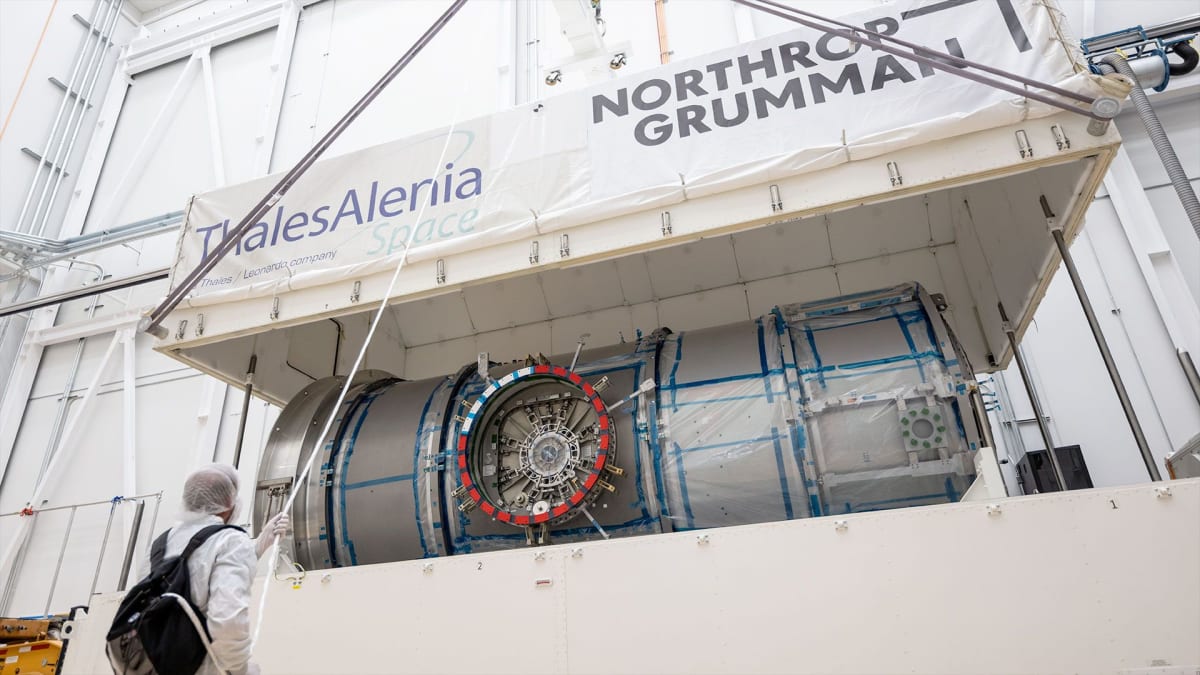
When NASA scrapped its Gateway space station earlier this year, the HALO module could have gathered dust in a warehouse. Instead, Northrop Grumman is breathing new life into the technology to help astronauts reach the moon faster.

An Iowa equipment company just built a full-scale electric excavator designed to mine helium on the Moon within five years. The breakthrough could solve Earth's critical helium shortage while building infrastructure for permanent lunar settlements.

Small farmers in Punjab, India are getting a technological lifeline through a new partnership with South Korea. The collaboration will bring advanced farming tools and vertical farming expertise to help make agriculture profitable again.
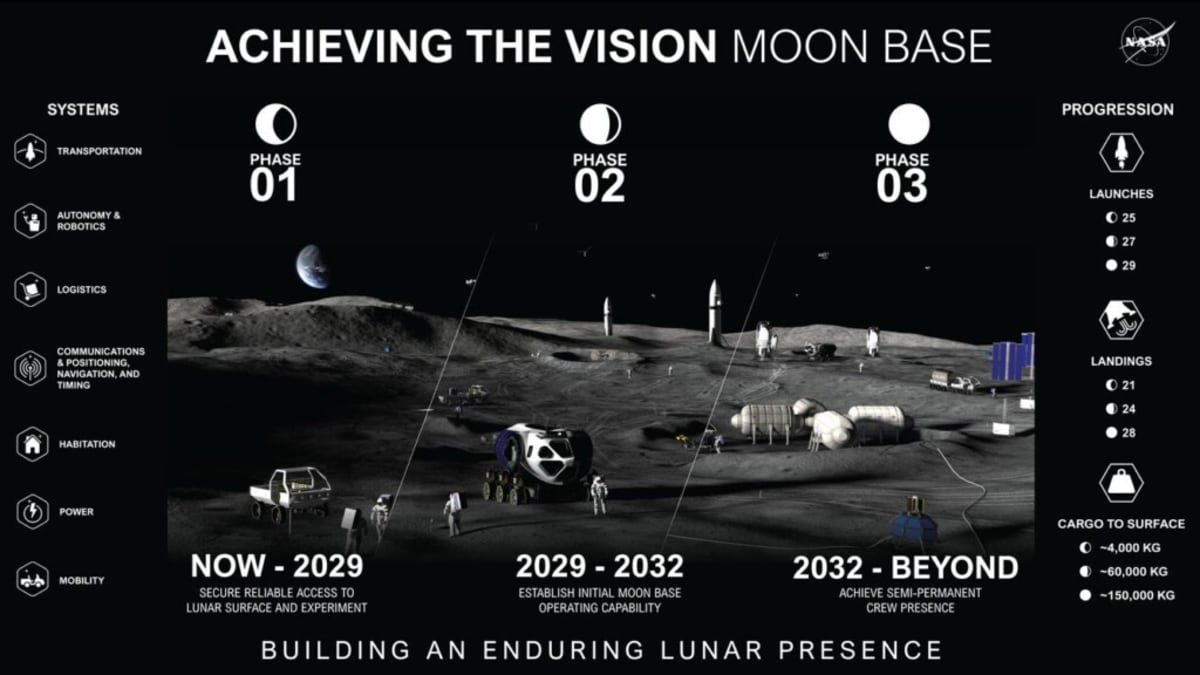
NASA just announced its ambitious Moon Base program, launching three unmanned missions starting in 2026 to prepare for humanity's first return to the Moon since 1969. The missions will test equipment, map landing sites, and build infrastructure for a permanent human presence on the lunar surface.

A private space company is about to send the first commercial lunar rover to the Moon carrying four NASA experiments that could unlock secrets about future moon bases. The mission launches later this year, marking a new era of public-private space exploration.
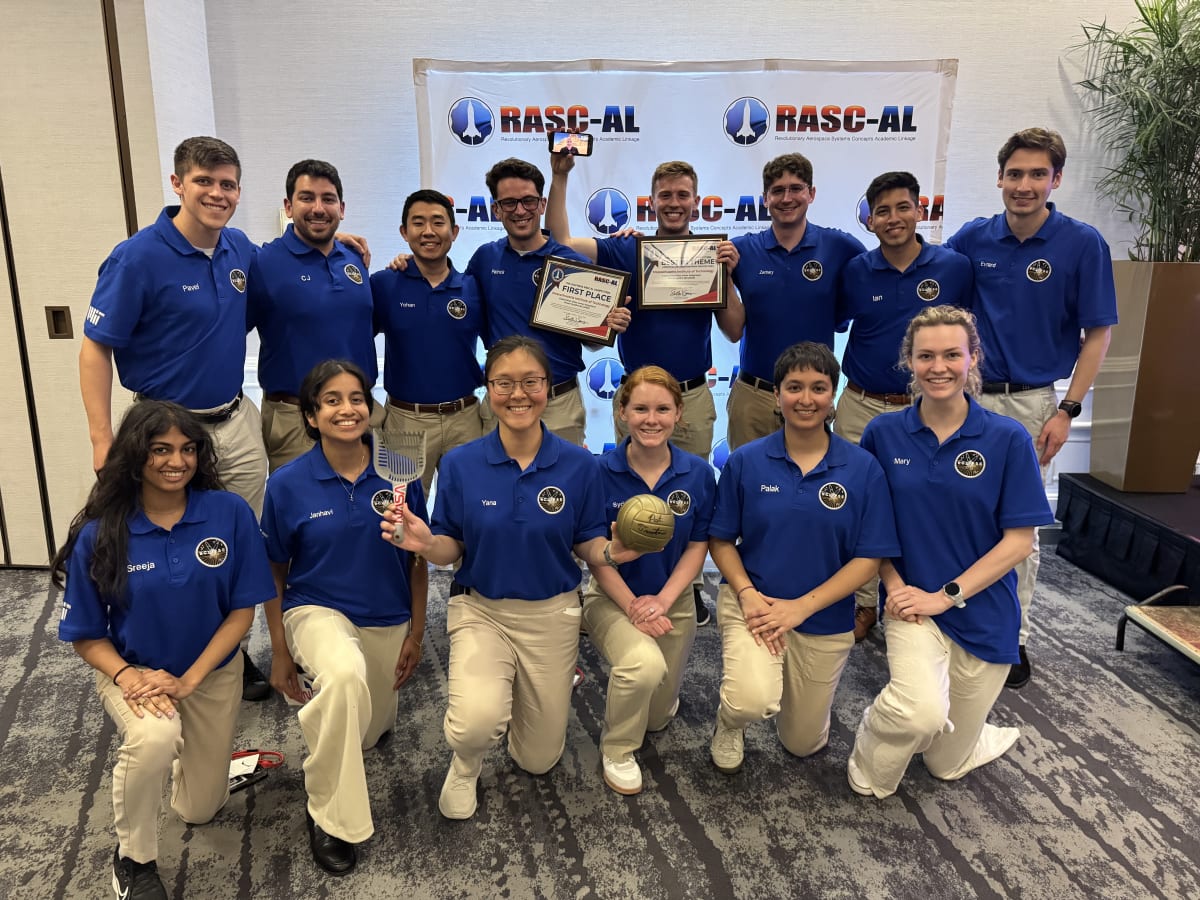
College teams just showed NASA how the next generation plans to power the moon. MIT students took top honors at NASA's 2026 innovation competition with a breakthrough lunar energy system that could support future Artemis missions.
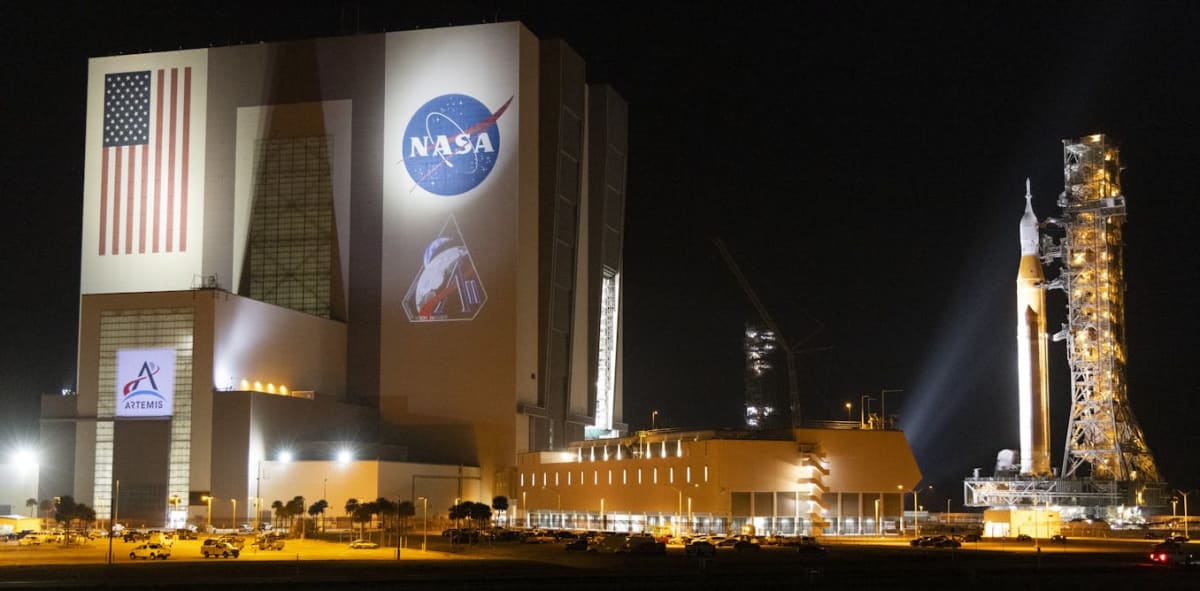
NASA is shifting from racing to the Moon to building a permanent home there. The agency's revamped Artemis program now prioritizes creating reliable systems for humans to live and work on the lunar surface long-term.
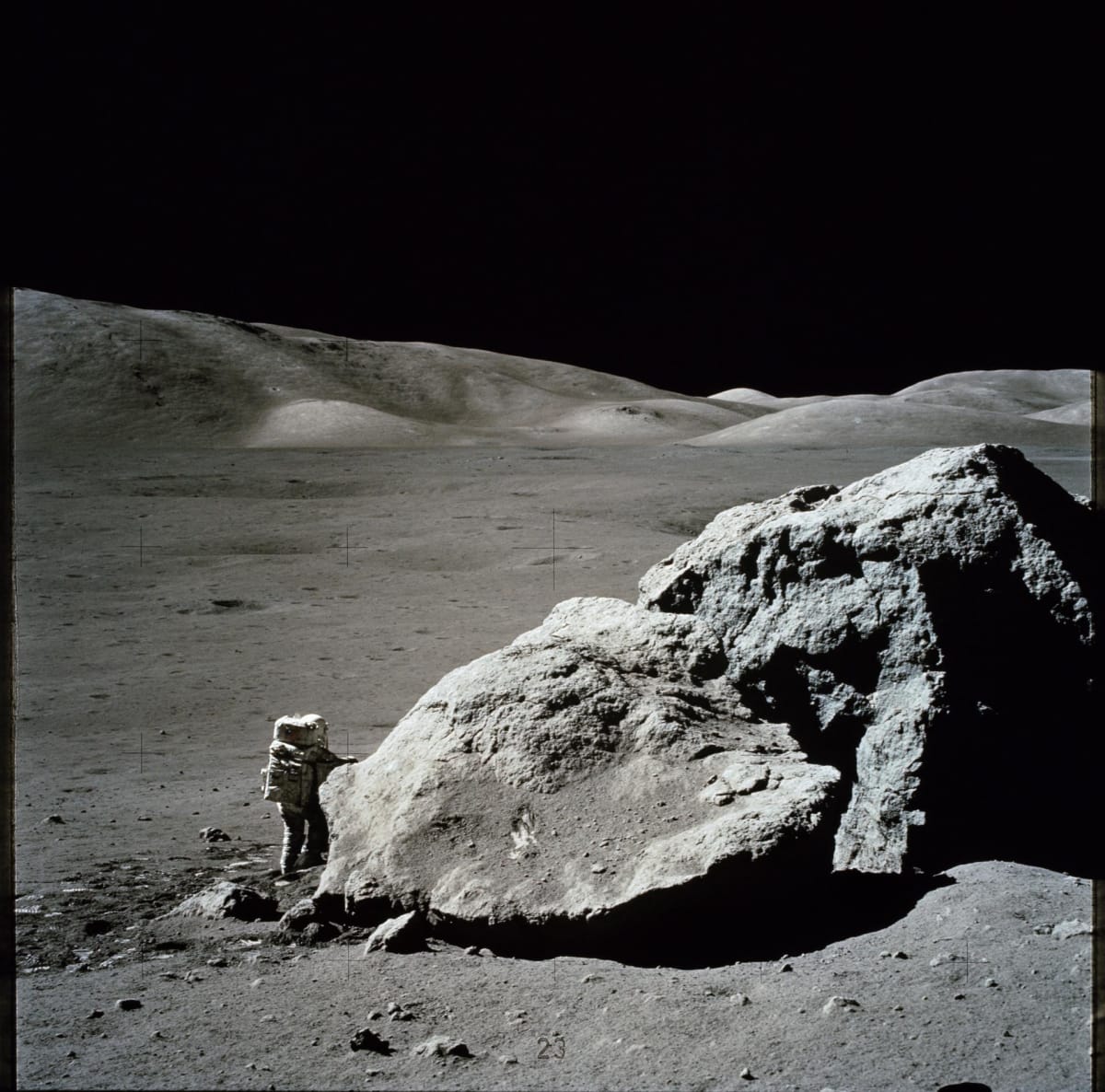
NASA is teaming up with Japan and India to scan the Moon's South Pole for water ice that could let astronauts breathe, refuel rockets, and build a lasting lunar home. The mission launches in 2028 with a special tool that spots hidden ice without drilling.
Showing 20 of 19888