Search

Find uplifting stories about heroes, innovations, and solutions

1425 results for "mammal evolution"

250-Million-Year-Old Egg Solves Mammal Evolution Mystery
InnovationApr 15

250-Million-Year-Old Egg Solves Mammal Evolution Mystery

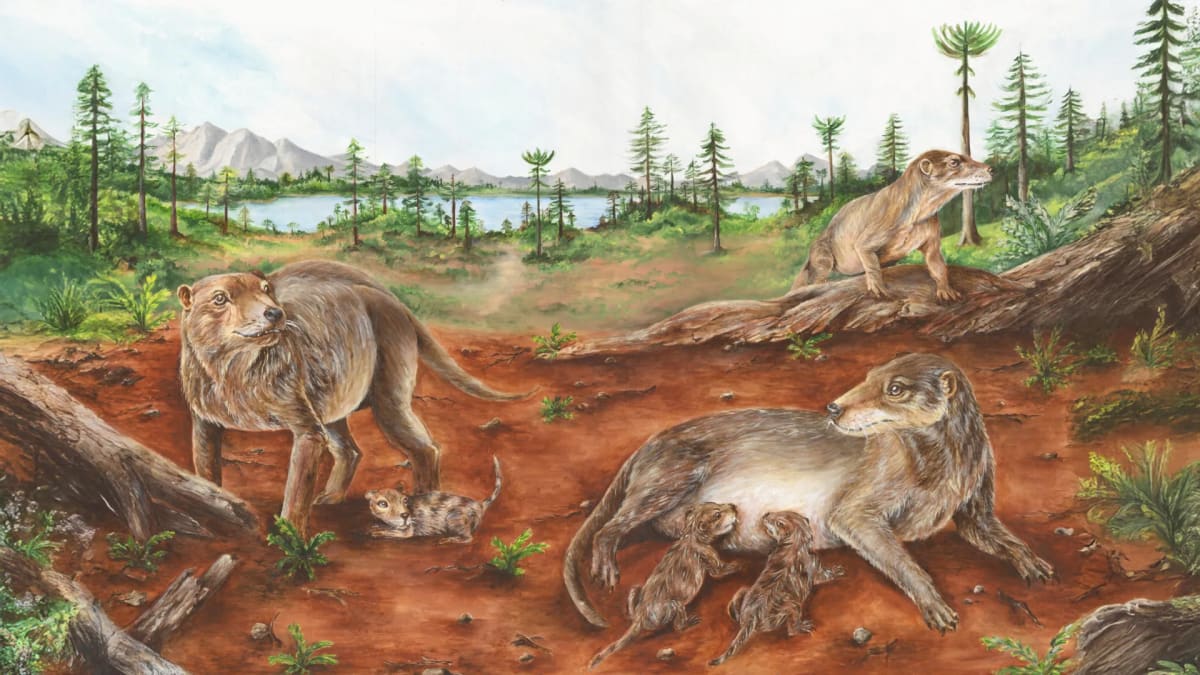
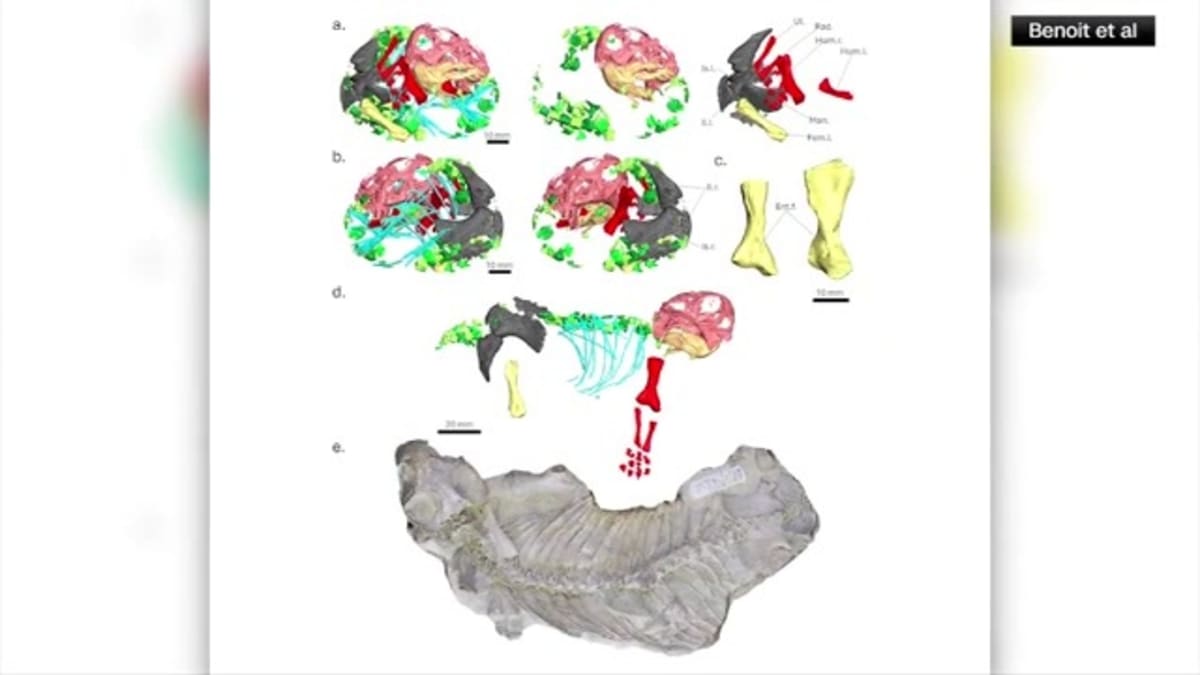
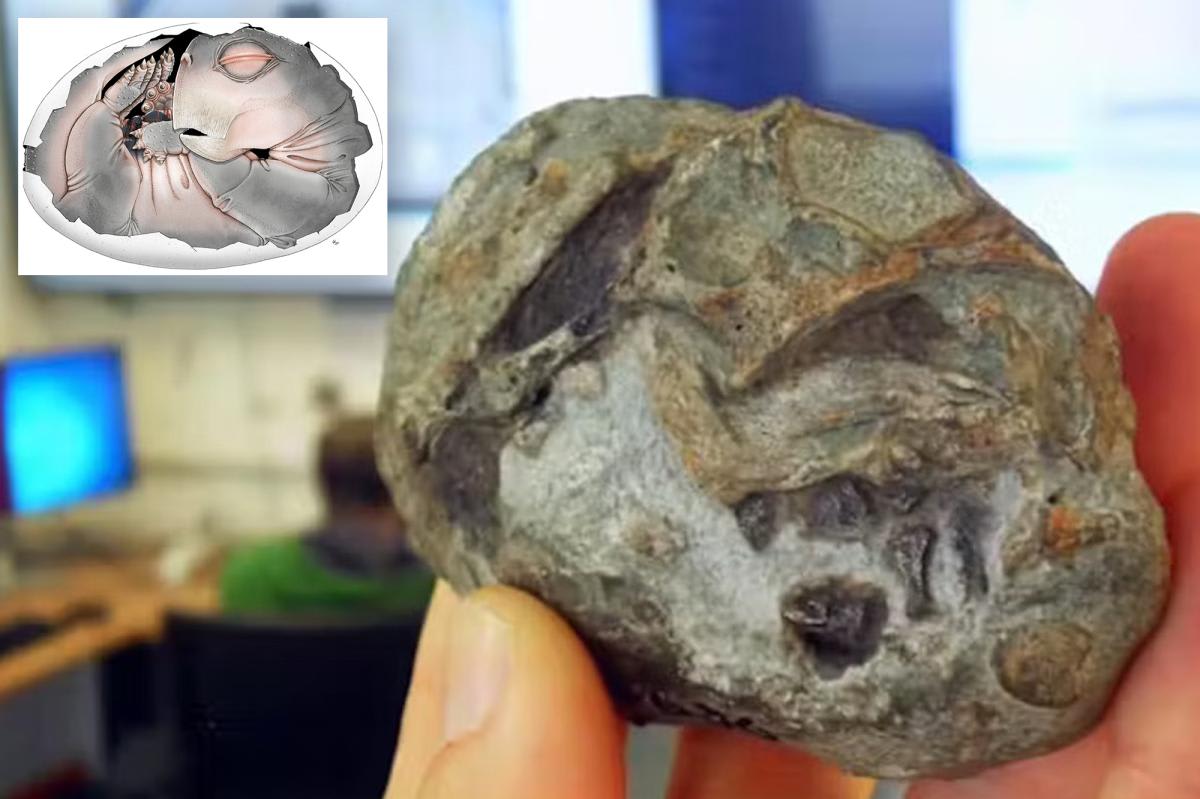
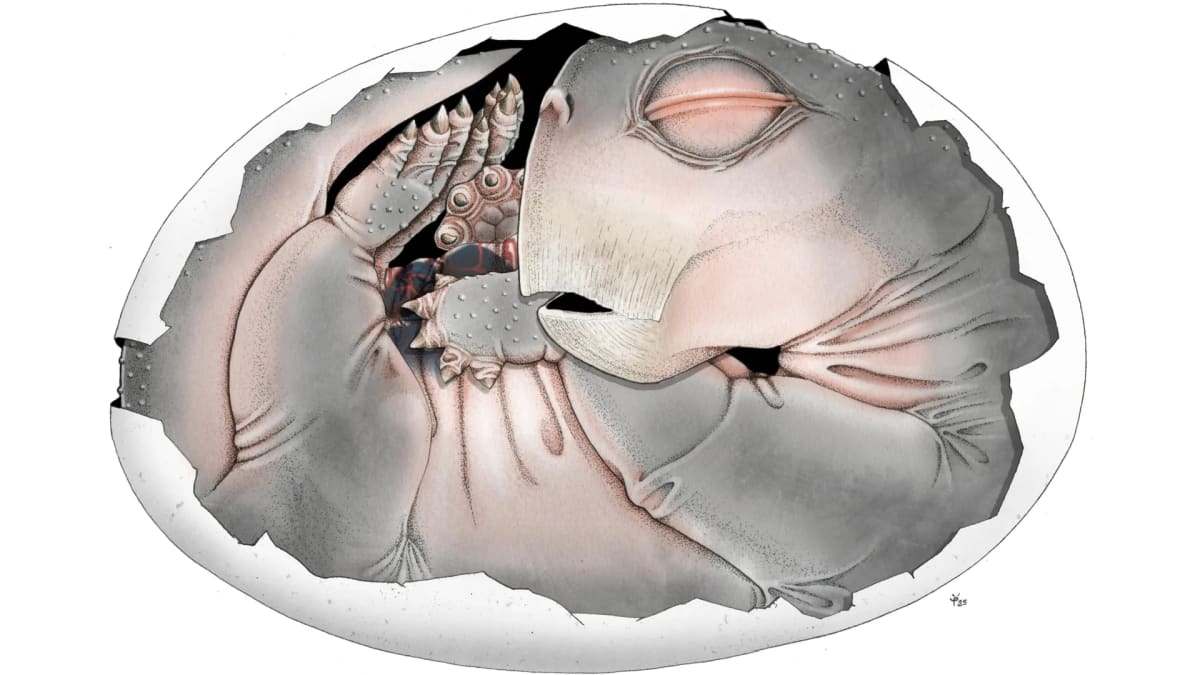
Scientists just confirmed that our mammal ancestors laid eggs, thanks to a rare fossil preserving a curled-up embryo from 250 million years ago. The discovery explains how one tough creature survived Earth's deadliest extinction event.

Science Daily2 min read
250-Million-Year-Old Fossil Reveals Mammal Egg Mystery
InnovationApr 16

250-Million-Year-Old Fossil Reveals Mammal Egg Mystery

Scientists have discovered the first proof that our ancient mammal ancestors laid eggs, solving a mystery that's puzzled researchers for generations. The fossil also explains how these creatures survived Earth's deadliest mass extinction.

Google: fossil discovery2 min read
Ancient Egg Fossil Shows How Mammals Survived Extinction
InnovationApr 13

Ancient Egg Fossil Shows How Mammals Survived Extinction

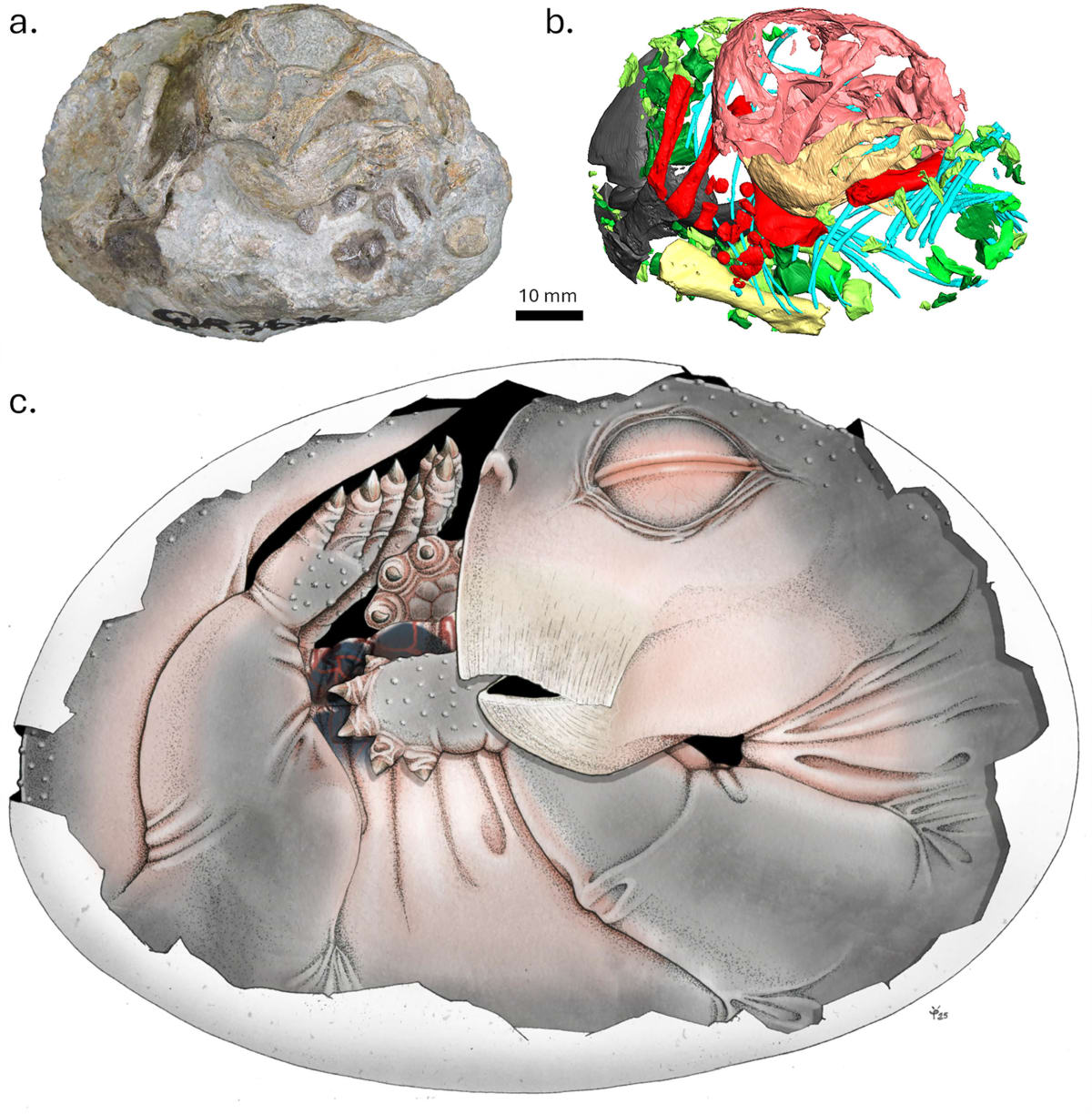
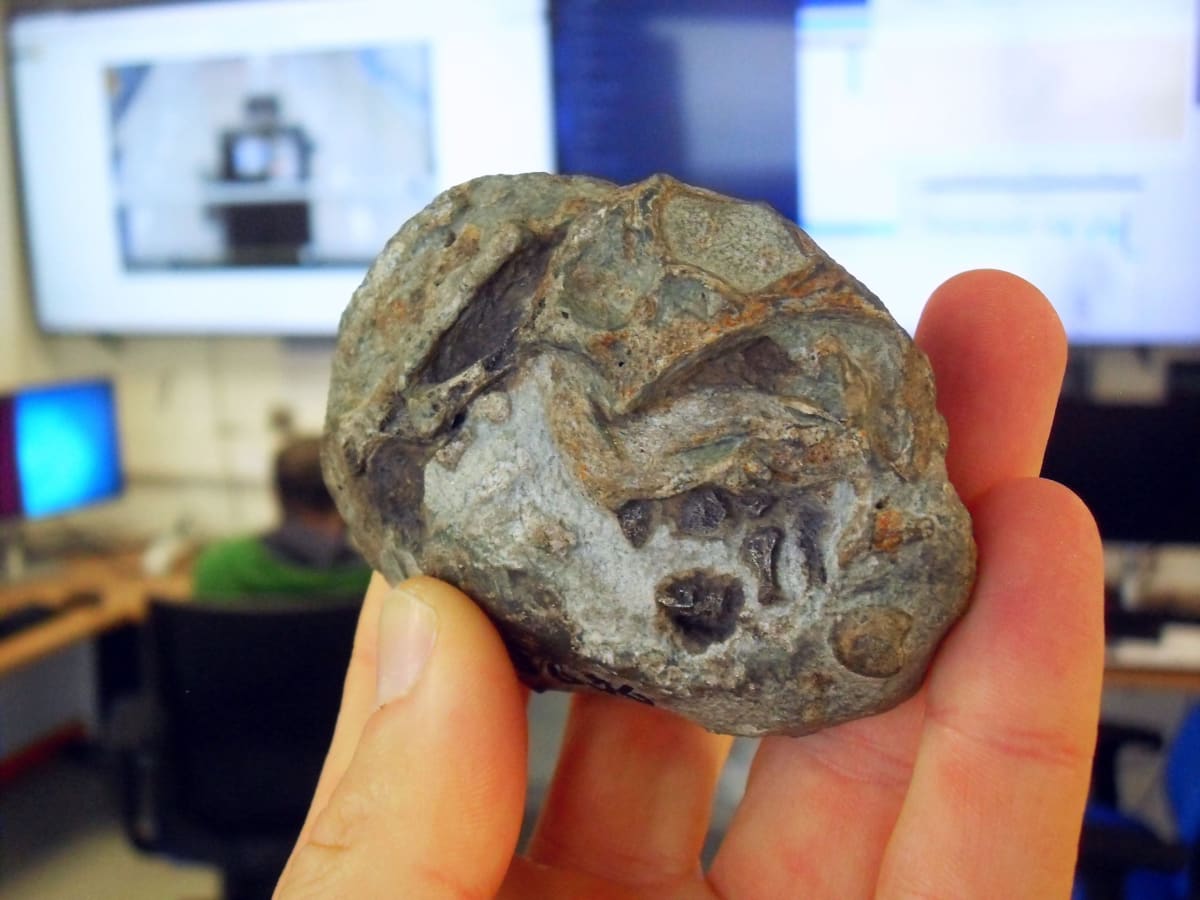
Scientists discovered a 252-million-year-old fossilized embryo in South Africa that proves our mammal ancestors laid eggs and reveals how they survived Earth's worst mass extinction. The find marks the first confirmed evidence of egg-laying in therapsids, the prehistoric creatures that gave rise to modern mammals.

Google: fossil discovery2 min read
Scientists Find First-Ever Egg of Ancient Mammal Ancestor
InnovationApr 11

Scientists Find First-Ever Egg of Ancient Mammal Ancestor

Researchers discovered the first confirmed egg from a mammal ancestor, solving a 200-year mystery about how these ancient creatures reproduced. The fossil shows how one tough species survived Earth's worst extinction and paved the way for all mammals today.

Google: fossil discovery3 min read
Tiny 700-Gram Dinosaur Rewrites Evolution Playbook
InnovationMar 9

Tiny 700-Gram Dinosaur Rewrites Evolution Playbook

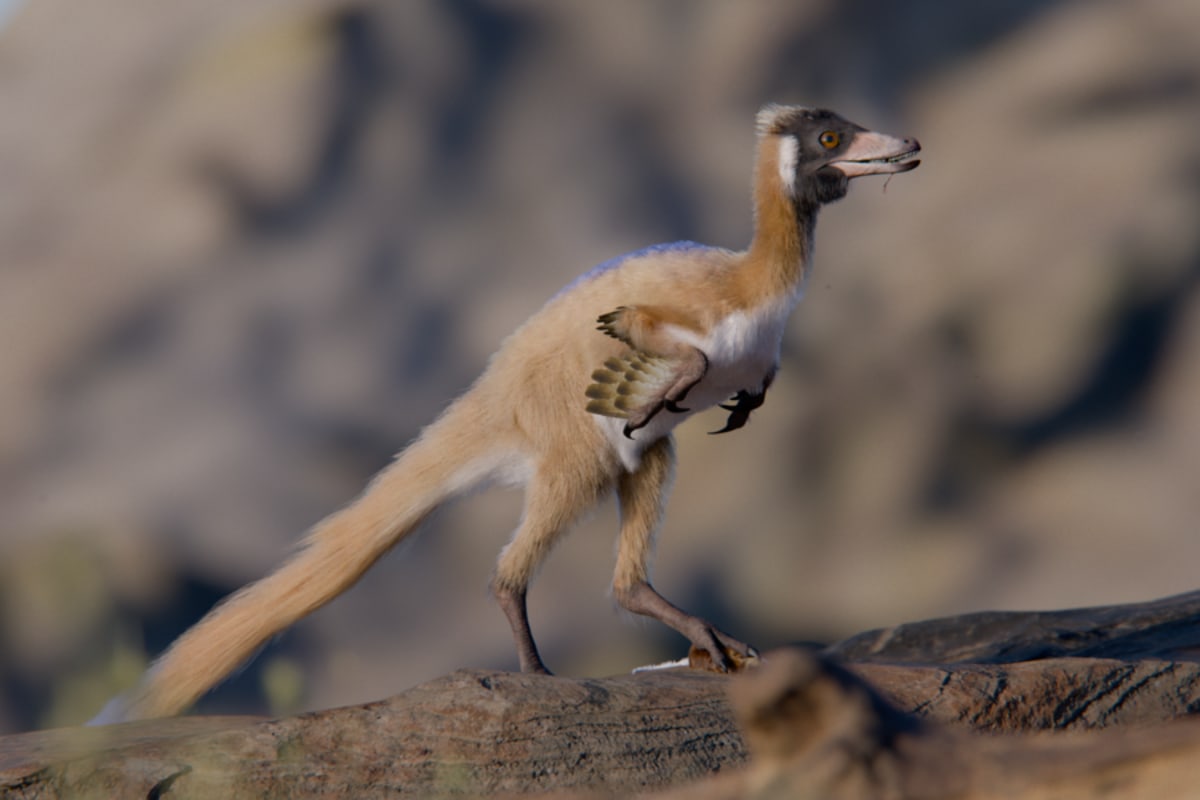
Scientists discovered a roadrunner-sized dinosaur in Argentina that's forcing them to rethink how some dinosaurs became miniature. The 700-gram creature proves evolution doesn't always follow a straight line.

Ars Technica Science2 min read
250-Million-Year-Old Egg Reveals Mammal Ancestor Secrets
InnovationApr 17

250-Million-Year-Old Egg Reveals Mammal Ancestor Secrets

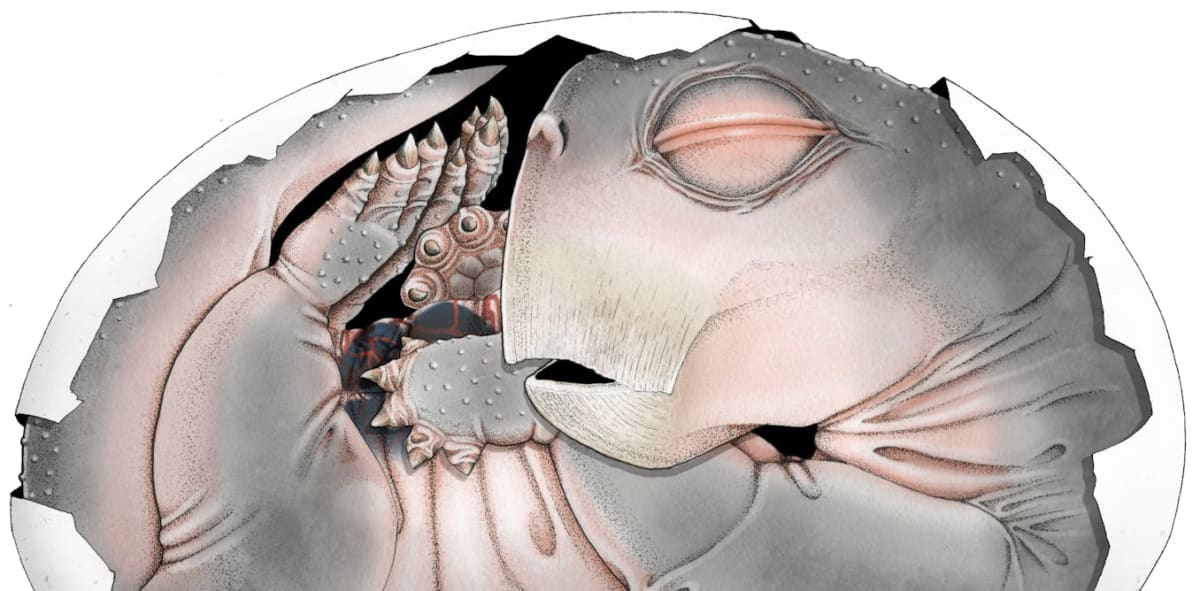
Scientists discovered the first confirmed egg from a mammal ancestor, solving a mystery about how tough little Lystrosaurus survived Earth's worst extinction event. The 250-million-year-old fossil shows these creatures laid large, soft-shelled eggs that helped their babies thrive in brutal conditions.

Google: fossil discovery2 min read
Hamster-Sized Mammal Survived Dinosaur Extinction
Planet WinsApr 27

Hamster-Sized Mammal Survived Dinosaur Extinction

Scientists discovered a 75-million-year-old fossil in Mexico that reveals how tiny mammals outlasted the asteroid that killed the dinosaurs. The finding shows how being small and eating anything helped our ancient relatives survive Earth's deadliest day.

Google: fossil discovery3 min read
Vanderbilt Professor: Evolution Can Solve Today's Problems
Planet WinsJun 26

Vanderbilt Professor: Evolution Can Solve Today's Problems

A new book argues we're missing huge opportunities by ignoring evolution's lessons for modern challenges. Understanding natural selection could revolutionize everything from medicine to decision-making.

Fast Company - Innovation2 min read
2-Pound Dinosaur Rewrites Evolution Story in Patagonia
Planet WinsApr 22

2-Pound Dinosaur Rewrites Evolution Story in Patagonia

A nearly complete 90-million-year-old skeleton from Argentina is solving one of paleontology's strangest puzzles. The tiny dinosaur proves these odd creatures shrank before they specialized, flipping evolution theories on their head.

Google: fossil discovery2 min read
Evolution Used Same Genetic Code for 120 Million Years
InnovationMay 5

Evolution Used Same Genetic Code for 120 Million Years

Scientists discovered that butterflies and moths separated by millions of years use identical genes to create similar warning patterns, revealing evolution follows surprisingly predictable paths. This breakthrough could help us understand how species will adapt to future climate changes.

Google News - Scientists Discover3 min read
Human Evolution Sped Up Over Past 10,000 Years
InnovationApr 16

Human Evolution Sped Up Over Past 10,000 Years

The largest study of ancient human DNA reveals that human evolution has dramatically accelerated since farming began, reshaping everything from disease resistance to physical appearance. Scientists found nearly 500 gene variants that changed through natural selection as our ancestors adapted to revolutionary lifestyle changes.

Google News - Science3 min read
Milkweed's 'Mind-Blowing' Evolution Could Save Monarchs
Planet WinsMar 19

Milkweed's 'Mind-Blowing' Evolution Could Save Monarchs

Cornell researchers discovered milkweed plants have evolved a brilliant new defense mechanism that could revolutionize monarch butterfly conservation efforts. The findings reveal nature's surprising innovation in one of evolution's oldest battles.

Google News - Researchers Find3 min read
Scientists Track Death Cap Mushroom Evolution in Real Time
InnovationFeb 20

Scientists Track Death Cap Mushroom Evolution in Real Time

Researchers are watching one of nature's deadliest mushrooms rapidly evolve in California, revealing how species adapt to new homes. The discovery gives scientists a rare window into evolution happening right now.

Google News - Scientists Discover2 min read
Mexican Cave's Natural Skylight Reveals Evolution in Action
Planet WinsMay 7

Mexican Cave's Natural Skylight Reveals Evolution in Action

A collapsed cave ceiling in Mexico created a unique laboratory where blind and sighted fish of the same species now live side by side, showing scientists how evolution works in real time. Researchers discovered key genes responsible for eye development by studying this rare natural experiment.

Google News - Scientists Discover3 min read
250-Million-Year-Old Egg Solves Mammal Mystery
Planet WinsApr 10

250-Million-Year-Old Egg Solves Mammal Mystery

Scientists just found the world's oldest proof that our mammal ancestors laid eggs, tucked away in a South African fossil for 20 years. The discovery reveals how a pig-like creature survived Earth's worst mass extinction.

Google News - Science3 min read
Cave Fossils Reveal Million-Year Evolution Mystery
Planet WinsJun 27

Cave Fossils Reveal Million-Year Evolution Mystery

Scientists discovered ancient fossils in volcanic ash deep inside a remote cave, uncovering clues about a forgotten chapter in evolution. The findings span a million years of preserved history.

Google: fossil discovery2 min read
250-Million-Year-Old Egg Solves Ancient Mammal Mystery
Planet WinsApr 10

250-Million-Year-Old Egg Solves Ancient Mammal Mystery

Scientists in South Africa discovered the oldest embryo fossil ever found, proving our mammal ancestors laid eggs 250 million years ago. The tiny creature inside reveals survival secrets from Earth's deadliest extinction event.

Google: fossil discovery2 min read
Biologist Finds Evolution Clock in 'Junk' DNA
Health & WellnessMar 24

Biologist Finds Evolution Clock in 'Junk' DNA

Victoria Foe discovered that the DNA scientists dismissed as "junk" may actually be a crucial timing device that makes complex life possible. Her decades-long quest, fueled by personal loss and scientific curiosity, is rewriting what we know about evolution.

Google News - Science3 min read
500-Million-Year-Old Fossil Rewrites Evolution Story
InnovationMay 28

500-Million-Year-Old Fossil Rewrites Evolution Story

A forgotten museum fossil sat in storage for 64 years before revealing secrets about a mysterious gap in Earth's animal evolution. Scientists now believe an entire era of ancient life was simply waiting to be rediscovered.

Google: fossil discovery3 min read
Scientists Finally Solve Mystery of Human Hand Evolution
Global NewsFeb 18

Scientists Finally Solve Mystery of Human Hand Evolution

New fossil discoveries reveal how our uniquely powerful thumbs helped make us human. The evolution of our hands may be just as important as our big brains in shaping who we became.

New Scientist2 min read

Showing 20 of 1425