Search

Find uplifting stories about heroes, innovations, and solutions

10770 results for "planet discovery"

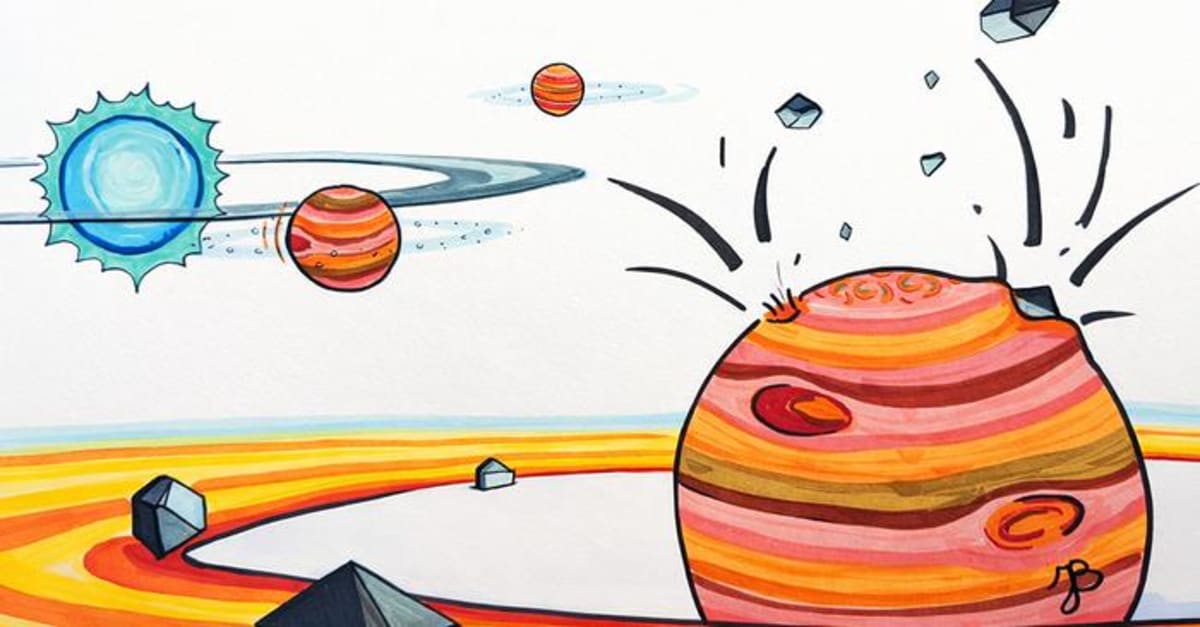
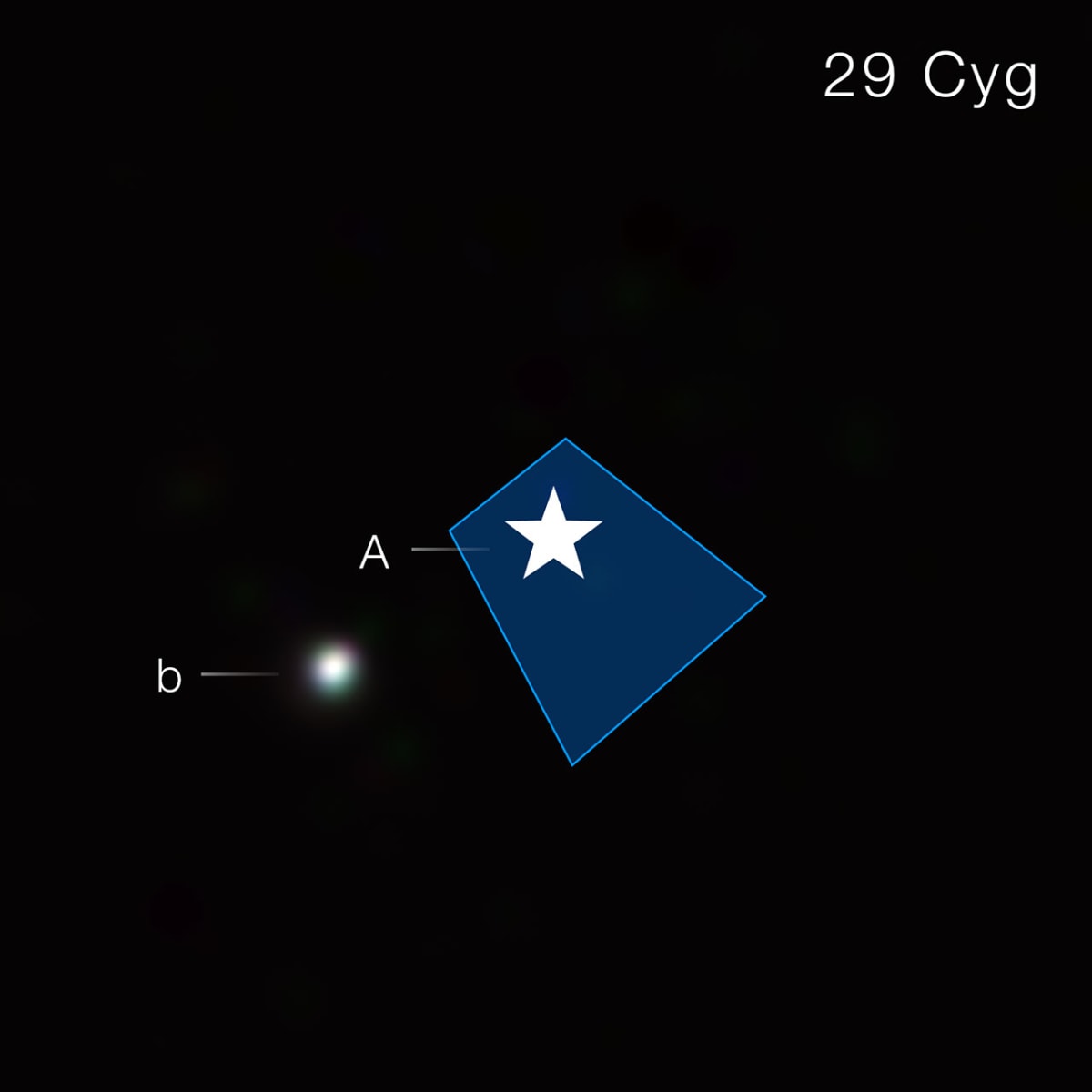
Giant Planet Discovery Reveals How Massive Worlds Form
InnovationApr 16

Giant Planet Discovery Reveals How Massive Worlds Form

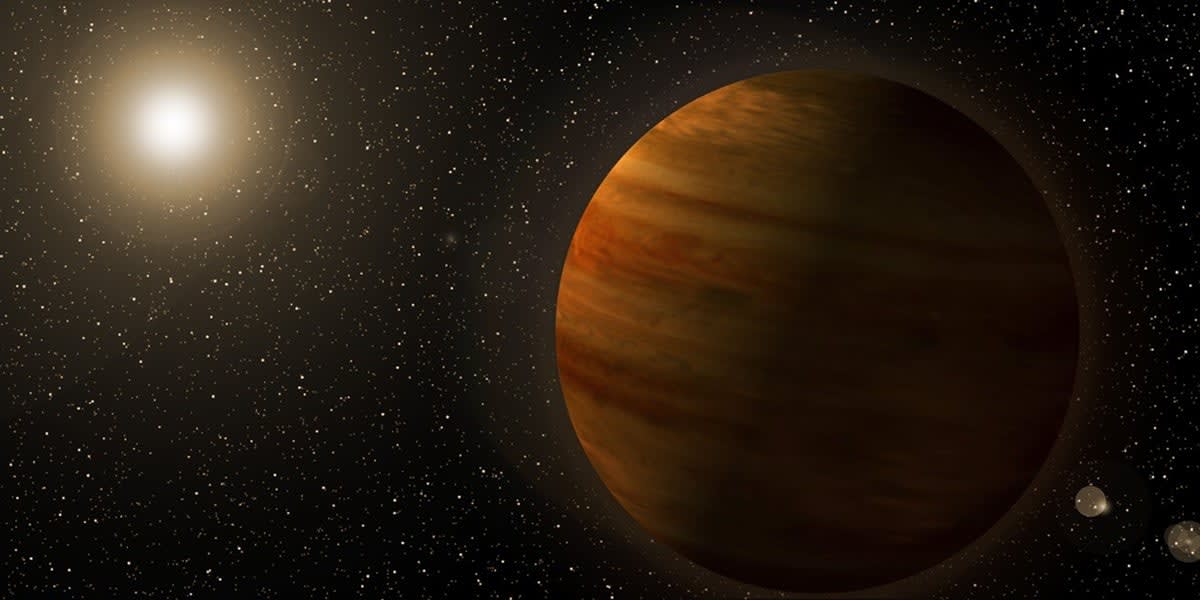
The James Webb Space Telescope found a supergiant planet that collected metal-rich materials as it formed, solving a cosmic mystery about how the universe's largest planets are born. This discovery could rewrite our understanding of planet formation.

Google: James Webb telescope2 min read
Parking Lot Telescope Discovery Led to 2,700 New Planets
InnovationJun 4

Parking Lot Telescope Discovery Led to 2,700 New Planets

A grad student with a homemade telescope in a Colorado parking lot made a discovery that convinced NASA to launch a mission finding thousands of planets. That 1999 breakthrough changed our understanding of the universe forever.

Smithsonian3 min read
Mystery Planet Nine Might Exist—Just Farther Than We Thought
Planet WinsJun 9

Mystery Planet Nine Might Exist—Just Farther Than We Thought

Astronomers are finding new clues about a hidden giant planet beyond Neptune, and the mystery is getting more exciting. Fresh discoveries suggest Planet Nine could be real but lurking much farther away than anyone expected.

Science Daily2 min read
Rocky Planet 49 Light Years Away Has Breathable Atmosphere
InnovationJul 17

Rocky Planet 49 Light Years Away Has Breathable Atmosphere

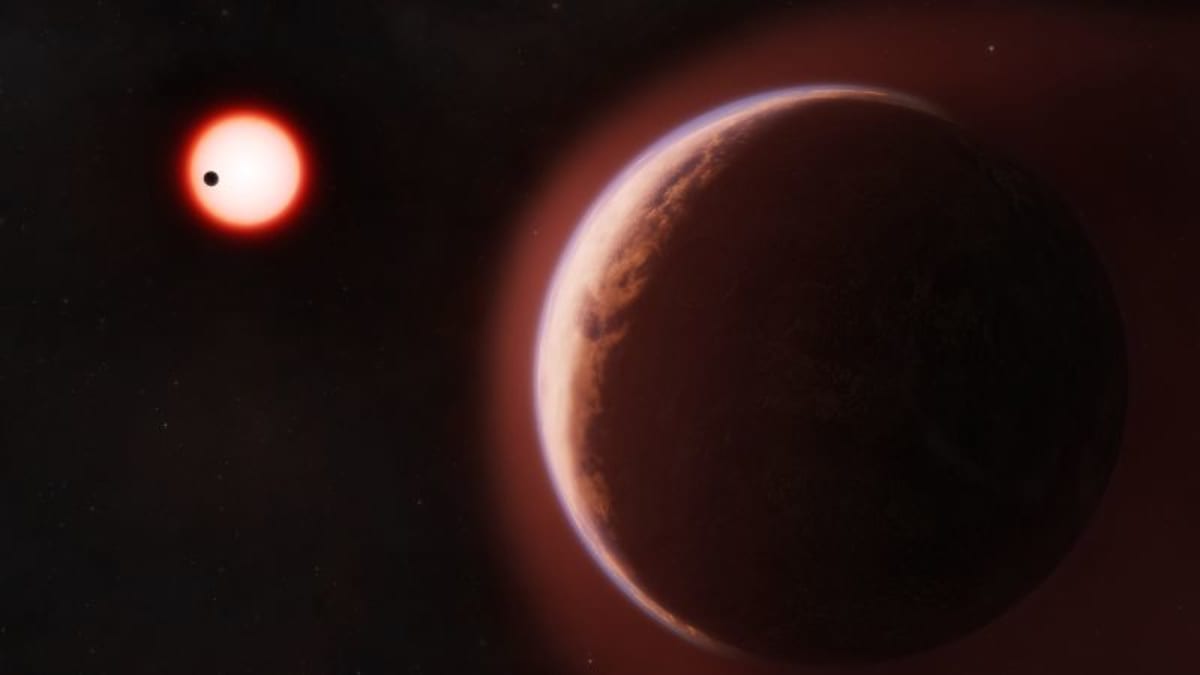
Scientists just confirmed the first atmosphere around an Earth-like planet in the habitable zone where liquid water could exist. The discovery makes planet LHS 1140b our best shot yet at finding life beyond our solar system.

Google News - Scientists Discover2 min read
Scientists Debate Exciting K2-18 b Planet Discovery
InnovationJul 24

Scientists Debate Exciting K2-18 b Planet Discovery

Astronomers found tantalizing hints of life-linked gases on a distant ocean world, sparking the most exciting scientific debate of 2025. While the signals remain uncertain, the discovery shows how close we're getting to answering humanity's biggest question.

Google: James Webb telescope2 min read
Baby Planets Shed Light on Solar System Mystery
InnovationJan 18

Baby Planets Shed Light on Solar System Mystery

Astronomers have captured four young planets still forming around a distant star, revealing how they evolve from puffy gas giants into the common worlds found throughout our galaxy. The discovery fills a crucial gap in understanding how planetary systems like ours come to be.

Live Science3 min read
Webb Telescope Finds 70 Baby Stars Forming Planets
InnovationAug 7

Webb Telescope Finds 70 Baby Stars Forming Planets

The James Webb Space Telescope just revealed a spectacular cosmic nursery where 70 infant stars are building their own planetary systems inside one of the most intense environments in our galaxy. The discovery gives scientists their first clear look at how planets form in extreme conditions.

Google: James Webb telescope3 min read
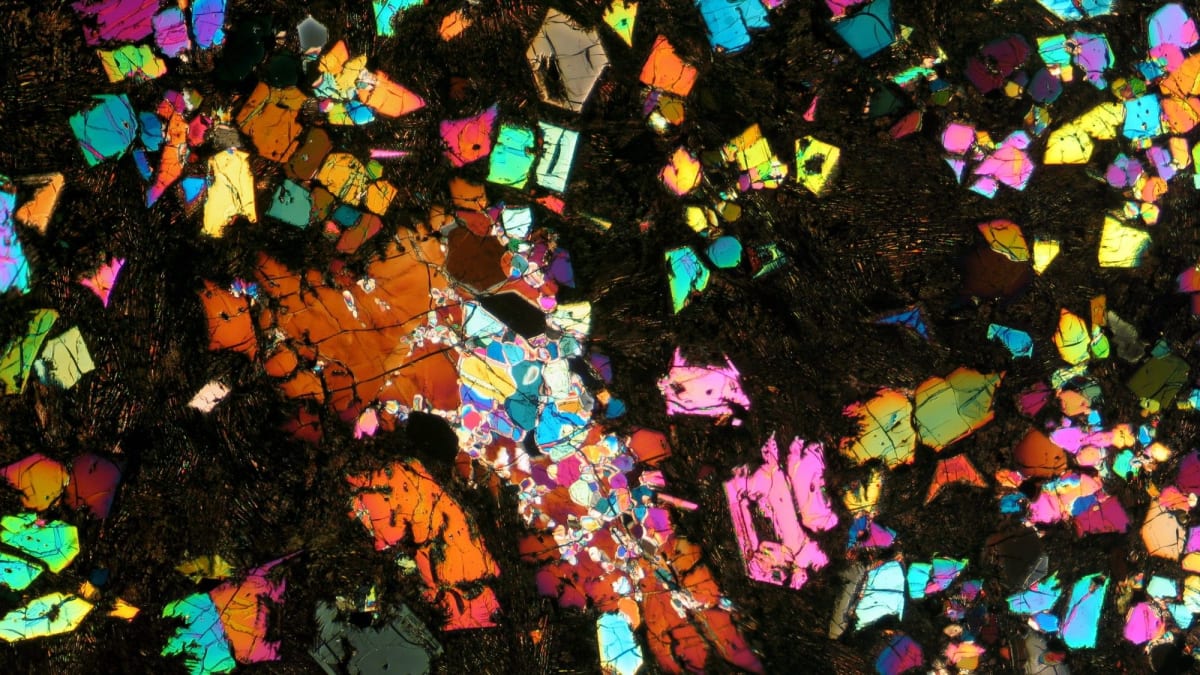
Sahara Meteorite Reveals Moon-Sized Lost Planet
InnovationJun 4

Sahara Meteorite Reveals Moon-Sized Lost Planet

A rare meteorite discovered in the Sahara Desert contains the first definitive proof of an ancient planet as large as Earth's moon that existed 4.5 billion years ago. The discovery rewrites what scientists thought they knew about how our early solar system formed. #

Space.com3 min read
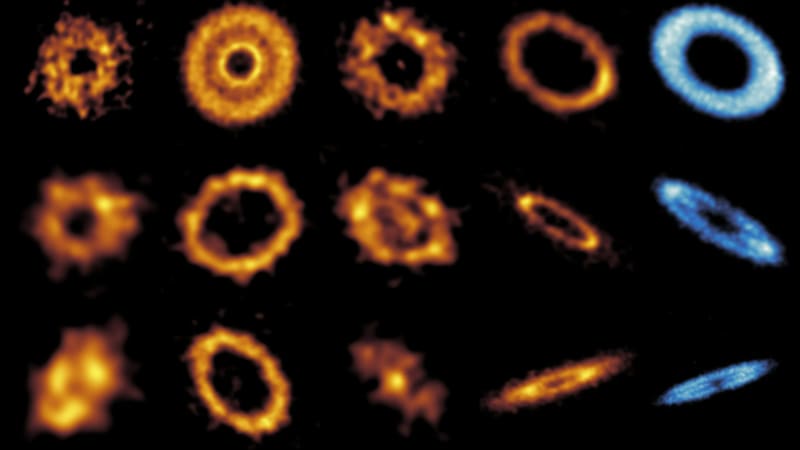
Telescope Reveals Chaotic 'Teen Years' of Young Planets
InnovationJan 28

Telescope Reveals Chaotic 'Teen Years' of Young Planets

Scientists using the world's largest radio telescope have captured the first detailed images of planetary systems going through their violent "teenage" phase, solving a mystery about how planets grow up. The discovery helps explain Earth's moon formation and fills a major gap in our understanding of how solar systems evolve. #

Space.com3 min read
Planet 49 Light-Years Away May Have Earth-Like Atmosphere
Planet WinsJul 21

Planet 49 Light-Years Away May Have Earth-Like Atmosphere

Scientists just found the strongest evidence yet that a planet outside our solar system has an atmosphere similar to Earth's. The discovery brings us one step closer to answering the age-old question: are we alone?

Google News - Science3 min read
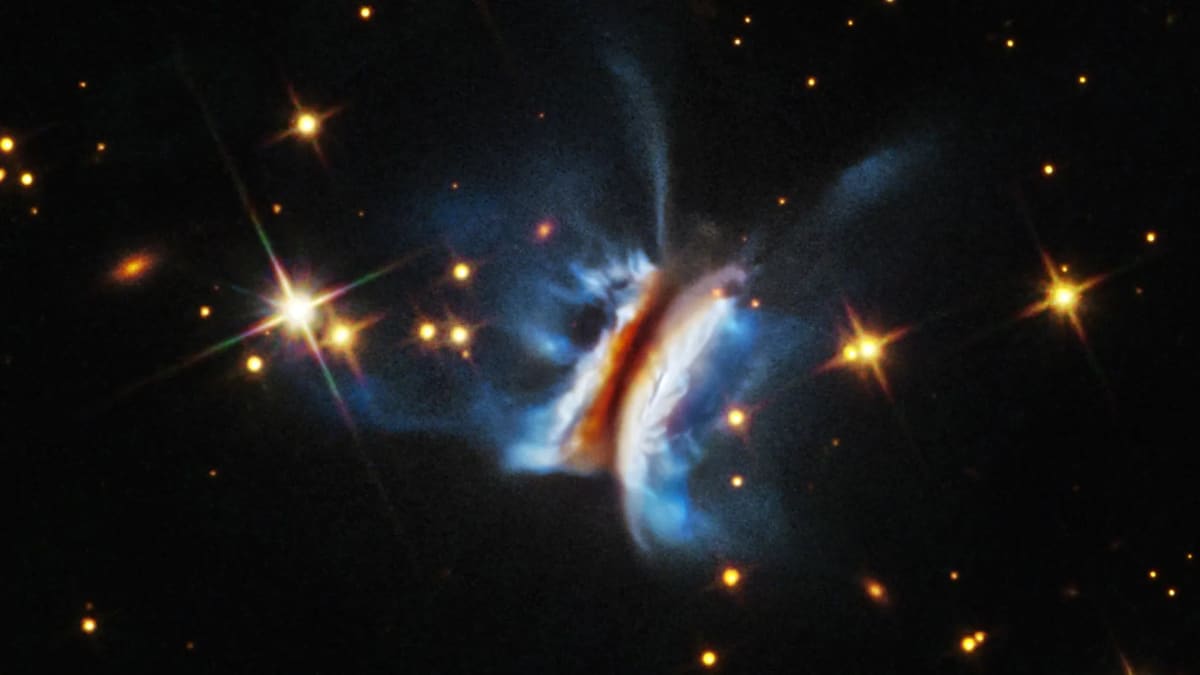
Hubble Finds Giant 'Chaotic' Planet Nursery 400B Miles Wide
InnovationMay 12

Hubble Finds Giant 'Chaotic' Planet Nursery 400B Miles Wide

NASA's Hubble telescope discovered the largest planet-forming disk ever seen, stretching 400 billion miles across with bizarre one-sided structures that could rewrite our understanding of how planets are born. The massive disk contains enough material to create multiple giant planets.

Science Daily3 min read
NASA Discovers Hidden Planet Using Revolutionary Method
InnovationJul 24

NASA Discovers Hidden Planet Using Revolutionary Method

A giant planet hiding in plain sight for years has finally been spotted by NASA's James Webb Space Telescope using a groundbreaking technique that could reveal countless more hidden worlds. The discovery opens a new way to find planets that conventional imaging methods miss.

Google: NASA discovery2 min read
NASA Satellite Discovers Planet It Wasn't Built to Find
InnovationJul 6

NASA Satellite Discovers Planet It Wasn't Built to Find

A NASA telescope designed to spot nearby planets accidentally found one 40,000 light-years away using a detection method it was never meant to use. The discovery suggests hundreds more hidden planets might be waiting in archived data.

Scientific American2 min read
Rocky Planet 49 Light-Years Away May Support Life
InnovationAug 1

Rocky Planet 49 Light-Years Away May Support Life

Scientists have detected signs of an atmosphere on a rocky planet in the habitable zone of a distant star, marking a potential breakthrough in the search for extraterrestrial life. The discovery on planet LHS 1140b makes it the best candidate yet for finding life beyond our solar system.

Google News - Science3 min read
Scientists Find Atmosphere on Rocky Planet 49 Light Years Away
Planet WinsJul 20

Scientists Find Atmosphere on Rocky Planet 49 Light Years Away

For the first time ever, scientists have confirmed an atmosphere around a rocky, Earth-like planet in the habitable zone where liquid water could exist. The discovery makes planet LHS 1140b the most promising place beyond our solar system to search for signs of life.

Google News - Scientists Discover2 min read
NASA Finds Two Cotton Candy Planets in Same Star System
InnovationJun 26

NASA Finds Two Cotton Candy Planets in Same Star System

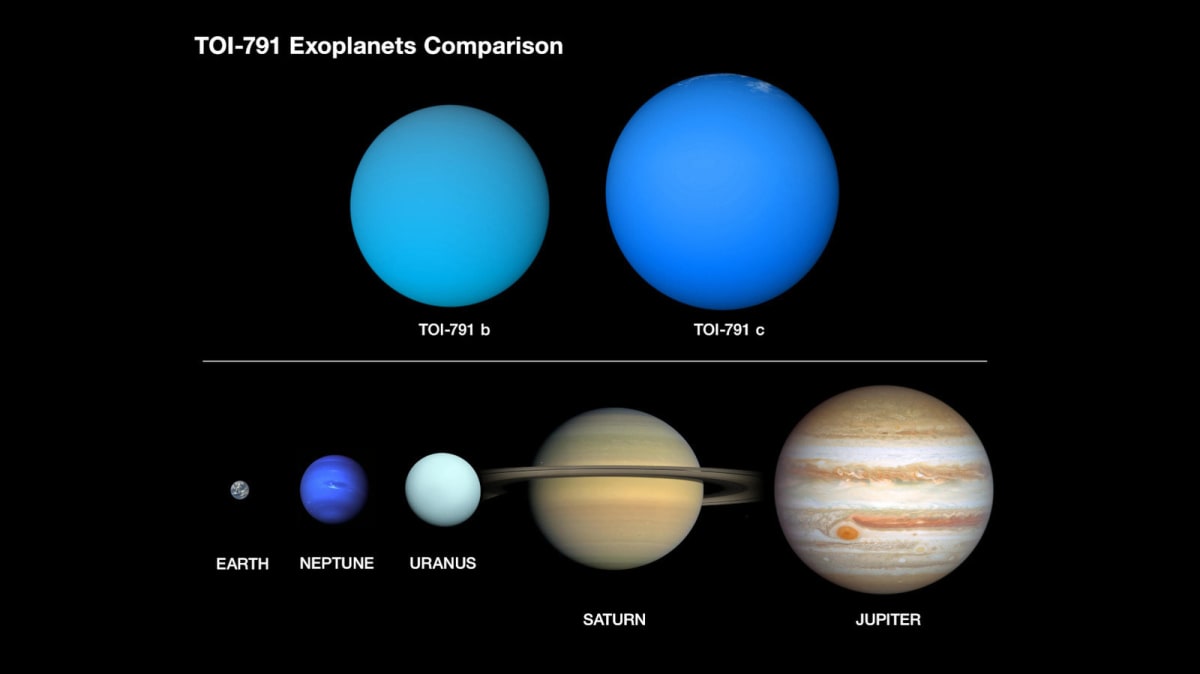
Scientists discovered two ultra-light planets so fluffy their density matches cotton candy, and finding them orbiting the same star makes the discovery even more extraordinary. The rare find could unlock secrets about how giant planets form across the universe.

Engadget2 min read
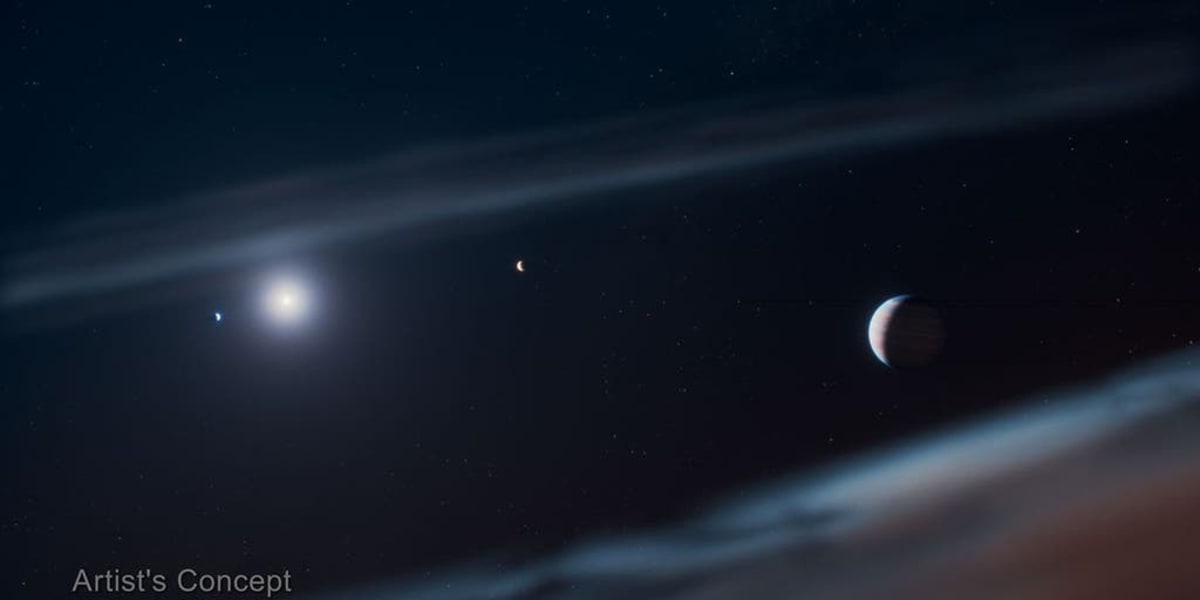
Two Planets Forming Around Young Star Mirror Early Solar System
InnovationMar 25

Two Planets Forming Around Young Star Mirror Early Solar System

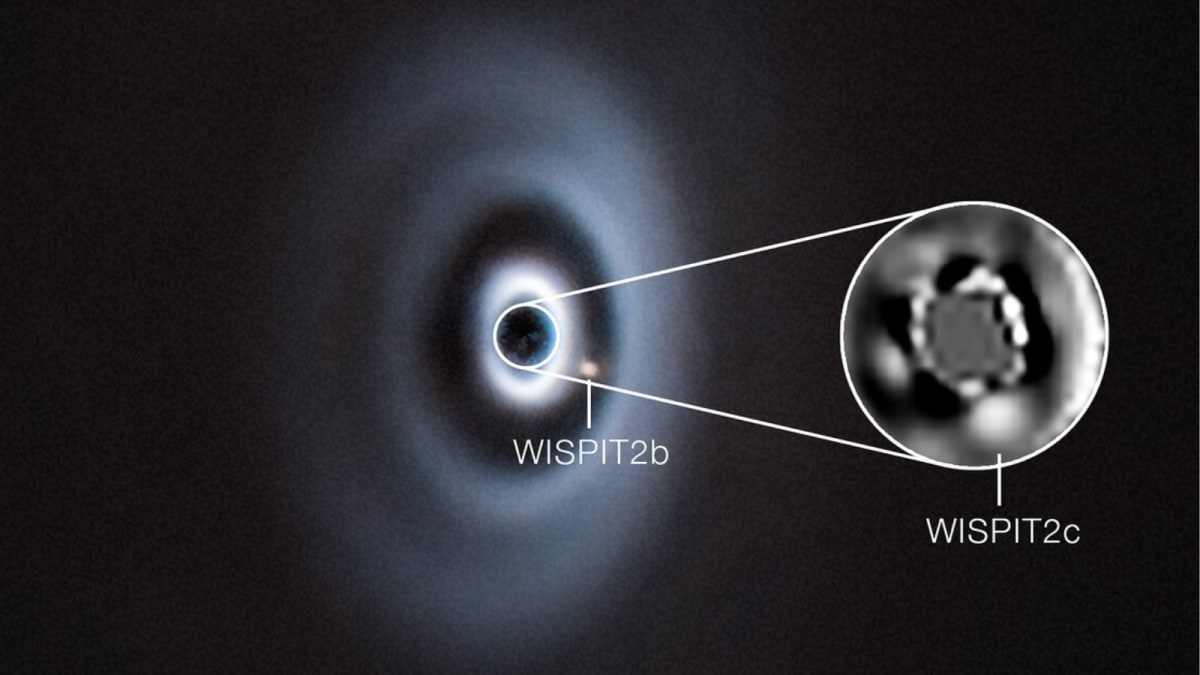
Astronomers have captured a rare glimpse of two planets actively forming around a 5.4-million-year-old star, offering our best look yet at what our own solar system looked like 4.6 billion years ago. The discovery could help scientists understand how Earth and its neighboring planets came to be.

Google News - Science2 min read
JWST Solves 20-Year Mystery of Impossible Giant Planets
InnovationMar 13

JWST Solves 20-Year Mystery of Impossible Giant Planets

Scientists finally cracked the case of four giant planets that shouldn't exist, using the James Webb Space Telescope to reveal how they grew so massive in the frozen outer reaches of their solar system. The discovery confirms our planet-building theories work even in extreme conditions.

Google: James Webb telescope3 min read
Webb Telescope Solves Mystery of 15-Jupiter-Mass Planet
Planet WinsApr 15

Webb Telescope Solves Mystery of 15-Jupiter-Mass Planet

NASA's Webb Telescope just proved that a planet 15 times heavier than Jupiter formed the same way Earth did, rewriting the rules on how massive planets can grow. The discovery shows that giant worlds can build up piece by piece, even when they get enormously heavy.

Google News - Science3 min read
Rocky Planet Keeps Atmosphere in Universe's Harshest Spot
InnovationMar 23

Rocky Planet Keeps Atmosphere in Universe's Harshest Spot

Scientists thought this scorching planet was too small and hot to have air, but NASA's Webb telescope just proved them spectacularly wrong. The discovery could rewrite our understanding of how planets survive in extreme environments.

Google: James Webb telescope3 min read

Showing 20 of 10770